Top 4 Castles around Guglionesi
Best castles around Guglionesi are found within a region rich in medieval history and strategic fortifications. While Guglionesi itself features remnants and sites of former castles, the broader Molise area offers well-preserved examples. The town's past includes a 10th-century "incastellamento" phenomenon, where entire villages served as fortifications. Visitors can explore these historical layers, connecting with the strategic development of the area.
Best castles around Guglionesi
- The most popular castles is Svevo Castle, a castle that is a symbol of…
Last updated: October 16, 2026
Svevo Castle
Highlight • Castle
Translated by Google •
Tip by

Swabian Castle of Termoli
Highlight • Castle
Historic defensive fortifications in limestone and sandstone which today host exhibitions and cultural events
Borgo Vecchio di Termoli, Via Montecastello, 86039 Termoli CB
comune.termoli.cb.it/turismo/visita-la-nostra-citta/associazione-1-il-borgo.html
08757121
Translated by Google •
Tip by

Sign up now to discover places like this
Get recommendations on the best single tracks, peaks, & plenty of other exciting outdoor places.
Old Town of Termoli
Highlight • Historical Site
Translated by Google •
Tip by

Montebello Tower
Highlight • Monument
Translated by Google •
Tip by

Start today with a free account
Your next adventure awaits.
Tips from the Community

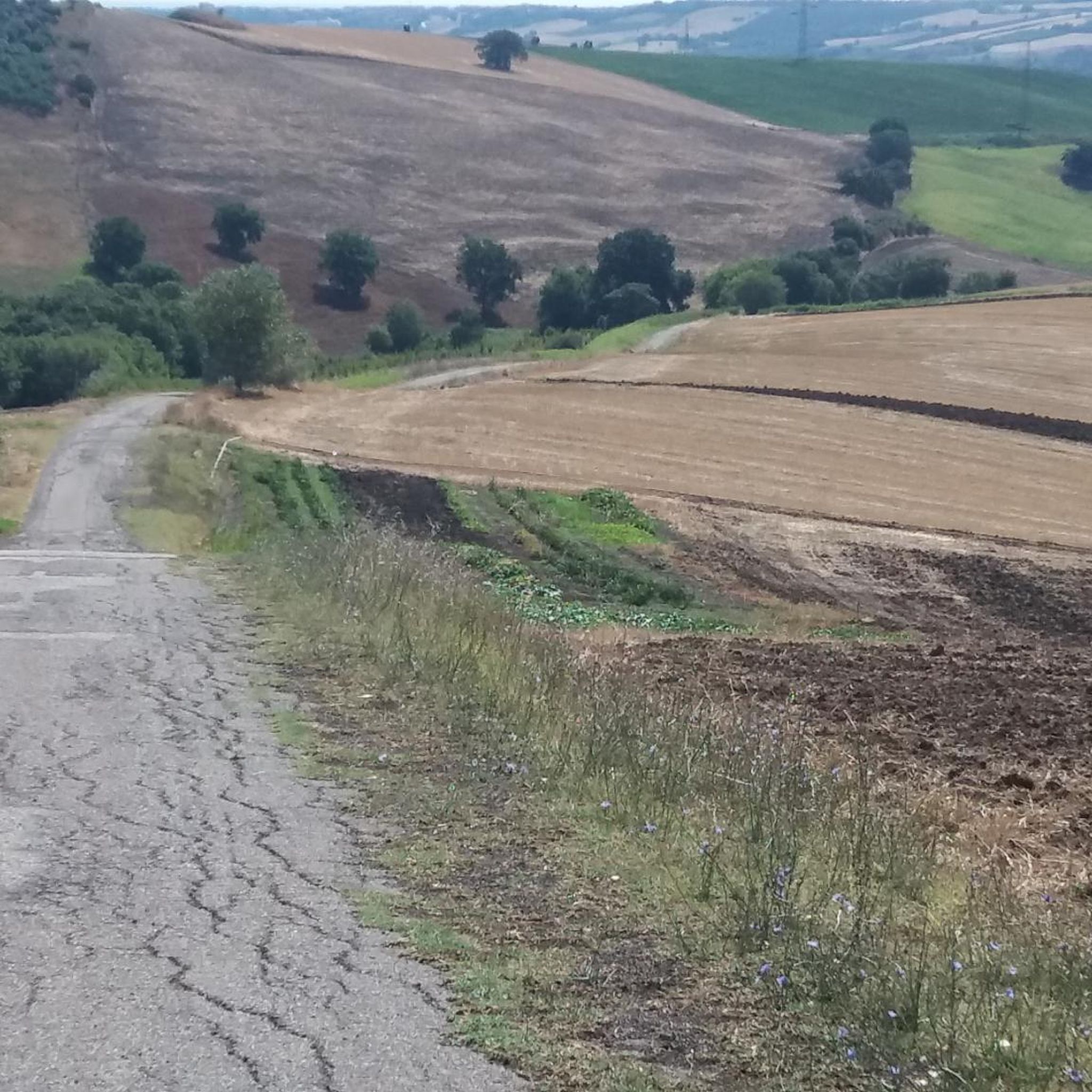
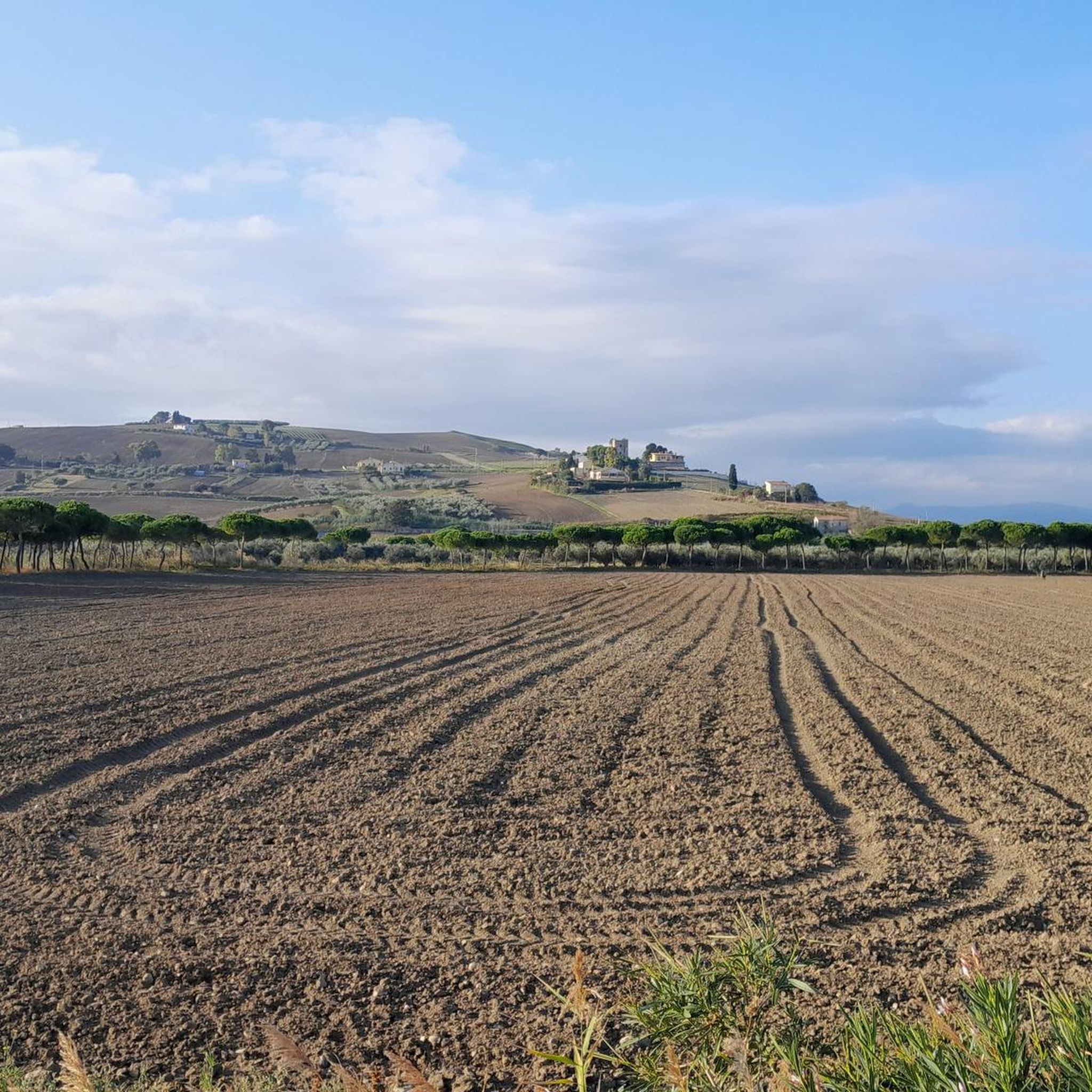
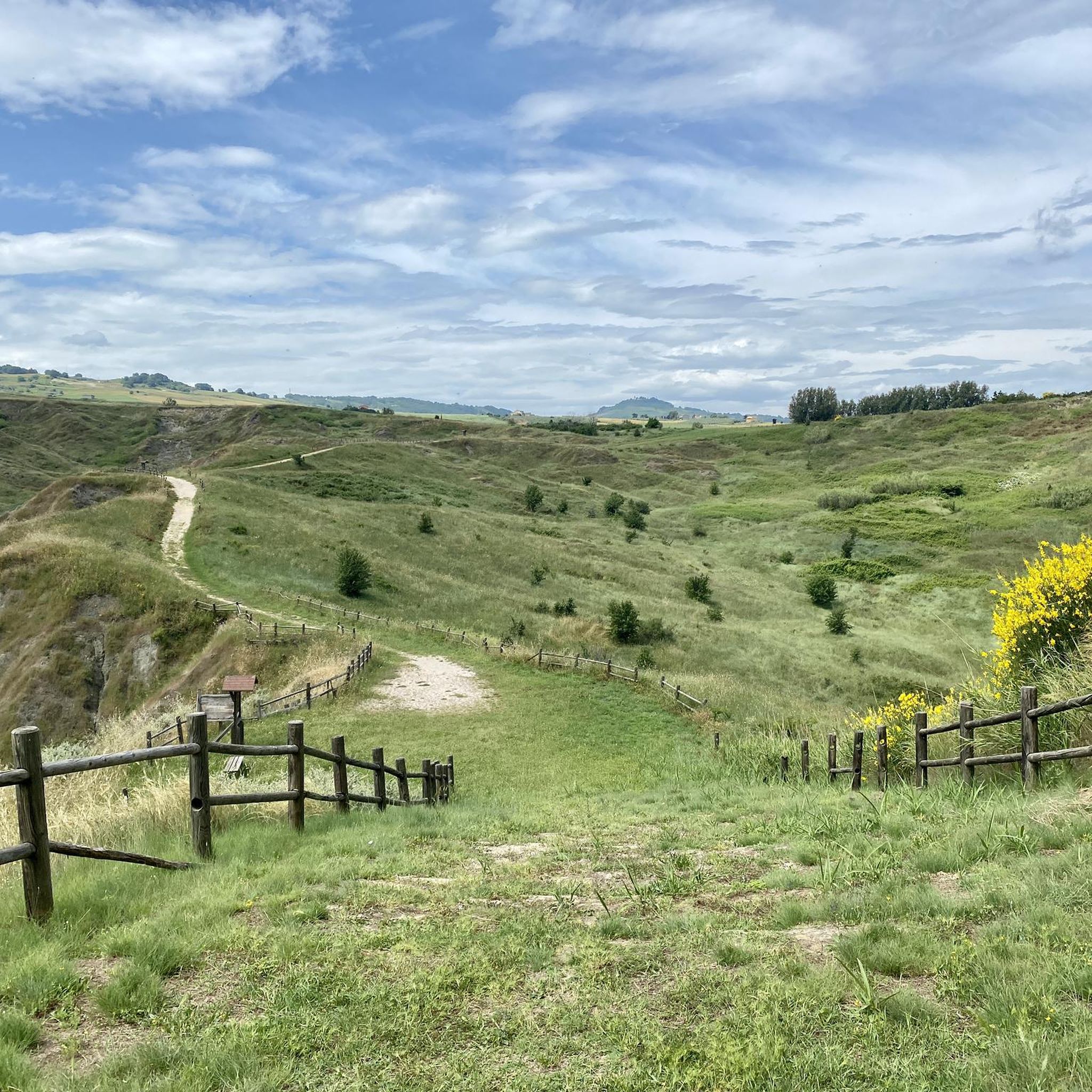
Short tour but with beautiful landscapes.
0
0

An important part of the defense system, a sturdy wall that surrounded the old village.
0
0
Also known as Torre di Vialante
0
0
A wedding favor you absolutely must visit! PS: "A Rejecelle" alley of the Borgo Antico I wasn't able to pass by bike... it's much narrower.
0
0

The Swabian castle of Termoli characterizes the image of the medieval village of the city with its profile. Its construction is traced back approximately to the XIII century, a period in which Frederick II of Swabia designed a fortification system of the south-eastern Italian borders up to Sicily, while the central Norman tower dates back to the XII century, maintaining the structural characteristics of the Norman towers existing. (Source Wikipedia.)
4
0

beautiful castle overlooking the sea and the port
3
0
Both coming from the south and from the north you have to face an annoying climb!
1
0

Castle kept in excellent condition.
11
0
Frequently Asked Questions
What kind of castles can I expect to find around Guglionesi?
While Guglionesi itself primarily offers historical ruins and sites of former castles, such as the remnants along Via Capitano Verri and the site of the second castle in Castellara (now home to the Convent of the Cappuccini), the broader Molise region provides well-preserved examples. The area reflects a rich history of fortification, including the 10th-century 'incastellamento' phenomenon where entire villages were designed as defenses.
Are there any well-preserved castles near Guglionesi that I can visit?
Yes, for well-preserved castles, you should visit nearby Termoli. The most notable is the Svevo Castle, an impressive 13th-century structure designed by Frederick II of Swabia. It functions as a regional historical museum and offers panoramic views.
What is the historical significance of the castles in the Guglionesi area?
The castles and fortifications around Guglionesi are historically significant as they were part of a strategic defense network. Guglionesi once had two castles and eighteen watchtowers, though they were largely destroyed in 1496. The region also participated in the 'incastellamento' phenomenon, where entire villages were built as fortifications, highlighting a period when the very fabric of settlements provided defense against invaders like the Saracens and later, the Turks.
Are there other historical sites besides castles in the area?
Absolutely. Beyond the castles, the Old Town of Termoli is a must-see historical site. It's a medieval village protected by ancient walls, offering narrow streets and historical architecture. Additionally, the Montebello Tower (also known as Torre di Vialante) is a coastal defense tower with possible Norman origins, part of a network against Turkish attacks.
What are the best viewpoints near the castles?
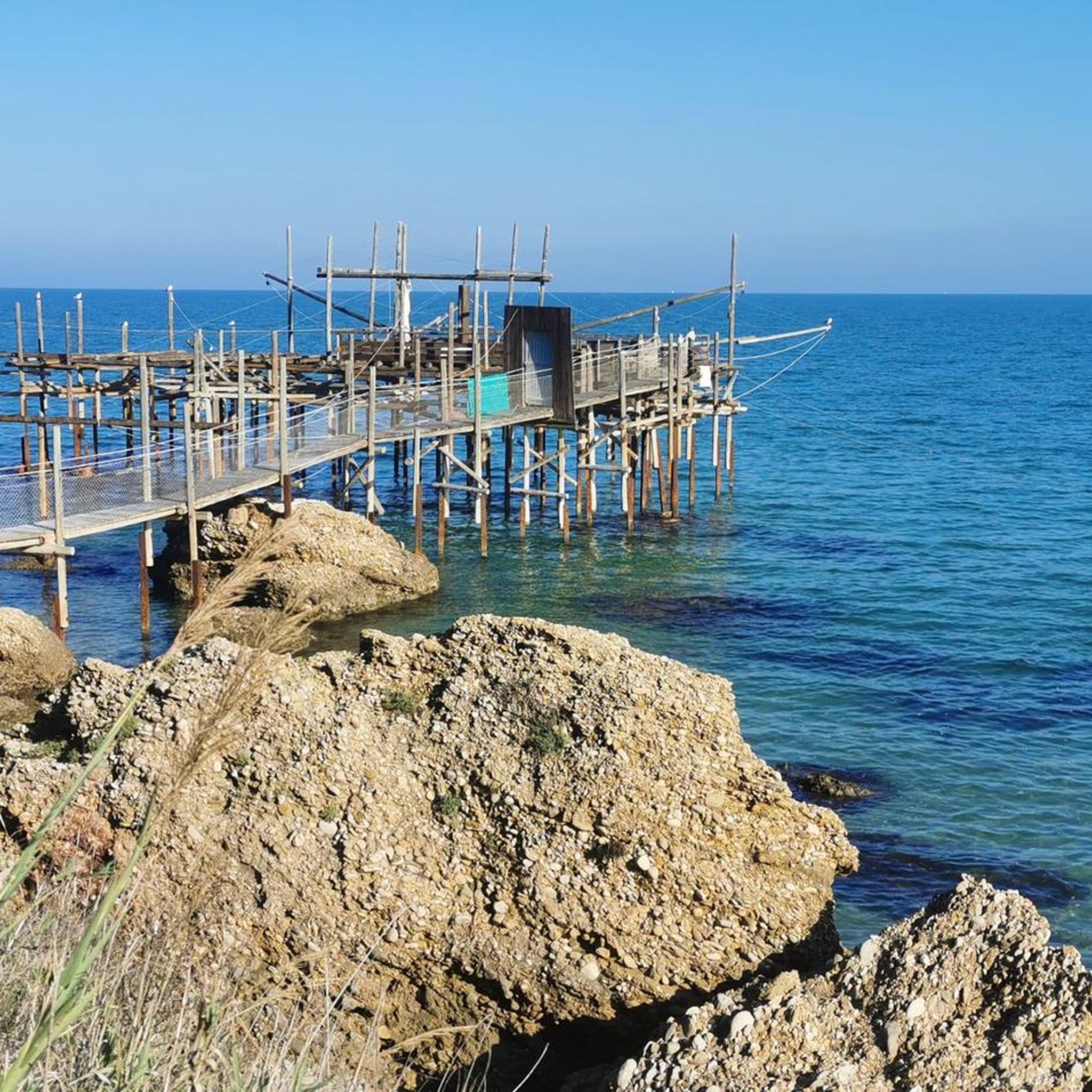
Near the Svevo Castle in Termoli, you can find the View of the Trabucchi and Termoli Old Town from the Castello Svevo Belvedere. This spot offers breathtaking panoramas of the sea, the traditional fishing structures known as 'trabucchi,' and the charming old town, especially beautiful at sunset.
Are there family-friendly castles to visit around Guglionesi?
Yes, the Svevo Castle in Termoli is considered family-friendly. Its well-preserved state and status as a regional historical museum make it an engaging visit for all ages. The View of the Trabucchi and Termoli Old Town from the Castello Svevo Belvedere is also a great spot for families to enjoy the scenery.
What is the best time to visit the castles around Guglionesi?
The Molise region generally enjoys pleasant weather from spring to early autumn (April to October). Visiting during these months allows for comfortable exploration of the outdoor ruins and the well-preserved castles, as well as enjoying the coastal views without extreme heat or cold.
Are there hiking trails near the castles around Guglionesi?
Yes, there are several hiking opportunities in the region. For example, you can explore trails like the 'Calanchi di Montenero Loop' or routes around Termoli such as 'Trabucco di Celestino – Svevo Castle loop'. You can find more details and routes on the Hiking around Guglionesi guide.
What other outdoor activities can I do near the castles around Guglionesi?
Beyond hiking, the area offers excellent opportunities for cycling. You can find various MTB trails, including loops connecting Termoli and Portocannone, or road cycling routes like the 'Guglionesi Historic Center – Termoli Seafront Cycle Path loop'. Explore these options in the MTB Trails around Guglionesi and Road Cycling Routes around Guglionesi guides.
What do visitors particularly enjoy about the castles and historical sites in this region?
Visitors often appreciate the excellent condition of the Svevo Castle and its role as a symbol of Termoli's medieval village. The historical depth of the Old Town of Termoli, with its protective walls and charming streets, is also highly praised. The panoramic views from the belvedere near the castle are frequently highlighted as superb, especially at sunset.
Is there parking available at Svevo Castle in Termoli?
While specific parking facilities directly at the castle are not detailed, Termoli's old town, where the Svevo Castle is located, has parking options in its vicinity. It's advisable to look for public parking areas outside the historic center and walk in, as the old town itself has narrow streets.
Most popular attractions around Guglionesi

Get inspired with the komoot mobile app


Explore more
Looking for the best castles somewhere else? Discover other guides around Guglionesi:
