Top 4 Castles around Salcito
Best castles around Salcito are found within the broader Molise region, a landscape characterized by hills and valleys. Salcito, a municipality in the Province of Campobasso, serves as a gateway to exploring historical fortresses and medieval settlements. The area offers a blend of natural scenery and ancient architecture, providing insights into the region's past.
Best castles around Salcito
- The most popular castles is Sant'Angelo Limosano Historic Village, a settlement that boasts medieval ramparts and a medieval church. The town…
Last updated: October 16, 2026
Sant'Angelo Limosano Historic Village
Highlight • Settlement
Translated by Google •
Tip by

Castropignano
Highlight • Settlement
Translated by Google •
Tip by

Sign up now to discover places like this
Get recommendations on the best single tracks, peaks, & plenty of other exciting outdoor places.
Duronia
Highlight • Settlement
Translated by Google •
Tip by
Castello d'Evoli of Castropignano
Highlight • Castle
Translated by Google •
Tip by

View of Torella del Sannio
Highlight • Viewpoint
Translated by Google •
Tip by

Start today with a free account
Your next adventure awaits.

Tips from the Community

Don't miss the opportunity for a coffee break , in the small square and admire a beautiful view.
0
0

Castropignano is located a short distance from Campobasso in the Biferno river valley. There are many churches to visit and the Evoli castle.
2
0
Located along the valley of the Biferno river, the village of Torella del Sannio stands on a hill. The castle built in the 10th century is worth a visit where you can see the permanent exhibition of the Neapolitan painter Elena Ciamarra.
2
0
The village of Duronia is located on the ancient Lucera-Castel di Sangro sheep track. The village has undergone great depopulation and currently there are around 400 inhabitants. In the historic center you can spot the ruins of the medieval castle.
2
0

Castropignano is a town in Molise with about 2,000 inhabitants, whose origins date back to the 4th century BC. It is a beautiful village located on a rocky ridge with a view over the Biferno river valley. The main attraction is the castle of Evoli, a suggestive building erected during the Lombard domination and transformed by the Normans in the 11th century. The historic center offers narrow streets and bell towers that represent the charm of the medieval village. https://www.visitmolise.eu/scheda-localita/-/d/dms/1508576/castropignano
1
0

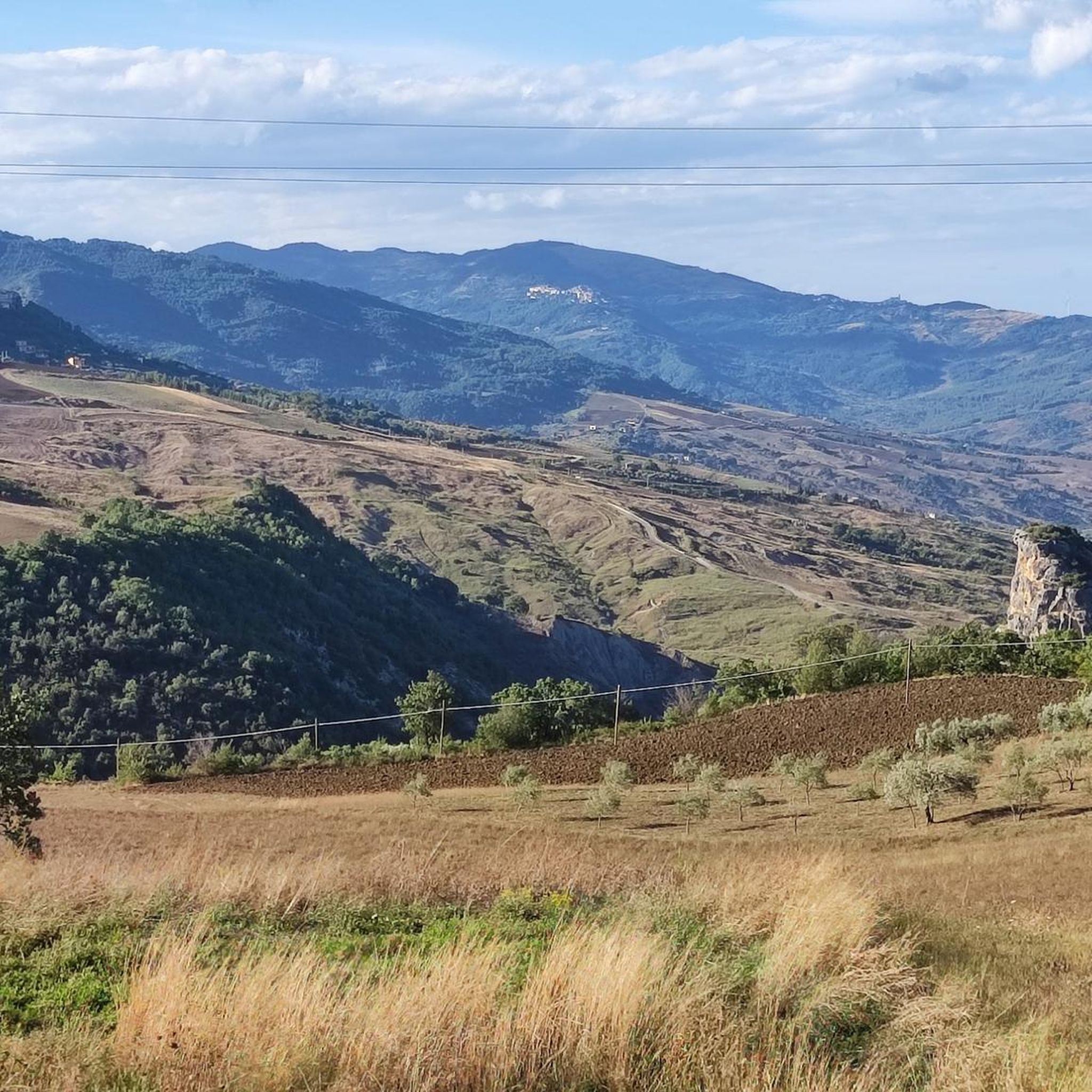
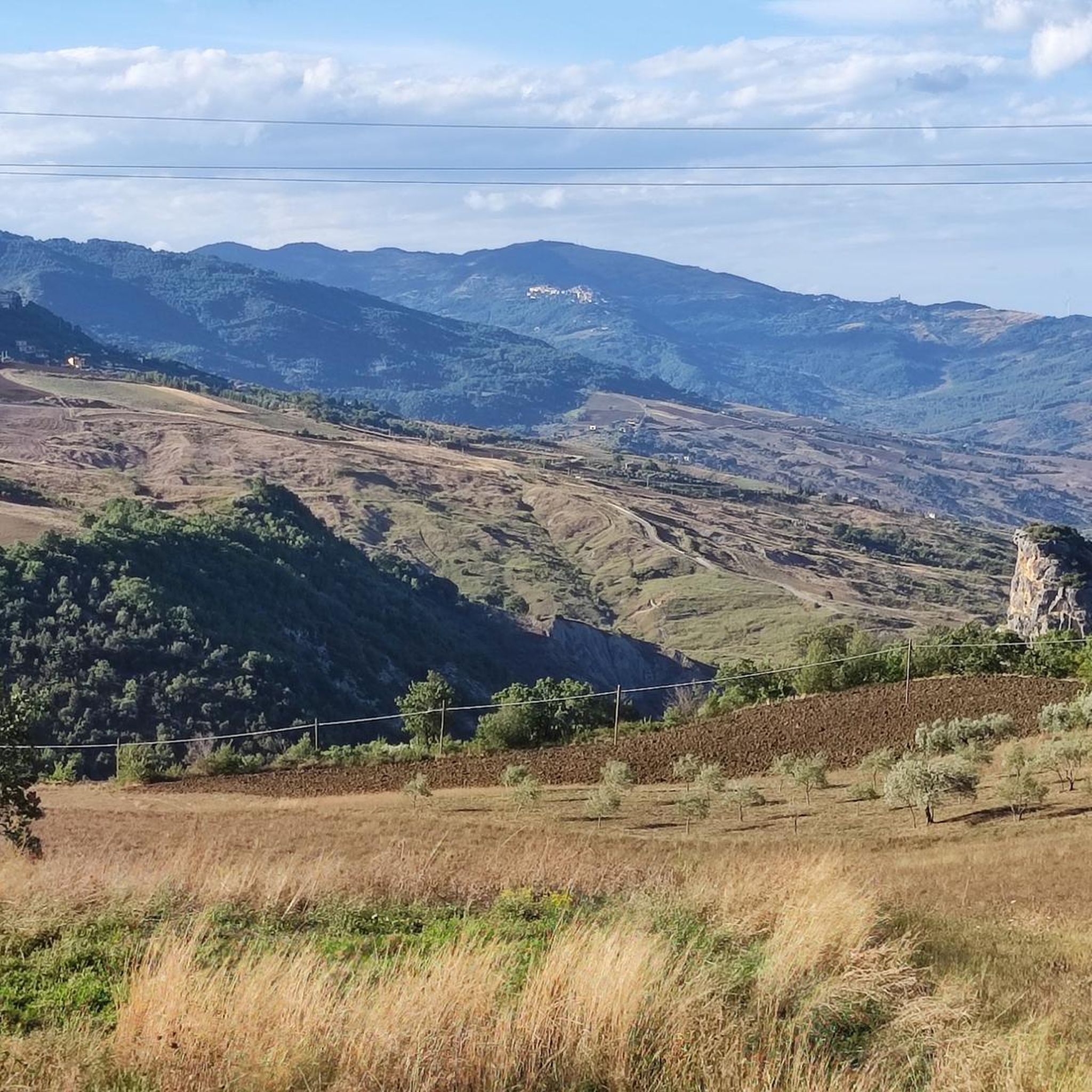
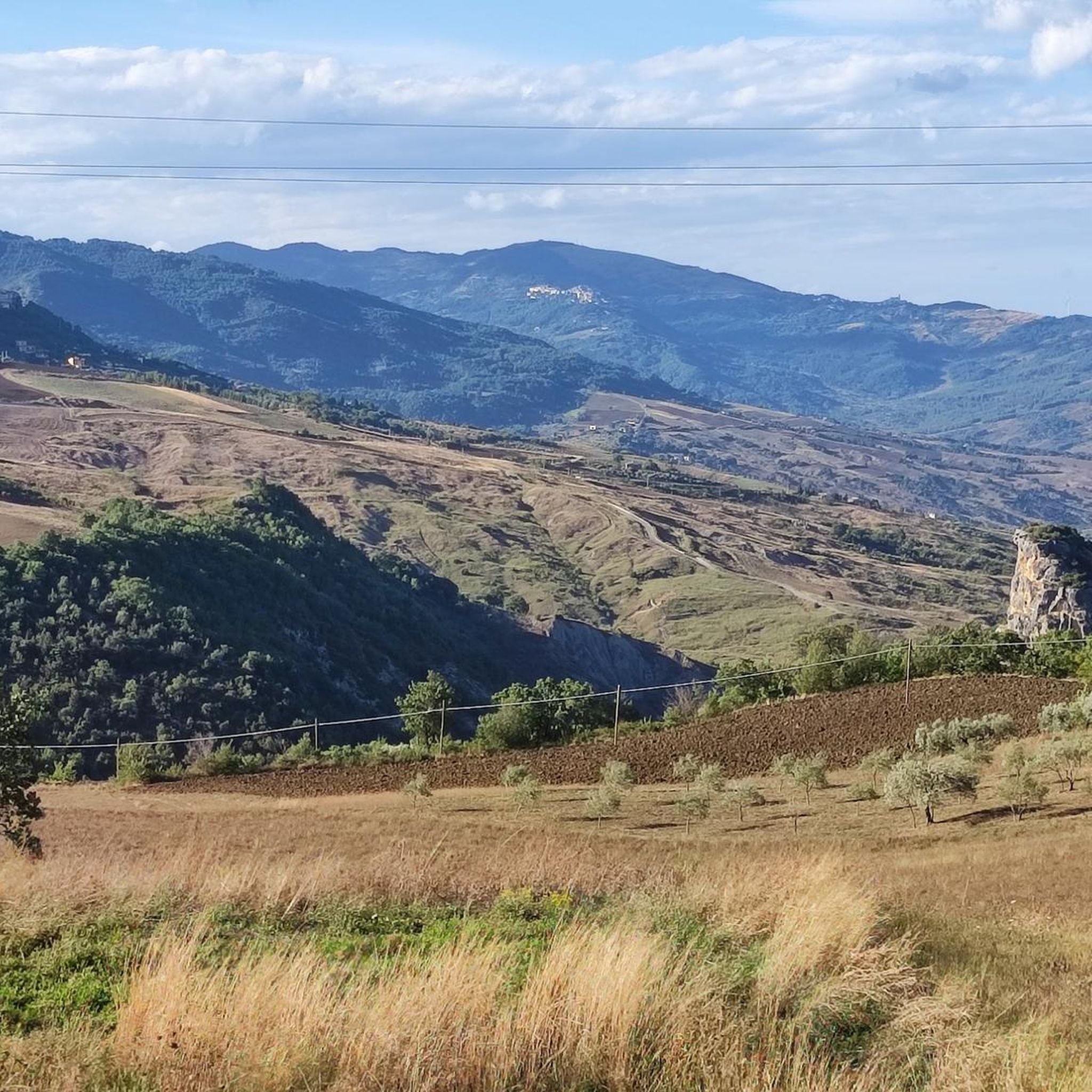
Very nice little village, at the top there is a beautiful panorama.
9
0

Small town, if you feel like it you can continue entering the uphill road that enters the town. The climb is short but quite tough and the surface is in san pietrini, not very easy to pedal. At the bottom, however, there is a truly impressive viewpoint!
2
0
It is a small town located on a hill overlooking the Biferno valley, truly rich in attractions for the visitor.
5
0
Frequently Asked Questions
What are the most notable castles and historic villages to visit near Salcito?
The Molise region, near Salcito, offers a rich selection of historical sites. Highly recommended are the historic villages of Sant'Angelo Limosano, known for its medieval ramparts and church, and Castropignano, which features the impressive Evoli castle overlooking the Biferno valley. Another charming spot is Duronia, with ruins of a medieval castle and panoramic views. Beyond these, consider visiting Castello Monforte in Campobasso for its strategic location and views, or Castello Pignatelli in Monteroduni, which transformed from a defensive structure into an elegant palace.
Are there family-friendly castles or villages to explore around Salcito?
Yes, several locations are suitable for families. The villages of Duronia and Castropignano are both marked as family-friendly in the komoot community. Exploring their historic centers, castle ruins, and enjoying the scenic views can be an engaging experience for all ages.
What kind of historical significance do the castles in the Molise region hold?
The castles in Molise offer a deep dive into centuries of history, from Lombard and Norman origins to Renaissance transformations. Many, like Castello Monforte and Castello Pignatelli, served as crucial defensive structures before evolving into princely residences. They bear witness to conflicts between ruling families, architectural shifts, and the region's strategic importance throughout medieval and early modern periods.
Can I find good viewpoints or natural features near these castles?
Absolutely. Many castles and historic villages are strategically located to offer stunning vistas. From Sant'Angelo Limosano, you can sometimes see the Tremiti islands and the peaks of the Maiella mountains. Duronia provides a beautiful panorama from its highest point, and Castello Monforte in Campobasso offers magnificent views of the surrounding area from its terrace. The castles often sit amidst natural landscapes, such as the dense woods surrounding Castello d'Alessandro in Pescolanciano or the Tappino valley overlooked by Castello di Gambatesa.
What outdoor activities can I do near the castles around Salcito?
The area around Salcito is excellent for various outdoor activities. You can find numerous routes for cycling, road cycling, and mountain biking. For example, there are challenging cycling loops like the 'Fountain with Eagle Sculpture loop from San Giovanni Lipioni' or the 'Biferno River – Castropignano loop from Fossalto'. Mountain bikers can explore trails such as the 'Morgia di Pietravalle Loop' or the 'Sant'Angelo Limosano and Bosco di Trivento Loop'. You can find more details on these and other routes in the Cycling around Salcito, Road Cycling Routes around Salcito, and MTB Trails around Salcito guides.
Are there specific hiking trails near the castles?
While specific hiking trails directly *to* every castle aren't detailed, the region's natural terrain lends itself to walking and exploring. Many of the villages, like Duronia, involve uphill roads or paths to reach their historic centers and castle ruins. The broader Molise region offers opportunities for walking in the countryside surrounding these historical sites. For more structured routes, consider the cycling and MTB guides mentioned previously, as many of these paths can also be enjoyed on foot.
What is the best time of year to visit the castles in the Salcito region?
The Molise region generally enjoys pleasant weather from spring through early autumn (April to October), making these months ideal for visiting castles. Spring offers lush greenery and comfortable temperatures, while autumn provides cooler weather and often beautiful foliage. Summer can be warm, but many castle sites are on hills, offering refreshing breezes. Winter visits are possible, but some sites might have reduced hours, and weather conditions can be colder.
Are there any 'hidden gem' castles or less-known historical sites worth discovering?
Beyond the more prominent castles, the Molise region is dotted with smaller, equally fascinating historical sites. Castello di Civitacampomarano, described as a 'jewel nestled in the rock,' offers a blend of medieval and Renaissance architecture in a striking setting. Castello d'Alessandro in Pescolanciano, nestled amidst dense woods, provides an atmosphere of nobility and refinement with its unique Throne Room. These offer a glimpse into the region's rich, often overlooked, heritage.
What do visitors enjoy most about the castles and villages around Salcito?
Visitors frequently appreciate the authentic medieval atmosphere and the stunning panoramic views. The komoot community highlights the 'beautiful panorama' from Duronia and the charm of exploring historic centers with narrow streets and ancient architecture, such as in Castropignano. The sense of stepping back in time and the tranquility of these less-traveled locations are often cited as major draws.
Are there any castles in the Molise region that have been transformed into museums or cultural centers?
Yes, Castello Pandone in Venafro is a notable example. This ancient fortress was transformed into a medieval palace and now serves as a national museum. It houses an impressive collection of sculptures and paintings by renowned artists, making it a significant cultural attraction in the region.
Is public transport available to reach these castles, or is a car recommended?
While some larger towns like Campobasso (home to Castello Monforte) are accessible by public transport, many of the smaller villages and more remote castles in Molise are best reached by car. Having a car provides the flexibility to explore the region at your own pace and visit multiple sites in a day. Public transport options between smaller villages can be limited and infrequent.
Can I find amenities like cafes or restaurants near the castles?
Many of the historic villages, such as Castropignano and Duronia, will have small local cafes or trattorias where you can enjoy a coffee or a meal. Larger towns like Campobasso will offer a wider range of dining options. It's always a good idea to check opening hours, especially in smaller villages, as they can vary.
Most popular attractions around Salcito

Get inspired with the komoot mobile app


Explore more
Looking for the best castles somewhere else? Discover other guides around Salcito:
