Top 7 Castles around San Severo
Best castles around San Severo can be found in the surrounding Foggia province of Puglia, Italy. While San Severo itself is known for its Baroque architecture, the nearby region offers a variety of historical fortified structures and castle ruins. These sites provide insight into the area's rich history, architectural features, and strategic importance, often situated on elevated positions offering views of the landscape.
Best castles around San Severo
- The most popular castles is Castel Pagano Ruins, a castle that…
Last updated: June 29, 2026
Castel Pagano Ruins
Highlight • Castle
Translated by Google •
Tip by

Ducal Castle of Torremaggiore
Highlight • Castle
Translated by Google •
Tip by
Sign up now to discover places like this
Get recommendations on the best single tracks, peaks, & plenty of other exciting outdoor places.
Sign up for free
Castle of Lucera
Highlight • Castle
Translated by Google •
Tip by
Castel Fiorentino
Highlight • Castle
Translated by Google •
Tip by
Castello di Lucera
Highlight • Castle
Translated by Google •
Tip by

Sign up for free to discover even more castles around San Severo.
Sign up for free
Already have an account?
Start today with a free account
Your next adventure awaits.
Login or Signup
Other adventures around San Severo

Tips from the Community

The fortress dominated the arrival of the Transhumance flocks from the top of Colle Albano. Lucera, before Foggia, was the seat of customs.
0
0
Castelfiorentino is the current name, Torre Fiorentina is the name of the site on which the remains of the small medieval city are located.
0
0

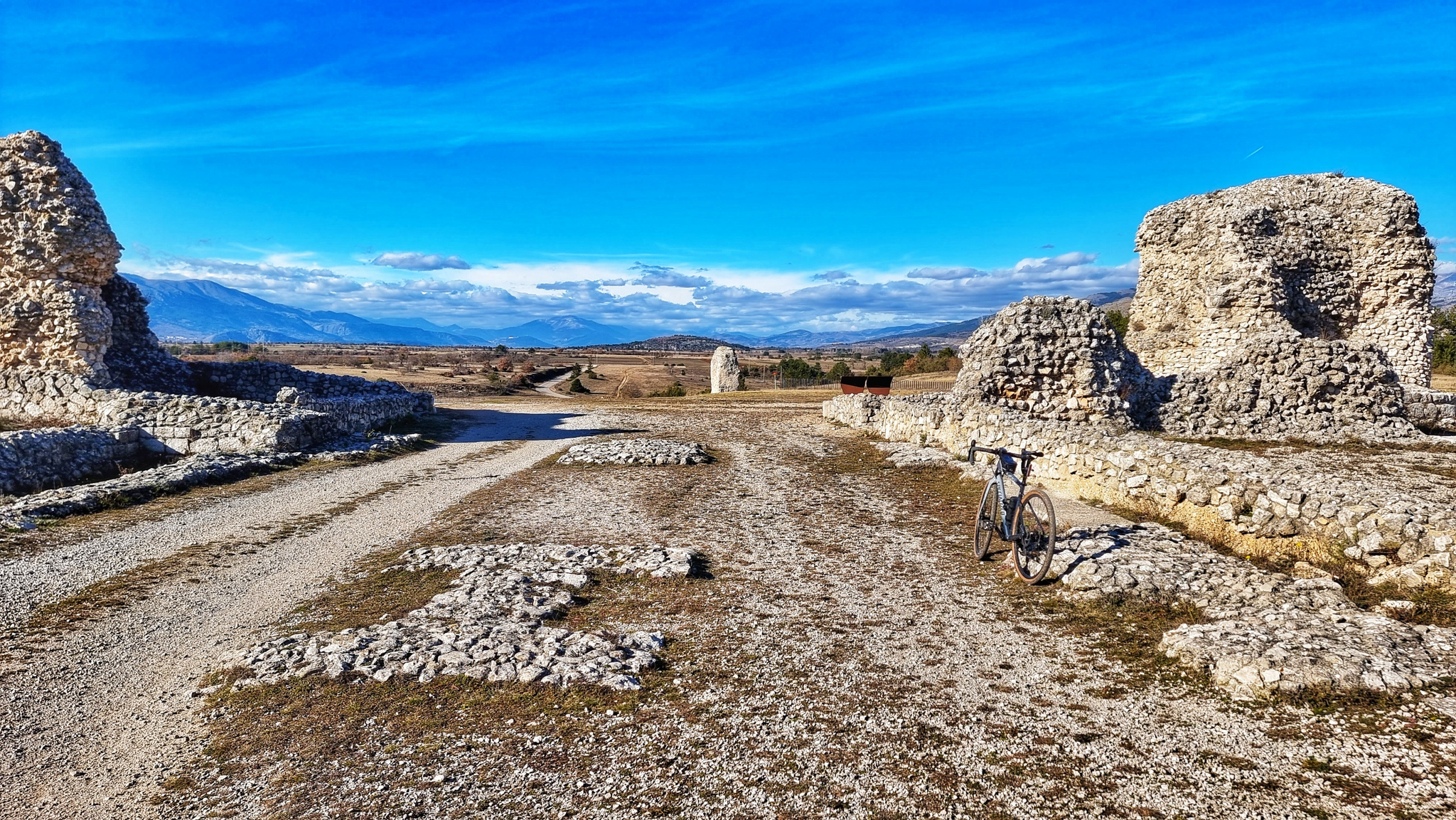
The castle of Torremaggiore is a 12th century fortress located in the center of the Apulian city. It was built by the Normans and then transformed into a residence by the De Sangro princes. The castle has six towers, a moat and today houses a civic museum with archaeological finds from Fiorentino, the place where Frederick II of Swabia died.
0
0
The castle of Lucera is a 13th century Swabian-Angevin fortress, built by Frederick II and enlarged by Charles I of Anjou. It is located on the top of Colle Albano from which it dominates the Tavoliere delle Puglie. It was the residence of the emperor and the Saracens who had moved from Sicily, today it is a national monument and preserves the ruins of the palace, the mint and the mosque.
1
0

The era of the foundation of this fortress is uncertain; it is thought to be even prior to the construction of Apricena, therefore the second half of the 9th century. Already flourishing in the 11th century under the lordship of the Norman Count Enrico, it then passed from Rainulfo Drengot, duke of Aversa, to Ruggero, lord of Rignano, following a long and bitter war.
0
0
Located on a spur of the Gargano at an altitude of 545 metres, south-west of the Gargano promontory in the municipality of Apricena, the castle, of which few ruins remain, was part of a village whose origin is uncertain.
0
0

beautiful Swabian fortress, with a view of the Tavoliere that reaches the sea. However, it can be reached with a bit of effort
0
0
on the top of a hill between San Severo and Castelnuovo della Daunia the remains of a Frederician fortress, where on the day of Santra Lucia in 1250 Federico II of Swabia, taken ill, dictated his last dispositions and died. A place of extraordinary energy, constantly flown over by the flight of birds of prey as if to build a sacred place. It deserves more protection though.
1
0
Frequently Asked Questions
What historical castles can I visit near San Severo?
While San Severo itself is known for its Baroque architecture, the surrounding Foggia province offers several significant historical castles and ruins. Notable sites include the well-preserved Castle of Lucera, the imposing Ducal Castle of Torremaggiore, and the archaeological ruins of Castel Fiorentino.
Which castles near San Severo are associated with Emperor Frederick II?
Emperor Frederick II has strong ties to several sites in the region. Castel Fiorentino is particularly notable as the place where he is said to have died. The Castle of Lucera also has connections to Frederick II, as he began construction of his palace there in the 12th century.
Are there any castle ruins with scenic views near San Severo?
Yes, the Castel Pagano Ruins, located on a spur of the Gargano at 545 meters above sea level, offer wonderful views towards the Gargano, the Molise mountains, and the Tavoliere. Its elevated position was strategically important for controlling the territory.
What is the best time of year to visit the castles around San Severo?
The best seasons to explore the castles are typically spring (April-June) and autumn (September-October). During these months, the weather is generally mild and pleasant for outdoor exploration, avoiding the intense heat of summer and the cooler, potentially wetter conditions of winter. This allows for comfortable walks around the sites and enjoyment of the scenic views.
Are there family-friendly castles to visit near San Severo?
The Ducal Castle of Torremaggiore is categorized as family-friendly. Its imposing structure and historical significance can be engaging for visitors of all ages. Many castles, even ruins, offer open spaces for children to explore, but always supervise them closely.
What kind of outdoor activities can I do near these castles?
The region around San Severo offers various outdoor activities. You can find numerous routes for running, mountain biking, and road cycling. For example, there are running loops around Lucera and San Severo, and MTB trails that can take you past sites like Castel Fiorentino. You can explore these options on the Running Trails around San Severo, MTB Trails around San Severo, and Road Cycling Routes around San Severo guide pages.
How far is Lucera Castle from San Severo, and how long does it take to get there?
The Castle of Lucera is located approximately 20-25 kilometers south of San Severo. By car, the journey typically takes about 25-35 minutes, depending on traffic and the specific route taken.
Are the castles near San Severo accessible for visitors with disabilities?
Accessibility can vary significantly between sites. Well-preserved castles like the Castle of Lucera may have some accessible areas, but many historical sites, especially ruins or those on elevated positions like Castel Pagano Ruins, might involve uneven terrain, stairs, or steep paths. It's advisable to check specific site information or contact the venues directly for detailed accessibility details before your visit.
Can I reach these castles by public transport from San Severo?
While San Severo is connected by regional buses and trains, direct public transport options to all individual castle sites can be limited, especially for more remote ruins. For maximum flexibility and to visit multiple locations, renting a car is generally recommended. Some larger towns like Lucera are more easily accessible by public transport, but reaching the castle itself might still require a walk or local taxi.
What are some interesting architectural features of the castles in this region?
The castles showcase diverse architectural styles reflecting their construction periods. The Ducal Castle of Torremaggiore, for instance, features an irregular quadrilateral shape with six towers, including four cylindrical ones at the corners and two quadrangular ones. The Castle of Lucera is a medieval-Renaissance fortress, showcasing the evolution of defensive architecture over centuries.
Are there any lesser-known castle ruins worth exploring near San Severo?
Beyond the more prominent sites, the region holds several historical remnants. The Castel Pagano Ruins, though only a few ruins remain, offer a unique experience due to their elevated position and historical significance as part of a larger village. Another site of historical interest, though not a komoot highlight, is the Baronial Castle of Apricena, built in 1658 and favored by Frederick II.
What do visitors enjoy most about the castles around San Severo?
Visitors often appreciate the rich history embedded in these structures, from well-preserved fortresses to ancient ruins. The strategic locations of many castles, such as Castel Pagano Ruins, also provide stunning panoramic views of the surrounding landscape, including the Gargano mountains and the Tavoliere plain. The opportunity to step back in time and explore centuries of regional history is a major draw.
Most popular attractions around San Severo

Get inspired with the komoot mobile app


Explore more
Looking for the best castles somewhere else? Discover other guides around San Severo:
