Top 8 Caves around San Giovanni Rotondo
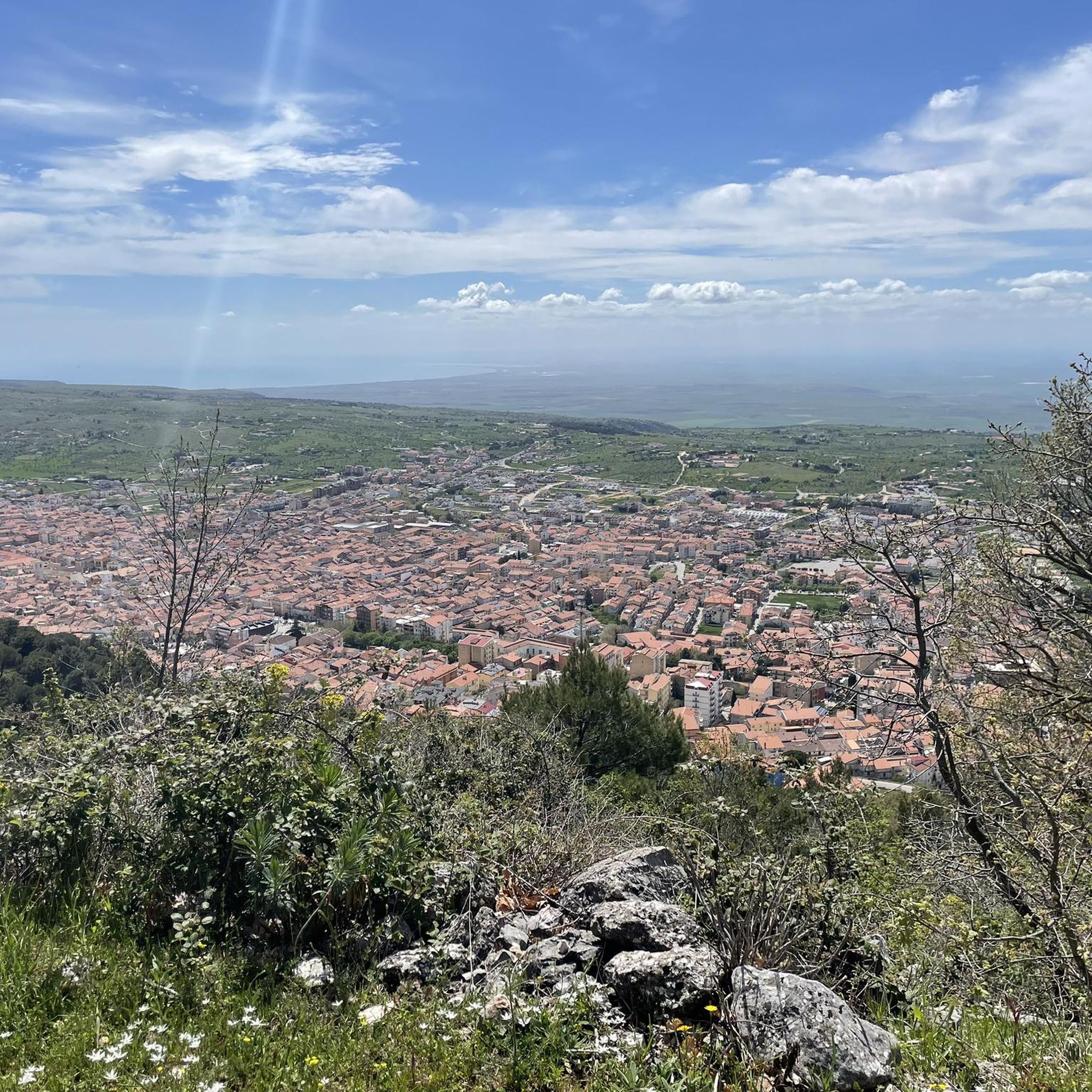
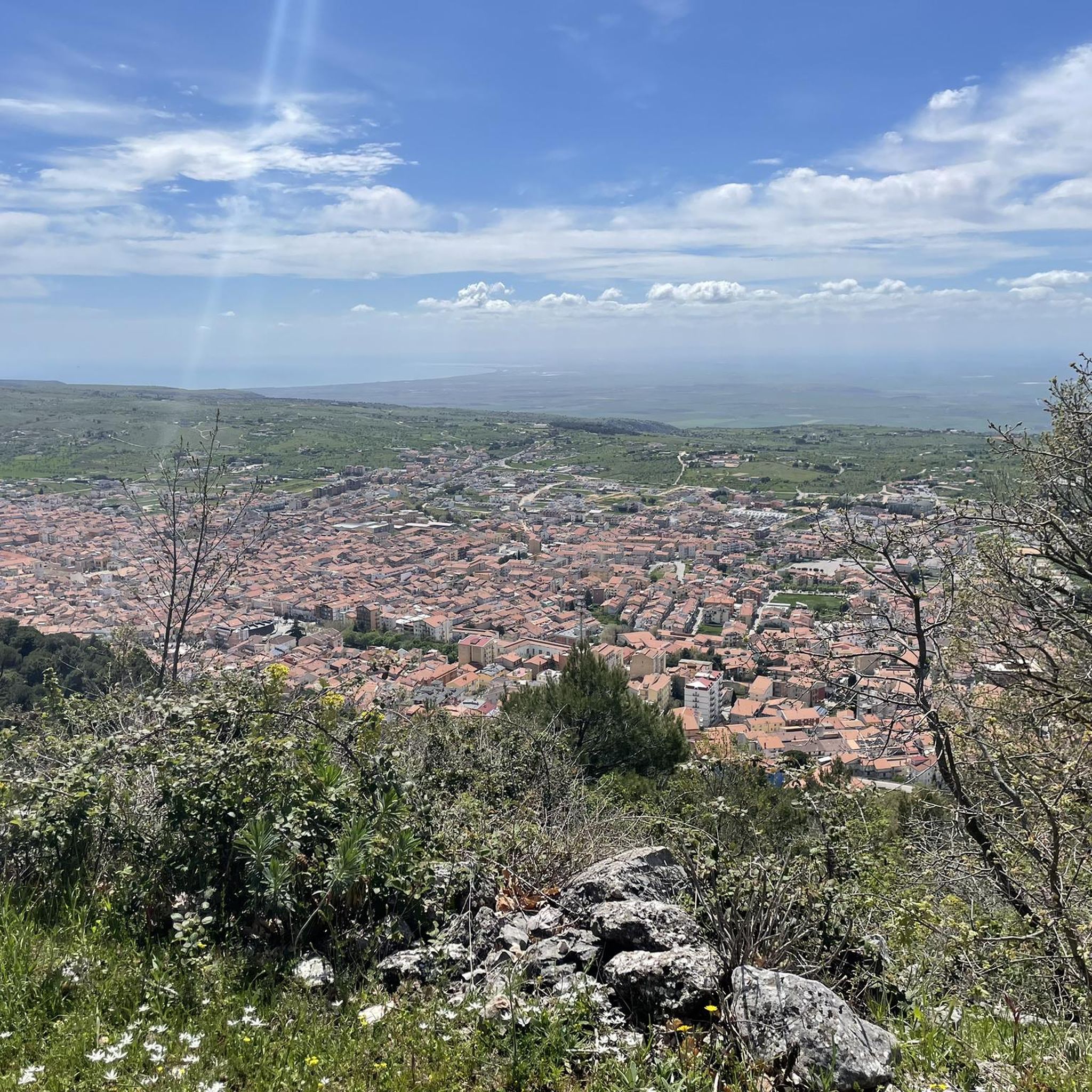
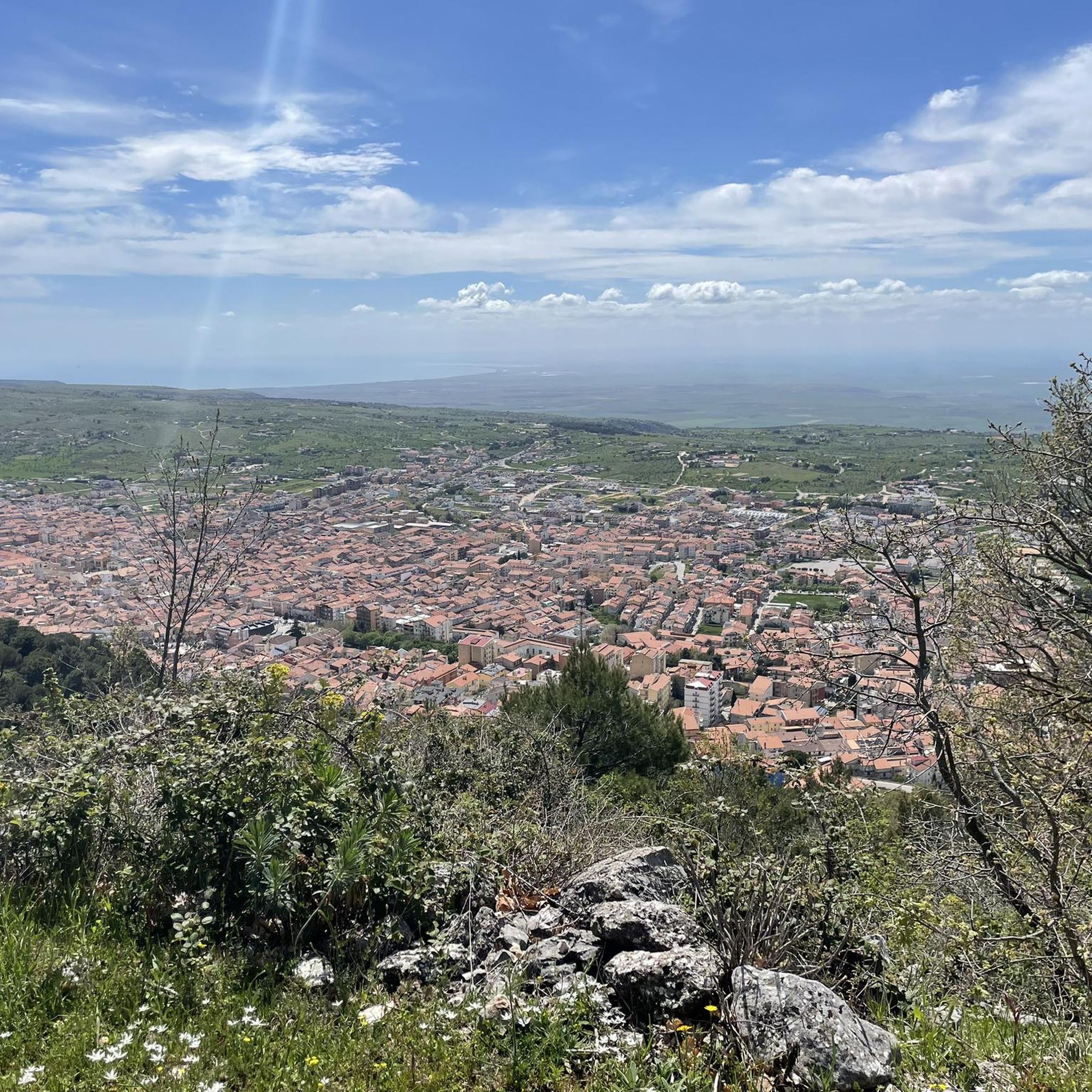
Best caves around San Giovanni Rotondo are found in a region characterized by its karst morphology and historical significance. The area, part of the Gargano massif in Puglia, features natural limestone caves and grottoes, some of which have been inhabited since prehistoric times. This landscape offers a blend of natural beauty and cultural heritage, attracting visitors interested in both geological formations and historical sites.
Best caves around San Giovanni Rotondo
- The most popular caves is Sanctuary and Cave of Saint Michael the Archangel (Grotta di San Michele Arcangelo), a cave and religious building that is immersed in a natural cavity. This site is renowned for its historical and religious significance, believed to be consecrated by Saint Michael himself.
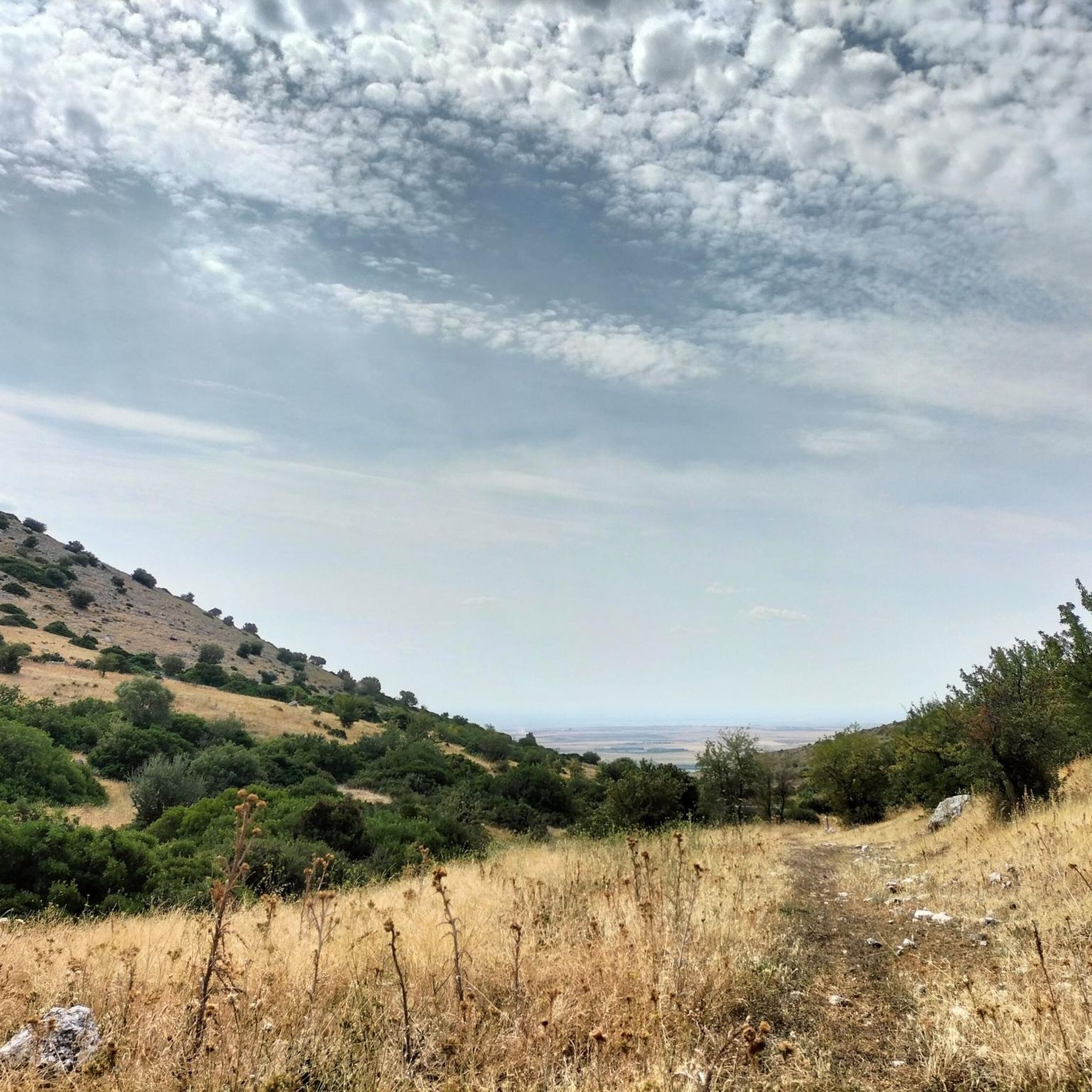
- Another must-see spot is Monte Calvo, a summit with numerous caves. This location is the highest peak in the Gargano massif and has yielded archaeological finds from the Neolithic period.
- Visitors also love Tomba di Rotari, San Pietro, and Santa Maria Maggiore (Monte Sant’Angelo), a religious building with a grotto carved out of rock. This highlight contains three churches, with the grotto featuring a worship cell for Archangel Michael.
- San Giovanni Rotondo is known for natural caves, historical grottoes, and religious sites integrated into the landscape. The region offers a variety of caves to see and explore, from those with prehistoric findings to those with significant religious importance.
- The caves around San Giovanni Rotondo are appreciated by the komoot community, with 3 highlights receiving 33 upvotes and featuring 23 photos.
Last updated: August 23, 2026
Sanctuary of Saint Michael the Archangel
Highlight • Religious Site
Translated by Google •
Tip by

Monte Calvo
Highlight • Summit
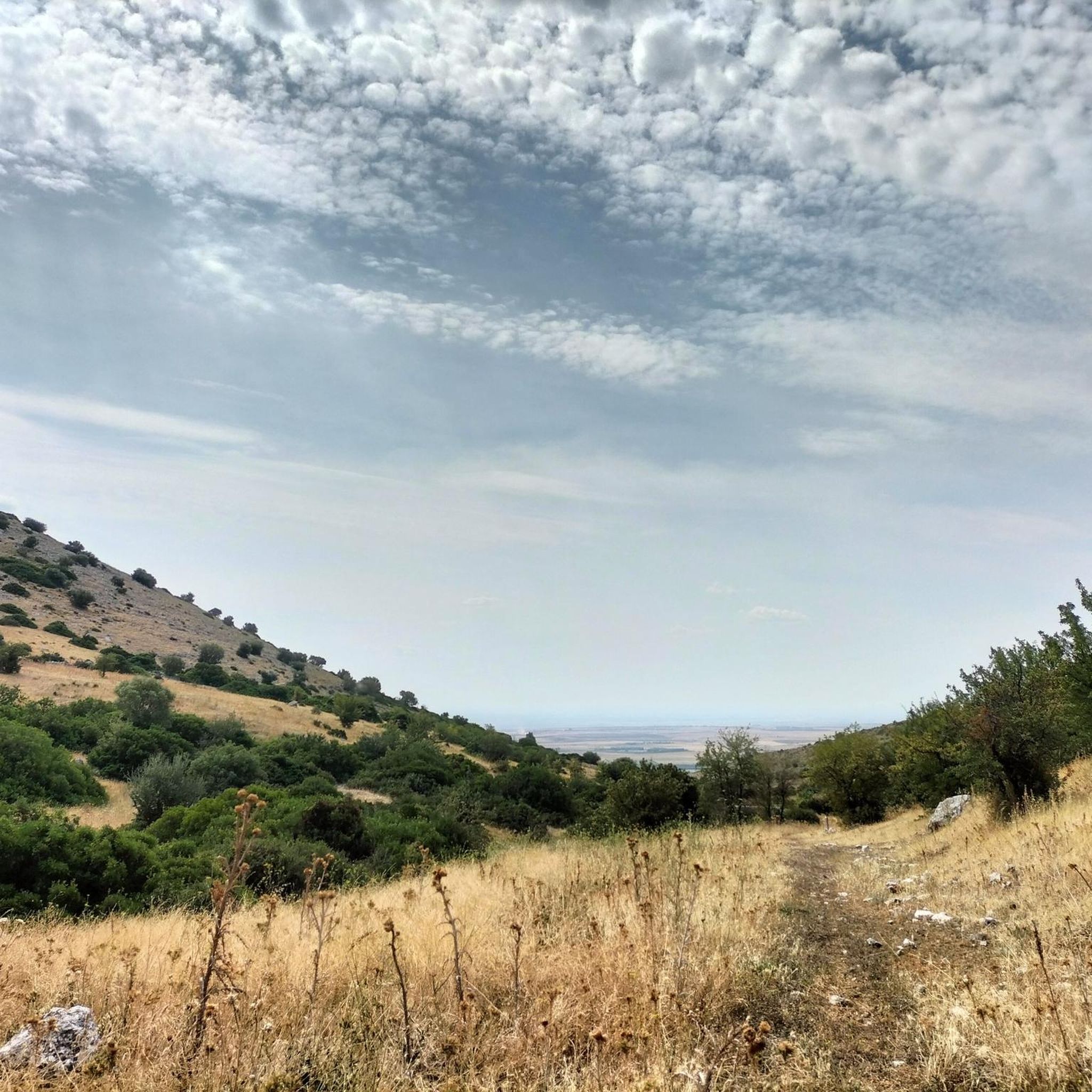
Among the most interesting aspects of this mountain are the numerous caves, inhabited since prehistoric times. There have been several archaeological finds of finds attributable to the Neolithic: rudimentary parts of axes, flints and various types of tools confirm the presence of man on the Gargano plateaus even in prehistoric and protohistoric times (Dauna civilization).
Translated by Google •
Tip by

Sign up now to discover places like this
Get recommendations on the best single tracks, peaks, & plenty of other exciting outdoor places.
Sign up for free
Tomba di Rotari, San Pietro, and Santa Maria Maggiore (Monte Sant’Angelo)
Highlight • Religious Site
Translated by Google •
Tip by
Translated by Google •
Tip by
Abbey of Santa Maria di Pulsano
Highlight • Religious Site
September 8 is the feast for the Madonna di Pulsano and the faithful reach the church on pilgrimage.
Translated by Google •
Tip by

Sign up for free to discover even more caves around San Giovanni Rotondo.
Sign up for free
Already have an account?
Start today with a free account
Your next adventure awaits.
Login or Signup

Tips from the Community

On Monte Calvo, it's best to ascend from the east by mountain bike, despite the numerous unnecessary stone steps that clutter the initial section. The trail, which descends west from the summit to connect with the Sentiero delle Anguille, would be less rideable and much more difficult overall.
1
0

This highlight contains three churches: The Tomba di Rotari (left), a building from the 11th and later centuries with several architectural and artistic-historical features. To the right of the portal is the apse of the 12th-century parish church of San Pietro, which collapsed in the 19th century. Next to it, in close proximity, is the 12th-century church of Santa Maria Maggiore. Source: https://de.m.wikipedia.org/wiki/Monte_Sant%E2%80%99Angelo Santa Maria Maggiore is a church in the Apulian town of Monte Sant'Angelo. It dates primarily from the second half of the 12th century and is part of a complex with two other buildings whose connection is unclear. It is known for its façade and the relief above the portal. The church's interior is basilica-style, meaning it has three naves with a raised central nave. Characteristic of the early Gothic alterations are the pointed arcades and transverse arches of the side aisles. These are supported by pillars preceded by half-columns and pilasters. The church has only three bays, and in relation to its relatively short length, the side aisles and nave are very high. In the third bay, facing the semi-hexagonal choir, the nave is vaulted by a small dome with small round-arch windows; otherwise, the nave is covered by a barrel vault with small lunettes. Source and further information: https://de.m.wikipedia.org/wiki/Santa_Maria_Maggiore_(Monte_Sant’Angelo)
2
0
San Michele – the main church of Monte Sant'Angelo – is a grotto church, a church type particularly favored by the Normans in their newly conquered territories. All that can be seen at the top of the mountain is the church's octagonal bell tower (1273/74) and the two-part entrance hall (1395). The church itself is located inside the mountain. San Michele is a pilgrimage church dedicated to the Archangel Michael. Source: https://de.m.wikipedia.org/wiki/Monte_Sant%E2%80%99Angelo
2
0

The Basilica of San Michele Arcangelo, included in the UNESCO heritage, represents one of the most important places of Michaelic worship in Italy. The apparitions of the Archangel in the 5th century AD have given rise to pilgrimages to the cave, consecrated by the celestial Archangel himself, since the Middle Ages.
1
0

1 of the 7 sanctuaries of San Michele that are part of the Sacred Line of San Michele
0
0

Not yet restored, it retains all its old-world charm.
1
0
Absolutely to be visited. An old church created in the cave: you can feel the spirituality (if avoid the crowd, of course...). Great place!
1
0

A beautiful grotto church that you definitely have to see
1
1
Frequently Asked Questions
What is the most significant cave to visit near San Giovanni Rotondo?
The most significant cave is the Sanctuary and Cave of Saint Michael the Archangel (Grotta di San Michele Arcangelo) in Monte Sant'Angelo. It's renowned for its profound religious and historical importance, believed to be consecrated by Saint Michael himself, and has been a major pilgrimage site for centuries.
Are there any caves with archaeological significance in the area?
Yes, Monte Calvo, the highest peak in the Gargano massif, features numerous caves where archaeological finds from the Neolithic period have been discovered, indicating prehistoric human presence. The Cave of Saint Michael the Archangel also has evidence of Upper Paleolithic tools.
What kind of natural features can I expect to see in the caves around San Giovanni Rotondo?
The region is characterized by its karst morphology. Caves like the Caves of the Valley of Hell showcase suggestive karst forms such as stalactites, stalagmites, grooves, and corrosion basins. The area's limestone formations are a key natural attraction.
Are there any religious or historical sites integrated with caves?
Absolutely. The Sanctuary and Cave of Saint Michael the Archangel is a prime example, being a religious building immersed in a natural cavity. Another notable site is Tomba di Rotari, San Pietro, and Santa Maria Maggiore in Monte Sant’Angelo, which includes a grotto carved out of rock with a worship cell for Archangel Michael.
What outdoor activities can I do near these caves?
The area offers various outdoor activities. You can explore gravel biking routes, cycling tours, and running trails. Many routes pass through the scenic Gargano National Park, offering diverse terrain from forests to mountain peaks like Monte Calvo.
Are there any viewpoints near the caves?
Yes, the Abbey of Santa Maria di Pulsano, which also features a cave, offers fantastic views of the coast. Additionally, Monte Calvo provides panoramic vistas from its summit.
What is the best time of year to visit the caves around San Giovanni Rotondo?
The region generally enjoys a Mediterranean climate. Spring and autumn offer pleasant temperatures for exploration, avoiding the peak heat of summer. Winter visits are possible, especially for the religious sites, but some natural caves might have seasonal considerations.
Are there any family-friendly caves or activities in the area?
While specific 'family-friendly' designations for caves are not provided, the historical and religious significance of sites like the Sanctuary and Cave of Saint Michael the Archangel can be an enriching experience for families interested in history and culture. The natural beauty of the karst landscape is also generally appealing.
What should I wear for cave exploration in this region?
For cave exploration, it's advisable to wear comfortable clothing and sturdy, closed-toe shoes with good grip, as surfaces can be uneven or damp. Even in warmer months, a light jacket might be useful inside caves where temperatures can be cooler.
Can I find cafes or amenities near the main cave attractions?
Yes, particularly near major pilgrimage sites like the Sanctuary and Cave of Saint Michael the Archangel in Monte Sant'Angelo, you will find cafes, restaurants, and other amenities catering to visitors and pilgrims.
What makes the caves around San Giovanni Rotondo unique?
The caves in this region are unique due to their blend of natural beauty and profound historical and religious significance. Many have been inhabited since prehistoric times and later became sites of worship, particularly the Cave of Saint Michael the Archangel, which is considered a 'Celestial Basilica' not consecrated by human hands.
Are there any guided tours available for the caves?
While the guide data doesn't specify organized tours for all caves, the prominent religious sites like the Sanctuary and Cave of Saint Michael the Archangel often have facilities or information available for visitors to learn about their history and significance.
Most popular routes around San Giovanni Rotondo
Most popular attractions around San Giovanni Rotondo

Get inspired with the komoot mobile app


Explore more
Extend your search for the best caves by checking out these guides of the top ones around San Giovanni Rotondo:
