Top 5 Castles around Pescolanciano
Best castles around Pescolanciano are situated in a region characterized by its historical significance and varied terrain. The area features fortified structures, often perched on rocky spurs, offering views of the surrounding valleys. Pescolanciano itself is home to the Castello D'Alessandro, a notable fortress with origins potentially dating back to ancient Samnite or Lombard periods. This castle, along with other historical sites, showcases centuries of architectural evolution and served as important military and economic centers.
Best castles around Pescolanciano
- The…
Last updated: June 29, 2026
Carpinone Historic Village
Highlight • Settlement
Translated by Google •
Tip by

Pesche
Highlight • Settlement
Translated by Google •
Tip by

Sign up now to discover places like this
Get recommendations on the best single tracks, peaks, & plenty of other exciting outdoor places.
Sign up for free
Duronia
Highlight • Settlement
Translated by Google •
Tip by

Pescolanciano
Highlight • Settlement
Translated by Google •
Tip by

Angioino Castle of Vastogirardi
Highlight • Castle
Translated by Google •
Tip by

Sign up for free to discover even more castles around Pescolanciano.
Sign up for free
Already have an account?
Start today with a free account
Your next adventure awaits.
Login or Signup
Tips from the Community

I knew the name for being the destination of the "Trans-Siberian of Italy" is a secondary railway line in Abruzzo and Molise. It is now crossed by tourist trains as part of the "Timeless Tracks" project
0
0

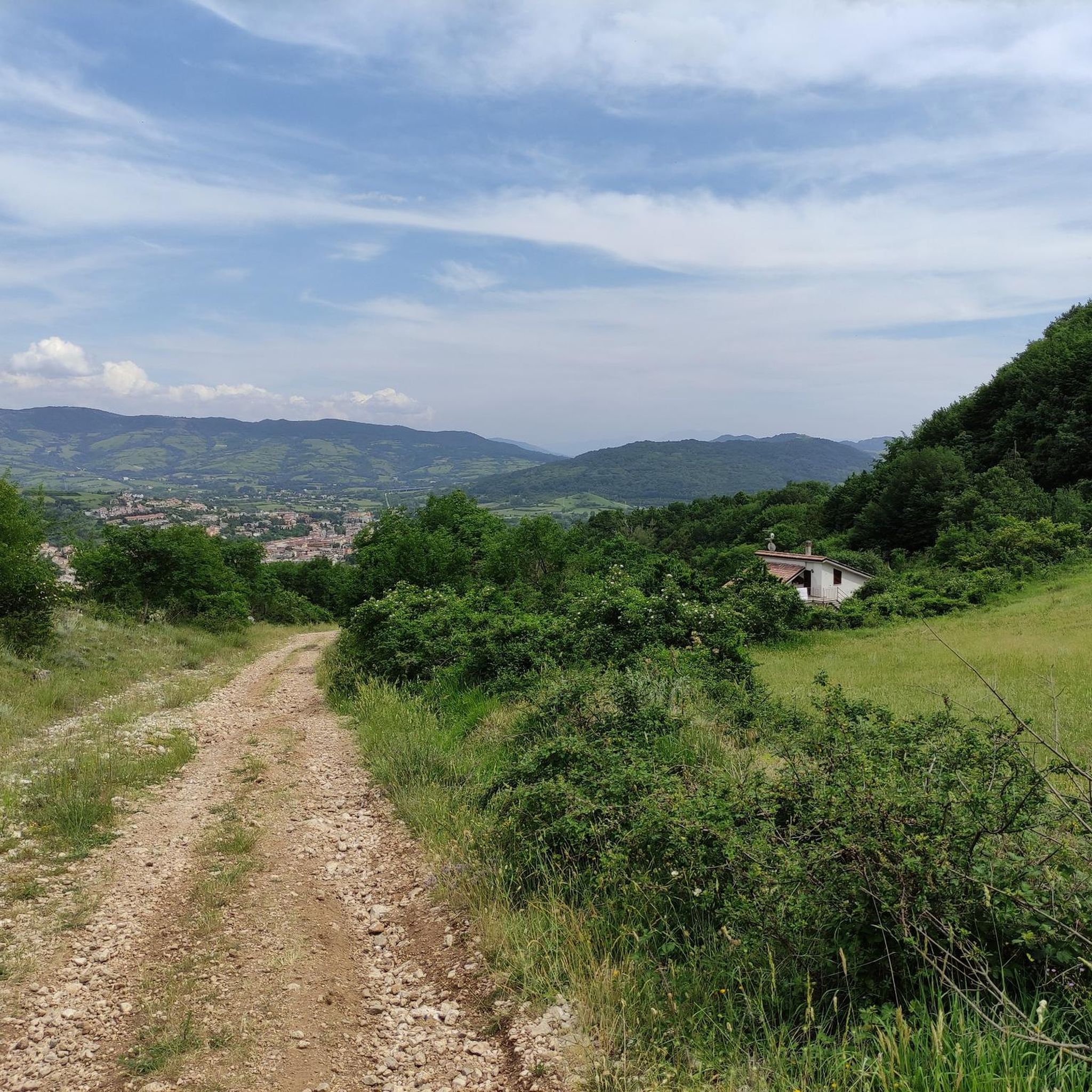
The village of Duronia is located on the ancient Lucera-Castel di Sangro sheep track. The village has undergone great depopulation and currently there are around 400 inhabitants. In the historic center you can spot the ruins of the medieval castle.
2
0
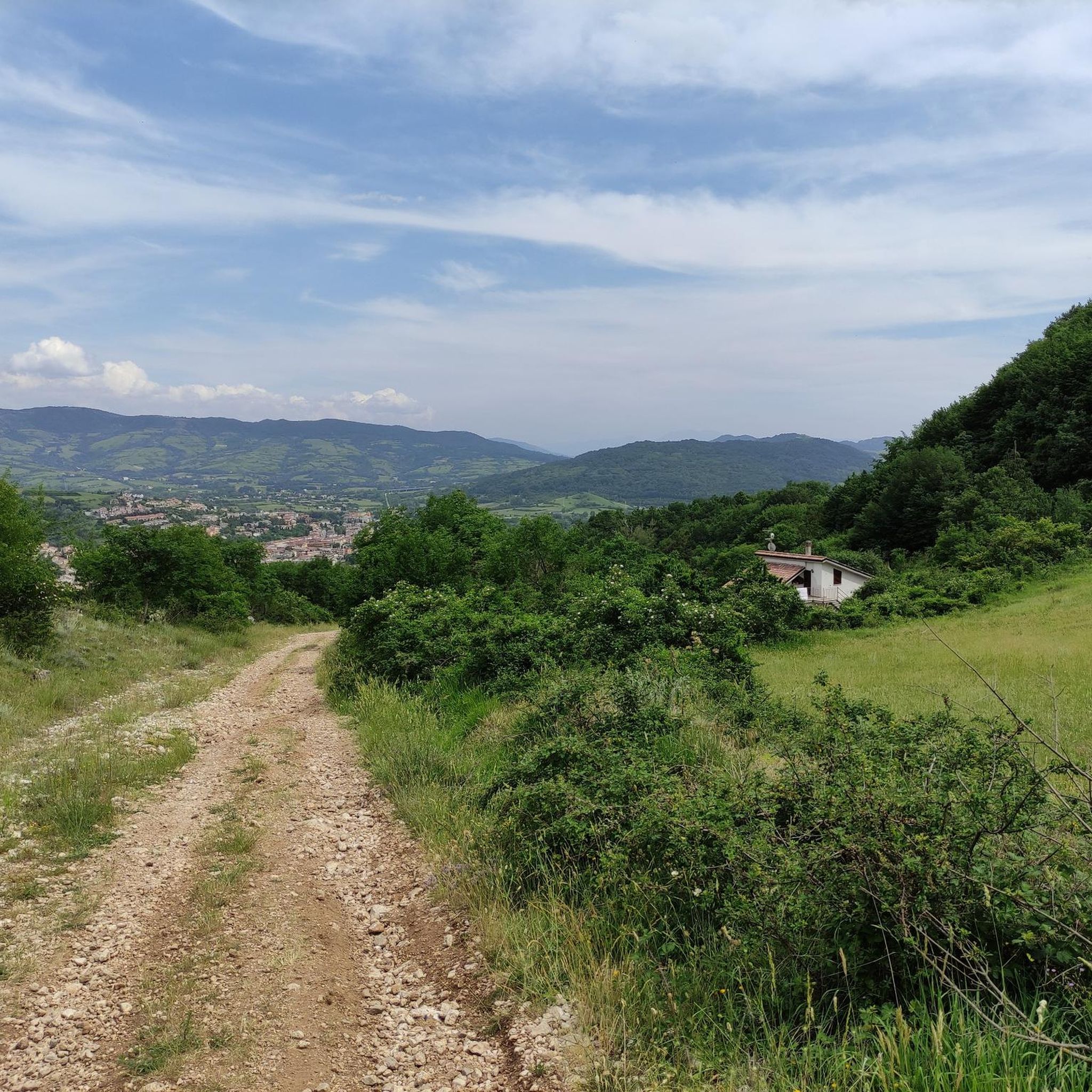
The medieval village of Pescolanciano is located along the Lucera-Castel di Sangro sheep track. At the top of the town stands the Alessandro castle, from the Norman era.
2
0

"...it was built in the 13th century by the Angevins above the mountainous hill of the village. In subsequent periods the castle belonged to the Caldora family and then again to various families of the kingdom of Naples, including that of the Caracciolo family. The castle it was subjected to a substantial restoration during the 18th century and on this occasion it was transformed into a noble residence".
1
0

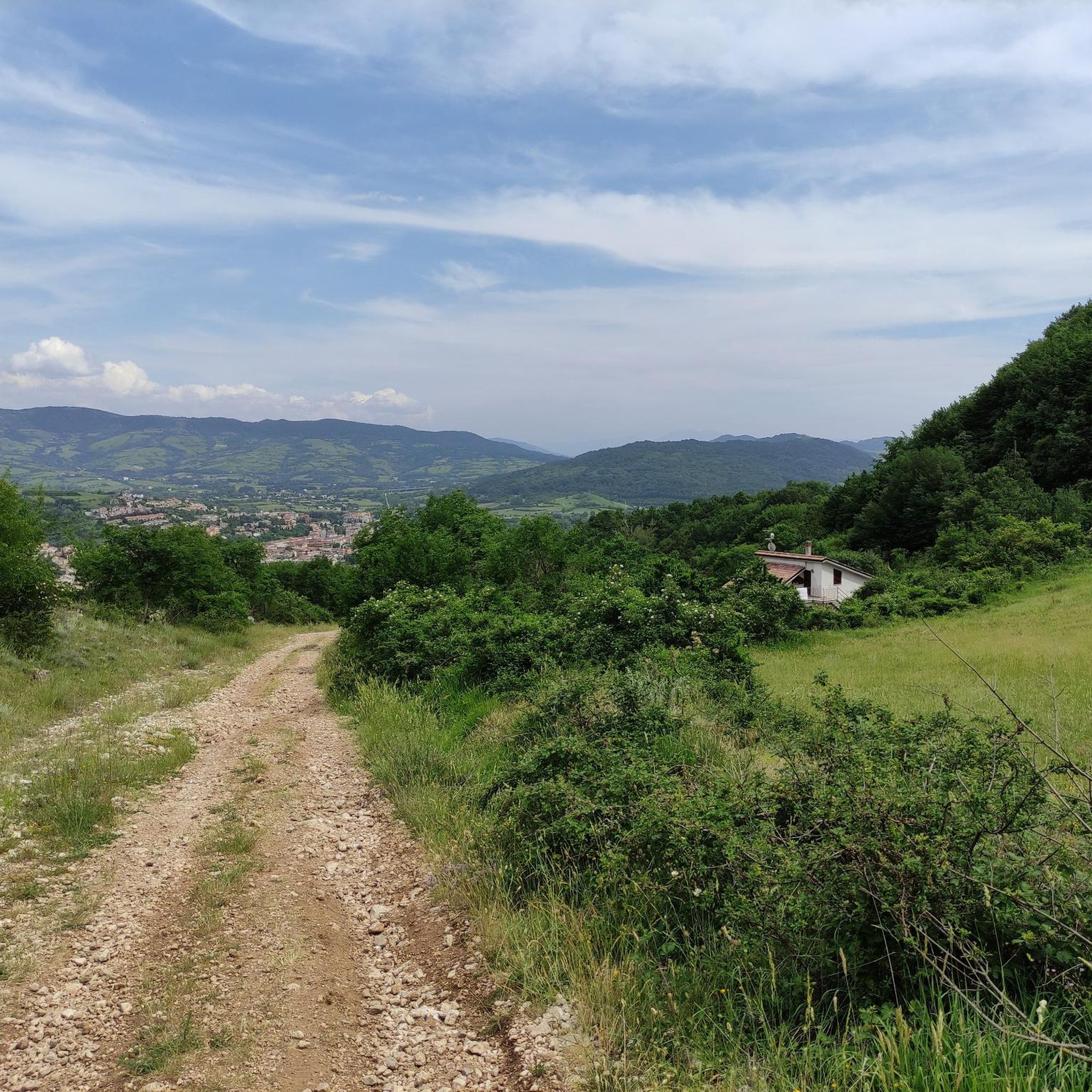
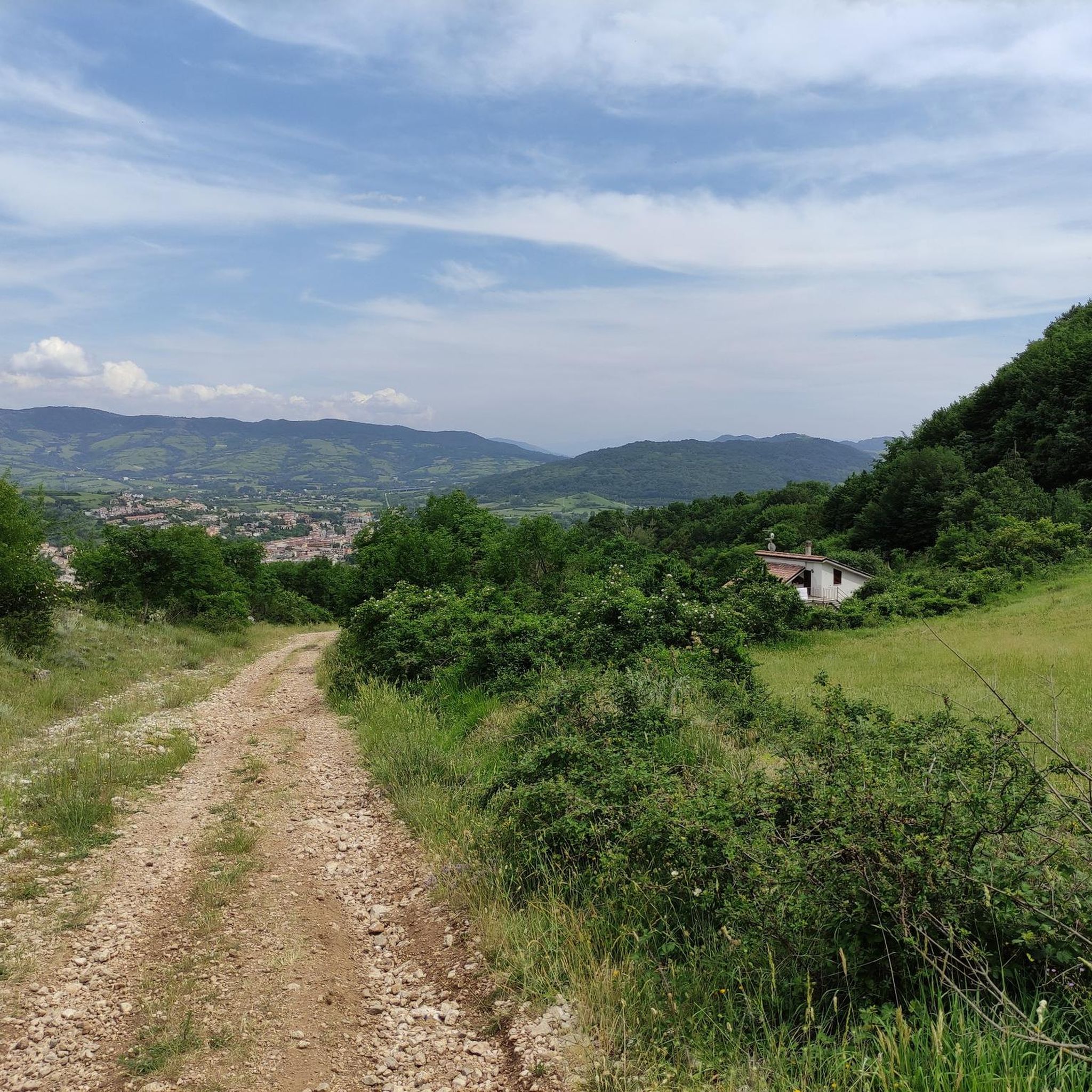
Very nice little village, at the top there is a beautiful panorama.
9
0

Small town, if you feel like it you can continue entering the uphill road that enters the town. The climb is short but quite tough and the surface is in san pietrini, not very easy to pedal. At the bottom, however, there is a truly impressive viewpoint!
2
0
Ancient fortified city with a curious U shape due to the conformation of the rocks on which it stands. To visit, near the historic center, the two waterfalls, one artificial and one natural.
1
0

Pesche is a perched village that is nothing short of enchanting. It is located a few kilometers from Isernia. The remains of the Lombard castle are still visible. This country with stone houses offers breathtaking scenery!
3
0
Frequently Asked Questions
What are the most notable castles and fortified villages to explore around Pescolanciano?
The region offers several historically significant sites. The most prominent is the Castello D'Alessandro in Pescolanciano itself, a fortress with origins potentially dating back to ancient Samnite or Lombard periods, known for its architectural evolution and panoramic views. Other notable locations include Carpinone Historic Village, an ancient fortified city with an 11th-century castle, and Pesche, a perched village with visible remains of a Lombard castle and scenic views. You can also find the medieval village of Pescolanciano, home to the Alessandro castle, and the Angioino Castle of Vastogirardi, a 13th-century structure transformed into a noble residence.
What historical insights can I gain from visiting the Castello D'Alessandro in Pescolanciano?
The Castello D'Alessandro offers a deep dive into centuries of history. It showcases various masonry styles from its origins as a military stronghold to its transformation into a manorial residence by the d'Alessandro family. You can observe defensive elements like arrow slits and cannon ports, as well as the Palatine Chapel, which once housed relics of Saint Alexander. The castle also served as an economic hub, with a ceramics factory and horse breeding activities, and hosted figures like Nobel laureate Theodor Mommsen.
Are there family-friendly castles or villages to visit near Pescolanciano?
Yes, several locations are suitable for families. The medieval village of Pescolanciano, with its prominent Alessandro castle, is considered family-friendly. Additionally, the small village of Duronia, featuring ruins of a medieval castle and a beautiful panorama, is also listed as family-friendly. Exploring these historic sites can be an engaging experience for all ages.
What natural features and viewpoints can I find near these castles?
The castles are often strategically placed to offer stunning views. The Castello D'Alessandro in Pescolanciano, perched on a rocky spur, provides breathtaking panoramic views of the surrounding valley. Pesche, a perched village with a Lombard castle, also offers scenic vistas. Near Carpinone Historic Village, you can visit two waterfalls, one artificial and one natural. The village of Duronia also boasts a beautiful panorama from its highest point.
What outdoor activities can I do near the castles around Pescolanciano?
The area around Pescolanciano offers various outdoor activities, especially cycling and running. You can find numerous routes for different sports:
- Road Cycling: Explore routes like 'From Carovilli Along the Montedimezzo Nature Reserve' or 'Montedimezzo Forest Trail – Capracotta loop'. Find more options on the Road Cycling Routes around Pescolanciano guide.
- Running: Enjoy trails such as 'The Carpinone waterfalls and the historic village – loop run' or longer routes like 'Running loop from Isernia'. Discover more on the Running Trails around Pescolanciano guide.
- Touring Bicycle: Try routes like 'Monte Ferrante and Carovilli Loop' or 'Castello D'Alessandro – Montedimezzo Forest Trail loop'. See more on the Cycling around Pescolanciano guide.
What is the best time of year to visit the castles in the Pescolanciano region?
While specific seasonal recommendations for castle visits aren't detailed, the region's natural beauty and outdoor activities suggest that spring and autumn would offer pleasant weather for exploring. These seasons typically provide comfortable temperatures for walking around historical sites and enjoying the panoramic views without the intense heat of summer or the chill of winter. However, the historical significance of the castles makes them a worthwhile visit year-round.
How long does it typically take to visit the Castello D'Alessandro?
The Castello D'Alessandro is partly owned by the d'Alessandro family and partly by the Province of Isernia, with parts accessible to the public, sometimes by reservation. Given its rich history, architectural details, and the potential for panoramic views, a visit could range from 1 to 3 hours, depending on the extent of accessible areas and your interest in exploring its various elements like the Palatine Chapel and defensive structures.
Is there parking available for visitors to the castles?
Information on specific parking availability for each castle is not detailed. However, for villages like Pescolanciano, Carpinone, and Pesche, it is generally advisable to look for parking in or near the village centers, which are typically designed to accommodate visitors. Access to the castles themselves might involve a short walk from the parking areas.
Are there public transport options to reach the castles around Pescolanciano?
Specific public transport options directly to each castle are not provided. The region is characterized by small, historic villages, and public transport might be limited. It is generally recommended to check local bus schedules or consider private transport for more flexible access to these sites. Pescolanciano itself is a medieval village located along a historic sheep track, suggesting a more rural setting.
What do visitors appreciate most about the castles and villages in this region?
Visitors to the castles and villages around Pescolanciano highly appreciate the historical depth and the preserved medieval atmosphere. The komoot community has upvoted these sites 12 times and shared 16 photos, highlighting the charm of ancient fortified cities like Carpinone Historic Village, the scenic views from perched villages like Pesche, and the impressive presence of castles like the Alessandro castle in Pescolanciano. The unique architectural evolution and the sense of stepping back in time are frequently mentioned.
Can I find cafes or amenities near the castles?
While specific cafes directly adjacent to every castle are not detailed, the castles are often located within or very close to historic villages such as Pescolanciano, Carpinone, and Pesche. These villages typically offer local amenities, including small cafes, restaurants, or shops where you can find refreshments and local products. It's a good idea to check the specific village for available services before your visit.
Are there any hidden gem castles or historical sites in the Pescolanciano region?
While the Castello D'Alessandro is the most prominent, the region is rich with historical settlements that might feel like hidden gems. For instance, the village of Duronia, with its ruins of a medieval castle and a beautiful panorama, offers a glimpse into a less-traveled, charming location. Exploring the historic centers of these smaller villages often reveals unique architectural details and a quiet atmosphere away from larger crowds.
Most popular attractions around Pescolanciano

Get inspired with the komoot mobile app


Explore more
Looking for the best castles somewhere else? Discover other guides around Pescolanciano:
