Top 5 Castles around Castelnuovo Della Daunia
Best castles around Castelnuovo Della Daunia provide a journey through centuries of history. This area features structures ranging from ancient Byzantine-era fortifications to medieval strongholds and transformed noble residences. The strategic location near the Fortore River influenced the development of these historical sites. Visitors can explore various architectural styles and historical periods reflected in the local castles.
Best castles around Castelnuovo Della Daunia
- The most popular castles is Ducal Castle of Torremaggiore, a castle that features an irregular quadrilateral…
Last updated: July 13, 2026
Ducal Castle of Torremaggiore
Highlight • Castle
Translated by Google •
Tip by

Castel Fiorentino
Highlight • Castle
Translated by Google •
Tip by
Sign up now to discover places like this
Get recommendations on the best single tracks, peaks, & plenty of other exciting outdoor places.
Sign up for free
Dragonara Castle
Highlight • Castle
This ancient manor is the last testimony of the Byzantine-Norman-Swabian …
Tip by
Grain Pits of Torremaggiore
Highlight • Historical Site
Translated by Google •
Tip by
San Marco la Catola
Highlight • Settlement
Translated by Google •
Tip by

Start today with a free account
Your next adventure awaits.
Login or Signup
Popular around Castelnuovo Della Daunia
Tips from the Community

Castelfiorentino is the current name, Torre Fiorentina is the name of the site on which the remains of the small medieval city are located.
0
0

The castle of Torremaggiore is a 12th century fortress located in the center of the Apulian city. It was built by the Normans and then transformed into a residence by the De Sangro princes. The castle has six towers, a moat and today houses a civic museum with archaeological finds from Fiorentino, the place where Frederick II of Swabia died.
0
0

San Marco La Catola is a small medieval village in the province of Foggia. The path of the Sentiero Italia passes through here. The inhabited center develops around an ancient 14th century ducal palace, which is called the "castle".
2
0

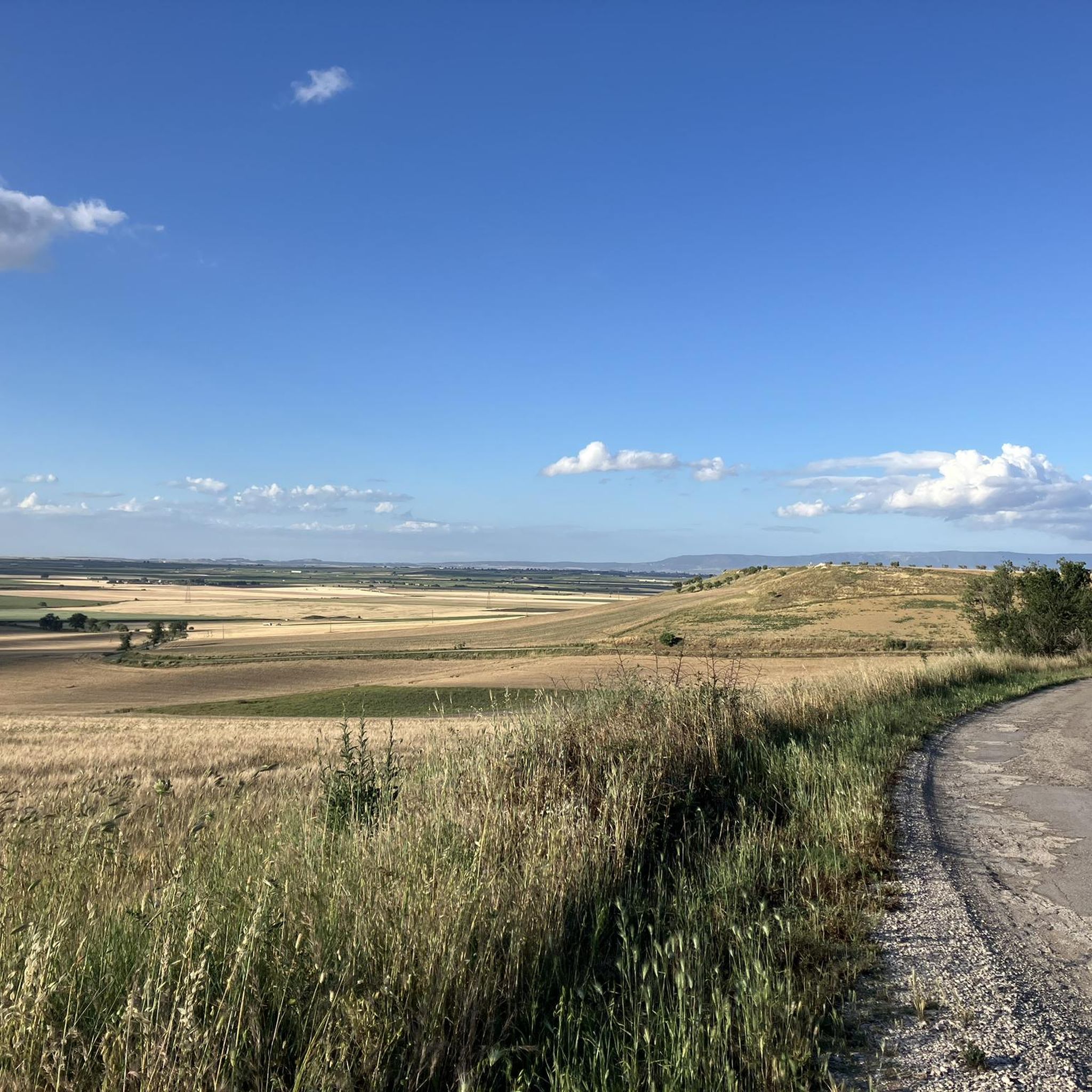
on the top of a hill between San Severo and Castelnuovo della Daunia the remains of a Frederician fortress, where on the day of Santra Lucia in 1250 Federico II of Swabia, taken ill, dictated his last dispositions and died. A place of extraordinary energy, constantly flown over by the flight of birds of prey as if to build a sacred place. It deserves more protection though.
1
0

This is so interesting.
7
0

It is always a great thrill to pass by .... 💯💯
29
0
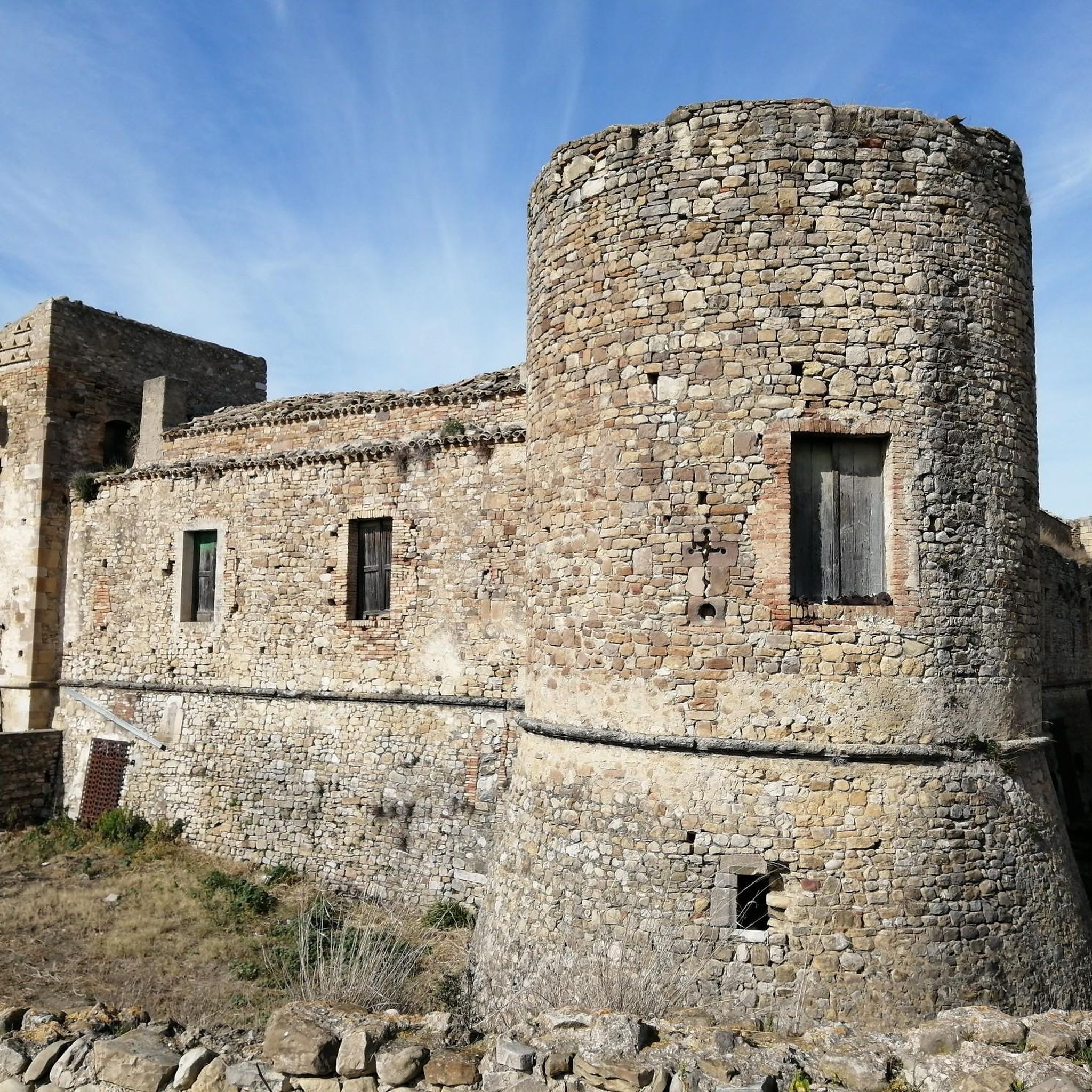
The Castle has the shape of an irregular quadrilateral, has six towers, four of which are cylindrical with crenellations, located at the corners, and two quadrangular. His vision is always pleasant.
55
0
In Torremaggiore, the presence of grain pits dedicated to the storage of grain dates back to the 1500s and were owned by the De Sangro family. At that time, large quantities were stored inside the Ducal Castle, and / or in the immediate vicinity, and were used for the conservation of cereal products which were then exported.
41
0
Frequently Asked Questions
What are some of the most notable castles around Castelnuovo Della Daunia?
The region features several significant castles. The Ducal Castle of Torremaggiore is a popular choice, known for its irregular quadrilateral shape and six towers. Another must-see is Castel Fiorentino, an ancient bishop's seat with remains of a Frederician fortress. The Dragonara Castle, a Byzantine-Norman-Swabian fortress, also offers a deep dive into the area's history.
Which castles offer the most historical insight into the region's past?
For a rich historical perspective, the Ducal Castle of Torremaggiore, declared a National Monument, showcases Norman-Swabian origins and Renaissance transformations. Castel Fiorentino is significant as a strategic defensive system from the 11th century. The Dragonara Castle, with its Byzantine origins and modifications through the centuries, provides a tangible connection to the region's feudal periods. Additionally, the Palazzo Municipale in Castelnuovo Della Daunia, originally an 11th-century castle, offers insight into the evolution from a stronghold to a stately residence.
Are there family-friendly castles to visit near Castelnuovo Della Daunia?
Yes, the Ducal Castle of Torremaggiore is considered family-friendly and houses a Civic Museum. While not a castle itself, the Grain Pits of Torremaggiore, located near the Ducal Castle, are also marked as family-friendly and offer an interesting historical context about agricultural practices.
What is the history behind Dragonara Castle?
The Dragonara Castle has origins dating back to the Byzantine era, strategically located near the Fortore River as a defensive outpost. Although the fortified village around it was razed in 1255, the castle itself remained, undergoing modifications in the 14th and 18th centuries to become a fortified farm. It features a rectangular plan with an inner courtyard, cylindrical and square towers, and visible defensive elements like loopholes. A unique bas-relief sculpture depicting a human figure on horseback is also present.
What is the significance of the Palazzo Municipale in Castelnuovo Della Daunia?
The current Palazzo Municipale (Town Hall) of Castelnuovo Della Daunia was originally an 11th-century castle built by the de' Parisio family. While it no longer retains its military characteristics, having been transformed into a stately residence, its evolution from a defensive stronghold to a civic building is historically significant. The palazzo features 18th-century decorations depicting mythological scenes in its main rooms, offering a glimpse into later periods of the town's history.
What outdoor activities can I do near these castles?
The area around Castelnuovo Della Daunia offers various outdoor activities. You can explore road cycling routes like the 'Among the Woods of the Dauni Mountains' loop, or mountain biking trails such as the 'Castel Fiorentino – Dragonara Castle loop'. For more options, check out the Road Cycling Routes around Castelnuovo Della Daunia, Cycling around Castelnuovo Della Daunia, and MTB Trails around Castelnuovo Della Daunia guides.
Are there any viewpoints near the castles?
Yes, Castel Fiorentino is noted as a viewpoint, offering scenic perspectives from its location on a hill. Its strategic position would have historically provided extensive views of the surrounding territory.
How can I access Dragonara Castle, given it's privately owned?
The Dragonara Castle is privately owned. While it is primarily viewable externally, internal visits may be possible by appointment. For more information on visiting, it is recommended to check local tourism resources or contact the property directly. You can find additional context on its historical significance at visitmontidauni.it.
What is the best time of year to visit the castles around Castelnuovo Della Daunia?
The best time to visit the castles and enjoy outdoor activities in the Castelnuovo Della Daunia region is typically during spring (April-May) and autumn (September-October). During these months, the weather is generally pleasant, making it ideal for exploring historical sites and engaging in cycling or hiking without the intense heat of summer.
Are there any hidden gem castles worth exploring near Castelnuovo Della Daunia?
Beyond the main highlights, the small medieval village of San Marco la Catola is built around an ancient 14th-century ducal palace, often referred to as a 'castle.' While not a traditional fortress, it offers a charming historical experience. The Dragonara Castle, though well-known, can also feel like a hidden gem due to its privately owned status and the need for appointments to view it internally, offering a unique glimpse into Byzantine-era fortifications.
What do visitors particularly appreciate about the castles in this area?
Visitors to the castles around Castelnuovo Della Daunia appreciate the journey through centuries of history, from ancient Byzantine fortifications to medieval strongholds. The komoot community has shown its appreciation with 15 upvotes and 15 photos shared, highlighting the diverse architectural styles and the tangible connection to the region's past.
Most popular routes around Castelnuovo Della Daunia
Most popular attractions around Castelnuovo Della Daunia

Get inspired with the komoot mobile app


Explore more
Looking for the best castles somewhere else? Discover other guides around Castelnuovo Della Daunia:
