Top 5 Castles around Pietramontecorvino
Best castles around Pietramontecorvino are found in a charming medieval village in Puglia, Italy, known for its historical defense structures. The village is home to a notable fortified complex, including the Norman Tower and the Ducal Palace, both integral to its ancient district, Terravecchia. Pietramontecorvino is recognized as one of "I Borghi più belli d'Italia" and has been awarded the Orange Flag, highlighting its preserved historic center and rich architecture. The village's medieval core, with its stone houses and winding alleys, offers a journey back to the Middle Ages amidst the natural backdrop of the Monti Dauni hills.
Best castles around Pietramontecorvino
- The most popular castles is Castel Fiorentino, a castle that was built ex-nihilo between 1018 and 1023 by the Byzantine catapano Basilio Baiohannes. This site holds the remains of a Frederician fortress where Frederick II of Swabia dictated his last dispositions.
- Another must-see spot is Castle of Lucera, a castle that dominates a promontory, crucial for controlling the surrounding valley. This imposing Svevo-Angioina Fortress was started by Frederick II in the 12th century.
- Visitors also love San Marco la Catola, a settlement that develops around an ancient 14th century ducal palace. This medieval village is located in the province of Foggia.
- Pietramontecorvino is known for its fortified complexes, including Norman towers and ducal palaces, as well as Frederician and Swabian-Angevin fortresses. The region offers a variety of historical structures to explore, from ancient defensive towers to medieval residences.
- The castles around Pietramontecorvino are appreciated by the komoot community, with 10 upvotes and 11 photos shared by visitors.
Last updated: June 29, 2026
Castle of Lucera
Highlight • Castle
Translated by Google •
Tip by

Castel Fiorentino
Highlight • Castle
Translated by Google •
Tip by
Sign up now to discover places like this
Get recommendations on the best single tracks, peaks, & plenty of other exciting outdoor places.
Sign up for free
Castello di Lucera
Highlight • Castle
Translated by Google •
Tip by

San Marco la Catola
Highlight • Settlement
Translated by Google •
Tip by

Torre della Leonessa, Svevo Fortress of Lucera
Highlight • Castle
Translated by Google •
Tip by

Sign up for free to discover even more castles around Pietramontecorvino.
Sign up for free
Already have an account?
Start today with a free account
Your next adventure awaits.
Login or Signup
Tips from the Community

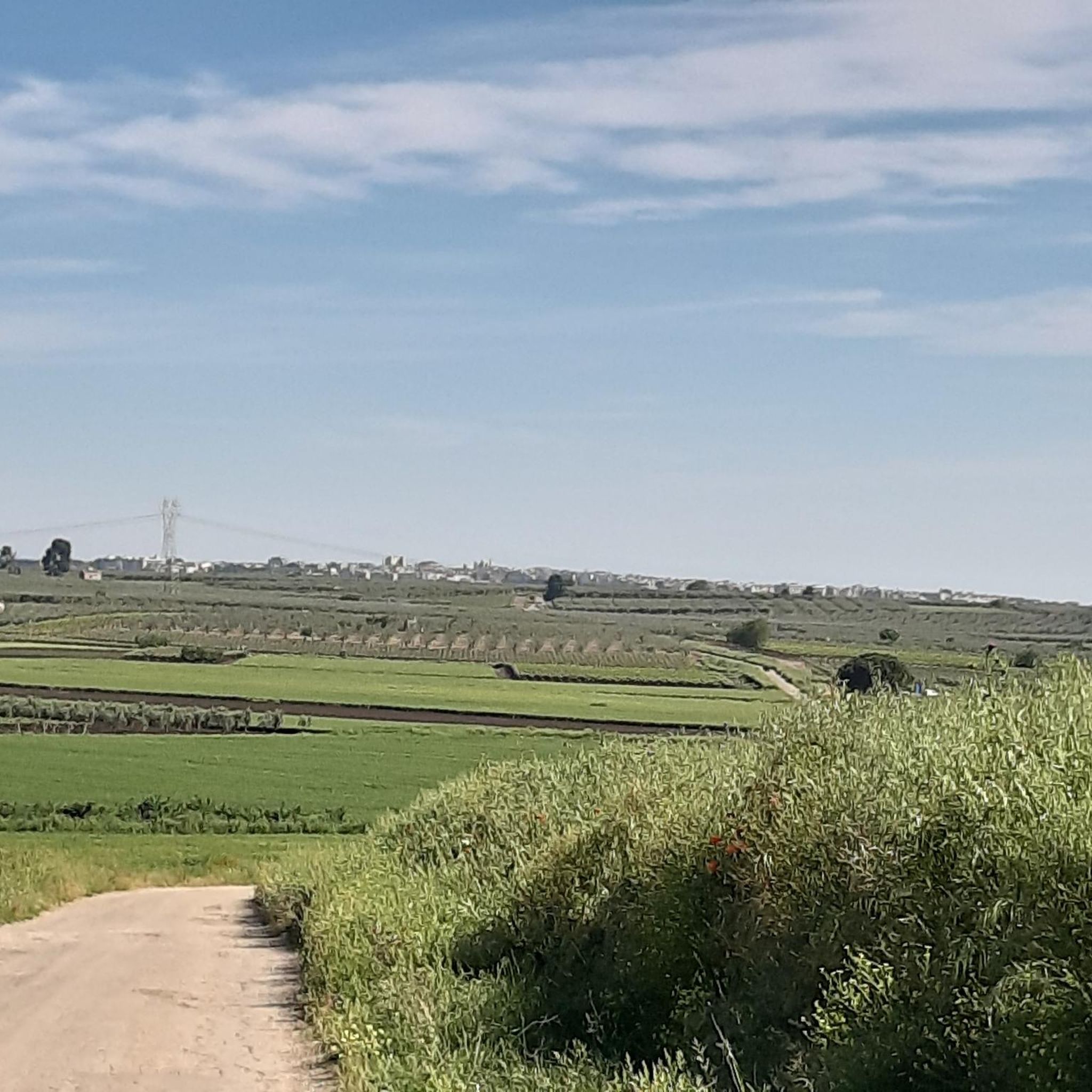
The Leonessa Tower is an imposing cylindrical construction, with walls over two metres thick, located in the south-east corner of the walled enclosure of the Swabian Fortress of Lucera.
0
0
The fortress dominated the arrival of the Transhumance flocks from the top of Colle Albano. Lucera, before Foggia, was the seat of customs.
0
0
Castelfiorentino is the current name, Torre Fiorentina is the name of the site on which the remains of the small medieval city are located.
0
0

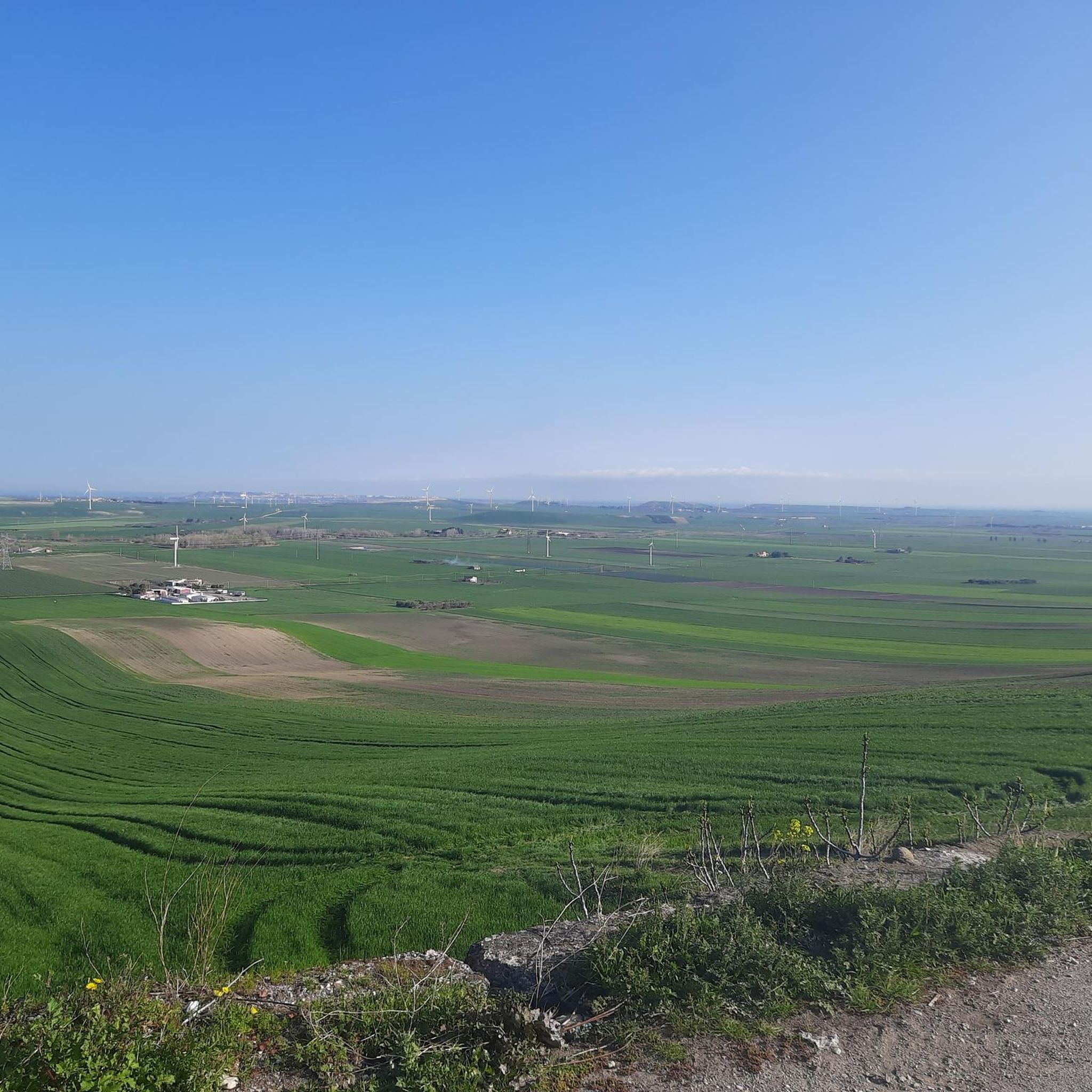
The castle of Lucera is a 13th century Swabian-Angevin fortress, built by Frederick II and enlarged by Charles I of Anjou. It is located on the top of Colle Albano from which it dominates the Tavoliere delle Puglie. It was the residence of the emperor and the Saracens who had moved from Sicily, today it is a national monument and preserves the ruins of the palace, the mint and the mosque.
1
0

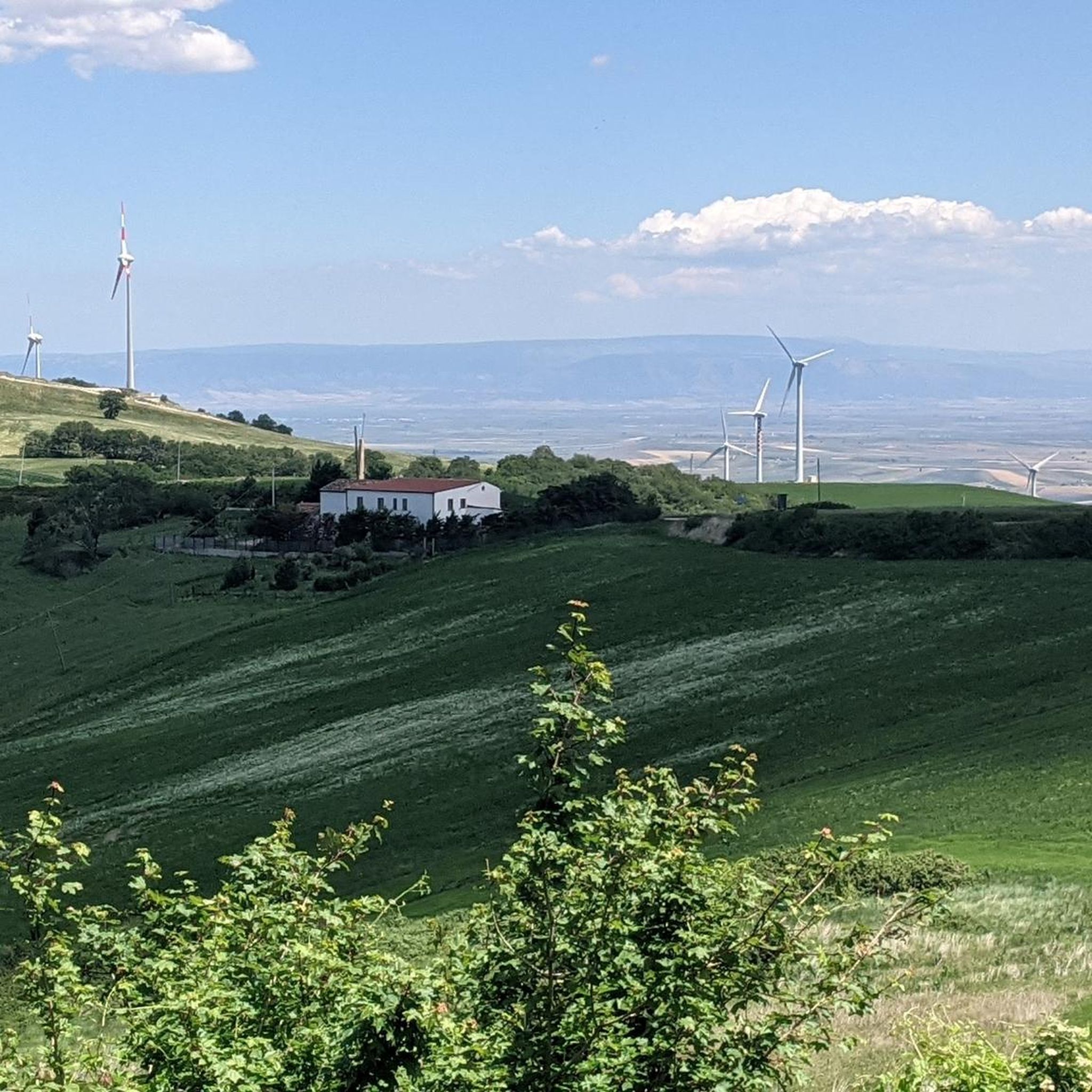
San Marco La Catola is a small medieval village in the province of Foggia. The path of the Sentiero Italia passes through here. The inhabited center develops around an ancient 14th century ducal palace, which is called the "castle".
2
0

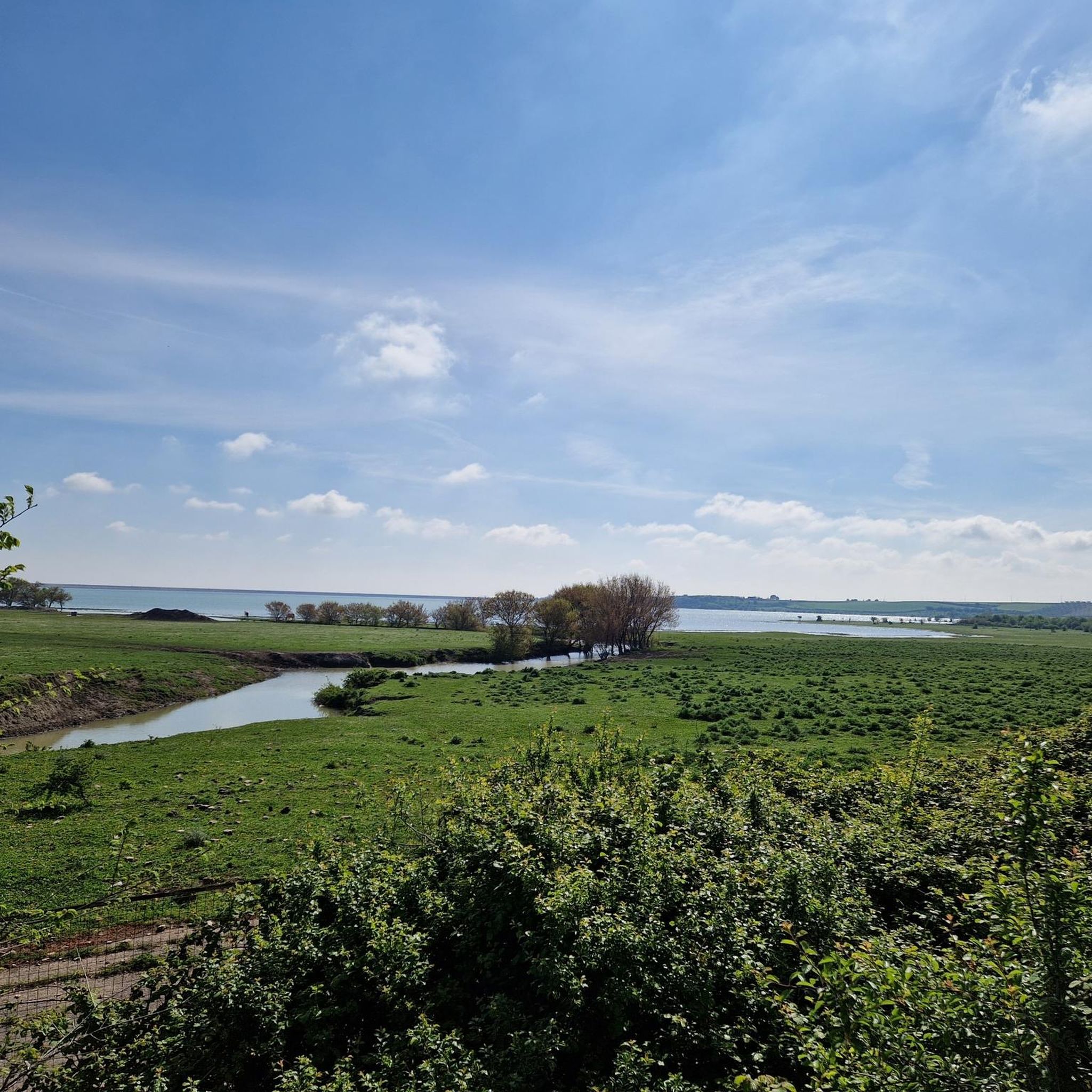
on the top of a hill between San Severo and Castelnuovo della Daunia the remains of a Frederician fortress, where on the day of Santra Lucia in 1250 Federico II of Swabia, taken ill, dictated his last dispositions and died. A place of extraordinary energy, constantly flown over by the flight of birds of prey as if to build a sacred place. It deserves more protection though.
1
0

Restoration and expansion measures are planned for the Swabian-Angevin fortress of Lucera. On the summit of Albano Hill, above which the acropolis of Roman Lucera once stood, Frederick II began construction of his palace at the beginning of the 12th century to control the forced relocation of Saracens from Sicily to Lucera.
9
0

In the countryside of Torremaggiore, 9 kilometers south of the city, on the west side of a hill known as the Sterparone (an inter-fluvial spur bordered by the Canale della Bufala and the Canaletto), stood the inhabited center of Fiorentino, an ancient bishop's seat. Built on an important artery that led from Teanum Apulum to Luceria, Fiorentino, it was built ex-nihilo, between 1018 and 1023 by the Byzantine catapano Basilio Baiohannes, together with Troia, Civitate, Dragonara, etc .... The city was included in the strategic-defensive system of the northern border of Puglia, in order to face the attacks of the enemies of the Byzantium empire.
18
0
Frequently Asked Questions
What historical sites can I explore within Pietramontecorvino itself?
Pietramontecorvino is home to a significant fortified complex. You can explore the ancient district of Terravecchia, which includes the imposing Norman Tower (Torre Normanna) and the adjacent Ducal Palace (Palazzo Ducale). These structures offer a deep dive into the village's medieval past, with the tower providing panoramic views and the palace showcasing aristocratic life.
Are there guided tours available for the Norman Tower and Ducal Palace in Pietramontecorvino?
Yes, guided walking tours are available to explore the Norman Tower and Ducal Palace, as well as the wider medieval core of Pietramontecorvino. These tours provide insights into the local history and legends of these significant structures.
What other notable castles are near Pietramontecorvino?
Beyond Pietramontecorvino's own fortified complex, you can visit several other historical sites. These include Castel Fiorentino, a Frederician fortress where Frederick II of Swabia dictated his last dispositions, and the impressive Castle of Lucera, an imposing Svevo-Angioina Fortress crucial for controlling the surrounding valley. Additionally, the medieval village of San Marco la Catola features an ancient 14th-century ducal palace often referred to as a 'castle'.
What kind of natural features and viewpoints can I find near these castles?
The castles around Pietramontecorvino are set against the stunning natural backdrop of the Monti Dauni hills. From the top of the Norman Tower in Pietramontecorvino, you can enjoy expansive panoramic views of the surrounding valley and the Monti Dauni. The Castle of Lucera also dominates a promontory, offering strategic views of the valley.
What outdoor activities can I do near the castles around Pietramontecorvino?
The region offers various outdoor activities. You can find numerous hiking trails, including routes like 'Monte Orlando – Monte Sambuco loop' or 'Castle of Lucera loop'. For cycling enthusiasts, there are MTB trails such as 'Lago di Occhito, Celenza Valfortore e Carlantino – giro ad anello'. You can explore more options on the Hiking around Pietramontecorvino or MTB Trails around Pietramontecorvino guides.
Are there family-friendly activities or castles suitable for children in the area?
The medieval village of Pietramontecorvino itself, with its stone houses, winding alleys, and the historical Norman Tower and Ducal Palace, offers an engaging journey back in time for families. Exploring these ancient structures and the village's unique atmosphere can be a fun and educational experience for children. The open spaces around castles like the Castle of Lucera also provide room for exploration.
What is the best time of year to visit the castles around Pietramontecorvino?
The region generally experiences pleasant weather during spring (April-May) and autumn (September-October), making these ideal times for exploring castles and engaging in outdoor activities. Summers can be hot, while winters are milder but may have more rainfall. Visiting during the shoulder seasons allows for comfortable exploration of both the historical sites and the surrounding natural landscapes.
Is public transport available to reach the castles near Pietramontecorvino?
While Pietramontecorvino is a charming village, public transport options to reach all individual castles in the wider region might be limited. It's advisable to check local bus schedules for connections to Pietramontecorvino and larger towns like Lucera. For more remote sites like Castel Fiorentino, a car might be necessary for convenient access.
Are there entry fees for the Norman Tower and Ducal Palace in Pietramontecorvino?
Entry fees may apply for accessing the Norman Tower and Ducal Palace, especially if you opt for a guided tour. It's recommended to check local information or inquire upon arrival for the most current details regarding admission fees and opening hours.
What do visitors enjoy most about the castles and the Pietramontecorvino region?
Visitors highly appreciate the authentic medieval atmosphere of Pietramontecorvino, recognized as one of 'I Borghi più belli d'Italia'. The historical significance of the Norman Tower and Ducal Palace, combined with the stunning panoramic views from the tower, are frequently highlighted. The region's blend of rich history, architectural beauty, and the natural backdrop of the Monti Dauni hills makes it a compelling destination for history enthusiasts and those seeking a unique cultural experience.
Can I bring my dog to the castles or on nearby trails?
While the medieval village of Pietramontecorvino and the Monti Dauni trails generally welcome dogs, specific access policies for the interiors of historical buildings like the Norman Tower and Ducal Palace may vary. It's best to check with local authorities or site management regarding dog access before your visit. When on trails, always keep dogs on a leash and clean up after them.
Are there any cafes or places to eat near the castles in Pietramontecorvino?
Pietramontecorvino, being a living village, offers local cafes and eateries where you can enjoy traditional Puglian cuisine and refreshments. Within the historic center, you'll find options to relax and dine after exploring the Norman Tower and Ducal Palace. For other castles in the wider region, it's advisable to check for amenities in nearby towns.
Most popular attractions around Pietramontecorvino

Get inspired with the komoot mobile app


Explore more
Looking for the best castles somewhere else? Discover other guides around Pietramontecorvino:
