Top 8 Castles around Longano
Castles around Longano, Italy, offer a glimpse into the Molise region's medieval past and strategic importance. The town of Longano, situated on a hilltop, features remnants of its own ancient castle, characterized by a tower and underground structures. This area provides panoramic views of the surrounding landscapes, including the Matese mountain range. Visitors interested in historical sites Longano area will find a collection of fortified villages and castles that played crucial defensive roles.
Best castles around Longano
- The most popular…
Last updated: June 29, 2026
Roccamandolfi Castle
Highlight • Castle
Translated by Google •
Tip by

Carpinone Historic Village
Highlight • Settlement
Translated by Google •
Tip by

Sign up now to discover places like this
Get recommendations on the best single tracks, peaks, & plenty of other exciting outdoor places.
Sign up for free
Roccamandolfi Castle
Highlight • Castle
Translated by Google •
Tip by

Prata Sannita
Highlight • Settlement
Translated by Google •
Tip by
Pesche
Highlight • Settlement
Translated by Google •
Tip by
Sign up for free to discover even more castles around Longano.
Sign up for free
Already have an account?
Start today with a free account
Your next adventure awaits.
Login or Signup

Tips from the Community

I knew the name for being the destination of the "Trans-Siberian of Italy" is a secondary railway line in Abruzzo and Molise. It is now crossed by tourist trains as part of the "Timeless Tracks" project
0
0

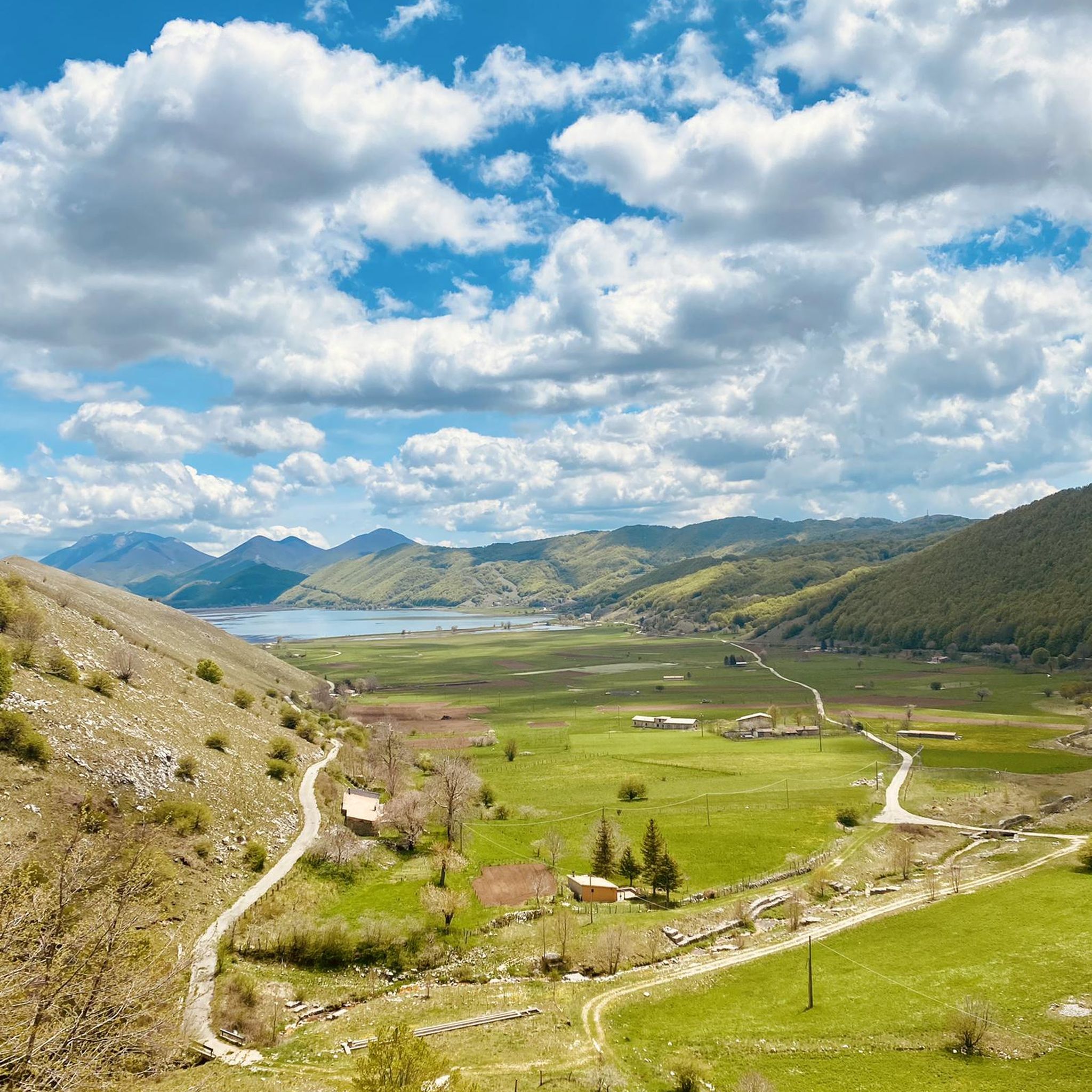
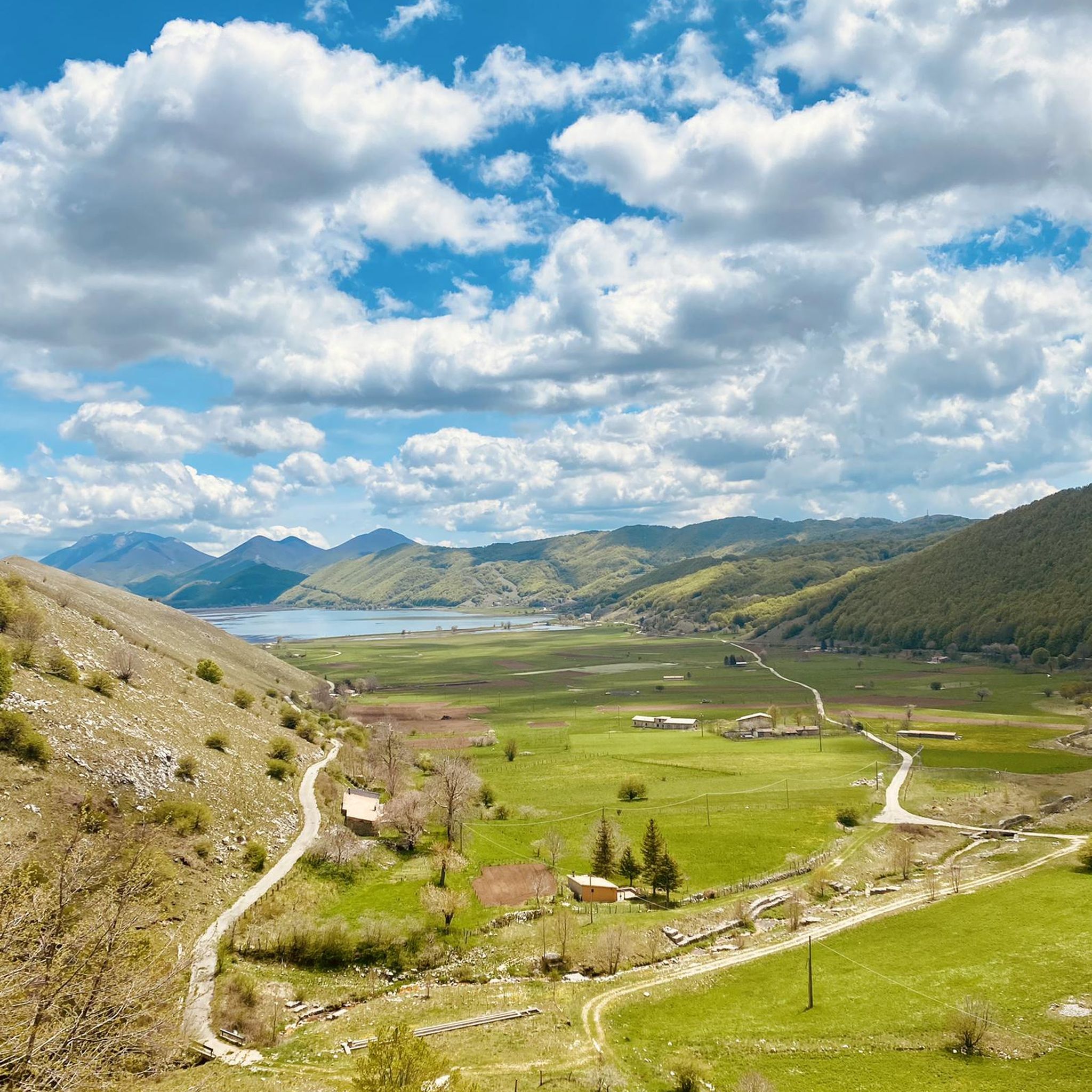
Roccamandolfi castle is an ancient fortress located on a hill near the village. From here it dominates the canyon of the Torrente Callora Nature Reserve and offers a splendid view of the surrounding landscape.
1
0

Ancient fortified city with a curious U shape due to the conformation of the rocks on which it stands. To visit, near the historic center, the two waterfalls, one artificial and one natural.
1
0
The medieval village of Prata Sannita is located on a rock ridge overlooking the valley of the river Lethe. It is characterized by narrow and winding alleys, stairways, arches and stone portals. Here is also the castle, a medieval fortress that witnessed important historical events and is now home to several museums.
1
0

Pesche is a perched village that is nothing short of enchanting. It is located a few kilometers from Isernia. The remains of the Lombard castle are still visible. This country with stone houses offers breathtaking scenery!
3
0
Roccamandolfi is known as the village of brigands. Numerous excursions start from here. The town is famous for the presence of the Tibetan bridge and the ancient Maginulfo Castle.
4
0

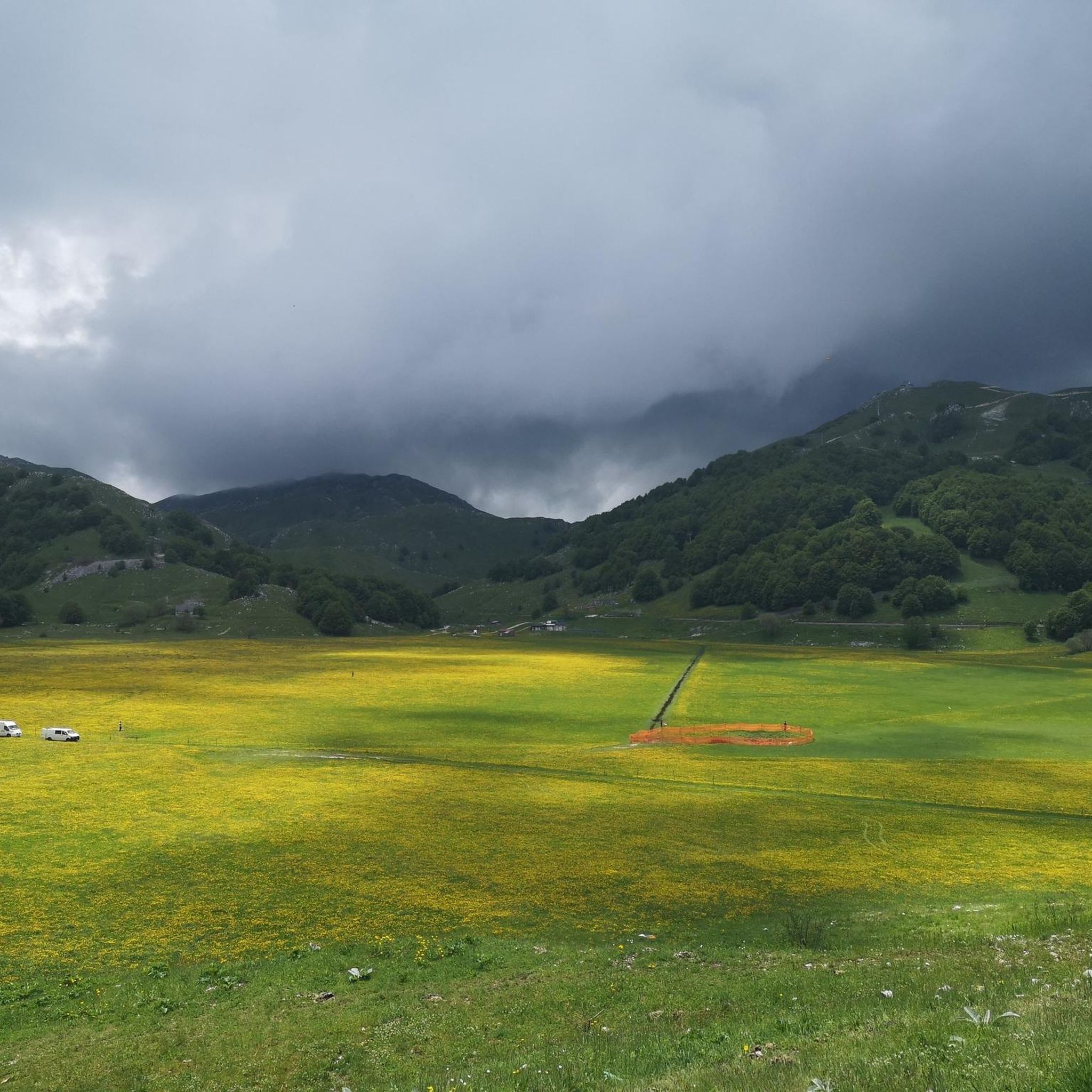
Nature, history, culture: those who visit Roccamandolfi are spoiled for choice. The country, in fact, offers interesting elements in all three areas. From a landscape point of view, its territory undoubtedly boasts characteristics that distinguish it from other Municipalities. To begin with, within its borders rises the most extreme point of Monte Miletto, the highest peak of the Matese chain. Added to this is the presence of several spectacular waterfalls and the beautiful plateau of Campitello di Roccamandolfi. Meta, the latter, privileged for excursions and picnics, especially in the summer. Here the traditional Festa del Pastore takes place, which from the 70s to today remains one of the most awaited events of the Molise summer. A rural festival that takes place between milking and shearing tests, musical entertainment and, above all, typical local dishes, based on meat - mostly sheep - and cheeses. Alongside the charm of an environmental context that is still wild and uncontaminated, the village in the province of Pentra can count on a particularly interesting past. Historically, in fact, it is known for having been the homeland of some of the most famous brigands of the nineteenth century. To these attractions, another one has recently been added which has greatly contributed to making the country known and encouraging the arrival of visitors: the Tibetan bridge. As for scenic beauty, Roccamandolfi is second to none, neither in terms of typology nor in the variety of elements that can be found there. It is no coincidence that in 2003 a part of its territory, with a total extension of about 50 hectares, was declared a protected area. We are talking about the magnificent Torrente Callora nature reserve, an obligatory destination for hiking and canyoning enthusiasts, which however deserves to be included in travel itineraries even by simple nature lovers. It takes its name from the stream that crosses it, which has a particularly important flow in the winter months. It flows inside a fissure in the rock and, along its path, gives rise to rapids and waterfalls. In the Reserve there are suggestive gorges, numerous cliffs, a gorge, valleys, a wooded area that climbs up to the slopes of the castle and a meadow area with areas dedicated to pastures. (source https://molisensi.com/2022/03/08/roccamandolfi-dal-ponte-tibetano-sulla-scia-dei-briganti/)
1
1

Carpinone, il cui nome risulta essere un accrescitivo di Carpino, che significa “luogo dell’acqua fredda”, nacque in epoca romana ma iniziò a svilupparsi con serio fervore durante l’occupazione longobarda divenendo in epoca normanna e poi sveva parte della Contea di Molise. Feudo dei Durazzo, dei D’Evoli e dei Caldora nel corso del Medioevo, consolidò le proprie difese con quest’ultima casata commissionante gli implementi costruttivi di cui beneficiò il castello datato XI secolo, una fortezza inespugnabile posta tatticamente su una roccia calcarea di elevata altezza. Decaduto il regime feudale, il borgo venne assoggettato al Regno delle due Sicilie e rientrò nella zona di passaggio dei mille garibaldini, impegnati a risalire l’Italia combattendo contro le milizie borboniche. Il paese continua a tener fede al proprio passato, tanto che il centro storico è rimasto immutato e perciò da visitare; a cingerlo in un forte abbraccio è un doppio ordine murario contraddistinto da un orientamento a ferro di cavallo data l’inaccessibilità del versante nord della rupe. Si ha dunque una prima cinta che difende la rocca insieme a un gruppo di abitazioni così da costituire una vera e propria Cittadella fortificata; la seconda cortina avvolge la parte ribassata dell’abitato. Il centro storico si pone fra le due formazioni ed è un incanto ancora fermo all’anno Mille, con le sue stradine lastricate, angoli molto discreti e un’atmosfera che rimanda a tempi assai remoti. Da queste parti è il Castello Caldera a incuriosire maggiormente per via dei numerosi riferimenti medievali che ne contraddistinguono una struttura adattata al concetto residenziale del Rinascimento. A pianta pentagonale, possiede un corpo centrale e tre torri angolari ancora integre a dispetto delle cinque originarie. Il non più esistente ponte levatoio ha trovato degna sostituzione in un ponte di pietra che introduce all’ingresso sovrastato da una loggia di evidente eleganza, ornata da quattro archetti a tutto sesto. È solo un gran peccato che il maniero non sia visitabile poiché di proprietà privata. Ammirarlo ogni modo dall’esterno vi stupirà, non c’è dubbio. L’hinterland del paese riserva piccoli e grandi spettacoli naturalistici, fra tutti l’affascinante grotta in contrada Cappella, la cascata del Carpino presso Schioppo e il Monte dei Santi, internamente al quale dovrebbero nascondersi delle catacombe in cui pare riposino le spoglie di moltissimi cristiani perseguitati al tempo di Diocleziano. (fonte: https://www.ilturista.info/guide.php?cat1=4&cat2=8&cat3=19&cat4=34&lan=ita)
0
0
Frequently Asked Questions
What are some notable castles and historical sites to visit around Longano?
The region offers several historically significant sites. You can explore the remnants of the ancient castle in Longano itself, which dates back to the Angevin period. Other prominent sites include Roccamandolfi Castle, known for its historical significance and natural surroundings, the medieval village of Prata Sannita with its fortress housing museums, and Carpinone Historic Village, an ancient fortified city with an 11th-century castle.
What is the historical significance of the castles in the Longano area?
The castles around Longano, including the one in Longano itself, played crucial defensive roles, often strategically connecting important routes. Many of these structures, like the castle in Longano, have origins dating back to the Angevin period and were owned by various noble families over centuries, reflecting the region's long and complex history. They stand as testaments to medieval defensive architecture and the strategic importance of Molise.
Are there any hidden gem castles or lesser-known historical sites near Longano?
Beyond the more prominent sites, the village of Pesche is a charming perched village with visible remains of a Lombard castle, offering breathtaking scenery. The Pignatelli Castle in Monteroduni, originally from the 8th century, is another significant historical symbol, transformed into a noble residence in the 18th century.
Can I find good viewpoints near the castles around Longano?
Yes, many of the castles and historical villages are situated on hilltops, offering panoramic views. For instance, the castle in Longano provides views of the Matese mountain range. Prata Sannita is located on a rock ridge overlooking the Lethe river valley, and Pesche offers stunning vistas from its elevated position. The View of Monteroduni also provides excellent perspectives of the surrounding area and its historic castle.
What outdoor activities can I do near the castles around Longano?
The area around Longano offers various outdoor activities. You can find numerous running trails, such as 'The Carpinone waterfalls and the historic village – loop run' or 'Val di Conche Trail'. For cyclists, there are road cycling routes like 'Isernia, Castelpetroso and Carpin' and touring bicycle routes including 'Castelpetroso and Sant'Angelo in Grotte Loop'. You can find more details on these activities and routes in the running trails, road cycling, and cycling guides around Longano.
Are there hiking trails associated with these castles?
Yes, several castles are starting points or located near hiking opportunities. Roccamandolfi Castle is a known starting point for numerous excursions, including those in the Torrente Callora nature reserve, popular for hiking and canyoning. You can explore various trails, including those that pass through historic villages and natural landscapes. Check the running trails around Longano guide for specific routes.
What is the best time of year to visit the castles around Longano?
The Molise region generally enjoys pleasant weather from spring to early autumn. Visiting during spring (April-May) or autumn (September-October) offers milder temperatures, ideal for exploring historical sites and engaging in outdoor activities like hiking. Summer can be warm, but the hilltop locations of many castles often provide refreshing breezes. Winter can be cold, but offers a different, often serene, atmosphere.
Are the castles around Longano family-friendly?
Many of the historical villages and castle sites, while not always having specific children's activities, offer an engaging experience for families interested in history and exploration. The open spaces, panoramic views, and the opportunity to wander through ancient streets can be enjoyable. For example, the medieval village of Prata Sannita, with its museums, can be an educational visit for older children.
What are the options for parking and public transport when visiting castles near Longano?
Access to many of these historical sites often involves driving, as public transport options can be limited in rural Molise. For towns like Longano, Carpinone, or Roccamandolfi, you'll typically find parking available within or near the village centers. It's advisable to check local information for specific parking facilities. Public transport might connect larger towns, but reaching the smaller, more remote castle sites often requires a car.
What kind of natural features can I expect to see near the castles?
The castles are often nestled within beautiful natural landscapes. From Longano, you can enjoy panoramic views of the Matese mountain range. Near Roccamandolfi Castle, you'll find the magnificent Torrente Callora nature reserve, featuring suggestive gorges, cliffs, waterfalls, and wooded areas. Carpinone Historic Village is known for its two waterfalls, one artificial and one natural, adding to its scenic appeal.
Are there places to eat or stay near the castles around Longano?
Yes, the towns and villages surrounding the castles, including Longano itself, offer options for dining and accommodation. You can find local restaurants, trattorias, and cafes serving traditional Molise cuisine. For overnight stays, there are typically B&Bs, agriturismos, and small hotels available in the area, particularly in larger towns like Isernia or in the charming medieval villages themselves.
What do visitors enjoy most about the castles and historical sites in this region?
Visitors frequently appreciate the blend of nature, history, and culture. The wild and uncontaminated environmental context, especially around places like Roccamandolfi, is a major draw. The well-preserved historic centers, like that of Carpinone, transport visitors back to ancient times. The panoramic views from hilltop castles and the rich historical narratives of each site are also highly valued by those exploring the area.
Most popular attractions around Longano

Get inspired with the komoot mobile app


Explore more
Looking for the best castles somewhere else? Discover other guides around Longano:
