Top 9 Castles around Ciorlano
Castles around Ciorlano are situated in the broader region of Campania, within the province of Caserta, offering a glimpse into the area's rich history. The municipality itself is nestled near the Volturno valley and the Matese massif, characterized by its natural landscapes. This area features historical fortifications and settlements that have evolved over centuries, providing insights into past architectural and cultural developments. Visitors can explore various historical sites that reflect the region's heritage.
Best castles around Ciorlano
- The most popular…
Last updated: August 23, 2026
Prata Sannita
Highlight • Settlement
Translated by Google •
Tip by

Castello di Pandone
Highlight • Castle
Translated by Google •
Tip by

Sign up now to discover places like this
Get recommendations on the best single tracks, peaks, & plenty of other exciting outdoor places.
Sign up for free
Rupecanina Castle
Highlight • Castle
Translated by Google •
Tip by

Presenzano Castle
Highlight • Castle
Translated by Google •
Tip by

View of Monteroduni
Highlight • Viewpoint
Translated by Google •
Tip by
Start today with a free account
Your next adventure awaits.
Login or Signup


Other adventures around Ciorlano

Tips from the Community

The frescoes and the modern art museum are definitely worth a visit. Tickets cost €6, and the complex is also open on Sundays (closed on Mondays). The visit lasts about an hour, if accompanied by the excellent volunteer guide included in the ticket.
0
0

Venafro Castle takes its name from the Pandone family, ancient owners of this medieval manor which was later transformed into a noble palace in the sixteenth century.
0
0

Pandone Castle is an ancient fortress transformed into a medieval palace. It recently became a national museum of Lombard origin, inside it houses sculptures and paintings by very famous painters such as Michelangelo, Raphael, Giotto, Leonardo da Vinci and Van Gogh.
0
0

Presenzano, in the province of Caserta, is home to the amphitheater of ancient Rufrae, an important Samnite archaeological site. The town is also known for its medieval castle, now in ruins, and for the Romanesque Church of San Nicola, with three naves and Romanesque arches.
1
0
Monteroduni is known for the Pignatelli Castle, originally from the 8th century. The village, of very ancient origins and involved in the Samnite wars, developed around the castle which was the scene of numerous medieval battles. Today the castle, transformed into a noble residence by the Pignatellis in the eighteenth century, is a historical symbol of the town.
1
0
The fortress of Ravecanina (as it was later called) or Rupe Canina, an ancient medieval tower, was renovated by Frederick II, who assigned it to the Teutonic Knights. Today it is unfortunately abandoned.
0
0

An ancient castle located on top of a hill in a panoramic position. Unfortunately at the moment it is in a state of neglect despite being well preserved.
0
0

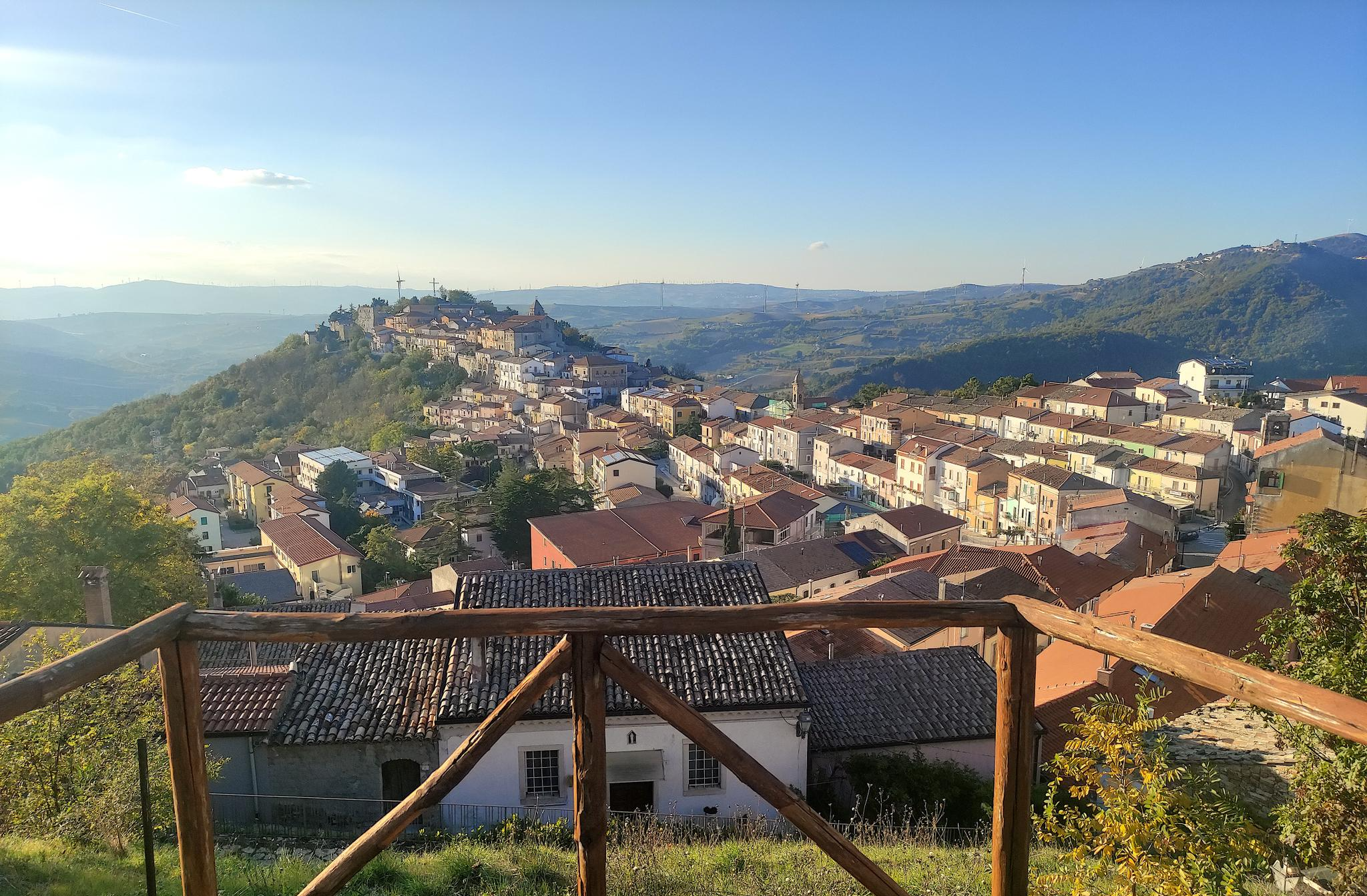
The medieval village of Prata Sannita is located on a rock ridge overlooking the valley of the river Lethe. It is characterized by narrow and winding alleys, stairways, arches and stone portals. Here is also the castle, a medieval fortress that witnessed important historical events and is now home to several museums.
1
0
Frequently Asked Questions
What kind of historical sites can I expect to find around Ciorlano?
The region around Ciorlano, located in the broader Campania area within the province of Caserta, offers a rich history. You'll find medieval fortresses, historical settlements, and castles that have been transformed into noble residences or museums. These sites provide insights into past architectural and cultural developments, reflecting the area's heritage.
Are there any castles that have been converted into museums near Ciorlano?
Yes, Castello di Pandone is an ancient fortress that was transformed into a medieval palace and now functions as a national museum. It houses sculptures and paintings, offering significant historical and cultural insights.
Which castles offer notable architectural features or historical insights?
Beyond the immediate vicinity, the broader region features castles like the 12th-century Castle of Alvignano with its mighty round towers, and the Castle of Casertavecchia, a well-preserved fortified place. Closer to Ciorlano, Prata Sannita is a medieval village with a fortress characterized by narrow alleys, stairways, and stone portals, now housing several museums. Rupecanina Castle, an ancient medieval tower renovated by Frederick II, also offers historical context.
Are there family-friendly castles to visit near Ciorlano?
Yes, Castello di Pandone is categorized as family-friendly. It's a national museum with art collections that can be engaging for various ages, and a visit typically lasts about an hour, often with a volunteer guide.
What is the best time of year to visit the castles around Ciorlano?
The region experiences a Mediterranean climate. Spring (April-May) and Autumn (September-October) generally offer pleasant temperatures for exploring historical sites. While some castles may be open in winter, checking specific opening hours is advisable, as weather conditions can vary.
What outdoor activities can I combine with a visit to the castles around Ciorlano?
The area around Ciorlano is ideal for outdoor enthusiasts. You can find numerous hiking and cycling routes. For hiking, explore trails like the 'Gallo Matese – Regional Park of Matese' or the 'Val di Conche Trail'. For cycling, options include 'Lago di Castel San Vicenzo from Venafro' or 'From Venafro to Atina'. You can find more details on these activities in the hiking guide and cycling guide for Ciorlano.
Are there hiking trails near these castles?
Yes, the region offers various hiking opportunities. For example, near Prata Sannita, you can find the 'Prata Sannita and the Cascate del Lete – loop tour in the Parco Regionale del Matese'. Many trails are available in the Matese massif and Volturno valley. Discover more routes in the Hiking around Ciorlano guide.
What natural features can I see near the castles?
Ciorlano is nestled near the Volturno valley and the Matese massif, offering beautiful natural landscapes. Many castles, like Rupecanina Castle and Letino Castle, are situated on hills or in panoramic positions, providing scenic views of the surrounding valleys and mountains.
What do visitors enjoy most about the castles around Ciorlano?
Visitors appreciate the historical depth and architectural variety of the castles. The medieval village of Prata Sannita is loved for its winding alleys and historical atmosphere. Castello di Pandone is highly rated for its transformation into a national museum with significant art collections. The panoramic views from sites like View of Monteroduni and Letino Castle are also frequently highlighted.
Are there any castles that offer great viewpoints?
Yes, several castles and related sites offer excellent viewpoints. View of Monteroduni, centered around the Pignatelli Castle, provides historical context and scenic vistas. Rupecanina Castle is located on a hill in a panoramic position, and Letino Castle also offers wonderful views, especially during cycling tours in the Matese region.
Can I find dog-friendly walks near the castles?
While specific dog-friendly policies for individual castles are not always detailed, the surrounding natural areas, such as the Matese massif and Volturno valley, offer numerous walking and hiking trails where dogs are generally welcome, provided they are kept on a leash. Always check local regulations for specific sites.
How long should I plan for a visit to a castle near Ciorlano?
The duration of a visit can vary. For a site like Castello di Pandone, which functions as a museum, a visit typically lasts about an hour. For larger historical settlements like Prata Sannita, you might want to allocate more time to explore the village, its alleys, and any museums it houses.
Most popular attractions around Ciorlano

Get inspired with the komoot mobile app


Explore more
Looking for the best castles somewhere else? Discover other guides around Ciorlano:
