Top 5 Castles around Pietravairano
Best castles around Pietravairano are located in the province of Caserta, Italy, a region characterized by its historical significance. The area is situated on the slopes of Monte Caievola, providing views of the surrounding valley. This landscape hosts medieval structures and ancient settlements. The historical architecture offers insights into centuries of regional history.
Best castles around Pietravairano
- The most popular castles is Prata Sannita, a settlement that includes a medieval fortress. This castle is part of a medieval village…
Last updated: June 29, 2026
Prata Sannita
Highlight • Settlement
Translated by Google •
Tip by

Rupecanina Castle
Highlight • Castle
Translated by Google •
Tip by

Sign up now to discover places like this
Get recommendations on the best single tracks, peaks, & plenty of other exciting outdoor places.
Sign up for free
Presenzano Castle
Highlight • Castle
Translated by Google •
Tip by

Medieval Castle of Pietravairano
Highlight • Castle
Tip by

Start today with a free account
Your next adventure awaits.
Login or Signup

Tips from the Community

Castle ruins and medieval Town. Worth the visit in combination with the amphitheatre. Spectacular views of the surrounding countryside and the Apennine Mountains.
0
0

Presenzano, in the province of Caserta, is home to the amphitheater of ancient Rufrae, an important Samnite archaeological site. The town is also known for its medieval castle, now in ruins, and for the Romanesque Church of San Nicola, with three naves and Romanesque arches.
1
0

The fortress of Ravecanina (as it was later called) or Rupe Canina, an ancient medieval tower, was renovated by Frederick II, who assigned it to the Teutonic Knights. Today it is unfortunately abandoned.
0
0

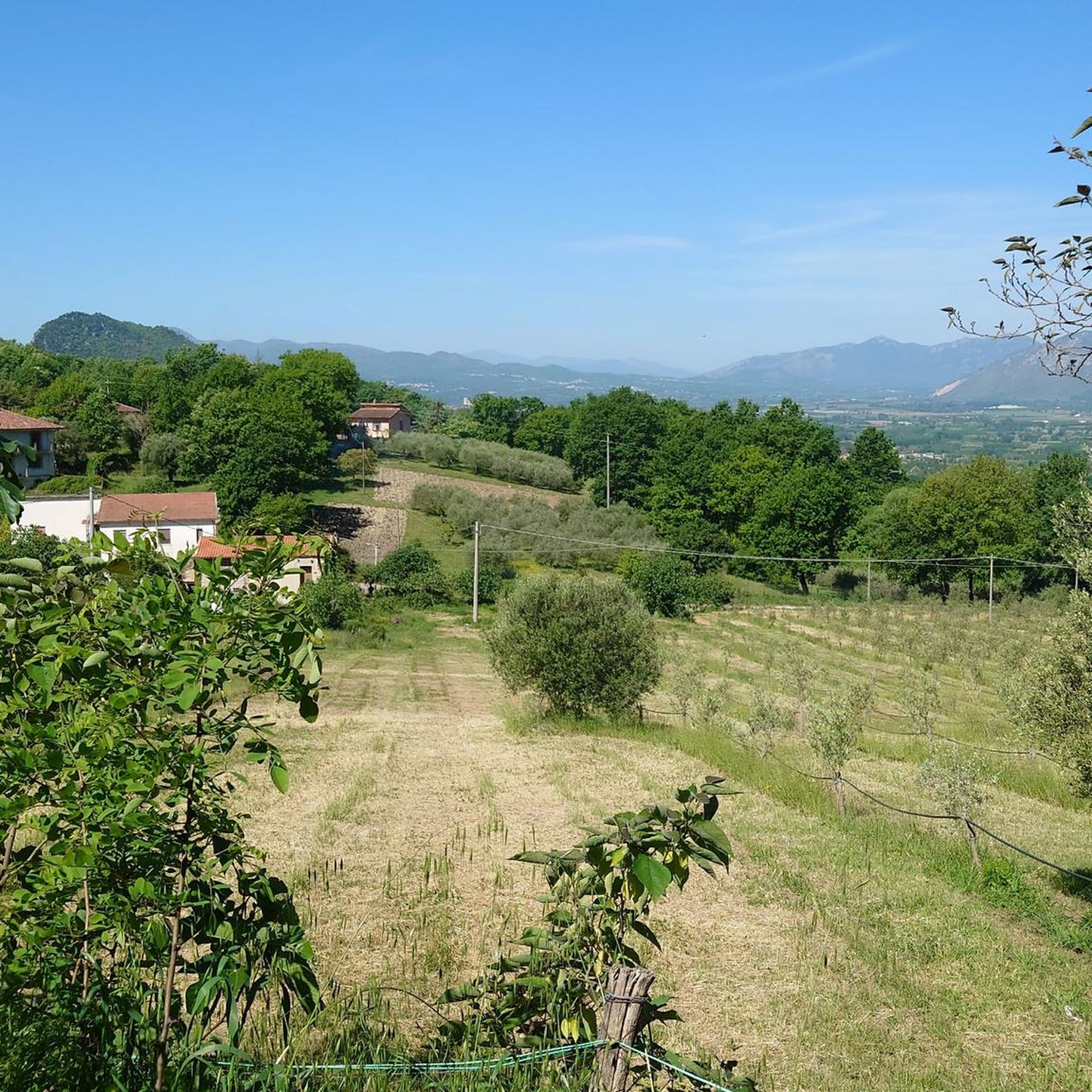
An ancient castle located on top of a hill in a panoramic position. Unfortunately at the moment it is in a state of neglect despite being well preserved.
0
0

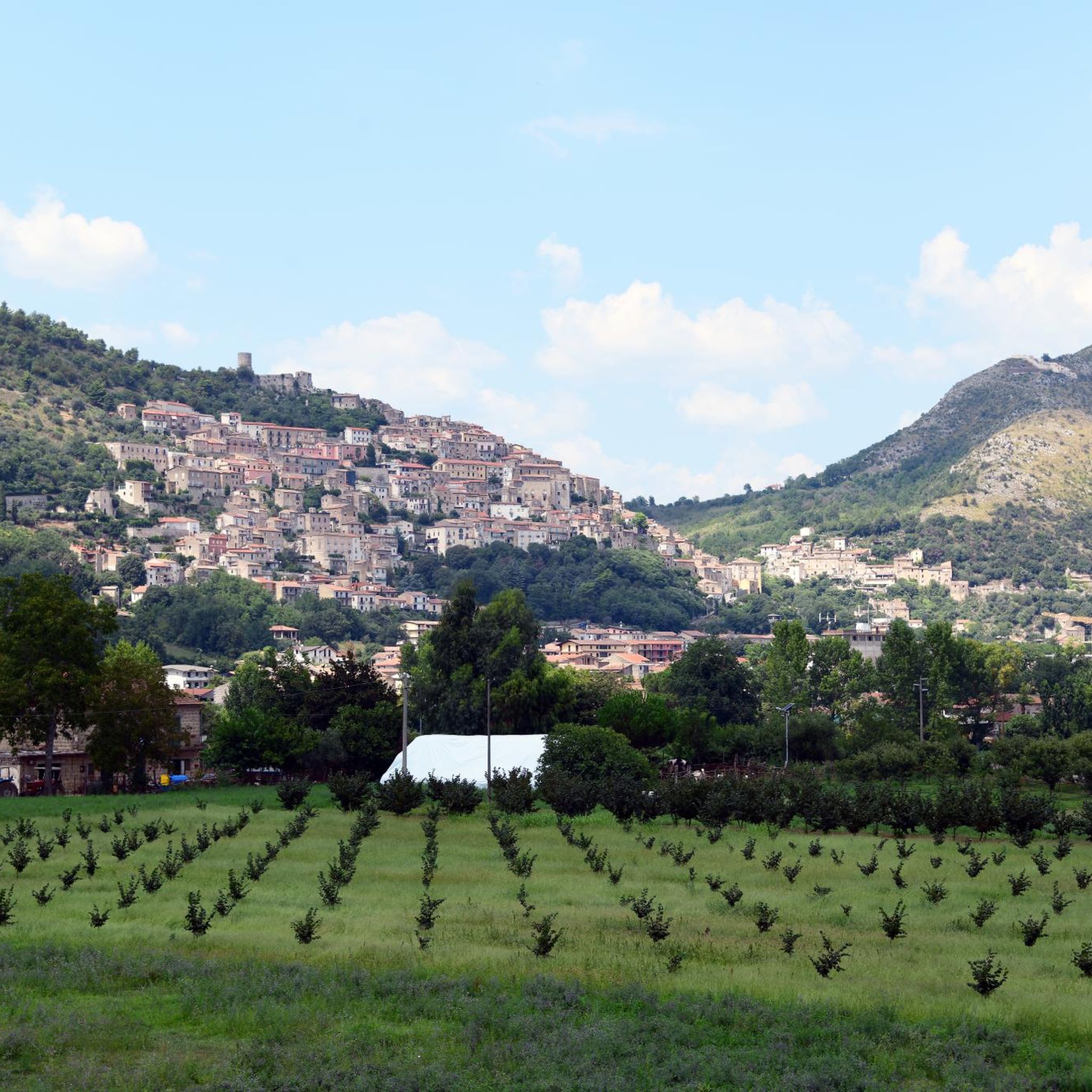
The medieval village of Prata Sannita is located on a rock ridge overlooking the valley of the river Lethe. It is characterized by narrow and winding alleys, stairways, arches and stone portals. Here is also the castle, a medieval fortress that witnessed important historical events and is now home to several museums.
1
0
Frequently Asked Questions
What kind of historical experience can I expect when visiting castles around Pietravairano?
The castles in the Pietravairano area offer a deep dive into centuries of regional history, from medieval fortresses to Aragonese structures. You'll find remnants of Norman-Swabian and Angevin architecture, such as the 11th-century tower and 14th-century watchtower integrated into Pietravairano's own Medieval Castle. These sites provide an immersive journey through the stories of ancient feudal lords and the strategic importance of these defensive structures.
Which castles near Pietravairano offer the most impressive views?
Many castles in the region are strategically located for commanding views. The Medieval Castle of Pietravairano itself offers amazing views of the valley below. Similarly, Rupecanina Castle is situated on a panoramic hilltop, and the Aragonese Castle of Vairano Patenora dominates its surrounding territory, providing excellent vistas.
Are there any family-friendly castles to visit near Pietravairano?
While specific family-friendly activities vary by site, exploring the medieval villages surrounding castles can be an engaging experience for families. For instance, Prata Sannita is a settlement that includes a medieval fortress within a village characterized by narrow alleys and stone portals, which can be fun to explore together. The historical context and architectural features of these sites can spark curiosity in visitors of all ages.
What is the best time of year to visit the castles in the Pietravairano region?
The best time to visit is typically during the spring (April to June) and autumn (September to October) months. During these seasons, the weather is generally mild and pleasant, making it ideal for exploring the outdoor ruins and walking through the historic centers without the intense heat of summer or the chill of winter. This also allows for comfortable enjoyment of the panoramic views.
What outdoor activities can I combine with a visit to the castles?
The region around Pietravairano offers various outdoor activities. You can find numerous routes for road cycling, running, and mountain biking. For example, there are several road cycling routes, running trails, and MTB trails that pass through or near historical sites and offer scenic views of the landscape and its castles.
Is there parking available when visiting the castles?
Parking availability can vary by specific castle. For the Medieval Castle of Pietravairano, you would typically look for parking within the historic center of Pietravairano itself, which is nestled on the slopes of Monte Caievola. For other castles like Prata Sannita or the Aragonese Castle of Vairano Patenora, parking is usually available in the nearby towns or villages, often requiring a short walk to the castle site.
What are some lesser-known but historically significant castles in the area?
Beyond the more prominent sites, the region holds several historically significant castles. Presenzano Castle, though now in ruins, is part of a town also known for its ancient Samnite archaeological site and the Romanesque Church of San Nicola. These lesser-known sites often provide a more secluded and authentic historical experience.
Are there cafes or restaurants near the castles for refreshments?
Yes, the towns and villages where these castles are located, such as Pietravairano, Prata Sannita, and Vairano Patenora, typically have local cafes and restaurants. These establishments offer opportunities to enjoy traditional Italian cuisine and refreshments before or after your castle exploration. It's a great way to experience the local culture.
What is the distinction between the Medieval Castle of Pietravairano and the Roman Temple-Theater?
While both are significant historical sites in Pietravairano, they belong to different eras. The Medieval Castle of Pietravairano is a medieval fortress, originating as a *Castrum Petrae* in the 11th century, showcasing Norman-Swabian and Angevin architecture. The Roman Temple-Theater on Monte San Nicola, discovered in 2000, is an impressive Greco-Roman archaeological complex from ancient times, featuring a temple and theater. They represent distinct periods of history.
How long does it typically take to explore a castle and its surroundings?
The time required to explore can vary. For a site like the Medieval Castle of Pietravairano, which includes ruins and a surrounding medieval village, you might spend 1-2 hours. Larger or better-preserved castles, such as the Aragonese Castle of Vairano Patenora, might warrant a longer visit, especially if you wish to delve into the local town and its amenities. Allow extra time if you plan to combine your visit with nearby hiking or cycling.
What kind of architectural features can I observe in the castles of this region?
The castles in the Pietravairano area display a range of architectural styles reflecting their long history. You can observe Norman-Swabian foundations, 14th-century Angevin watchtowers, and characteristic Angevin features like cylindrical keeps on truncated conical bases. Defensive elements such as high entrances, battlements, and remnants of moats and defensive walls are also common, showcasing their original military purpose.
Most popular attractions around Pietravairano

Get inspired with the komoot mobile app


Explore more
Looking for the best castles somewhere else? Discover other guides around Pietravairano:
