Top 6 Castles around Bitritto
Castles around Bitritto offer a glimpse into the region's historical and cultural heritage. Bitritto, located in the Metropolitan City of Bari, Italy, is known for its Norman-Swabian Baronial Castle, an imposing fortress in the historic center. This area features a landscape rich with historical sites, providing context for the defensive structures found throughout the region. The castles here reflect centuries of history, from their original defensive purposes to their modern-day uses.
Best castles around Bitritto
- The most popular castles is…
Last updated: October 2, 2026
Norman-Swabian Castle of Bari
Highlight • Castle
Translated by Google •
Tip by

Norman-Swabian Castle of Sannicandro di Bari
Highlight • Castle
Translated by Google •
Tip by

Sign up now to discover places like this
Get recommendations on the best single tracks, peaks, & plenty of other exciting outdoor places.
Historic Center of Bari
Highlight • Historical Site
Translated by Google •
Tip by

Svevo Castle of Bari
Highlight • Castle
Showing Translation
Tip by

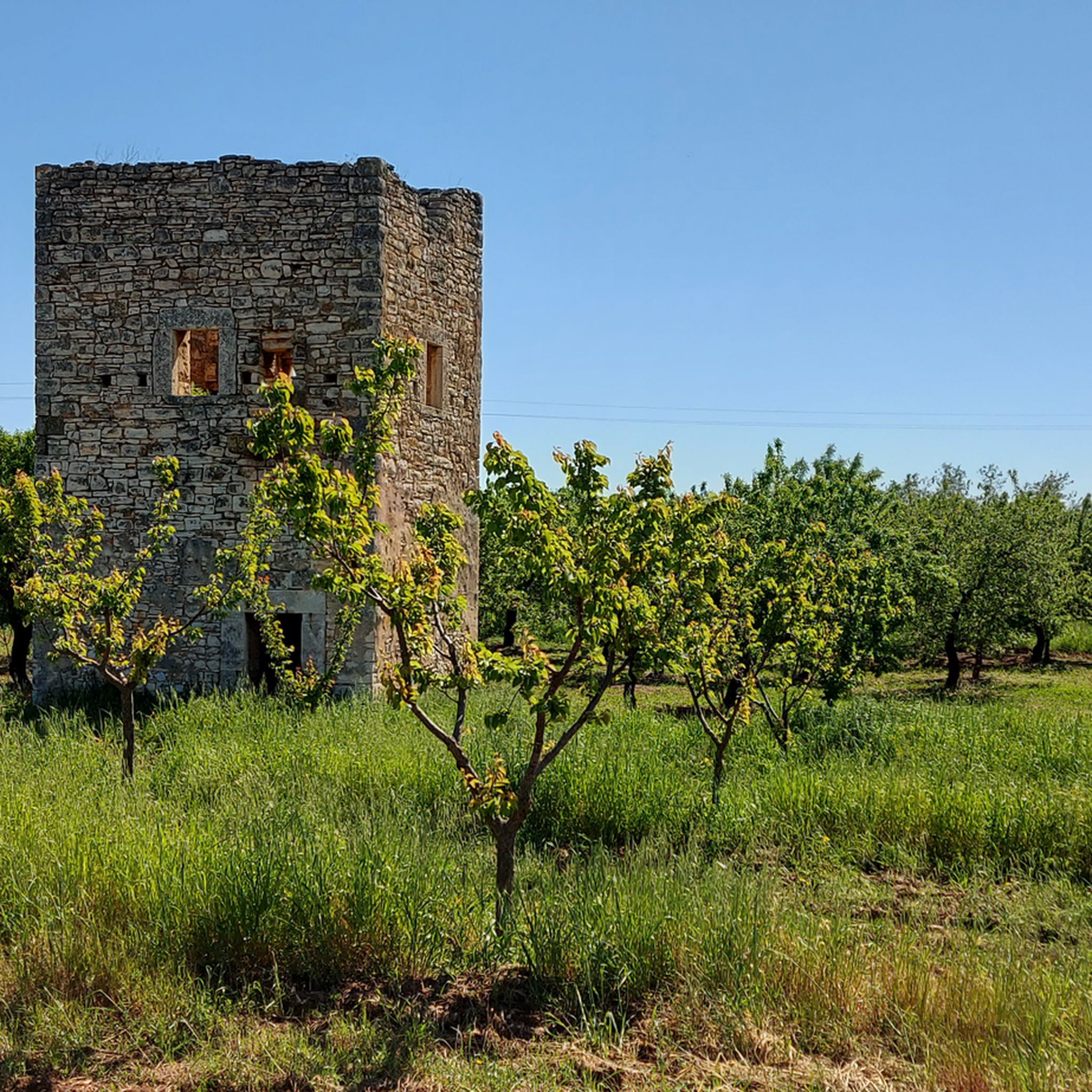
Torre di Reddito
Highlight • Historical Site
Translated by Google •
Tip by
Sign up for free to discover even more castles around Bitritto.
Already have an account?
Start today with a free account
Your next adventure awaits.

Tips from the Community

The Swabian Castle of Bari is one of the most imposing and fascinating fortresses in Southern Italy, strategically located between the historic center ("Bari Vecchia") and the sea. Originally founded by the Norman king Roger II around 1131, the castle was partially destroyed and subsequently rebuilt at the behest of Frederick II of Swabia, to whom it owes much of its medieval splendor and its current name. During the 16th century, under the guidance of Isabella of Aragon and her daughter Bona Sforza, the fortress was transformed into a sumptuous Renaissance residence, enriched with scarped bastions designed to withstand early firearms. Today it is a vibrant museum complex managed by the Ministry of Culture.
0
0

Very nice fortress, you can visit
4
0

The Dark History The dark charm of the Torre di Reddito is inextricably linked to the Tanzi family. Various urban legends have circulated for centuries about this dynasty (which also gave its name to a well-known masseria near Carbonara). It is said that the family members had accumulated immense fortunes and were dedicated to occult practices and rituals. [1] The aura of mystery is fueled by popular tales according to which the masseria was allegedly connected by secret underground passages to the very central Basilica of San Nicola in Bari. Local rumors suggest that some members of the Tanzi family were even buried within the same Bari basilica, in areas not accessible to the public, thus fueling the idea of a powerful, feared, and mysterious family. [1, 2, 3]
0
0
La Masseria Torre Reddito (or Villa del Reddito) is a 16th-century fortified complex located in the countryside between Triggiano and Bari. Built in 1501 at the behest of Isabella d’Aragona, the structure includes a manor house, a chapel of Our Lady of Sorrows, medieval underground chambers, a watchtower, and interior frescoes. [1, 2, 3, 4, 5, 6] The estate is located along the rural roads southeast of Bari (near Strada Vicinale Torre di Mizzo) and has the following historical and structural features: [1, 2] Origins: Commissioned by the Duchess of Bari as a farm and for animal shelter, it was later donated to the trusted family of the Counts Tanzi of Blevio. [1, 2, 3] Architecture: It is locally nicknamed "the castle" and is surrounded by a single boundary wall. In the center stands a 18th-century bell gable. [1, 2, 3, 4] Underground chambers: It preserves underground rooms, once used as mills and "ergastula" (rooms for slaves and animals)
0
0

The castle of the capital, with a rich historical stratification and home to interesting exhibitions
1
0

I came to hang around while waiting for the boat to Albania
0
0

spectacular medieval city
1
0
Frequently Asked Questions
What are the most historically significant castles to visit around Bitritto?
The region boasts several castles with deep historical roots. The Bari Swabian Castle, dating back to the 13th century, served as a residence for figures like Frederick II of Swabia and Isabella of Aragon. Another significant site is the Norman-Swabian Castle of Sannicandro di Bari, which showcases distinct Norman and Swabian architectural periods.
Are there any family-friendly castles near Bitritto?
Yes, the Norman-Swabian Castle of Bari is considered family-friendly. It operates as a museum, offering an engaging experience for all ages. The Bari Swabian Castle also features a modern exhibition with videos and projections, which can be enjoyable for families.
What kind of architectural features can I expect to see at these castles?
The castles around Bitritto, particularly the Norman-Swabian Baronial Castle in Bitritto itself, are known for their massive masonry structures, defensive towers, and fortifications. You'll also find elegant balconies and loggias with mullioned windows, showcasing a blend of defensive and aesthetic elements. The Norman Tower in Bitritto, for example, has a quadrangular base and reaches 34 meters, with interior frescoes.
What outdoor activities can I do near the castles?
You can combine your castle visits with various outdoor activities. For hiking, consider routes like the 'Peucetian Way: Bitetto Countryside Loop' or the 'Balsignano Monumental Complex – Porta Piscina of Bitetto loop'. If you prefer cycling, there are MTB trails such as the 'Tower of the Marquis Arcamone – Masseria San Francesco Ruins loop' and road cycling routes like the 'Mellitto Church – Cassano delle Murge loop'. You can find more details on these activities in the hiking, MTB, and road cycling guides around Bitritto.
Are there any lesser-known or 'hidden gem' castles or historical sites worth visiting?
While not a traditional castle, the Torre di Reddito in Triggiano is an impressive 16th-century farm complex often nicknamed 'the castle.' It features frescoes, a hypogeum, and a small church, though it has been closed to the public for some time. The Historic Center of Bari also contains numerous historical sites, including the Norman Swabian castle, and offers a labyrinth of alleys to explore.
What is the best time of year to visit the castles around Bitritto?
Puglia generally enjoys pleasant weather for much of the year. Spring (April-May) and Autumn (September-October) offer mild temperatures, making them ideal for exploring historical sites and enjoying outdoor activities without the intense summer heat. Some castles, like the Norman-Swabian Baronial Castle in Bitritto, occasionally host guided tours and medieval-themed events, so checking local event calendars might enhance your visit.
What can I expect from the Norman-Swabian Castle of Bari as a visitor?
The Norman-Swabian Castle of Bari is an imposing 13th-century fortress that now functions as a museum. It's located near the historic center and the Cathedral. Visitors can explore its structure, which has Byzantine-Norman origins, transformed by Frederick II, and later expanded during the Aragonese period. The castle also features a spectacular double flight of stairs added by Isabella of Aragon and Bona Sforza.
Can I find information about the history of the region's castles at the sites themselves?
Many castles, such as the Norman-Swabian Castle of Bari, operate as museums and provide extensive historical context through exhibitions, videos, and projections. The Norman-Swabian Baronial Castle in Bitritto, for instance, has undergone restorations that uncovered remains from before the year 1000, adding to its historical narrative, and occasionally offers guided tours with interpreters.
What makes the Norman-Swabian Castle of Sannicandro di Bari unique?
The Norman-Swabian Castle of Sannicandro di Bari is notable for its composition in two distinct parts, one within the other, reflecting its construction during different, though not far apart, Norman and Swabian periods. Archaeological findings, including Longobard and Byzantine coins, confirm the site's continuous presence since the 9th century.
Are there any specific events or immersive experiences offered at the castles?
The Norman-Swabian Baronial Castle in Bitritto occasionally hosts guided tours, sometimes featuring costumed interpreters and medieval-themed events. These events offer an immersive experience into the daily life, arts, and spectacles of the medieval period. It's advisable to check local tourism resources or the castle's official website for current event schedules.
Where can I find more general information about castles in the Puglia region?
For broader information about the castles throughout the Puglia region, you can visit the official tourism website: visit.puglia.it.
Most popular routes around Bitritto
Most popular attractions around Bitritto

Get inspired with the komoot mobile app


Explore more
Looking for the best castles somewhere else? Discover other guides around Bitritto:
