Top 8 Castles around Marcianise
Best castles around Marcianise are located in the province of Caserta, Italy, an area rich in historical significance. The region features a landscape that includes the Tifatini mountains and the Suessola valley. This setting has historically provided strategic locations for defensive structures and medieval settlements. The area's cultural heritage is deeply rooted in its feudal past, reflected in its ancient architecture.
Best castles around Marcianise
- The most popular castles is Matinale Castle, a castle that stands on an elevation…
Last updated: June 29, 2026
Matinale Castle
Highlight • Castle
Translated by Google •
Tip by

Casertavecchia Medieval Village
Highlight • Historical Site
Translated by Google •
Tip by

Sign up now to discover places like this
Get recommendations on the best single tracks, peaks, & plenty of other exciting outdoor places.
Sign up for free
Courtyard of Castello del Matinale
Highlight • Castle
Translated by Google •
Tip by

Royal Palace of Caserta
Highlight • Historical Site
Translated by Google •
Tip by

Casertavecchia Tower
Highlight • Historical Site
Translated by Google •
Tip by

Sign up for free to discover even more castles around Marcianise.
Sign up for free
Already have an account?
Start today with a free account
Your next adventure awaits.
Login or Signup
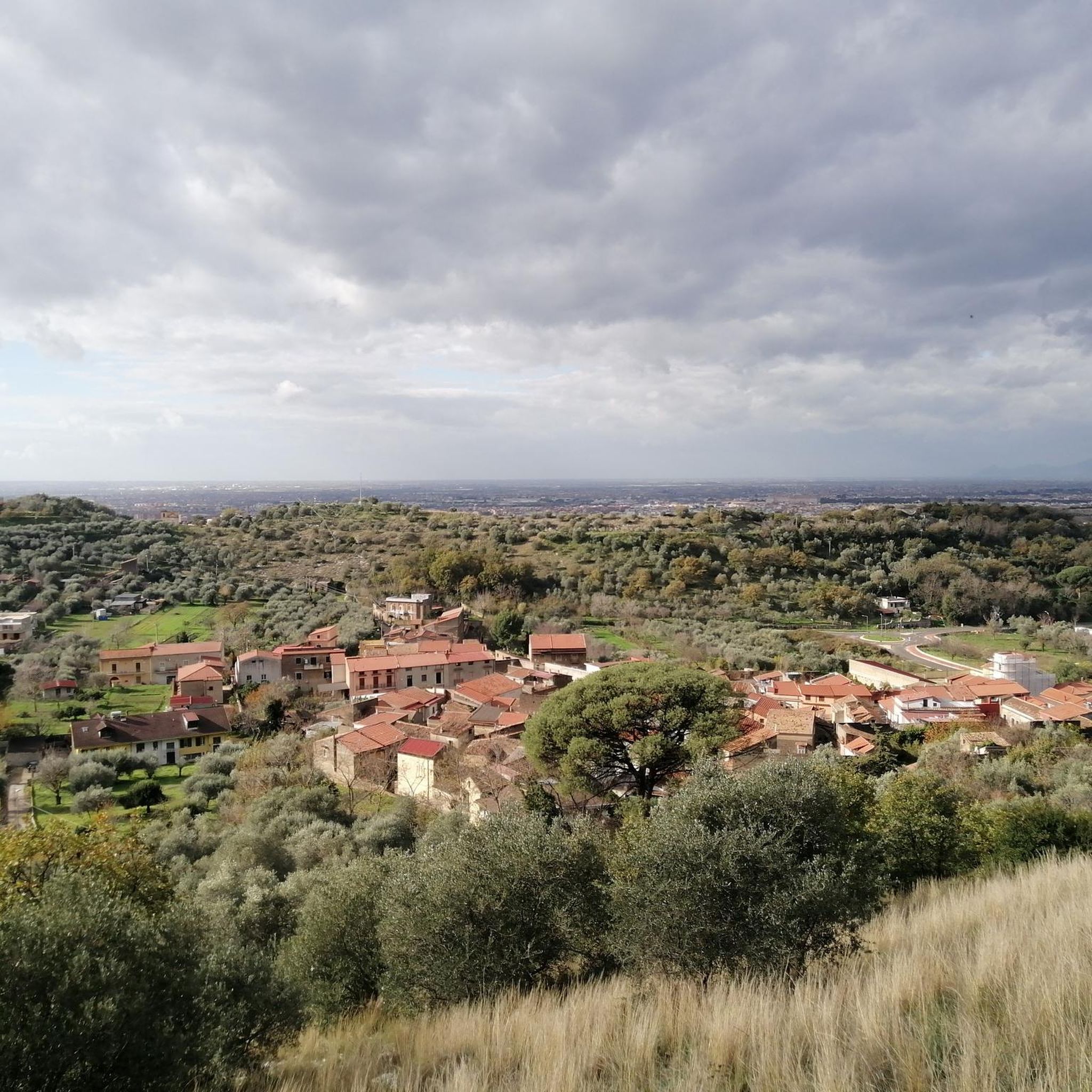
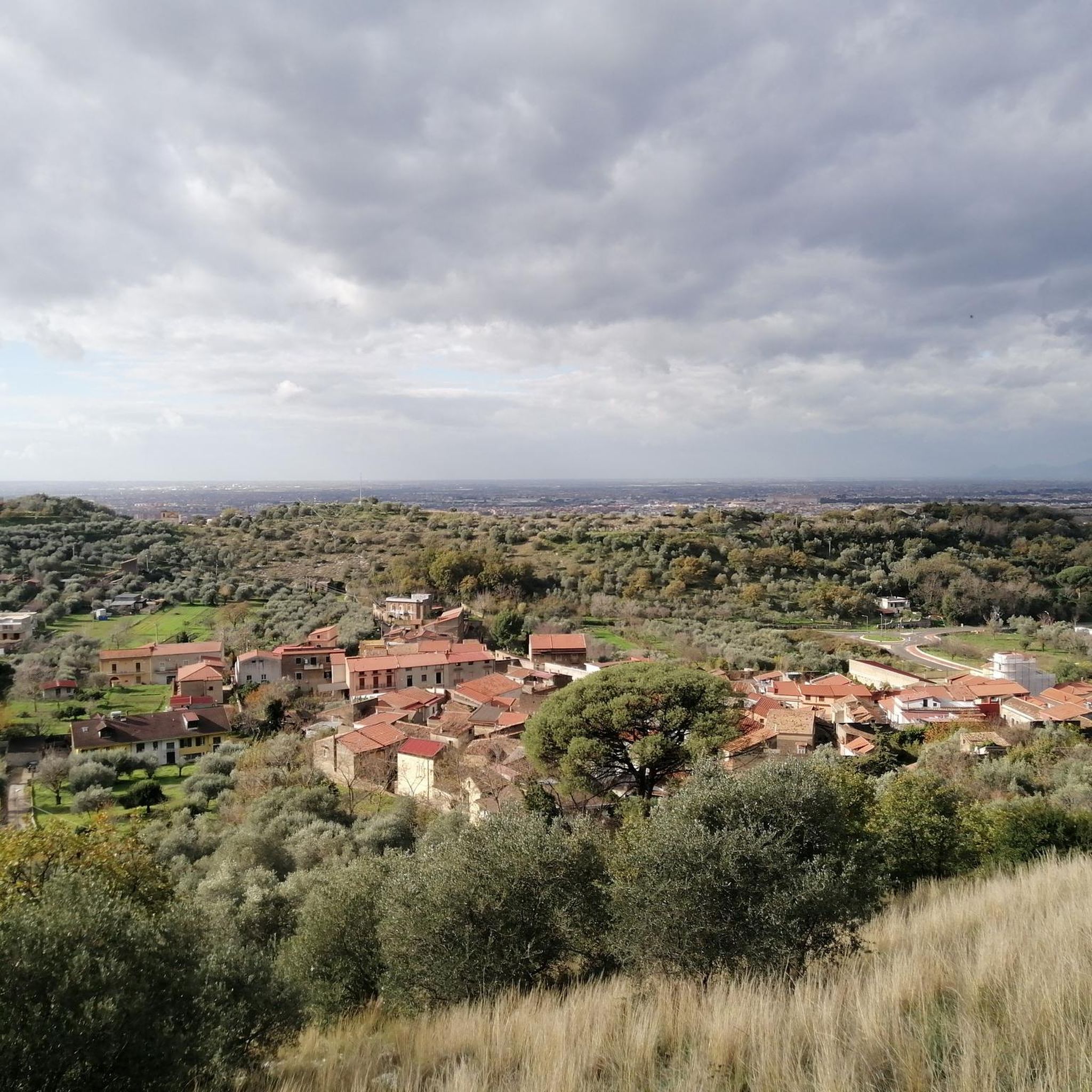
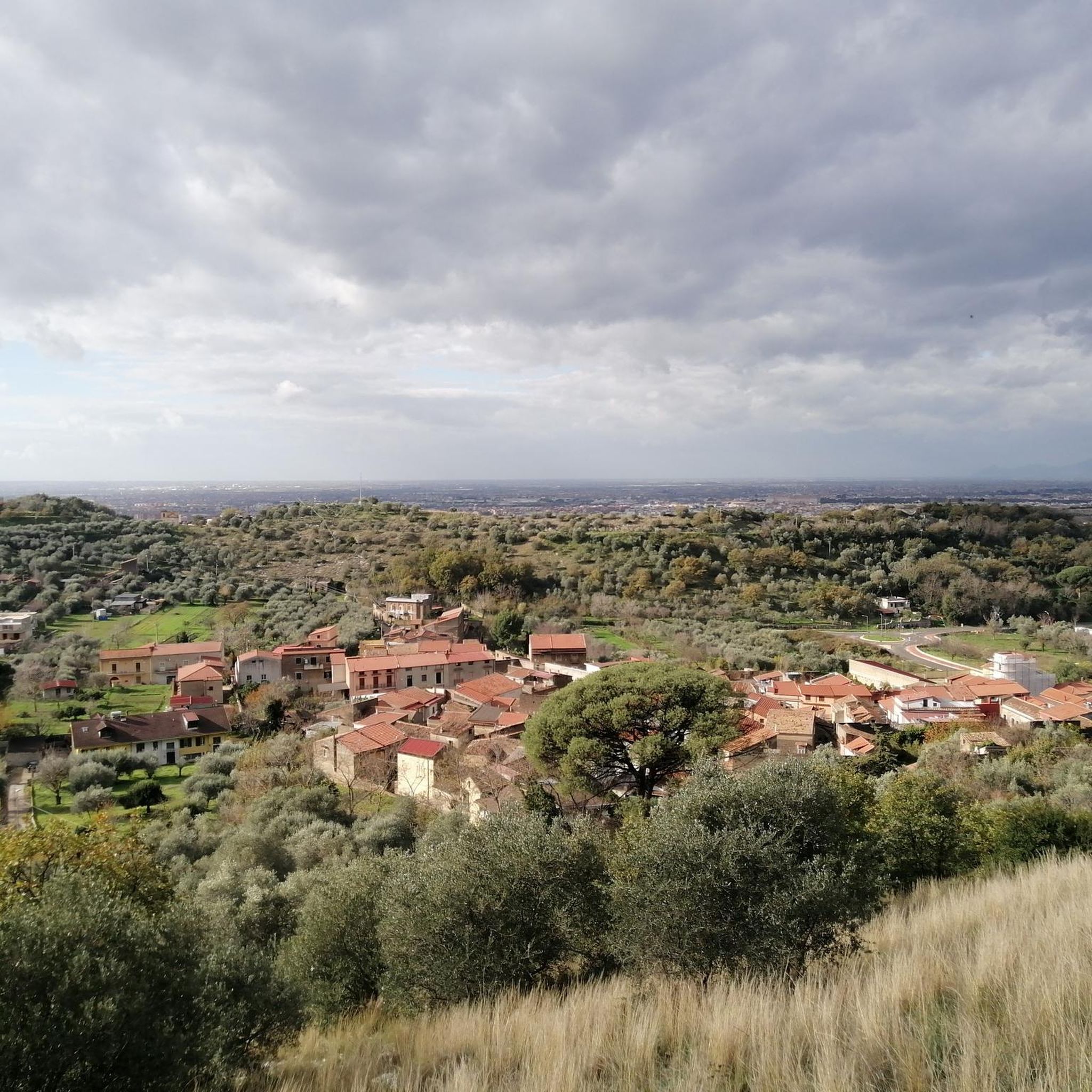
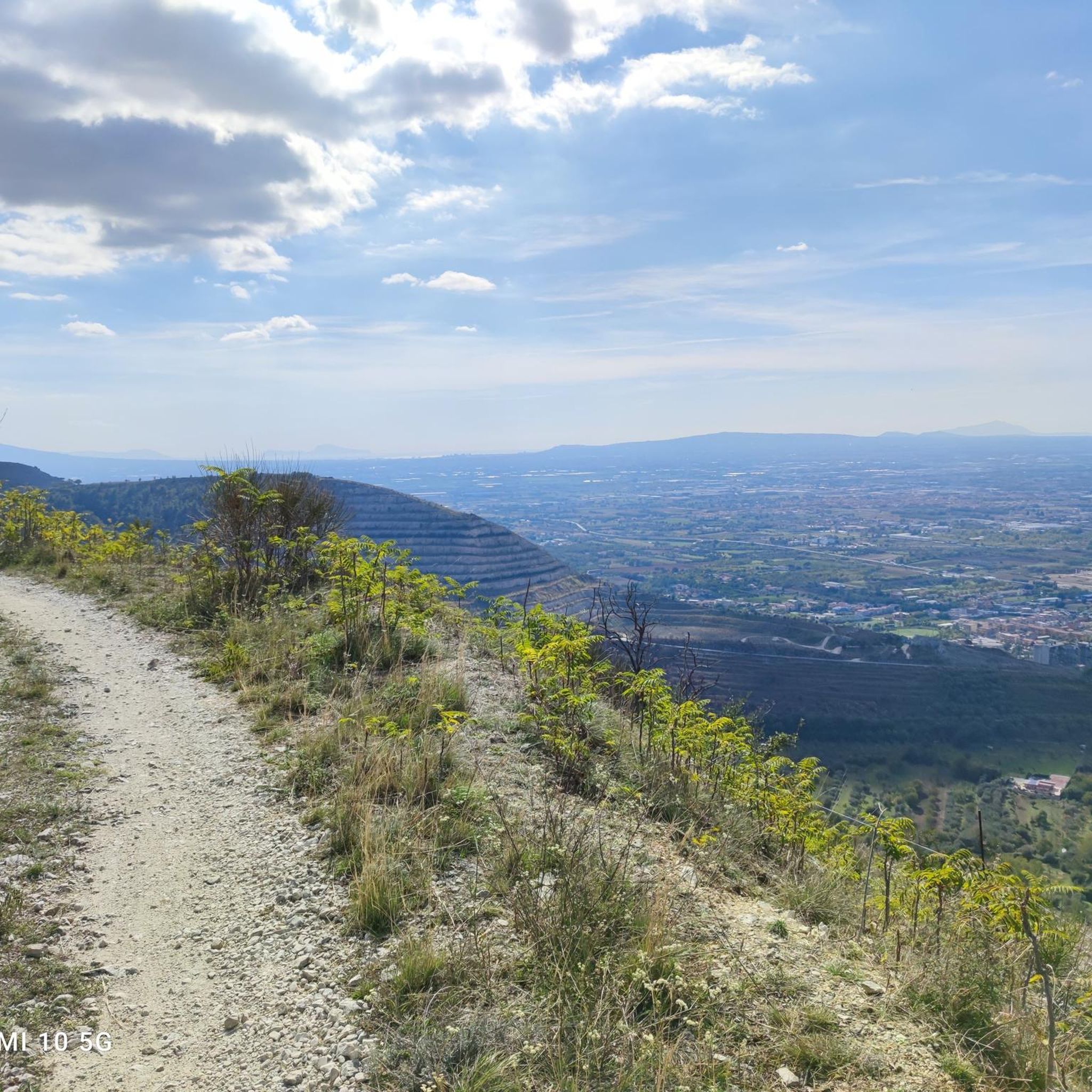

Tips from the Community

Unfortunately I didn't go out to enter the palace - I have to go back!
0
0

Worth a visit...but without a bicycle!
0
0

TO visit, it is still possible to climb up one of the 4 towers for a view over the entire valley
1
0

The Royal Palace of Caserta is the symbol of the city. It was built at the behest of Charles Bourbon in 1752, since 1997 it has been a UNESCO heritage site.
2
0

Admission is free every first Sunday of the month, the combined ticket Garden+Palast normally costs 15 euros
1
0
Culture, history and a great park.
1
0

The Tower of Casertavecchia is part of the village which was under Lombard dominion. The particular position, thanks to the protection of the mountains, has made Casertavecchia a refuge for the populations during the incursion of the Saracens.
2
0
This castle was wanted by Tommaso II d'Aquino. Over the years it was the home of nobles, such as the Sicilian kings, but later also of brigands.
2
0
Frequently Asked Questions
What is the historical significance of the castles around Marcianise?
The castles around Marcianise, such as the Castello Feudale di Loriano and Castello Airola, are significant examples of medieval architecture, reflecting the region's rich feudal past. They served military purposes, with defensive structures like curtain walls and towers, and housed noble families. These structures offer insights into the evolution of military architecture in the Kingdom of Naples and the aristocratic history of the area.
Can you tell me more about the Castello Feudale di Loriano in Marcianise?
The Castello Feudale di Loriano, also known as Castel Loriano, dates back to the 11th or 12th century. It features remnants of its original defensive structures, including two cylindrical guard towers with Aragonese battlements. Although partly integrated into private residences and in a state of degradation, its exterior still offers a glimpse into medieval engineering. You can find more information about it on Visit Italy or Wikipedia.
What is special about the <a href="https://www.komoot.com/highlight/3832877" target="_blank" rel="noopener">Matinale Castle</a>?
The Matinale Castle, also known as the Castle of Rudovaco, is a significant historical site in San Felice a Cancello. It stands on an elevation overlooking the Suessola valley and has origins possibly dating back to a 9th-century Lombard fortification. It hosted historical figures like kings and generals and served military functions until the 15th century.
Are there family-friendly castles to visit near Marcianise?
Yes, the Royal Palace of Carditello is listed as a family-friendly historical site. This neoclassical complex, commissioned by Ferdinand IV of Bourbon in the 18th century, is managed by the Carditello Foundation and is open to visitors.
What outdoor activities can I do near the castles around Marcianise?
The area around Marcianise offers various outdoor activities. For running, you can explore routes like the 'Castello Airola loop from Marcianise' or loops around the Royal Palace of Caserta. For hiking, there are options like the 'Bagno di Venere – Water Lily Temple loop from Caserta'. Cyclists can enjoy road cycling routes such as 'Vaccheria – Belvedere di San Leucio loop from Marcianise'. You can find more details on these activities in the running trails guide, hiking guide, and road cycling guide for Marcianise.
What is the best time of year to visit the castles around Marcianise?
While specific recommendations for Marcianise castles are not detailed, generally, the spring (April-June) and autumn (September-October) months offer pleasant weather for exploring historical sites in Campania, avoiding the intense heat of summer and the cooler, potentially wetter days of winter. This allows for comfortable outdoor exploration of castle exteriors and nearby villages.
Are there dining options near the castles, especially around <a href="https://www.komoot.com/highlight/3686100" target="_blank" rel="noopener">Casertavecchia Medieval Village</a>?
Yes, the Casertavecchia Medieval Village is known for having many refreshment activities, bars, and places where you can stop for a coffee or lunch break. This makes it a convenient spot to combine historical exploration with local culinary experiences.
What can I expect when visiting <a href="https://www.komoot.com/highlight/3686100" target="_blank" rel="noopener">Casertavecchia Medieval Village</a>?
Casertavecchia Medieval Village, located on the slopes of the Tifatini mountains, offers breathtaking views and a rich historical atmosphere. The village has undergone various dominations throughout history. You can also visit parts of the Casertavecchia Tower, which served as a refuge during Saracen incursions due to its protected mountain position.
Are there any less crowded castles to visit near Marcianise?
While popular sites like Matinale Castle and Casertavecchia Medieval Village are well-regarded, the Castello Feudale di Loriano and Castello Airola in Marcianise itself are less publicly accessible and integrated into private residences, offering a more secluded, exterior viewing experience for those interested in local heritage without the crowds.
What is the <a href="https://www.komoot.com/highlight/6366378" target="_blank" rel="noopener">Summonte Castle</a> known for?
The Summonte Castle, originally commissioned by Tommaso II d'Aquino, has a rich history, having been home to Sicilian kings and later even brigands. Visitors describe it as very suggestive and mysterious, with visible rooms, fireplaces, and cellars, though caution is advised when entering due to safety concerns.
What kind of architectural features can be seen in the castles of Marcianise?
The castles in Marcianise, such as the Castello Feudale di Loriano and Castello Airola, showcase medieval architectural features. These include defensive structures like curtain walls, towers (cylindrical guard towers with Aragonese battlements at Loriano, and a solid quadrangular tower at Airola), and loopholes. These elements highlight their original military and feudal purposes.
Most popular attractions around Marcianise

Get inspired with the komoot mobile app


Explore more
Looking for the best castles somewhere else? Discover other guides around Marcianise:
