Top 5 Castles around Adelfia
Best castles around Adelfia, a town in the Metropolitan City of Bari, Italy, offer a glimpse into its rich historical past. The area is characterized by its historical structures, including medieval fortifications and noble residences, reflecting centuries of architectural evolution. These sites are often situated within or near the Murgia Barese, providing a blend of cultural exploration and natural landscapes. Adelfia's castles showcase a diverse heritage, from defensive towers to grand feudal estates.
Best castles around Adelfia
- The most popular…
Last updated: June 29, 2026
Norman-Swabian Castle of Sannicandro di Bari
Highlight • Castle
Translated by Google •
Tip by

Torre di Reddito
Highlight • Historical Site
Translated by Google •
Tip by
Sign up now to discover places like this
Get recommendations on the best single tracks, peaks, & plenty of other exciting outdoor places.
Sign up for free
Masseria Panicelli
Highlight • Castle
Translated by Google •
Tip by
Medieval Village of Balsignano
Highlight • Historical Site
Translated by Google •
Tip by

Fascina Castle (Don Cataldo Farmhouse)
Highlight • Castle
Translated by Google •
Tip by
Start today with a free account
Your next adventure awaits.
Login or Signup
Tips from the Community

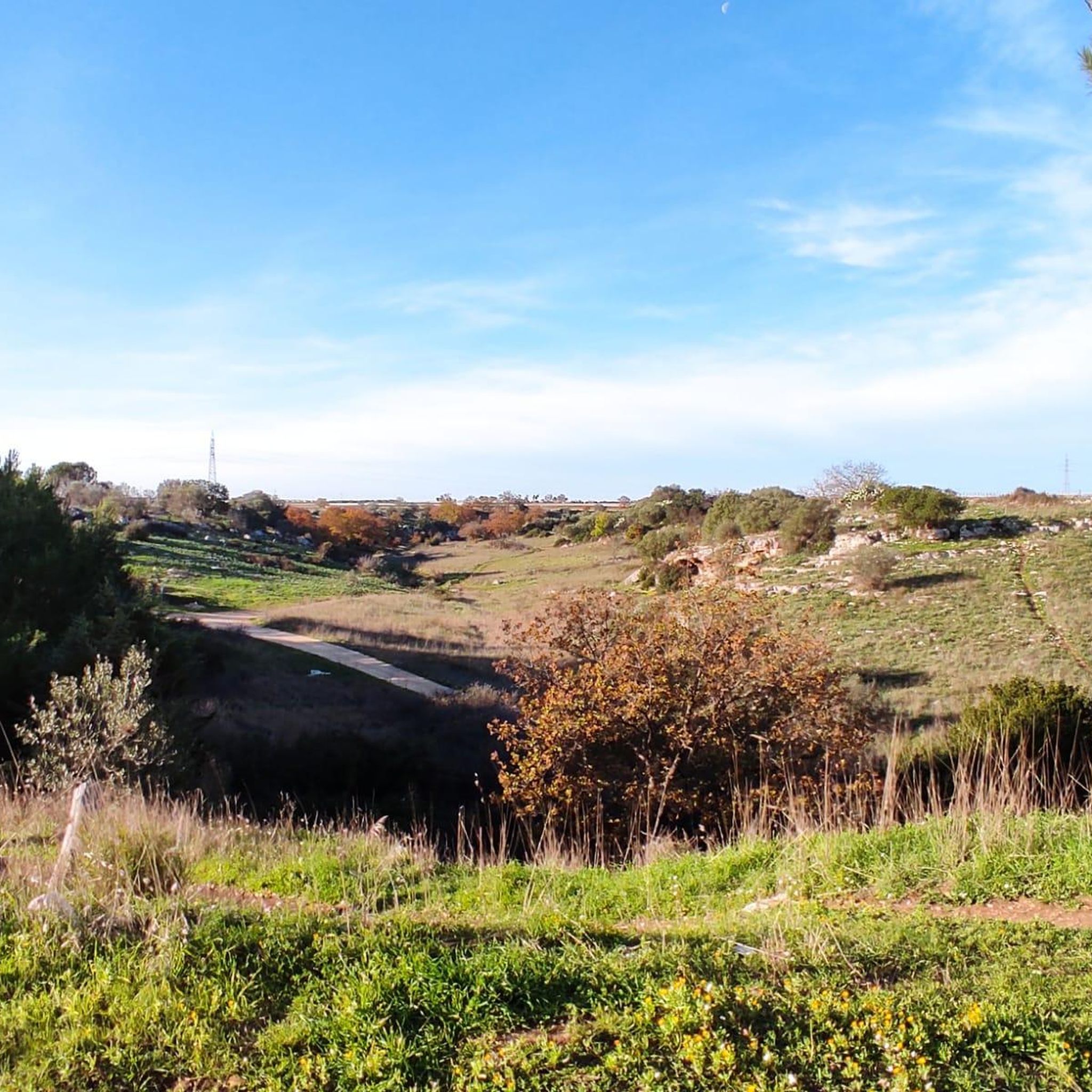
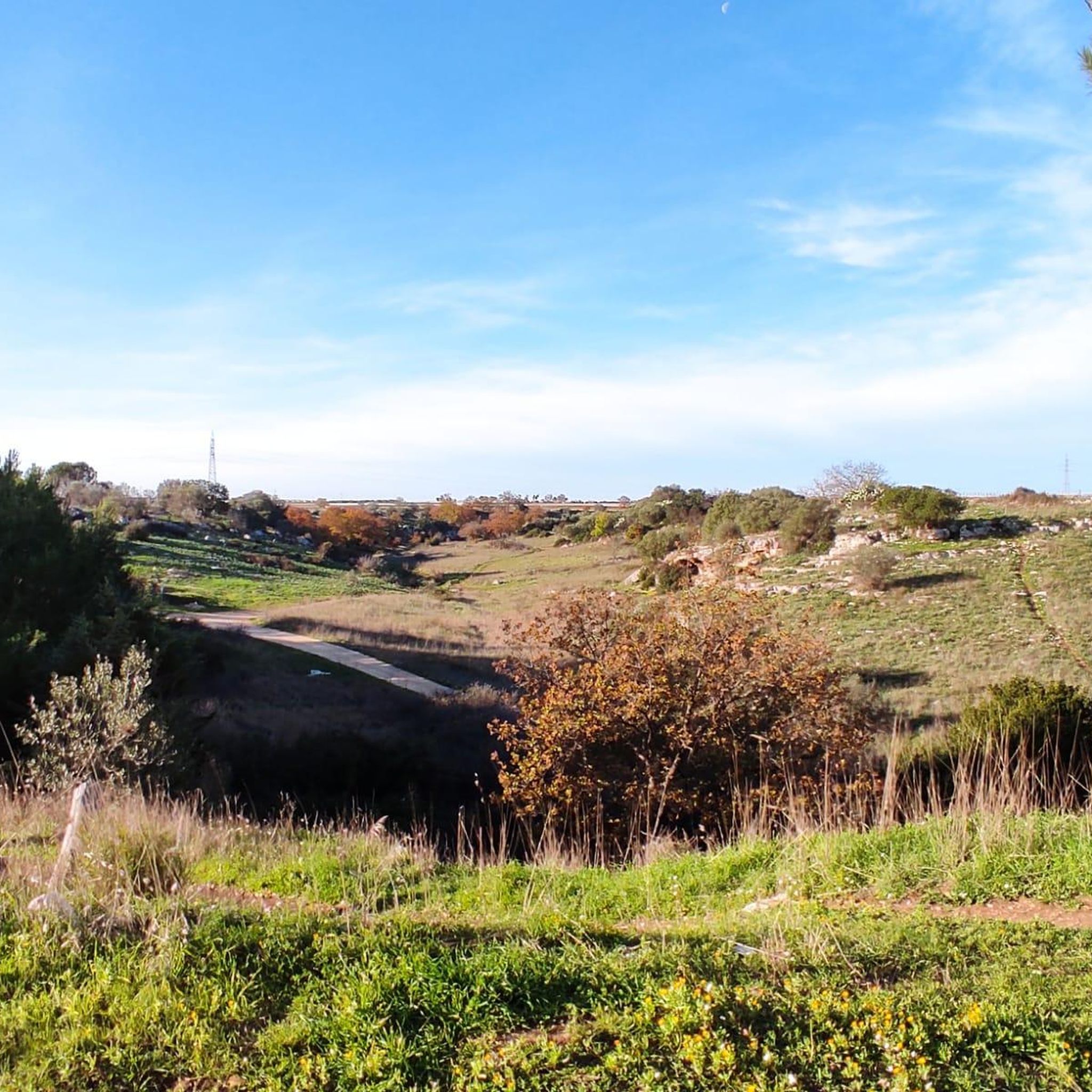
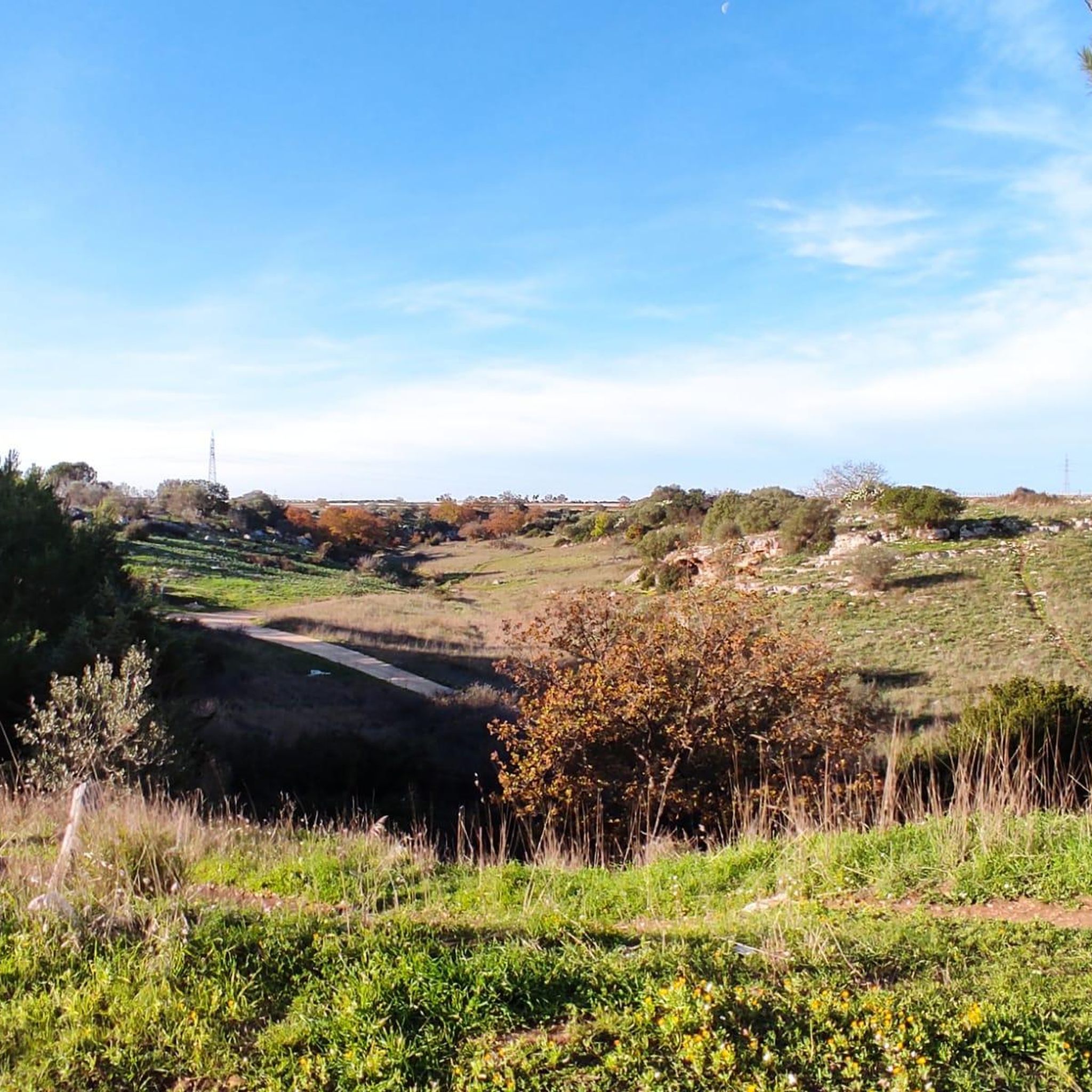
Precious evidence of the numerous rural villages which, since the period of Byzantine domination, populated the Bari area between the 10th and 11th centuries. This village was built on the edge of the Balsignano blade, a depression in the land caused by karst phenomena. Easily identifiable along the Matera road. The area is fenced and can only be accessed for a fee at set times (in the morning from 9.30 to 13).
0
0

the Panicelli farmhouse, a structure very similar to that of a castle due to the presence of four bastions. A building dating back to the 15th century, characterized by a considerable height and a particular defensive structure.
2
0
Born as a hunting lodge for the Counts of Conversano and subsequently transformed into a structure used for the breeding of livestock (this can be deduced from the fact that the livestock pit is located outside the walls), it is configured as the symbol of the defensive system and the typology of direct systems, itself at first sight would seem more like a fort than a farm for breeding.
2
0
This building falls into the category of Masserie-Castello and is located in the municipality of Adelfia in the province of Bari. It was built in 1600, by the Marquis of Laureto, Carlo Tommaso de Nicolai, who wanted this building to reside there, having decided to retire to the countryside to to be able to personally conduct the agricultural activity of his property. The son of the Marquis, Cataldo, also led country life, but for health reasons. He was responsible for some building additions, which further defined the character of a castle. The complex was then bequeathed to the Fascina family. It is an imposing building in a classical style, characterized by a splendid double staircase that leads to the loggia, and to the entrance. On both sides there are two towers. The building is surrounded by a thick wall, which also includes the remains of what was once the chapel, now completely destroyed.
0
0
The structure was built in 1501 at the behest of the energetic Isabella of Aragon, the first woman in history to govern the Apulian capital. It was conceived to manage the neighboring agricultural funds and at the same time raise the animals owned by the sovereign. A few years later it was donated to the Tanzi, the richest family in the city before the unification of Italy, who even administered it until 1878, making several extensions.
0
0
It is so impressive that it is nicknamed "the castle" and hides inside frescoes, a hypogeum and even a small church. We are talking about the Torre Reddito farm in Triggiano, a sixteenth-century complex immersed in that tangle of "timeless" rural roads located south-east of Bari. It is a pity that it is a practically unexplored treasure: it has been closed to the public since time immemorial.
0
0
The entrance to Torre di Reddito, an ancient building dating back to the 16th century, which for generations belonged to the Tanzi family
0
0
Norman-Swabian Castle is a fortification that rises in the medieval area of Sannicandro di Bari, among the characteristic houses with external stairways. It was surrounded by an ancient Swabian moat which was filled and transformed into a street only in 1836. Today we can appreciate it in its composition in two distinct parts, one in the other, structured in different periods but not very distant from each other: the Norman one. and that Sveva. The various essays, by the Archaeological Superintendency of Bari, revealed the presence of ancient pre-Norman trenches inside the court, with a fortified nucleus, probably surrounded by an outer wall. The Longobard and Byzantine coins found in the foundation emplecton confirm the seamless presence of the site starting from the 9th century.
3
0
Frequently Asked Questions
What historical periods do the castles around Adelfia represent?
The castles and historical sites near Adelfia span several centuries, offering a rich journey through time. You can find structures from the 9th century, such as the Norman-Swabian Castle of Sannicandro di Bari, which shows both Norman and Swabian influences. The Medieval Village of Balsignano provides evidence of rural settlements from the Byzantine domination period. Later structures like the 15th-century Masseria Panicelli and the 16th-century Torre di Reddito showcase defensive and agricultural architecture, while the 17th-century Fascina Castle (Don Cataldo Farmhouse) reflects a blend of residential grandeur and agricultural utility.
Which castles near Adelfia offer unique architectural features?
Several castles near Adelfia boast distinctive architectural elements. The Norman-Swabian Castle of Sannicandro di Bari is notable for its composition of two distinct parts, Norman and Swabian. The Masseria Panicelli, originally a hunting lodge, features four bastions giving it a fort-like appearance. The Fascina Castle (Don Cataldo Farmhouse) is an imposing building in a classical style, characterized by a splendid double staircase leading to a loggia and two massive semicylindrical towers.
Is the Castello Marchesale in Adelfia open to the public?
The Castello Marchesale (Palazzo Marchesale) in Adelfia is privately owned by the Carelli-Palombi family. While it is not regularly open for public visits, it has occasionally been accessible during special initiatives like '99 Borghi'. It features beautiful frescoes, a small church with relics, and dungeons, offering a glimpse into centuries of history.
Can I visit the Fascina Castle (Don Cataldo Farmhouse)?
The Fascina Castle (Don Cataldo Farmhouse), also known as Castello delle Fascine, is currently abandoned and shows signs of degradation. While its historical significance and unique blend of fortress and farmhouse architecture are evident, it is not officially open for public visits due to its condition.
Are there any lesser-known historical sites or 'hidden gems' among the castles near Adelfia?
Yes, the Torre di Reddito, a 16th-century building nicknamed 'the castle,' is a fascinating hidden gem. It contains frescoes, a hypogeum, and even a small church. However, it has been closed to the public for a long time. Another unique site is the Medieval Village of Balsignano, which offers precious evidence of rural settlements from the Byzantine period, built on the edge of the Balsignano blade. This area is fenced and can be accessed for a fee at set times.
What is the best time of year to visit the castles around Adelfia?
The best time to visit the castles around Adelfia is generally during the spring (April to June) and autumn (September to October) months. During these periods, the weather is typically mild and pleasant, making it comfortable for exploring historical sites and enjoying outdoor activities. Summers can be quite hot, and some sites might have limited hours.
Are there family-friendly activities or castles suitable for children near Adelfia?
While specific family-friendly programs at each castle are not detailed, exploring historical sites like the Norman-Swabian Castle of Sannicandro di Bari or the Medieval Village of Balsignano can be an educational and engaging experience for families. The historical context and architectural features can spark children's imaginations. Always check specific opening hours and accessibility for each site when planning a visit with children.
What outdoor activities can I do near the castles around Adelfia?
The region around Adelfia offers various outdoor activities. You can explore road cycling routes, with options like the 'Cyclist at Home Entrance – Strada Vicinale Cinque Parieti loop from Adelfia' or the 'Santeramo in Colle – Cassano delle Murge loop from Adelfia'. There are also running trails, including the 'Sotterranei loop from Adelfia' and the 'Castello Baronale Martucci loop from Adelfia'. For general cycling, consider routes like the 'Norman–Swabian Castle – Vineyard loop from Adelfia'. You can find more details on these and other routes in the Road Cycling Routes around Adelfia, Running Trails around Adelfia, and Cycling around Adelfia guides.
Are there hiking trails near the castles around Adelfia?
While specific hiking trails directly to or from the castles are not detailed, the area around Adelfia, particularly within the Murgia Barese, offers opportunities for walking and exploring natural landscapes. You can find various running and cycling routes that pass through scenic areas, which can also be adapted for walking. Check the Running Trails around Adelfia guide for routes like the 'Sotterranei loop from Adelfia' which might offer suitable walking paths.
What natural features can I see near the castles in Adelfia?
The castles around Adelfia are often situated within or near the Murgia Barese, a region characterized by its karst phenomena. For instance, the Medieval Village of Balsignano is built on the edge of the Balsignano blade, a depression in the land caused by these geological processes. Exploring the surrounding areas can offer views of this unique landscape.
What do visitors enjoy most about the castles around Adelfia?
Visitors appreciate the rich historical past and architectural diversity of the castles around Adelfia. The Norman-Swabian Castle of Sannicandro di Bari is particularly valued for its distinct Norman and Swabian sections and its historical significance. The area's blend of cultural exploration with natural landscapes, especially within the Murgia Barese, is also a highlight for many.
Are there cafes or restaurants near the castles in Adelfia?
Adelfia itself has local cafes and restaurants where you can find traditional Apulian cuisine. While specific establishments directly adjacent to each castle are not listed, you can typically find dining options within the main town centers of Adelfia and nearby Sannicandro di Bari, which are a short distance from the historical sites.
Most popular routes around Adelfia
Most popular attractions around Adelfia

Get inspired with the komoot mobile app


Explore more
Looking for the best castles somewhere else? Discover other guides around Adelfia:
