Top 5 Caves around San Giuseppe Vesuviano
Caves around San Giuseppe Vesuviano are situated within the wider Vesuvius area and the Campania region of Italy. This location serves as a base to access various speleological sites. The region features diverse geological formations, including volcanic landscapes and traditional limestone caves, offering insights into the area's geological history.
Best caves around San Giuseppe Vesuviano
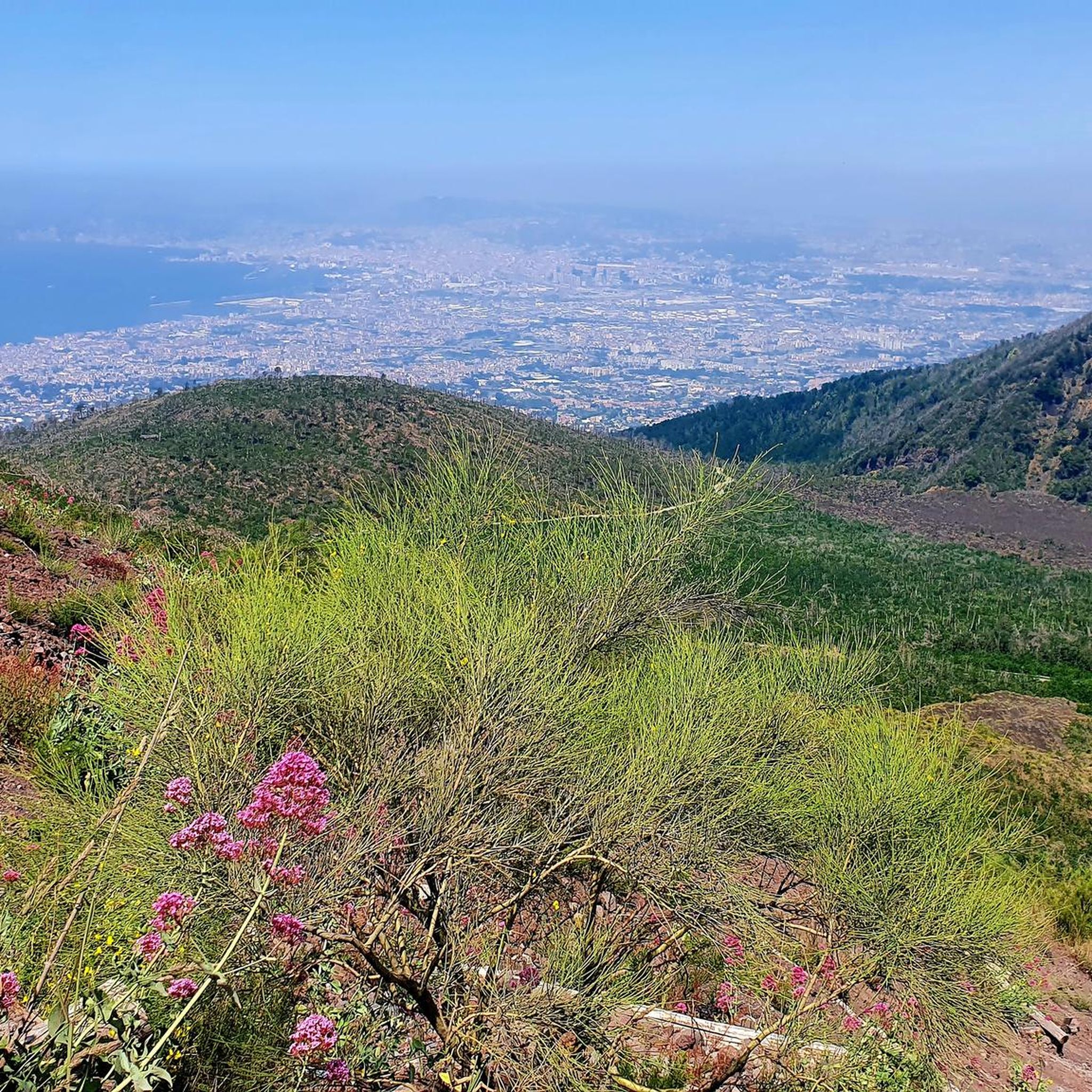
- The most popular caves is Grotta Fissure, a challenging cave that offers unique geological insights into the volcanic landscape. It provides a great view…
Last updated: June 29, 2026
Grotta Fissure
Highlight (Segment) • Cave
Translated by Google •
Tip by

Grotta Boscariello
Highlight • Cave
Translated by Google •
Tip by
Sign up now to discover places like this
Get recommendations on the best single tracks, peaks, & plenty of other exciting outdoor places.
Sign up for free
Madonna di Castello Cave at Gavète
Highlight • Cave
Translated by Google •
Tip by

Entrance to the Cave
Highlight • Cave
Translated by Google •
Tip by

Start today with a free account
Your next adventure awaits.
Login or Signup

Tips from the Community

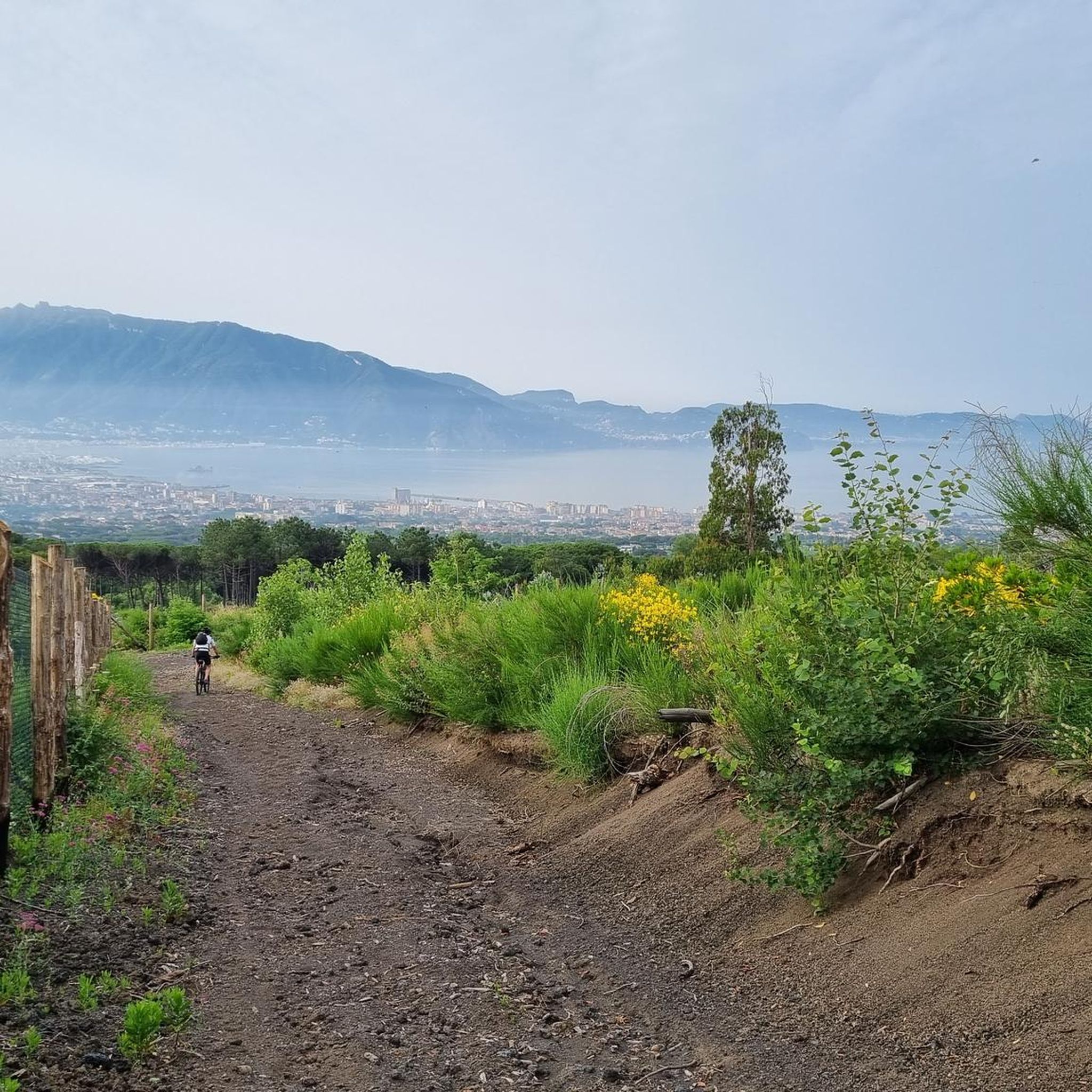
I recommend leaving the road here to get to the grotto. The path is much easier to pass than the path suggested by Komoot further north.
2
0
Definitely not accessible by bike, at least not at this time of year. The path is completely overgrown, and even on foot it was barely passable. But the grotto is worth the effort!
0
0

From the table shown in the photo, due to the steep slopes and finally some steps, by bike for the last stretch of about 700/800 meters. we proceed to push, but nothing impossible.
0
0
Natural cave, inside which there is a beautiful lava stone depicting the Madonna di Castello. Every 1st May the pilgrimage under 'e Gavèt is held, guided by faith and devotion to Mamma Schiavona, protector of the Sommesi, hundreds of people participate in the solemn mass which will be held right in front of the small cave, which is positioned under the spring where the ancestors fetched water. Everything is promoted and organized by the friends of the Paranza delle Gavète in collaboration with the group of Zi Riccardo and the women of Tammorra.
0
0
Suggestive natural caves, inside which there is a beautiful lava stone depicting the Madonna di Castello. Every 1st May the pilgrimage under 'e Gavèt is held, guided by faith and devotion to Mamma Schiavona, protector of the Sommesi. Hundreds of people will participate in the solemn mass which will be held right in front of the small cave, which is positioned under the spring where the ancestors went to get water. All promoted and organized by the friends of Paranza delle Gavète in collaboration with the group of Zi Riccardo and the women of Tammorra.
0
0

An exciting walk in the heart of nature
12
0

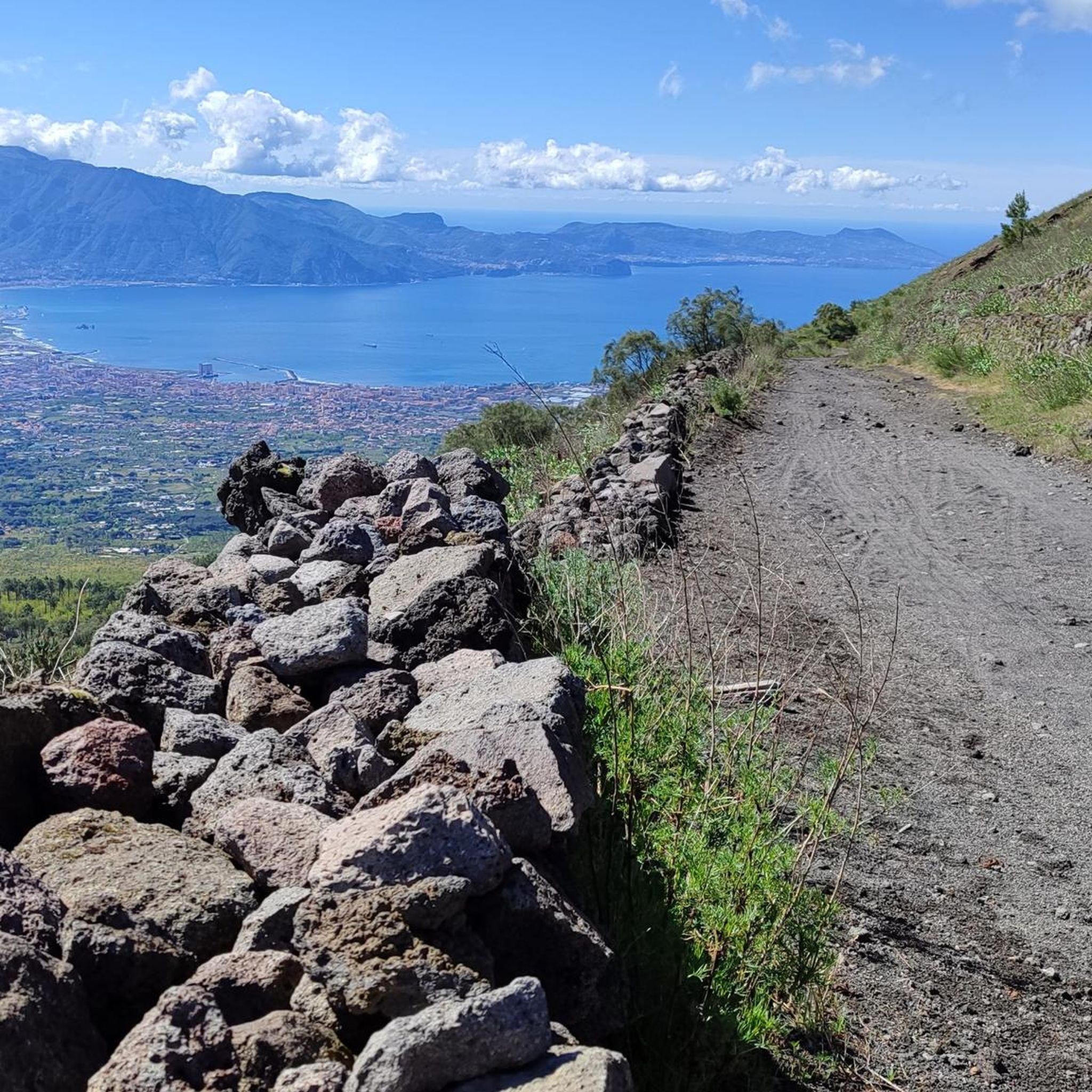
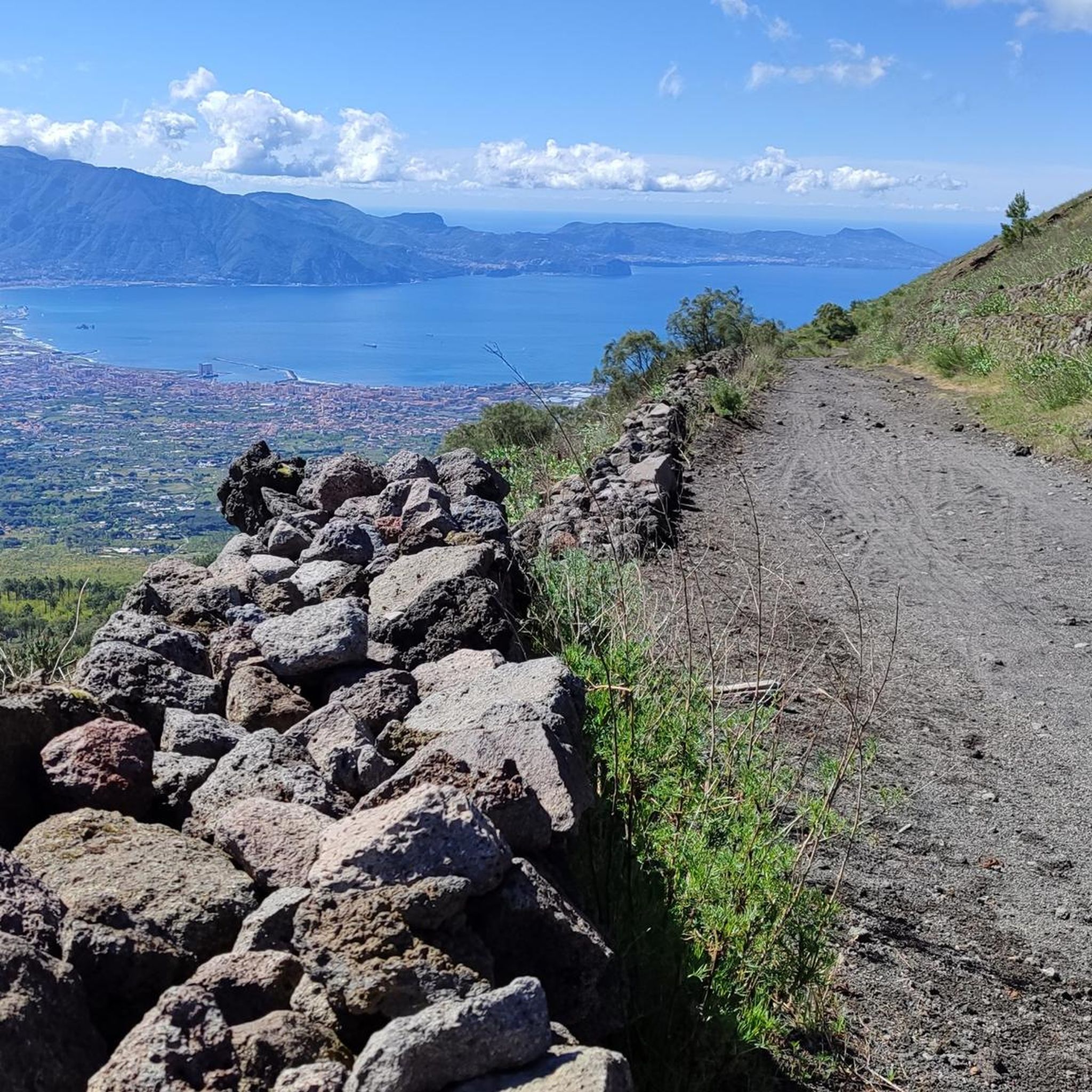
Boscariello cave. Challenging, but not impossible, the gathering brought a cheerful snake of Bikers up, through trees and bushes, along the slopes of Monte Sant'Angelo, to the large cave (142 meters high, surveyed by CAI in the 1970s) The cave has an uncontaminated and primordial aspect, with a large and deep room (sixty-three meters of planimetric development and thirty-one of depth). The beautiful panorama you can enjoy ranges from Vesuvius to Capri and embraces the whole territory https://www.sciscianonotizie.it/grotta-del-boscariello-alla-ricerca-del-tesoro-del-brigante-in-centinaia-alla-passeggiata-creaviva/
11
0
A huge 60-meter-long cave that climbs up to huddle on the bottom with a drop of 31 meters. The floor is covered with material from the collapses, in the center of the main room there is a large chasm that brings light into the cave.
11
0
Frequently Asked Questions
What are the most notable caves to visit near San Giuseppe Vesuviano?
The region around San Giuseppe Vesuviano offers a variety of unique cave experiences. For a challenging volcanic exploration, consider Grotta Fissure, which provides geological insights into the volcanic landscape and views of Hell's Valley. Another significant site is Grotta Boscariello, a large 60-meter-long cave with a chasm that illuminates its main room. For a site with cultural significance, visit Madonna di Castello Cave at Gavète, a natural cave housing a lava stone depicting the Madonna di Castello.
What kind of geological features can I expect in the caves near San Giuseppe Vesuviano?
The caves in this area showcase diverse geological formations. You'll find volcanic landscapes, such as solidified lava canyons like Hell's Valley within Vesuvius National Park, which offer unique insights into the aftermath of eruptions. There are also traditional limestone caves further afield in the Campania region, like the Castelcivita Caves, known for their extensive stalactites and stalagmites.
Are there volcanic caves or lava tubes to explore near San Giuseppe Vesuviano?
Yes, the Vesuvius National Park, accessible from San Giuseppe Vesuviano, features 'cave trails' that are formations within the volcanic landscape. While not traditional lava tubes, sites like Hell's Valley (Valle dell'Inferno) are described as canyons of solidified lava, offering a unique opportunity to explore volcanic geology firsthand.
What are the difficulty levels for exploring caves in the San Giuseppe Vesuviano area?
The difficulty levels vary. Some caves, like Grotta Fissure, are considered challenging due to their volcanic terrain and require careful navigation. Others, such as Grotta Boscariello and Madonna di Castello Cave at Gavète, are rated as intermediate. It's advisable to check specific highlight details for tips on terrain and accessibility.
Are there family-friendly caves suitable for children near San Giuseppe Vesuviano?
While specific 'family-friendly' ratings are not provided for all local caves, many of the larger, more developed cave systems in the wider Campania region, such as the Pertosa Caves or the Emerald Grotto, offer guided tours that are generally suitable for families. For local volcanic sites, assess the difficulty and terrain before bringing young children.
When is the best time of year to visit the caves near San Giuseppe Vesuviano?
Caves generally maintain a consistent temperature year-round, making them a good option in various seasons. However, for sea caves like the Blue Grotto or Emerald Grotto, warmer months (spring to early autumn) are ideal for boat access and comfortable conditions. For volcanic trails, avoiding the peak heat of summer or heavy rain is recommended for a more pleasant experience.
What should I wear when exploring caves in this region?
For volcanic trails and more challenging caves, wear sturdy hiking shoes with good grip. Layers of clothing are advisable as cave temperatures can be cooler than outside, even in summer. For sea caves, light clothing and swimwear might be appropriate if you plan to swim, but always bring a cover-up for boat rides.
Are there any caves with historical or religious significance?
Yes, the Madonna di Castello Cave at Gavète is a natural cave with religious importance, housing a lava stone depicting the Madonna di Castello. It is a site for an annual pilgrimage. In the wider region, the Blue Grotto on Capri was used as a marine nymphaeum in ancient times, and the Pertosa Caves provided shelter in ancient times.
What outdoor activities can I do near these caves?
The area around San Giuseppe Vesuviano offers various outdoor activities. You can find numerous routes for gravel biking, road cycling, and general cycling. Many of these routes pass through scenic landscapes, including parts of Vesuvius National Park, offering opportunities to combine cave exploration with other adventures.
Are there sea caves accessible from San Giuseppe Vesuviano?
While San Giuseppe Vesuviano is inland, it serves as a base to access famous sea caves in the wider Campania region. These include the iconic Blue Grotto on the island of Capri, the Emerald Grotto along the Amalfi Coast, and the numerous sea caves around Capo Palinuro in Cilento. These are typically reached by boat tours.
What do visitors enjoy most about the caves near San Giuseppe Vesuviano?
Visitors appreciate the unique geological insights offered by the volcanic caves, the stunning natural beauty of sites like Hell's Valley, and the sense of adventure. The Grotta Boscariello is noted for its 'uncontaminated and primordial aspect,' while Madonna di Castello Cave at Gavète is valued for its suggestive natural setting and religious significance.
How long should I allocate for a cave visit?
The time required varies greatly depending on the cave. For local volcanic highlights like Grotta Fissure or Grotta Boscariello, exploration might take a few hours, especially if combined with a hike. For larger, more developed cave systems like Pertosa Caves or sea cave tours, plan for half a day or more, including travel and boat trips.
Most popular routes around San Giuseppe Vesuviano
Most popular attractions around San Giuseppe Vesuviano

Get inspired with the komoot mobile app


Explore more
Extend your search for the best caves by checking out these guides of the top ones around San Giuseppe Vesuviano:
