Top 5 Caves around Avetrana
Caves around Avetrana reveal a region with a rich prehistoric past and significant archaeological sites. The area's calcareous terrain naturally forms numerous caves, caverns, and sinkholes. These natural features have provided shelter for early human settlements and preserved fossil remains from the Pleistocene era. Avetrana offers insights into ancient human and animal life, with several historically important caves located within or very close to the town.
Best caves around Avetrana
- The most popular caves is Sanctuary of Saint Anthony alla…
Last updated: August 23, 2026
Sanctuary of Saint Anthony alla Macchia
Highlight • Religious Site
Translated by Google •
Tip by

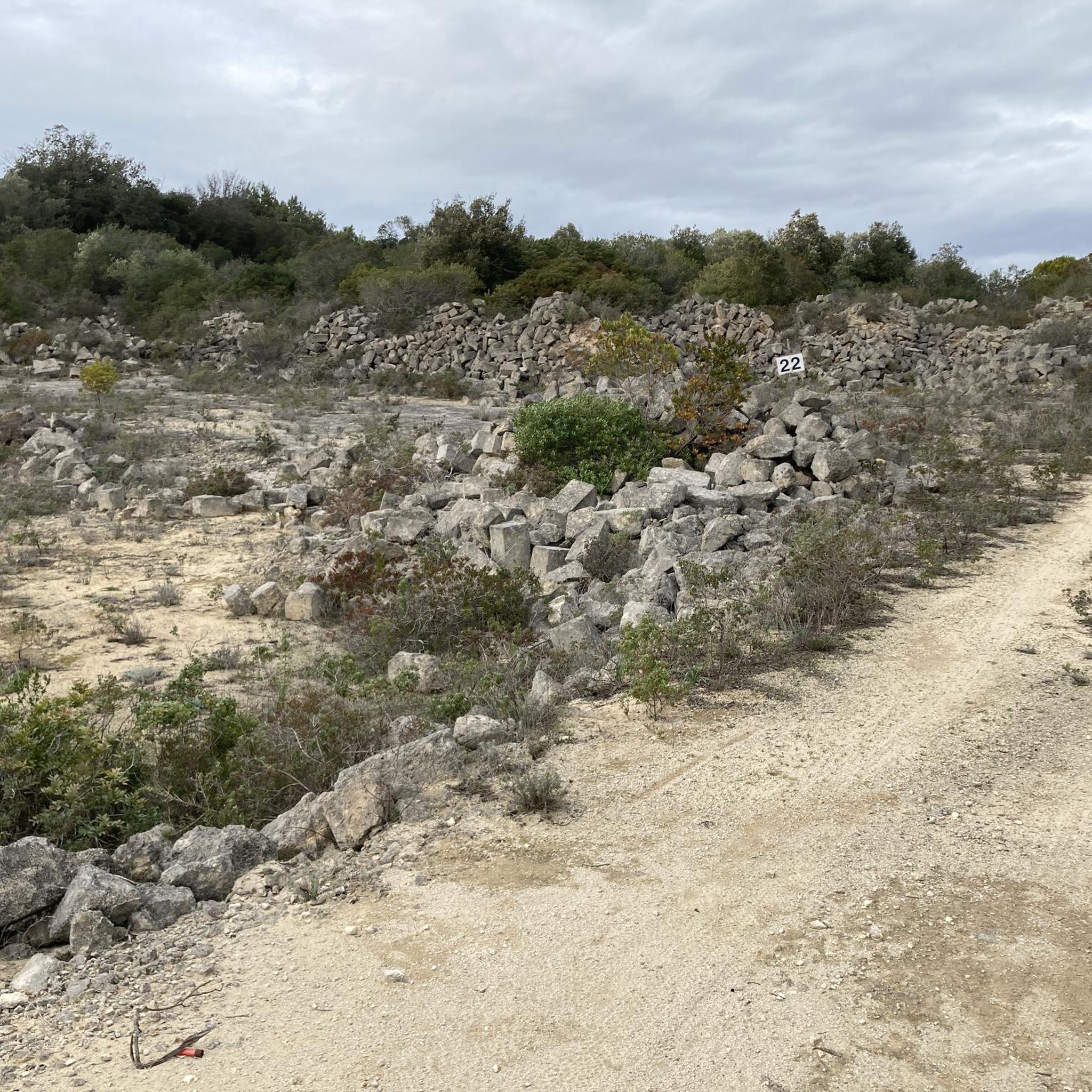
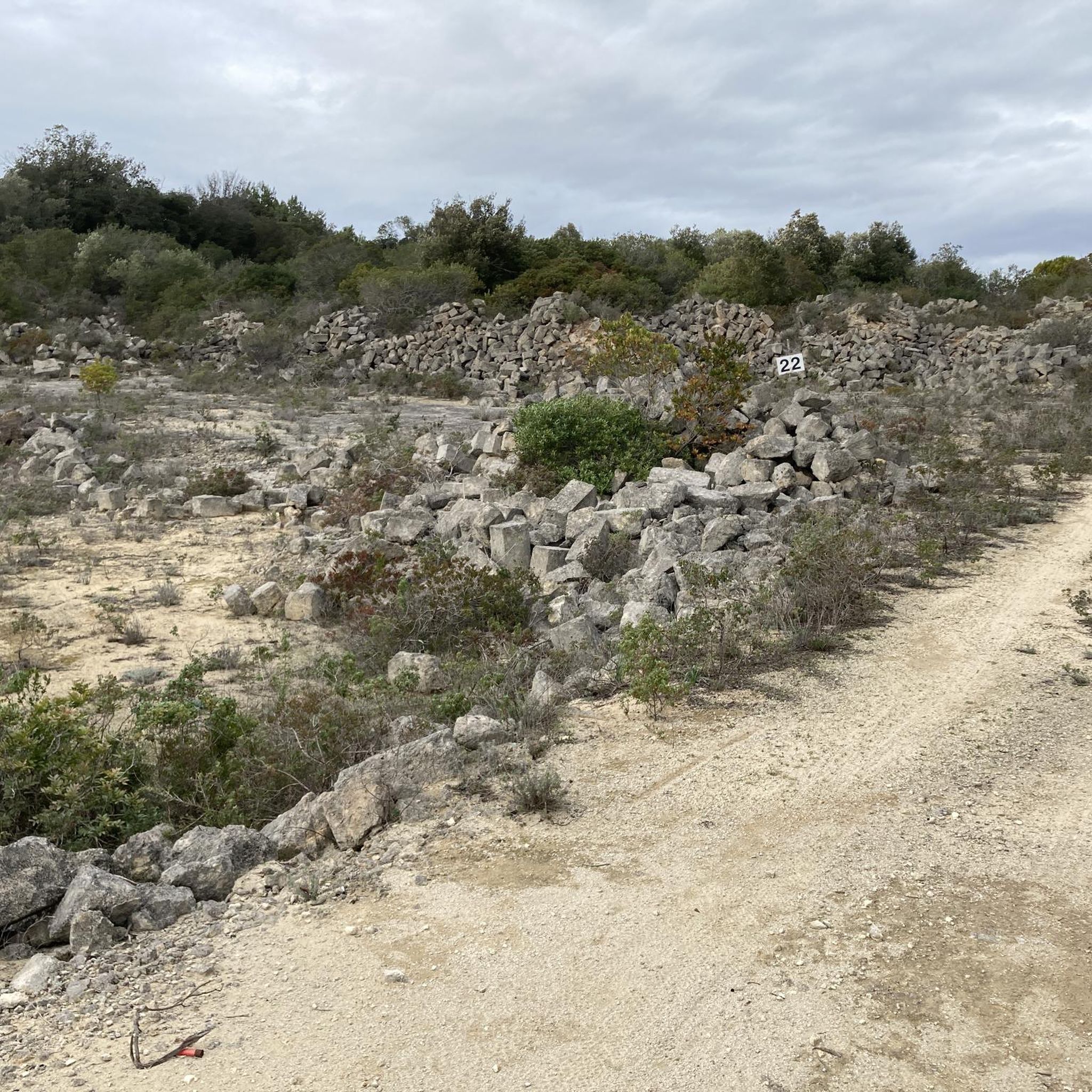
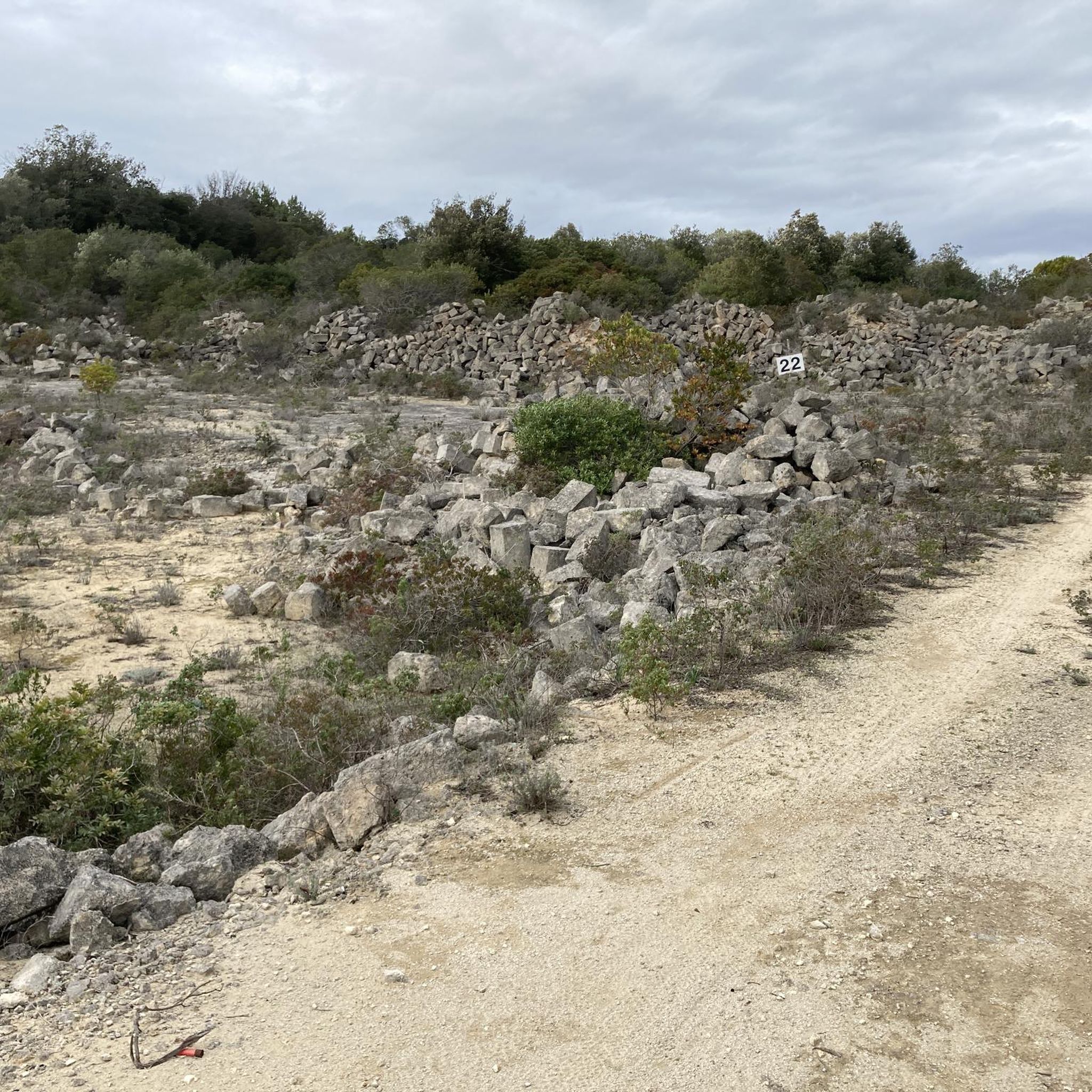
Trail Near the Cave of San Martino
Highlight • Trail
Translated by Google •
Tip by

Sign up now to discover places like this
Get recommendations on the best single tracks, peaks, & plenty of other exciting outdoor places.
Sign up for free
Archaeological Park of the Messapian Walls
Highlight • Historical Site
It is possible to visit the park of the Messapian walls and the Plinian source with a very prepared guide who made this …
Translated by Google •
Tip by

Sanctuary of Saint Anthony alla Macchia
Highlight • Religious Site
Translated by Google •
Tip by

Ipogeo of Torre Santa Susanna
Highlight • Historical Site
Translated by Google •
Tip by

Sign up for free to discover even more caves around Avetrana.
Sign up for free
Already have an account?
Start today with a free account
Your next adventure awaits.
Login or Signup


Tips from the Community

Spectacular place, near the sanctuary of Sant'Antonio alla Macchia there is a very fun XC Mountainbike trail
0
0

The Fonte Pliniano is still one of the symbols of the city (it is also represented in the city coat of arms);[8] almost certainly dating back to the Messapian era,[8] it was described by Pliny the Elder (from whom it subsequently took its name)[9] in his Naturalis Historia. It is a well located inside a natural cave 18 metres in diameter[8] and 8 metres wide[8] which can be reached by going down 20 steps dug into the rock.[8] A square skylight opens on the vault of the cave, a cylindrical structure from which an almond tree emerges (according to centuries-old legend)[9] from which the light necessary to illuminate the room penetrates. Water from an underground aquifer flows perpetually from the well and the adjacent basin.[8] In ancient times the Fonte Pliniano was also used as a place of worship for a Messapian deity
0
0
Wonderfully restored archaeological park. The night visit is spectacular! Not to be missed
0
0
A very suggestive experience that I recommend. It is possible to visit the park of the Messapian walls and the Plinian source with a very prepared guide who made this tour very interesting. The park has been renovated and restored and it is beautiful to be able to admire so much culture and history.
0
0

The sanctuary of Sant'Antonio alla Macchia is a small church dedicated to Sant'Antonio da Padova which is located near San Pancrazio Salentino, in a green area surrounded by a pine forest. It was built in 1867 by a peasant couple as a sign of gratitude to the saint for a miracle received. It is also possible to visit a Basilian crypt dug into the rock where traces of frescoes and engravings of the Byzantine monks who took refuge there between the 6th and 13th centuries are preserved.
1
0

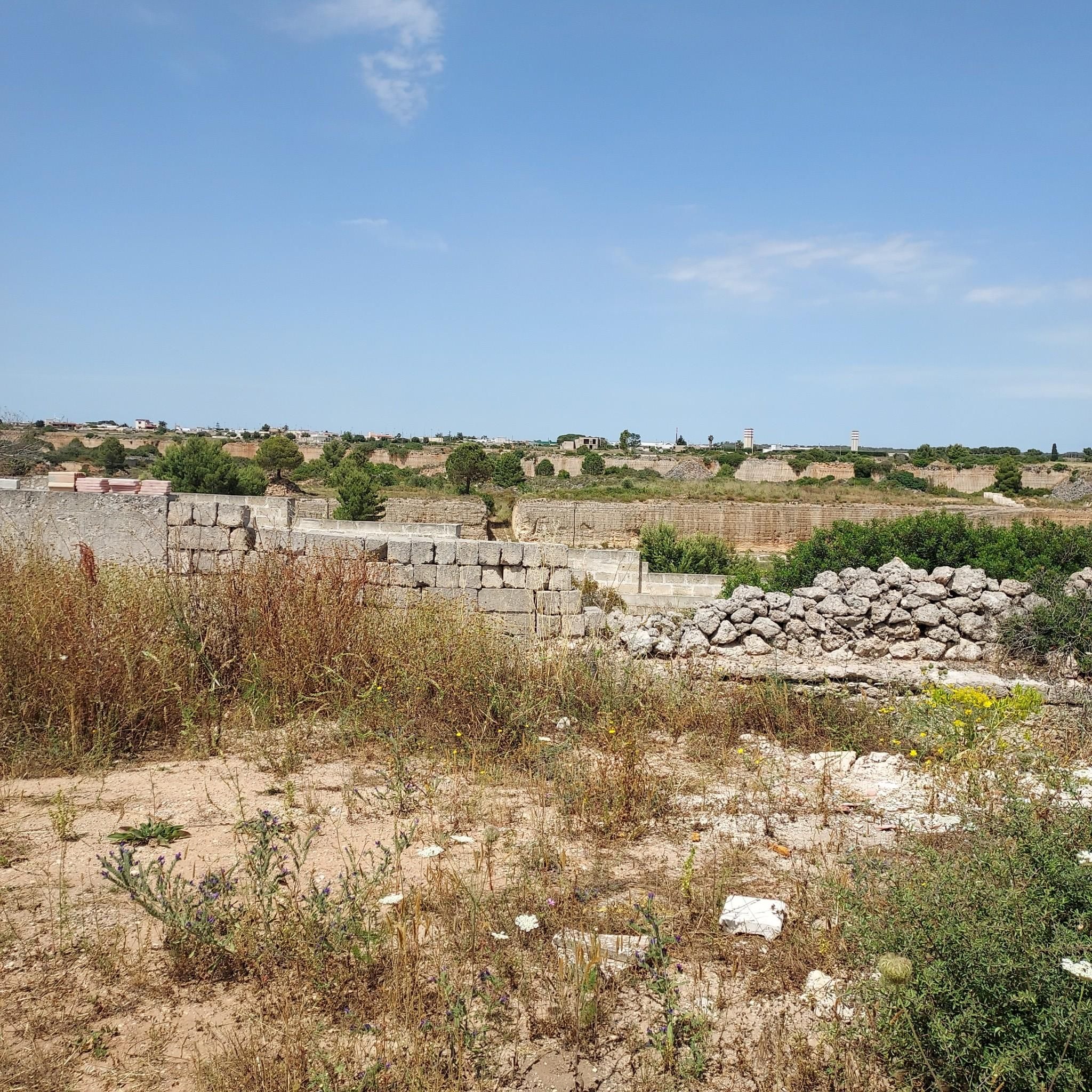
Ancient hypogeum used until the beginning of the twentieth century for the production of lampante and cooking oil. The Calabrian and Genoese presses are visible thanks to historical reconstructions. Until the nineties it was used as a cistern for a former petrol pump. Historic site saved and re-evaluated
0
0

hard trails, I ran 2 flat tires on the part of the tour. It's a lot of fun.
4
0
Here you get your money's worth. Very rocky and wild.
4
0
Frequently Asked Questions
What kind of historical and archaeological significance do the caves around Avetrana hold?
The caves in the Avetrana region are rich in history, revealing a prehistoric past with evidence of early human settlements. Sites like Grotta Dell'Erba have yielded Neolithic ceramics, while Grotta La Crava contains fossil remains from the Pleistocene era and confirmed the presence of Neanderthal man. The Archaeological Park of the Messapian Walls also features the ancient Fonte Pliniano, a well inside a natural cave, offering insights into Messapian culture.
Are there caves with unique natural formations near Avetrana?
Yes, the Villanova-Specchia Rascina Cave, located east of Avetrana's residential area, is notable for its unique natural formations. It features stalactites, stalagmites, and distinctive cauliflower concretions, making it a significant geological site in the region.
Can I find challenging trails near caves in Avetrana?
Absolutely. For those seeking a demanding experience, the Trail Near the Cave of San Martino offers a very rocky and wild route. It's suitable for adventurers looking for hard trails.
What religious or spiritual sites are associated with caves in the area?
The Sanctuary of Saint Anthony alla Macchia is a significant religious and historical site. It features a cave where a painting of Sant'Antonio Abate was found, and the surrounding area is known for rock caves historically used by Basilian and Franciscan friars. Another Sanctuary of Saint Anthony alla Macchia near San Pancrazio Salentino also includes a Basilian crypt dug into the rock with traces of frescoes.
Are there any ancient industrial or agricultural sites related to caves?
Yes, the Ipogeo of Torre Santa Susanna is an ancient hypogeum that was used until the early 20th century for the production of lampante and cooking oil. It offers a glimpse into historical agricultural practices with visible Calabrian and Genoese presses.
What outdoor activities can I do near the caves around Avetrana?
Beyond exploring the caves, the Avetrana area offers various outdoor activities. You can find numerous trails for hiking, mountain biking, and running. Popular routes include those around Salina dei Monaci and the coastal areas, ranging from easy to difficult.
What is the best time of year to visit the caves and trails in Avetrana?
The Avetrana region, like much of Puglia, generally enjoys a Mediterranean climate. Spring (April-May) and autumn (September-October) are often ideal for visiting, offering pleasant temperatures for exploring caves and engaging in outdoor activities without the intense heat of summer.
Are there guided tours available for the caves in Avetrana?
While specific details for guided tours of all prehistoric caves like Grotta Dell'Erba or Grotta La Crava are not readily available, the Archaeological Park of the Messapian Walls offers guided visits that make the historical and cultural experience very interesting and informative.
Are the caves around Avetrana suitable for families with children?
Many of the historical and archaeological sites, such as the Archaeological Park of the Messapian Walls, can be engaging for families, especially with a guide to explain the history. For more adventurous families, some easier hiking trails near cave areas might be suitable, but always check specific trail difficulties.
What should I wear when exploring caves and trails in Avetrana?
When exploring caves and trails in the Avetrana area, it's advisable to wear comfortable, sturdy shoes suitable for uneven and rocky terrain. Layers of clothing are recommended as cave temperatures can be cooler than outside, and a headlamp or flashlight is essential for darker cave sections.
Are there any caves near Avetrana that are easily accessible?
Access to some of the more primitive or archaeological caves might require specific arrangements or be limited. However, sites like the Archaeological Park of the Messapian Walls, which includes a cave with the Fonte Pliniano, have undergone restoration and are generally more accessible for visitors.
What kind of wildlife might I encounter in or around the caves?
The caves themselves, particularly those with prehistoric significance like Grotta La Crava, have yielded fossil remains of Pleistocene-era fauna such as deer, rhinoceroses, hares, rabbits, hyenas, and porcupines. While these are ancient, the surrounding natural areas and less disturbed caves may still host various small cave-dwelling creatures, insects, and bats, as well as local wildlife in the broader landscape.
Most popular routes around Avetrana
Most popular attractions around Avetrana

Get inspired with the komoot mobile app


Explore more
Extend your search for the best caves by checking out these guides of the top ones around Avetrana:
