Top 5 Caves in Serra Del Montsant
Best caves in Serra Del Montsant are found within the imposing limestone massif of the Priorat County, a landscape shaped by centuries of erosion. This region features spectacular chasms, grottoes, and numerous subterranean formations. These natural features offer insights into the area's geology and historical human activity. The calcareous conglomerate rock facilitates the creation of varied underground spaces.
Best caves in Serra Del Montsant
- The most popular caves is Clot del Cirer, a natural monument that serves as a…
Last updated: July 13, 2026
Ermita de Santa Magdalena d'Ulldemolins
Highlight • Religious Site
Translated by Google •
Tip by

Clot del Cirer
Highlight • Natural Monument
Translated by Google •
Tip by
Sign up now to discover places like this
Get recommendations on the best single tracks, peaks, & plenty of other exciting outdoor places.
Sign up for free
Cova Santa
Highlight • Cave
Translated by Google •
Tip by

Cova de l'Os
Highlight • Cave
Translated by Google •
Tip by
Cova Fumada
Highlight • Cave
The name smoke, no doubt, is due to the blackness …
Translated by Google •
Tip by
Sign up for free to discover even more caves in Serra Del Montsant.
Sign up for free
Already have an account?
Start today with a free account
Your next adventure awaits.
Login or Signup

Tips from the Community

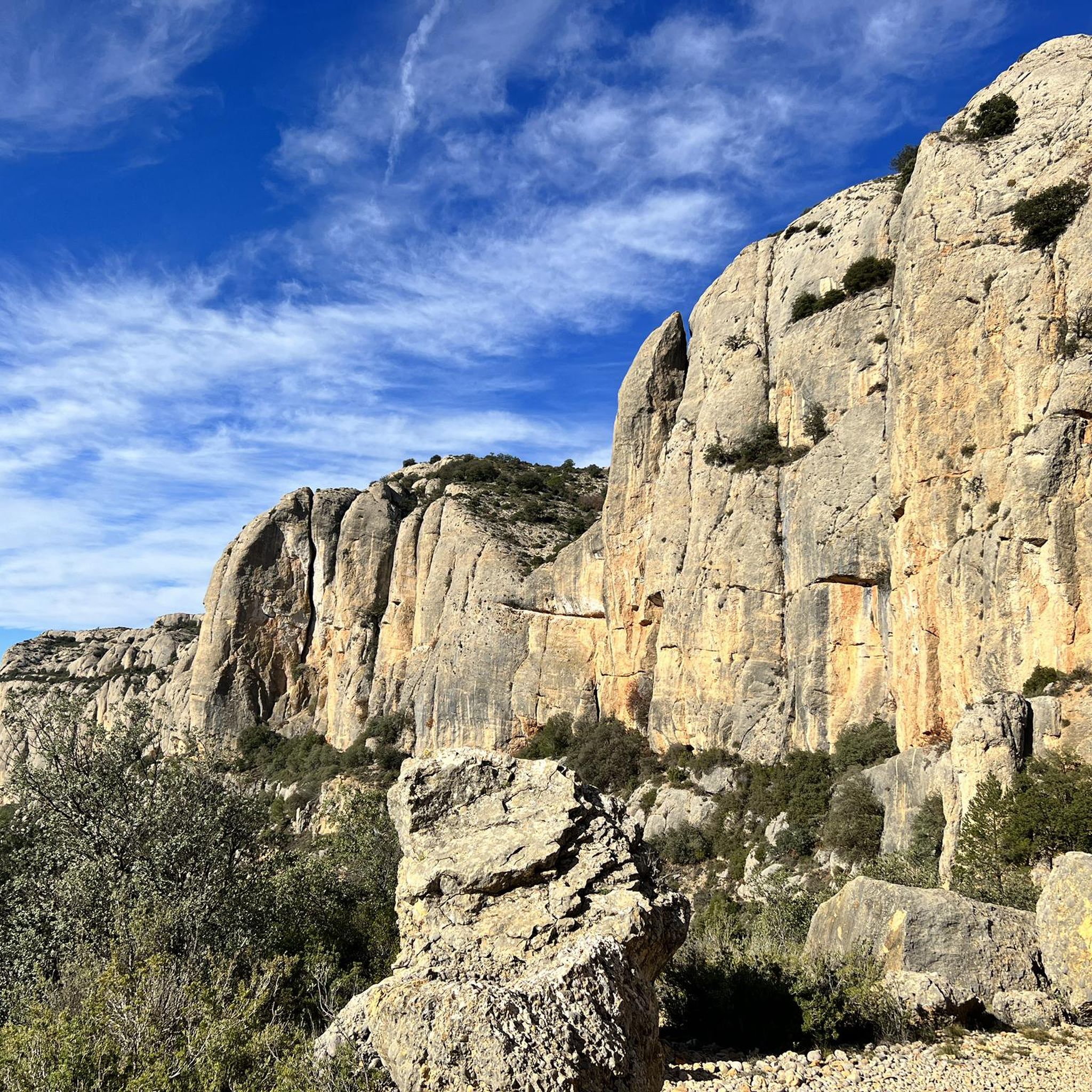
Deep cave with wide chambers. Strong flashlight recommended.
0
0

Nice corner that invites you to silence and meditation
0
0

The hermitage of Santa Magdalena d'Ulldemolins is also known as the Montsant cathedral for its Renaissance style. Although it was built in the 16th century, it was not until the 18th century when it was opened to worship and was equipped with an altarpiece that was destroyed in 1936.
0
0

Balma wide but not very suitable for bivouac due to the humidity and the large amount of vegetation that is found. In case of emergency it can be used as a shelter. It has the remains of a stone wall, which suggests that at some point it was used for human or livestock use.
0
0
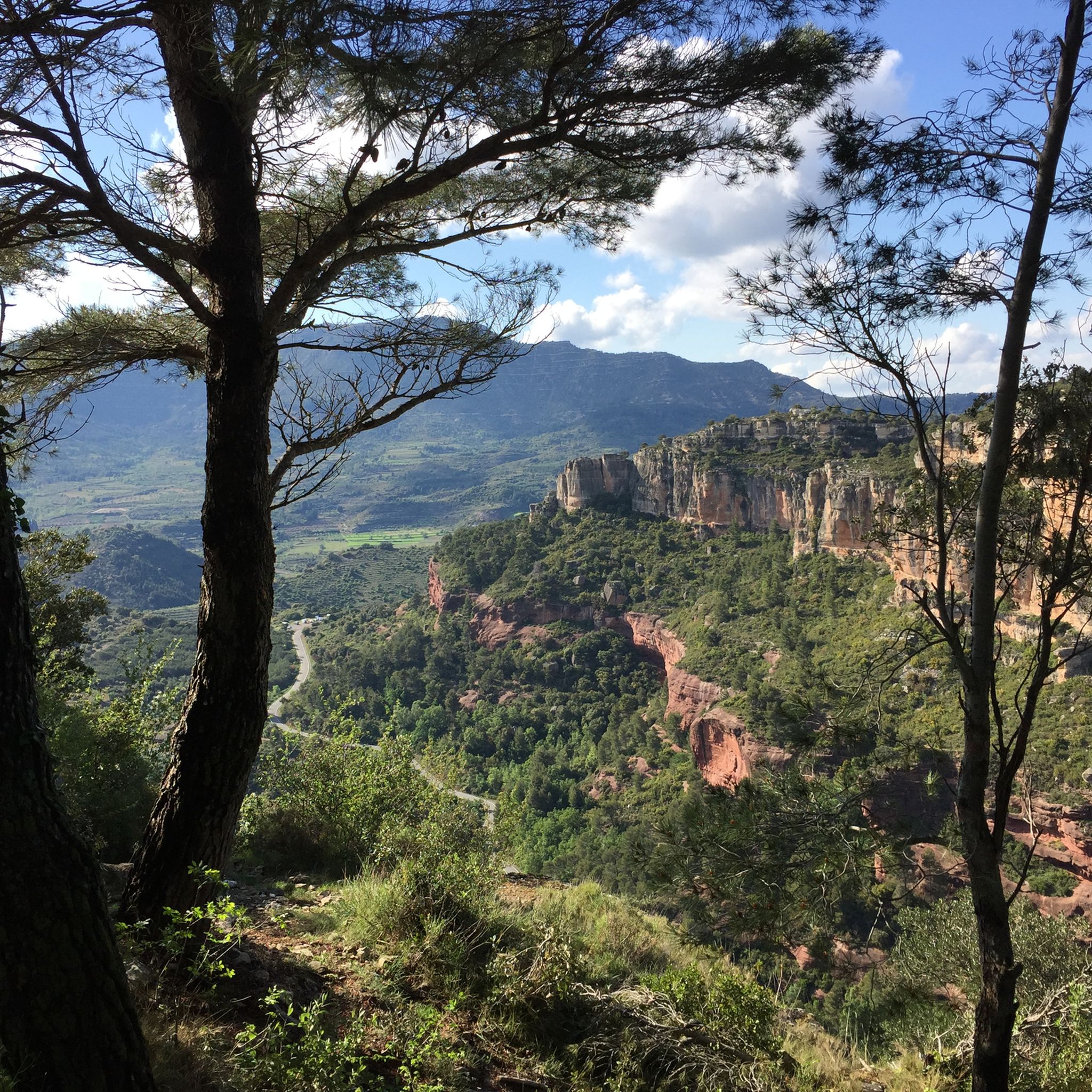
This corner of Montsant is one of the emblematic places of the Natural Park. It is located in the heart of the mountains and can be reached from La Morera de Montsant, either by the Grau de Salfores, or by the Grau de la Grallera towards the Piló dels Senyalets, and from both points to the Pi del Cugat , where you have to take a path that goes down to the Clot. It is an oasis of greenery in the middle of the arid Serra Major, as there is usually water all year round. Contrary to many people's beliefs, in the middle of nowhere, there is a walnut tree, not a cherry tree. The cherry tree that gave the place its name died years ago and a walnut tree was planted in its place. In the past, shepherds used to bring their flocks to drink, and the drinking troughs they prepared for their flocks are still preserved.
0
0
It is a perfectly equipped cavity to spend a season. We found all kinds of cooking utensils and sleeping space. The name smoke, no doubt, is due to the blackness of the roof due to the accumulation of smoke from so many bonfires supported.
0
0
Santa Magdalena, called the Cathedral of Montsant, is a hermitage in the municipality of Ulldemolins (Priorat) protected as a cultural asset of local interest. Santa Magdalena was founded by Fra Llorenç Julià. The plans are the work of Jaume Amigó, the same architect who had made the parish church of Sant Jaume, who took it as a model. The building was built around 1579 and at the same time a house was built for the hermit. An attempt was made to install a convent in 1579 but the people did not allow it. Between 1587 and 1599, the chapel was abandoned by order of the archbishop, as a result of disputes between the municipality and the Carthusian monastery of Escaladei over the hermitage and the surrounding lands. At that time it was badly damaged. Reopened for worship, the hermitage was enriched with altarpieces during the eighteenth century that were destroyed in 1936. Building with a single nave with three chapels on each side and a presbytery separated by a triumphal arch. The vault starts from a frieze, semicircular with lunettes. A gallery runs over the side chapels. Below the presbytery is a crypt that opens onto a gallery dug into the rock at the end of which is a room. Nearby there is a recreation area with a fountain, tables and a place to make a fire.
0
0

Beautiful and easily accessible cave, but not the flashlight 🔦 forget!
5
0
Frequently Asked Questions
What unique geological features can be found in Serra Del Montsant caves?
The Serra del Montsant region is characterized by an imposing limestone massif, which has been sculpted by centuries of erosion. This process has created spectacular chasms, grottoes, and numerous caves. You can find features like large stalagmites, such as the historically known 'La Campana' in Cova Santa, and fossilized gours (pools) that collect water during rainy seasons. The calcareous conglomerate rock facilitates the creation of these varied underground spaces.
Do any caves in Serra Del Montsant have historical significance?
Yes, several caves in Serra Del Montsant hold historical significance. The Santa Llúcia Hospital Cave, near La Bisbal de Falset, was used as a hospital for republican military units during the Spanish Civil War. La Covassa Cave in Cabacés contains remains of structures, hinting at past human activity. Additionally, Cova de l'Os features the remains of a stone wall, suggesting its use for human or livestock shelter.
Are there family-friendly caves to visit in Serra Del Montsant?
While specific 'family-friendly' designations aren't always explicit for caves, some are more accessible. Cova Santa is described as 'beautiful and easily accessible' with wide chambers, making it a good option for families who are prepared with flashlights. Always assess the specific conditions and your family's comfort level before entering.
When is the best time to explore the caves in Serra Del Montsant?
The Serra del Montsant region can be explored year-round, but spring and autumn generally offer the most pleasant weather for outdoor activities, including cave exploration and hiking to cave entrances. During these seasons, temperatures are milder, and the natural landscape is vibrant. Always check local weather conditions before your visit, especially regarding rain, which can affect cave conditions.
What outdoor activities can I do near the caves in Serra Del Montsant?
The Serra Del Montsant Natural Park offers a variety of outdoor activities. You can find numerous hiking trails, such as the moderate 'La Carabasseta Pine – Toll de l'Ou Waterfalls loop' or the more challenging 'Clot del Cirer – Racó del Teix loop'. There are also extensive MTB trails, including the 'Tour of Montsant MTB Trail', and road cycling routes like the 'Coll d'Alforja – Coll d'Albarca loop'. For more details, explore the Hiking in Serra Del Montsant, MTB Trails in Serra Del Montsant, and Road Cycling Routes in Serra Del Montsant guides.
Do I need a permit for caving in Serra Del Montsant?
The provided information does not explicitly state whether permits are required for general cave visits in Serra Del Montsant. However, for specialized activities like potholing or exploring more advanced cave systems, it is always advisable to check with the Serra del Montsant Natural Park authorities or local caving associations for specific regulations and permit requirements.
What should I bring when visiting caves in Serra Del Montsant?
When visiting caves in Serra Del Montsant, it's recommended to bring a strong flashlight or headlamp, as many caves, like Cova Santa, are deep and have wide chambers that require illumination. Sturdy footwear is essential for navigating uneven terrain. Depending on the cave, you might also consider bringing a jacket as temperatures inside can be cooler, and water, especially if hiking to the cave entrance.
Are there any caves that served as shelters or dwellings in the past?
Yes, some caves in Serra Del Montsant show signs of past human or animal use. Cova de l'Os has the remains of a stone wall, suggesting it was used as a shelter. Cova Fumada is noted for being 'perfectly equipped to spend a season,' with evidence of cooking utensils and sleeping space, and a smoke-blackened roof from bonfires.
What is Clot del Cirer known for?
Clot del Cirer is an emblematic natural monument within the Montsant Natural Park, known as a lush green oasis that typically retains water year-round. Historically, it served as a watering hole for shepherds and their flocks, with ancient drinking troughs still preserved. It's accessible from La Morera de Montsant.
What are the general characteristics of the caves in Serra Del Montsant?
The caves in Serra Del Montsant are primarily formed within the region's imposing limestone massif, resulting in a landscape rich with spectacular chasms, grottoes, and numerous subterranean formations. They range from water-retaining oases like Clot del Cirer to extensive systems with multiple chambers and unique geological formations, such as Cova Santa. Many also bear traces of historical human activity.
How long does it typically take to visit a cave in Serra Del Montsant?
The duration of a cave visit in Serra Del Montsant can vary greatly depending on the specific cave and your level of exploration. For easily accessible caves like Cova Santa, a visit might take 30 minutes to an hour once you reach the entrance. However, reaching some caves may involve hiking, which can add several hours to your overall trip. Always factor in travel time to the trailhead and the hike itself.
Are there any caves in Serra Del Montsant with unique natural features like water sources?
Yes, Clot del Cirer is particularly notable for being a green oasis that typically retains water year-round, serving as a vital water source in the otherwise arid Serra Major. This makes it a unique natural feature among the region's caves.
Most popular routes in Serra Del Montsant
Most popular attractions in Serra Del Montsant

Get inspired with the komoot mobile app


Explore more
Extend your search for the best caves by checking out these guides of the top ones in Serra Del Montsant:
