Top 16 Gorges in Pindus National Park
Best canyons in Pindus National Park are found within the Vikos-Aoös National Park, a region known for its dramatic landscapes and significant natural features. This area is home to deep gorges carved by rivers, exposing diverse geological formations. The park's canyons are integral to its recognition as a UNESCO Geopark and a Natura 2000 ecological network site. Visitors can explore a variety of natural and cultural sites, including traditional villages and ancient stone bridges.
Best canyons in Pindus National Park
…Last updated: August 23, 2026
Vradeto Stairs
Highlight • Structure
Translated by Google •
Tip by

Descent into Vikos Gorge
Highlight (Segment) • Gorge
Tip by

Sign up now to discover places like this
Get recommendations on the best single tracks, peaks, & plenty of other exciting outdoor places.
Sign up for free
Vradeto Steps (Skala Vradetou) – Kapesovo to Vradeto, Vikos Gorge
Highlight • Trail
Translated by Google •
Tip by

Vikos Gorge
Highlight • Gorge
Translated by Google •
Tip by

View of the Vikos Gorge from the Beloi viewpoint
Highlight • Viewpoint
Translated by Google •
Tip by

Sign up for free to discover even more gorges in Pindus National Park.
Sign up for free
Already have an account?
Start today with a free account
Your next adventure awaits.
Login or Signup
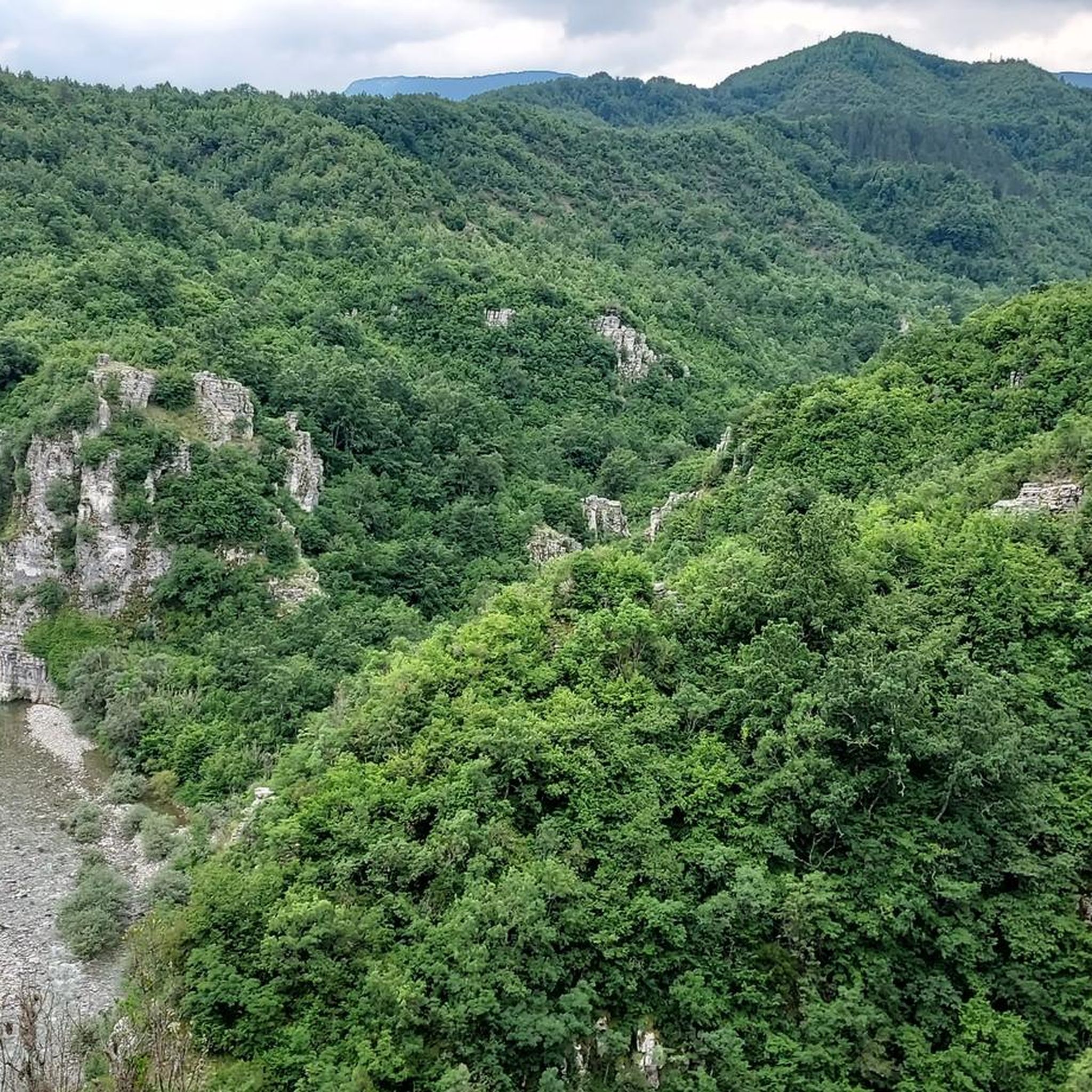
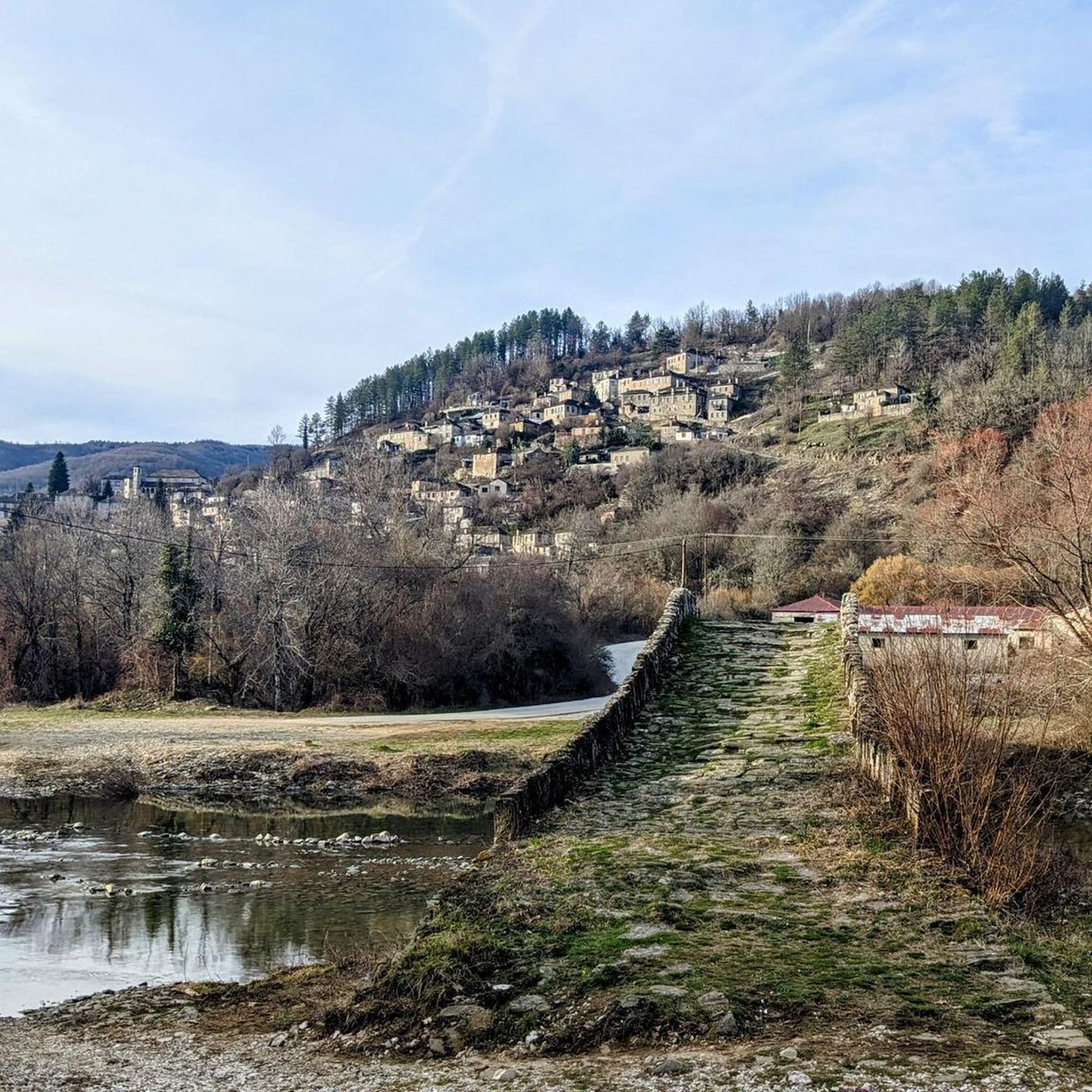
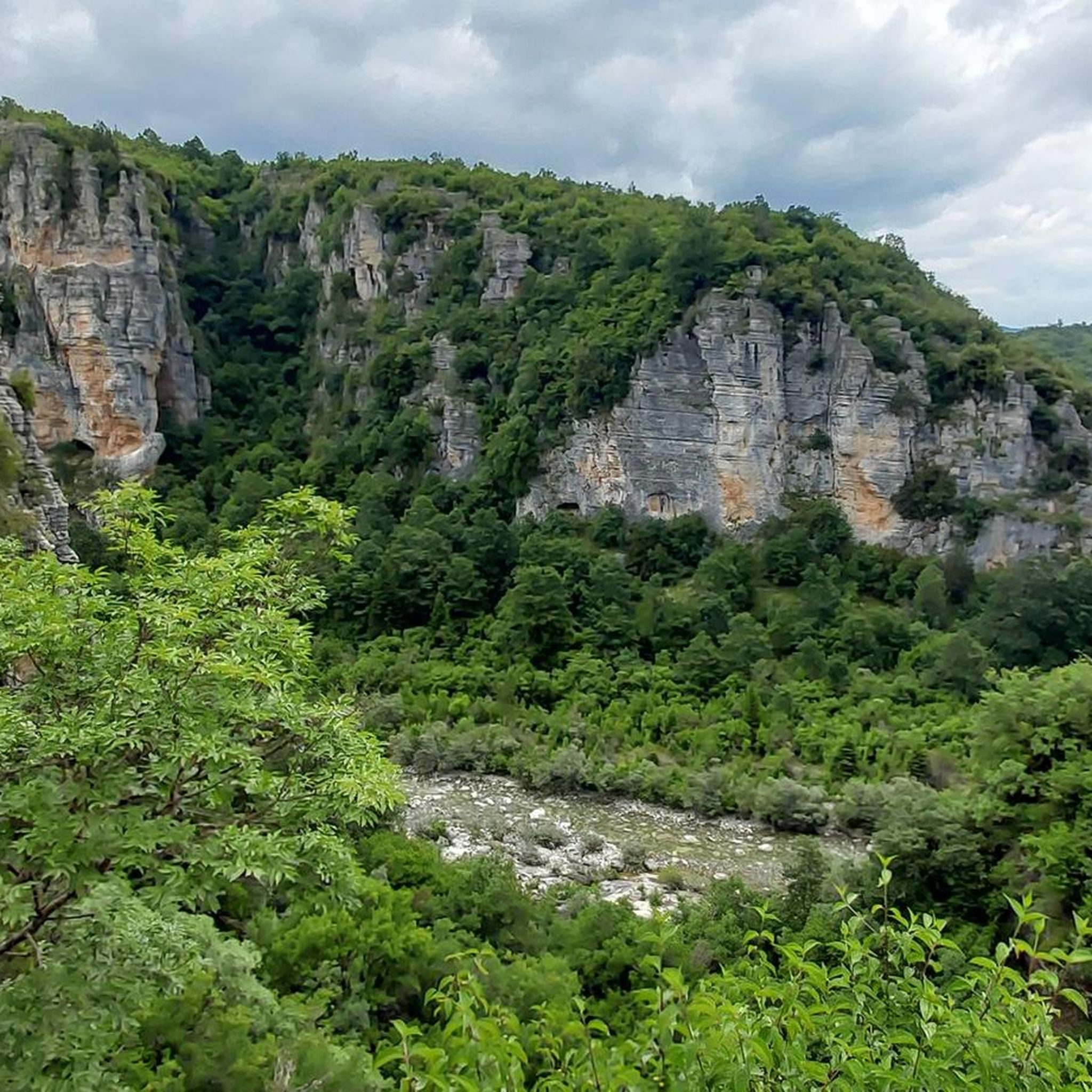
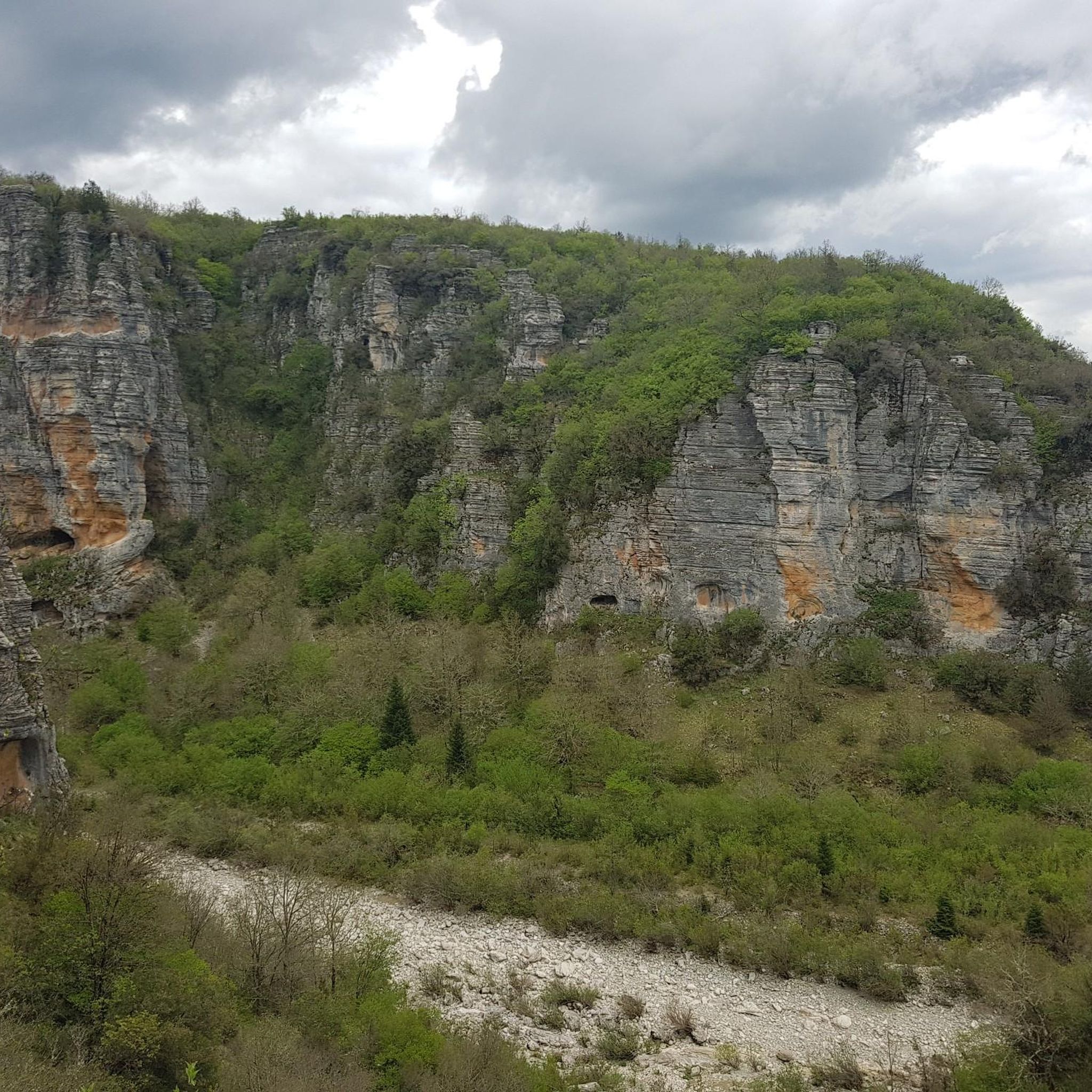
Tips from the Community


Unique view, the most beautiful of the Vikos Gorge.
0
1
Wonderful view of the Vikos Gorge – according to the Guinness Book of Records, the deepest in the world (although they also took a height/width factor into account)
0
0

Best view. Vikus Gorge narrow
0
0

A very impressive construction feat. That wasn't all that long ago, so until 1974 you really had to walk up these wonderful stairs to the next village if you wanted to visit? Admirable. We were also very impressed by this tour, great views and barely visible from the other side, these stairs built into the mountain.
0
1

The southeast view is a little more hidden, or a little away from the Belōi balcony. Here, too, you can see the Vīkos Gorge. The description of it as the deepest gorge in the world is a bit of a matter of opinion, based on different calculation methods. But when you're standing here, it doesn't matter. It's simply a wonderful, magnificent place that will delight anyone who loves the mountains.
3
0
The staircase stretches over 1100 steps and overcomes a height difference of around 250 metres, including 39 narrow curves. Until the 1970s, this staircase was the only way to and from Vradēto; the current road connection was not completed until 1974.
1
1
It is THE view that adorns every travel guide and every travel report about the Sagōria region. The pictures speak for themselves - the view into the Vīkos Gorge is simply breathtaking. The designation as the deepest gorge in the world is a bit of a problem due to different calculation methods. But when you are standing here, it doesn't matter. It is simply a wonderful, magnificent place that will delight anyone who loves the mountains.
3
1
Frequently Asked Questions
What are the most notable natural features within the canyons of Pindus National Park?
The Pindus National Park is home to the dramatic Vikos Gorge and Aoös Gorge. The Vikos Gorge is renowned for its immense depth in proportion to its width, carved by the crystal-clear Voidomatis River. The Aoös Gorge features rugged terrain and the Aoös River, supporting a rich ecosystem. Both gorges showcase ancient rock formations, including Eocene limestone and Jurassic dolomite.
What kind of wildlife can I expect to see in the canyons of Pindus National Park?
The canyons, particularly Vikos Gorge, are vital habitats for diverse wildlife. You might encounter endangered species such as brown bears, wolves, and golden eagles. The area also boasts over 110 bird species, 19 reptile and amphibian species, and numerous rare butterflies. The Aoös River ecosystem provides shelter for animals like wolves, wild pigs, roe deer, otters, and booted eagles.
Are there challenging hiking trails within the canyons?
Yes, the canyons offer challenging treks. The main hiking route through Vikos Gorge, for instance, from Monodendri to Vikos Village, is approximately 12 km and can take 5-7 hours, involving steep descents and river crossings. The Descent into Vikos Gorge is an impressive 400-meter drop into the canyon, offering a strenuous but rewarding experience. For more options, explore the Hiking in Pindus National Park guide.
What cultural and historical sites are near the canyons?
The canyons are surrounded by the picturesque Zagorochoria villages, a UNESCO World Heritage Site. These traditional stone-built communities are connected by cobblestone paths and arching stone bridges dating back to the 15th century. A notable example is the historical single-arch bridge of Aoos at Konitsa, built in 1870. Near the Gravos waterfall, the Holy Monastery of Stomio (1774) offers impressive views and historical significance.
What are some popular viewpoints for experiencing the canyons?
For breathtaking panoramic views of Vikos Gorge, visit viewpoints like Oxia. Another popular spot is the Rock Passage to Beloi Balcony, which offers some of the most spectacular vistas into the gorge. These viewpoints provide awe-inspiring perspectives of the rugged cliffs and lush valleys.
What is the best time of year to visit the canyons in Pindus National Park?
The best time to visit is generally from late spring to early autumn (May to October) when the weather is mild and trails are most accessible. During these months, you can enjoy hiking, rafting, and other outdoor activities without the challenges of winter snow or extreme heat.
Are there family-friendly activities or hikes available in the canyons?
While some canyon trails can be challenging, there are options for families. Riverside walks along the Aoös River offer gentler experiences. For a moderate hike, consider routes like the Vradeto Stairs, which is a historic stone path. Always check the difficulty rating of specific trails to ensure they are suitable for your family.
What other outdoor activities can I do near the canyons?
Beyond hiking, the Pindus National Park offers a range of outdoor activities. The Aoös Gorge is popular for canoeing and rafting on the Aoös River. Mountain biking is also a great way to explore the wider region; you can find routes in the MTB Trails in Pindus National Park guide. For road cycling, check out the Cycling in Pindus National Park guide.
What makes the Vikos Gorge unique?
The Vikos Gorge is often cited in the Guinness Book of Records as the deepest canyon in the world in proportion to its width. It stretches for approximately 32 km, with depths reaching up to 1,350 meters. Its karstic geology, formed by the chemical weathering of limestone, and its almost virgin condition make it a site of significant scientific interest and natural beauty.
What do visitors enjoy most about exploring the canyons in Pindus National Park?
Visitors frequently highlight the spectacular scenery and the sense of adventure. Many appreciate the breathtaking views from various viewpoints and the unique experience of hiking through deep gorges with continuous views of rock formations. The tranquility of shaded trails and the opportunity to encounter diverse wildlife also contribute to a memorable experience.
How long does it take to hike through the main section of Vikos Gorge?
The main hiking route through Vikos Gorge, typically from Monodendri to Vikos Village, is approximately 12 km (7.5 miles) long. This trek usually takes between 5 to 7 hours to complete, depending on your pace and stops along the way.
Are there any historical man-made structures associated with the canyons?
Yes, the region is known for its historic stone architecture. The Vradeto Stairs, also known as Skala Vradetou, is a remarkable example. This winding staircase with about 1000 steps was, until the late 20th century, the primary way to access the village of Vradeto, climbing the side of Vikos Gorge. It's a testament to the ingenuity of the local builders.
Most popular routes in Pindus National Park
Most popular attractions in Pindus National Park

Get inspired with the komoot mobile app


Explore more
Already discovered everything in this region? See additional gorges in Pindus National Park for your next adventure:
