The 4 Most Amazing Peaks around Dölauer Heide
Mountain peaks around Dölauer Heide are characterized by notable elevations within a diverse forested area on the western outskirts of Halle (Saale). These "Berge" (hills) contribute to a landscape offering natural beauty, historical intrigue, and recreational opportunities. The Dölauer Heide features a plateau ridge rising more than 20 meters above its surroundings, punctuated by ravines and erosion gullies. This region is known for its mixed forests, plateaus, and archaeological sites, providing varied terrain for exploration.
Best mountain peaks around Dölauer…
Last updated: June 29, 2026
Kellerberg
Highlight • Summit
Translated by Google •
Tip by

Ascent to Granauer Berg
Highlight (Segment) • Trail
Translated by Google •
Tip by

Sign up now to discover places like this
Get recommendations on the best single tracks, peaks, & plenty of other exciting outdoor places.
Sign up for free
Krankenberg Hill
Highlight • Summit
Translated by Google •
Tip by
Königstuhl
Highlight (Segment) • Summit
Paths perfectly signposted
Translated by Google •
Tip by

Start today with a free account
Your next adventure awaits.
Login or Signup
Popular around Dölauer Heide
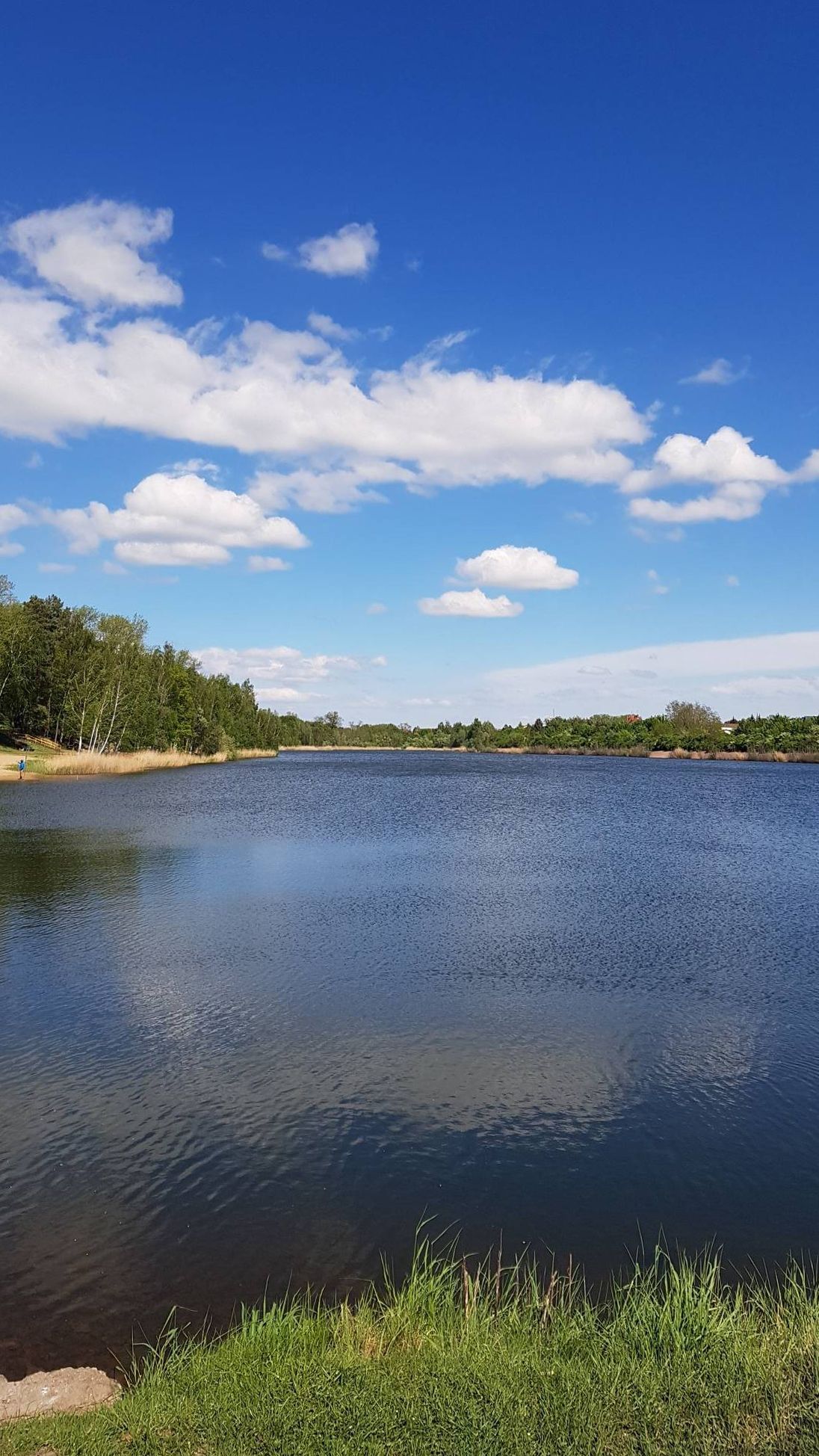
The most beautiful swimming lakes in Saxony-Anhalt
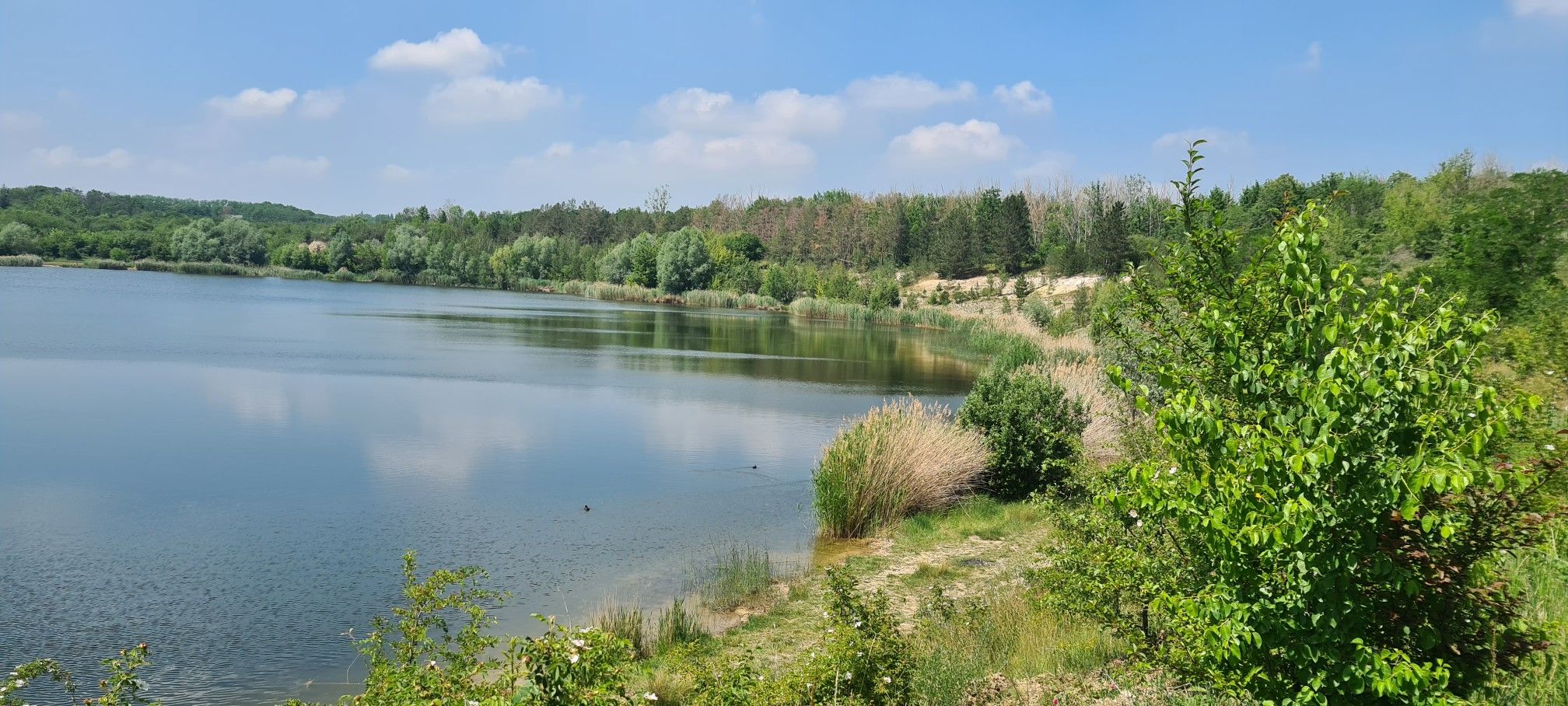
Wanderungen zwischen Saale und Salza und die Dölauer Heide
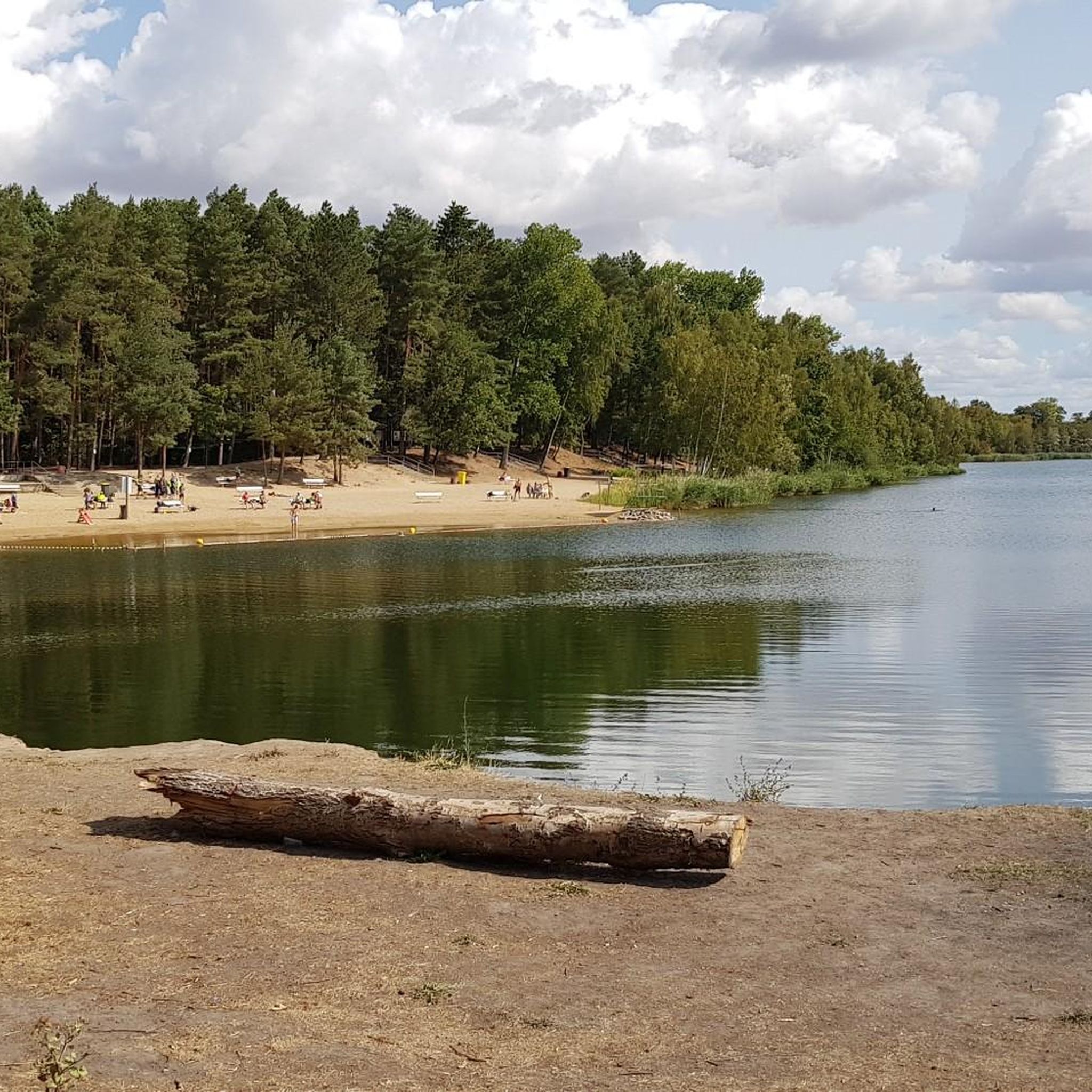
Road Cycling Routes around Dölauer Heide
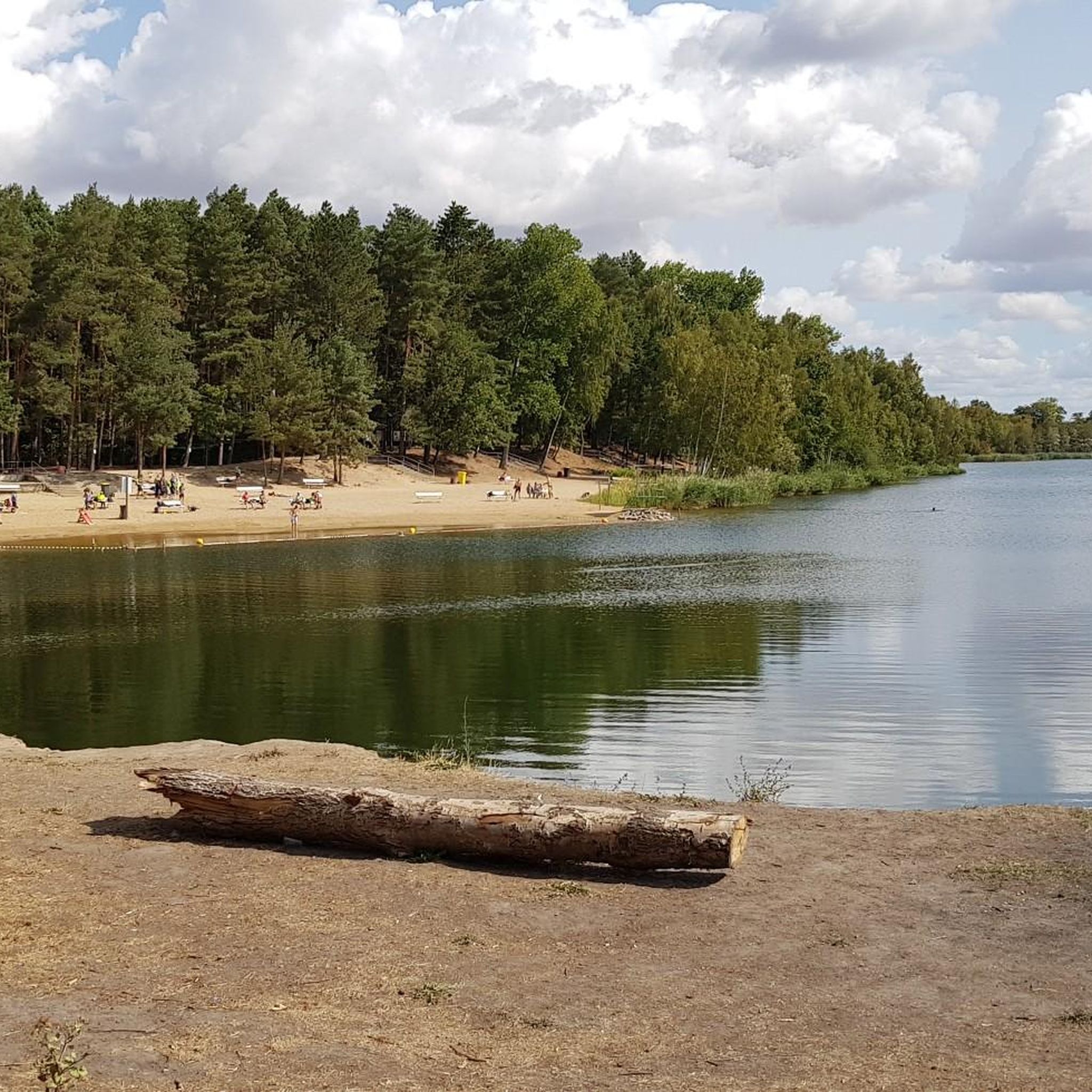
Hiking around Dölauer Heide
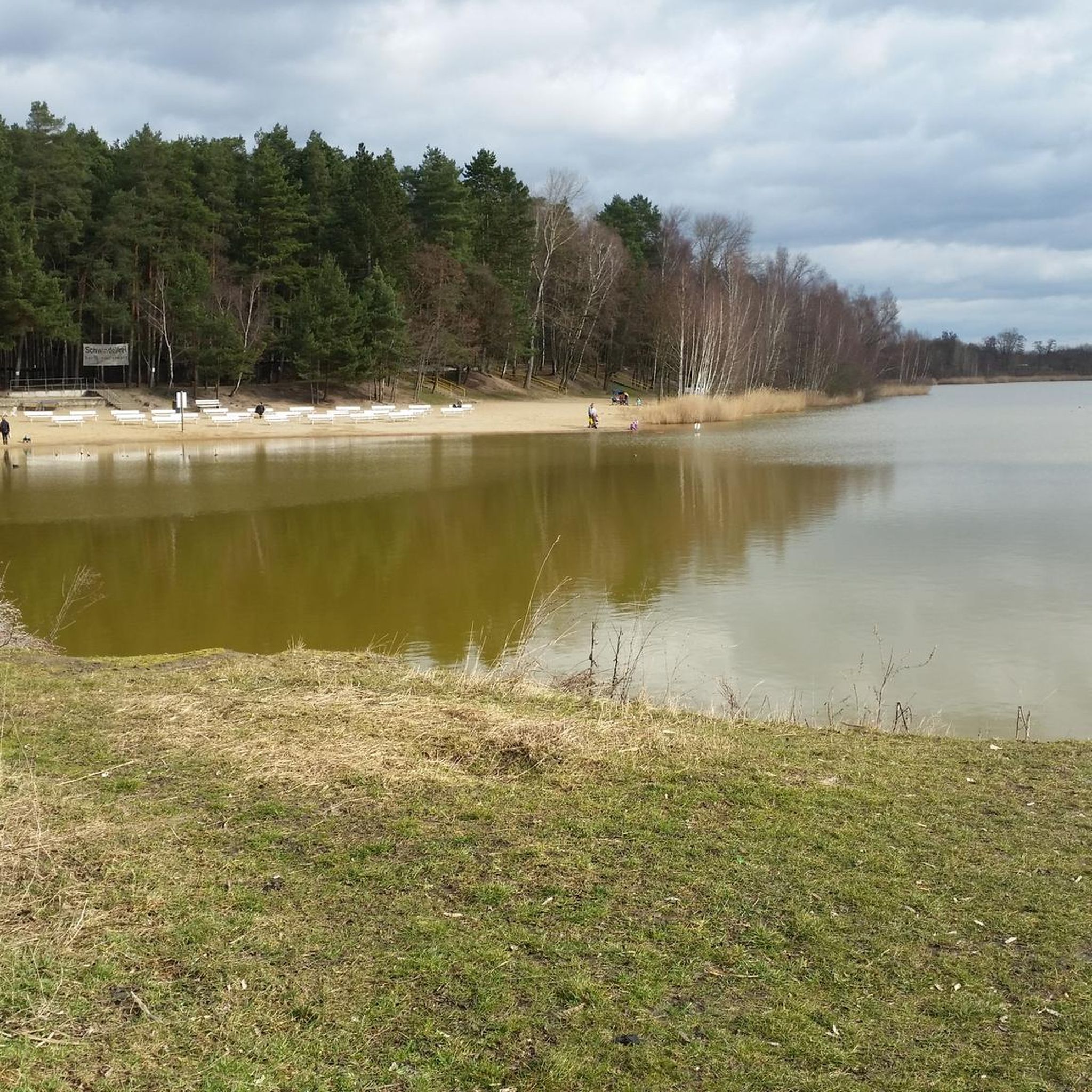
Running Trails around Dölauer Heide
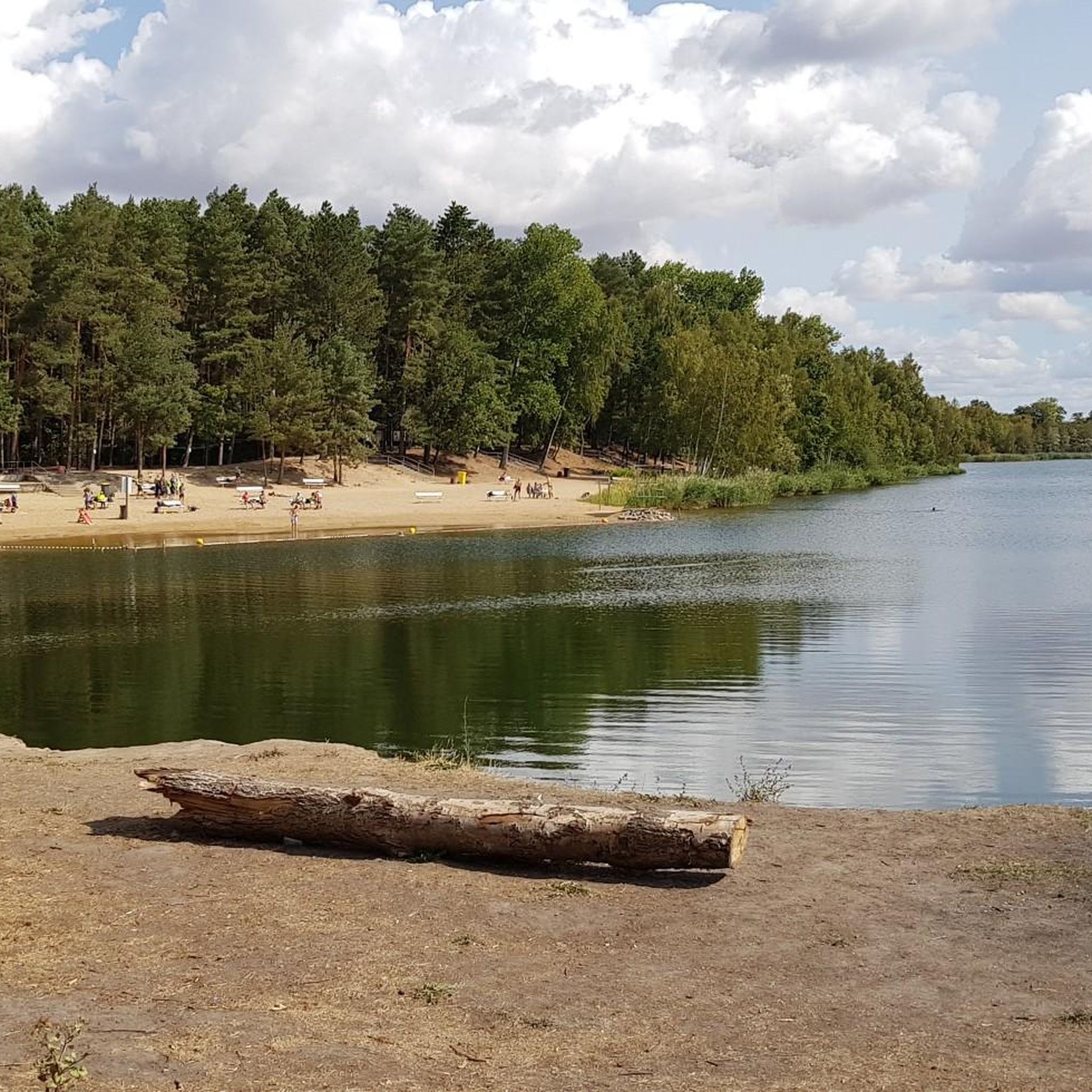
Cycling around Dölauer Heide
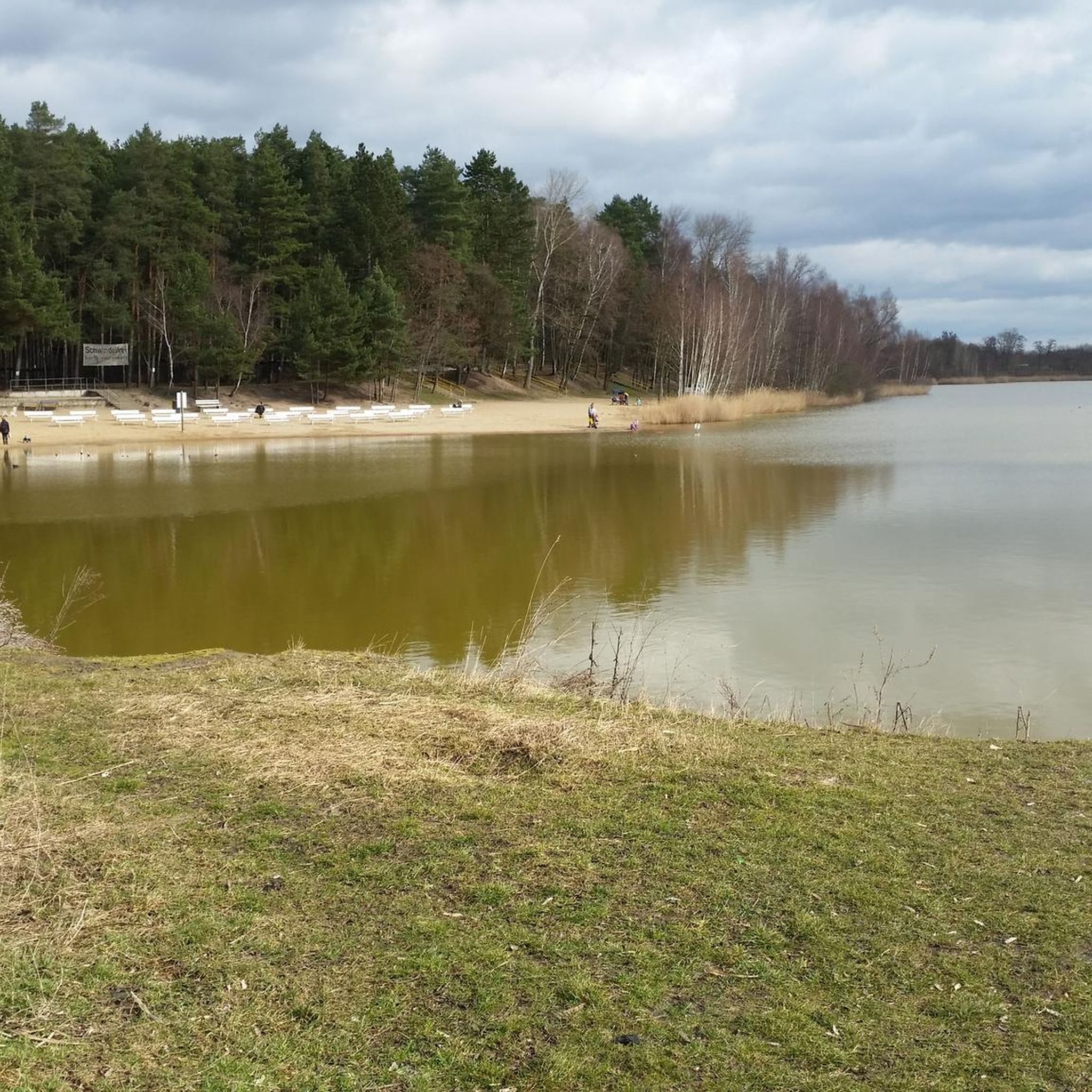
MTB Trails around Dölauer Heide
Gravel biking around Dölauer Heide


Tips from the Community


As of September 2023: the forest is gone!
1
0

On my Urwhisper Tour, the Kellerberg is the Red Mountain. The mountains in the heath have served as refuge and clod places for thousands of years.
16
0

Under the Kellerberg, a bat cellar!
1
0
It was sure to be nice. The forest is currently badly damaged.
2
0

Very nice hiking trails. Everything is signposted very nicely
0
0
Frequently Asked Questions
What are the most popular elevations to visit in the Dölauer Heide?
The Dölauer Heide features several notable elevations. Among the most popular are Kellerberg, known for its historical significance as a refuge, and Krankenberg Hill, which offers a viewpoint within a forest setting. Visitors also frequently enjoy Königstuhl, appreciated for its excellent hiking region and beautiful landscape.
What kind of views and natural features can I expect from the Dölauer Heide peaks?
From elevations like the Kolkturmberg (Bischofsberg), you can enjoy expansive views of Halle and the surrounding region. The Dölauer Heide itself is characterized by a diverse landscape of mixed forests, plateaus, and short ravines like the Wolfsschlucht. While not traditional towering mountains, these prominent hills offer scenic outlooks and a rich natural environment for exploration.
Are there historical or archaeological sites near the Dölauer Heide elevations?
Yes, the Dölauer Heide is rich in history and archaeology. The Bischofswiese plateau, which includes the Schwarzer Berg and Langer Berg, is particularly significant, with evidence of prehistoric occupation dating back to the Neolithic period. It hosts one of the largest and oldest Neolithic fortifications, along with burial mounds and artifacts from the Baalberg and Bernburg cultures. Informational markers throughout the area highlight these historical landmarks.
What outdoor activities can I do near the Dölauer Heide mountain peaks?
The Dölauer Heide offers a variety of recreational activities. You can explore numerous hiking and riding trails, nature paths, and even designated toboggan runs in winter. The area is also known for its annual Heidelauf (heath run) series. For specific routes, you can find many options, including easy hikes, cycling tours, and gravel biking routes.
Are there family-friendly options for exploring the Dölauer Heide peaks?
Yes, the Dölauer Heide is considered family-friendly. Many of the trails are suitable for families, and the area's diverse landscape provides engaging experiences for all ages. The Kellerberg is listed as family-friendly, and the presence of artistic wooden sculptures along the trails adds to the visitor experience, making it enjoyable for children.
What makes the Kolkturmberg (Bischofsberg) a notable elevation?
The Kolkturmberg, also known as Bischofsberg, stands at 133 meters and is one of the highest points in the Dölauer Heide. A narrow, steep path leads to its summit, where the Kolkturm itself provides scenic views of Halle and the surrounding region. It's a popular destination for walkers and offers insights into archaeological sites and the local natural environment through informational signposts.
What is the best time to visit the Dölauer Heide peaks?
The Dölauer Heide can be visited year-round, with each season offering a unique experience. Spring and autumn are ideal for hiking due to pleasant temperatures and vibrant foliage. In winter, the area transforms, offering designated toboggan runs. The varied landscape and recreational opportunities make it appealing regardless of the season.
How accessible are the Dölauer Heide elevations?
The Dölauer Heide is easily accessible, making it convenient for visitors. There are several parking facilities located at its boundaries, allowing for easy entry to the various trails and elevated areas. This accessibility ensures that visitors can conveniently explore its natural and historical landmarks.
What is special about the Schwarzer Berg and its surroundings?
The Schwarzer Berg reaches 135 meters and is part of the Bischofswiese, a high plateau with significant historical importance. A challenging path known as the 'Himmelsleiter' (Stairway to Heaven), secured with round timbers, leads to its summit, enhancing safety during the ascent. This area was settled over a thousand years ago and is known for its archaeological findings, including ancient fortifications.
Are there specific hiking trails recommended for beginners in Dölauer Heide?
Yes, the Dölauer Heide offers trails suitable for various skill levels, including beginners. You can find many easy hikes around Dölauer Heide. These routes often feature well-signposted paths and gentle ascents, making them perfect for those new to hiking or looking for a relaxed outdoor experience.
What do visitors enjoy most about the Dölauer Heide peaks?
Visitors particularly appreciate the diverse natural beauty, the historical and archaeological richness, and the extensive recreational opportunities. The well-signposted paths, wonderful landscapes, and the blend of mixed forests, ravines, and plateaus create an appealing setting for outdoor pursuits. The Königstuhl, for instance, is loved for its 'great region for hiking' and 'wonderful landscape, great nature'.
Can I find cafes or amenities near the Dölauer Heide hiking trails?
While the Dölauer Heide itself is a natural area, its proximity to Halle (Saale) means that amenities like cafes and pubs are generally accessible in the surrounding towns and city districts. It's advisable to check local listings for specific establishments near your chosen entry point to the Heide.
Most popular routes around Dölauer Heide
Most popular attractions around Dölauer Heide

Get inspired with the komoot mobile app


