Top 3 Lakes around Mývatn
Best lakes around Mývatn are characterized by a unique volcanic landscape in northern Iceland. Mývatn, a shallow lake covering approximately 37 square kilometers, formed around 2,300 years ago by a basaltic lava eruption. The region is known for its distinctive geological formations, diverse birdlife, and serene natural environment. Visitors can explore various features shaped by volcanic activity, offering insights into the area's geological history.
Best lakes around Mývatn
- The most popular lakes is Skútustaðagígar, a natural monument that features…
Last updated: October 15, 2026
Skútustaðagígar
Highlight • Natural Monument
The pseudocraters at Skutustadagigar, the Myvatn lake, are one of the most interesting geological features …
Showing Translation
Tip by

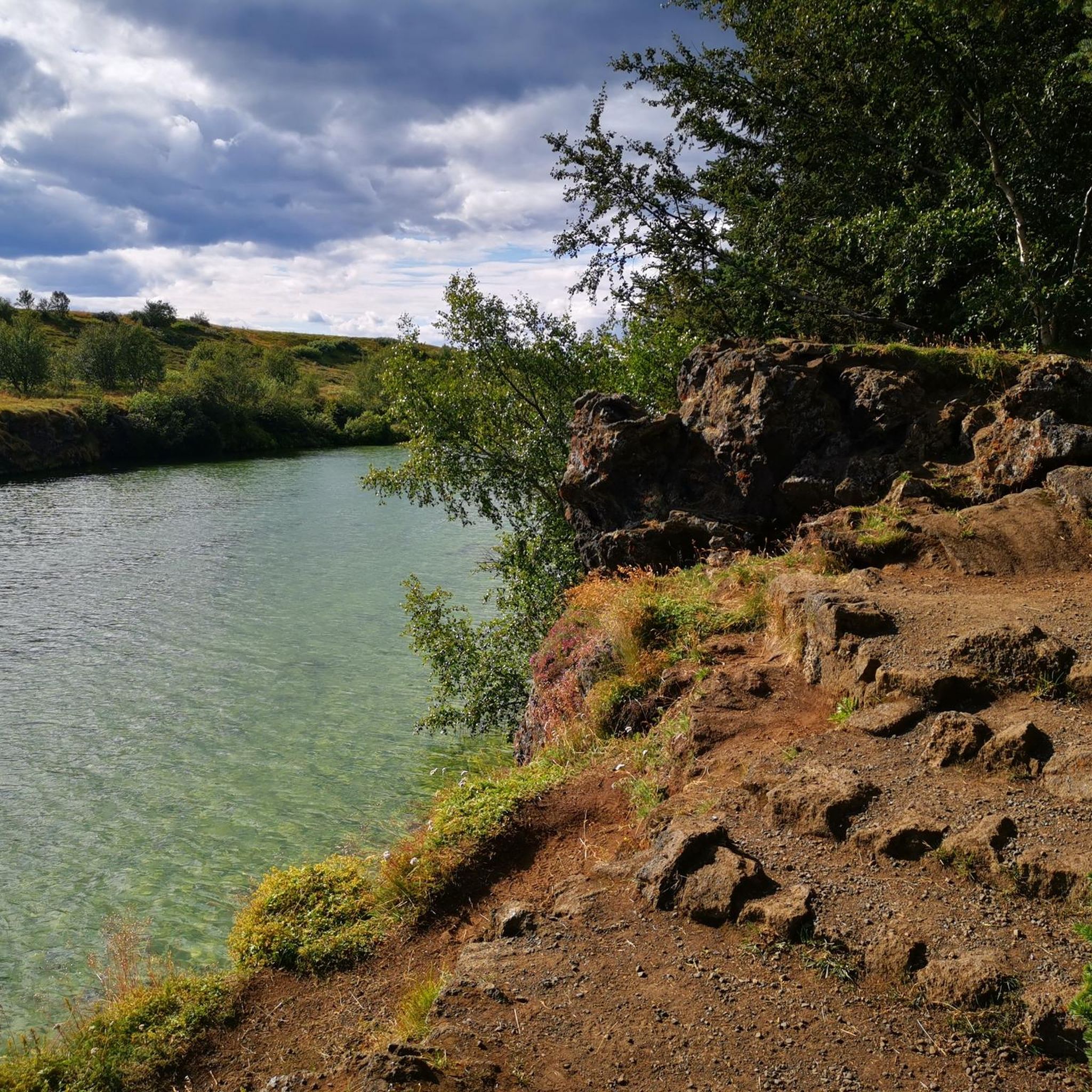
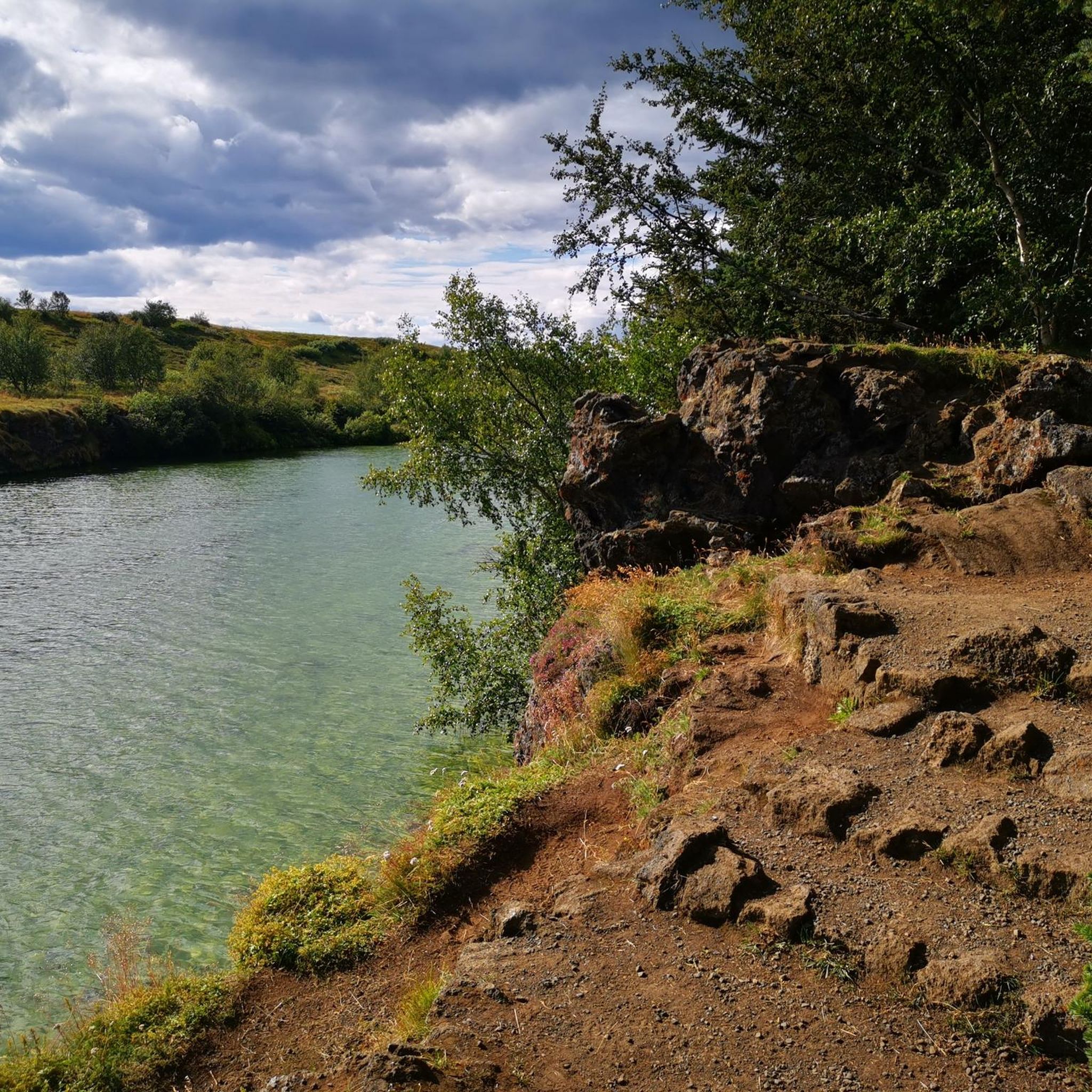
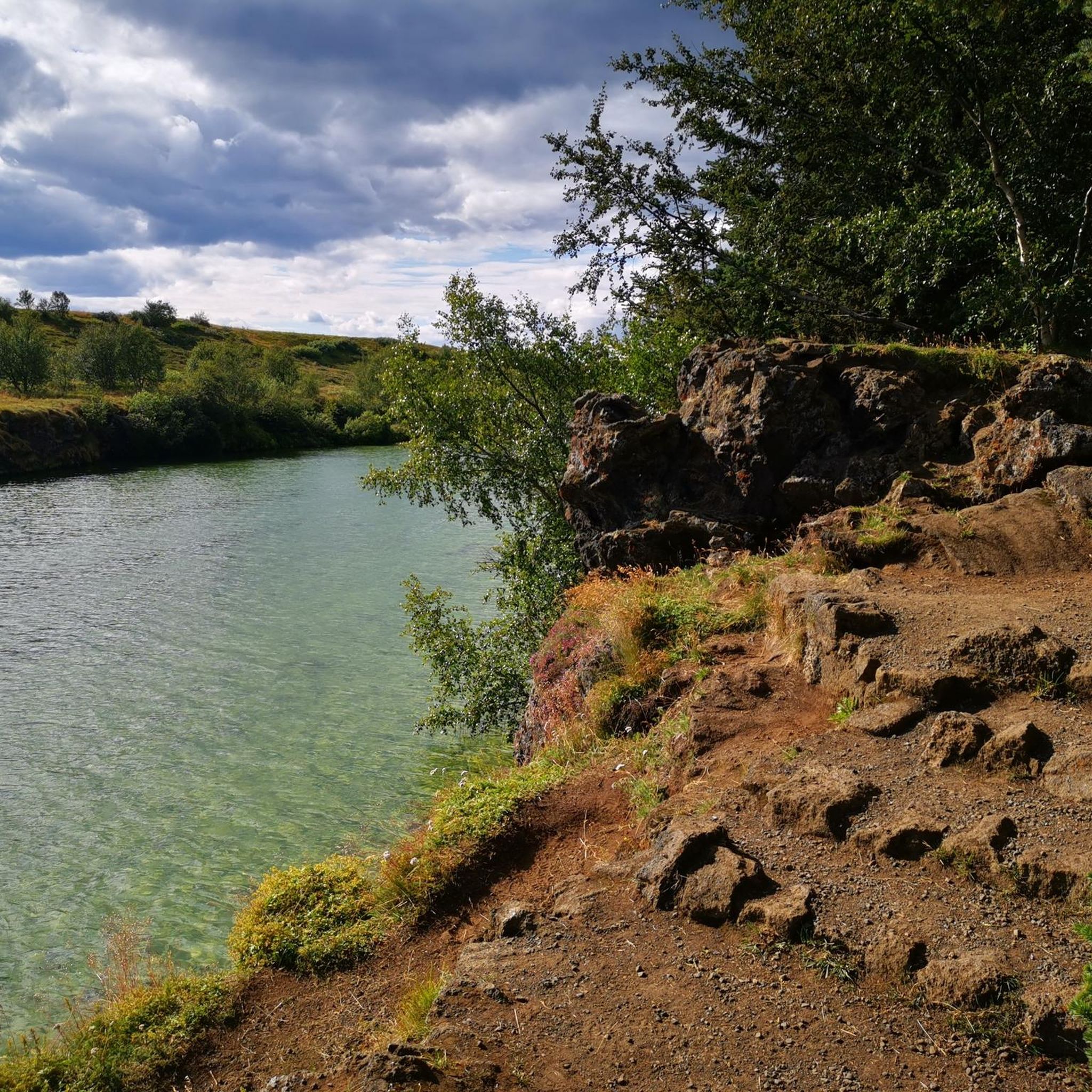
Lava Columns at Lake Mývatn
Highlight • Natural Monument
Tip by

Sign up now to discover places like this
Get recommendations on the best single tracks, peaks, & plenty of other exciting outdoor places.
Black Sand Beach at Lake Mývatn
Highlight • Beach
Tip by

Camping by Lake Mývatn
Highlight • Rest Area
Translated by Google •
Tip by

Tips from the Community

Unique lava formations in Lake Myvatn. What a sight. Can also be photographed or seen from the HÖFÐI nature reserve.
0
0

Little visited but worth it. Great views of Lake Mückensee.
0
0

From this spot, you get a great view of ancient lava columns standing vertically out of the clear blue water. This is a great place to snap a photo before continuing on your hike around this unique geological area.
0
0

This campsite really has a fantastic location! Thanks to the large lawns, the swarms of mosquitoes are somewhat bearable...
0
0

The Skútustaðagígar craters are a series of impressive pseudo-craters located in the Mývatn area of North Iceland. They are formed by steam explosions when hot lava flows over wet ground. Surrounded by the beautiful landscape of Lake Mývatn, these craters offer breathtaking views and are a popular destination for nature lovers and bird watchers.
8
0
The second viewing platform if you walk counter-clockwise, it overlooks the inland lake Stakhólstjörn. Stakhólstjörn is a picturesque pond located in the area of Skútustaðagígar, south of Lake Myvatn. It is surrounded by beautifully formed pseudocraters, which create a unique landscape.
8
0
Skútustadagígar is the area south of Lake Myvatn around the pond Stakholstjorn where the famous pseudocraters are found. The Skutustadir farm is named after an old hero called Viga-Skuta and allows us to climb up close to some of those beautifully formed pseudocraters. The pseudocraters at Skutustadagigar were on the list of the 10 best landscapes in Iceland and in the top 5 of things to see in Myvatn.
8
0
This is the first platform when you walk counterclockwise and is actually facing the lake. The pseudocraters at Skutustadagigar, the Myvatn lake, are one of the most interesting geological features in Iceland1. These pseudocraters are not real volcanic craters1. They form when volcanic ash covers a small lake. The water underneath evaporates due to the heat, but cannot escape through the layer of ash. Subsequently, under great pressure, an explosion occurs, creating a small crater.
10
0
Frequently Asked Questions
What unique geological features can I explore around Mývatn?
The Mývatn area is a landscape shaped by volcanic activity. You can explore fascinating formations like the Skútustaðagígar pseudocraters on the lake's southern side, which formed when hot lava flowed over wetlands. Another unique sight is the Lava Columns at Lake Mývatn, where ancient lava stands vertically out of the water. The area also features lava fields and rock formations, such as those visible from the View of the Dimmuborgir rock formations.
Are there family-friendly activities or walks near the Mývatn lakes?
Yes, several spots around Mývatn are great for families. The Skútustaðagígar pseudocraters offer easy walks with picturesque views. The Lava Columns at Lake Mývatn and the Black Sand Beach at Lake Mývatn are also family-friendly spots for gentle strolls and enjoying the scenery. For dedicated family hikes, you can find various options in the Family-friendly hikes around Mývatn guide, including easy loops around the pseudocraters and Dimmuborgir.
What kind of outdoor activities can I do near the lakes around Mývatn?
The Mývatn area is excellent for various outdoor activities. You can enjoy hiking, cycling, and running. For cycling, explore routes like the 41 km loop around the pseudocraters, as detailed in the Cycling around Mývatn guide. Runners can find moderate trails, including loops from Grjótagjá Cave, in the Running Trails around Mývatn guide. Hiking is also popular, with many trails showcasing the unique volcanic landscape.
Where can I find unique viewpoints of Lake Mývatn and its surroundings?
There are several excellent viewpoints around Lake Mývatn. The platforms at Skútustaðagígar pseudocraters offer panoramic views of the lake and its many small islands. The Lava Columns at Lake Mývatn provide a unique perspective of ancient lava formations emerging from the water. Additionally, the View of the Dimmuborgir rock formations offers a different vista of the dramatic volcanic landscape surrounding the lake.
Is it possible to go wild swimming in Lake Mývatn?
While Lake Mývatn itself is shallow and known for its unique ecosystem, it's not typically recommended for wild swimming due to the presence of midges and the lake's ecological importance. For a relaxing water experience, the Mývatn Nature Baths, often called the "Blue Lagoon of the North," offer geothermally heated lagoons nearby.
What is the best time of year to visit the Mývatn area for outdoor activities?
The summer months (June to August) are generally considered the best time to visit Mývatn for outdoor activities. The weather is milder, days are long, and hiking trails are accessible. This period is ideal for birdwatching, as the lake hosts a rich diversity of waterbirds. However, be prepared for the midges, which are most active during summer. Spring and autumn offer beautiful colors and fewer crowds, while winter provides opportunities to see the Northern Lights and experience a serene, snow-covered landscape.
Are there easy walking trails suitable for beginners around Mývatn?
Yes, there are several easy walking trails around Mývatn suitable for beginners. The paths around the Skútustaðagígar pseudocraters are well-maintained and offer leisurely strolls with scenic views. The park at Höfði, where you can find the Black Sand Beach at Lake Mývatn, also features easy walking paths through diverse birdlife and unique lava formations.
Where can I find accommodation or camping facilities near Lake Mývatn?
There are various accommodation options around Lake Mývatn, including guesthouses and hotels in the nearby village of Reykjahlíð. For those who prefer camping, Camping by Lake Mývatn offers a fantastic location with large lawns, providing a convenient base to explore the area.
What makes the pseudocraters at Skútustaðagígar unique?
The Skútustaðagígar pseudocraters are unique geological formations because they are not true volcanic craters. They formed when hot lava flowed over wetlands, causing steam explosions that created small, crater-shaped mounds. You can walk around these formations and enjoy picturesque views of Lake Mývatn and the nearby pond Stakhólstjörn.
Can I see interesting lava formations directly from Lake Mývatn?
Yes, you can. The Lava Columns at Lake Mývatn are a prime example. From this spot, you get a great view of ancient lava columns standing vertically out of the clear blue water, offering excellent photographic opportunities and a glimpse into the region's volcanic history.
Are there any unique beaches around Lake Mývatn?
Yes, the Black Sand Beach at Lake Mývatn is a unique spot located within the Höfði park area. This quiet place offers a different kind of lakeside experience with its dark volcanic sand and views of the lake's coves and inlets, making it a great place for a relaxing visit and birdwatching.
What should I know about the midges at Lake Mývatn?
Lake Mývatn translates to "Lake of Midges," and these small insects are a notable feature, especially during the summer months. While they can be annoying, they are a vital part of the lake's ecosystem, providing a key food source for the abundant birdlife. It's advisable to bring insect repellent and possibly a head net during peak midge season to ensure a more comfortable visit.
Most popular attractions around Mývatn

Get inspired with the komoot mobile app


Explore more
Still not found your perfect lake around Mývatn? Check out the guides of these regions to see even more beautiful places.
