Top 5 Lakes around Schmollensee
Lakes around Schmollensee are a notable feature of Usedom Island in Mecklenburg-Vorpommern, Germany. This inland lake, the second-largest on Usedom, was formed during the Weichselian Ice Age. It features a deeper northern basin and a shallower southern basin, with diverse shorelines ranging from mixed deciduous forest to moorland and reeds. The entire lake is situated within the Usedom Island Nature Park, serving as a nature reserve and providing an ideal breeding and resting area for seabirds.
Best lakes around Schmollensee
…Last updated: August 8, 2026
Schmollensee
Highlight • Lake
Translated by Google •
Tip by

Bathing jetty at Schmollensee
Highlight • Rest Area
Translated by Google •
Tip by

Sign up now to discover places like this
Get recommendations on the best single tracks, peaks, & plenty of other exciting outdoor places.
Sign up for free
Shore Path Along Lake Schmollensee
Highlight (Segment) • Trail
Translated by Google •
Tip by

Sellin Lakeside Campsite
Highlight • Rest Area
Translated by Google •
Tip by

Glaubensberg Loop
Highlight (Segment) • Trail
Translated by Google •
Tip by

Start today with a free account
Your next adventure awaits.
Login or Signup
Tips from the Community


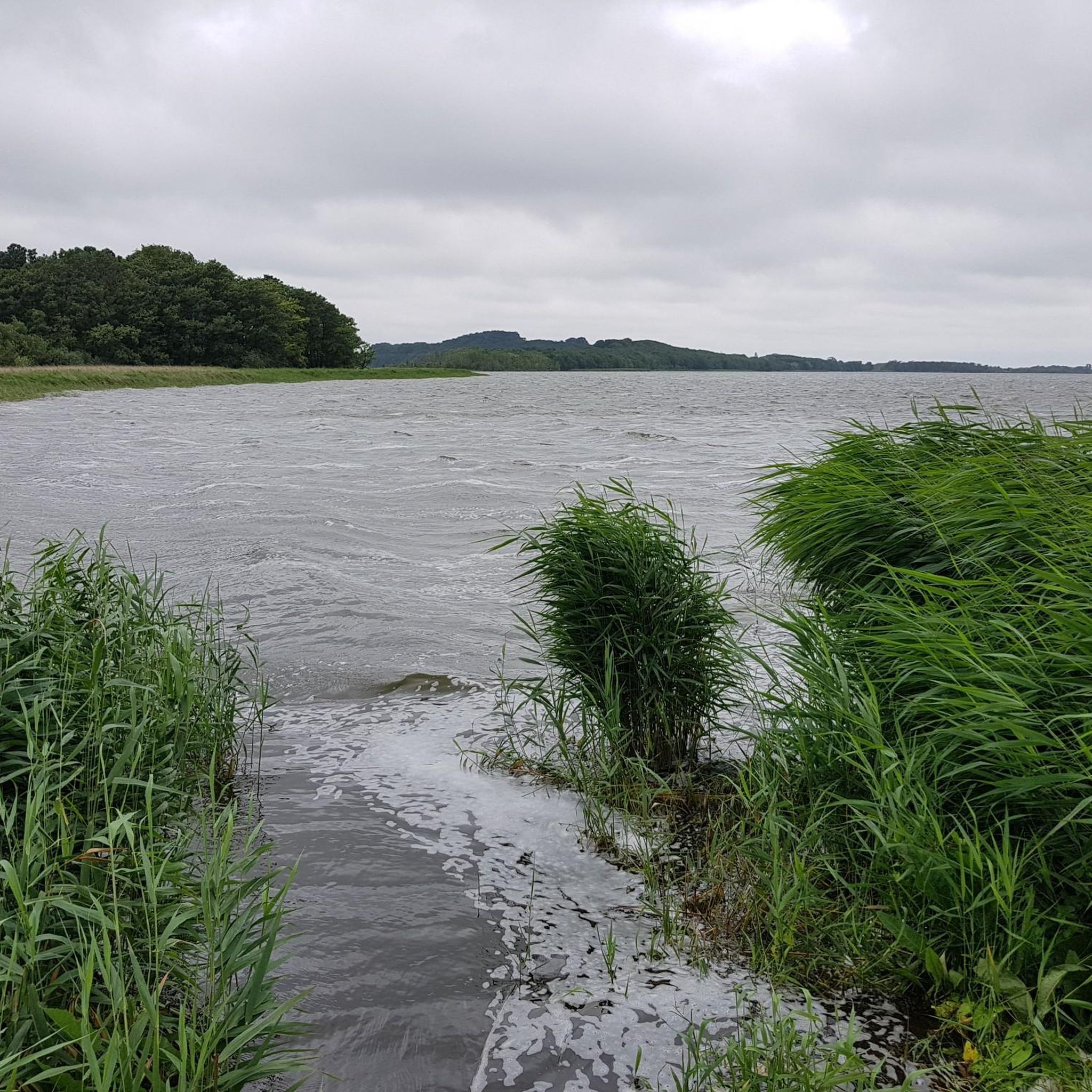
The Schmollensee is an inland lake on the island of Usedom in the Vorpommern-Greifswald district, Mecklenburg-Vorpommern. It is located in the east of the municipality of Pudagla. The eastern shore belongs to the municipality of Heringsdorf, the southern shore to Benz. The lake has an approximate length of around 3.7 kilometers, a width of 2.0 km and an average depth of 2.7 meters. With an area of five square kilometers, the Schmollensee is the second largest lake on Usedom after the Gothensee and one of the larger lakes in Western Pomerania. The lake has a larger and deeper northern basin and a smaller, shallower southern basin. There is a connection to the Achterwasser via the Groote Beek. The eastern shore of the lake is bordered by mixed deciduous forest, the northern shore merges into a moorland landscape. The shore is mostly covered with reeds. The lake is located in the Usedom Island Nature Park. Due to the shallow depth of the lake, it is slightly eutrophic. The lake shore offers many seabirds an ideal breeding and resting area. Its attractive landscape makes it a tourist attraction. Like most Pomeranian lakes, the lake was formed during the Weichselian Ice Age. The regions on the eastern and southern shores are terminal moraines, between which the meltwater created the two basins of the lake as the inland ice retreated.[2] Sediment studies have shown that the Schmollensee was a lagoon filled with brackish water until the early Holocene. It was not until around 1000 that permanent freshwater conditions developed as the coastline changed.[3] Due to its proximity to the Baltic Sea, salt water was repeatedly introduced into the lake during storm floods. Source https://de.wikipedia.org/wiki/Schmollensee
2
0

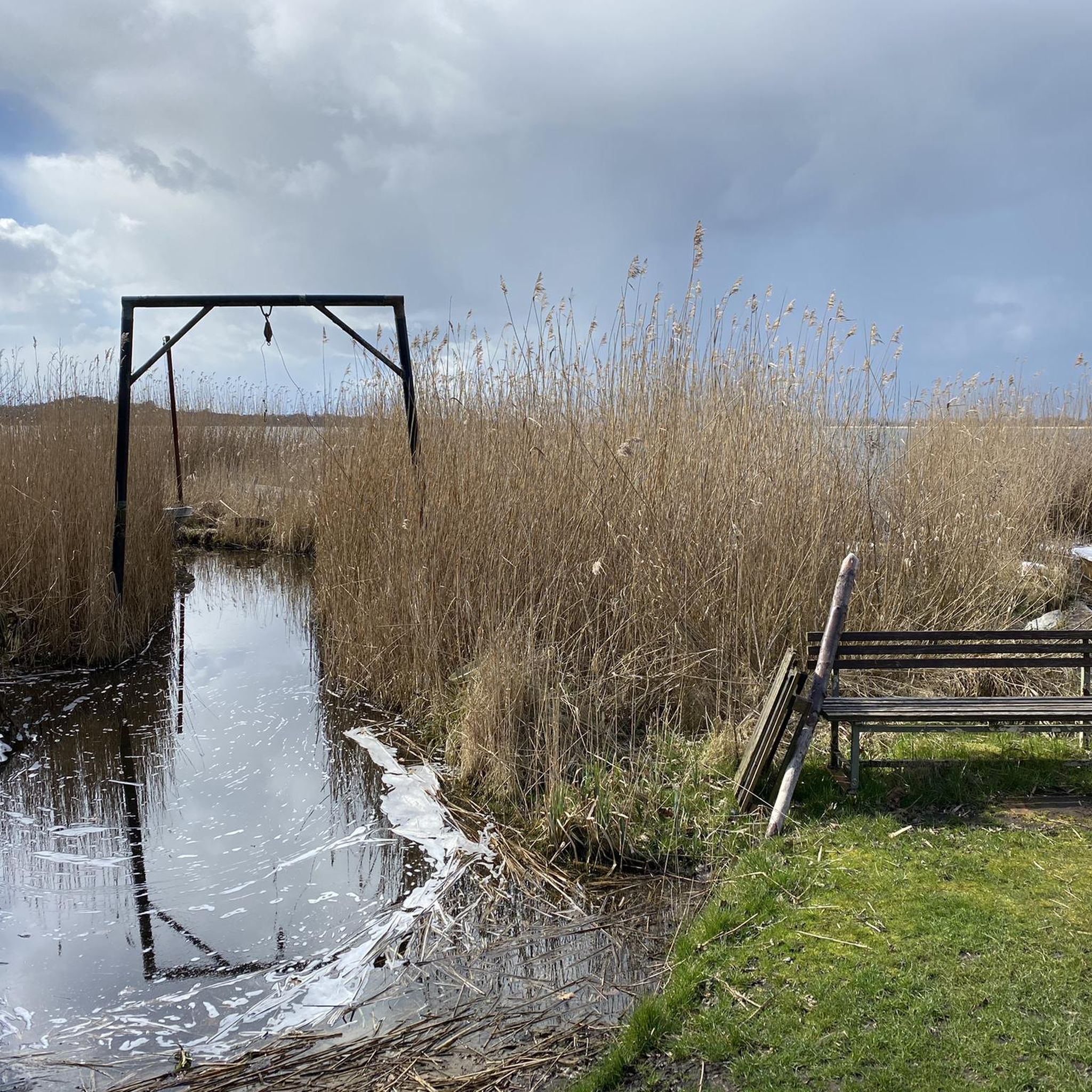
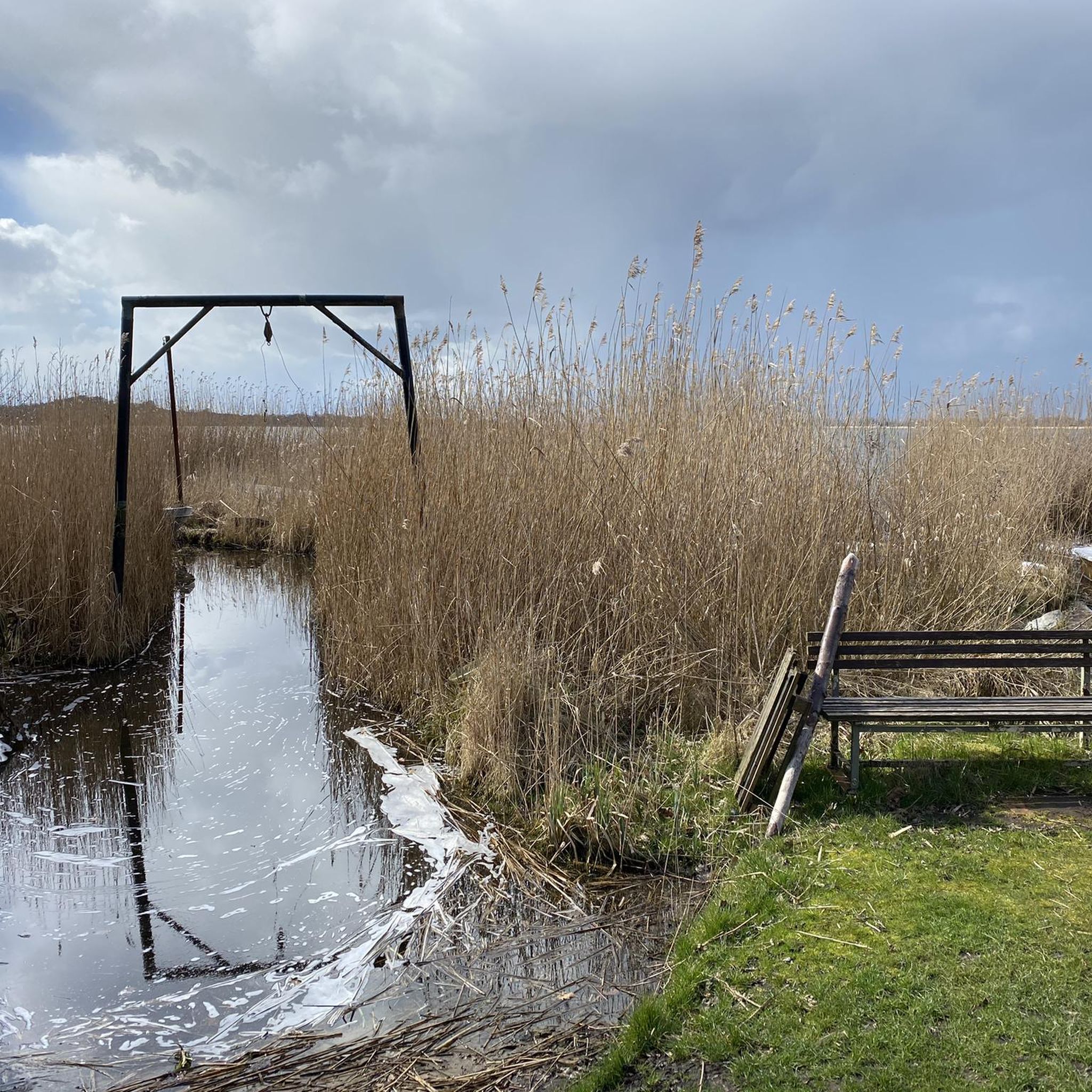
A rather secret and very quiet small "detour", but which has some beautiful spots to offer directly on the water.
5
0

Caution Around the Schmollensee there are some stretches that could be described as "very deep terrain"! The MTB'ler's will be happy. That's Mokke on the bike! Have fun and have a good trip René
1
0

Nice resting place on our hike from Sellin to the windmill in Benz.
1
1

Discovered by accident: a campsite in an idyllic location.
0
0
Frequently Asked Questions
What natural features define the lakes around Schmollensee?
The lakes around Schmollensee, particularly Schmollensee itself, are freshwater lakes formed during the Weichselian Ice Age. They are characterized by diverse shorelines, including mixed deciduous forests, moorland landscapes, and extensive reed belts. The entire area is part of the Usedom Island Nature Park, highlighting its natural significance.
What kind of wildlife can I expect to see around Schmollensee?
As a designated nature reserve within the Usedom Island Nature Park, Schmollensee is an ideal breeding and resting area for numerous seabirds. You can often spot wild geese, swans, storks, and grey herons. Otters also inhabit the lake, making it a great spot for nature observation.
Are there good viewpoints around Schmollensee?
Yes, there are several scenic spots. The Picnic Shelter at Schmollensee offers wonderful views of the lake with benches for resting. Additionally, a detour to Glaubensberg from the circular hiking trail provides fantastic panoramic views of both Schmollensee and the Achterwasser.
What outdoor activities are available near Schmollensee?
The area around Schmollensee is excellent for various outdoor activities. You can enjoy hiking, cycling, and mountain biking through diverse landscapes. There are numerous routes, such as those found in the MTB Trails around Schmollensee guide or the Cycling around Schmollensee guide.
Are there hiking trails suitable for all levels around Schmollensee?
Yes, the region offers a variety of hiking options. A popular 18 km circular hiking trail around Schmollensee is well-regarded. You can also find easy routes, such as the 'Neppermin Waterfront – Langer Kammweg Forest Path loop from Pudagla' which is an easy 36 km MTB route, or the 'Pudagla Castle – Schmollensee loop from Pudagla' which is an easy 14 km cycling route, both suitable for a leisurely walk or ride. For more details, check the MTB Trails and Cycling guides.
Can I cycle around Schmollensee?
Absolutely. The area is very popular for cycling. There are routes like the 'Pudagla Castle – Schmollensee loop from Pudagla' (14 km, easy) or the 'Cycle Path to Benz – Bansin Beach Promenade loop from Benz' (17 km, moderate). You can find more cycling options in the Cycling around Schmollensee guide.
Are the lakes around Schmollensee suitable for families?
Yes, the area is family-friendly. Highlights like Sellin Village and the Picnic Shelter at Schmollensee are noted as family-friendly. The serene natural environment and various trails, including the Shore Path Along Lake Schmollensee, offer pleasant experiences for all ages.
When is the best time to visit the lakes around Schmollensee?
The attractive natural surroundings draw tourists, making it a pleasant destination throughout the warmer months for hiking and cycling. While the guide doesn't specify a single 'best' time, the area is beautiful in spring, summer, and autumn. Winter offers a different, quieter experience, with the possibility of 'perfect silence' along paths like the Shore Path Along Lake Schmollensee.
What charming villages are located near Schmollensee?
Charming villages like Pudagla and Benz are situated on the lake's shores. Benz is known for its historical sights, including a 13th-century church and the grave of artist Otto Niemeyer-Holstein. Pudagla features a 16th-century castle and a centuries-old post mill that now houses a small museum. Sellin Village is also a quiet, appealing settlement by the lake.
Are there places to eat or stay near Schmollensee?
Yes, there are options for both. Sellin Village has a small restaurant at its campsite. The region research also mentions a campsite with a beer garden offering views of the lake, suggesting places to eat and stay are available in the vicinity of the charming villages.
What do visitors enjoy most about Schmollensee?
Visitors appreciate the serene natural environment, the rich birdlife, and the recreational opportunities. The picturesque landscape, the quiet atmosphere of villages like Sellin Village, and the wonderful views from spots like the Picnic Shelter at Schmollensee are frequently highlighted. The community has shared over 30 photos and given more than 150 upvotes to the highlights in the area.
How can I reach the lakes around Schmollensee by public transport?
Public transport is available to some areas. For instance, the 285 bus serves Sellin Village, making it a good starting point for hikes. Specific details for all access points would require local transport schedules, but key villages are connected.
Most popular routes around Schmollensee
Most popular attractions around Schmollensee

Get inspired with the komoot mobile app


Explore more
Still not found your perfect lake around Schmollensee? Check out the guides of these regions to see even more beautiful places.
