Top 4 Castles around Laghi di Mantova
Castles around Laghi di Mantova are situated in a region characterized by the artificial lakes of Mantua and the Mincio River valley. This area features a blend of historical significance and natural landscapes, including morainic hills. The castles here reflect centuries of architectural evolution, from medieval strongholds to Renaissance residences. Many are strategically positioned, offering views of the surrounding waterways and countryside.
Best castles around Laghi di Mantova
- The most popular castles is Castello di San Giorgio (Mantua), a…
Last updated: July 12, 2026
Castello di San Giorgio (Mantua)
Highlight • Castle
Translated by Google •
Tip by

Ducal Palace, Mantua
Highlight • Castle
Translated by Google •
Tip by

Sign up now to discover places like this
Get recommendations on the best single tracks, peaks, & plenty of other exciting outdoor places.
Sign up for free
Mantua
Highlight • Settlement
Translated by Google •
Tip by

San Giorgio Castle, Mantua
Highlight • Castle
Translated by Google •
Tip by

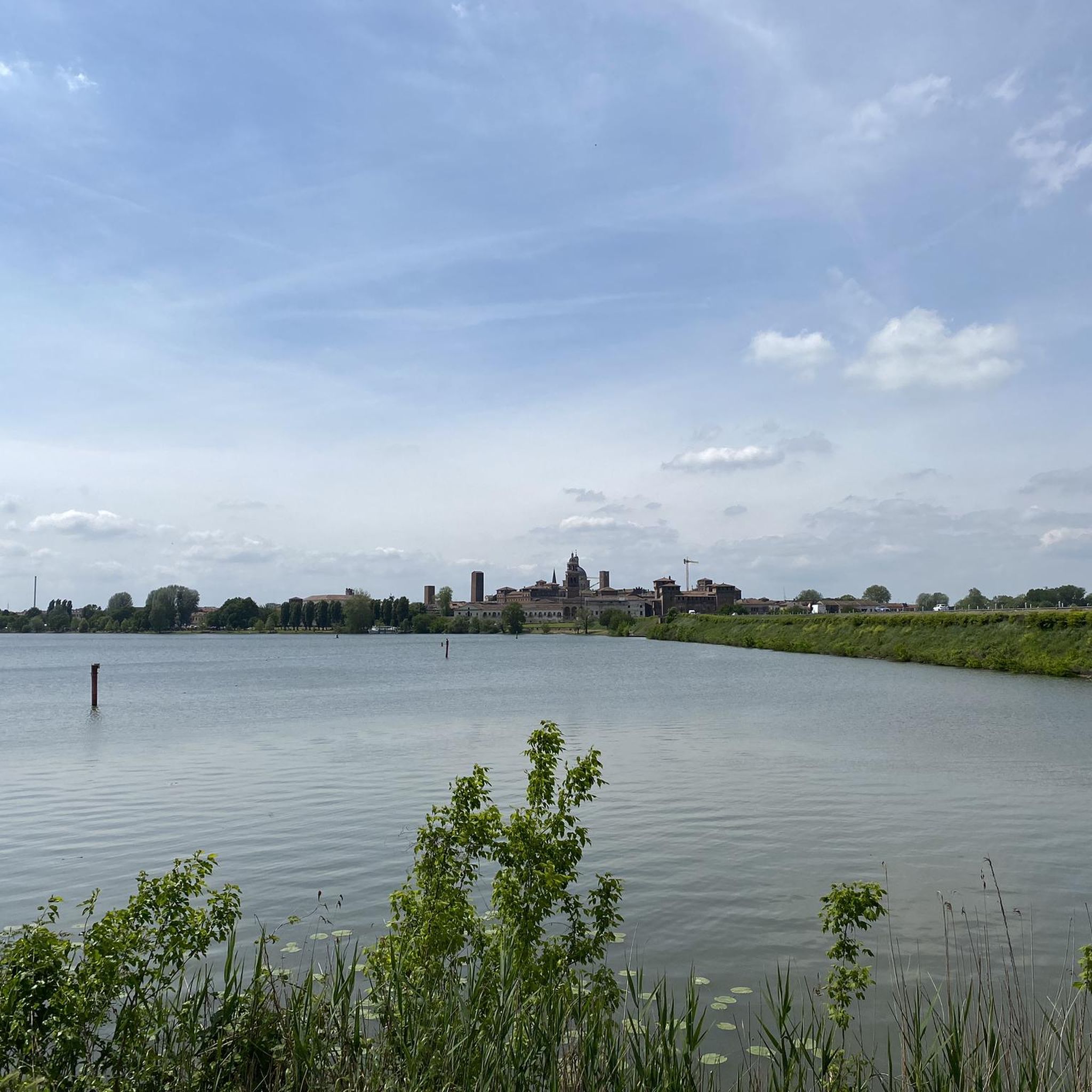
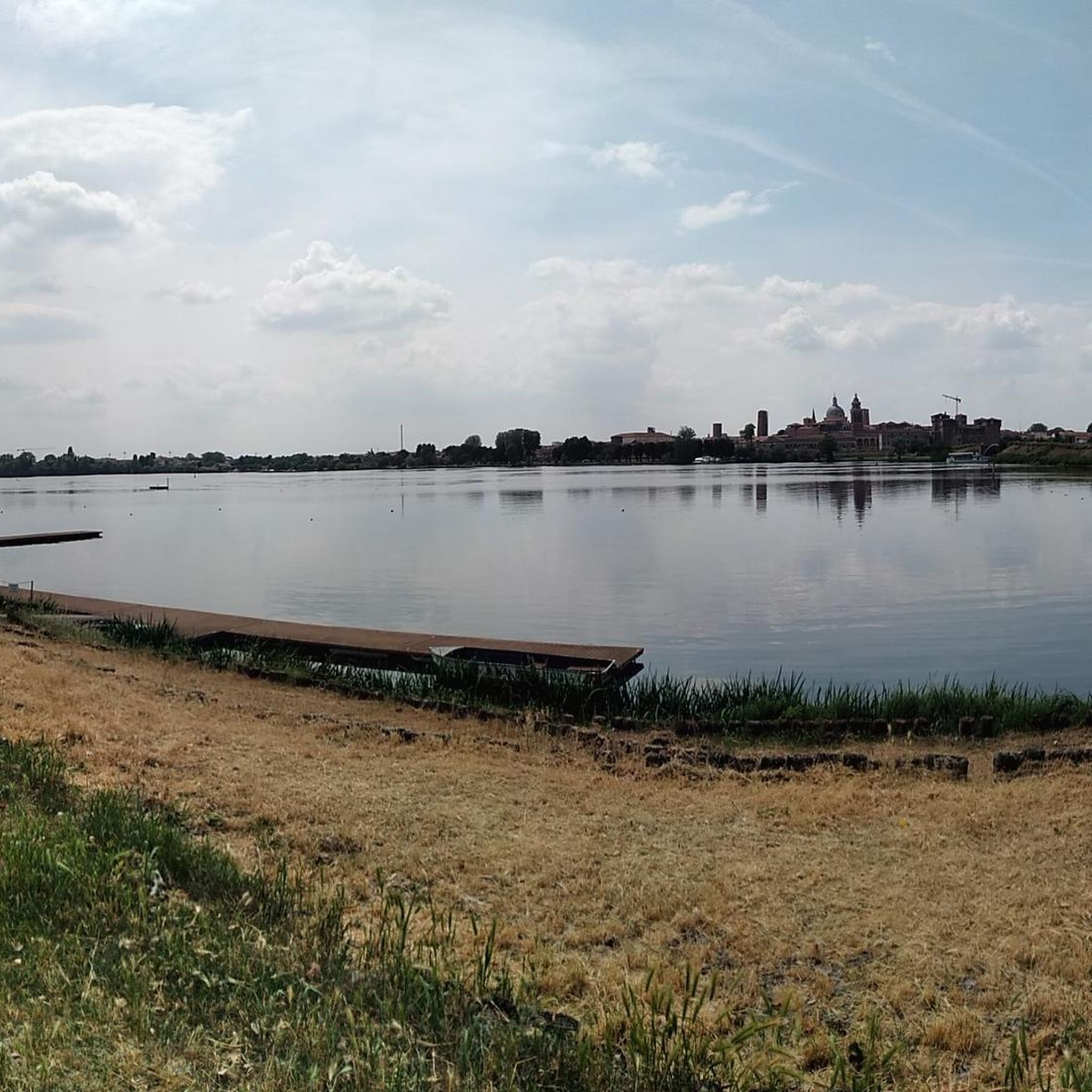
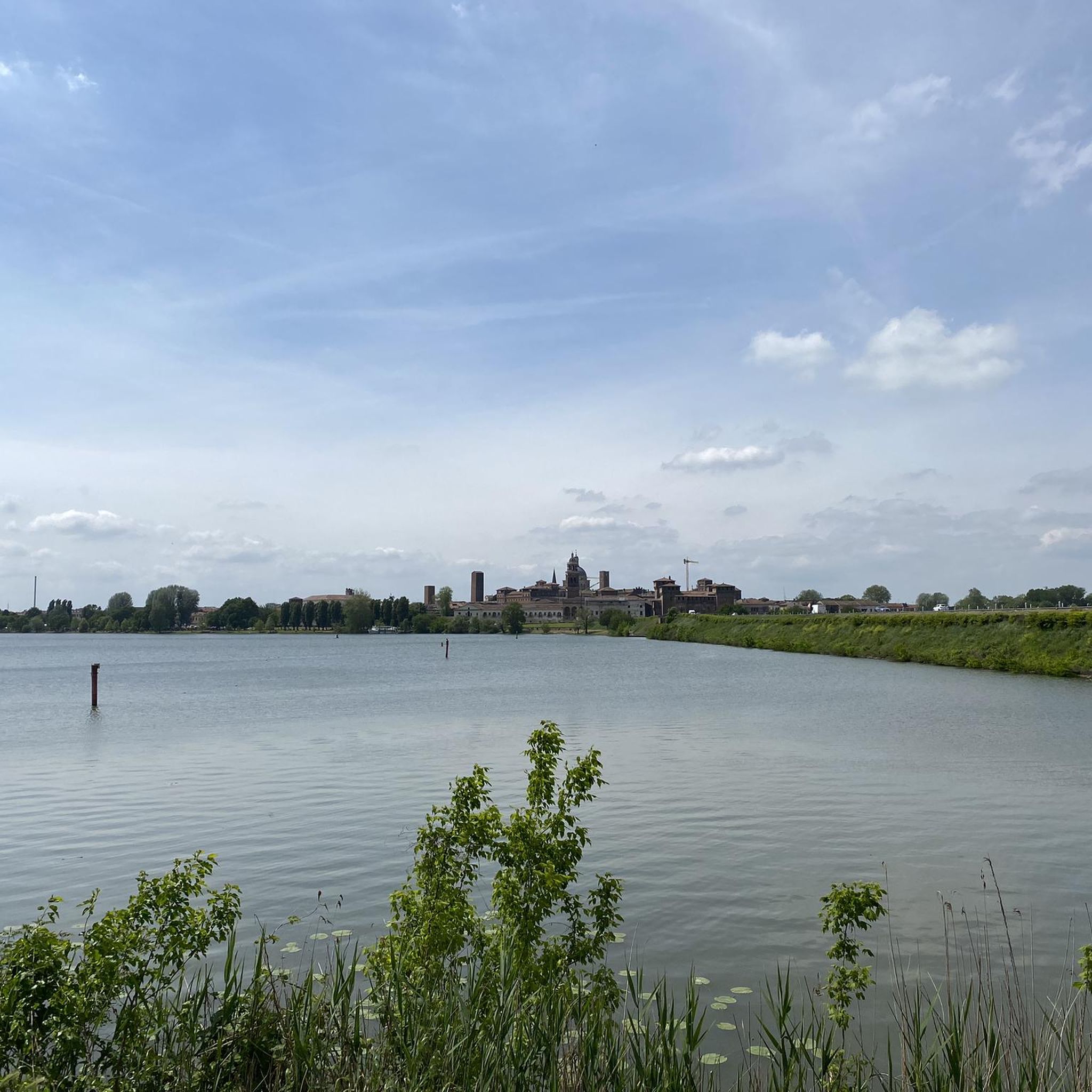
Back of the Ducal Palace – seen from the lake
Highlight • Historical Site
Translated by Google •
Tip by

Sign up for free to discover even more castles around Laghi di Mantova.
Sign up for free
Already have an account?
Start today with a free account
Your next adventure awaits.
Login or Signup
Popular around Laghi di Mantova
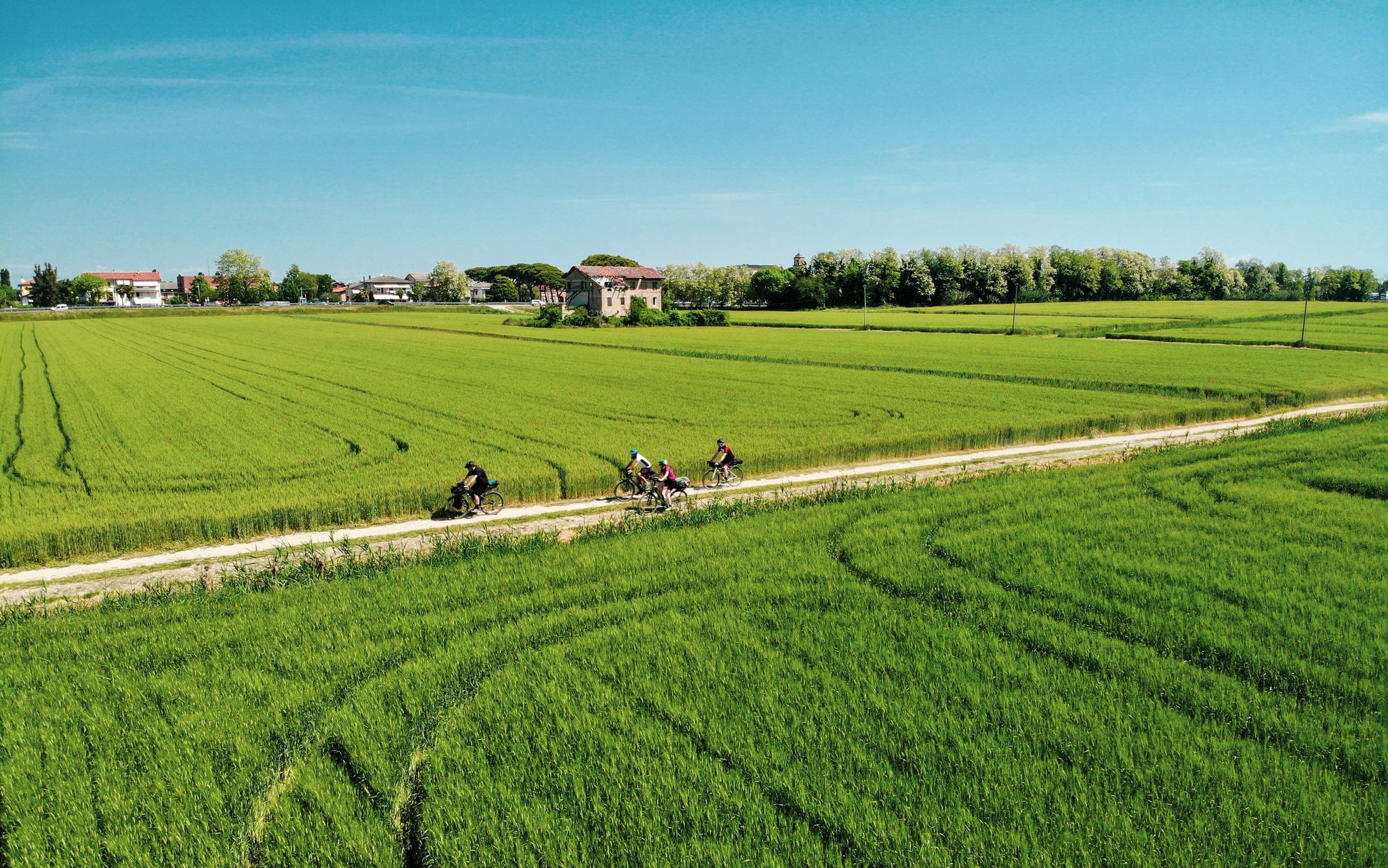
Ride through Italy’s Po Valley – a pilgrimage on the Via Postumia
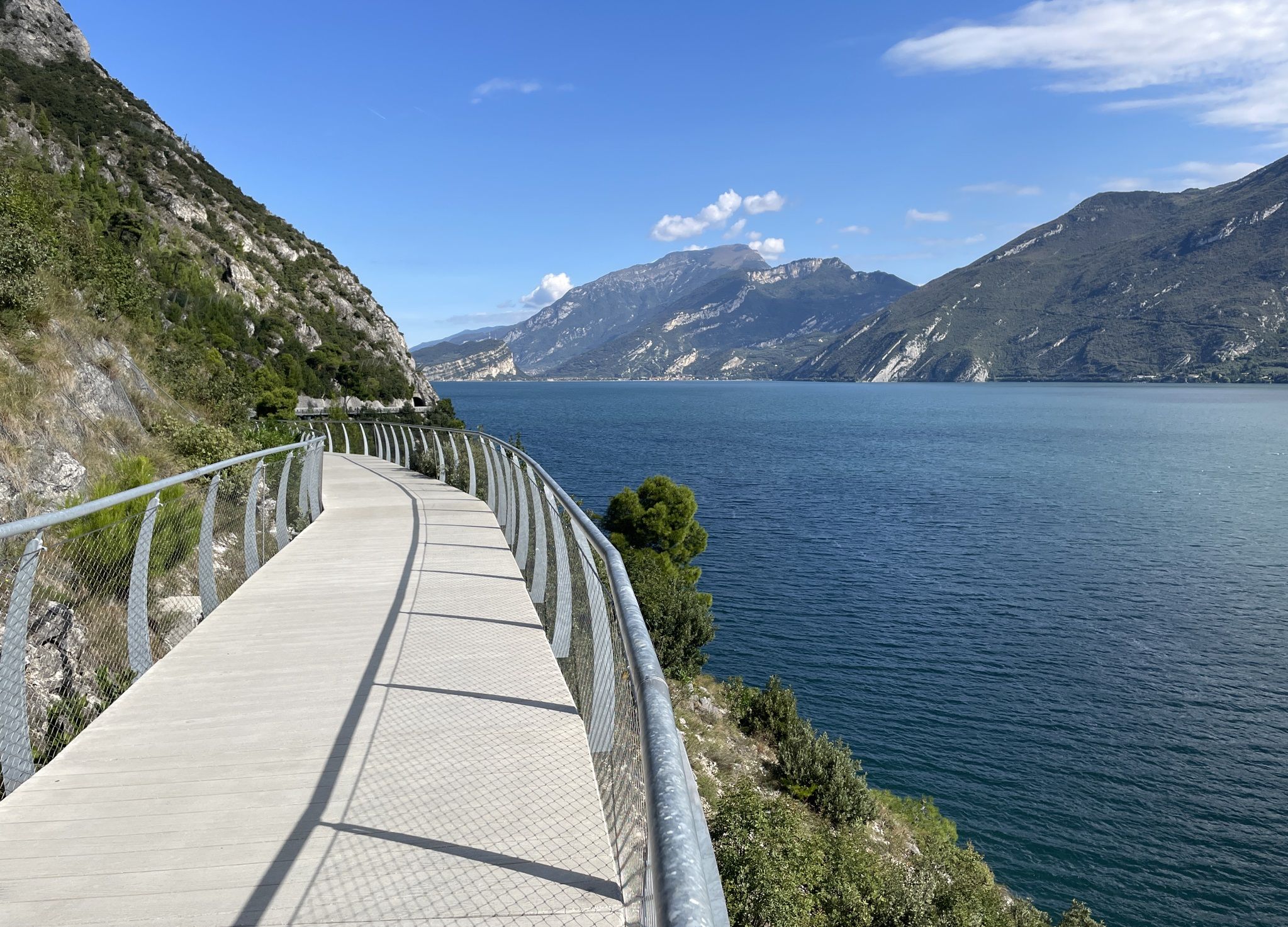
Mountains, plains, rivers and lakes — cycling in Italy’s Lombardy region
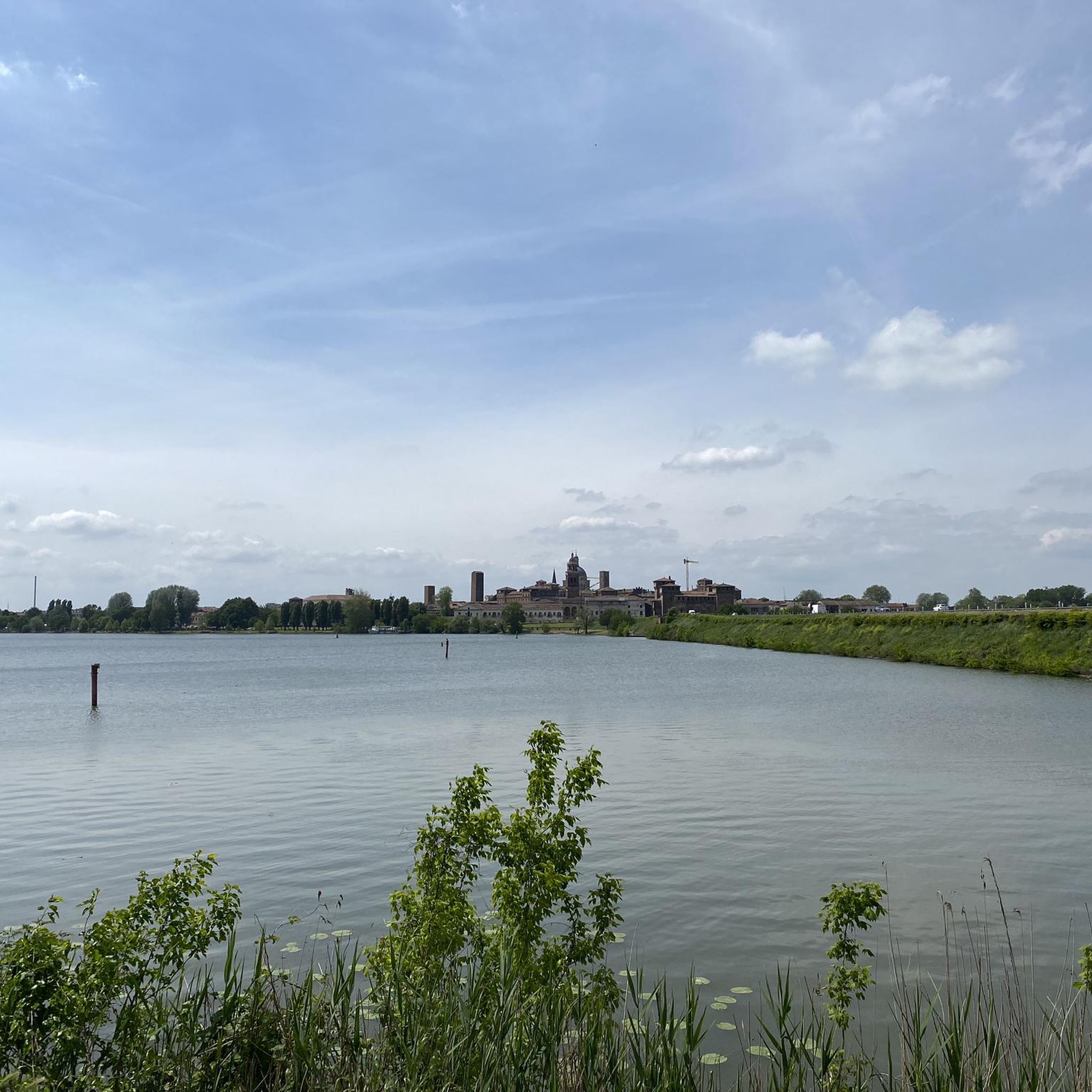
Cycling around Laghi di Mantova
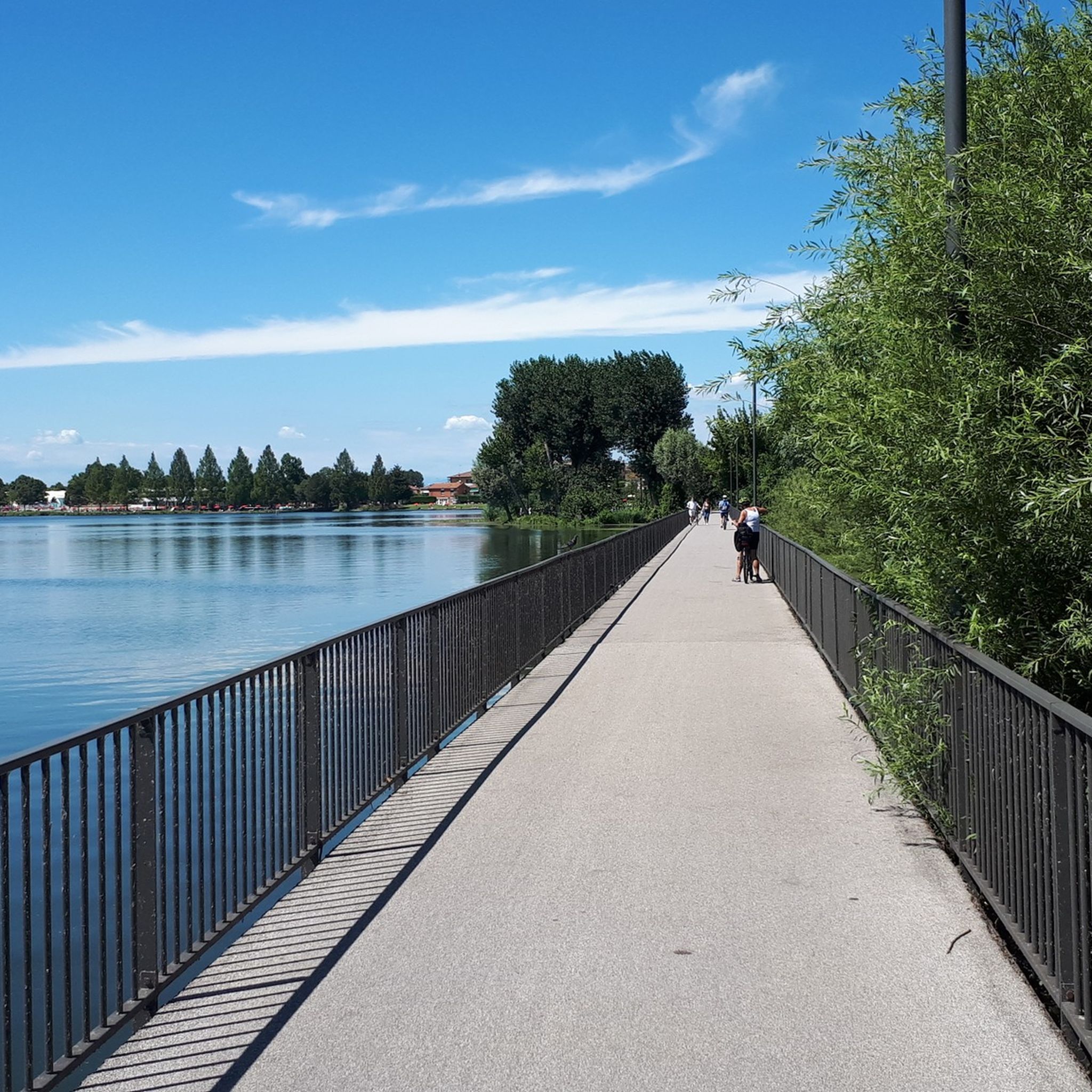
Hiking around Laghi di Mantova
Road Cycling Routes around Laghi di Mantova
Running Trails around Laghi di Mantova
MTB Trails around Laghi di Mantova

Gravel biking around Laghi di Mantova


Tips from the Community

Imposing defense system in which Andreas Hofer, among others, was imprisoned and shot...
1
2
Magnificent palace surrounded by a moat...
1
0

Ducal Palace
0
0

The Ducal Palace was the main residence of the Gonzaga family, lords, marquises and finally dukes of the city of Mantua. It took the name of Royal Palace during the Austrian domination starting from the time of Maria Theresa of Austria. Distinct and separate rooms were built in different periods starting from the 13th century, initially by the Bonacolsi family and later at the instigation of the Gonzaga. It was Duke Guglielmo who commissioned the prefect of the Factories Giovan Battista Bertani to connect the various buildings in an organic form so as to create, starting from 1556, a single grandiose monumental and architectural complex, one of the largest in Europe (approximately 34,000 m²), which extended between the shore of the Lower Lake and Piazza Sordello, the ancient Piazza di San Pietro. After Bertani's death in 1576, the work was continued by Bernardino Facciotto who completed the integration of gardens, squares, loggias, galleries, exedras and courtyards, definitively establishing the appearance of the ducal residence. The interior of the palace is almost bare because once impoverished, the Gonzagas had to sell works of art (especially to Charles I of England) and furnishings, some of which were later stolen by Napoleon. The Palazzo del Capitano overlooking Piazza Sordello is the oldest building of the Ducal Palace commissioned by Guido Bonacolsi at the end of the thirteenth century. Initially built on two floors and separated from the Magna Domus by an alley, in the early 1300s it was raised by one floor and joined to the Magna Domus itself by the monumental façade with portico, which has essentially remained the same to this day. The second added floor consists of a single enormous hall (67 x 15 metres) called Dell'Armeria, also known as the Salone della Dieta, as it hosted the Diet of Mantua in 1459.
0
0
Mantua Palace
0
0

Frequently Asked Questions
Which castles are most popular to visit around Laghi di Mantova?
The most popular castle is Castello di San Giorgio (Mantua), part of the Ducal Palace complex and known for its Camera degli Sposi frescoes. Other highly appreciated sites include the Ducal Palace, Mantua itself, and the city of Mantua, which features its own castle and historical landmarks.
What historical features can I expect to see in the castles around Laghi di Mantova?
You'll find a range of historical features, from late medieval military architecture at Castello di San Giorgio, which later became a Renaissance residence, to well-preserved defensive walls and towers at Castellaro Lagusello and Castello di Monzambano. Many castles showcase strategic positions, moats, and battlements, reflecting their past as strongholds.
Are there family-friendly castles to visit near Laghi di Mantova?
Yes, several castles and historical sites are considered family-friendly. Castello di San Giorgio (Mantua) and the Ducal Palace, Mantua are both listed as family-friendly. The city of Mantua itself, with its various historical points of interest, also offers a great experience for families.
Can I find scenic viewpoints or natural features near these castles?
Absolutely. The castles are often strategically positioned for views. For instance, Castellaro Lagusello Castle overlooks a distinctive heart-shaped lake. Castello di Monzambano and Castello di Ponti sul Mincio offer panoramic views of the Mincio River valley and the surrounding morainic hills. The back of the Ducal Palace in Mantua provides a beautiful view from the lake.
What outdoor activities can I do near the castles of Laghi di Mantova?
The region offers excellent opportunities for cycling. You can explore routes like the 'Mantua Lakes Cycle Path – Borghetto on the Mincio loop' or the 'Ciclabile del Mincio - Ring tour from Mantova' for touring bicycles. For gravel biking, consider the 'Vallazza Nature Reserve – View of the Forte di Pietole loop'. Road cycling enthusiasts can try routes like 'Sordello Square, Mantua – Matilda Tower of Governolo loop'. Find more details on these activities in the Cycling around Laghi di Mantova, Gravel biking around Laghi di Mantova, and Road Cycling Routes around Laghi di Mantova guides.
What is the best time of year to visit the castles around Laghi di Mantova?
The region's picturesque landscapes, including the lakes and morainic hills, are enjoyable throughout much of the year. Spring and autumn generally offer pleasant weather for exploring the castles and their surroundings, with comfortable temperatures for walking and cycling. Summer can be warm, while winter offers a quieter experience, though some facilities might have reduced hours.
Are there any lesser-known or 'hidden gem' castles worth visiting?
Beyond the prominent Mantuan sites, Castellaro Lagusello Castle is a charming fortified village recognized as one of Italy's most beautiful. Its intact medieval urban plan and unique heart-shaped lake offer a captivating blend of history and natural beauty. Castello di Monzambano is also considered one of the most intact examples of castle architecture in the Mantua province, providing a deep dive into medieval defensive structures.
How long should I plan for a visit to a castle in the Laghi di Mantova region?
For major sites like Castello di San Giorgio and the Ducal Palace complex in Mantua, you could easily spend half a day or more exploring the various rooms, frescoes, and courtyards. For smaller castles like Castellaro Lagusello or Castello di Monzambano, an hour or two might suffice to explore the grounds and village, allowing time to enjoy the views and atmosphere.
What kind of architecture can I see at Castello di Ponti sul Mincio?
The Castello di Ponti sul Mincio is a 13th-century Scaliger Castle. It features an irregular plan that adapts to the hill's contours, incorporating five towers. Its city walls are notable for being made of river pebbles with gabled battlements and bank walkways, showcasing medieval military architecture and defensive strategies.
What is special about Castellaro Lagusello Castle?
Castellaro Lagusello Castle is unique for its location overlooking a distinctive heart-shaped lake, the 'Lagusello'. It's also recognized as one of Italy's most beautiful villages. The historical center is still enclosed by well-preserved embattled walls and towers, including a historic Clock Tower, offering a glimpse into medieval life and architecture.
Can I combine a castle visit with a nature walk or hike?
Yes, many castles are situated in scenic areas perfect for combining with walks. For example, Castello di Volta Mantovana is located within the Mincio Natural Park, offering opportunities to enjoy the natural landscape alongside exploring the castle remnants. The areas around Castellaro Lagusello and Monzambano also provide pleasant strolls with views of the Mincio valley and morainic hills.
What is the significance of Castello di San Giorgio's Camera degli Sposi?
The Camera degli Sposi (Bridal Chamber) within Castello di San Giorgio is renowned for its breathtaking frescoes by Andrea Mantegna. These artworks are considered pivotal examples of Renaissance art, showcasing innovative perspective and illusionistic techniques, and are a major highlight for visitors interested in art history.
Most popular routes around Laghi di Mantova
Most popular attractions around Laghi di Mantova

Get inspired with the komoot mobile app


Explore more
Looking for the best castles somewhere else? Discover other guides around Laghi di Mantova:
