Top 4 Gorges around Alta Garrotxa-Massís de les Salines
Best canyons around Alta Garrotxa-Massís de les Salines are characterized by hidden gorges, natural pools, and sculpted rock formations. This area in Catalonia offers diverse canyoning routes, ranging from beginner-friendly to more challenging options. The region is recognized for its well-preserved natural landscapes, providing an immersive way to explore its unique features.
Best canyons around Alta Garrotxa-Massís de les Salines
- The most popular canyons is Valentí Bridge, a bridge that serves as access to the Sant Aniol d’Aguja route.…
Last updated: July 12, 2026
Valentí Bridge
Highlight • Bridge
Translated by Google •
Tip by

Gorges of Albanyà
Highlight • Gorge
Translated by Google •
Tip by

Sign up now to discover places like this
Get recommendations on the best single tracks, peaks, & plenty of other exciting outdoor places.
Sign up for free
La Vall del Bac
Highlight • Gorge
Translated by Google •
Tip by

Salt de la Núvia
Highlight • Viewpoint
Translated by Google •
Tip by
Fau Crevice and Pit
Highlight • Cave
Translated by Google •
Tip by
Start today with a free account
Your next adventure awaits.
Login or Signup
Popular around Alta Garrotxa-Massís de les Salines
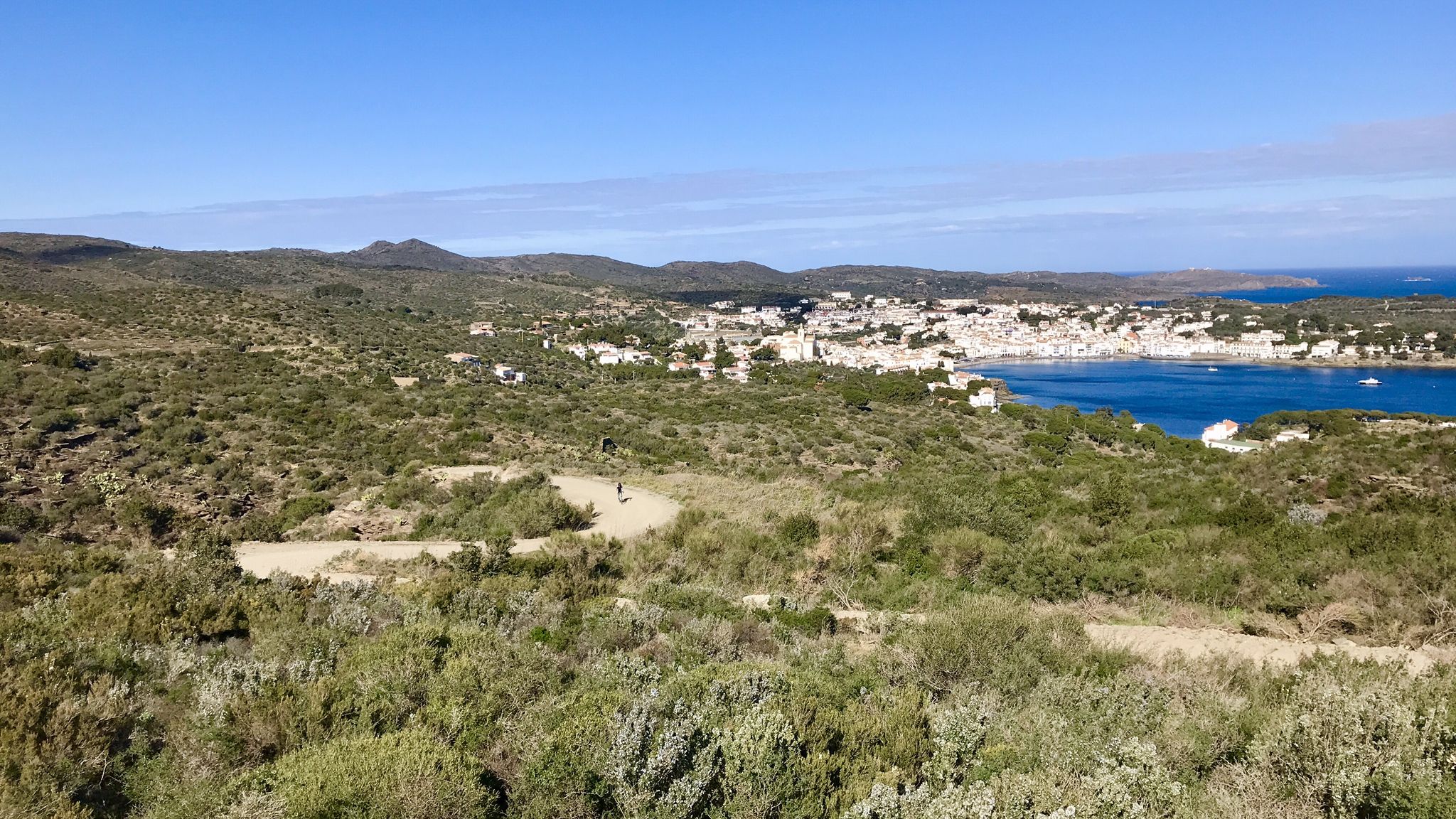
Garrotxa, Olot and Cap de Creus – gravel paradise in Spain
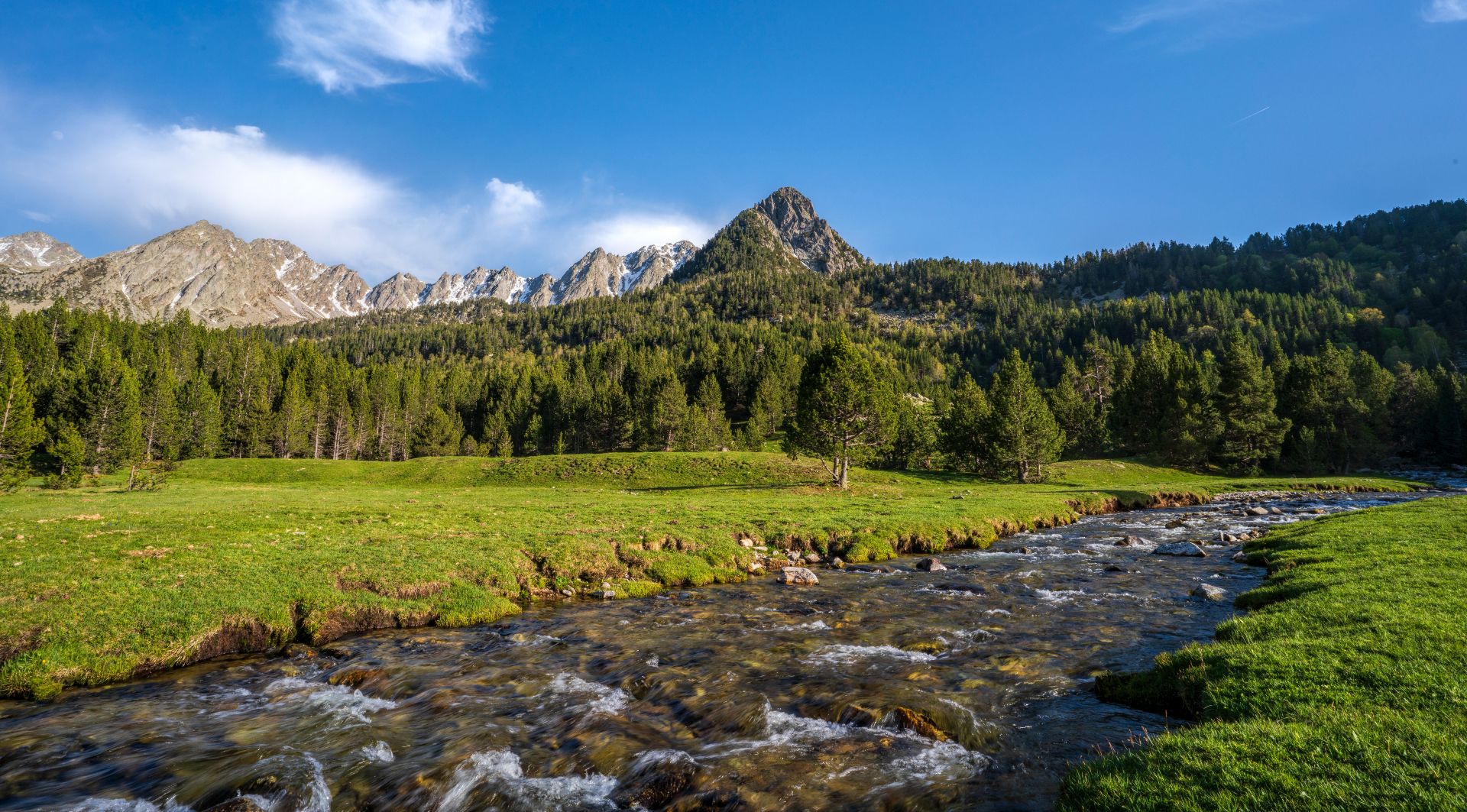
Catalonia and Andorra on the Pyrenean Trail – GR 11
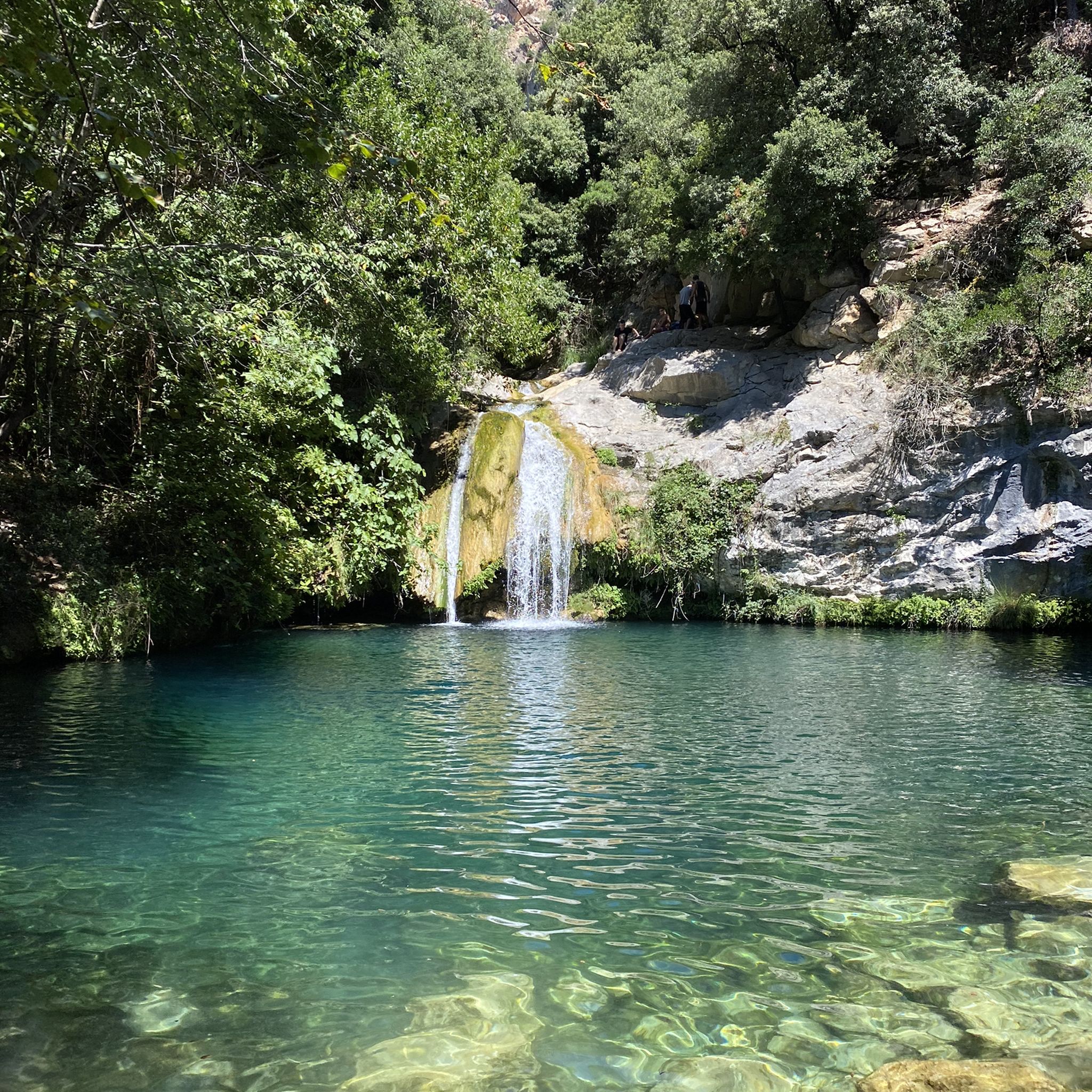
MTB Trails around Alta Garrotxa-Massís de les Salines
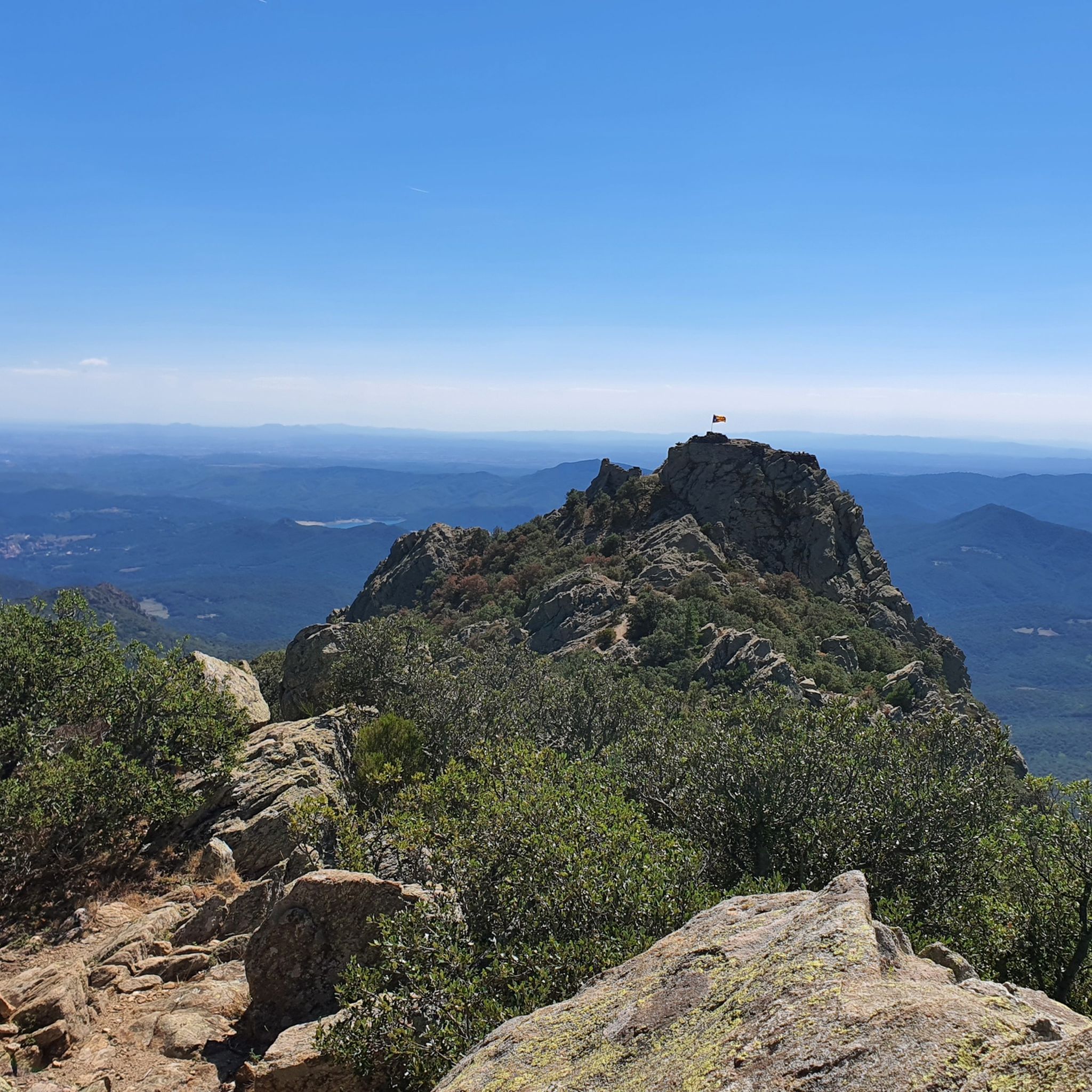
Hiking around Alta Garrotxa-Massís de les Salines
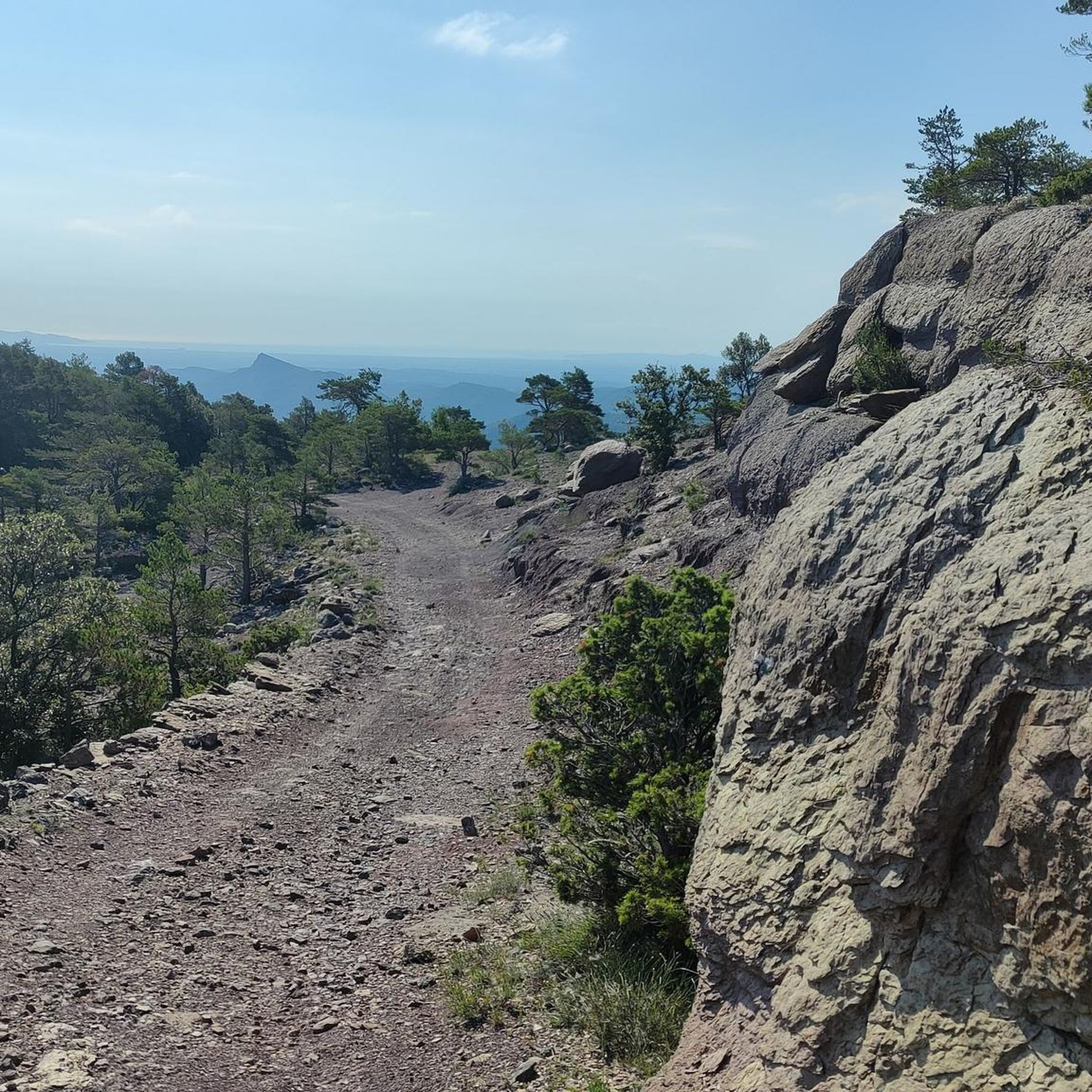
Cycling around Alta Garrotxa-Massís de les Salines
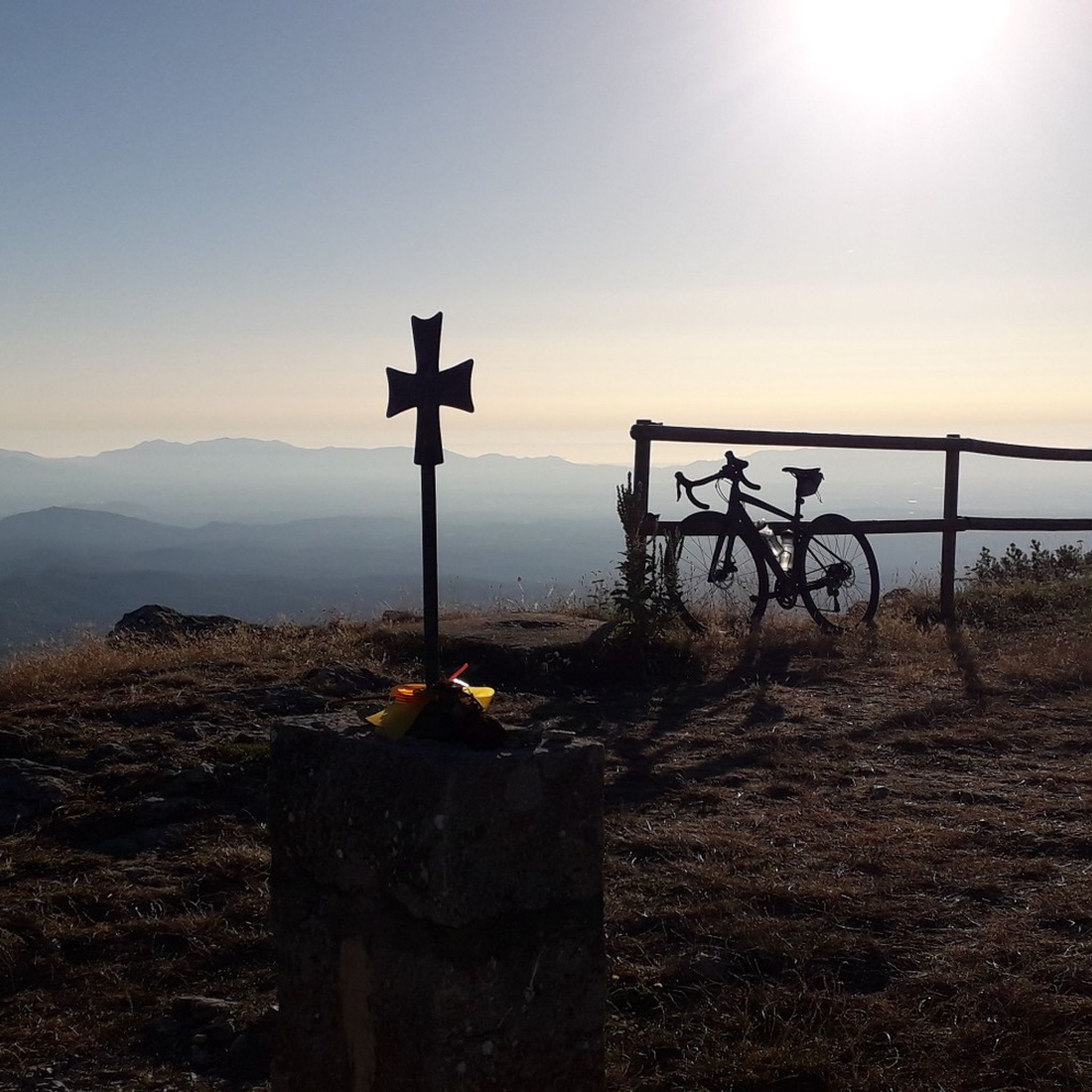
Road Cycling Routes around Alta Garrotxa-Massís de les Salines
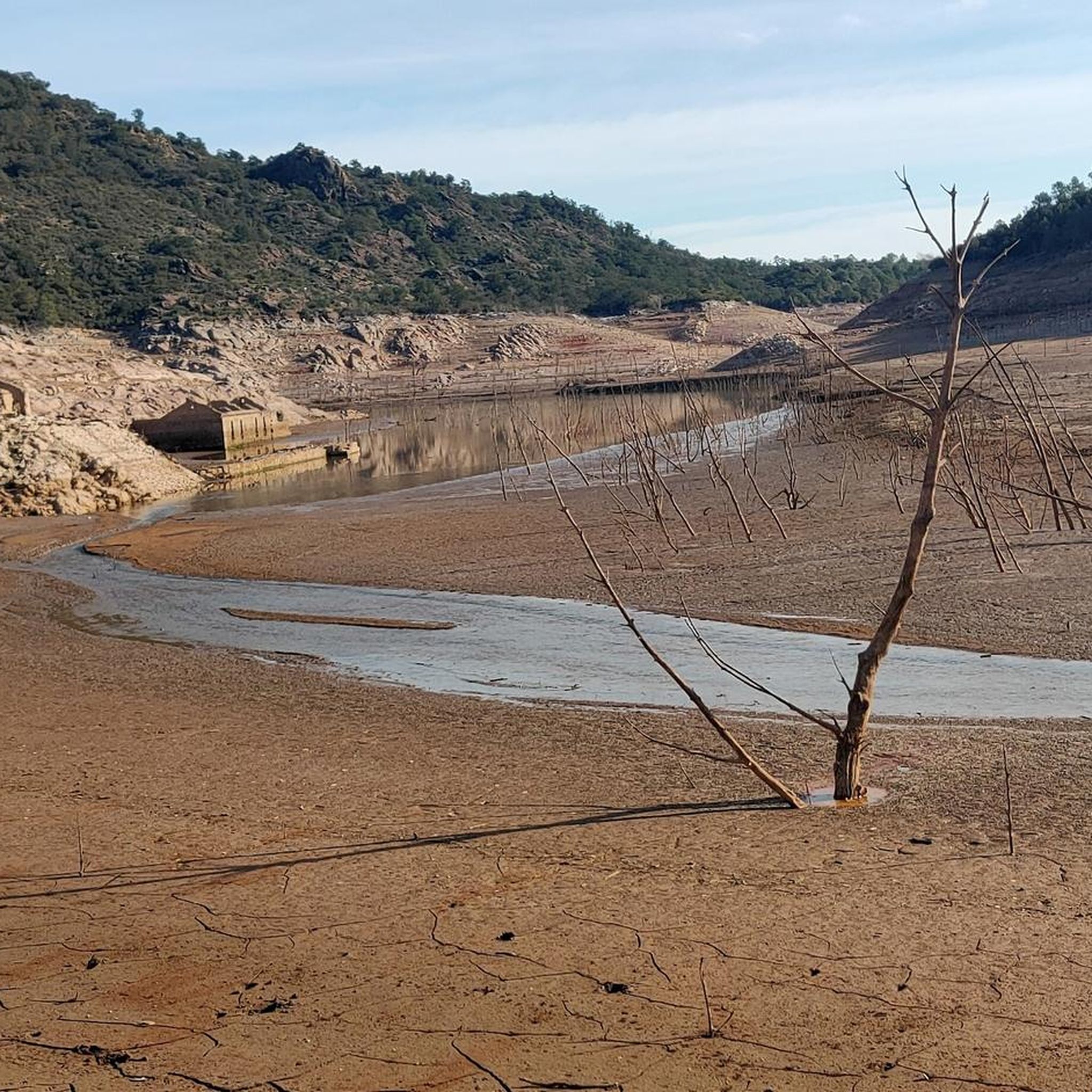
Running Trails around Alta Garrotxa-Massís de les Salines

Gravel biking around Alta Garrotxa-Massís de les Salines
Mountain Hikes around Alta Garrotxa-Massís de les Salines
Other adventures around Alta Garrotxa-Massís de les Salines


Tips from the Community

You can't just drive to Sadernes and park at the moment. You need a QR code to reserve a parking space. You can download this in advance via a website or at a checkpoint on one of the access roads. The cost was 6 euros. The best thing is to do it in advance, because the first time we came in the weekend everything was already occupied and we had to go back.
1
0

Fantastic gorges that today have enough water to immerse yourself in with your whole body. Today I was the only one who swam in them, but it was a "tasty" after almost 50 km and 1400 meters of elevation gain.
1
0

The dirt road connects with the asphalt. They are both very handsome on bikes but tough. To get to this place, the two paths are both a long and hard climb.
2
0

Medieval bridge with a single large semicircular arch. It crosses the Sant Aniol river. It was an obligatory passage for smugglers, charcoal burners and traders. The bridge is located at the access to the Sant Aniol d'Aguja route and the Valencian path that leads to Sales de Llierca.
0
0

Before reaching the Collada del Fau, if we come from the Castle of Bac de Grillera, we find a quite narrow gap with a path that goes inside and crosses it in its entirety. Inside the crack, almost reaching the end, and in its deepest part, the Pou del Fau begins by means of a ramp with a slight slope and covered by plant debris. At -7 meters a first well of -17 vertical meters begins, very narrow and with some small landing of clastic origin. At the eastern end of the lower floor, depth continues to be gained by another well with a -9 meter drop. From this point, exploration becomes impossible due to the narrowness of the duct. To visit its interior it is necessary to have the appropriate knowledge and equipment.
0
0
The initial course of the Muga River through the forest leaves beautiful pools of water perfect for cooling off in summer and enjoying its precious waters in winter. From the town of Albanyà you can take a walking tour to explore these river areas.
1
1
Excellent viewpoint of the entire valley that the Sant Aniol river sculpts. The pass is a bit aerial although there are some chains that help to overcome it.
1
1

Bathing shoes are recommended, then you can walk up or down the cascades without canyoning equipment.
1
1
Frequently Asked Questions
What are some popular canyoning routes in Alta Garrotxa-Massís de les Salines?
The Alta Garrotxa region offers diverse canyoning experiences. For beginners and families, the Gurn Canyon and Estrets de Sant Aniol Canyon are excellent choices, featuring emerald pools and optional jumps. More experienced adventurers often seek out the Sant Aniol Canyon, known for its spectacular setting and challenging rappels, including the 40-meter Salt de la Capa.
Are there family-friendly canyoning options in Alta Garrotxa-Massís de les Salines?
Yes, several canyons are suitable for families and beginners. The Gurn Canyon in Vall d'en Bas offers a gentle introduction with a 6-meter rappel and optional jumps. Similarly, the Estrets de Sant Aniol Canyon in Sadernes provides beautiful turquoise waters with adaptable rappels and jumps from 2 to 7 meters, making it ideal for a relaxed family outing.
What natural features can I see around the canyons in Alta Garrotxa-Massís de les Salines?
The region is characterized by hidden gorges, natural pools, and sculpted rock formations. You can explore areas like the Gorges of Albanyà, which feature beautiful pools of water from the Muga River. The area is also rich in diverse flora and fauna, making it a well-preserved natural paradise.
What is the best time of year for canyoning in Alta Garrotxa-Massís de les Salines?
The best time for canyoning in this area is typically from late spring to early autumn. During these months, water levels and temperatures are most suitable for enjoying the canyons safely and comfortably.
Do I need permits or reservations for canyoning in Alta Garrotxa-Massís de les Salines?
For certain access points, such as the route to Sant Aniol d’Aguja via Sadernes, you may need to reserve parking. For example, accessing the area near Valentí Bridge often requires a QR code for parking, which can be obtained in advance online or at a checkpoint. It's advisable to check specific requirements for your chosen canyoning route beforehand.
Are there challenging canyoning routes for experienced adventurers?
Absolutely. The Sant Aniol Canyon is a prime example for experienced adventurers. It features nine rappels, including significant descents like the 40-meter Salt de la Capa and the 29-meter Brull jump, along with numerous other jumps. This canyon requires good physical preparation due to its long access and return routes.
What outdoor activities can I do near these canyons?
Beyond canyoning, the Alta Garrotxa-Massís de les Salines region offers a variety of outdoor activities. You can find numerous hiking opportunities, including easy trails like the Gorges of the Muga Trail or the Valentí Bridge – Gorges of the Alt Llierca loop. For more challenging adventures, there are mountain hikes and gravel biking routes. You can explore more options on the Mountain Hikes, Easy Hikes, and Gravel Biking guide pages for the region.
What are some notable viewpoints or landmarks near the canyons?
The region boasts several impressive viewpoints and landmarks. The Valentí Bridge is a medieval bridge offering views of the gorge and serves as an access point to the Sant Aniol d’Aguja route. Another excellent spot is Salt de la Núvia, which provides a panoramic view of the valley carved by the Sant Aniol river.
Are there any unique geological formations to explore?
Yes, the region is known for its unique geological features. Besides the sculpted rock formations within the canyons, you can explore places like the Fau Crevice and Pit. This narrow gap leads to an underground pit, offering a glimpse into the area's challenging subterranean landscapes, though it requires appropriate knowledge and equipment to visit.
What do visitors enjoy most about the canyons in Alta Garrotxa-Massís de les Salines?
Visitors highly appreciate the stunning natural beauty, particularly the emerald and turquoise waters of the natural pools, and the immersive experience of exploring the wild and well-preserved landscapes. The opportunity to cool off in the pristine waters and the variety of routes catering to different skill levels are frequently highlighted. The Gorges of Albanyà, for instance, are praised for their beautiful pools perfect for swimming.
How long do canyoning routes typically take in this region?
The duration of canyoning routes varies significantly based on difficulty and length. Beginner-friendly canyons like Gurn or Estrets de Sant Aniol might take a few hours, including instruction. More challenging routes, such as the Sant Aniol Canyon, can be a full-day commitment, requiring several hours for the descent itself, plus considerable time for access and return routes due to the rugged terrain.
Most popular routes around Alta Garrotxa-Massís de les Salines
Most popular attractions around Alta Garrotxa-Massís de les Salines

Get inspired with the komoot mobile app


Explore more
Already discovered everything in this region? See additional gorges around Alta Garrotxa-Massís de les Salines for your next adventure:
