Monumento natural del Monte Santiago
Monumento natural del Monte Santiago
The 5 Most Amazing Peaks around Monumento natural del Monte Santiago
Best mountain peaks around Monumento natural del Monte Santiago are found in the northeastern part of Burgos province, featuring the impressive cliffs of Sierra Salvada and a unique "cuesta" relief. This natural monument is characterized by its karstic landscape, diverse ecosystems including well-preserved beech forests, and a transition zone between Atlantic and Mediterranean climates. The area is a Special Protection Area for Birds, home to numerous birds of prey, and offers varied terrain for exploration. It provides opportunities to observe…
Last updated: July 12, 2026
Views of Pico del Fraile
Highlight • Summit
Translated by Google •
Tip by

Txarlazo
Highlight • Summit
Translated by Google •
Tip by

Sign up now to discover places like this
Get recommendations on the best single tracks, peaks, & plenty of other exciting outdoor places.
Sign up for free
Esquina de Rubén Viewpoint
Highlight • Viewpoint
Translated by Google •
Tip by

Angoño
Highlight • Viewpoint
Translated by Google •
Tip by
Mojón Alto
Highlight • Summit
Translated by Google •
Tip by

Start today with a free account
Your next adventure awaits.
Login or Signup
Popular around Monumento natural del Monte Santiago
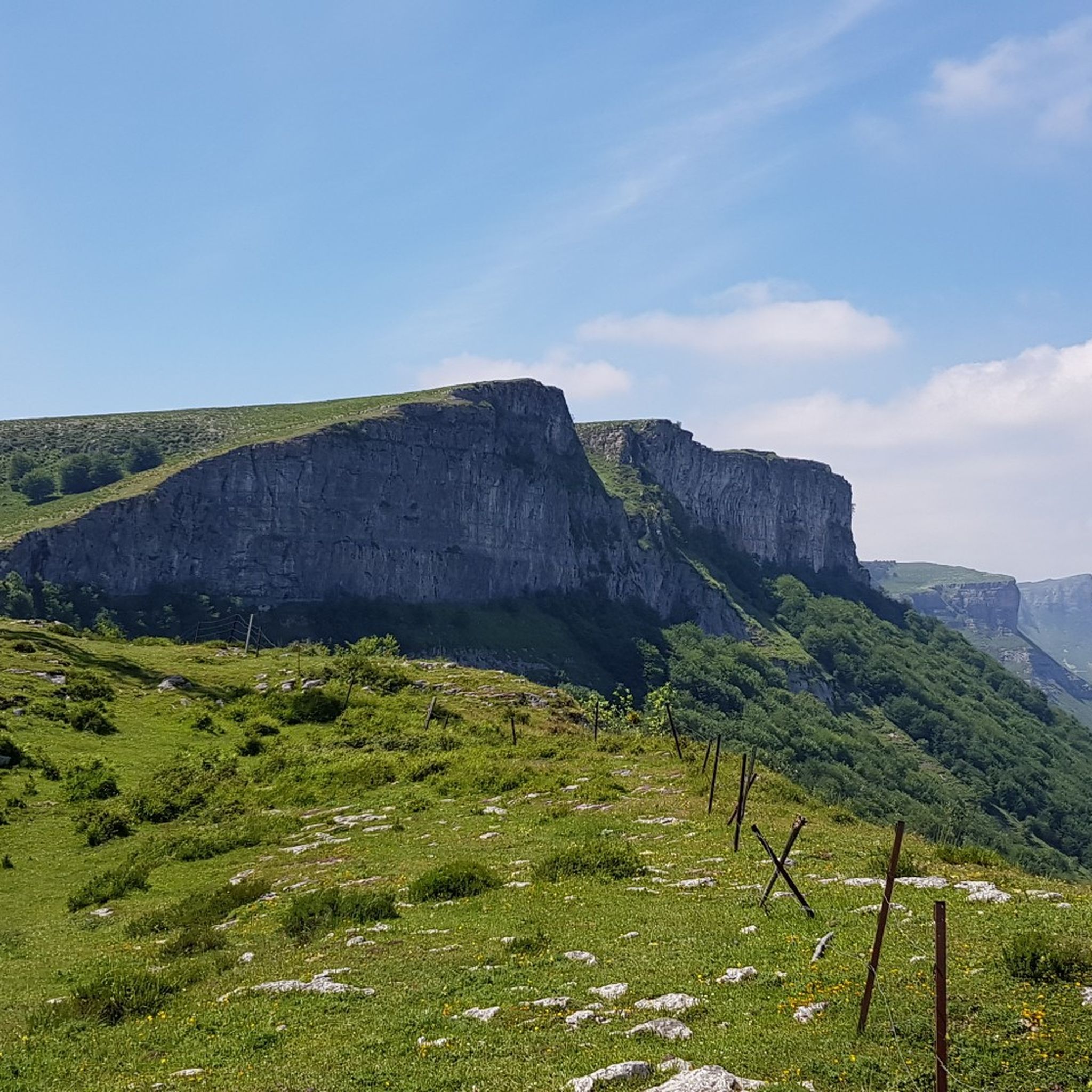
Hiking around Monumento natural del Monte Santiago
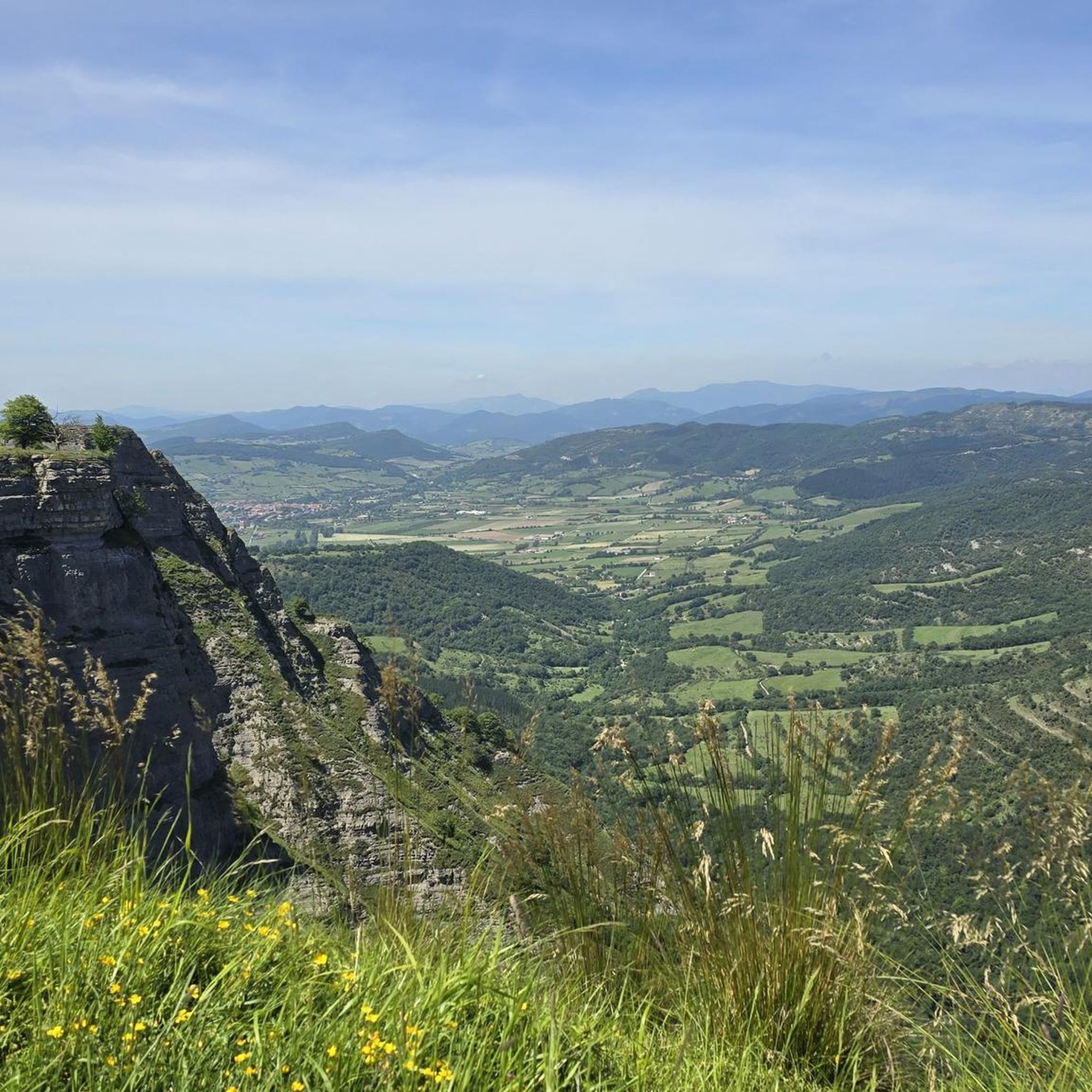
Running Trails around Monumento natural del Monte Santiago
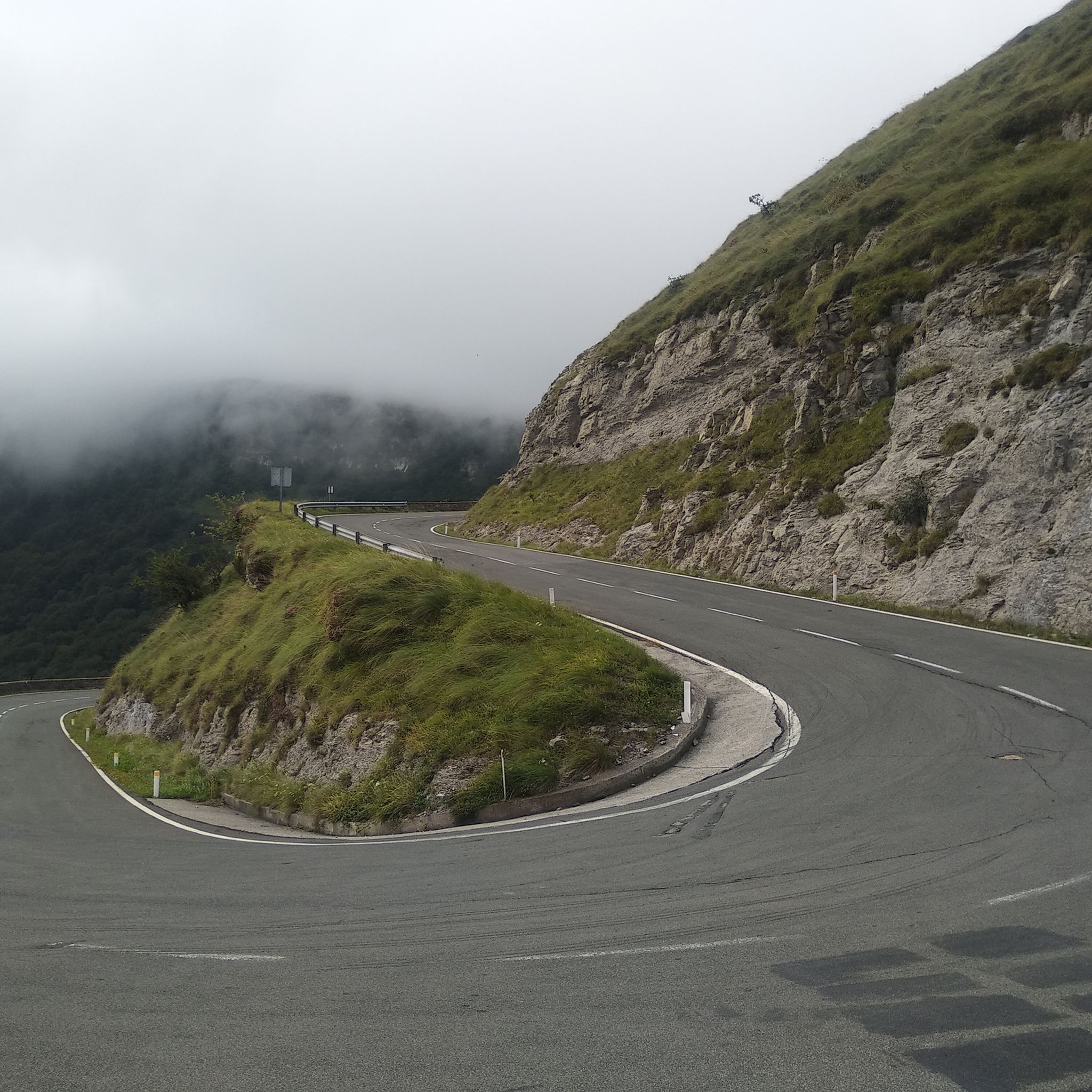
Road Cycling Routes around Monumento natural del Monte Santiago
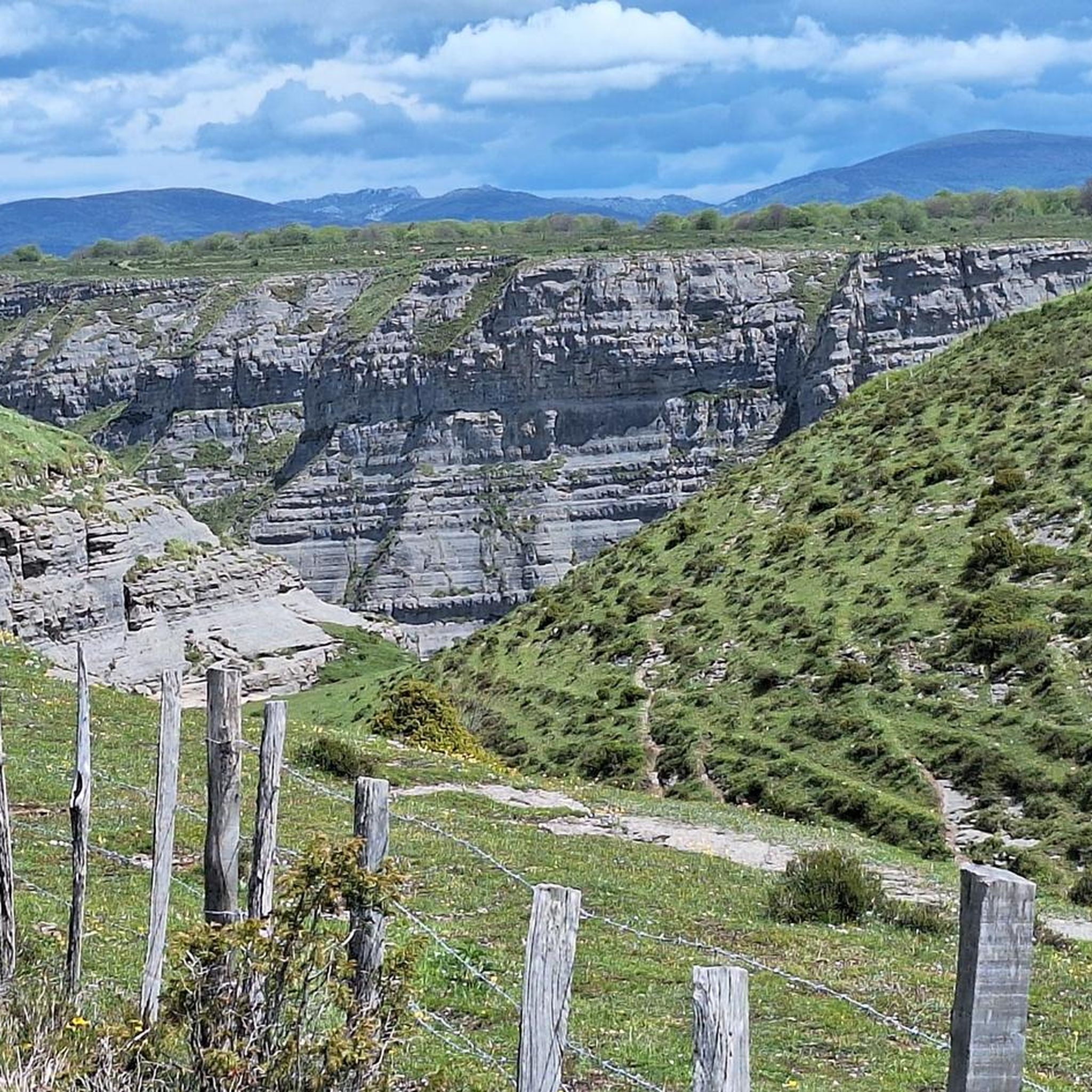
MTB Trails around Monumento natural del Monte Santiago
Cycling around Monumento natural del Monte Santiago

Gravel biking around Monumento natural del Monte Santiago
Tips from the Community

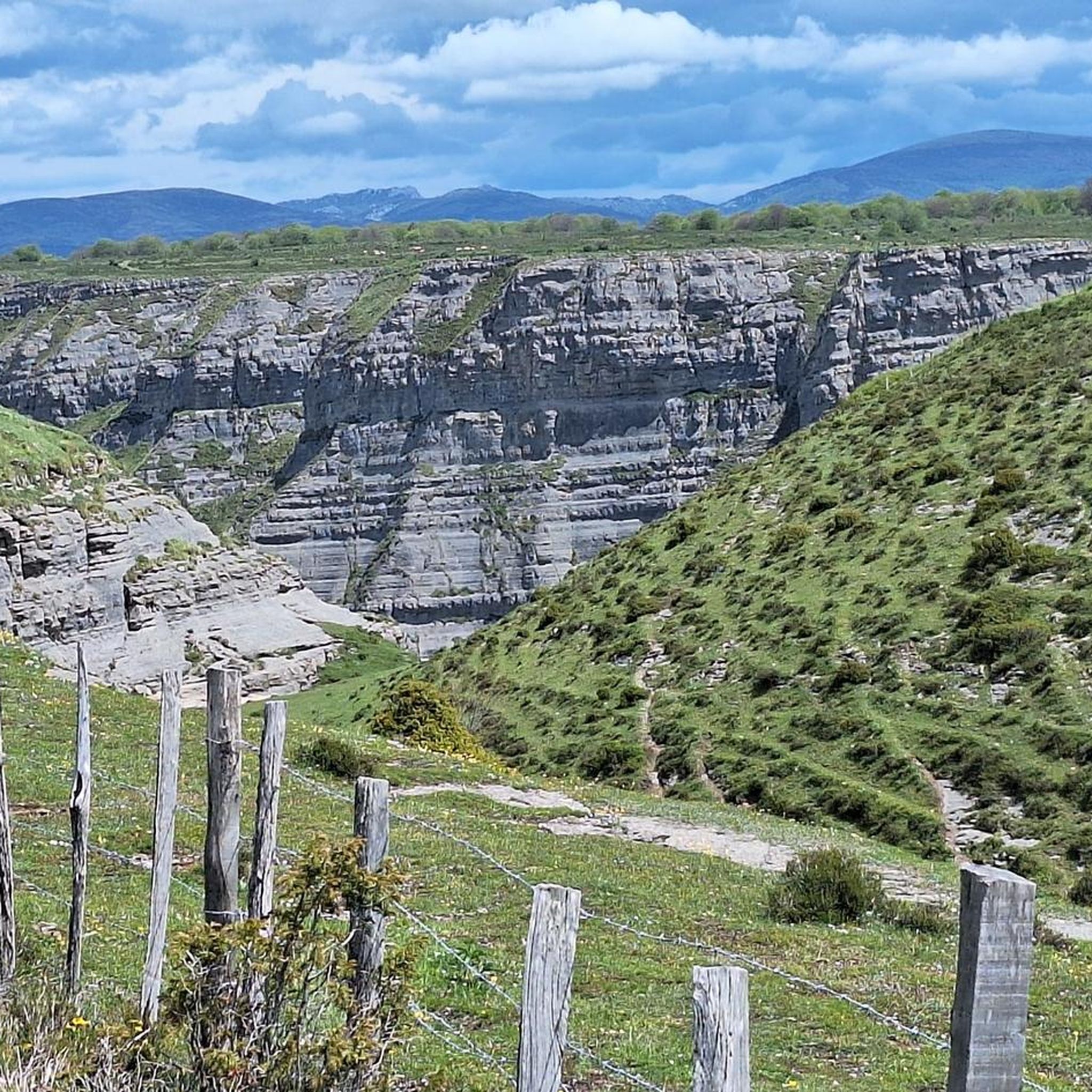
Views of the valley where the Nervión River runs on its way to Bilbao, with Orduña in the background.
1
0


very beautiful view here
9
0
Pico del Fraile (864 m) is a mountain in the Cordillera. There is a path to the top. The nearest mountain refuge is Refugio del Tolope, located 1,037 m/3,402 ft NNW from the summit.
3
0

A great viewpoint to see the entire cliff and the valley. And it is also the top of Mount Santiago.
3
0

The Esquina de Rubén viewpoint offers spectacular views of the karstic landscapes that make up the natural monument of Mount Santiago. It is very close to the Nervión waterfall.
2
0

This rocky peak is vertical on all its flanks, which makes it necessary to use leather straps during the ascent. It was first climbed in 1924 by Ángel Sopeña, precursor of climbing in the Basque Country. Its name comes from its resemblance to the figure of an abbot.
5
0

Summit located at an altitude of 1,078 meters on the border between Casitlla y León and the Basque Country, in the Sierra Sálvada. From the top you can see the characteristic relief of the mountain range with a very peculiar structure created by the steep slopes of the north.
1
0
Frequently Asked Questions
Which mountain peaks offer the best panoramic views in Monumento Natural del Monte Santiago?
For expansive vistas, consider visiting Txarlazo, which is an emblematic place with a hermitage and offers impressive views. Another excellent spot is Esquina de Rubén Viewpoint, located at the top of Mount Santiago, providing spectacular views of the entire cliff, the valley, and the karstic landscapes. Mojón Alto, at 1,078 meters, also provides characteristic views of the Sierra Salvada.
Are there any historically significant or unique mountain peaks in the area?
Yes, Views of Pico del Fraile is particularly unique. This rocky peak is vertical on all its flanks and its name comes from its resemblance to the figure of an abbot. It was first climbed in 1924 by Ángel Sopeña, a pioneer of climbing in the Basque Country, and requires special equipment for ascent. The area also features ancient wolf traps, adding a historical dimension to the natural environment.
What kind of natural features can I expect to see when visiting the peaks?
The peaks around Monumento Natural del Monte Santiago offer a diverse range of natural features. You'll encounter the dramatic cliffs of Sierra Salvada, a unique 'cuesta' relief, and extensive karstic landscapes with caves and sinkholes. The region is also known for its well-preserved beech forests, especially around the Salto del Nervión, and a transition zone between Atlantic and Mediterranean climates, leading to varied vegetation including holm oaks and gall oaks.
What wildlife can be observed around the mountain peaks?
Monumento Natural del Monte Santiago is a Special Protection Area for Birds (ZEPA) and a Site of Community Importance (LIC), making it excellent for birdwatching. You can spot numerous birds of prey like griffon vultures, peregrine falcons, and golden and short-toed eagles nesting in the Nervión Canyon. Forest birds are also abundant, and mammals such as foxes, badgers, wild boars, and roe deer inhabit the area.
Are there challenging climbs or hikes for experienced mountaineers?
Yes, for experienced mountaineers, the ascent to Views of Pico del Fraile presents a significant challenge due to its vertical flanks, historically requiring specialized gear like leather straps. While specific routes for other peaks aren't detailed, the general terrain of the Sierra Salvada and its karstic features can offer demanding hiking experiences.
What are the best hiking options near the mountain peaks?
There are various hiking options available. For easy walks, you can explore routes like the 'Salto del Nervión Viewpoint – Santiago Spring loop' or the 'Santiago Spring loop'. These are part of the Easy hikes around Monumento natural del Monte Santiago guide. For more moderate or difficult trails, you can find options within the broader hiking network of the natural monument.
Can I find mountain biking trails in the Monumento Natural del Monte Santiago area?
Absolutely. The region offers several mountain biking trails. You can find routes like the 'Mirador del Salto del Nervion – Viewpoint loop' or the 'Salto del Nervión Viewpoint – Esquina de Rubén Viewpoint loop'. More challenging options include the 'Ungino Summit and Rock Arch – Ungino Spring loop'. Discover these and more in the MTB Trails around Monumento natural del Monte Santiago guide.
Are there road cycling routes available near the mountain peaks?
Yes, road cyclists can enjoy the scenic routes around Monumento Natural del Monte Santiago. Options range from easy loops like the 'Monte Santiago – Orduña Historic Town Center loop' to more difficult rides such as the 'Puerto de Orduña – Alto de Peña Angulo loop'. Explore these routes in the Road Cycling Routes around Monumento natural del Monte Santiago guide.
What is the highest point within Monumento Natural del Monte Santiago?
The highest point within the Monumento Natural del Monte Santiago is Alto de los Canales, reaching an elevation of 1,006 meters. This peak offers extensive panoramic views of the surrounding Sierra Salvada and the diverse landscape.
What is the best time of year to visit the mountain peaks in this region?
The Monumento Natural del Monte Santiago experiences a transition between Atlantic and Mediterranean climates. While specific 'best times' can vary based on activity, spring and autumn generally offer pleasant temperatures for hiking and exploring the peaks, with vibrant foliage in autumn and blooming flora in spring. Summer can be warm, and winter may bring colder conditions, especially at higher elevations.
Are there any family-friendly options for exploring the mountain peaks?
While some peaks involve challenging climbs, the broader Monumento Natural del Monte Santiago offers accessible areas and viewpoints suitable for families. Easy hiking trails, such as those leading to the Salto del Nervión Viewpoint, provide opportunities to enjoy the natural beauty without extreme difficulty. Always check specific route details for suitability with children.
What makes Arando peak prominent in the area?
Arando, at 944 meters, is noted for being the most prominent mountain in the area. Its prominence means it stands out significantly from its surroundings, likely offering unobstructed views and a distinct hiking experience. It provides an excellent vantage point to appreciate the diverse ecosystems, including beech forests and areas where birds of prey nest.
Most popular routes around Monumento natural del Monte Santiago
Most popular attractions around Monumento natural del Monte Santiago

Get inspired with the komoot mobile app


Explore more
See even more amazing summits around Monumento natural del Monte Santiago with these guides:
