Top 4 Lakes around National Park Sierra de Hornachuelos
Best lakes around National Park Sierra de Hornachuelos are primarily reservoirs, such as the Embalse de Bembézar and Embalse de Hornachuelos, which are integral to the park's natural landscape. This region, part of the Sierra Morena massif, features deep valleys and steep slopes with preserved Mediterranean vegetation including strawberry trees, oaks, and cork oaks. The park's hydrological network supports diverse flora and fauna, making it a notable area for natural features and wildlife observation.
Best lakes around National Park Sierra…
Last updated: July 12, 2026
Bembézar Dam
Highlight • Lake
Translated by Google •
Tip by

Retortillo Reservoir
Highlight • Lake
Showing Translation
Tip by

Sign up now to discover places like this
Get recommendations on the best single tracks, peaks, & plenty of other exciting outdoor places.
Sign up for free
Hornachuelos Dam
Highlight • Lake
Translated by Google •
Tip by

Bembézar Dam
Highlight • Monument
Translated by Google •
Tip by

Start today with a free account
Your next adventure awaits.
Login or Signup
Popular around National Park Sierra de Hornachuelos
MTB Trails around National Park Sierra de Hornachuelos
Hiking around National Park Sierra de Hornachuelos
Road Cycling Routes around National Park Sierra de Hornachuelos
Cycling around National Park Sierra de Hornachuelos
Running Trails around National Park Sierra de Hornachuelos

Gravel biking around National Park Sierra de Hornachuelos
Tips from the Community

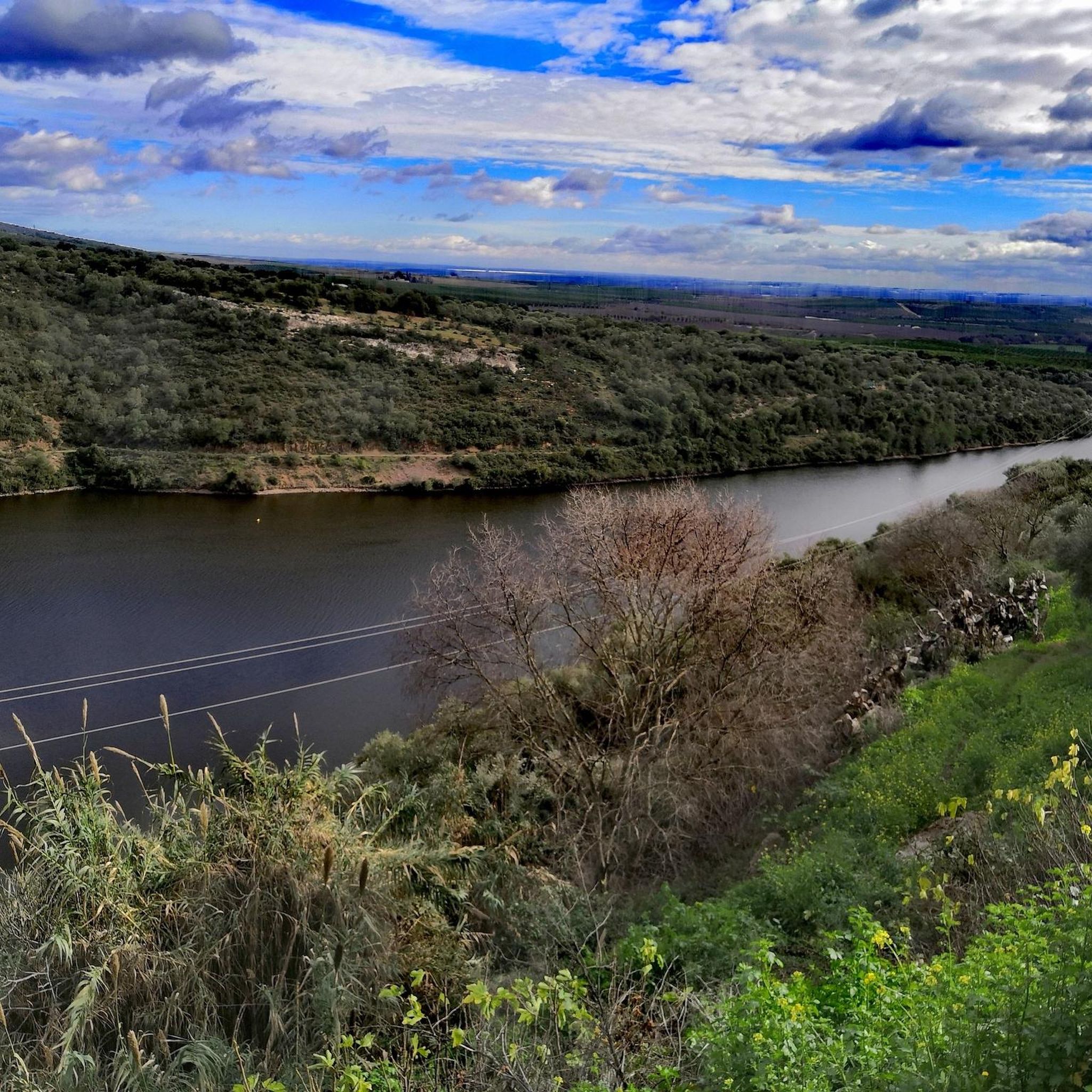
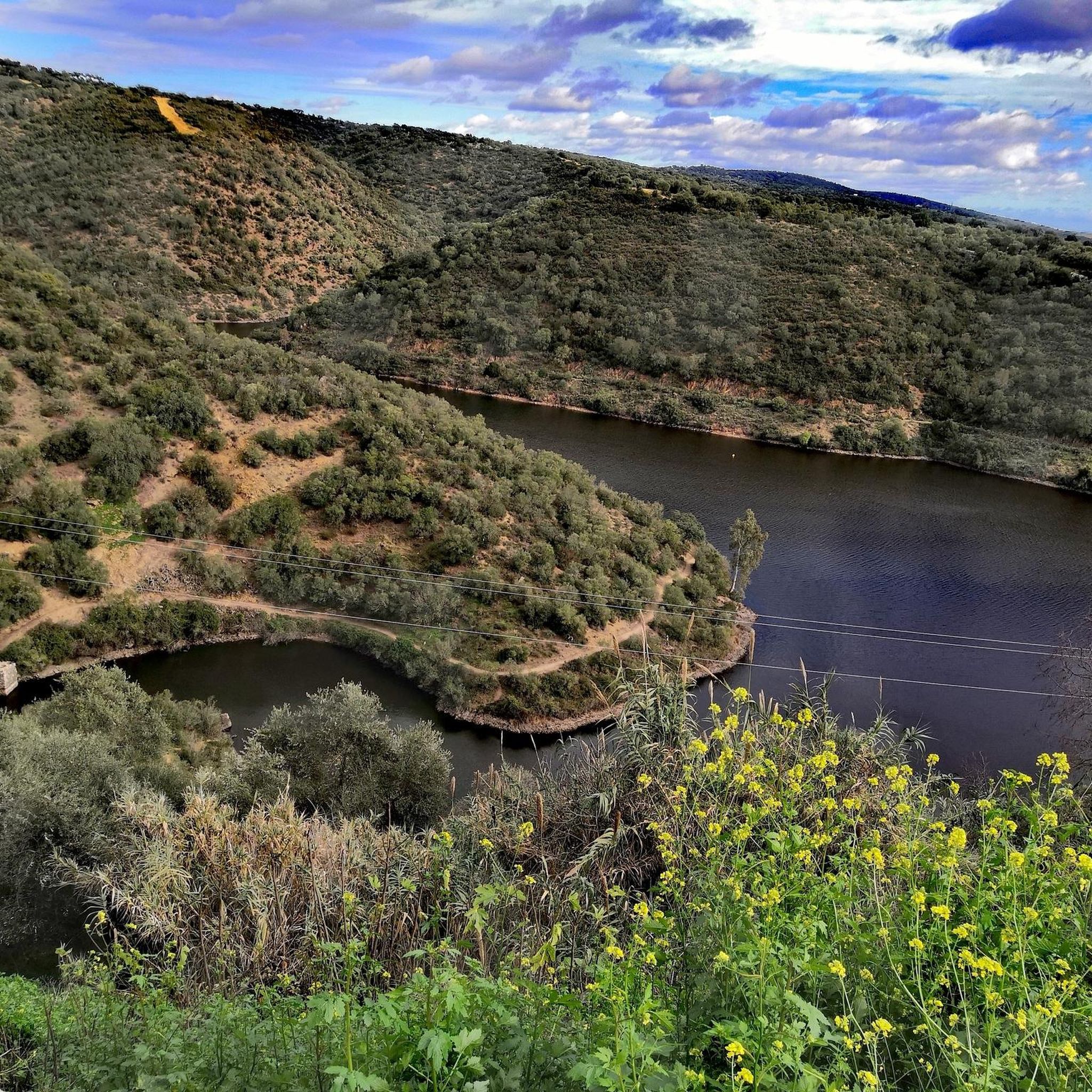
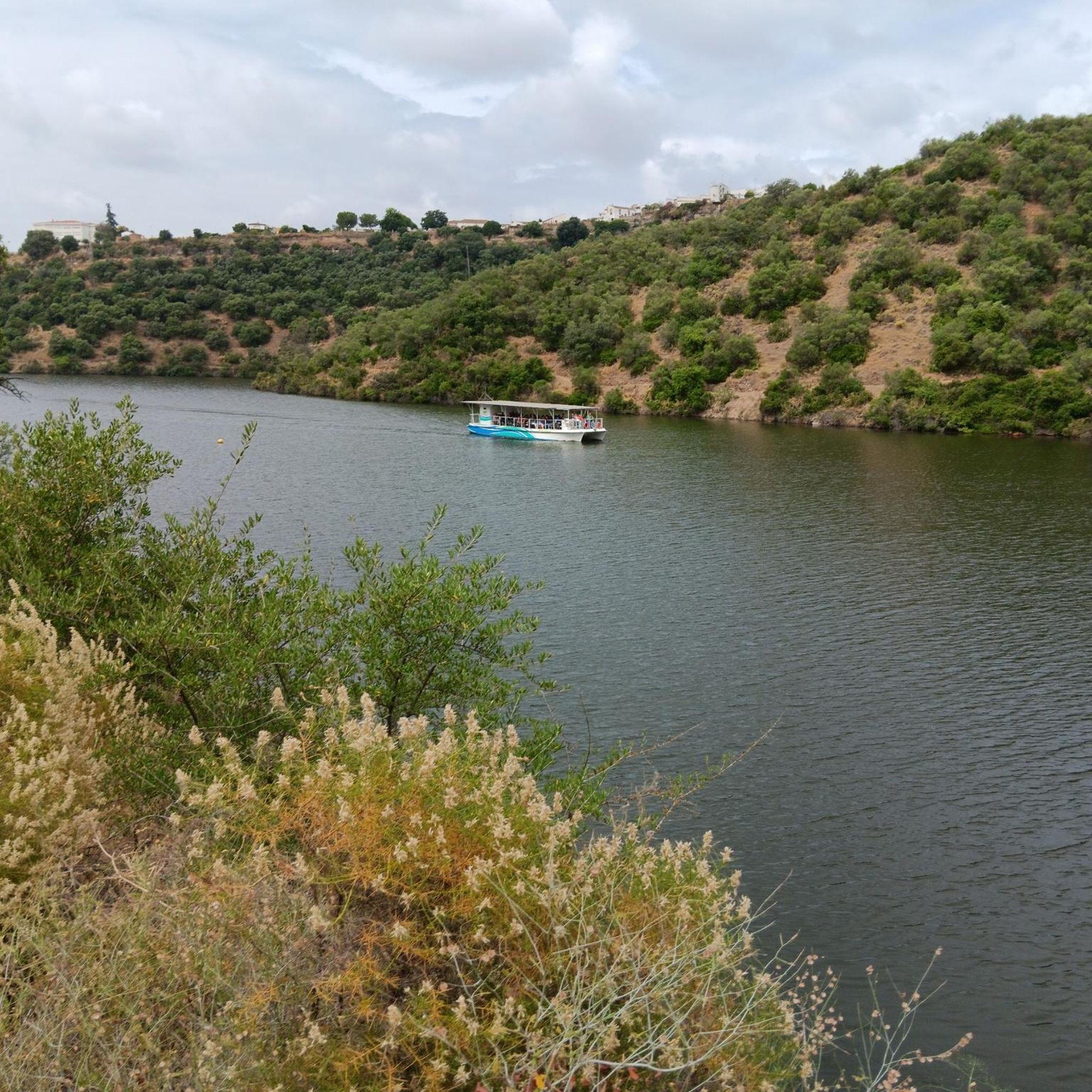
The Bembézar reservoir is a reservoir located in the province of Córdoba in the municipalities of Espiel and Hornachuelos. It began its activities in 1952 and has a capacity of 342.1 hm³ used for the supply of drinking water, electricity generation and irrigation to nearby towns. It is a sinuous and embedded reservoir that occupies the central part of the Sierra de Hornachuelos natural park. It collects the waters of the Bembézar River itself and most of its main tributaries, such as the Névalo and Benajarafe and the Baja, Guazalema, Pajarón and Calderas streams, which annually contribute an average of 204 hm³ of water. The network formed by these rivers and streams has shaped a landscape around this reservoir in which deep valleys predominate, with steep slopes with a scarcity of usable soil for human activity, which has preserved the vegetation: strawberry trees, holm oaks, cork oaks. and mainly gall-oaks and the fauna associated with it, black vultures and griffon vultures, eagles, lynx, genets, wild boars and deer.
0
0

Located between the municipalities of Hornachuelos and Espiel, this reservoir was built in the 50s of the last century. It collects the waters of numerous rivers and streams, among which the Benajarafe and the Névalo stand out, both belonging to the Guadalquivir hydrographic basin.
2
0
Built on the bed of the Retortillo river, this reservoir is located between the Sierra Norte de Sevilla natural park and the Sierra de Hornachuelos natural park, which in turn form part of the Sierra Morena massif.
1
0

The reservoir is located in a unique place. The southwestern part belongs to the Sierra Norte de Sevilla Natural Park and the northeastern part to the Sierra de Hornachuelos Natural Park. It is surrounded by a magnificent Mediterranean forest of holm oaks and cork oaks where it is possible to observe Iberian fauna such as the black vulture, the golden eagle, the black stork, etc.
1
0

Built in 1970, its large watershed is dominated by the typical Mediterranean forest of holm oaks and cork oaks. Here you can see cormorants, herons, and various species of ducks.
0
0
The Hornachuelos Dam is located in the bed of the Bembézar River in the municipality of Hornachuelos, in the province of Córdoba and in the heart of the Sierra de Hornachuelos natural park. If you pass through here, it is worth a stop and contemplate its greatness.
0
1

Fed by the waters of the Retortillo River and built in 1970, the reservoir always creates beautiful contrasts with the landscape of holm oaks and cork oaks and serves as a meeting place for cormorants, herons, and ducks.
1
1
Reservoir fed by the Bembézar river. Privileged place for bird watching.
1
0
Frequently Asked Questions
What kind of wildlife can I expect to see around the lakes in Sierra de Hornachuelos Natural Park?
The lakes and surrounding areas are rich in biodiversity. You can spot various bird species like black vultures, griffon vultures, eagles, cormorants, and herons. The Retortillo Reservoir, in particular, is known for cormorants and herons, and the wider area hosts black vultures, golden eagles, and black storks. Otters can also be found in the reservoirs and rivers, and the forests are home to Iberian lynx, genets, wild boars, and deer.
Are there specific areas for bird watching near the lakes?
Yes, the Bembézar Dam is considered a privileged place for bird watching. The Retortillo Reservoir also offers excellent opportunities to observe cormorants, herons, and various duck species, as well as larger raptors like black vultures and golden eagles.
What outdoor activities can I do near the lakes in Sierra de Hornachuelos Natural Park?
Beyond enjoying the scenic views, you can engage in various outdoor activities. Kayaking is possible on the Embalse de Bembézar, with some local adventure parks offering rentals and even a zip line. For land-based activities, there are numerous routes for hiking, running, and gravel biking. You can find detailed routes in the komoot guides for Hiking around National Park Sierra de Hornachuelos, Running Trails around National Park Sierra de Hornachuelos, and Gravel biking around National Park Sierra de Hornachuelos.
Are there hiking trails around the lakes?
Yes, several hiking trails are available. The "Sendero del Bembézar" is an easy 13 km linear route that follows the Bembézar river, connecting the Embalse de Hornachuelos to the Embalse de Bembézar. This trail passes by the historic 15th-century Seminario de Los Ángeles. You can explore more options in the Hiking around National Park Sierra de Hornachuelos guide, which includes routes like the "Sierra de Hornachuelos – circular to the mirador del Santuario de los Ángeles" and "Molino de la Paloma loop".
What are the natural features surrounding the lakes?
The lakes are nestled within deep valleys and steep, green slopes, characteristic of the Sierra Morena massif. The preserved vegetation includes strawberry trees, oaks, cork oaks, and scrubland. This Mediterranean forest environment contributes to the breathtaking landscape and supports the diverse flora and fauna of the region.
Are there any family-friendly activities near the lakes?
Many of the lakes, including the Bembézar Dam and Hornachuelos Dam, are marked as family-friendly. The easy "Sendero del Bembézar" hiking trail is suitable for families. Additionally, the Embalse de Bembézar sometimes offers solar boat excursions and kayak rentals, and a local adventure park provides a zip line, which can be fun for families.
What is the best time of year to visit the lakes in Sierra de Hornachuelos?
While specific seasonal recommendations can vary, spring and autumn generally offer the most pleasant weather for outdoor activities like hiking and wildlife observation. The temperatures are milder, and the natural landscape is vibrant. Summers can be very hot, which might limit daytime activities, while winters are cooler but still suitable for exploring.
Can I go kayaking or do other water sports on the lakes?
Yes, the Embalse de Bembézar is suitable for kayaking. Visitors can launch kayaks from a small parking lot, and there are sometimes options for kayak rentals. A local adventure park also offers a zip line that crosses part of the lake, providing a unique water-based experience.
What historical sites are near the lakes?
While the dams themselves are significant man-made structures, the area also holds historical interest. The "Sendero del Bembézar" hiking route passes by the 15th-century Seminario de Los Ángeles, which features historic terraces and caves, offering a glimpse into the region's past.
What do visitors enjoy most about the lakes in National Park Sierra de Hornachuelos?
Visitors particularly appreciate the stunning natural scenery, the rich biodiversity, and the peaceful atmosphere. The opportunity for bird watching, especially at the Bembézar Dam and Retortillo Reservoir, is a major draw. The preserved Mediterranean forests and the deep valleys create a breathtaking backdrop for outdoor activities and relaxation.
Are there any viewpoints offering panoramic views of the lakes?
Yes, the lakes are situated in picturesque settings that naturally offer scenic views. Both the Bembézar Dam and Hornachuelos Dam are noted for their beautiful surroundings, providing excellent spots to take in the grandeur of the reservoirs and the surrounding natural park.
Most popular routes around National Park Sierra de Hornachuelos
Most popular attractions around National Park Sierra de Hornachuelos

Get inspired with the komoot mobile app


Explore more
Still not found your perfect lake around National Park Sierra de Hornachuelos? Check out the guides of these regions to see even more beautiful places.
