Top 5 Caves around Parc de Collserola
Best caves around Parc de Collserola are found within Barcelona's expansive "green lung," a natural park characterized by diverse landscapes. The park features a blend of natural geology and historical or archaeological interest, offering insights into past human activity. It is known for its varied terrain, including significant Paleozoic granite blocks and rocky outcrops. These formations have created unique cave-like structures and shelters that have been utilized throughout history.
Best caves around Parc de Collserola
- The most popular caves is Turó de Montcada i Reixac, a summit that offers impressive 360-degree panoramic views. This mountain, part of the Serra de Collserola Natural Park, contains very beautiful caves if explored carefully.
- Another must-see spot is The Cave Near Can Coll, a cave located on the side of a trail. This curious place has both an entrance and an exit, making it a popular spot for visitors on a nice trail.
- Visitors also love Mina Grott, an intermediate cave and historical site. This tunnel, nearly 1.5 kilometers long, was originally constructed to transport water from the Pantano de Vallvidrera to Sarrià.
- Parc de Collserola is known for natural caves, historical mines, and geological shelters. These include formations like the Hospital de Sang, a natural tunnel, and the Cave of the Frog, a geological formation with archaeological findings.
- The caves around Parc de Collserola are appreciated by the komoot community, with more than 20 upvotes and 15 photos shared by users.
Last updated: June 28, 2026
Juanita Mine
Highlight • Cave
Translated by Google •
Tip by

Mina Grott
Highlight • Cave
Translated by Google •
Tip by

Sign up now to discover places like this
Get recommendations on the best single tracks, peaks, & plenty of other exciting outdoor places.
Sign up for free
The Cave Near Can Coll
Highlight • Cave
Translated by Google •
Tip by

Start today with a free account
Your next adventure awaits.
Login or Signup
Popular around Parc de Collserola
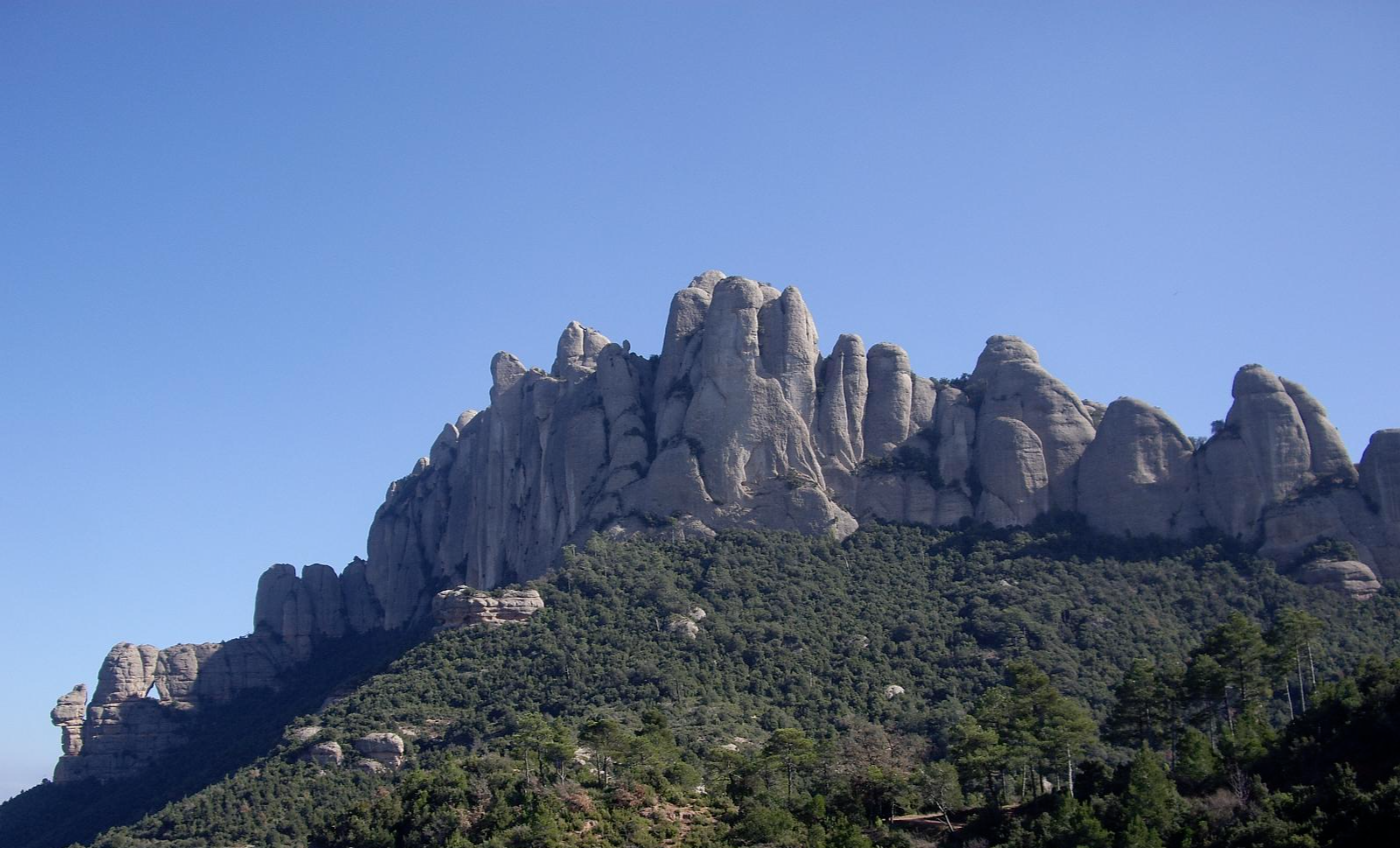
The Pilgrims' Road to Montserrat - GR 96
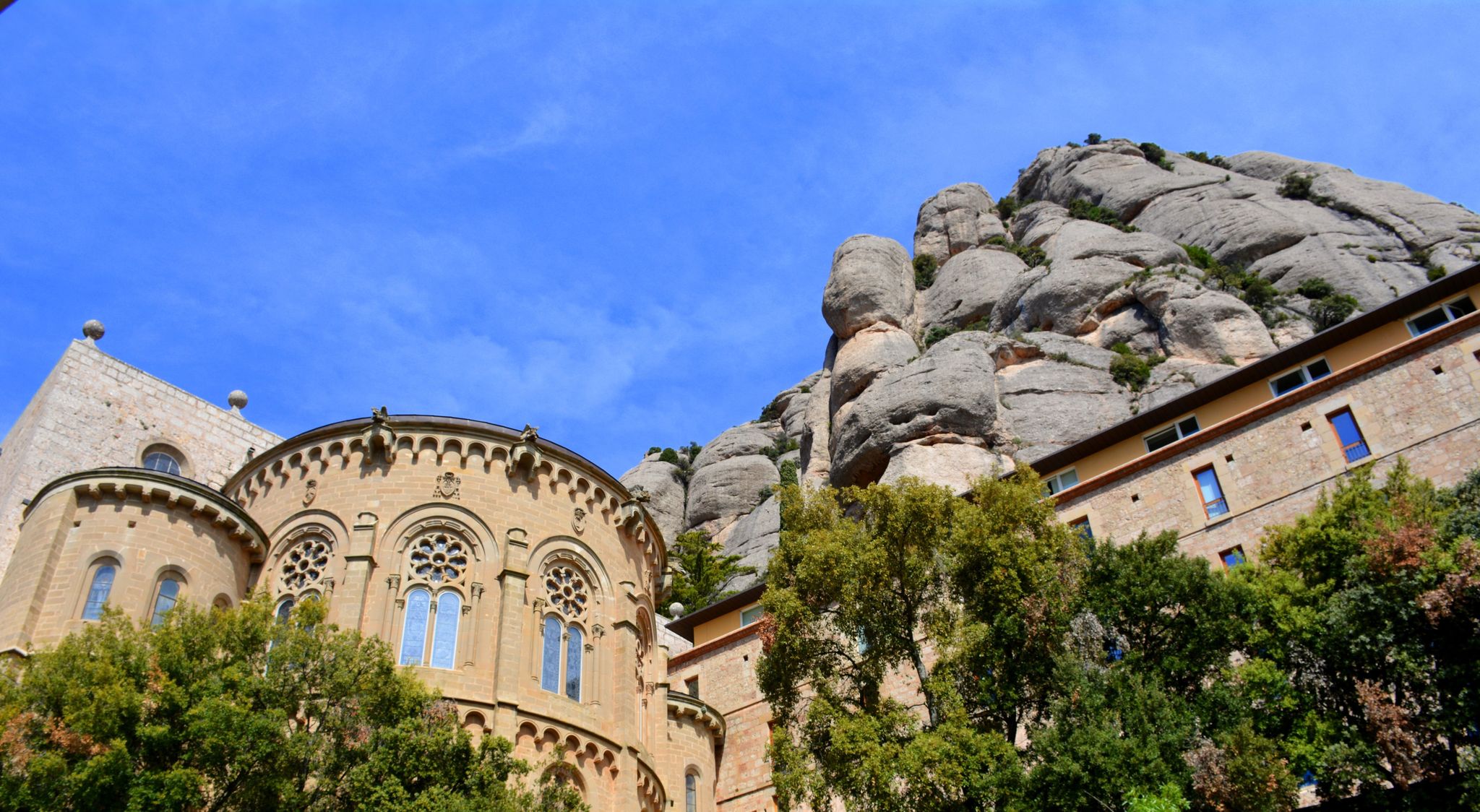
From the city to the forests – Camí Romeu de Montserrat (GR 96)
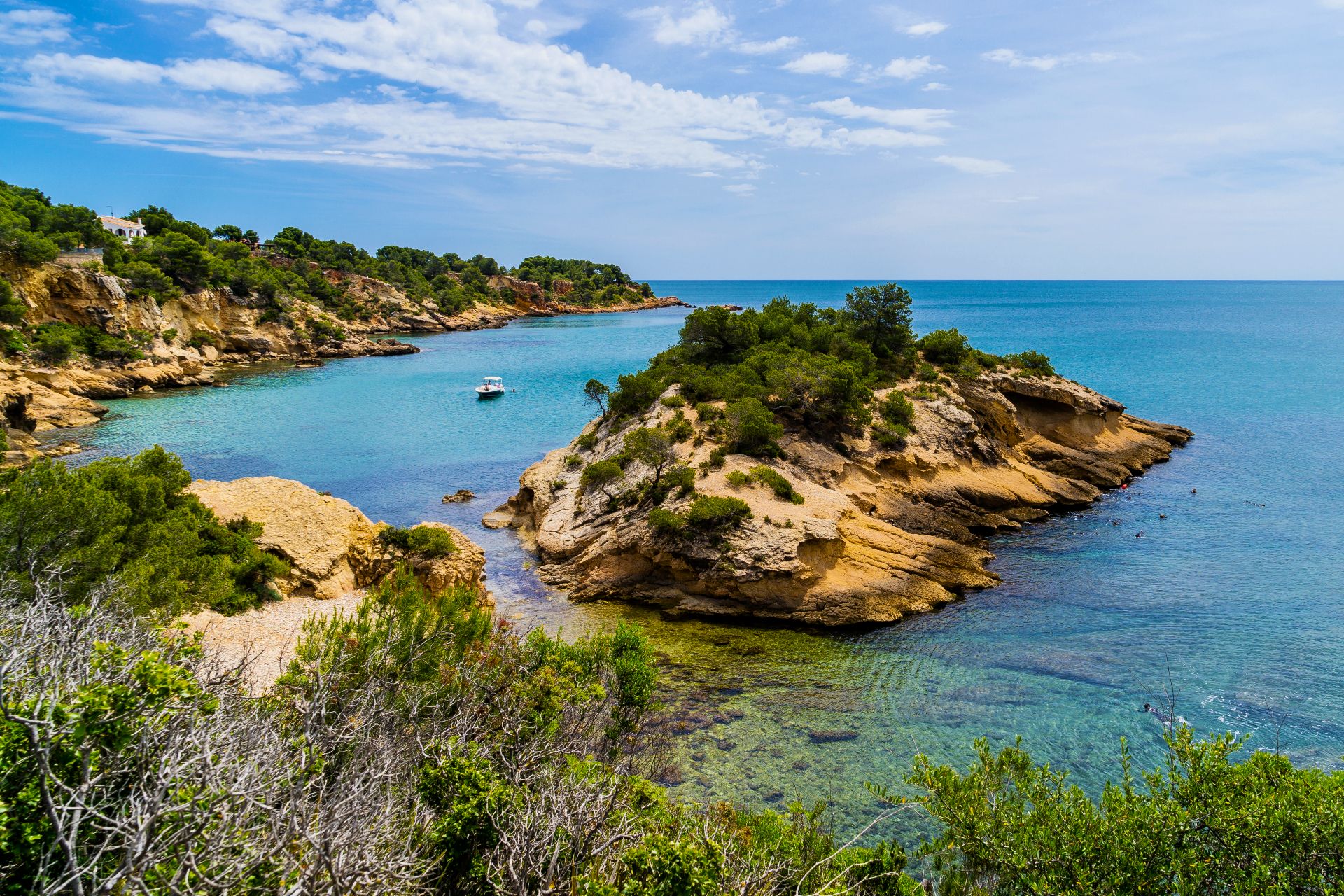
The Catalan coast on foot – Mediterranean Path (GR 92)
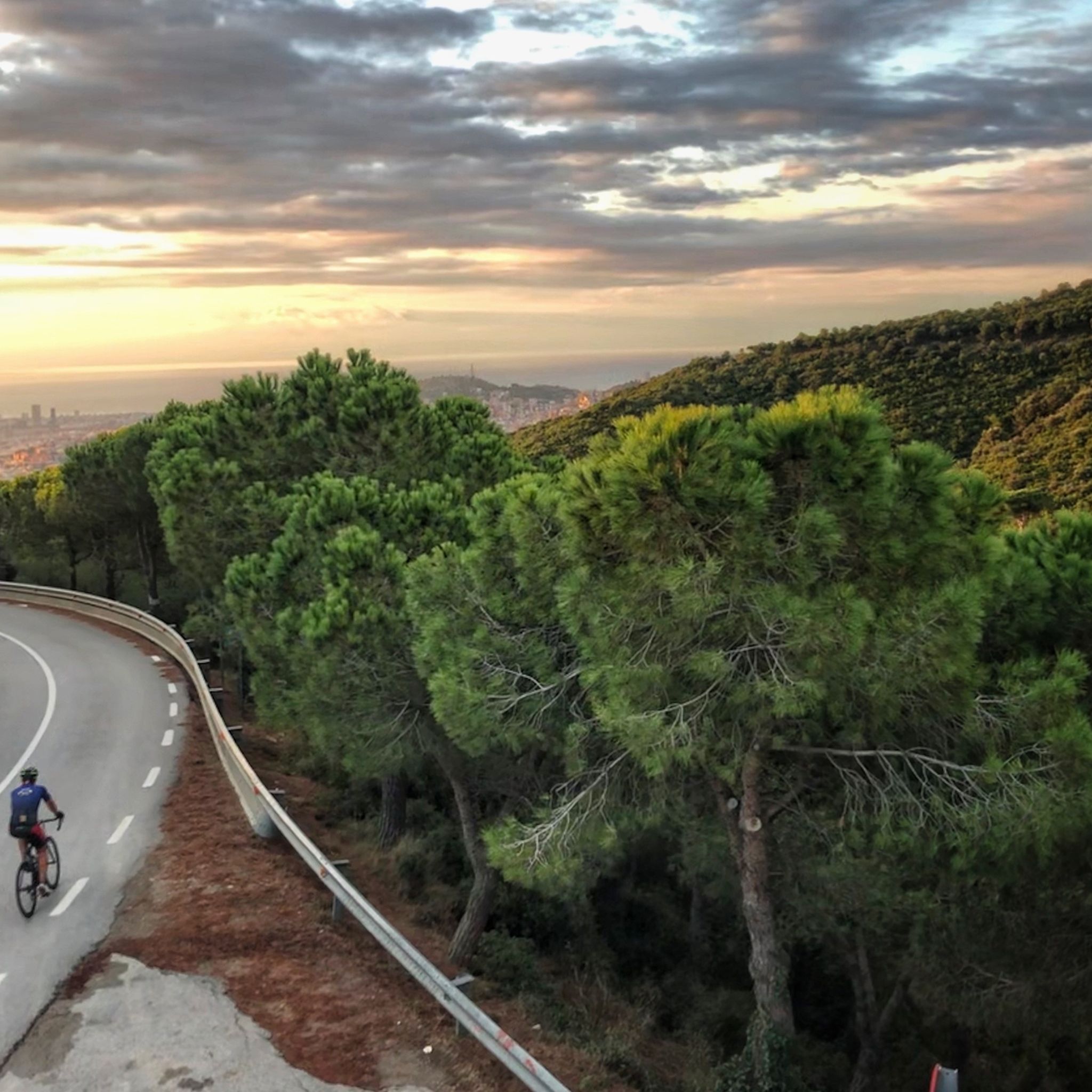
Road Cycling Routes around Parc de Collserola

Hiking around Parc de Collserola
Running Trails around Parc de Collserola
Cycling around Parc de Collserola
MTB Trails around Parc de Collserola

Gravel biking around Parc de Collserola
Other adventures around Parc de Collserola


Tips from the Community

The Grott Mine is a tunnel of almost one and a half kilometers that is located in the Sierra de Collserola. Its construction was to carry water from the Pantano de Vallvidrera to the old municipality of Sarrià.
2
0

A strange cave in the side of the trail. It is a popular place for people to visit on a nice trail near Can Coll. I am not sure if the cave actually goes anywhere but the trail at the right time of the day gets beams of light that are magical.
5
1

According to Sergi Falguera, a collaborator of the Friends of the Geology Museum association, the site began to be exploited in the 17th century, but the most important extractions date back to the 19th and 20th centuries, when it was named Juanita. . It was part of the land of the Masia de Santa Caterina, in the neighborhood of Pedralbes. The mine still has several access tunnels. It is low in water, but it is not drinkable because it carries the acid that is formed from the oxide of minerals
3
0

End station/Exit of an old tunnel built en the early 19C, which was firstly used as the water channel for transporting the reservoir water into the city, then as the end station for the express train taking visitors from the city to the heart of the natural park.
0
0

They are small caves, within the area between Coll del Portell and Carretera de les Aigües, the best access is from the Aigües road and they are also better seen when going to see them, from Coll del Portell you can also go down although the path, being made of very loose slate stone, is more slippery.
6
0
To see these caves, it is better to access from the Les Aigües road, it is more accessible and less dangerous, from the Coll del Portell, it is downhill and the trails are loose stone.
6
0

A curious place that has entrance and exit the cave.
4
0
Frequently Asked Questions
What types of caves can I find in Parc de Collserola?
Parc de Collserola features a mix of natural geological formations and historical man-made structures. You'll find natural tunnels like the Hospital de Sang, geological formations such as the Cave of the Frog formed by granite blocks, and historical mines like Mina Grott, which was originally an aqueduct. There are also natural shelters that were once Neolithic settlements, like Rocs de Sant Magí.
Are there any historical caves or sites in the area?
Yes, several caves in Parc de Collserola have significant historical value. The Hospital de Sang, for instance, was used as a field hospital by the Carlist army in the 19th century. Mina Grott is a historical tunnel built to transport water. The Cave of the Frog has archaeological findings, including prehistoric burials, and the Rocs de Sant Magí site shows evidence of a Neolithic settlement using natural rock shelters.
Which caves are suitable for families?
For families, The Cave Near Can Coll is a popular choice. It's located on the side of a trail and has both an entrance and an exit, making it an interesting and accessible spot. The area around Turó de Montcada i Reixac also offers beautiful caves that can be explored carefully, and the climb to the summit is considered easy and suitable for most.
What is the best time of year to visit the caves in Parc de Collserola?
The caves and the park are generally accessible year-round. Spring and autumn offer pleasant temperatures for exploring, avoiding the heat of summer and potential chill of winter. However, the historical and geological nature of many sites means they can be visited in any season, though some trails leading to them might be more challenging in wet conditions.
Are there hiking routes that include cave exploration?
Yes, many hiking routes in Parc de Collserola can incorporate visits to these caves. For example, The Cave Near Can Coll is directly on a popular trail. Exploring the caves often involves walking through the park's diverse terrain. You can find various hiking routes in the area, including those that pass by natural springs and viewpoints, on the Waterfall hikes around Parc de Collserola guide.
What should I wear when exploring caves in Parc de Collserola?
When exploring the caves, especially those that are more natural or less developed, it's advisable to wear sturdy, closed-toe shoes with good grip. Layers of clothing are recommended as temperatures inside caves can be cooler than outside. For deeper or darker sections, a headlamp or flashlight is essential. Some caves, like the Santa Creu d'Olorda Caves, may require more challenging gear.
Can I bring my dog to the caves in Parc de Collserola?
Parc de Collserola is generally dog-friendly, with many trails allowing dogs. However, specific access rules for individual caves may vary. For natural formations and trails leading to them, dogs are usually permitted, but always keep them on a leash and ensure they are comfortable with the terrain. For deeper or more confined cave sections, it might not be suitable or safe for pets.
What other outdoor activities are available near the caves?
Beyond cave exploration, Parc de Collserola offers a wide range of outdoor activities. You can enjoy extensive hiking and walking trails, mountain biking, and road cycling. For more specific routes, explore the MTB Trails around Parc de Collserola guide or the Cycling around Parc de Collserola guide. The park is also known for its diverse flora and fauna, making it ideal for nature observation.
Are there any challenging cave explorations for experienced visitors?
Yes, for those seeking a more challenging experience, the Santa Creu d'Olorda Caves offer a set of well-known cavities with varying depths and passages, some requiring more advanced exploration. The Juanita Mine is also categorized as challenging, with loose stone trails leading to its small access tunnels.
Where can I find food or drinks near the caves?
Parc de Collserola has several points of interest with amenities. While direct cafes inside or immediately next to the caves are rare, you can find options in nearby villages or at popular park entrances. For instance, areas around Can Coll or Vallvidrera offer places to eat and drink. It's always a good idea to carry water and snacks, especially when venturing into less developed areas of the park.
How long does it typically take to explore these caves?
The time required varies greatly depending on the cave. Smaller, more accessible formations like The Cave Near Can Coll might only take a few minutes to walk through. Larger sites like Mina Grott, a 1.5-kilometer tunnel, or the complex Santa Creu d'Olorda Caves, could take an hour or more to explore thoroughly, not including the time spent hiking to reach them.
What archaeological findings have been made in the caves of Parc de Collserola?
The Cave of the Frog is particularly notable for its archaeological significance. Excavations there have uncovered evidence of prehistoric human activity, including three burials in the upper chamber. These findings included poorly preserved bones, ceramic fragments, a flint knife, an arrowhead, and a diorite plate, providing valuable insights into early human practices in the region.
How can I get to the caves using public transport?
Parc de Collserola is well-connected to Barcelona by public transport. Various FGC train lines and bus routes serve different access points to the park. From these points, you can often find trails leading to the caves. For example, the FGC station Peu del Funicular provides access to trails that can lead to some cave areas. Planning your route with a local transport app is recommended for the most precise directions to specific cave entrances.
Most popular routes around Parc de Collserola
Most popular attractions around Parc de Collserola

Get inspired with the komoot mobile app


Explore more
Extend your search for the best caves by checking out these guides of the top ones around Parc de Collserola:
