Parco naturale regionale delle Prealpi Giulie
Parco naturale regionale delle Prealpi Giulie
Top 5 Gorges around Parco naturale regionale delle Prealpi Giulie
Best canyons around Parco naturale regionale delle Prealpi Giulie are characterized by a rugged landscape carved by water into impressive gorges, waterfalls, and karst formations. This region, at the convergence of Mediterranean, Illyrian, and Alpine biogeographical areas, offers diverse natural features. Visitors can explore crystal-clear waters, rich biodiversity, and dramatic water-sculpted landscapes. The park's geological makeup naturally includes numerous gorges and spectacular waterfalls formed by its waterways.
Best canyons around Parco naturale regionale delle Prealpi Giulie
- The most popular canyons…
Last updated: August 22, 2026
Rio Serai
Highlight • River
Translated by Google •
Tip by

CAI 743 Traverse from Stallo Cuel Lunc Alto to Stallis Stivane
Highlight (Segment) • Trail
Translated by Google •
Tip by

Sign up now to discover places like this
Get recommendations on the best single tracks, peaks, & plenty of other exciting outdoor places.
Sign up for free
Path Through the Rio Resartico Valley
Highlight (Segment) • Trail
Translated by Google •
Tip by

Rio Barman Gorge
Highlight • Gorge
Translated by Google •
Tip by
Start today with a free account
Your next adventure awaits.
Login or Signup
Popular around Parco naturale regionale delle Prealpi Giulie
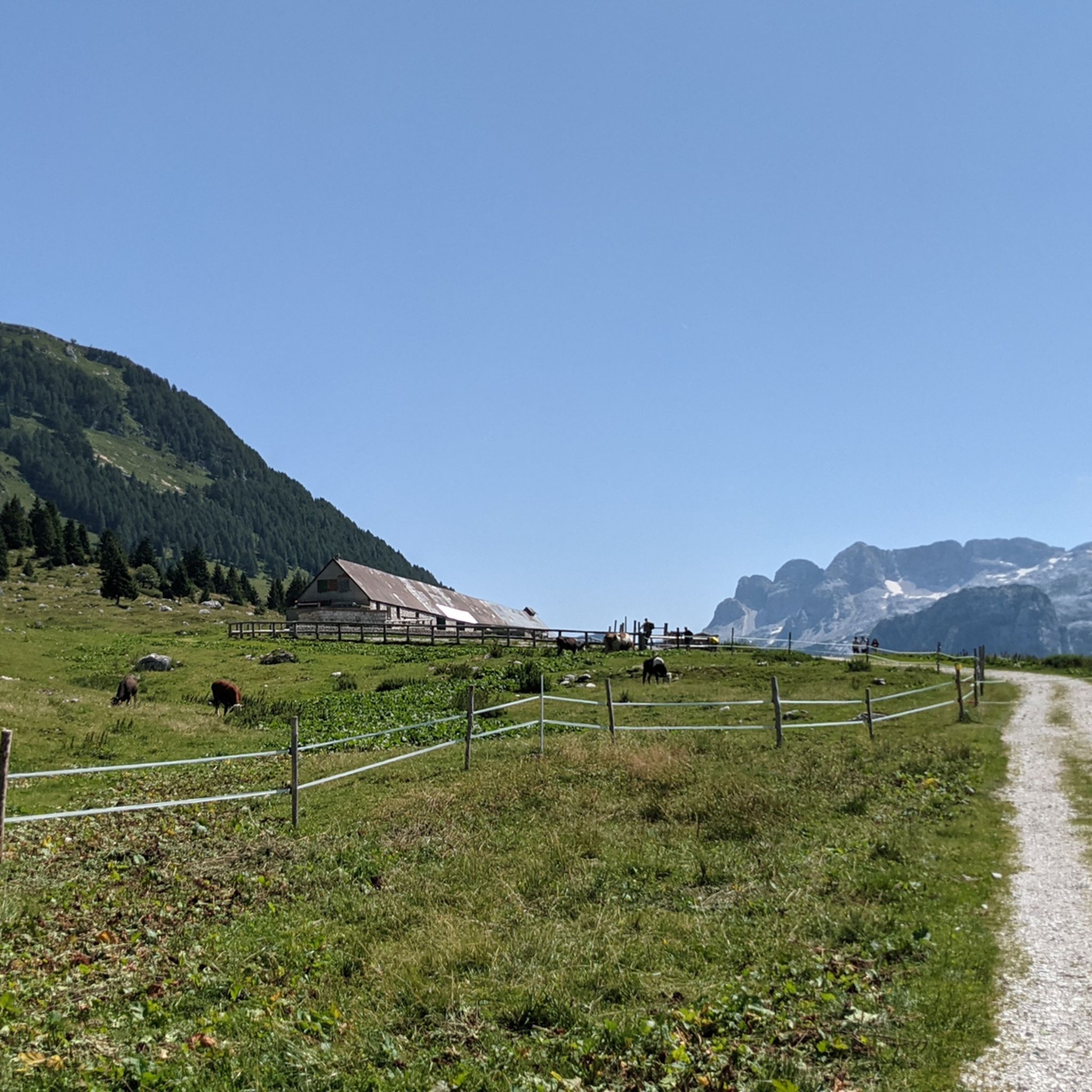
Hiking around Parco naturale regionale delle Prealpi Giulie
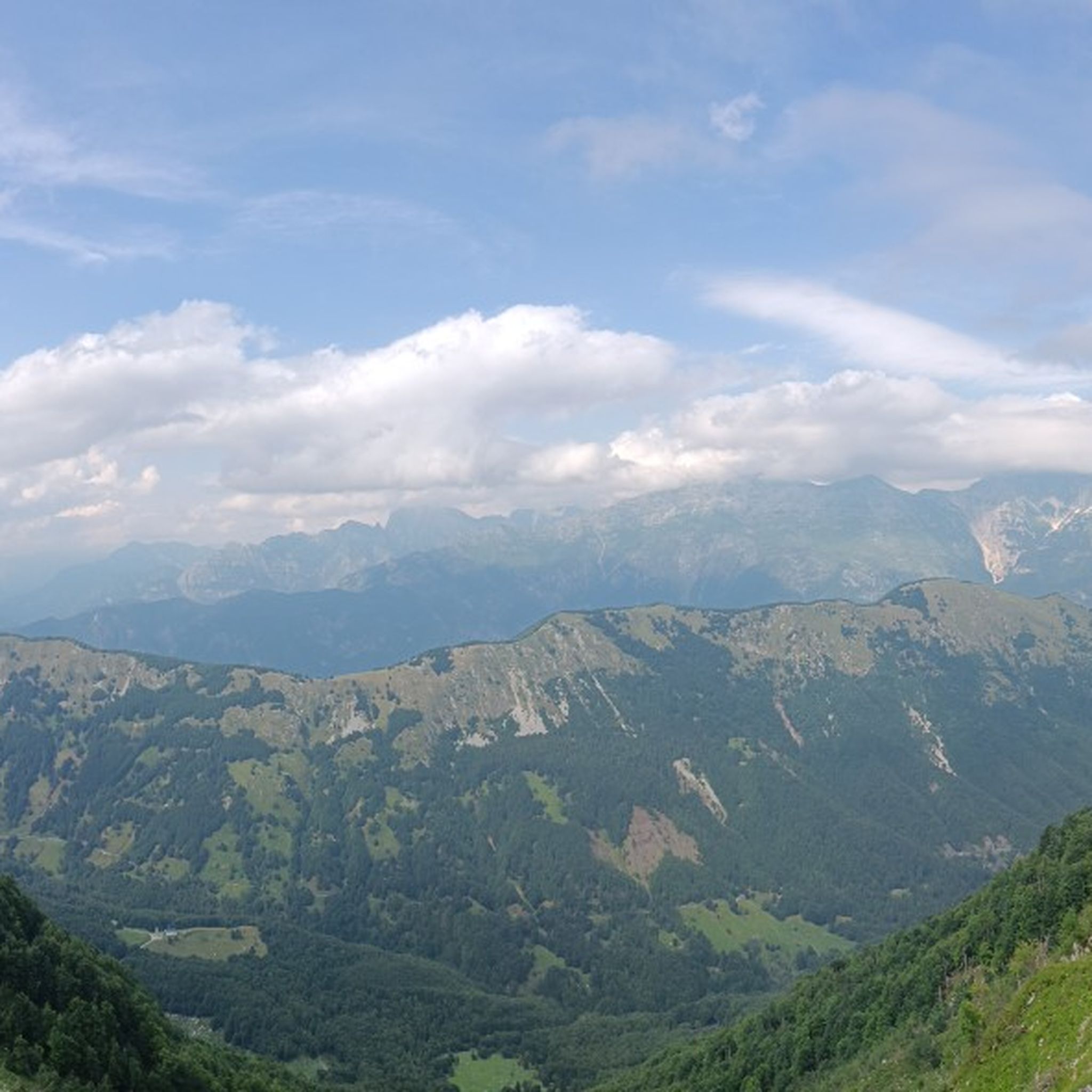
Road Cycling Routes around Parco naturale regionale delle Prealpi Giulie
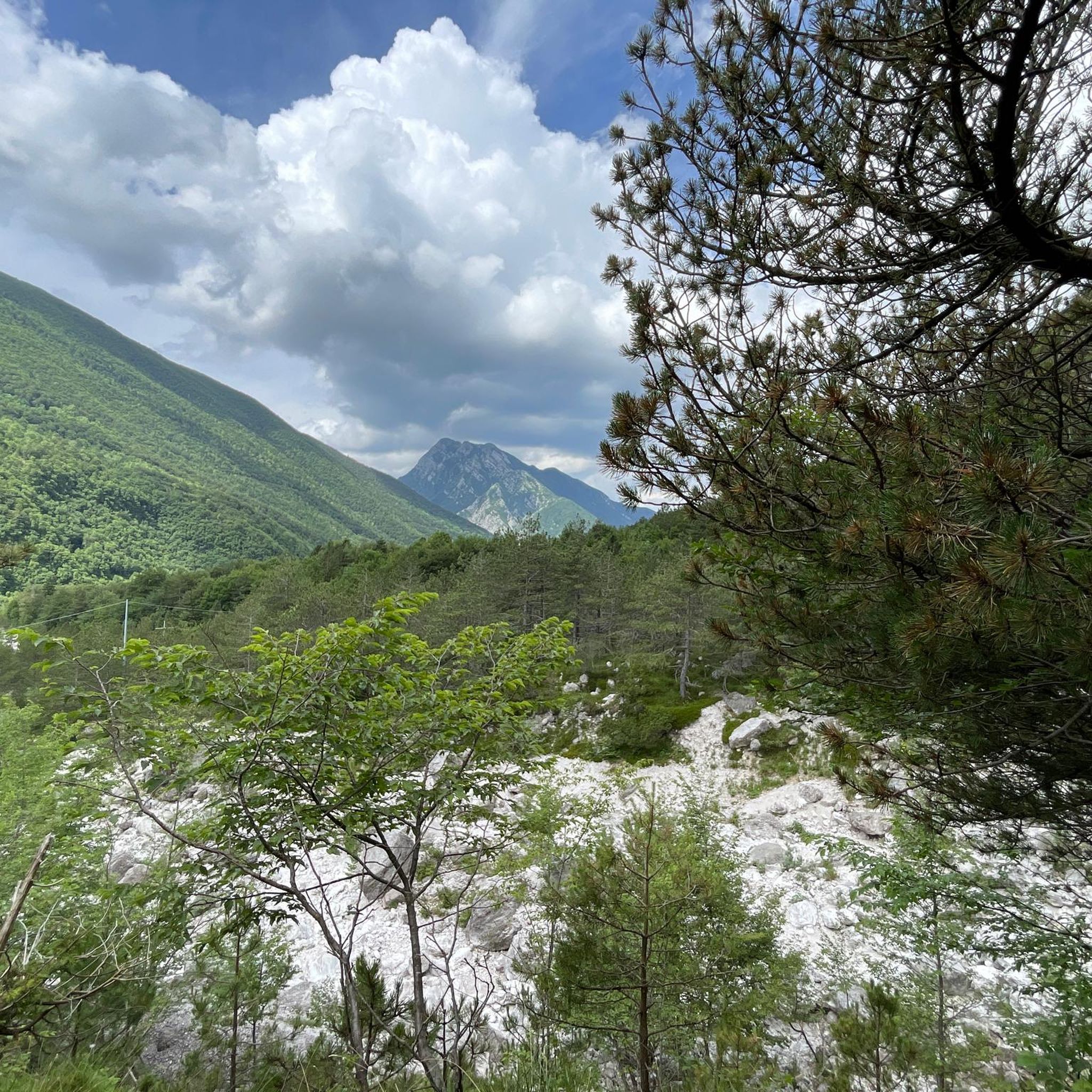
Cycling around Parco naturale regionale delle Prealpi Giulie
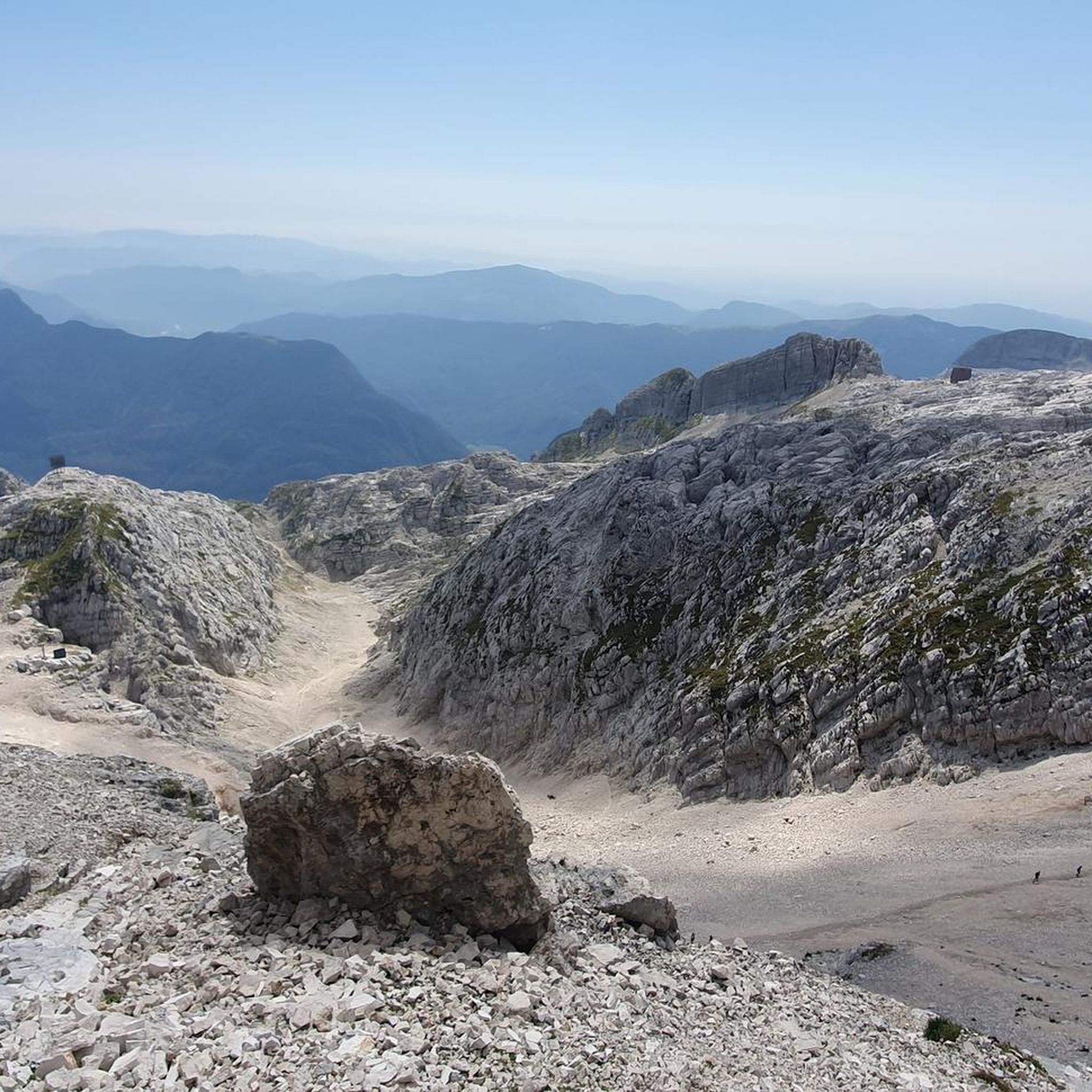
Running Trails around Parco naturale regionale delle Prealpi Giulie
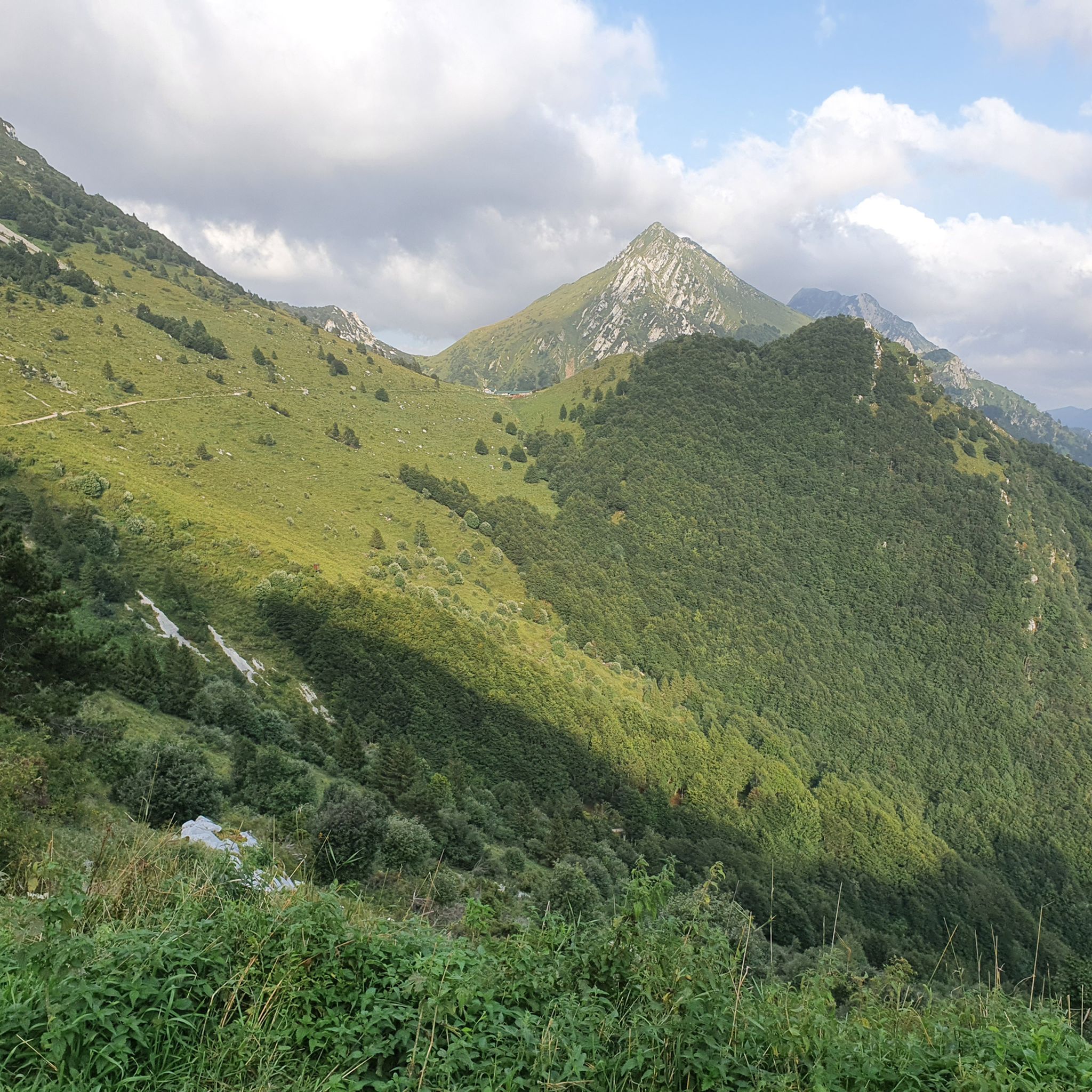
MTB Trails around Parco naturale regionale delle Prealpi Giulie

Mountain Hikes around Parco naturale regionale delle Prealpi Giulie
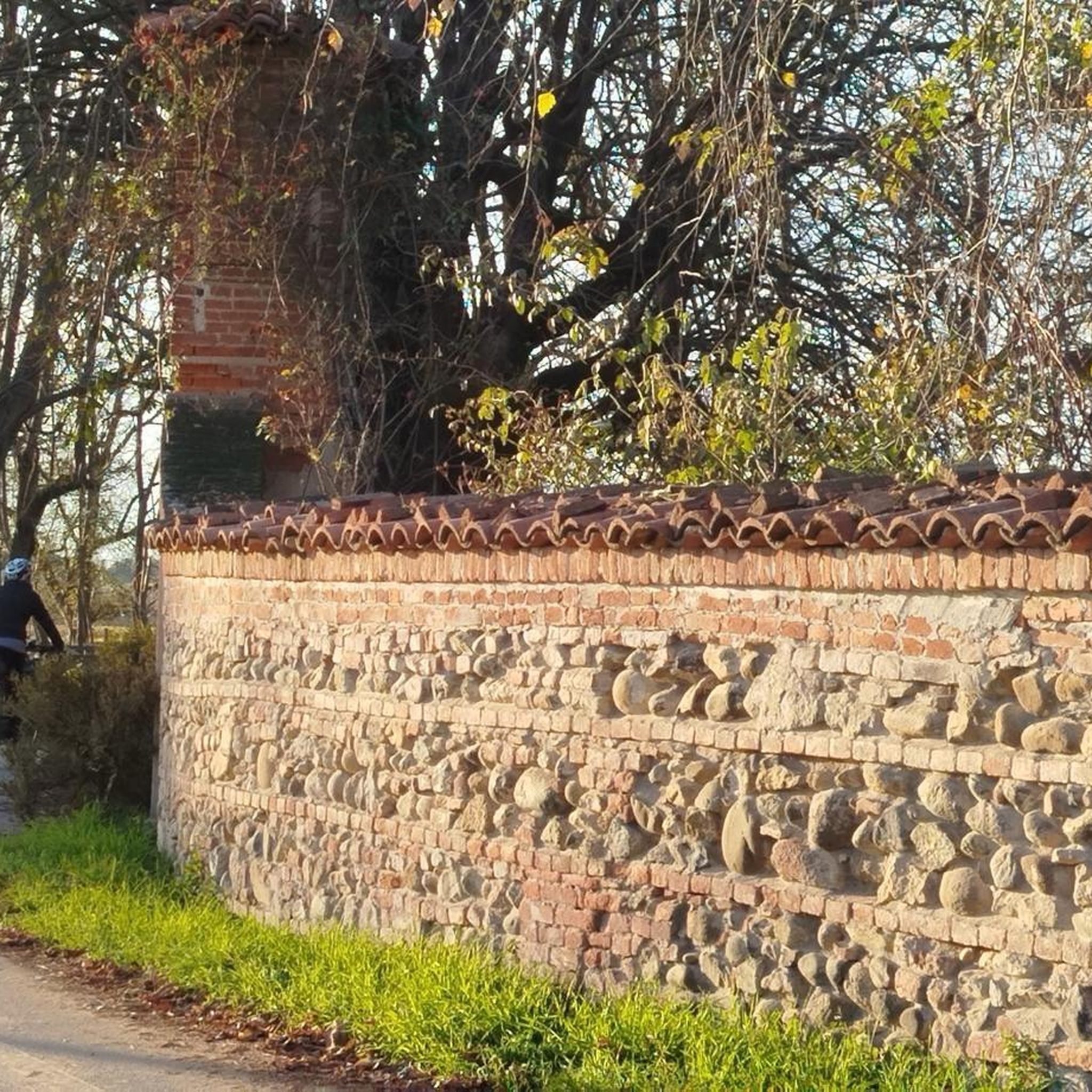
Gravel biking around Parco naturale regionale delle Prealpi Giulie
Tips from the Community

A very small, narrow valley. At the valley entrance, there's a small wayside shrine, followed shortly by a parking lot where campers mostly stay. The path is paved except for two small sections. You cycle practically next to the Rio Resartico and can easily observe the river regulation measures. Not an absolute must, more of a short excursion.
0
0

Crossing in a very wild but spectacular environment! Difficult to pass over the landslide
1
0

The CAI 743b path crosses the Rio Serai basin with various ups and downs, passing gullies and stretches of sparse forest. Be careful because the path can be covered in debris at times and in some places it is equipped with a metal support rope.
0
1
The Rio Barman is a tributary of the Resia stream. Along its course it forms gullies, ravines and waterfalls. At this point there are some tables and by following the rocks, being careful along the canal, you can reach the Fontanone Barman.
0
0

Path up and down in wild nature with a ford and two landslides to be crossed by push and with patience by bike
4
0
Frequently Asked Questions
What unique natural features can I explore in the canyons around Parco naturale regionale delle Prealpi Giulie?
The region is renowned for its pristine natural beauty, featuring crystal-clear waters, impressive karst rock formations, and numerous gorges and spectacular waterfalls. You can experience unique geological formations like the Rio Barman Gorge with its gullies, ravines, and waterfalls. The Fontanone di Goriuda offers a spectacular waterfall emerging directly from a cave, providing a unique 'inside' perspective.
Are there opportunities for canyoning in the Parco naturale regionale delle Prealpi Giulie?
Yes, the park offers excellent canyoning opportunities. The Rio Nero is known as the longest canyon in the area, providing an adrenaline-filled experience with emerald green pools, technical descents, and waterfalls up to 18 meters high. The Rio Ronch in Val Resia is highlighted as an accessible canyoning destination, and Rio Alba in the Val Alba Natural Reserve also offers guided canyoning adventures with jumps and abseiling.
What kind of hiking trails can I find near the gorges?
You'll find a variety of hiking trails. The Rio Barman Gorge offers an easy hiking loop. The Valle del Rio Nero features ancient paths and leads to a shelter hut in a breathtaking setting. For a more challenging experience, the CAI 743 Traverse from Stallo Cuel Lunc Alto to Stallis Stivane is a path through wild nature, including a ford and landslides. The Path Through the Rio Resartico Valley offers a short excursion next to the river.
Are there any family-friendly canyon or gorge experiences in the park?
For families, the Rio Barman Gorge provides an easy hiking loop suitable for exploring. The Rio Ronch in Val Resia is also noted as a canyoning destination accessible to all, suggesting it might have options for various skill levels, including beginners or families with older children. The Fontanone di Goriuda, with its accessible waterfall and cave, can also be a fascinating natural attraction for families.
What makes the Fontanone di Goriuda a unique place to visit?
The Fontanone di Goriuda is a spectacular natural wonder where an 80-meter high waterfall emerges directly from inside a cave. Its unique feature is the ability to walk behind the cascade, offering an 'inside' perspective without getting wet. Organized excursions allow visitors to explore the underground section with park guides, navigating flooded chambers by dinghy. It's a tranquil spot for a deep connection with nature. You can find more information about this location here.
What kind of biodiversity can I expect to see in the region's canyons?
The park's unique position at the convergence of Mediterranean, Illyrian, and Alpine biogeographical areas contributes to extraordinary biodiversity. You can observe a rich flora with over twelve hundred species, including many endemic ones. The fauna includes ibex, chamois, marmots, and various bird species, especially in the untouched wilderness of the Julian Prealps.
What other outdoor activities can I do near the canyons?
Beyond exploring the canyons, the region offers a wide range of outdoor activities. You can find numerous running trails, such as the challenging Monte Zaiavor loop, or explore the area on a mountain bike with routes like the Sella Sagata and Val Resia Loop. There are also cycling routes, including the Val Resia Cycle Route. For more details, you can check the running trails guide, the MTB trails guide, and the cycling guide for the Parco naturale regionale delle Prealpi Giulie.
What should I know about the Rio Serai canyon?
The Rio Serai is a river that crosses a basin with various ups and downs, passing gullies and stretches of sparse forest. It's known for its wild nature, with sections that can be covered in debris. Some parts are equipped with metal support ropes, indicating a challenging route that requires careful navigation.
What is the best time to visit the canyons in Parco naturale regionale delle Prealpi Giulie?
While specific 'best times' for each canyon can vary, generally, late spring through early autumn (May to October) offers the most favorable weather conditions for exploring the park's gorges and engaging in activities like hiking and canyoning. During these months, water levels are typically more stable, and temperatures are pleasant for outdoor adventures. Always check local conditions and forecasts before your visit, especially for water-based activities.
What are the characteristics of the Rio Nero canyon?
The Rio Nero is a significant gorge system, often described as the longest canyon in the area. It features a continuous alternation of emerald green pools, technical descents, turbulent potholes, and narrow, winding passages, along with numerous waterfalls up to 18 meters high. It maintains a consistent, cold water flow and offers dramatic plays of light due to its depth and vegetation. It's a challenging and scenic route, particularly popular for canyoning.
What can I expect when visiting the Val Resia gorges?
The Val Resia, situated between the Julian Alps and Julian Pre-Alps, features several noteworthy gorges. At its entrance near Resiutta, you'll find a short stretch of narrow gorge carved between steep rock walls. Within the valley, the Rio Ronch is a destination for accessible canyoning, and the Rio Barman Gorge offers an easy hiking loop. The valley's seclusion and natural heritage contribute to a wild and fascinating allure, with the impressive Canin massif as a constant backdrop.
Are there any specific safety considerations for exploring the canyons?
Yes, safety is paramount, especially in challenging areas. Routes like the CAI 743 Traverse and Rio Serai are described as wild and can involve debris or landslides, sometimes equipped with metal support ropes. For canyoning, especially in places like Rio Nero or Rio Alba, it's highly recommended to go with experienced guides, particularly if you are not an expert. Always be prepared for varying terrain, water levels, and weather conditions.
Most popular routes around Parco naturale regionale delle Prealpi Giulie
Most popular attractions around Parco naturale regionale delle Prealpi Giulie

Get inspired with the komoot mobile app


Explore more
Already discovered everything in this region? See additional gorges around Parco naturale regionale delle Prealpi Giulie for your next adventure:
