Top 11 Lakes around the Duero
Best lakes around the Duero are found within the largest river basin of the Iberian Peninsula, spanning both Spain and Portugal. This region features a diverse landscape, including both natural and artificial lakes. The Duero River's course is characterized by deep gorges and impressive rock formations, particularly in areas like the Arribes del Duero. These aquatic environments offer varied natural features and recreational opportunities.
Best lakes around the Duero
- The most popular lakes is Crystal Palace Pond, a lake…
Last updated: June 28, 2026
Vinuesa and the Cuerda del Pozo Reservoir
Highlight • Settlement
Translated by Google •
Tip by

Crystal Palace Pond
Highlight • Lake
Translated by Google •
Tip by

Sign up now to discover places like this
Get recommendations on the best single tracks, peaks, & plenty of other exciting outdoor places.
Sign up for free
View of the Douro Canyon
Highlight • Viewpoint
Translated by Google •
Tip by

Pond and Monument to Félix Rodríguez de la Fuente, Bosque de Valorio
Highlight • Monument
Translated by Google •
Tip by

Sculpture Park at Laguna de Duero
Highlight • Monument
Translated by Google •
Tip by
Vinuesa is a spectacular setting for gravel riding.
Highlight • Settlement
Translated by Google •
Tip by
Dam of the Cuerda del Pozo reservoir
Highlight • Structure
Translated by Google •
Tip by

Embarcadero Trail
Highlight (Segment) • Trail
Translated by Google •
Tip by

View of the Azud de Buitrago
Highlight • Viewpoint
Translated by Google •
Tip by

Humedales del Carrascal
Highlight • Natural
Translated by Google •
Tip by

Start today with a free account
Your next adventure awaits.
Login or Signup
Popular around Duero
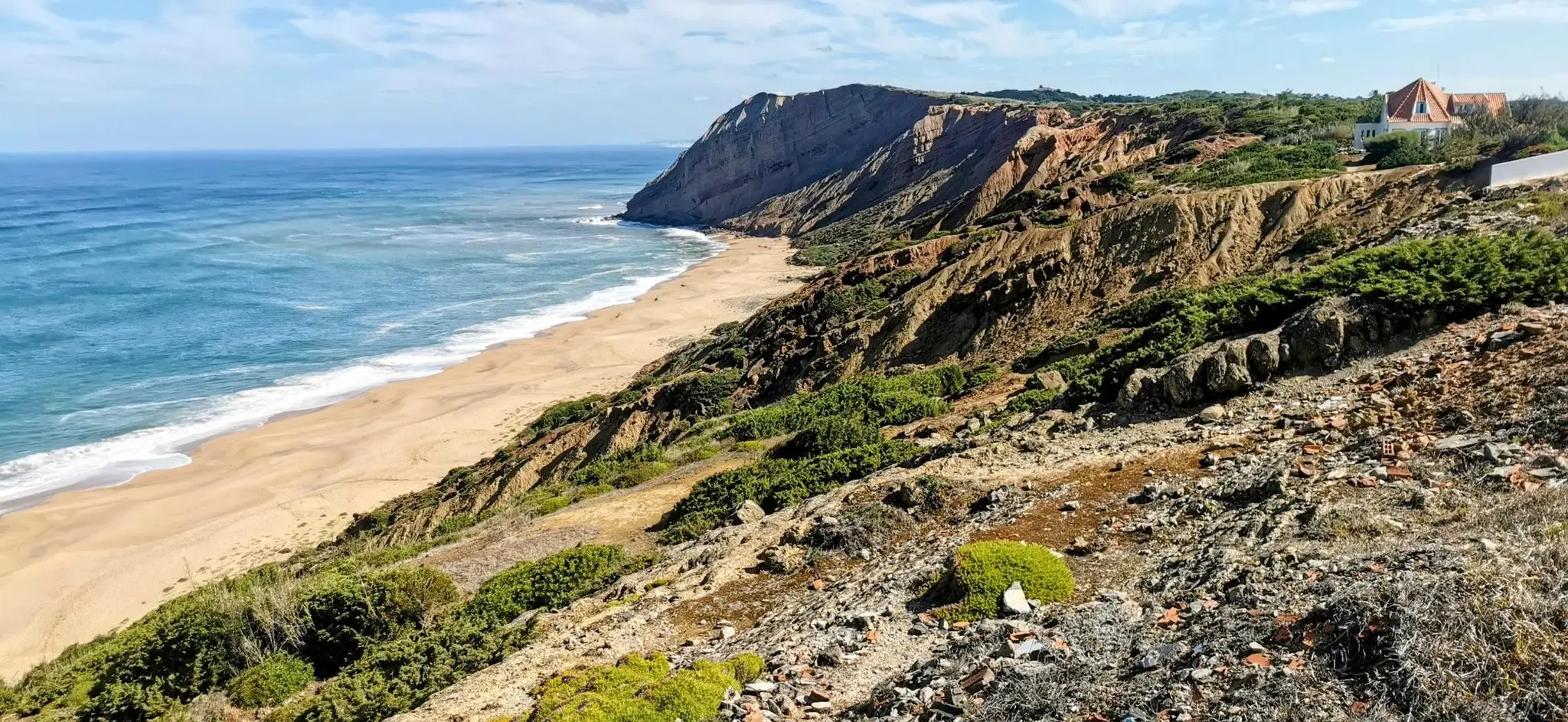
EuroVelo 1 Portugal – Cycle the Atlantic Coast
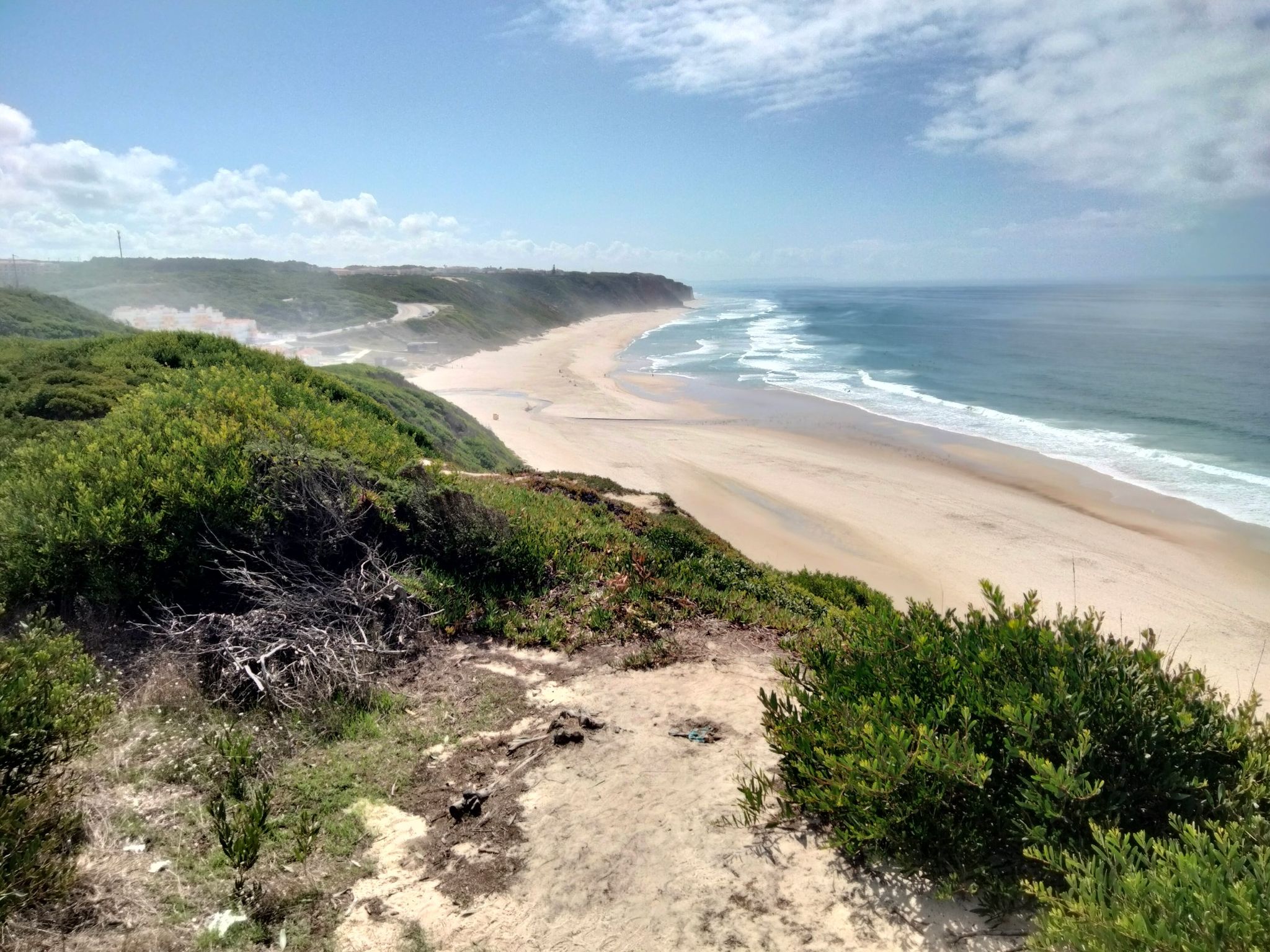
Portugal's Atlantic coast (north) – from Caminha to Lisbon
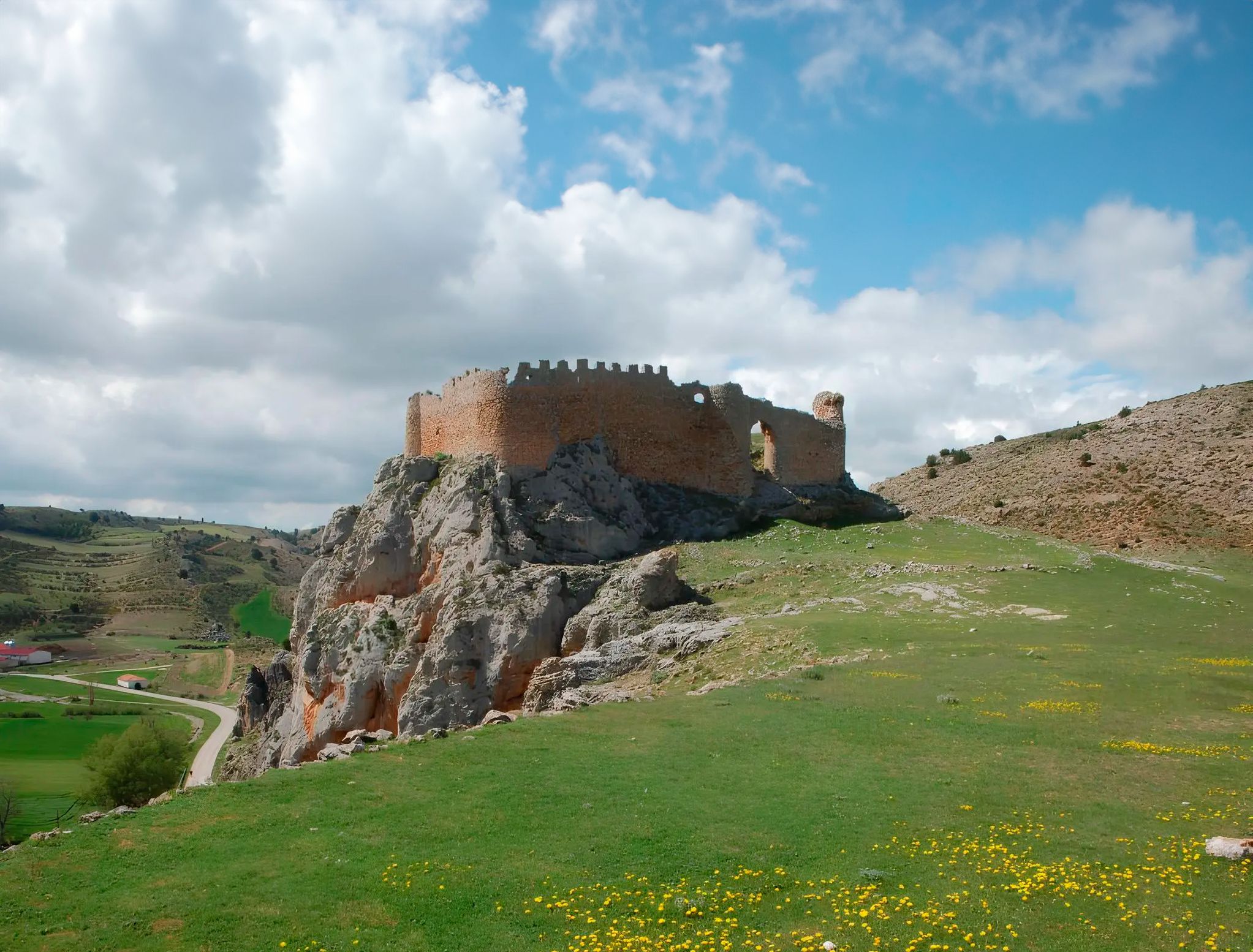
Around the Spanish province of Soria - Sendero Ibérico Soriano (GR 86)
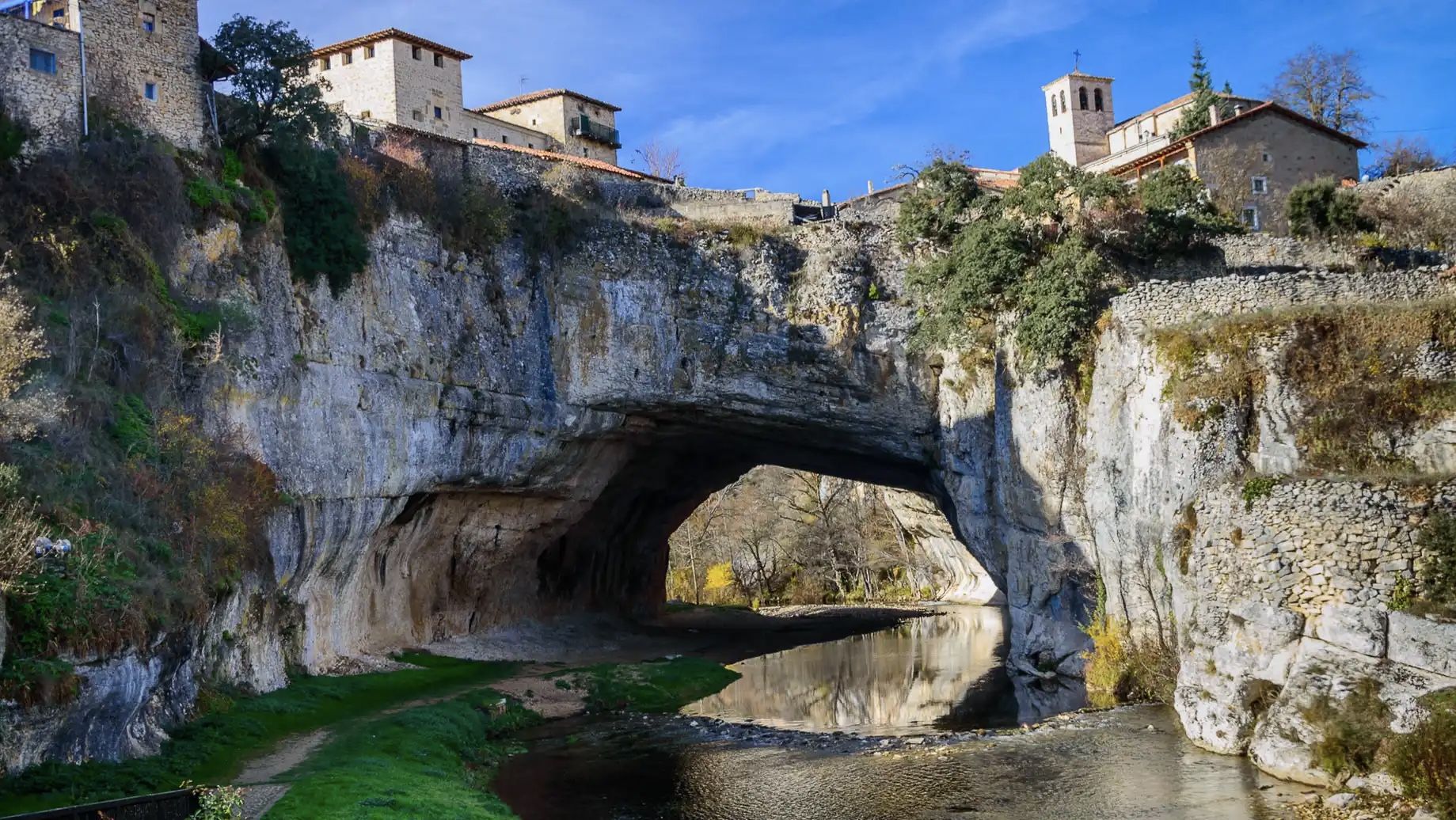
An epic getaway – Santander-Mediterráneo Nature Trail
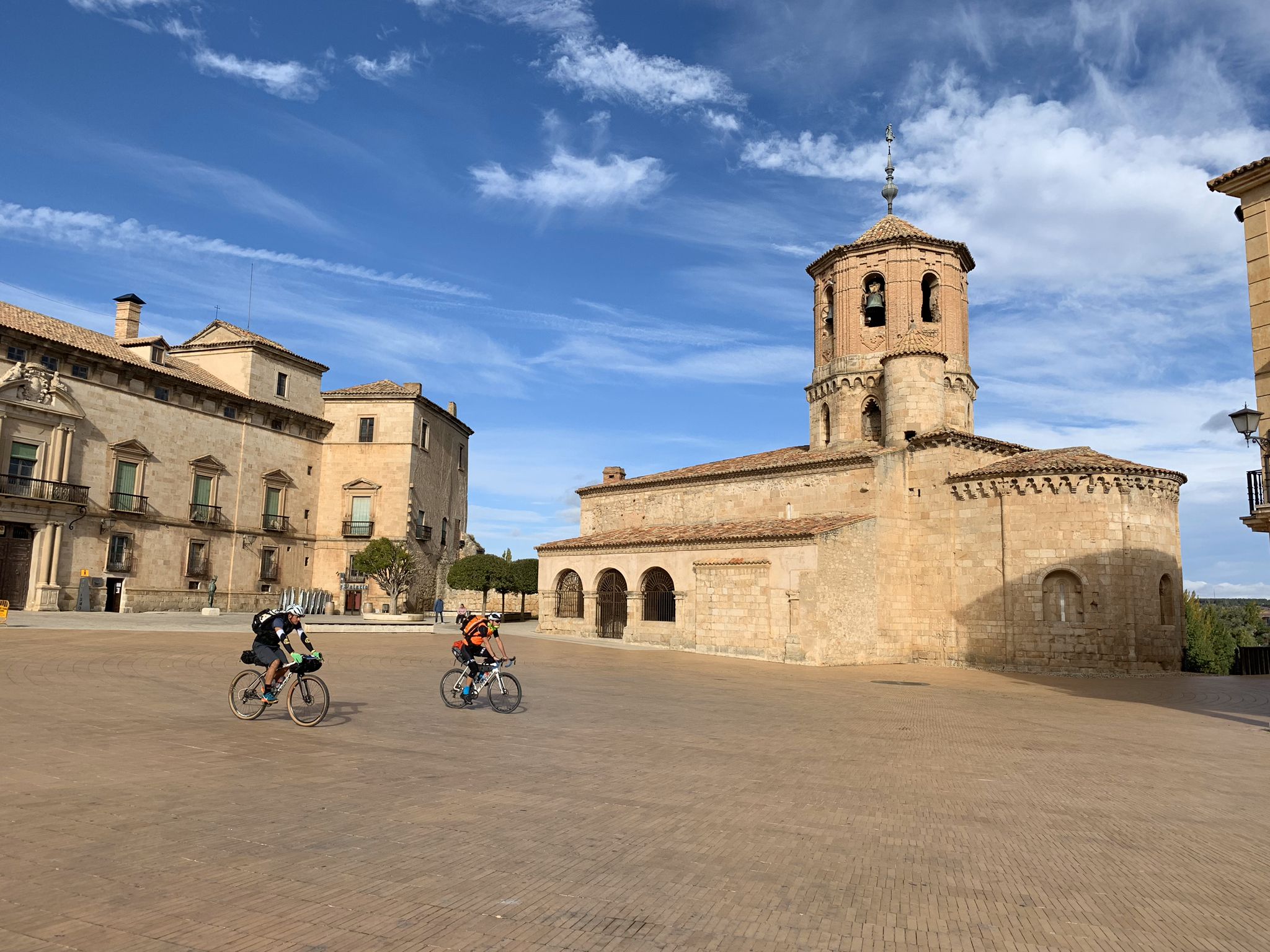
Countryside and fortresses – Walls of the Upper Duero by bike
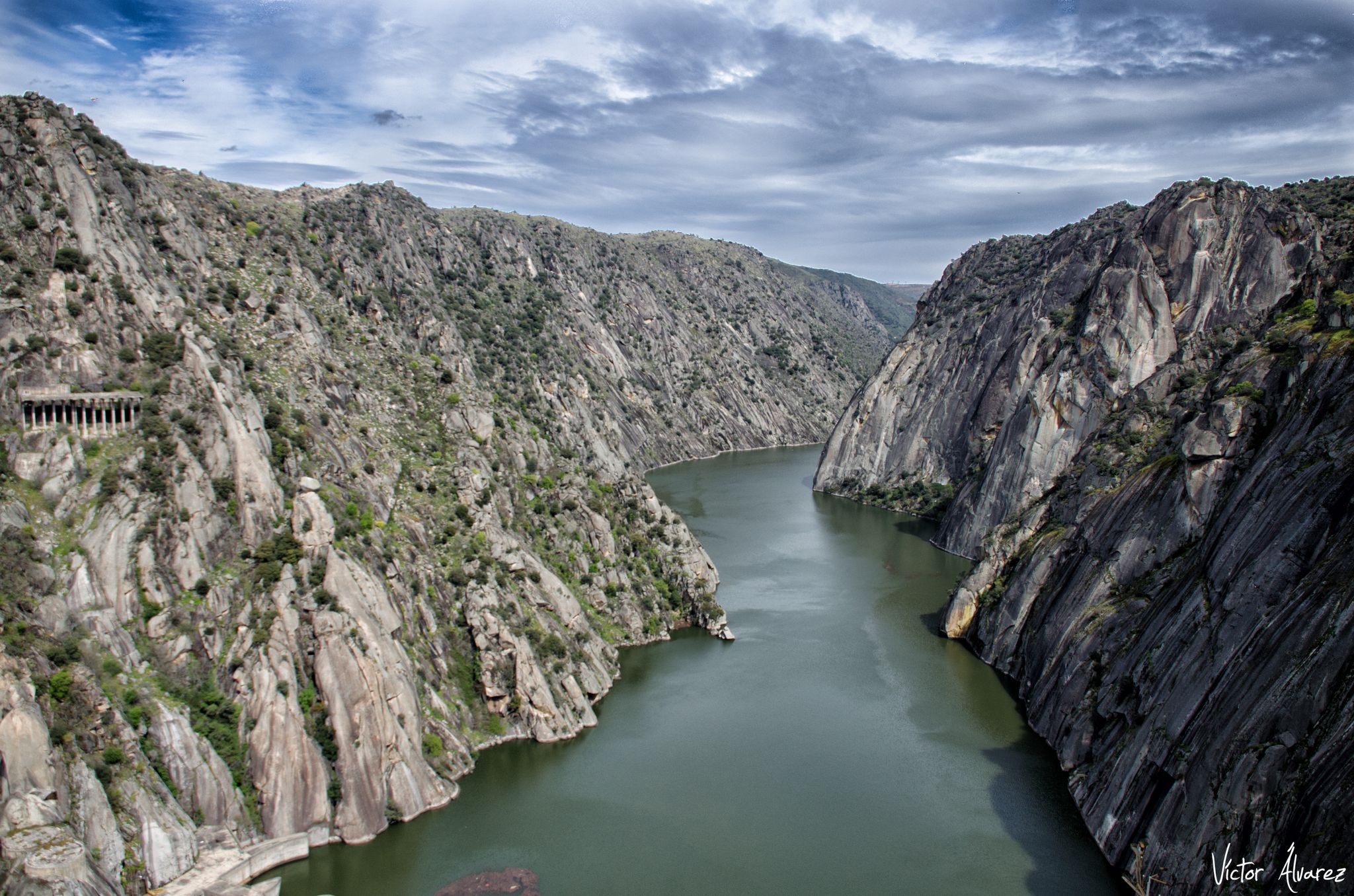
Downriver between Zamora and Salamanca – Western Duero Trail (GR 14)
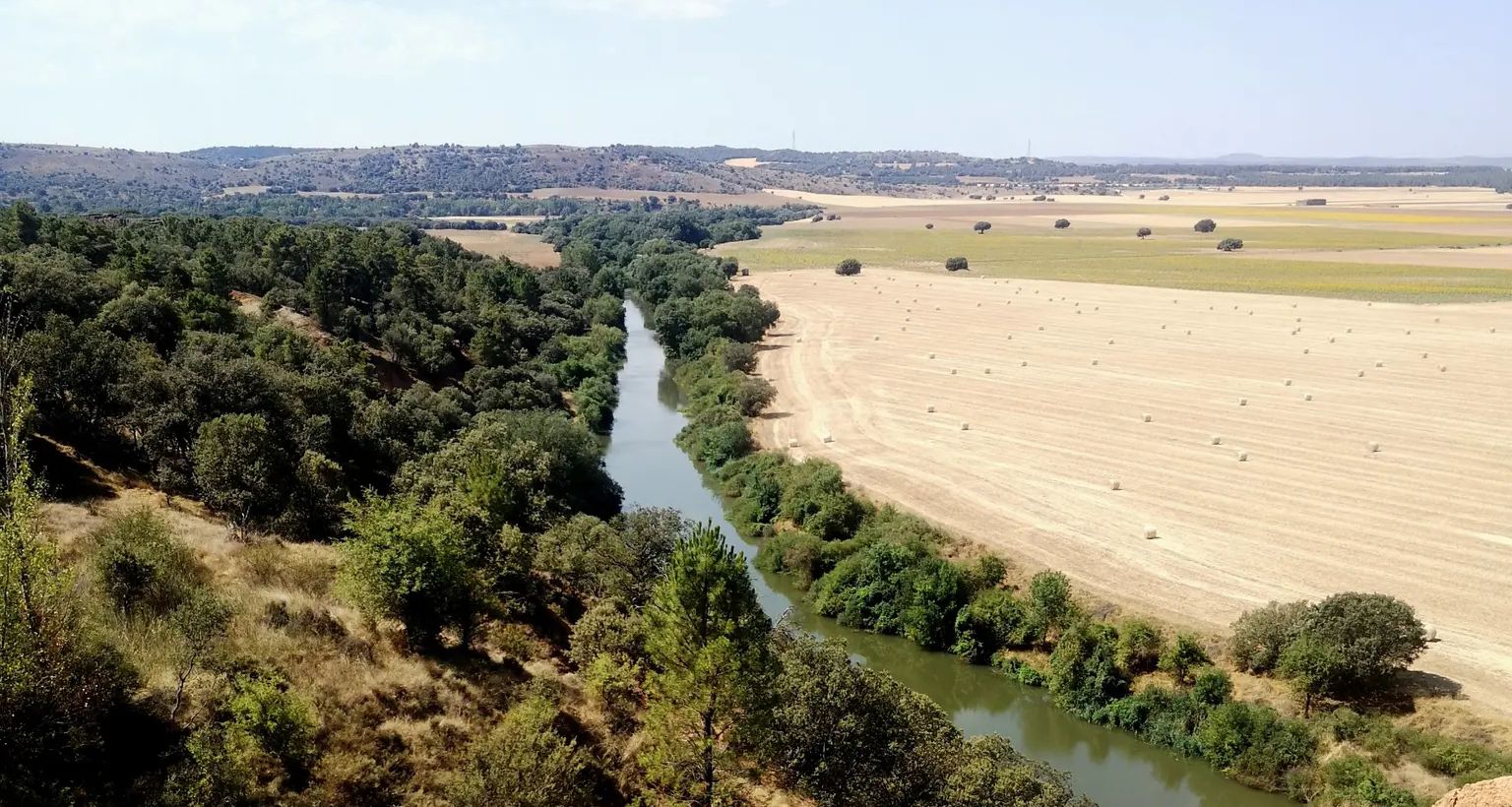
Downstream through Soria, Burgos and Valladolid in Spain – Eastern Douro Trail
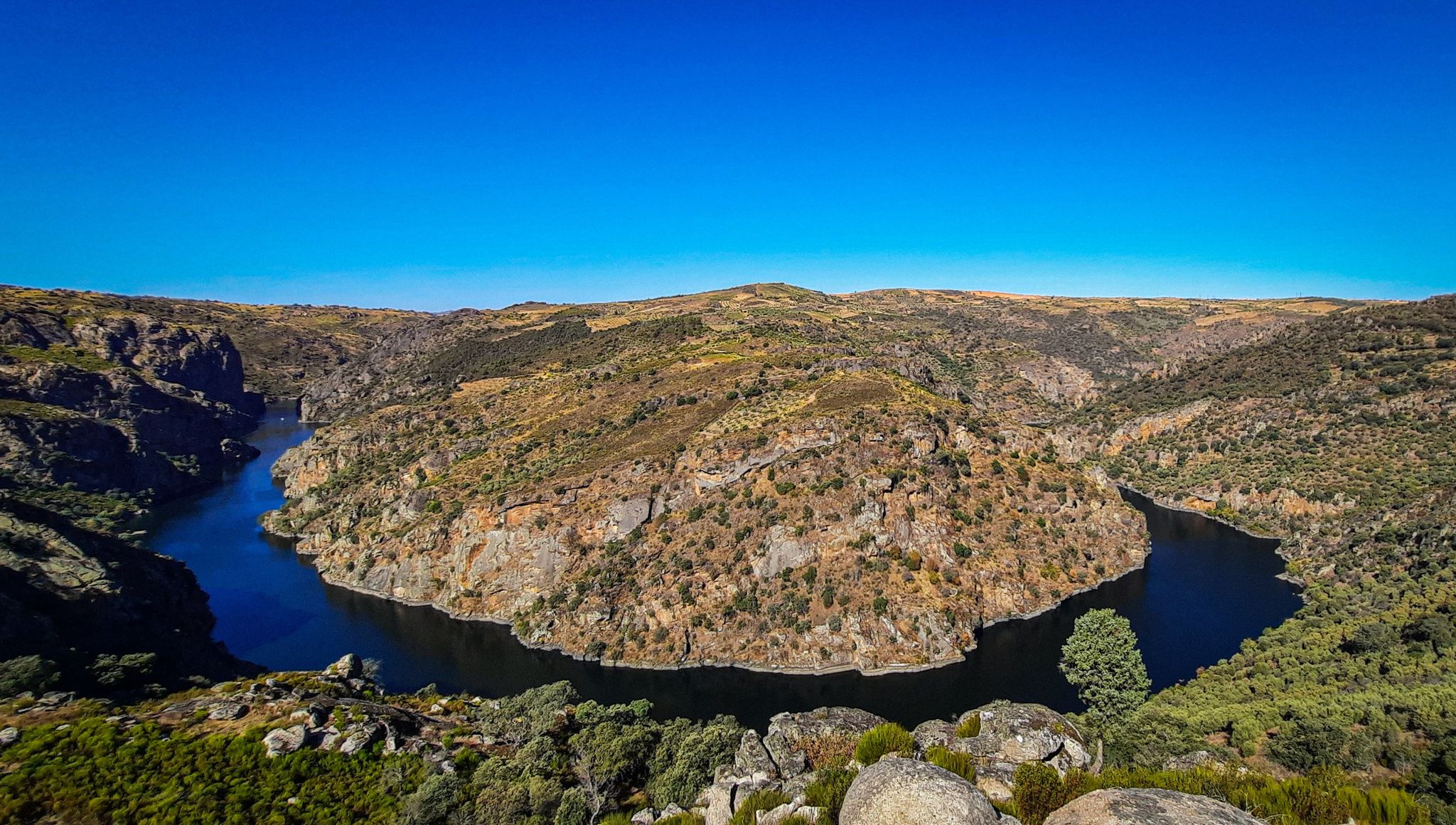
The Great Castilian River – Duero MTB Trail
The secret gravel paradise — Bikepacking Soria
El Camino del Cid – El Destierro by gravel bike
Other adventures around the Duero


Tips from the Community

Nice park with great viewpoints and a good place to relax.
3
0

The Crystal Palace pond in Porto is one of the most peaceful and picturesque spots within the Crystal Palace Gardens, a romantic park designed in 1860 by German landscaper Émile David.
4
0
From the Vale de Águia hill fort, there is a natural viewpoint with spectacular views of one of the meanders of the Douro. At the São João das Arribas hermitage, you can also enjoy stunning panoramic views of the canyon and waterfalls on the Spanish slope. The landscape includes cliffs, meadows, oak groves, and pastures, with abundant flora and fauna.
5
0
The GR-36 trail in the Miranda do Douro area is one of the most spectacular routes in northern Portugal, especially for its views of the Douro Canyon, which forms the natural border with Spain.
6
0

Laguna de Duero was a salt mine that was located in the municipality of Laguna de Duero (Valladolid) and was finally drained in 1972, except for a small lagoon that is preserved in the center of the current town. It has a volume of about 3000 m³. This green oasis in the middle of Valladolid land has extraordinary natural wealth and biodiversity around the lagoon and the river that give it its name. The lush lake is the epicenter of the town's tourist activity, and its salt flats originally fed the town for a long time. Laguna de Duero combines history, nature and tranquility, offering its inhabitants and visitors a unique environment to enjoy. 🌿🏞️
3
0

Great view and a nice park
5
0

Next to the "Club Náutico" restaurant, this path starts along which you can avoid part of the Vinuesa road, some points are areas that may be flooded (properly signposted) if the reservoir is very full, be careful.
0
0
Frequently Asked Questions
Which lakes in the Duero region are suitable for families?
Many lakes in the Duero region offer family-friendly activities. For instance, Lagoa do Azibo in Portugal is known for its Blue Flag beaches, calm waters, and well-maintained facilities, making it ideal for swimming and sunbathing. In Spain, the area around Vinuesa and the Cuerda del Pozo Reservoir is family-friendly, offering opportunities for outdoor sports amidst pine forests. Additionally, the Pond and Monument to Félix Rodríguez de la Fuente, Bosque de Valorio, provides a green space for families to enjoy nature.
What kind of outdoor activities can I do around the Duero lakes?
The Duero region offers a variety of outdoor activities. You can enjoy water sports like swimming, kayaking, and windsurfing at lakes such as Lago de Sanabria and Lagoa do Azibo. For hiking, there are numerous trails, including those offering spectacular views of the Douro Canyon. Cycling is also popular, with routes like the Cuerda del Pozo Reservoir Loop. You can find more detailed routes for hiking, cycling, and mountain biking around the Duero.
Are there any glacial lakes in the Duero basin?
Yes, the Duero basin is home to Lago de Sanabria, located in the province of Zamora, Spain. It is the largest glacial lake in the Iberian Peninsula, renowned for its crystal-clear waters and sandy beaches. Its unique glacial origin makes it a significant natural attraction.
Where can I find impressive viewpoints of the Duero River and its lakes?
The Duero region is rich in stunning viewpoints. The View of the Douro Canyon offers spectacular panoramic views, especially from the GR-36 trail in the Miranda do Douro area. The Aldeadávila and Saucelle Reservoirs, part of the dramatic 'Arribes del Duero' (Douro Gorges), also provide impressive vistas of deep canyons and rock formations.
What are some notable artificial lakes or reservoirs in the Duero region?
The Duero region features several significant artificial lakes and reservoirs. The Aldeadávila Reservoir and Saucelle Reservoir are large bodies of water on the Duero River itself, forming part of the dramatic 'Arribes del Duero' along the Spanish-Portuguese border. In Portugal, Lagoa do Azibo is an artificial lake recognized for its environmental quality and Blue Flag beaches. The Cuerda del Pozo Reservoir near Vinuesa is another notable artificial lake surrounded by pine forests.
Can I go wild swimming or paddleboarding in the Duero lakes?
Yes, several lakes in the Duero region are suitable for wild swimming and paddleboarding. Lago de Sanabria is a popular spot for swimming and other water sports due to its clear waters and sandy beaches. Lagoa do Azibo in Portugal also offers calm waters ideal for swimming, windsurfing, and canoeing, with its Blue Flag status indicating high water quality.
Are there any historical or cultural sites near the Duero lakes?
Yes, the region offers a blend of natural beauty and historical sites. Near Vinuesa and the Cuerda del Pozo Reservoir, you can explore historical monuments like the Church of Nuestra Señora del Pino and various hermitages, as well as a Roman Road and Bridge that appear when water levels are low. The town of Vinuesa itself has a rich history reflected in its architecture.
What kind of wildlife can be observed around the Duero lakes?
The Duero region, particularly areas like the Arribes del Duero Natural Park, is rich in diverse birdlife. You can observe species such as griffon vultures and eagles soaring above the deep canyons. The natural parks surrounding lakes like Lago de Sanabria also offer opportunities for wildlife observation, including various mammals and aquatic birds.
What do visitors enjoy most about the lakes around the Duero?
Visitors frequently praise the diverse natural beauty and recreational opportunities. Many appreciate the peaceful and picturesque spots like Crystal Palace Pond for relaxation and great views. The dramatic landscapes of the Douro Canyon and the serene environments of lakes like Lagoa do Azibo are also highly valued for their scenic beauty and outdoor activities.
Are there less crowded lake options in the Duero region?
While popular spots can attract crowds, exploring areas slightly off the main tourist paths can offer a more tranquil experience. The smaller ponds and wetlands, such as Humedales del Carrascal, might offer a quieter natural setting. Additionally, exploring the numerous smaller reservoirs and less-known sections of the Duero basin can provide a more secluded experience.
What is the best time of year to visit the Duero lakes?
The best time to visit the Duero lakes largely depends on your preferred activities. Spring (April-May) and autumn (September-October) generally offer pleasant temperatures for hiking and exploring the natural landscapes, with vibrant foliage in autumn. Summer (June-August) is ideal for water sports and swimming, though it can be quite warm and more crowded, especially at popular spots like Lago de Sanabria and Lagoa do Azibo.
Most popular routes around the Duero
Most popular attractions around the Duero

Get inspired with the komoot mobile app


