Top 11 Gorges around the Ebro
Canyons around the Ebro river Spain are formed by the Ebro, the longest river entirely within Spain, as it carves through diverse landscapes. These geological formations are primarily located in the northern and northeastern Iberian Peninsula, including parts of Burgos, Teruel, and Catalonia. The region features deep canyons and narrow gorges, offering varied natural landscapes and habitats.
Best canyons around the Ebro
- The most popular canyons is Turquoise Pools and Waterfalls of Orbaneja del Castillo, a waterfall that crosses…
Last updated: June 14, 2026
Turquoise Pools and Waterfalls of Orbaneja del Castillo
Highlight • Waterfall
Translated by Google •
Tip by

Barranco Lecheros de Alfocea Trail
Highlight • Trail
Translated by Google •
Tip by

Sign up now to discover places like this
Get recommendations on the best single tracks, peaks, & plenty of other exciting outdoor places.
Sign up for free
Cliffs of Lapuebla de Labarca
Highlight • Gorge
Translated by Google •
Tip by

Les Maduixes Bridge
Highlight • Bridge
Tip by

Hocinos Gorge (Garganta de los Hocinos)
Highlight (Segment) • Gorge
Translated by Google •
Tip by
Tartalés de los Montes Waterfall
Highlight • Waterfall
Translated by Google •
Tip by
CuevaDelNispero
Highlight • Cave
Translated by Google •
Tip by
Translated by Google •
Tip by
GargantaDeLasCanalejas
Highlight (Segment) • Gorge
Translated by Google •
Tip by
View of the Ebro Gorge from Alto de los Tornos
Highlight • Viewpoint
Translated by Google •
Tip by

Sign up for free to discover even more gorges around the Ebro.
Sign up for free
Already have an account?
Start today with a free account
Your next adventure awaits.
Login or Signup
Popular around Ebro

Triathlon 360 – my journey around the world
Valencia to Toulouse — Riding over the Pyrenees
The Ignatian Way - In the footsteps of Ignatius of Loyola
Catalonia by bike — Itineraries between culture and nature
Discover Catalonia on a gravel bike
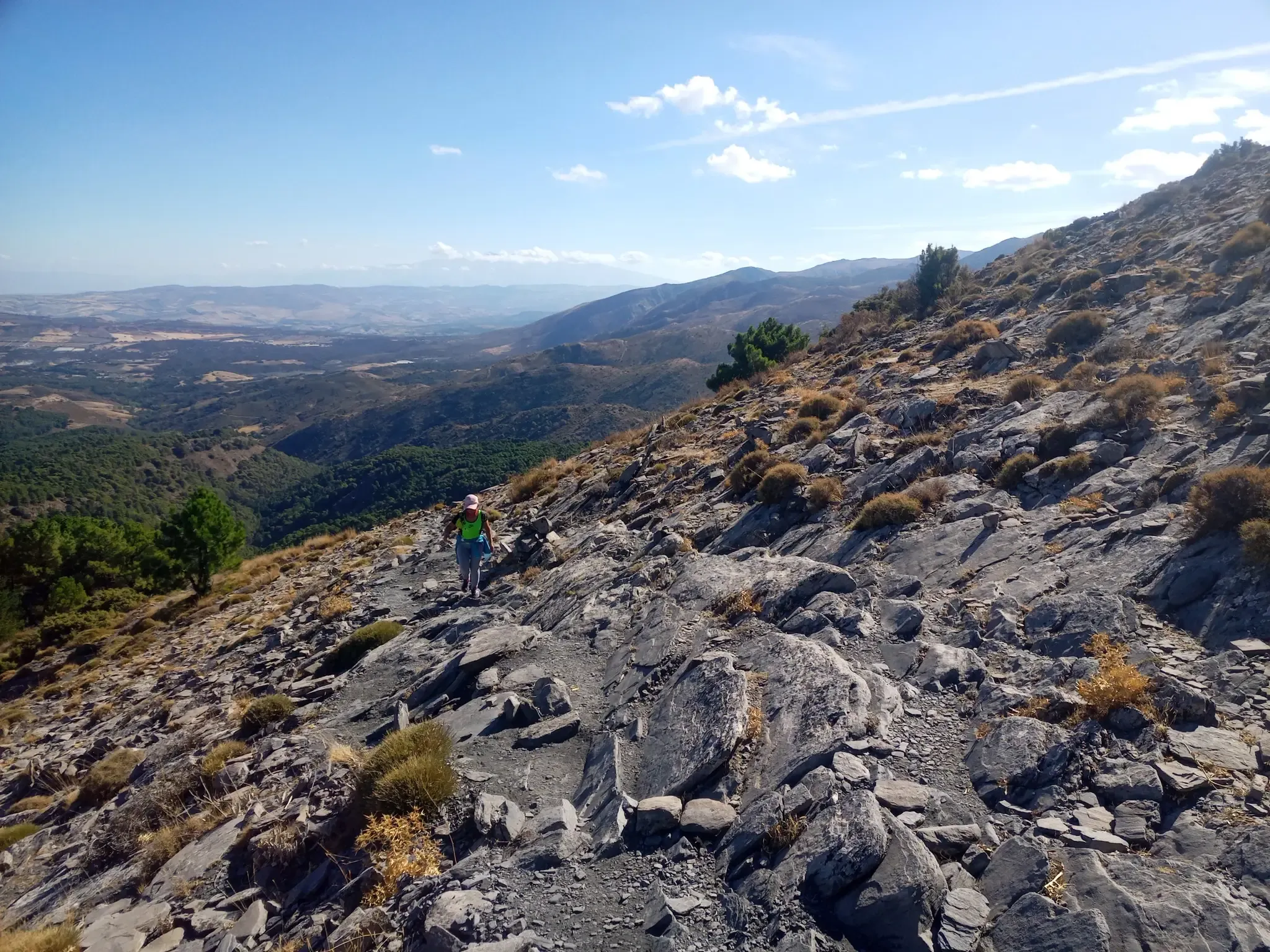
12 hiking gems throughout Spain
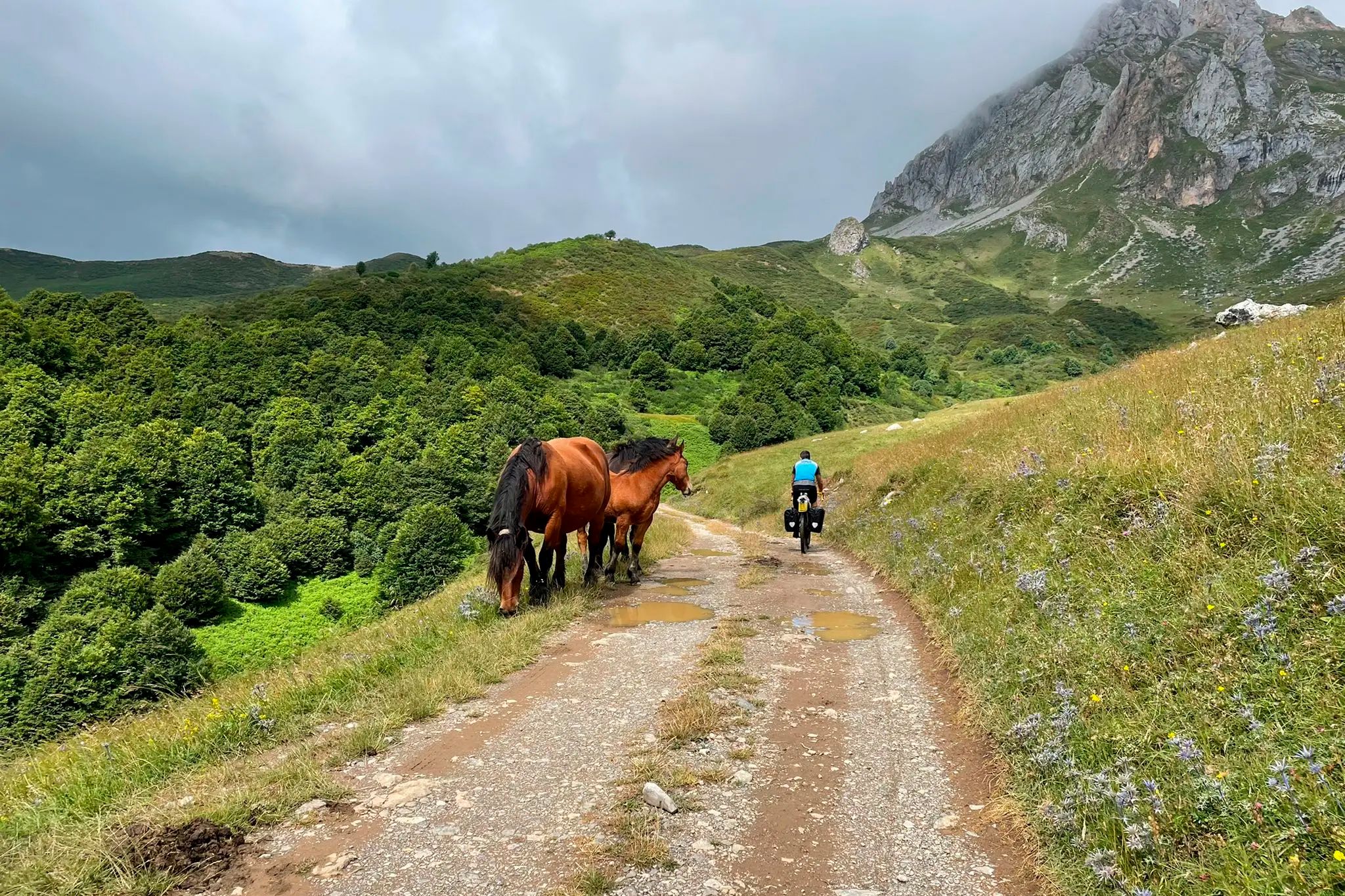
TransCantabrica – Extreme mountain biking in northern Spain
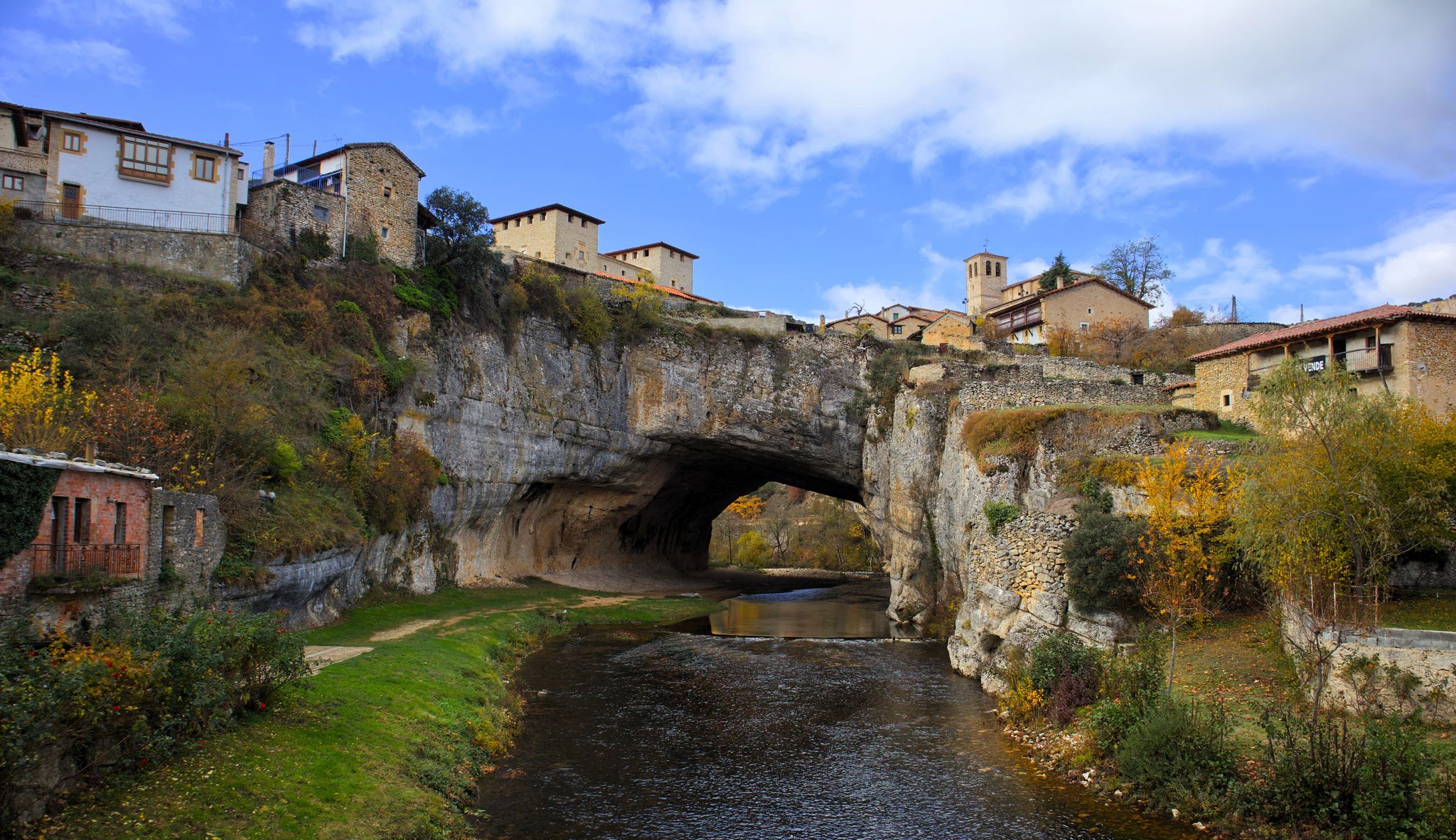
Endless valleys and historic villages – Route of the Senses (GR 85)
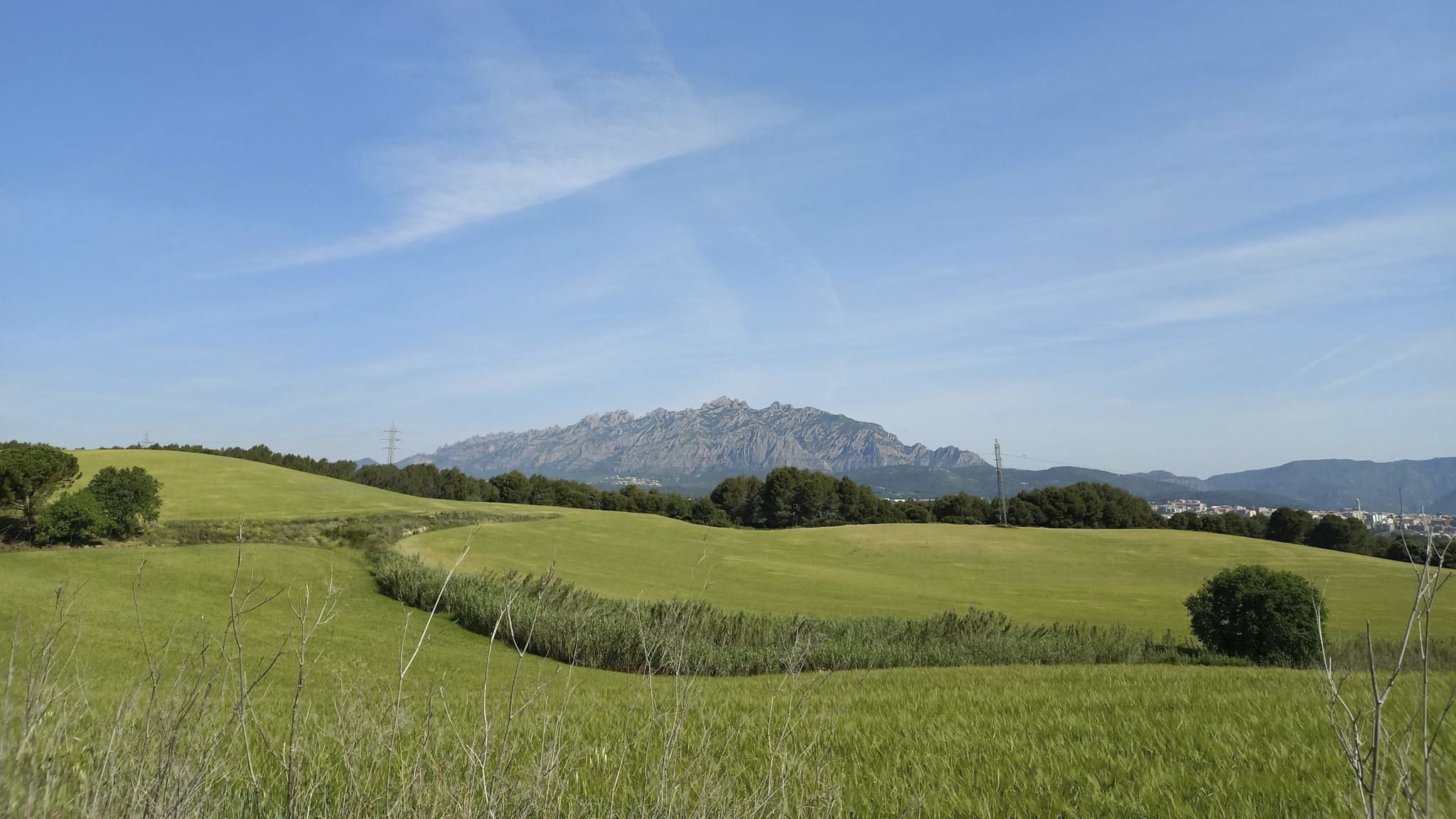
Ancestral gravel – Camino Real from Zaragoza to Barcelona
A river getaway – Ebro Natural Trail (GR 99)
Other adventures around the Ebro


Tips from the Community

The waterfall springs from the Cueva del Agua from a height of over 20 meters, at the base of the rocky cirque that embraces the village, originating from an aquifer located in the subsoil of the Páramo de Bricia, and it leaps everywhere, dividing the village into two halves, the Villa and the Puebla, and descends among the stone houses, creating a most photogenic scene.
2
0

A spectacular area for hiking trails
0
0

There is a sign saying it is not safe to g on the bridge. You can cross the "canyon" below the bridge. There is a marked trail
0
0

Maybe I was wrong and the path was the lower one, but I couldn't find any cave there. In any case, I had read that access was prohibited.
2
0
It is beautiful on its own, but if we add the depths of the town from which it arises... visit it!
6
0

The Orbaneja del Castillo waterfall is unique because it crosses the same town, dividing it into two parts: La Villa and La Puebla. The waterfall emerges from the Cueva del Agua and falls into the Ebro River in an impressive 25-meter drop, creating a most picturesque karst landscape.
4
2

This beautiful viewpoint rewards the steep climb with an incredible view of the Tornos Gorge, through which the Ebro River meanders.
1
0

natural viewpoint (rocky summit) as beautiful as it is dangerous
0
1
Frequently Asked Questions
What are the main natural features to explore in the Ebro canyons?
The Ebro canyons region is rich in diverse natural features. You can explore deep gorges and narrow ravines carved by the Ebro River and its tributaries. Notable features include the unique karstic landscape around Turquoise Pools and Waterfalls of Orbaneja del Castillo, the striking Orbaneja del Castillo Rock Formations, and the exposed geological layers at the Cliffs of Lapuebla de Labarca. The region also features impressive waterfalls like the Tartalés de los Montes Waterfall and the Calicanto Waterfall in Estrechos del río Ebrón.
Where can I find impressive viewpoints of the Ebro canyons?
Several locations offer spectacular panoramic views of the Ebro canyons. The Ebro Canyon viewpoint in Hoces del Alto Ebro and Rudrón Natural Park provides majestic vistas of the river's winding path. Another excellent spot is the View of the Ebro Gorge from Alto de los Tornos, offering a lush green landscape. The rocky cliffs surrounding Orbaneja del Castillo also provide admirable views of the village and waterfall.
Are there any unique geological formations in the Ebro canyons region?
Yes, the Ebro canyons are known for their unique geological formations. The area around Orbaneja del Castillo, for instance, features a picturesque karstic landscape with a striking waterfall emerging from the Cueva del Agua. Pozo Azul in Covanera is a karstic spring with enigmatic underwater galleries, believed to be the longest underwater cave system in the Iberian Peninsula. The Cliffs of Lapuebla de Labarca showcase fascinating exposed geological layers where the river has cut through the land.
What makes the Hoces del Alto Ebro and Rudrón Natural Park special?
The Hoces del Alto Ebro and Rudrón Natural Park is a spectacular canyon area where the Ebro and Rudrón rivers have sculpted deep gorges up to 200 meters high. It's a haven for nature lovers and hikers, with signposted routes and immense rocky cliffs that provide habitat for numerous cliff-nesting birds like the imperial eagle and griffon vulture. The park also boasts diverse vegetation and charming medieval villages like Pesquera and Valdelateja.
What outdoor activities are popular in the Ebro canyons region?
The Ebro canyons region offers a variety of outdoor activities. Hiking is very popular, with numerous trails along the gorges, including a steep section on the GR 99 in Hoces del Alto Ebro y Rudrón Natural Park. Canyoning is also a significant draw, particularly in Terres de l'Ebre, with options for aquatic descents involving rappelling, natural slides, and jumps. Birdwatching is excellent due to the rich avian life in the cliffs.
Are there family-friendly hiking options in the Ebro canyons?
Yes, there are family-friendly options available. The Estrechos del río Ebrón in Teruel features a spectacular hiking trail through the canyon, enhanced by wooden walkways that make it accessible for families with older children. The Tartalés de los Montes Waterfall is also noted as a family-friendly highlight.
Can I go canyoning in the Ebro region?
Yes, the Ebro region, particularly Terres de l'Ebre in Catalonia, is an excellent destination for canyoning. Rivers and ravines like Canaletes, Vall Figuera, Rincón de la Gralla, Santa Càndia, and Gurp Canyon offer opportunities for aquatic descents with rappelling, natural slides, and jumps. These activities are suitable for various skill levels, and regulations are in place within areas like the Els Ports Natural Park to ensure sustainable practice.
What kind of hiking trails can I find near the Ebro canyons?
You'll find a wide range of hiking trails near the Ebro canyons, from easy walks to challenging routes. For example, the Barranco Lecheros de Alfocea Trail is described as cool and easy. More challenging trails include the steep section on the GR 99 in Hoces del Alto Ebro y Rudrón Natural Park. Many trails offer scenic views along the river and through the gorges. For more hiking ideas, you can explore the MTB Trails around the Ebro guide, which also includes routes suitable for hiking.
Are there opportunities for cycling near the Ebro canyons?
Yes, the Ebro region offers excellent opportunities for cycling. You can find various routes for different cycling styles. For mountain biking, explore trails like the South Green Ring of Zaragoza or the Ebro Delta Lagoons and River Trail, detailed in the MTB Trails around the Ebro guide. Gravel biking enthusiasts can enjoy routes such as the Camí natural de l'Ebre (Ebro Natural Path) or the Tortosa to Deltebre route, found in the Gravel biking around the Ebro guide. Road cyclists also have options, including the Summit of Mount Caro from Tortosa, available in the Road Cycling Routes around the Ebro guide.
What is the best time of year to visit the Ebro canyons?
The Ebro canyons can be enjoyed throughout much of the year, but spring and autumn are generally considered the best times to visit. During these seasons, the weather is milder, making it ideal for hiking and outdoor activities. The lush vegetation is vibrant in spring, and the autumn colors add another layer of beauty to the landscape. Summer can be hot, especially in the more arid areas, but the cool waters of the canyons offer a refreshing escape for activities like canyoning.
Are there any charming villages to visit near the Ebro canyons?
Absolutely. The Ebro canyons region is dotted with picturesque villages that are worth exploring. Orbaneja del Castillo is a particularly charming village nestled on the edge of the Ebro Canyon, famous for its karstic landscape, traditional stone houses, and a striking waterfall. Other notable medieval villages in the Hoces del Alto Ebro and Rudrón Natural Park include Pesquera and Valdelateja, offering a glimpse into the region's history and culture.
Are there any accessible trails or features in the Ebro canyons?
Yes, some areas in the Ebro canyons are designed to be more accessible. The Estrechos del río Ebrón in Teruel, for instance, features a spectacular hiking trail through the canyon with wooden walkways, making it more accessible for visitors. While many trails involve rugged terrain, efforts have been made in certain popular areas to improve access to natural beauty spots.
What do visitors particularly enjoy about the Ebro canyons?
Visitors to the Ebro canyons particularly enjoy the stunning natural beauty and the unique geological formations. The Turquoise Pools and Waterfalls of Orbaneja del Castillo are often highlighted as a dreamlike natural treasure. The dramatic rocky cliffs, the winding river, and the diverse landscapes provide ample opportunities for photography and immersion in nature. Many appreciate the blend of adventure and tranquility found in the region's trails and hidden spots.
Most popular routes around the Ebro
Most popular attractions around the Ebro

Get inspired with the komoot mobile app


Explore more
Already discovered everything in this region? See additional gorges around the Ebro for your next adventure:
