Top 5 Castles around Collex-Bossy
Best castles around Collex-Bossy include a variety of historical sites, from medieval ruins to functioning estates. The region, situated near Lake Geneva and the French border, offers diverse landscapes. Visitors can explore structures with significant historical and cultural importance. These sites provide insight into the area's past and present.
Best castles around Collex-Bossy
- The most popular castles is Château de Rouelbeau Ruins, a castle that is a ruined fortress and a site of national importance. The ruins are surrounded…
Last updated: June 28, 2026
Château de Bossey
Highlight • Castle
Translated by Google •
Tip by

Château de Rouelbeau Ruins
Highlight • Castle
Translated by Google •
Tip by

Sign up now to discover places like this
Get recommendations on the best single tracks, peaks, & plenty of other exciting outdoor places.
Sign up for free
Château de Vesancy
Highlight • Castle
Showing Translation
Tip by

Château de Voltaire
Highlight • Castle
Admission costs 9 euros.
You can visit the castle and the park.
Among other things, the castle displays lavishly set tables, each one a still life.
Translated by Google •
Tip by

Bourdigny-Dessus Vineyards
Highlight (Segment) • Natural
Translated by Google •
Tip by

Start today with a free account
Your next adventure awaits.
Login or Signup

Tips from the Community

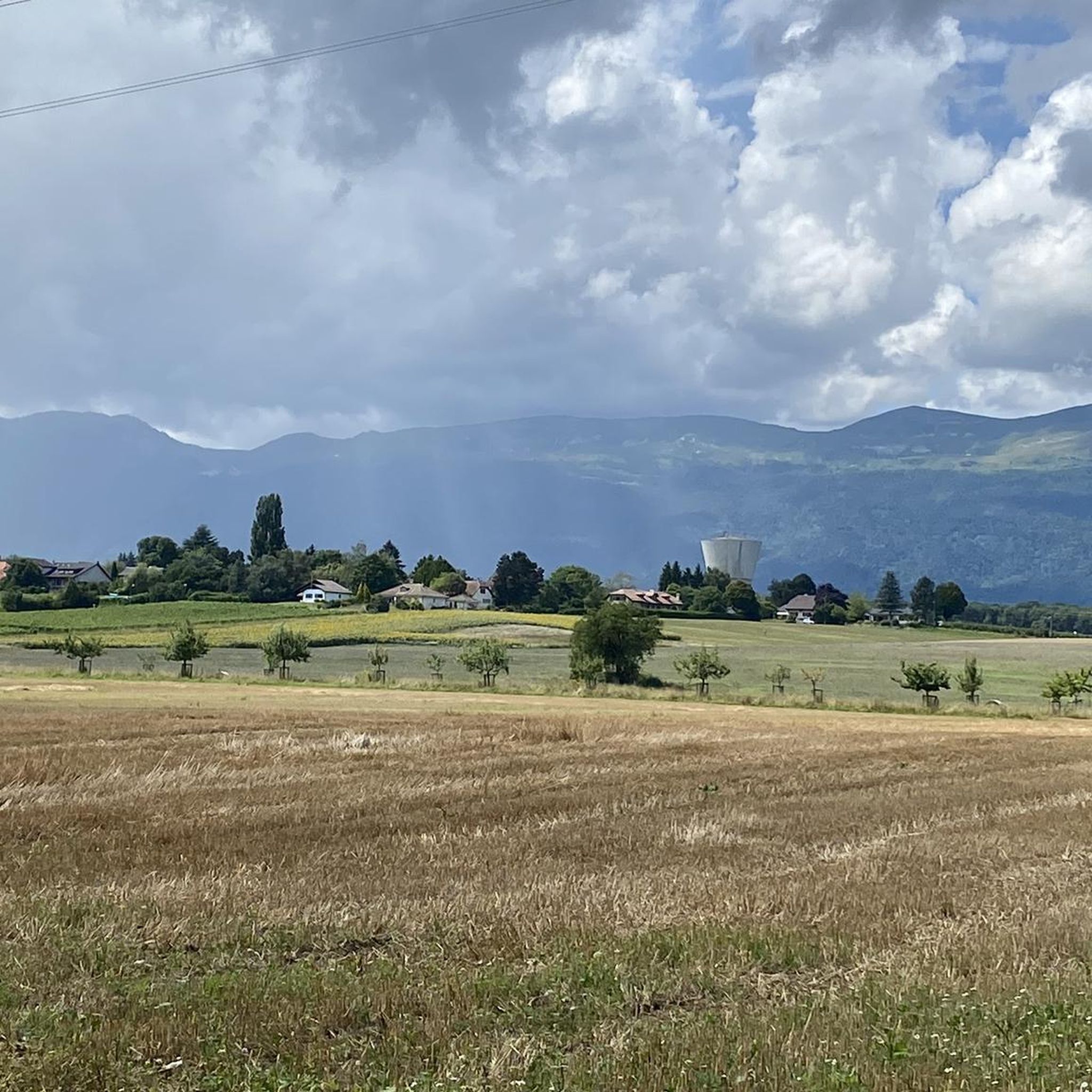
Located in the Pays de Gex, east of the Ain department, the Château de Vesancy is an elegant residence surrounded by a wooded park. It offers a peaceful setting steeped in history, typical of the region's castles.
0
0


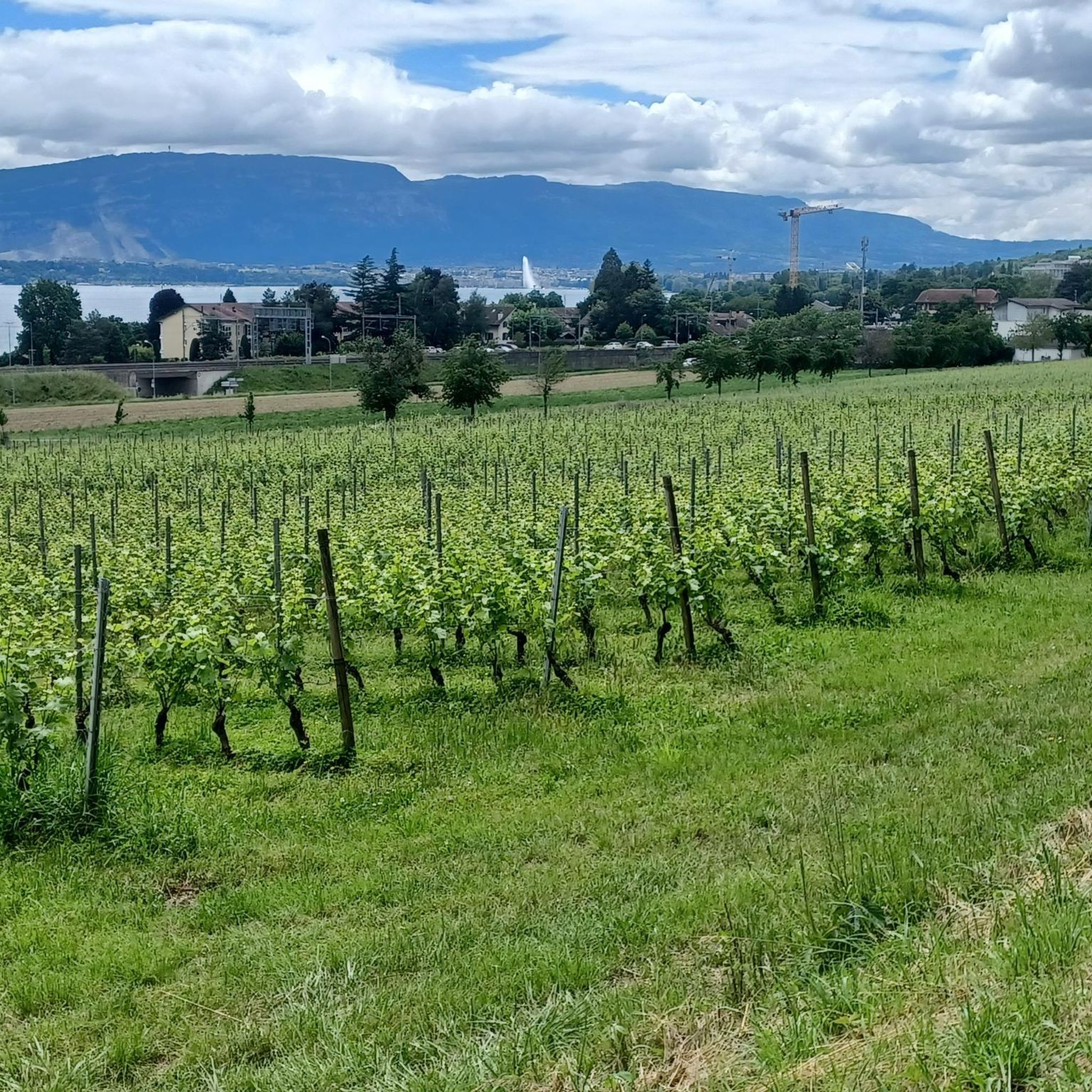
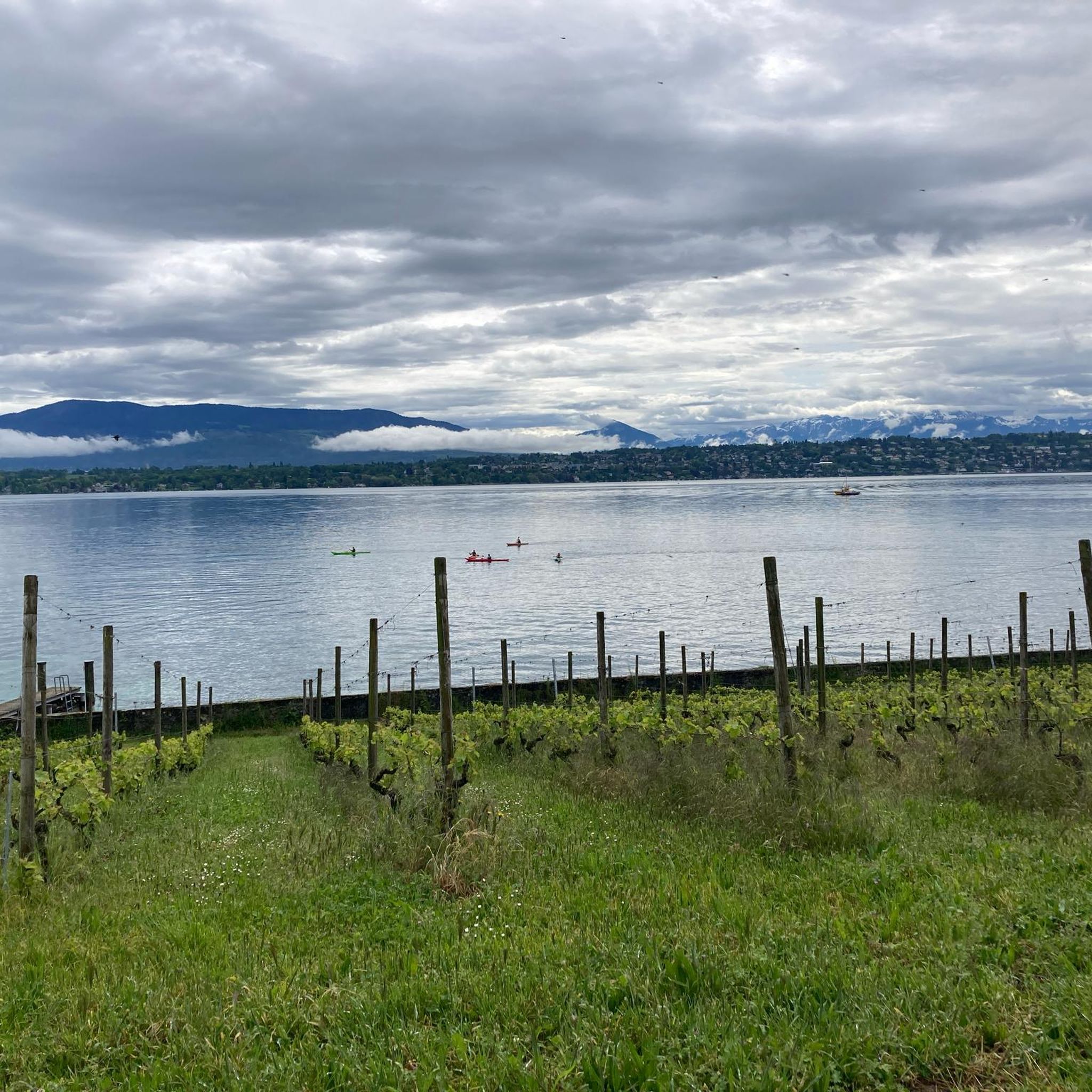
The town of Bourdigy-Dessus is part of the commune of Satigny. This village is surrounded by vineyards and has a beautiful castle that bears its name, or Château Barillet.
0
0

The philosopher Voltaire lived in this castle for more than 20 years. Admission costs 9 euros. You can visit the castle and the park. Among other things, the castle displays lavishly set tables, each one a still life.
1
0


Beautiful 18th century residence where Voltaire lived for 20 years, from 1755. The philosopher had a notable influence on Ferney: "When Voltaire bought the estate in 1759, Ferney had only 150 inhabitants. He had its marshes drained and developed many craft workshops there: tile-making, watchmaking, silk-making, etc. He took advantage of his fame to export his local products throughout Europe. When he died in 1778, Ferney had 1,500 inhabitants." (Wiki) Opening hours: From April 1 to September 30: 10 a.m. - 6 p.m. From October 1 to March 31: 10 a.m. - 5 p.m.
0
0

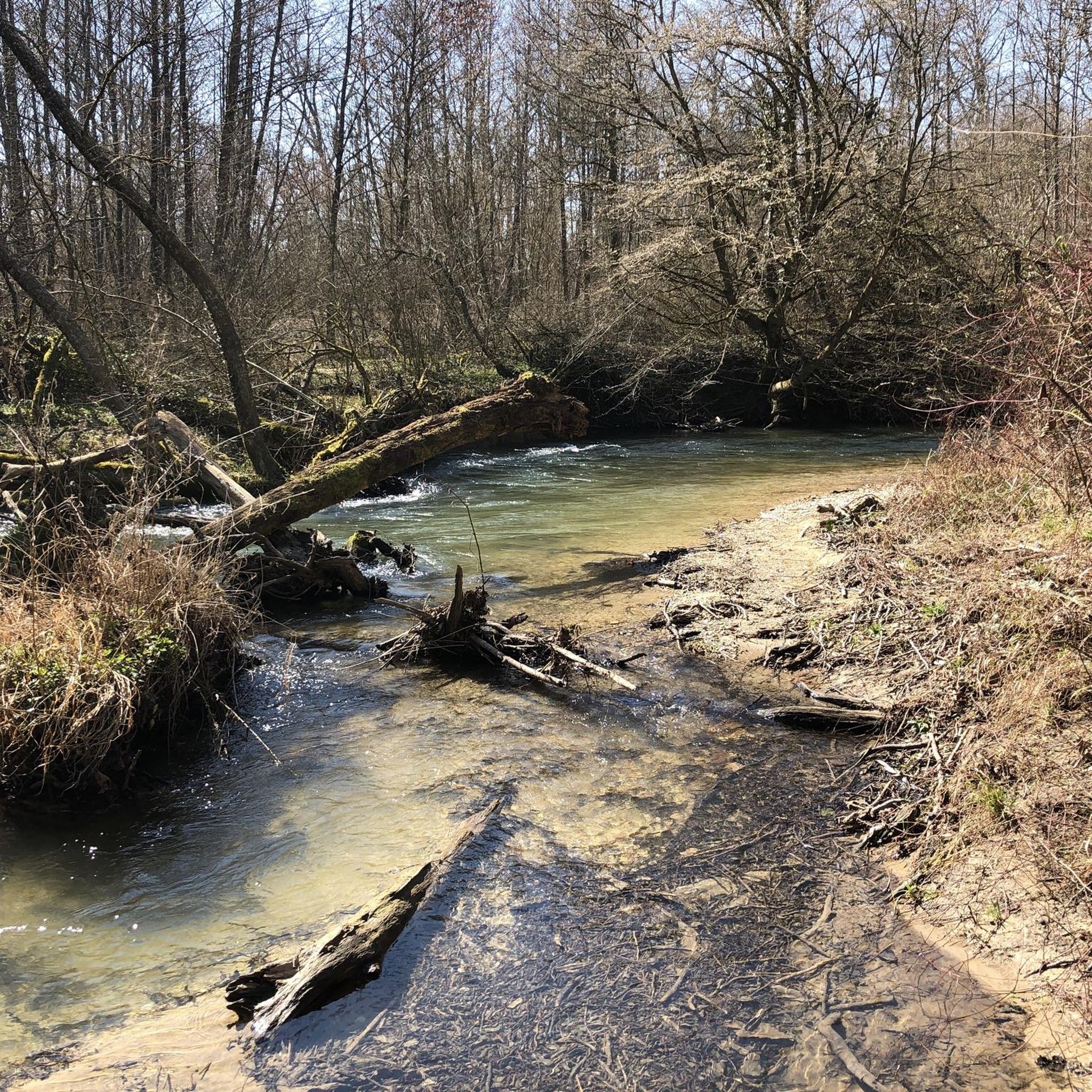
It is a ruined fortress and a site of national importance. The ruins are surrounded by water, they can still be accessed by a footpath. The fortress was built in the 14th century.
1
0

Bossey Castle is home to the Bossey Ecumenical Institute (Institut oecuménique de Bossey), a training facility of the Church's Ecumenical Council. Here students from all over the world live and learn together. The institute offers clergy and laypeople the opportunity to take courses in ecumenical theology, missiology and social ethics.
0
0
Frequently Asked Questions
What types of castles can I explore around Collex-Bossy?
The region around Collex-Bossy offers a diverse range of 'châteaux,' from medieval ruins to functioning wine estates and cultural institutions. You can visit historical residences like Château de Voltaire, ancient fortresses such as the Château de Rouelbeau Ruins, and even a working vineyard at Domaine du Château de Collex. There's also Château de Bossey, which houses an ecumenical institute.
Are there any medieval castle ruins to visit near Collex-Bossy?
Yes, for those interested in medieval history, the Château de Rouelbeau Ruins are a notable example. This 14th-century fortress is recognized as a site of national importance, surrounded by water and accessible via a footpath. Another significant ruin is Bâtie-Beauregard, a ruined hill castle representing one of the few remaining medieval castle remnants in the Canton of Geneva, offering a glimpse into the region's past.
Which castles offer cultural or historical insights beyond just architecture?
The Château de Voltaire in Ferney-Voltaire, just across the border, is the historic residence where the renowned philosopher Voltaire lived for over 20 years. Visitors can explore the castle and its park, gaining unique insight into his life. Additionally, Château de Bossey is home to the Bossey Ecumenical Institute, a training facility for students from around the world, offering a unique perspective on international dialogue and religious studies.
Can I visit a wine-producing château in the Collex-Bossy area?
Yes, the Domaine du Château de Collex is primarily a wine estate that has been producing wines since 1936. The Probst family has owned and operated the estate for generations, cultivating 12 hectares of vineyards. Wine enthusiasts can enjoy wine tastings on Saturdays or by appointment, experiencing a working vineyard with a long history of winemaking.
What outdoor activities can I do near the castles around Collex-Bossy?
The area around Collex-Bossy offers various outdoor activities. You can find numerous hiking trails, such as the 'Versoix River – Trail Along the Versoix River loop,' which is an easy 7 km route. For running, consider the 'View of Geneva Airport loop from Ferney-Voltaire,' a moderate 10 km trail. Road cycling routes are also available, including the 'Grand Théâtre de Genève – Place de Neuve loop' which is an easy 38 km ride. You can find more details on these and other routes in the Hiking around Collex-Bossy, Running Trails around Collex-Bossy, and Road Cycling Routes around Collex-Bossy guides.
Are there family-friendly castles or sites suitable for children?
Several sites are considered family-friendly. The Château de Rouelbeau Ruins offer an opportunity for exploration and scenic walks. Château de Bossey and Château de Voltaire are also listed as family-friendly, providing historical and cultural experiences that can engage younger visitors. The Coppet Lakeside and Historic Center, with its picturesque town and lake views, is another great option for families.
What is the best time of year to visit the castles around Collex-Bossy?
While specific opening hours vary by site, the spring and autumn months generally offer pleasant weather for exploring the castles and their surrounding areas. These seasons avoid the peak heat of summer and the colder temperatures of winter, making outdoor exploration and walks around ruins like Château de Rouelbeau Ruins more comfortable. For indoor attractions like Château de Voltaire, check their specific opening hours, which are often extended during warmer months.
Are there any scenic viewpoints or natural features near the castles?
Yes, the region is rich in natural beauty. The Château de Rouelbeau Ruins are notably surrounded by water, offering a picturesque setting. The Coppet Lakeside and Historic Center provides stunning views of Lake Geneva. Additionally, many of the nearby hiking and cycling routes, such as those along the Versoix River, offer opportunities to enjoy the natural landscape and discover scenic spots.
How long does it typically take to visit a castle in this region?
The duration of a visit can vary significantly depending on the type of 'château.' For ruins like Château de Rouelbeau Ruins or Bâtie-Beauregard, a visit might range from 30 minutes to an hour, especially if combined with a walk around the area. For historical residences like Château de Voltaire, which includes exploring the castle and its park, you might spend 1.5 to 3 hours. A visit to the Domaine du Château de Collex for a wine tasting could also take an hour or more.
What are the parking and public transport options for reaching these castles?
Parking availability varies by location. For sites like Château de Voltaire, dedicated parking is usually available. For more remote ruins like Château de Rouelbeau Ruins, you might find smaller parking areas nearby or need to park in a village and walk. Public transport options, such as local buses, connect many of the towns and villages in the region, but direct access to every castle might require some walking from the nearest stop. It's advisable to check specific routes and schedules for each destination.
Are there any lesser-known or unique castles worth discovering?
Beyond the more prominent sites, Bâtie-Beauregard stands out as a lesser-known but historically significant medieval ruin. It's a true remnant of the past, offering a more rugged and archaeological experience compared to restored châteaux. While not a traditional castle, the Domaine du Château de Collex offers a unique experience as a working wine estate with a long history, providing a different kind of 'château' visit focused on local produce and heritage.
Most popular routes around Collex-Bossy
Most popular attractions around Collex-Bossy

Get inspired with the komoot mobile app


Explore more
Looking for the best castles somewhere else? Discover other guides around Collex-Bossy:
