Top 8 Caves around Oppligen
Best caves around Oppligen are found within the broader Bernese Oberland region, offering diverse underground experiences. This area is characterized by its proximity to Lake Thun and surrounding mountains, providing a rich natural landscape. Geological formations include extensive cave systems and historical sites. Oppligen serves as a central point for exploring these natural features.
Best caves around Oppligen
- The most popular caves is Glütschbachtäli Stalactite Caves, a cave system along the Glütschbach. This location offers a relaxing hike and…
Last updated: June 28, 2026
Glütschbachtal Stream and Grottos
Highlight • River
Translated by Google •
Tip by

Glütschbachtäli Stalactite Caves
Highlight (Segment) • Cave
Translated by Google •
Tip by

Sign up now to discover places like this
Get recommendations on the best single tracks, peaks, & plenty of other exciting outdoor places.
Sign up for free
Glütschbachtäli Forest Trail and Caves
Highlight • Trail
Translated by Google •
Tip by

Glütschbachtäli and cave near Übeschisee and Amsoldingersee
Highlight • Cave
Translated by Google •
Tip by

Stalactite cave (grotto)
Highlight • Cave
Translated by Google •
Tip by

Sign up for free to discover even more caves around Oppligen.
Sign up for free
Already have an account?
Start today with a free account
Your next adventure awaits.
Login or Signup

Tips from the Community

The Glütschbach or valley was the riverbed of the Kander until 1714. This also explains the deep incision for this small stream.
0
0

The stalactite cave is more of a grotto and quite unspectacular. But if you look closely at the rocks, you will see small bats sleeping in the small holes in the rocks. Don't disturb them and take care of them!
0
0

Relaxed, shady rest area with a cave feeling.
0
0

Has fire pits, a small stream and two grottos, pleasantly cool temperatures. Sometimes quite crowded on weekends.
0
0

Such a beautiful place to linger, enjoy, have a picnic... just make sure you don't bring any ticks with you.
0
0

To describe the hike as moderate is "exaggerated". The term light is more appropriate. You always walk along the Glütschbach, which flows from Reutigen to Uttigen and there into the Aare. What many people don't know is that the Glütschbach is the old course of the Kander river before the Kander was diverted into Lake Thun with a puncture at the beginning of the 18th century, which in turn caused many floods in Thun. In any case, the hike through Glütschbachtäli is pure relaxation - except that the noise from the motorway is a bit disturbing. If you start in Allmendingen, you can easily hike to Hani. Since the flow speed of the creek is very low, children can play safely on and in the creek and launch their own boats (tree bark and pieces of wood). If you are lucky, you can watch the beaver below the stalactite caves as they cut down trees, strengthen their dams and expand their castle more and more.
2
1

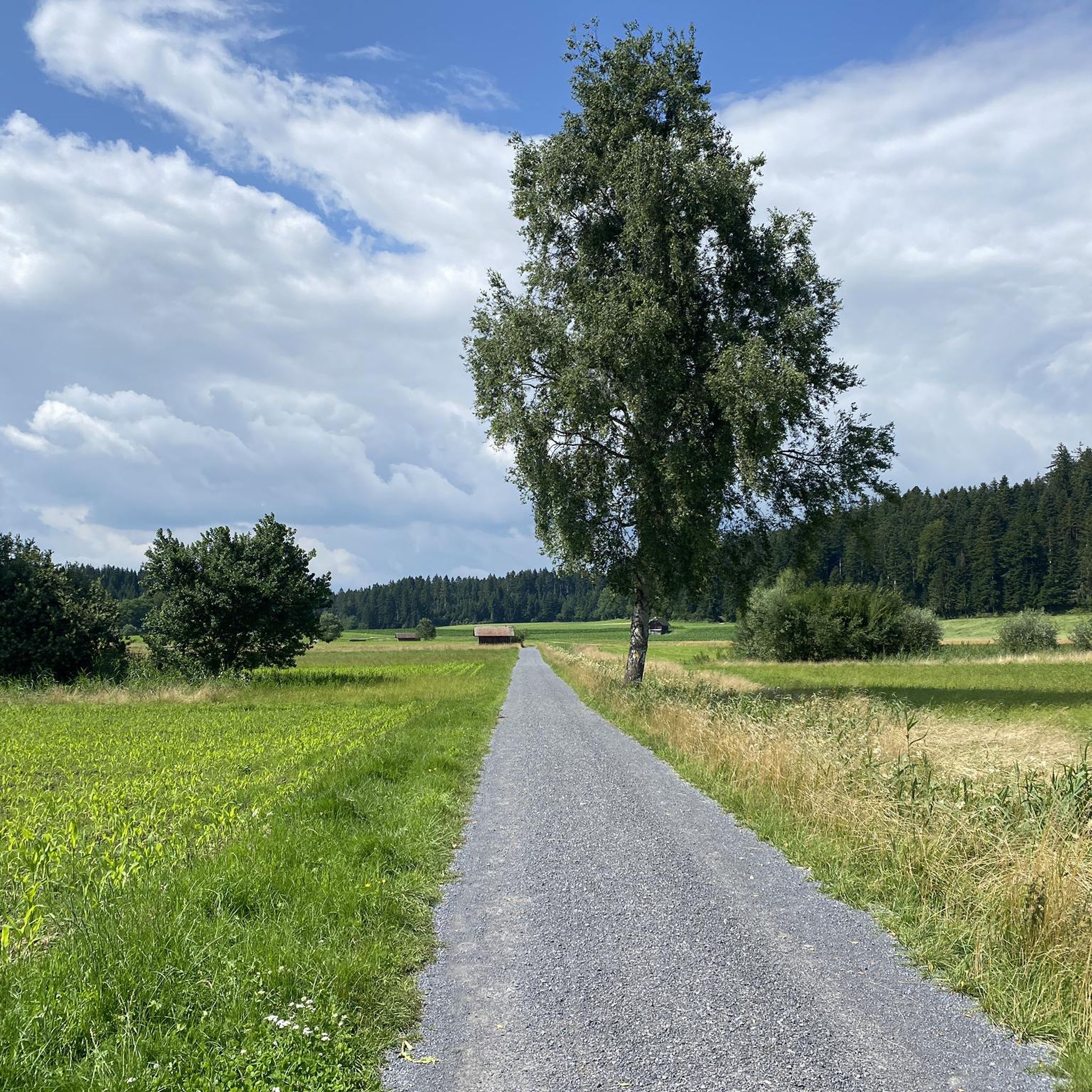
In Übeschi turn right and drive up the signposted cycle path. Over the crest / ridge between the Stockental and the two lakes of Übeschi and Amsoldingen. A really beautiful loop in this gorgeous fall weather and fall colors. Then back through the Glütschbachtäli.
0
0
Frequently Asked Questions
What types of caves can I explore near Oppligen?
Near Oppligen, you can explore a variety of caves, including natural stalactite caves, grottos, and even a unique natural ice cave that was repurposed as a military bunker. The region offers diverse underground experiences, from geological wonders to sites with historical significance.
Are there any family-friendly caves or cave-related activities around Oppligen?
Yes, several spots are great for families. The Glütschbachtal Stream and Grottos offers a picturesque river and cave system with an extensive picnic area, tables, and fire pits. Similarly, the Glütschbachtäli Forest Trail and Caves provides a beautiful path along a natural stream, perfect for lingering and picnics.
Which caves offer impressive geological formations?
The St. Beatus Caves, located above Lake Thun, are renowned for their stunning display of stalactites, stalagmites, columns, wide halls, and underground waterfalls, formed over millions of years. The Stalactite cave (grotto) in the Glütschbachtäli also offers a glimpse into local geological formations, alongside observing small bats.
Are there caves with historical significance in the region?
Yes, the Schafloch is a notable example. Originally a natural ice cave, it was significantly expanded by the Swiss Army during World War II to serve as a crucial logistical tunnel and bunker. It offers a unique blend of natural geology and military history, with remnants of entrance defenses and armories still visible.
What are the St. Beatus Caves known for?
The St. Beatus Caves are famous for their extensive system of illuminated pathways, impressive stalactite and stalagmite formations, and underground waterways. They are also rich in mystical tales, named after a 6th-century saint, and have archaeological evidence of Stone Age communities. The site offers stunning panoramic views of Lake Thun.
How accessible are the caves near Oppligen for visitors?
The St. Beatus Caves are designed for easy access, featuring secure and well-lit pathways suitable for individual visits. For other caves like those in the Glütschbachtäli, access often involves forest trails, which are generally well-maintained but may vary in terrain.
What outdoor activities can I combine with a visit to the caves?
The area around Oppligen offers various outdoor activities. You can find numerous gravel biking routes, such as those detailed in the Gravel biking around Oppligen guide. There are also many running trails, including those highlighted in the Running Trails around Oppligen guide, and road cycling routes, as seen in the Road Cycling Routes around Oppligen guide.
What do visitors enjoy most about the caves and surrounding areas?
Visitors frequently praise the picturesque and secluded valleys, the romantic moments of rest along streams, and the extensive picnic areas with fire pits, especially at spots like the Glütschbachtal Stream and Grottos. The opportunity to observe local wildlife, such as small bats in grottos, also adds to the unique appeal.
Are there any unique cave experiences or hidden gems near Oppligen?
The Schafloch offers a unique experience as a natural ice cave transformed into a military bunker, appealing to those interested in both geology and history. For a more subtle natural encounter, the Stalactite cave (grotto) allows for quiet observation of small bats sleeping in rock holes, providing a unique glimpse into local wildlife.
What is the best time of year to visit the caves around Oppligen?
Many caves, like the St. Beatus Caves, are open for much of the year, offering a consistent experience. For natural ice caves or those with underground waterways, conditions can vary seasonally. The surrounding forest trails, such as the Glütschbachtäli and cave near Übeschisee and Amsoldingersee, are particularly beautiful during autumn with vibrant fall colors.
Can I find information about cave geology and archaeology in the area?
Yes, the St. Beatus Caves feature a museum near the entrance that provides insights into cave geology, archaeology, and the local flora and fauna. This offers a deeper understanding of how these natural wonders were formed and their historical significance.
Are there any caves that are part of a longer trail or route?
Yes, the Glütschbachtäli Forest Trail and Caves follows a natural stream through a forest, making it an excellent path for biking or a leisurely walk. Similarly, the Glütschbachtäli and cave near Übeschisee and Amsoldingersee is part of a beautiful loop trail that can be explored.
Most popular routes around Oppligen
Most popular attractions around Oppligen

Get inspired with the komoot mobile app


Explore more
Extend your search for the best caves by checking out these guides of the top ones around Oppligen:
