Top 3 Caves around Oberried am Brienzersee
Best caves near Oberried am Brienzersee are found in a municipality located in the Interlaken-Oberhasli administrative district in the canton of Bern, Switzerland. This region is situated by Lake Brienz, offering a landscape characterized by mountains and water. The area provides access to various subterranean features, from natural rock formations to historical military installations. Exploring the caves Brienzersee area offers insights into both geological processes and human history.
Best caves around Oberried am Brienzersee
- The most popular caves is Ladder…
Last updated: June 28, 2026
Ladder Through the Rock
Highlight • Structure
When you arrive at the wall, the former military installation opens. Great view from the various holes in …
Translated by Google •
Tip by

Lourdes Grotto
Highlight • Religious Site
Translated by Google •
Tip by

Sign up now to discover places like this
Get recommendations on the best single tracks, peaks, & plenty of other exciting outdoor places.
Sign up for free
Schrattenfluh Cave Entrance (Alp Silwängen)
Highlight • Cave
Showing Translation
Tip by

Tropfloch (Seefeldhöhle) Cave
Highlight • Cave
Further information at sghi.ch
Bring a torch, helmet
Entry well marked
Translated by Google •
Tip by

Start today with a free account
Your next adventure awaits.
Login or Signup
Popular around Oberried am Brienzersee
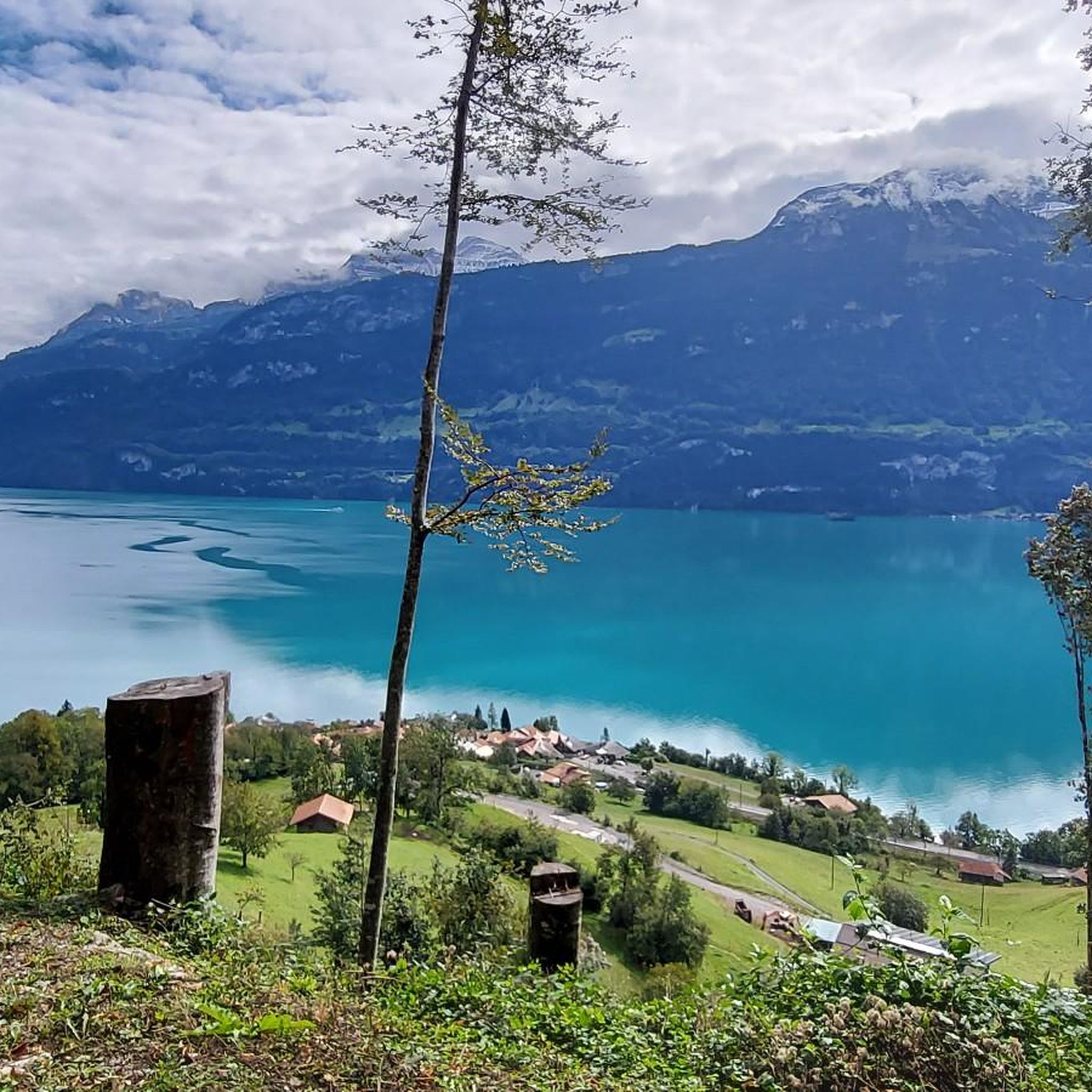
Hiking around Oberried am Brienzersee
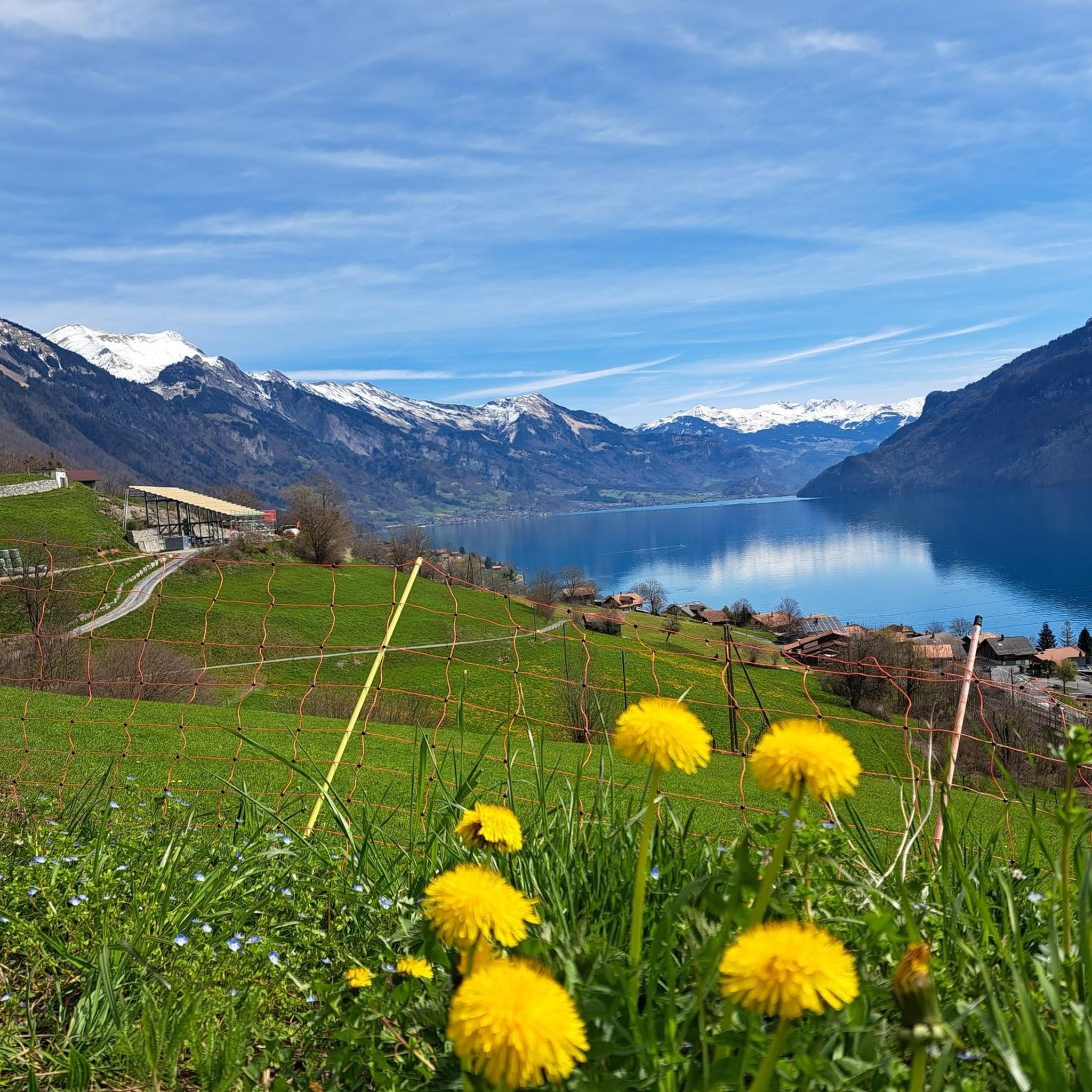
Road Cycling Routes around Oberried am Brienzersee
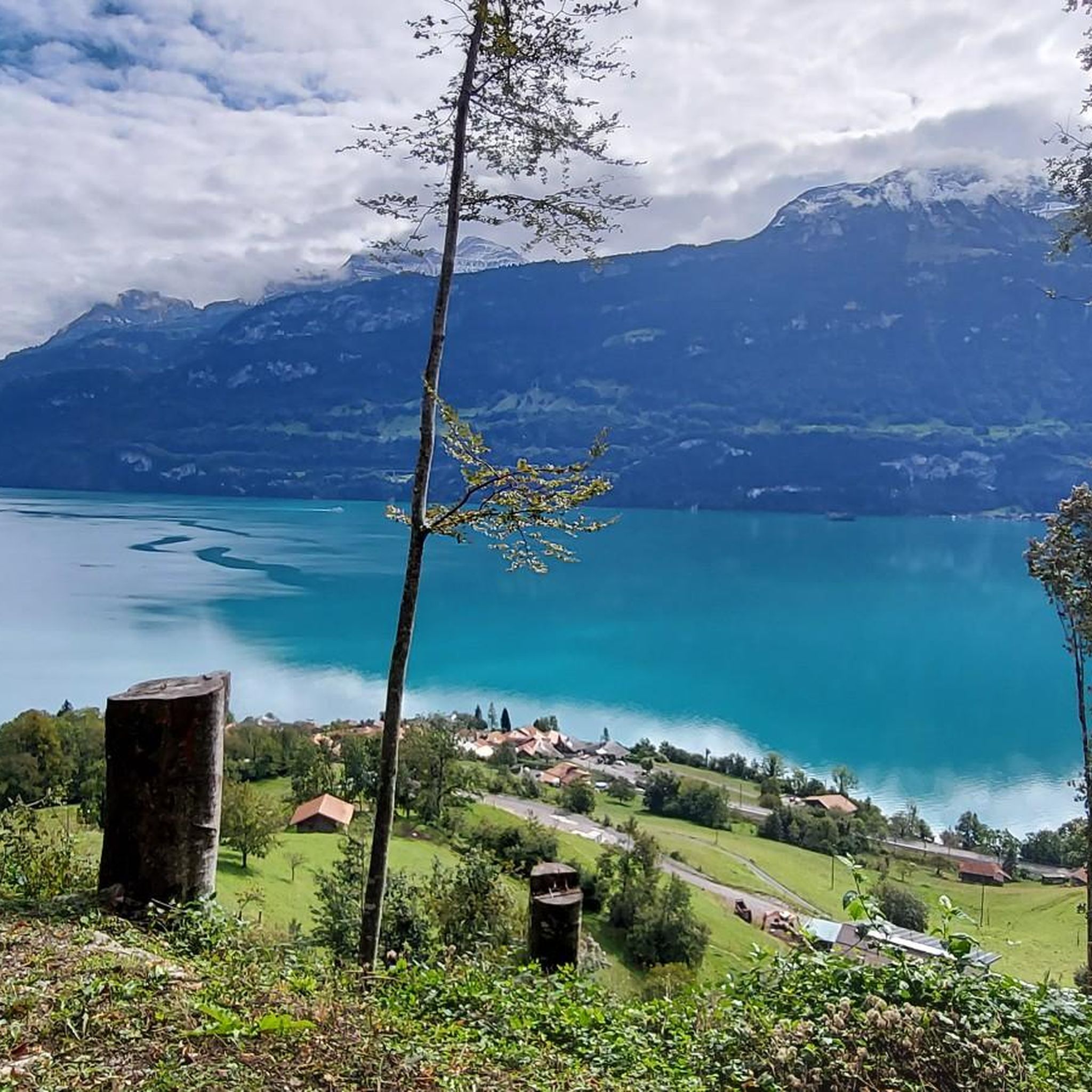
Cycling around Oberried am Brienzersee
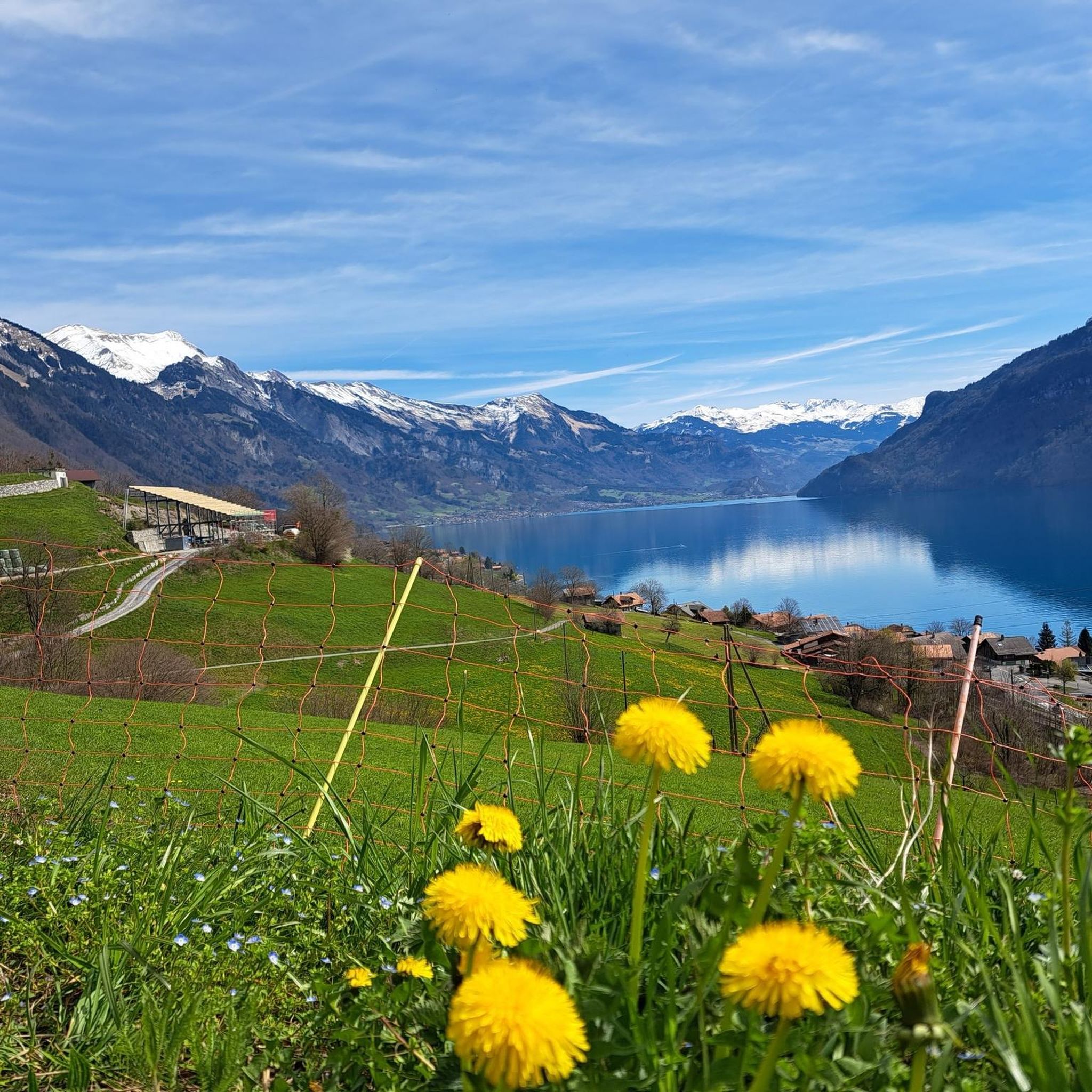
Running Trails around Oberried am Brienzersee
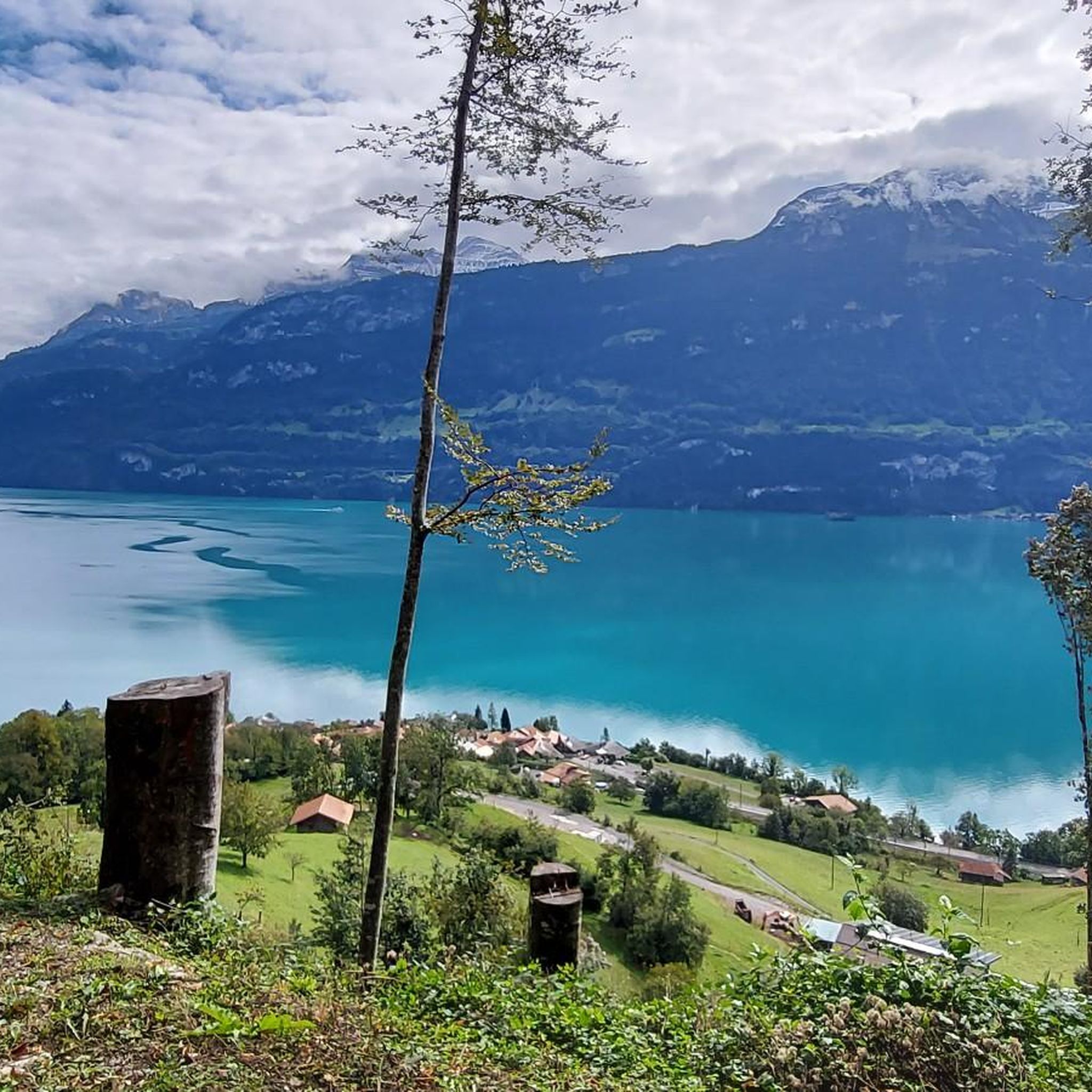
MTB Trails around Oberried am Brienzersee
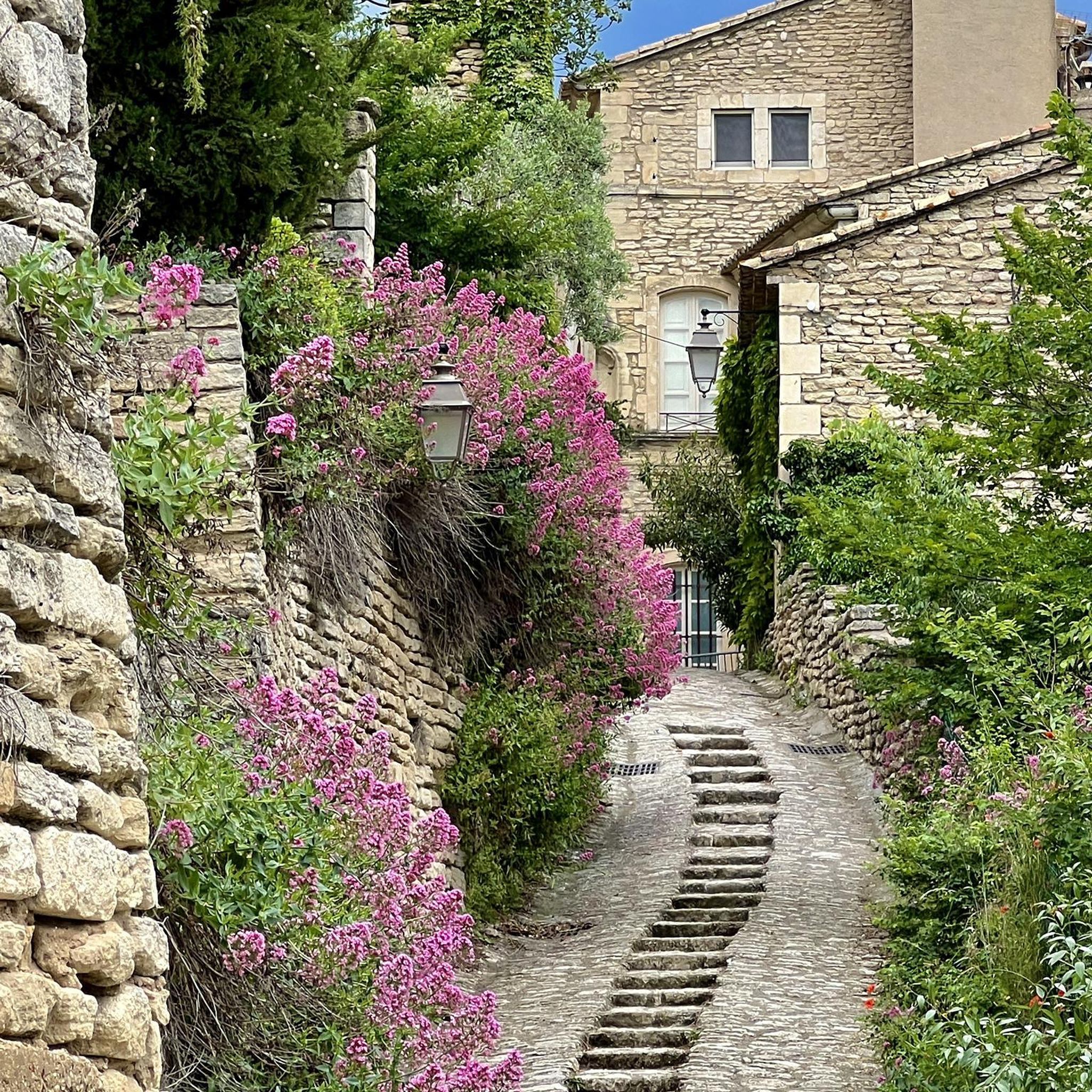
Gravel biking around Oberried am Brienzersee
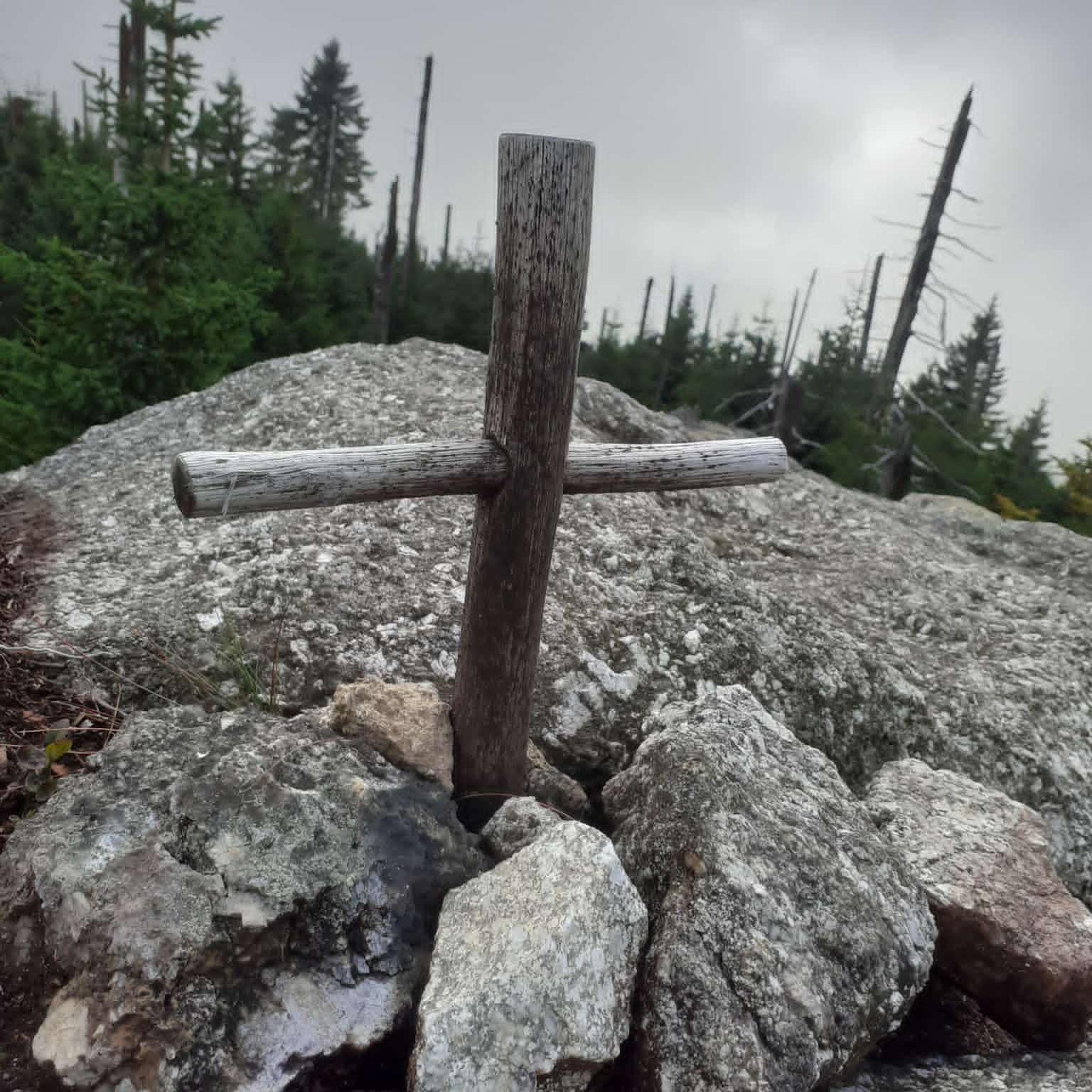
Mountain Hikes around Oberried am Brienzersee
Tips from the Community

wonderful and very beautiful round
3
0
wonderful and very beautiful round
3
0
very pretty here, very pretty
3
0

not suitable for people with claustrophobia.
1
0

At the Alp Silwangen there is an entrance for a cave from the Schrattenfluh. However, this can only be visited with a cave guide from the Unesco Biosphere Entlebuch.
0
0

Where the military once lived is now a very special hiking trail. When you arrive at the wall, the former military installation opens. Great view from the various holes in the rocks. Be careful with the upper ladder, it is in the dark and the steps are 50cm apart.
3
0

Freely accessible cave Further information at www.sghi.ch Bring a torch, helmet Entry well marked
1
0
Frequently Asked Questions
What types of cave experiences can I find near Oberried am Brienzersee?
The region offers a diverse range of subterranean experiences. You can explore natural stalactite caves, historical military installations, and even a religious grotto. The most prominent natural cave system is the St. Beatus Caves, known for its impressive formations and underground waterfalls. Other options include the historical Ladder Through the Rock, a former military installation, and the tranquil Lourdes Grotto.
Are there any natural caves with stalactites and stalagmites in the area?
Yes, the St. Beatus Caves, located near Lake Thun and easily accessible from the Lake Brienz area, are a significant natural wonder. They feature extensive stalactite and stalagmite formations, underground waterfalls, and grottos. Another natural option is the Schrattenfluh Cave Entrance (Alp Silwängen), though visiting the cave itself requires a guided tour from the Unesco Biosphere Entlebuch.
Are there any family-friendly cave attractions?
The St. Beatus Caves are generally considered family-friendly, with well-maintained, illuminated pathways suitable for most visitors. Additionally, the Lourdes Grotto offers a peaceful and accessible spot for a break during a hike, suitable for families looking for a quiet, reflective experience.
What historical or cultural cave sites can I visit?
For a glimpse into history, the Ladder Through the Rock is a former military installation with a unique hiking trail. The region also features a World War II underground cavern in the Aare Gorge, which served as a dormitory and technical facility. The Lourdes Grotto, built in 1917, offers a cultural and religious experience as a replica of the famous pilgrimage site.
What should I bring if I plan to explore a cave independently?
For caves like the Tropfloch (Seefeldhöhle) Cave, which is freely accessible, it is essential to bring a torch and a helmet for safety. Always ensure you are prepared with appropriate gear and inform someone of your plans before entering unguided caves.
What is the best time of year to visit caves in the Oberried am Brienzersee region?
The St. Beatus Caves are open year-round, offering a consistent temperature of 8-10°C regardless of the season, making them an excellent option even in winter. For other natural caves or historical sites, accessibility might vary with weather conditions, so it's always best to check ahead.
Are there challenging cave experiences for advanced explorers?
Some natural caves in the region, such as the Schrattenfluh Cave Entrance (Alp Silwängen) and the Tropfloch (Seefeldhöhle) Cave, are noted as challenging. The Schrattenfluh cave requires a guided tour, indicating its complexity. The Ladder Through the Rock also presents a challenging hike with a ladder in the dark.
What unique natural features can I expect to see in the caves?
In the St. Beatus Caves, you can marvel at impressive limestone formations, including stalagmites and stalactites, which have formed over millions of years. The system also features underground waterfalls and grottos, creating a dynamic and visually stunning environment.
What other outdoor activities can I combine with a cave visit near Oberried am Brienzersee?
The area around Oberried am Brienzersee is ideal for various outdoor activities. You can find numerous cycling routes, including traffic-free options, and scenic running trails. For detailed routes and inspiration, explore the Traffic-free bike rides around Oberried am Brienzersee, Cycling around Oberried am Brienzersee, and Running Trails around Oberried am Brienzersee guides.
Is there an 'Ice Cave' in the Brienz area, and can I visit it?
Yes, there is an 'Ice Cave' mentioned around Brienz. Historically, it was used to store blocks of ice until the 1980s. While it offers a unique historical aspect, current public accessibility and visitor features would require further investigation as details are not readily available.
What do visitors enjoy most about the cave experiences in this region?
Visitors frequently highlight the natural beauty and unique geological formations, especially in the St. Beatus Caves. For sites like the Ladder Through the Rock, the combination of a challenging hike with historical significance and great views is often praised. The tranquility and reflective atmosphere of the Lourdes Grotto are also highly valued.
Most popular routes around Oberried am Brienzersee
Most popular attractions around Oberried am Brienzersee

Get inspired with the komoot mobile app


Explore more
Extend your search for the best caves by checking out these guides of the top ones around Oberried am Brienzersee:
