Top 6 Castles around Langnau am Albis
Best castles around Langnau am Albis offer a journey through history amidst a scenic landscape. Situated near the Albis Pass, the area provides access to historical sites that once controlled ancient routes. Visitors can explore remnants of medieval fortifications, often with views of Lake Zurich and Lake Zug. The region combines historical significance with natural beauty, making it suitable for those interested in historical sites and outdoor exploration.
Best castles around Langnau am Albis
- The most popular castles is Au…
Last updated: June 28, 2026
Schnabelburg ruins
Highlight • Castle
Translated by Google •
Tip by

Friedberg Ruins
Highlight • Castle
Translated by Google •
Tip by

Sign up now to discover places like this
Get recommendations on the best single tracks, peaks, & plenty of other exciting outdoor places.
Sign up for free
Friesenberg Castle Ruins
Highlight • Castle
Translated by Google •
Tip by

Au Castle
Highlight • Castle
Translated by Google •
Tip by

Wulp Castle Ruins
Highlight • Castle
Translated by Google •
Tip by

Sign up for free to discover even more castles around Langnau am Albis.
Sign up for free
Already have an account?
Start today with a free account
Your next adventure awaits.
Login or Signup
Popular around Langnau am Albis
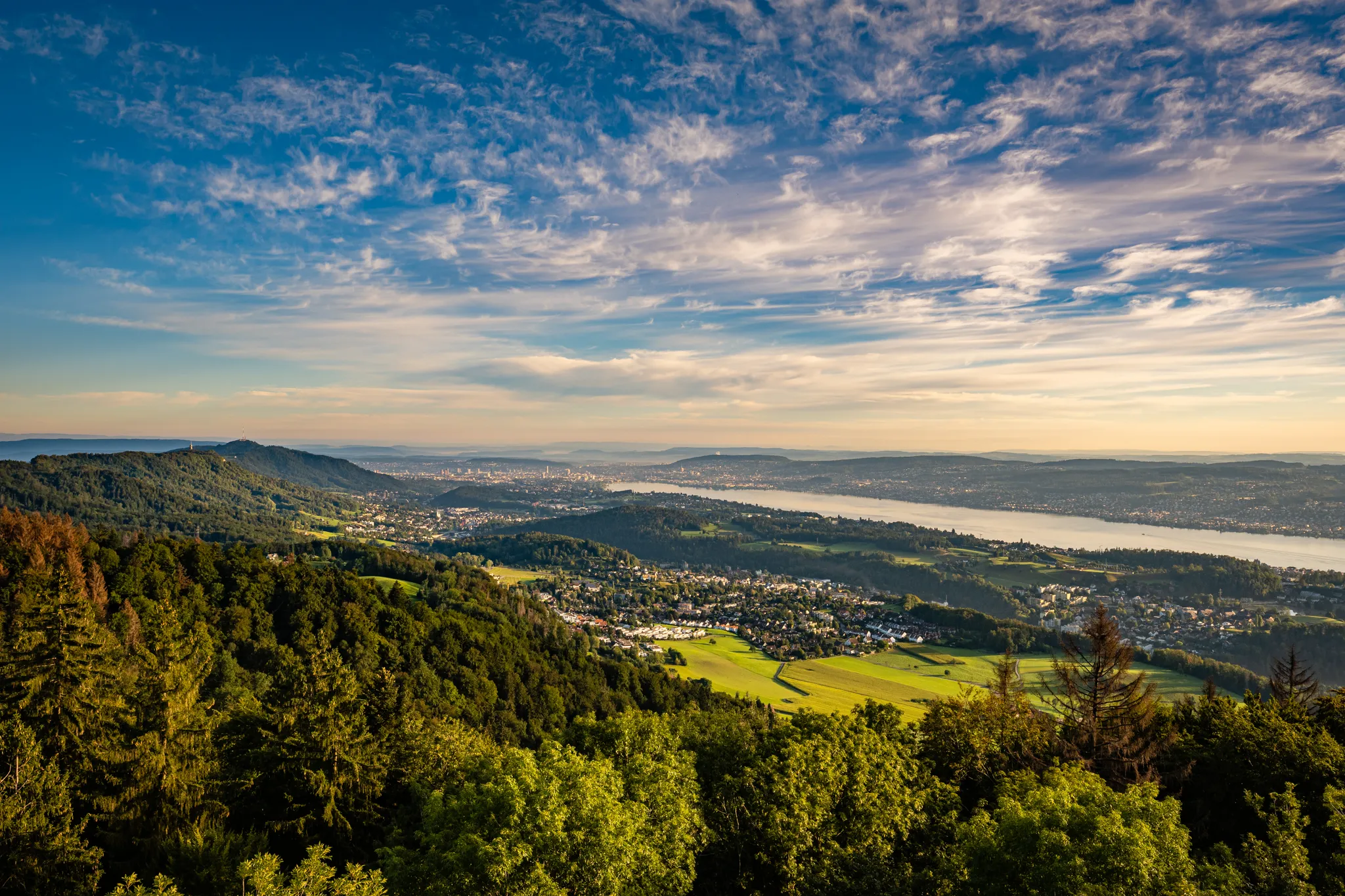
Vistas, Forests, Water – Zürich-Zugerland Panorama Trail
Road Cycling Routes around Langnau am Albis
Hiking around Langnau am Albis
MTB Trails around Langnau am Albis
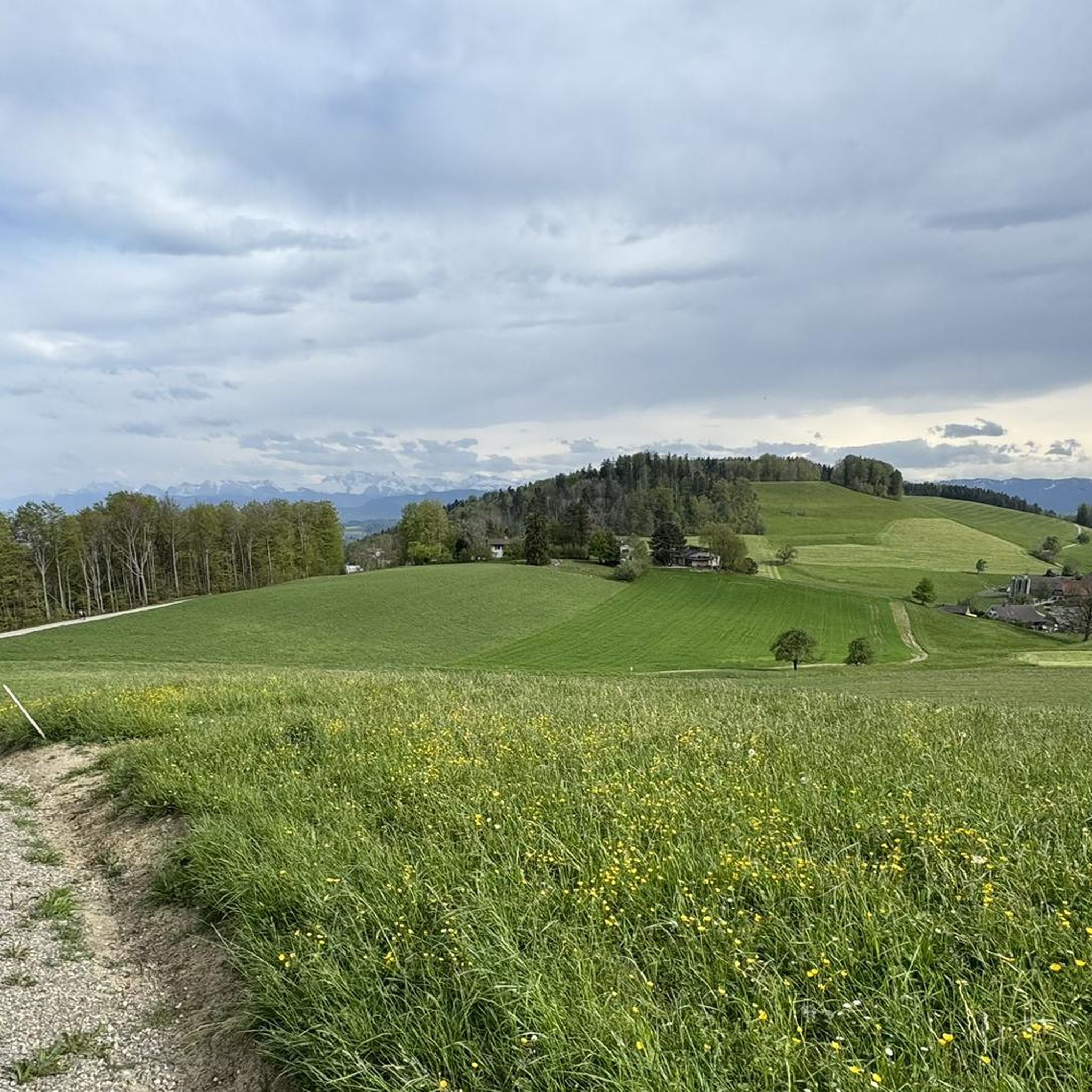
Cycling around Langnau am Albis
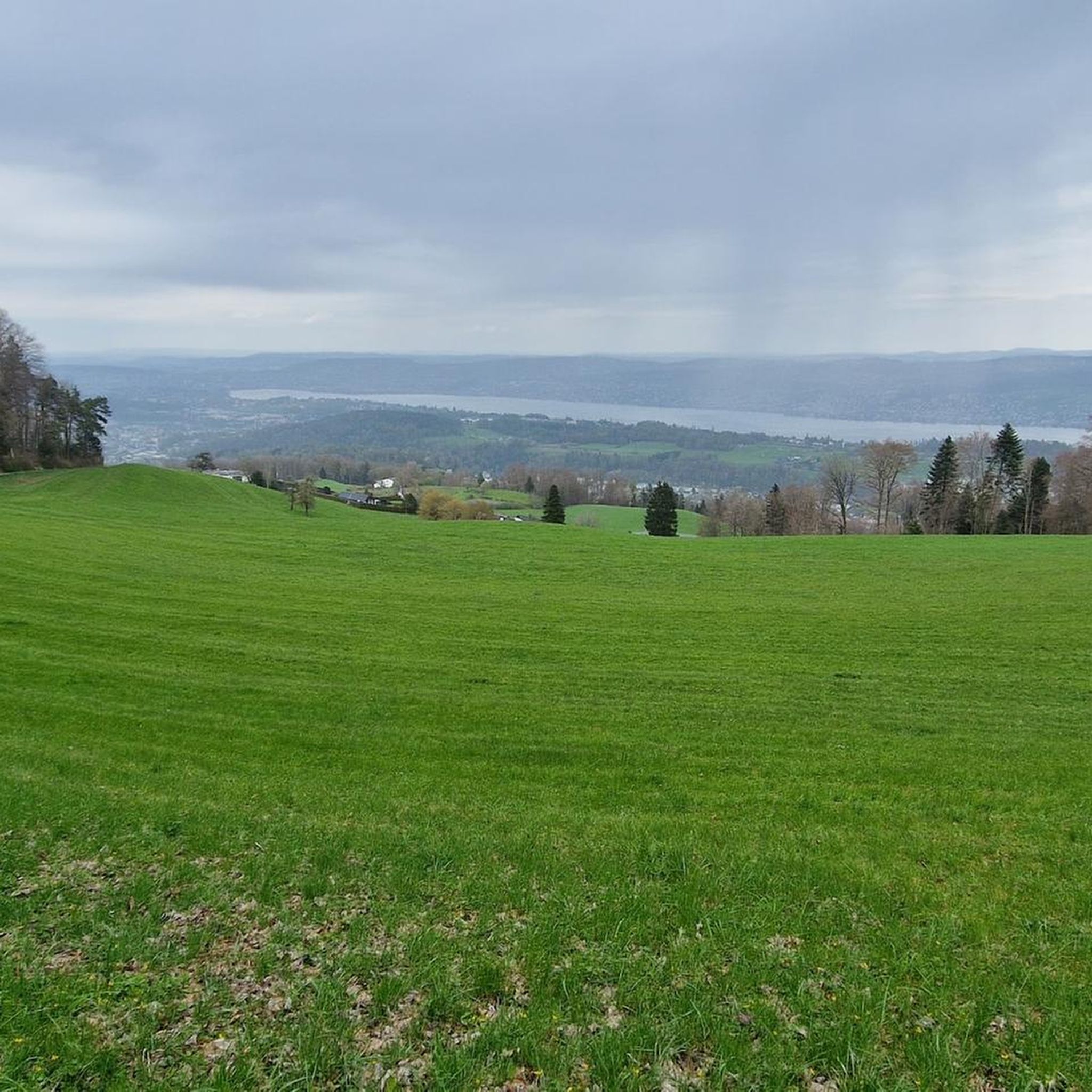
Running Trails around Langnau am Albis
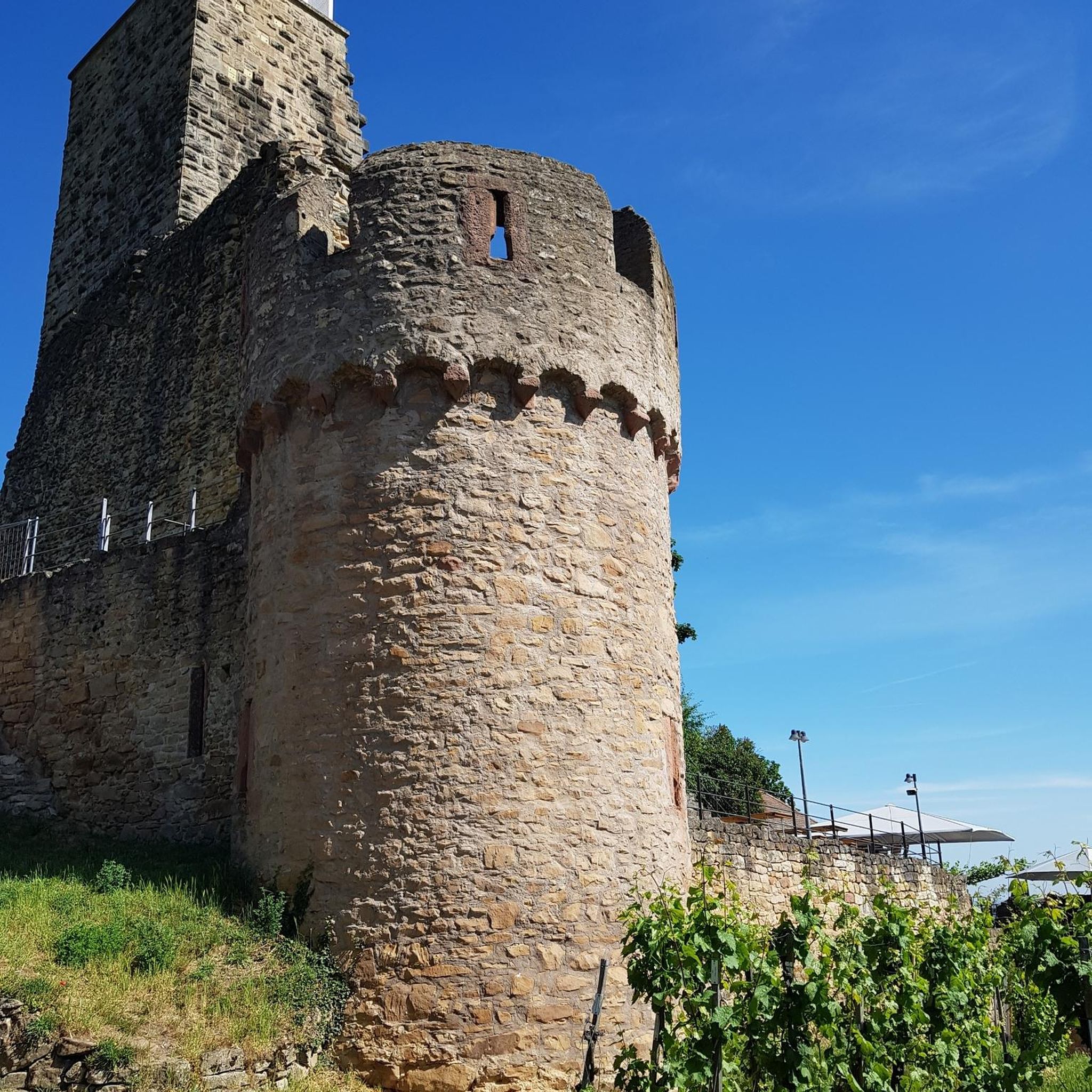
Gravel biking around Langnau am Albis
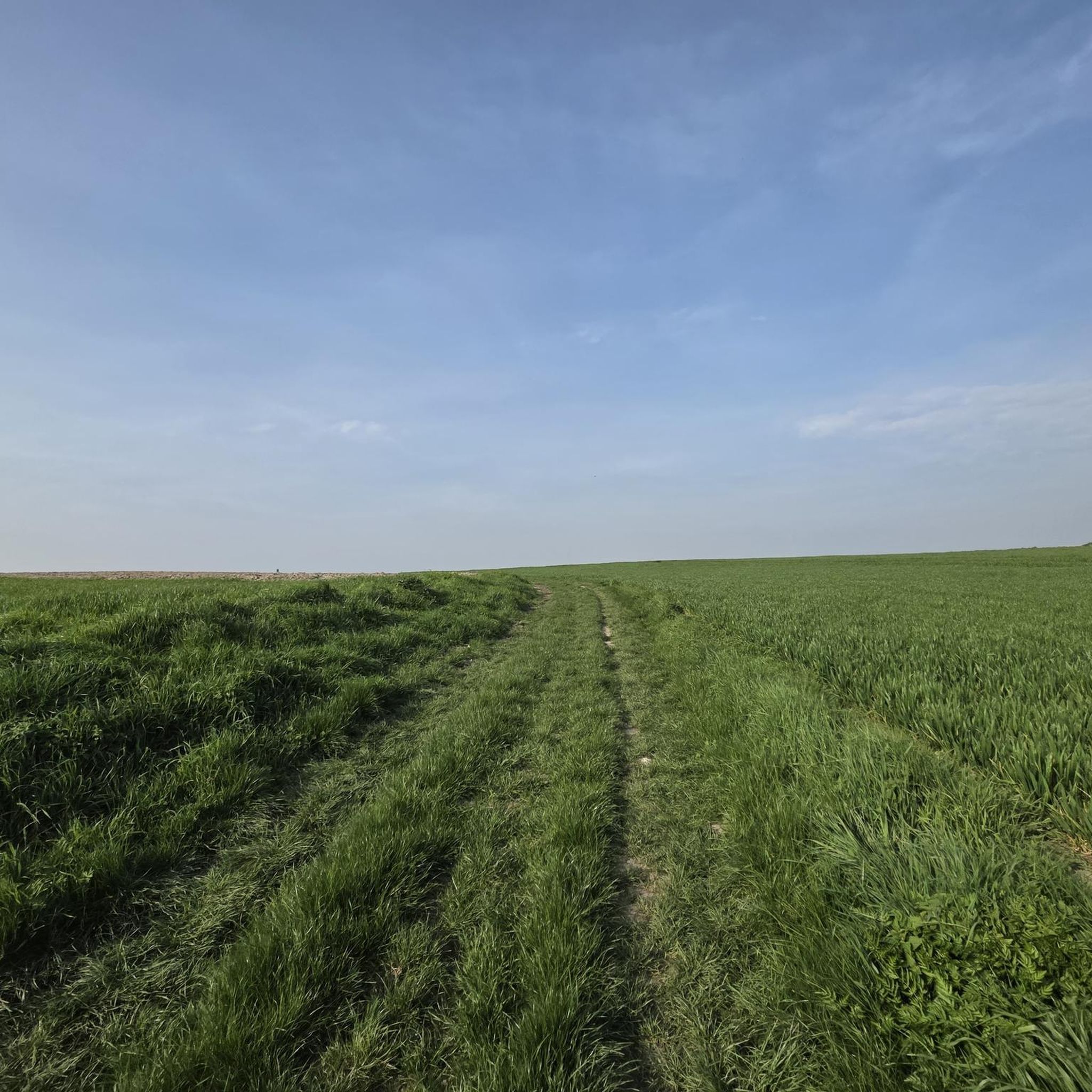
Mountain Hikes around Langnau am Albis
Other adventures around Langnau am Albis

Tips from the Community

From the north, a relatively easy, clearly visible, unmarked path leads to the plateau on which Schnabelburg Castle stands. The descent to the south is very steep and, when the ground is wet and/or covered in autumn leaves, also very slippery.
1
0


Remains of the foundation walls of a former hilltop castle
5
0

The Schnabelburg is the ruins of a hilltop castle on the beak-shaped hill north of the Schnabellücke above the village of Hausen am Albis in the canton of Zurich. Source: Wikipedia
6
2
The Schnabelburg is the ruins of a hilltop castle on the beak-shaped hill north of the Schnabellücke above the village of Hausen am Albis in the canton of Zurich. Source: Wikipedia
7
2

Officially this ruin is called "Burgruine" Friesenberg (neither Goldbrunnen nor Friesenburg). Until the end of the 14th Century this was the country get-away of the Family Mülner from the town of Zurich.
1
0
Officially this ruin is called "Burgruine" Friesenberg (neither Goldbrunnegg nor Friesenburg). Until the end of the 14th Century this was the country get-away of the Family Mülner from the town of Zurich.
1
0
Frequently Asked Questions
What kind of historical sites can I explore around Langnau am Albis?
The region offers a mix of castle ruins and preserved castle buildings. You can explore remnants of medieval fortifications that once controlled ancient routes, such as the Schnabelburg ruins, or visit the more intact Au Castle, which now functions as a seminar hotel.
Are there any castle ruins near Langnau am Albis that offer scenic views?
Yes, the Schnabelburg ruins are known for their picturesque location and offer beautiful views of Lake Zurich and Lake Zug. Similarly, Friesenberg Castle Ruins also provide a great viewpoint.
Which castles are family-friendly to visit in the Langnau am Albis area?
The Au Castle, set in a wonderful park landscape directly on Lake Zurich, is considered family-friendly. The Friedberg Ruins also have a family-friendly category, offering information boards and a bench to relax.
What outdoor activities can I do near the castles around Langnau am Albis?
Many castles are situated along scenic routes. For instance, the Zurich-Zugerland panoramic trail passes by the Schnabelburg ruins. You can also find various running and cycling routes nearby. For example, the Sihl River Path offers moderate running trails like the 'Sihl River Path in the Sihlwald' loop. You can find more details on running trails or gravel biking routes in the area.
Are there hiking trails that lead to castles or ruins in the region?
Yes, the Schnabelburg ruins are easily reachable from the Albis Pass, taking about 30 minutes on foot. The narrow paths leading to the ruins are an experience in themselves. The Zurich-Zugerland panoramic trail also passes by the castle hill, offering a longer hiking option.
What is the best season for castle visits near Langnau am Albis?
The Schnabelburg ruins are open 24 hours a day, year-round, making them accessible in any season. Generally, spring and autumn offer pleasant temperatures for exploring ruins and enjoying the surrounding nature, while summer allows for longer days. Winter visits can be picturesque, especially if there's snow, but paths might be slippery.
What makes the Schnabelburg ruins historically significant?
The Schnabelburg ruins are historically significant as they were a hilltop castle built between 1150 and 1200, controlling the important Schnabellücken pass. It played a role in medieval conflicts, notably being attacked and destroyed by the Habsburgs in 1309 following the assassination of King Albert I. Information boards on-site provide further details about its past.
Can I find information about the history of the castles on-site?
Yes, for sites like the Friedberg Ruins and the Schnabelburg ruins, information boards are available on-site. These boards provide historical context and details about the former structures, helping visitors understand their significance.
Are there any castles that are also hotels or event venues?
Yes, Au Castle is a notable example. It is a castle that also functions as a seminar hotel, located in a beautiful park landscape directly on Lake Zurich.
What do visitors particularly enjoy about the castles around Langnau am Albis?
Visitors appreciate the combination of historical significance and natural beauty. Many enjoy the scenic views from ruins like Schnabelburg and Friesenberg Castle Ruins. The well-prepared sites with information boards, like Friedberg Ruins, and the inviting atmosphere of places like Au Castle, are also frequently mentioned.
Is there a publicly accessible castle in Langnau am Albis itself?
While there is a 'Schloss Langnau' in Langnau am Albis, it is a residential building and not publicly accessible for visits. The main castle attractions in the immediate vicinity are the ruins and historical sites mentioned in this guide.
Are there any less crowded castle alternatives near Langnau am Albis?
The Schnabelburg ruins and Friedberg Ruins offer a more tranquil experience compared to larger, more commercialized castles. They provide a chance to explore history and nature without large crowds, especially during off-peak hours.
Most popular routes around Langnau am Albis
Most popular attractions around Langnau am Albis

Get inspired with the komoot mobile app


Explore more
Looking for the best castles somewhere else? Discover other guides around Langnau am Albis:
