Top 3 Castles in the Anti-Atlas Range
Best castles in the Anti-Atlas Range are primarily ancient, fortified structures built by the Amazigh people, including communal granaries known as *agadirs*, fortified villages called *ksour*, and fortified houses known as *kasbahs*. These architectural marvels served vital defensive and communal purposes, offering insight into the region's rich history and culture. The Anti-Atlas landscape is characterized by these unique earthen constructions, often integrated into villages or perched on rocky hills. These structures stand as testaments to ingenuity and communal resilience in a challenging environment.
Best castles in the Anti-Atlas Range
- The most popular castles is Agadir Id Aissa, a historical site and castle that is a beautifully restored fortified granary. This Agadir is 600 years old and served as an escape and storage castle.
- Another must-see spot is Kasbah Tizourgane, a historical site and castle. This kasbah offers impressive views and functions as a guesthouse and restaurant.
- Visitors also love Agdz Oasis and Kasbahs, a historical site featuring fortified houses within an oasis. The Agdz oases provide a pleasant environment, especially during midday heat.
- Anti-Atlas Range is known for its *agadirs* (fortified granaries), *ksour* (fortified villages), and *kasbahs* (fortified houses). These structures showcase the region's diverse and unique earthen architecture.
- The castles in the Anti-Atlas Range are appreciated by the komoot community, with more than 20 upvotes and 15 photos shared.
Last updated: July 11, 2026
Kasbah Tizourgane
Highlight • Historical Site
Tip by

Agadir Id Aissa
Highlight • Historical Site
Translated by Google •
Tip by

Sign up now to discover places like this
Get recommendations on the best single tracks, peaks, & plenty of other exciting outdoor places.
Sign up for free
Agdz Oasis and Kasbahs
Highlight • Historical Site
Translated by Google •
Tip by

Kasbah Oulad Othmane
Highlight • Historical Site
Translated by Google •
Tip by

Agadir Tasguinte, fortified granary
Highlight • Castle
It contains over 300 storage chambers.
Translated by Google •
Tip by

Start today with a free account
Your next adventure awaits.
Login or Signup
Popular around Anti-Atlas Range
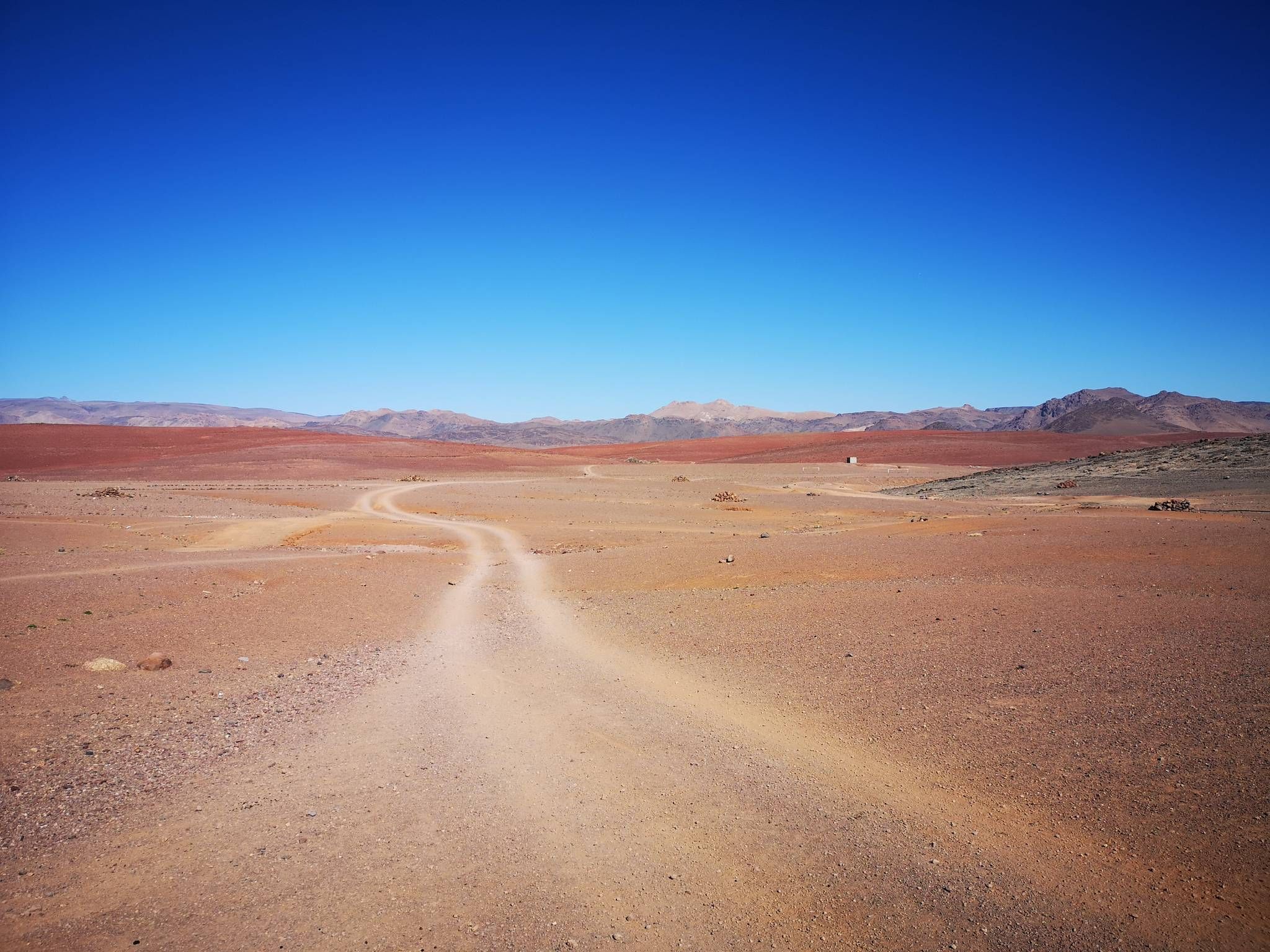
Atlas Mountain Race – One week, one bike, one girl
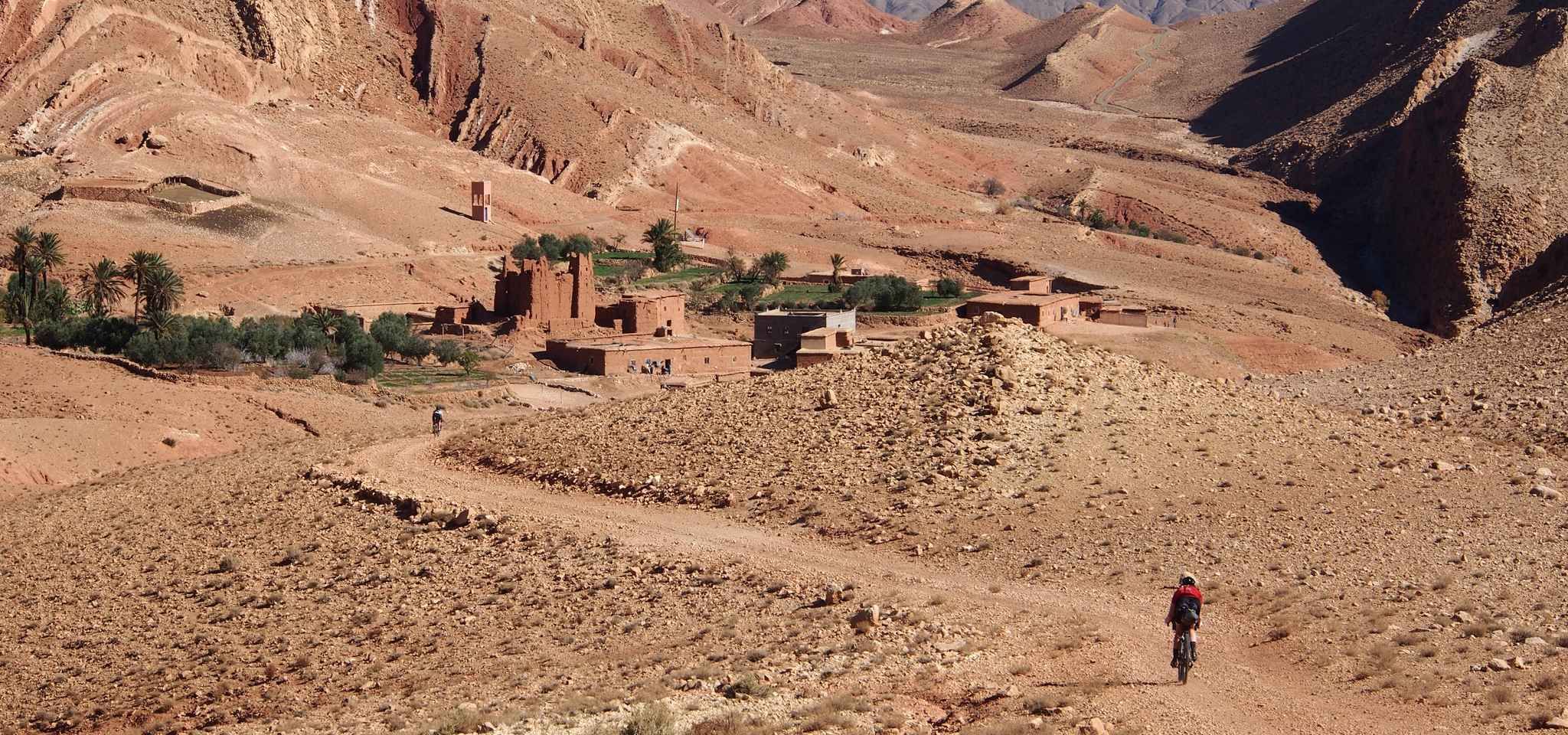
Atlas Mountains — teaser, taster & race recce
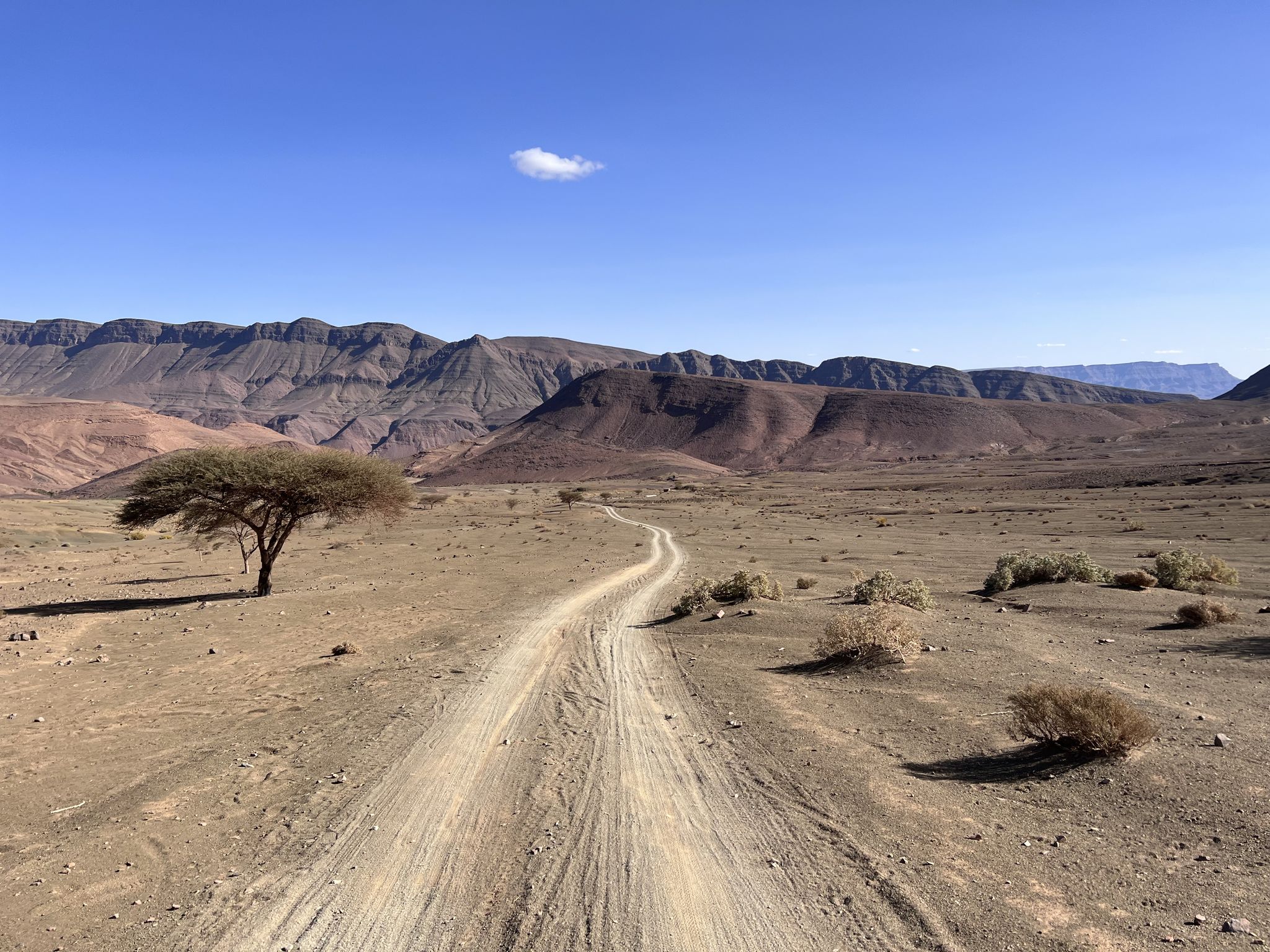
Marokko on the Rocks - Diary of the Atlas Mountain Race 2023
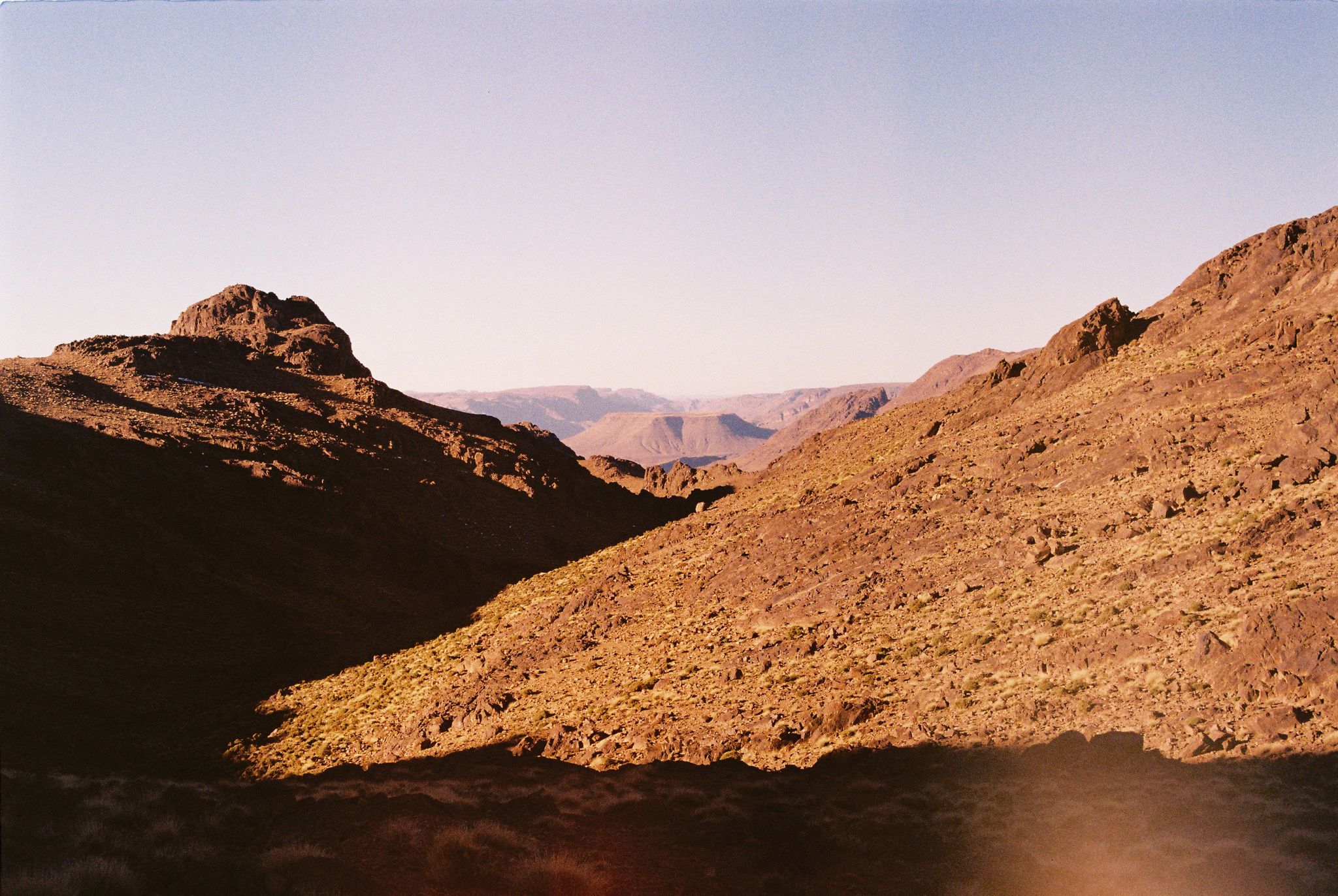
Desert and dust in the Jbel Saghro – hiking in the Moroccan Anti-Atlas
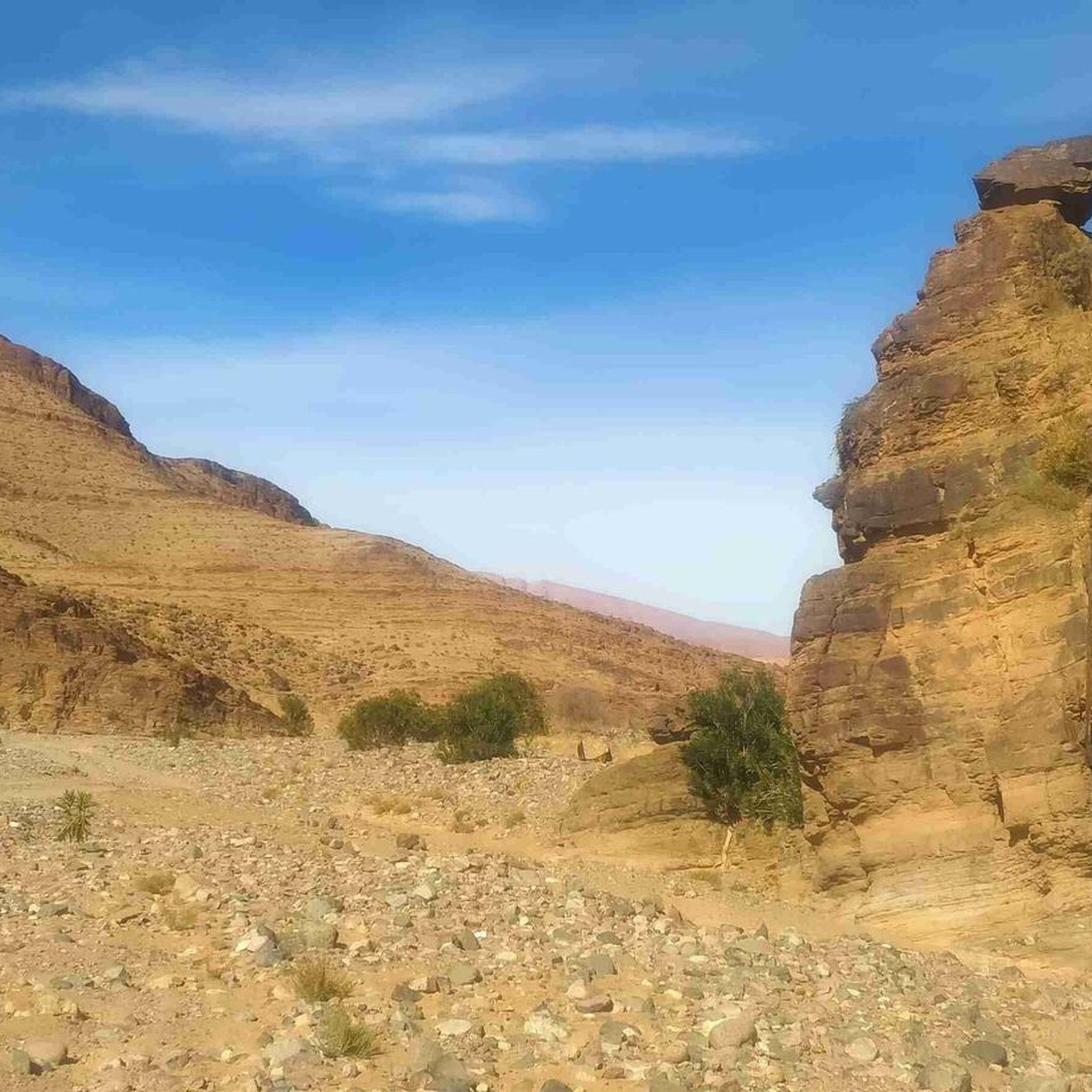
Hiking in the Anti-Atlas Range
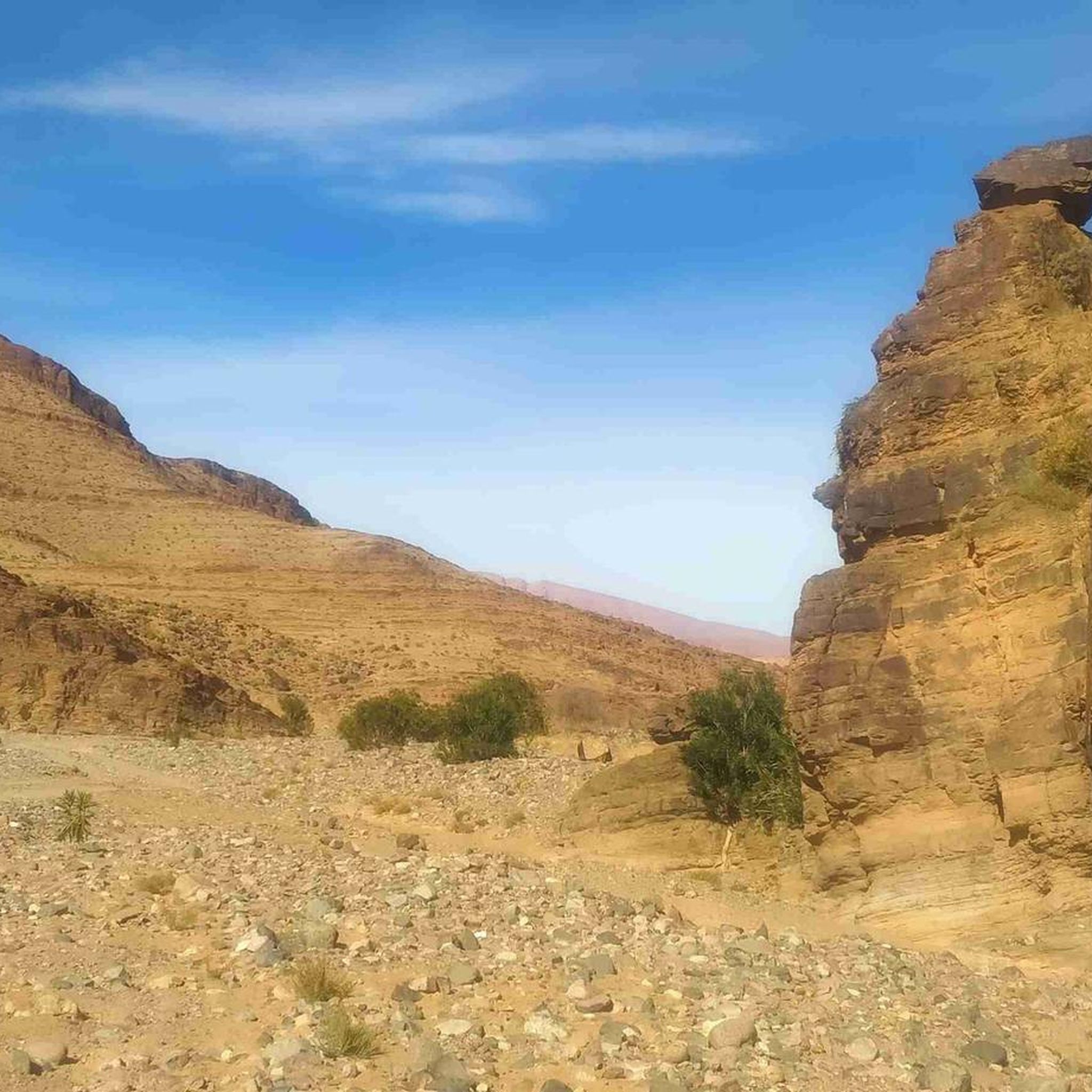
MTB Trails in the Anti-Atlas Range
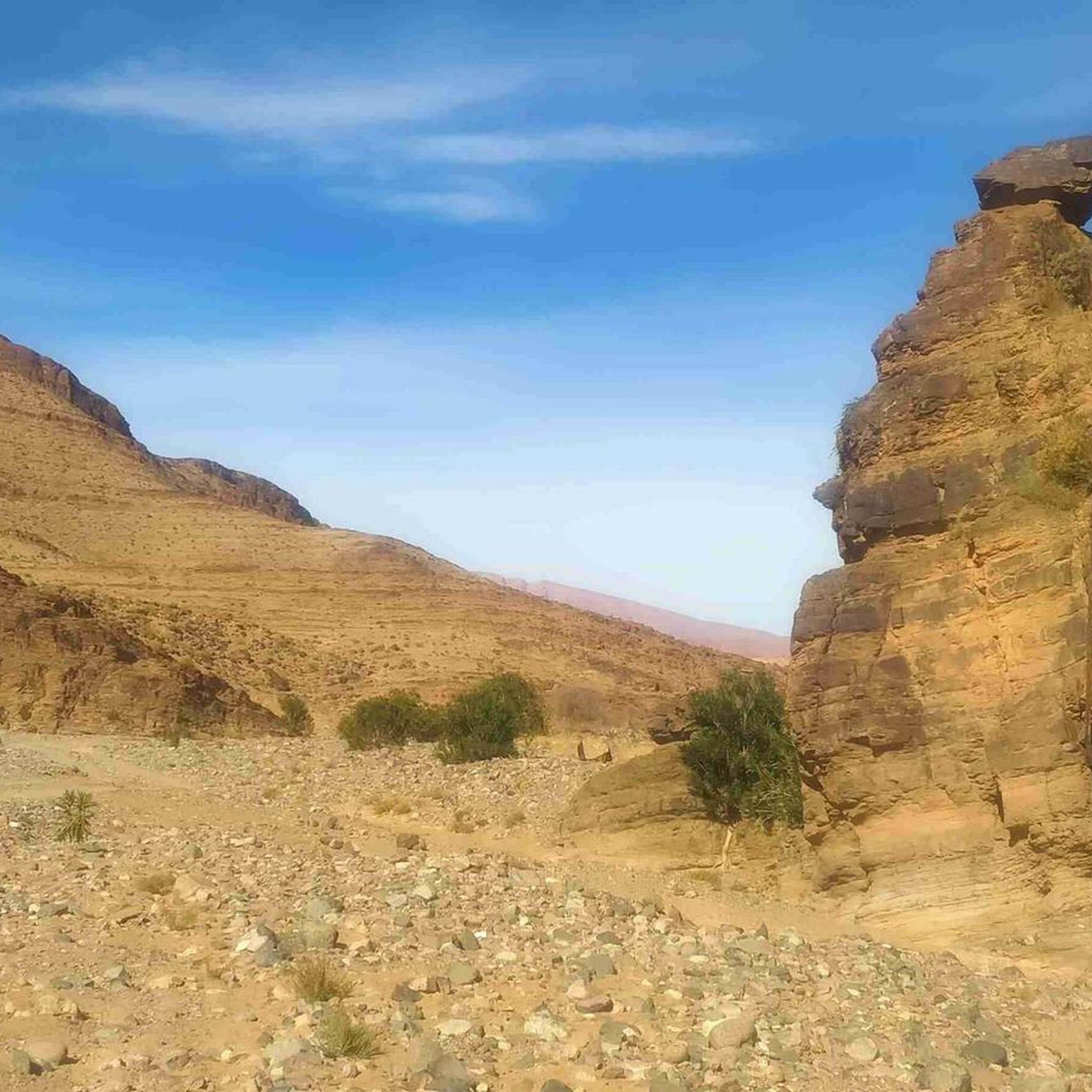
Cycling in the Anti-Atlas Range
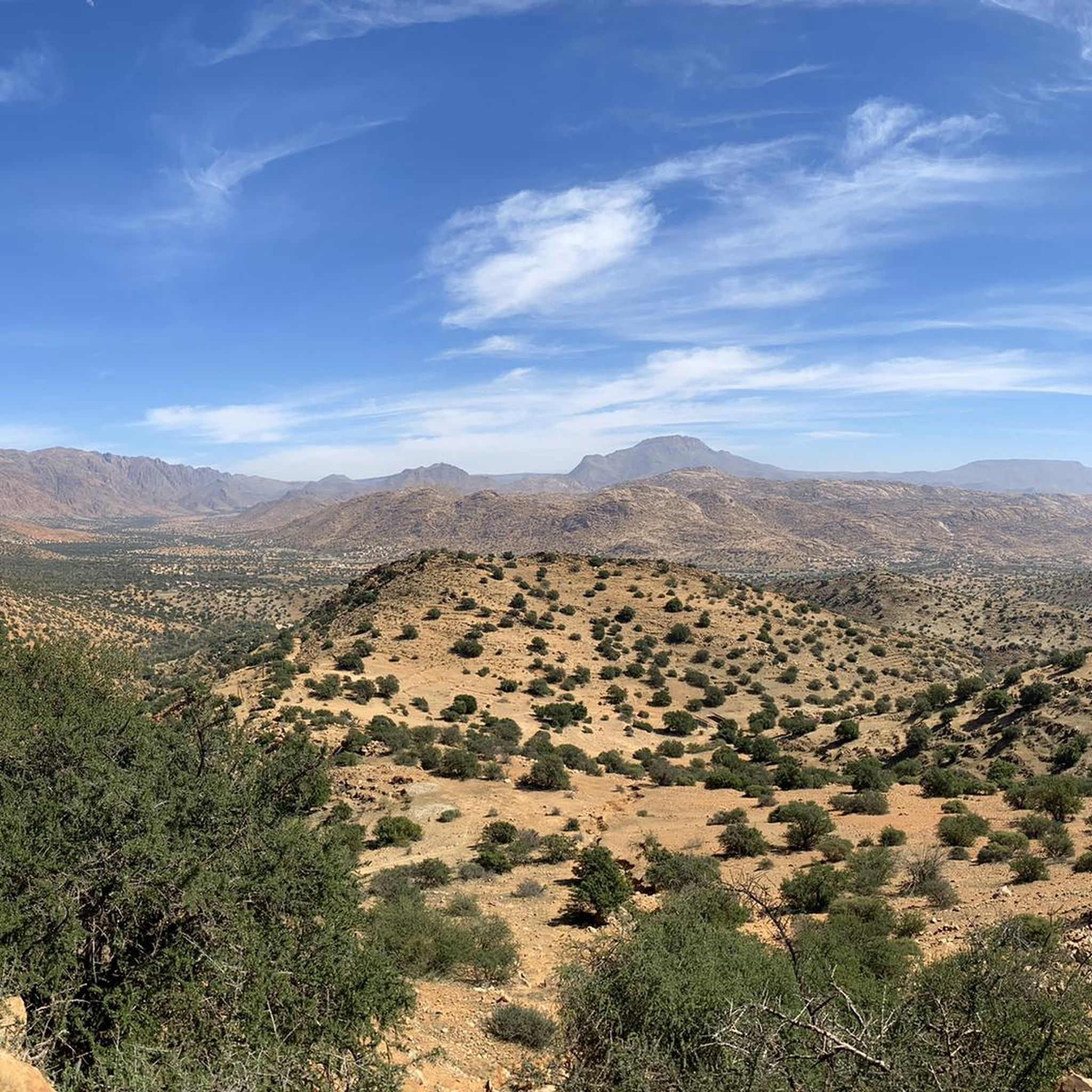
Road Cycling Routes in the Anti-Atlas Range
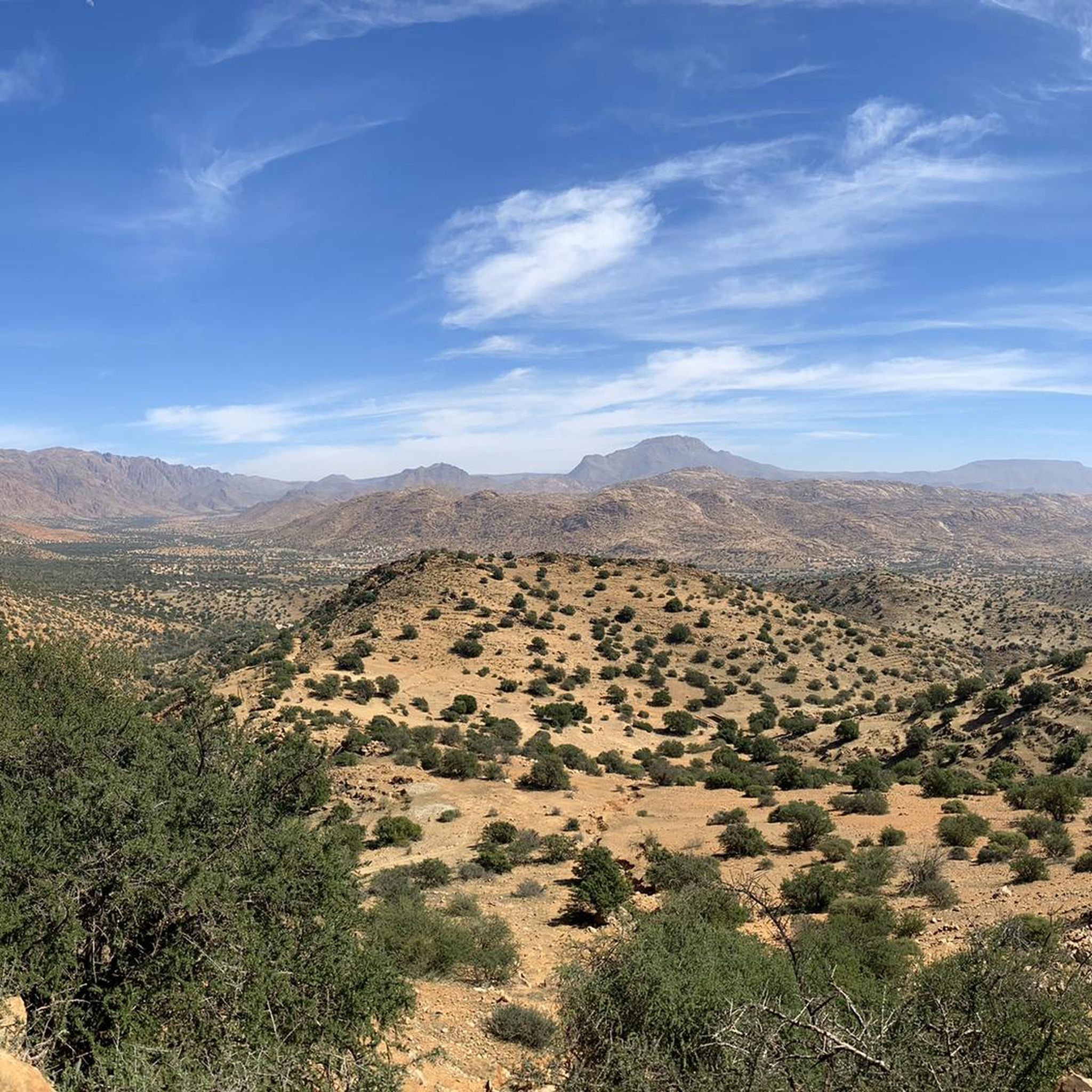
Running Trails in the Anti-Atlas Range
Other adventures in the Anti-Atlas Range


Tips from the Community

The fortified granary is said to be approximately 800 years old. This information is not verified. It contains over 300 storage chambers.
0
0

Apart from accommodation, it is also possible to ask to visit the Kasbah (20 dirham) and there is a restaurant with terrace to eat or just have a drink on the road. Beautiful views of the surroundings!
0
0


The Agdz oases are definitely the most beautiful place around the city. It is still quite pleasant here, especially in the midday heat.
3
1

This Agadir was built 600 years ago and has been beautifully renovated.
2
0
In the rock are engravings to be recognized which according to estimates of professionals to be 6,000 years old.
1
0
The escape and storage castle is 600 years old and has been beautifully restored.
1
0

The kasbah can be visited for a fee. Today's owner walks through the various areas and tells in English about the past life in the Kasbahs and the current problems of maintenance.
1
0
Frequently Asked Questions
What types of fortified structures are referred to as 'castles' in the Anti-Atlas Range?
In the Anti-Atlas Range, 'castles' primarily refer to three types of ancient Amazigh (Berber) fortified structures: agadirs (communal granaries), ksour (fortified villages), and kasbahs (fortified houses). These structures served defensive, communal, and storage purposes, showcasing unique earthen architecture.
Which fortified structures offer the best historical insights into the region's past?
For deep historical insights, visit Agadir Id Aissa, a beautifully restored 600-year-old granary that served as an escape and storage castle. Another significant site is Agadir Tasguinte, an approximately 800-year-old fortified granary with over 300 storage chambers. You can also visit Kasbah Oulad Othmane, where the owner often shares stories about life within the kasbah.
Are there any fortified structures that offer accommodation or dining options?
Yes, Kasbah Tizourgane is a notable example. It functions as a guesthouse and restaurant, offering impressive views and a unique stay between Aït Baha and Tafraout.
What natural features can I expect to see around these fortified sites?
Many fortified structures are integrated into the natural landscape. For example, the Agdz Oasis and Kasbahs are situated within a lush oasis, providing a pleasant environment, especially during midday heat. Other structures like Agadir Inoumar are dramatically positioned atop rocky hills, offering scenic viewpoints.
What outdoor activities can I do near the castles in the Anti-Atlas Range?
The Anti-Atlas Range offers various outdoor activities. You can find numerous cycling routes, including challenging ones like the 'View on the Lion of Tafraoute – Ameln Gorge loop from Tafraout'. For mountain biking, explore trails such as the 'Painted Rocks of Tafraoute loop'. There are also running trails, like the 'View of the Valley loop from Tafraout'. You can find more details on these activities in the MTB Trails, Cycling, and Running Trails guides for the Anti-Atlas Range.
Are there family-friendly options among the fortified structures?
While specific 'family-friendly' designations are less common for these historical sites, many are accessible and offer engaging experiences for families. The Agdz Oasis and Kasbahs, set within a pleasant oasis, can be a comfortable visit for families. Exploring the unique architecture of *agadirs* and *ksour* can also be an educational adventure for children.
What is the best time to visit the fortified structures in the Anti-Atlas Range?
The best time to visit the Anti-Atlas Range is generally during the cooler months, from autumn (October-November) through spring (March-April). During these periods, the weather is more pleasant for exploring the outdoor sites and engaging in activities like hiking, avoiding the intense heat of summer.
What do visitors enjoy most about the fortified structures in the Anti-Atlas Range?
Visitors appreciate the unique historical and architectural insights these structures provide. The beautifully restored Agadir Id Aissa is often highlighted for its preservation. The impressive views from places like Kasbah Tizourgane are also a favorite. The overall experience of stepping back in time and witnessing the ingenuity of Amazigh construction in a stunning natural setting is highly valued.
Can I find any ancient rock engravings near these sites?
Yes, near Agadir Id Aissa, there are rock engravings estimated to be 6,000 years old, offering an even deeper glimpse into the region's ancient past.
What are some of the largest or most significant fortified granaries (agadirs) in the region?
Beyond the highlights, the Anti-Atlas is home to several impressive *agadirs*. Agadir Inoumar, near Tafraoute, is one of the largest, serving 11 villages with 295 storage chambers. Agadir Tasguent, also near Tafraoute, is considered one of the best-preserved, and Agadir Imchguiguiln is one of the oldest, dating back 750 years with recent rehabilitation efforts.
Are there opportunities for hiking or trekking to these fortified villages?
Yes, many *agadirs* and *ksour* are located in scenic areas, offering opportunities for hiking. For instance, the agadirs of Amtoudi are known for their inaccessible cliffside locations, which can be reached via bucolic hikes. You can find various trekking routes in the region, including those around Tafraoute, by exploring the running guides which often include hiking paths.
What is the typical construction material for these fortified structures?
The fortified structures in the Anti-Atlas Range, including *agadirs*, *ksour*, and *kasbahs*, are typically constructed from local materials such as stone, rammed earth, or mud brick. This gives them their distinctive orange-brown color and allows them to blend seamlessly with the natural landscape.
Are there any fortified villages (ksour) that are particularly well-known?
While primarily in the High Atlas foothills, Aït Benhaddou is a prime example of a *ksar* and is crucial for understanding fortified architecture in Morocco's southern regions. It's a UNESCO World Heritage site known for its stunning clay architecture and historical significance along the trans-Saharan trade route. Many other *ksour* are scattered throughout the Anti-Atlas, particularly en route to Tafraoute, offering authentic encounters with Berber culture.
Most popular routes in the Anti-Atlas Range
Most popular attractions in the Anti-Atlas Range

Get inspired with the komoot mobile app


Explore more
Looking for the best castles somewhere else? Discover other guides in the Anti-Atlas Range:
