The 8 Most Amazing Peaks around Kilimanjaro
Best mountain peaks around Kilimanjaro include Africa's highest peak, a majestic stratovolcano composed of three distinct volcanic cones: Kibo, Mawenzi, and Shira. Each cone offers unique features and experiences for visitors, from glaciated summits to rugged, eroded formations. The region provides diverse scenery, transitioning through multiple ecological zones from tropical to arctic climates. This area is a significant natural landmark, offering panoramic views of the Tanzanian landscape.
Best mountain peaks around Kilimanjaro
- The most popular mountain peaks is Uhuru Peak…
Last updated: June 28, 2026
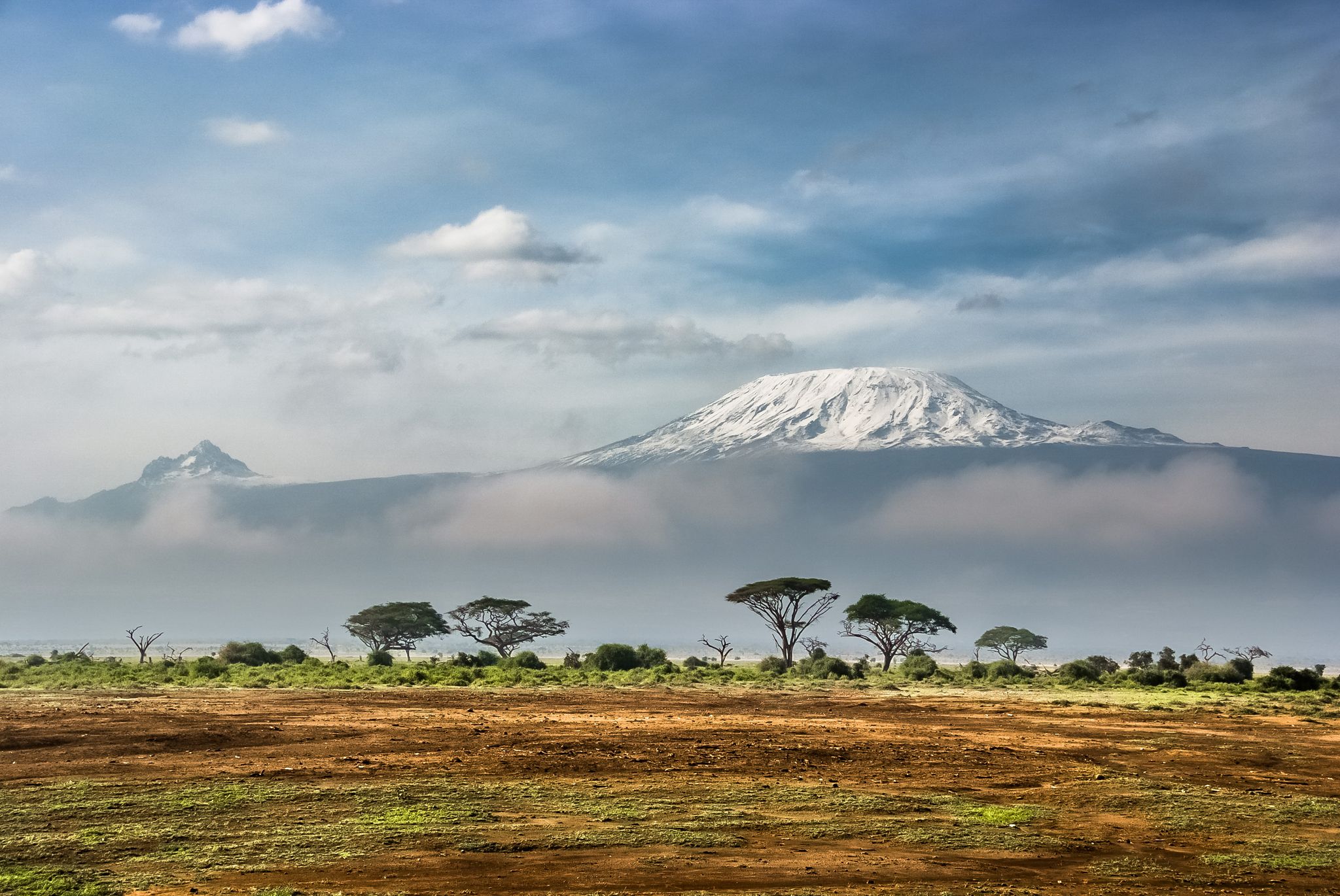
Uhuru Peak (5,895 m), Mount Kilimanjaro
Highlight • Summit
Translated by Google •
Tip by

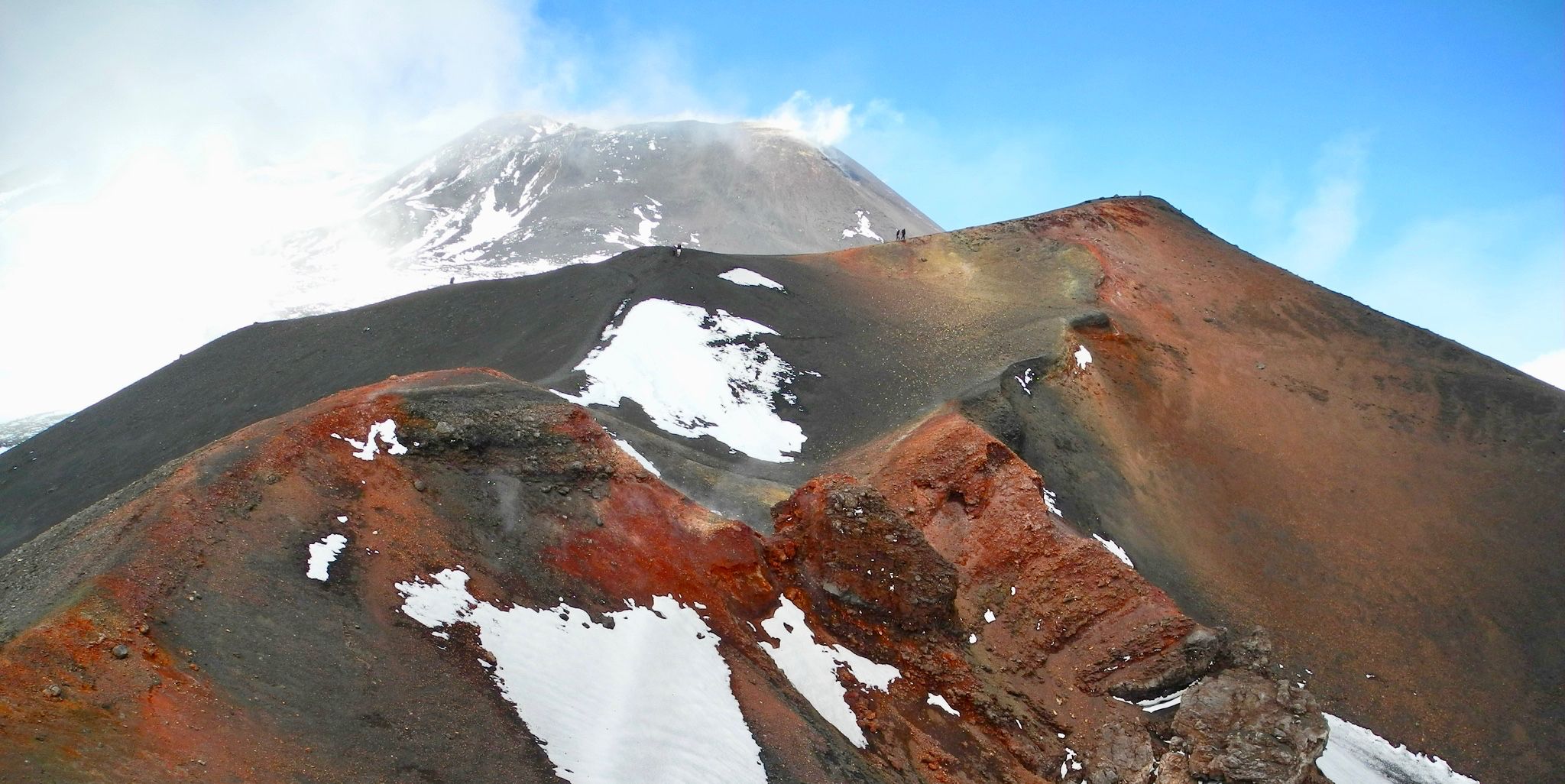
Lava Tower
Highlight • Natural Monument
Tip by

Sign up now to discover places like this
Get recommendations on the best single tracks, peaks, & plenty of other exciting outdoor places.
Sign up for free
Stella Point
Highlight • Summit
Translated by Google •
Tip by

Descent from Mount Kilimanjaro
Highlight (Segment) • Trail
Translated by Google •
Tip by

View of Mawenzi
Highlight • Viewpoint
Tip by

Sunset view of Mount Meru from Shira Camp
Highlight • Viewpoint
Translated by Google •
Tip by
Night Ascent to Uhuru Peak
Highlight • Summit
Tip by

Start today with a free account
Your next adventure awaits.
Login or Signup
Other adventures around Kilimanjaro

Tips from the Community

I used double hiking socks around my nalgene bottle to protect from freezing on the way up. my hydration pack/water bladder pipe froze even with me pushing air back through the tube.
1
0

When following the Lemosho route on Kilimanjaro. You climb up to the Lava Tower. Lava Tower is a 300-foot tall rock structure on Mount Kilimanjaro. It is a distinct geological formation and significant landmark on the mountain. Lava Tower is a volcanic plug that was formed when Kilimanjaro was an active volcano. The process began between 150,000-200,000 years ago during a volcanic eruption. Magma rose through a vent from deep within the Earth to reach the surface. After the eruption subsided, the magma within the vent cooled and solidified. Over time, erosion wore away the softer, surrounding volcanic material, leaving the hard material exposed.
0
0

climbed 4 times from 4 different routes
0
0

Beautiful rock formation, the porters set up the tents up there and serve something to eat. You stay there for about an hour to acclimatise. It is at least 4600 m high
0
0


It's a very special experience to stand up there when the sun rises 😍
3
0

Some people doing a 9-day route camp here. No climbing is allowed on the tower.
1
0
Frequently Asked Questions
What are the main mountain peaks that make up Mount Kilimanjaro?
Mount Kilimanjaro is composed of three distinct volcanic cones: Kibo, Mawenzi, and Shira. Kibo is the highest and youngest, Mawenzi is the second highest with a rugged summit, and Shira is the oldest and lowest, featuring a broad plateau.
What makes Uhuru Peak on Kibo so special for climbers?
Uhuru Peak (5,895 m), Mount Kilimanjaro, is the highest point in Africa and the ultimate goal for most climbers. Reaching it is a monumental accomplishment, offering breathtaking panoramic views. While not technically difficult, it demands significant physical endurance and typically takes five to seven days for a return trip. The ascent is chargeable, and local carriers are mandatory.
What are the unique features of Mawenzi Peak?
Mawenzi Peak, at 5,149 meters, is an extinct volcano known for its dramatic, rugged summit with steep ridges, pinnacles, and jagged, eroded rock formations. This distinctive 'broken top' appearance sets it apart from Kibo's smoother cone. Its grandeur can be appreciated from viewpoints like View of Mawenzi, especially at sunrise or sunset.
What can I expect when visiting the Shira Plateau?
The Shira Plateau, part of the oldest and lowest Shira Peak, offers a unique geological landscape. It provides panoramic vistas of Mount Meru, Kibo's glaciated peak, and the Great Rift Valley. It's a key highlight for scenic views, particularly for those on the Lemosho, Shira, or Northern Circuit routes, and offers opportunities to encounter some wildlife.
Are there specific landmarks or viewpoints to look out for on Kilimanjaro?
Yes, several notable landmarks and viewpoints exist. Stella Point marks the crater rim of Kibo and is a significant milestone on the ascent to Uhuru Peak. The Lava Tower is a prominent rock formation often used as a lunch break or acclimatization spot. Additionally, the Shira Cathedral on the Shira Plateau is an excellent spot for photos.
What outdoor activities can I do near the mountain peaks around Kilimanjaro?
The region offers a variety of outdoor activities. For running enthusiasts, there are Running Trails around Kilimanjaro, including loops from Simba Farm and Horombo Huts. Hikers can explore numerous routes, such as the Hiking around Kilimanjaro guide, which features the Sunrise on Mount Kilimanjaro – Stella Point loop and the Big boulder and Kibo view – Shira Plateau loop.
What is the best time to visit the Kilimanjaro region for hiking?
The best times to visit for hiking are generally during the drier seasons, from January to March and June to October. These periods offer clearer skies and more favorable climbing conditions, though weather on the mountain can be unpredictable year-round.
What are the difficulty levels for climbing the peaks around Kilimanjaro?
Climbing Uhuru Peak on Kibo is considered physically demanding due to the altitude, but not technically challenging. Mawenzi Peak, however, requires advanced mountaineering skills, special permits, and equipment due to its technical nature and unstable rock. The Shira Plateau offers more accessible trekking experiences with moderate to difficult routes.
Are there any specific permits required for hiking or climbing in the Kilimanjaro area?
Yes, permits are required for climbing Mount Kilimanjaro, and the ascent is chargeable. Additionally, the commission of local carriers is mandatory for climbs. For Mawenzi Peak, advanced mountaineering skills and special permits are needed due to its technical difficulty.
What kind of natural features can I expect to see while trekking around Kilimanjaro?
Trekking around Kilimanjaro takes you through five distinct ecological zones, providing diverse scenery from tropical rainforests to arctic climates. You'll encounter glaciated peaks, rugged volcanic formations, broad plateaus, and varied landscapes including moorland and heath. The region is a significant natural landmark offering panoramic views of the Tanzanian landscape.
What do visitors enjoy most about the mountain peaks around Kilimanjaro?
Visitors frequently highlight the superb views and the sense of accomplishment. Many describe the experience of reaching Stella Point as a significant milestone, and the pride of reaching the summit of Uhuru Peak is often mentioned. The dramatic landscapes, especially the View of Mawenzi, are also highly appreciated.
Most popular routes around Kilimanjaro
Most popular attractions around Kilimanjaro

Get inspired with the komoot mobile app


