The 10 Most Amazing Peaks in the Jiri Massif
Best mountain peaks in the Jiri Massif are found within Jirisan National Park, South Korea's first and largest mainland national park. This significant mountainous region spans three provinces and is known for its diverse natural features. The Jiri Massif offers high peaks, scenic valleys, and waterfalls, alongside ancient Buddhist temples and historical sites. It provides a rewarding experience for trekkers and nature enthusiasts.
Best mountain peaks in the Jiri Massif
- The most popular mountain peaks is Cheonwangbong Peak, Jirisan National…
Last updated: June 28, 2026
Cheonwangbong Peak, Jirisan National Park
Highlight • Summit
Translated by Google •
Tip by

Daedunsan Peak 879 m
Highlight • Summit
Tip by

Sign up now to discover places like this
Get recommendations on the best single tracks, peaks, & plenty of other exciting outdoor places.
Sign up for free
Moaksan Peak (793.5 m)
Highlight • Summit
Tip by

Seoraebong - 624 m
Highlight • Summit
Translated by Google •
Tip by
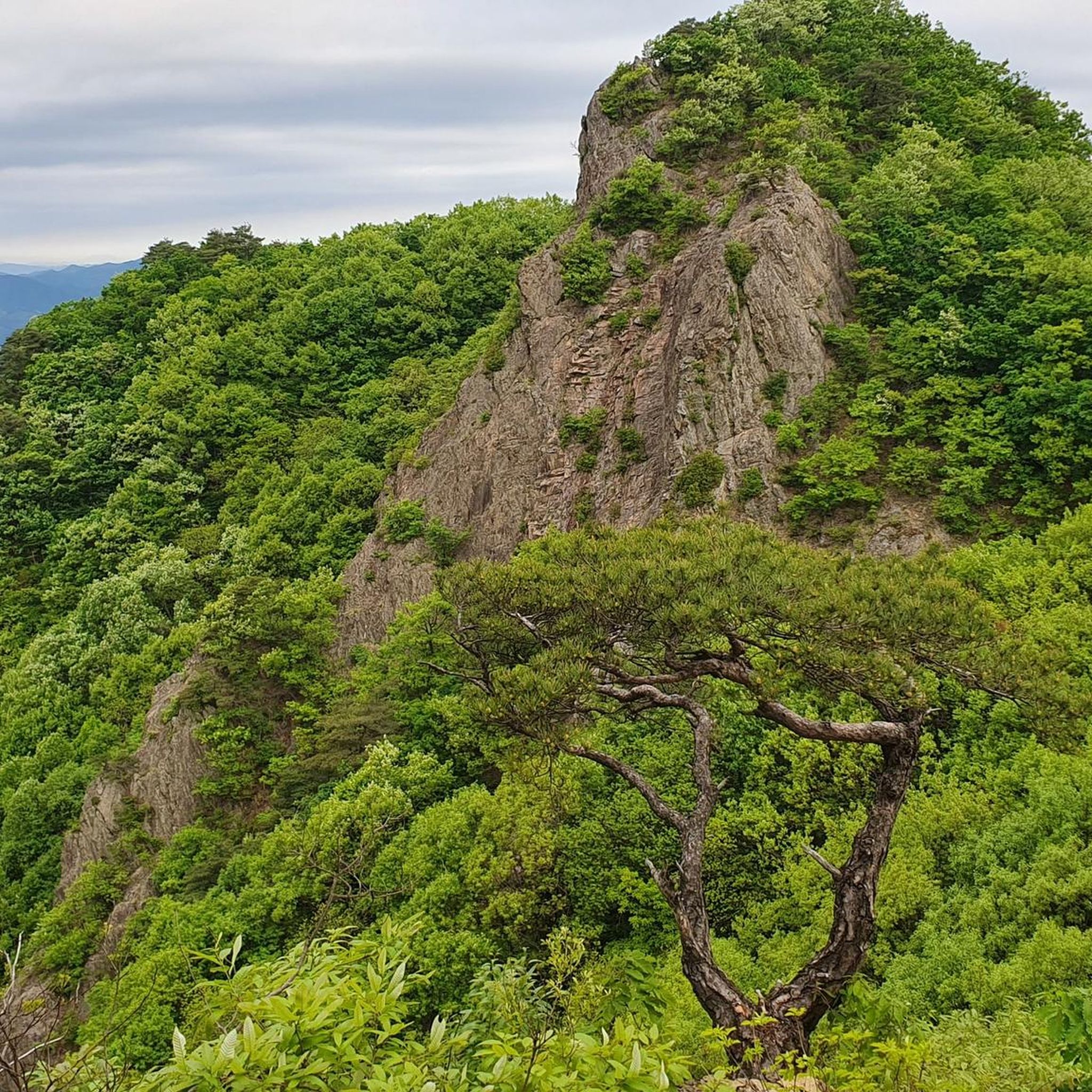
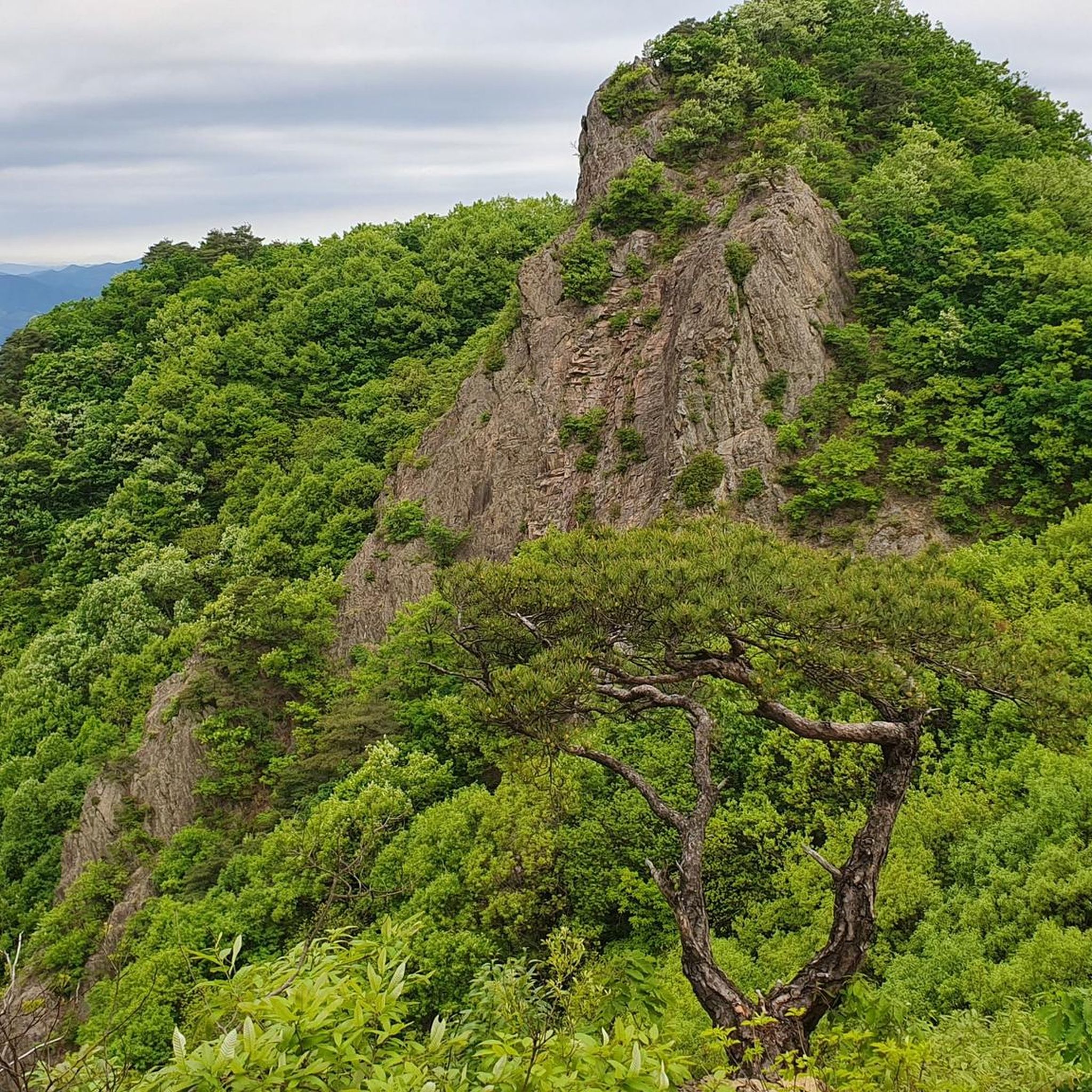
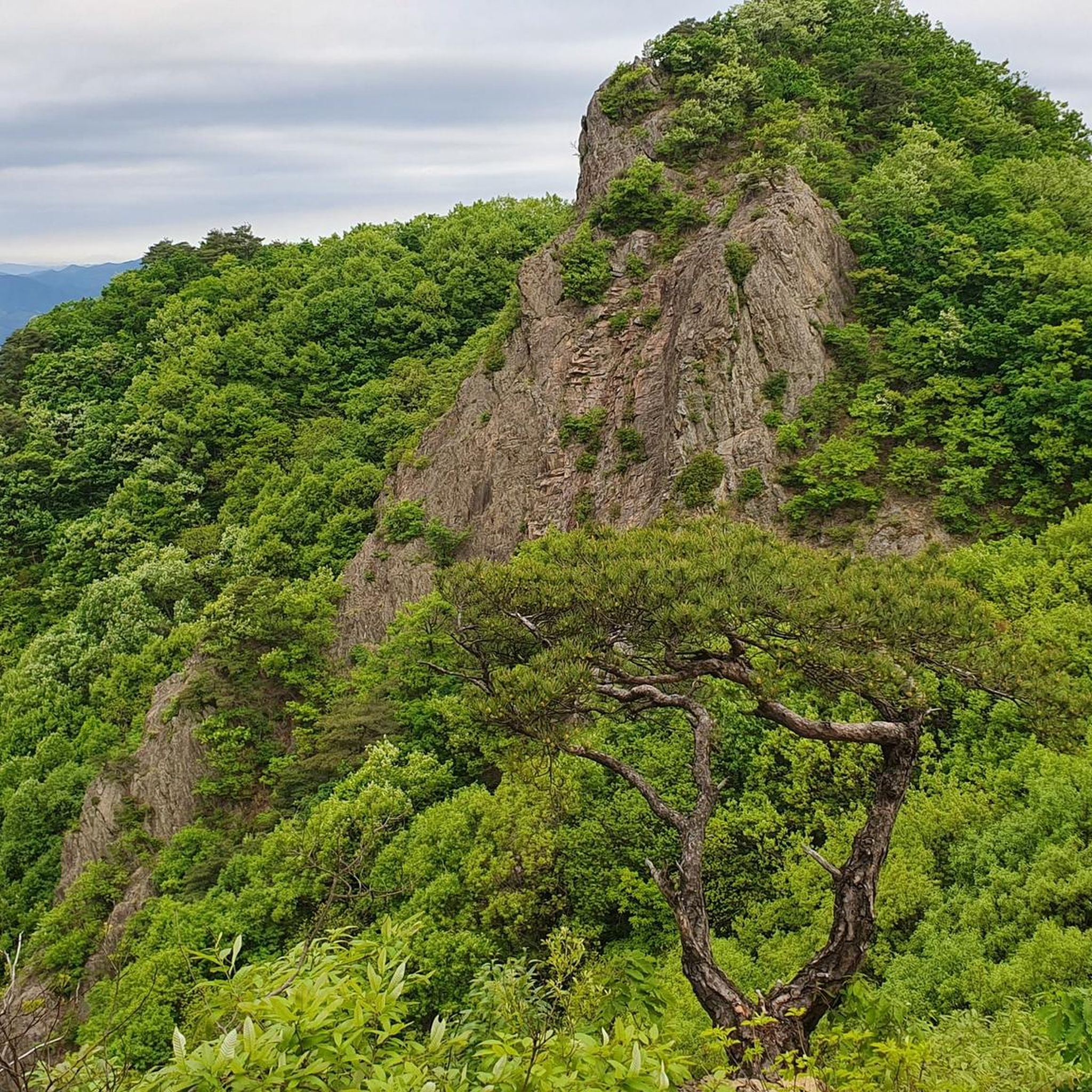
View of the Rocky Mountain Peak with Windswept Pine
Highlight • Viewpoint
Translated by Google •
Tip by

Seobong Peak (1,492 m), Deogyusan National Park
Highlight • Summit
Translated by Google •
Tip by

Janggunbong 884 m
Highlight • Summit
Translated by Google •
Tip by
Manghaebong Peak (679 m)
Highlight • Summit
Tip by

Yeonjabong Peak (675 m)
Highlight • Summit
Tip by
Daedeoksan
Highlight • Summit
Is …
Translated by Google •
Tip by
Start today with a free account
Your next adventure awaits.
Login or Signup

Tips from the Community

A stunning view from the summit of the highest mountain on the Korean Peninsula. Despite the cold November weather, the summit was quite busy.
0
0
The highest mountain on the Korean Peninsula, offering correspondingly good views. The climb shouldn't be underestimated, and the temperature is quite cold and windy due to the high altitude. Snow can also linger at the summit for a long time.
0
0
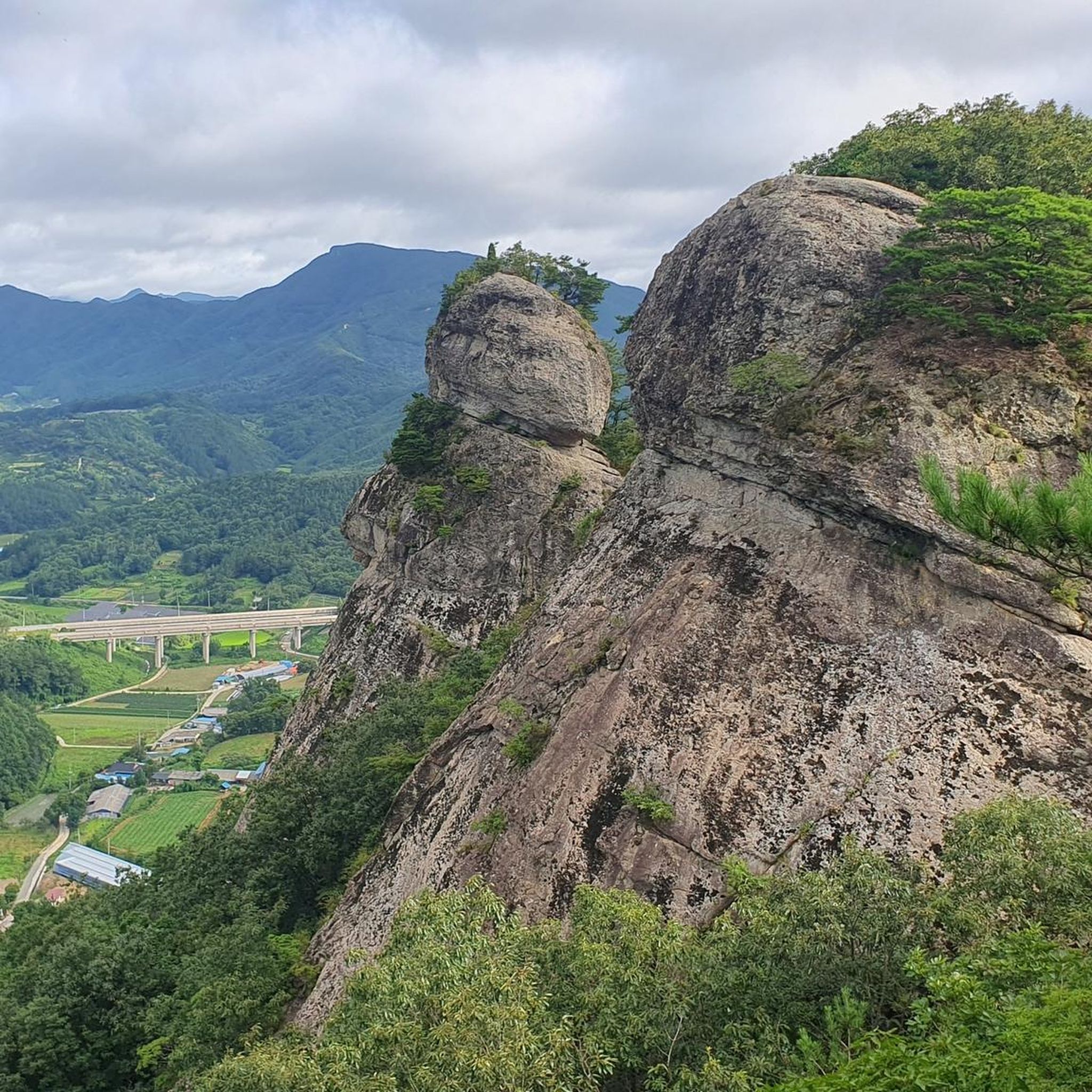
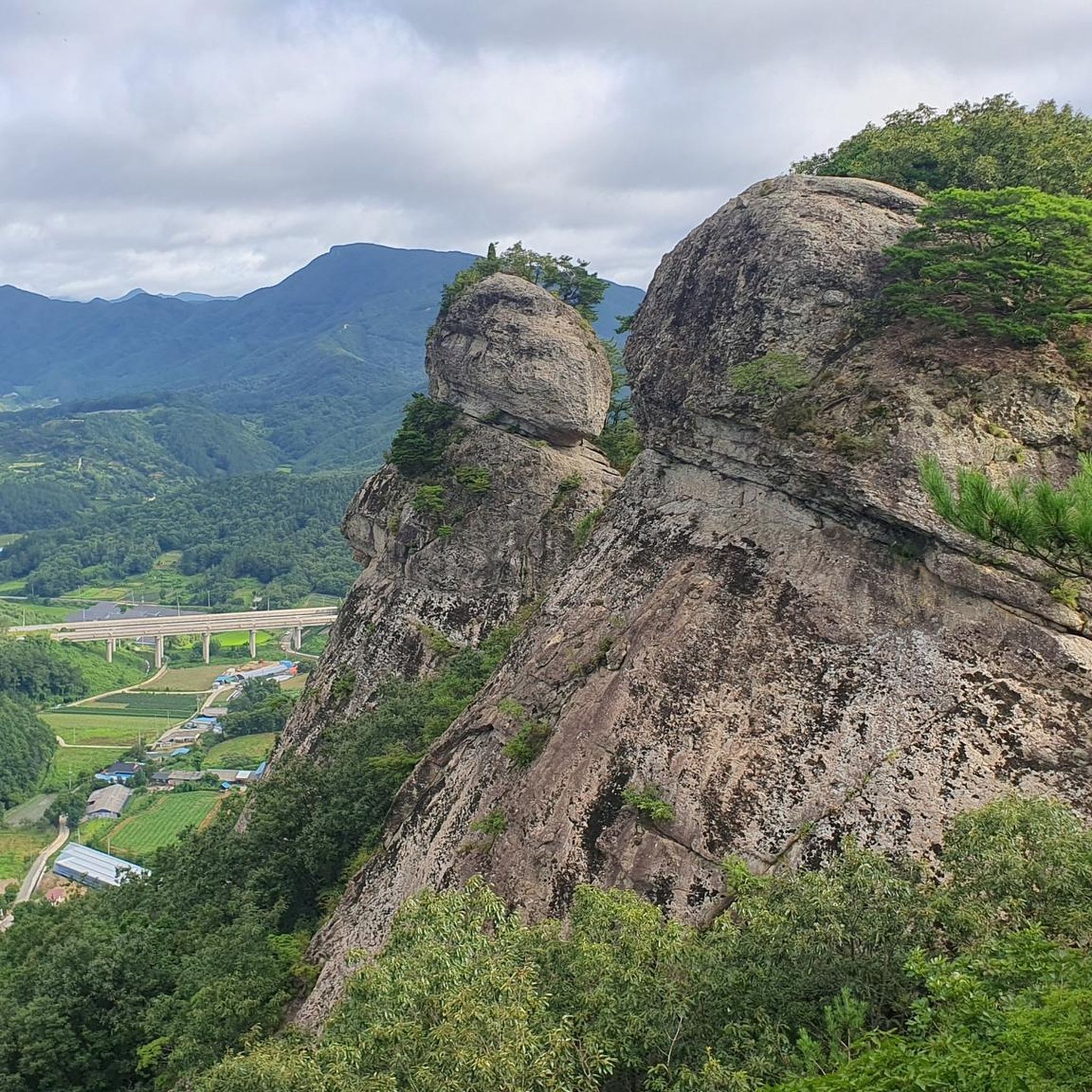
One of the peaks in Naejangsan National Park along the peak ridge trail, offering great views towards the other side of the valley and a monastery there
0
0
Another one of the peak along the 7 Peak Ridge Trail, standing at 679 m. As the previous peaks, it is accessible via the ridge trail, which has many up and down sections over stairs which requires good fitness, but it's not too technically demanding. This peak offers views through cool rock formations down the valley to Naejangsan peak and back to Jeopij-ri city.
0
0
First peak on my hike down from the valley after a very steep uphill hike with many steps. The views are though absolutely stunning and some of the best, as you can see both towards Naejangsan peak opposite and back to the city of Jeongeup. Very rewarding hike and not too technical, it just requires fitness, good legs and lungs to hike up here.
0
0

The Baekmudong to Cheonwangbong section has many stone steps, so shoes with good grip are essential.
0
0

Going to Jogyesan to eat barley rice~ The barley rice is really delicious.
0
1

Daedeoksan Mountain forms the Sobaek Mountain Range along with Minjujisan Mountain to the north, Sambongsan Mountain to the south, and Deogyusan Mountain, forming the boundary between Yeongnam and Honam. Is it because the Mupungcheon River, a tributary of the Geumgang River, and the Gamcheon River, a tributary of the Nakdong River, originate from this mountain that it is called Daedeoksan Mountain because of its great virtue?
0
0
Frequently Asked Questions
What are some of the most prominent mountain peaks in the Jiri Massif?
The Jiri Massif, located within Jirisan National Park, offers several notable peaks. Among them, Cheonwangbong Peak, Jirisan National Park stands out as the highest point in the park and the tallest on mainland South Korea. Other significant peaks include Jungbong Peak, Nogodan Peak, and Banyabong Peak, each offering unique features and views.
What is the highest peak in the Jiri Massif and what makes it special?
The highest peak in the Jiri Massif is Cheonwangbong Peak, Jirisan National Park, standing at 1,915 meters. It's renowned for its breathtaking sunrise views and dramatic summit, offering panoramic views of the entire Jirisan range. The final ascent is challenging, often involving many stone steps, and conditions can be cold and windy due to its altitude.
Are there any peaks known for specific natural features or unique views in the Jiri Massif?
Yes, several peaks offer distinct natural attractions. Nogodan Peak is famous for its 'sea of clouds' and a natural garden of wildflowers, earning it the nickname 'Korea's Alps.' Banyabong Peak is celebrated for its stunning sunsets and provides a less crowded alternative to Cheonwangbong for incredible views. Cheonwangbong Peak itself is known for its extensive panoramic views from the summit.
What are the typical hiking difficulties for peaks in the Jiri Massif?
The Jiri Massif offers a range of hiking difficulties. Peaks like Cheonwangbong Peak, Jirisan National Park and Seobong Peak (1,492 m), Deogyusan National Park are considered challenging. Intermediate options include Daedunsan Peak 879 m, Moaksan Peak (793.5 m), and Seoraebong - 624 m. The park generally provides well-maintained trails suitable for various experience levels.
Are there any family-friendly options or easier trails for exploring the Jiri Massif?
While many peaks offer challenging climbs, Jirisan National Park also features trails suitable for easier exploration. For instance, you can find easy hikes in the Jiri Massif that are less strenuous. Some peaks like Daedunsan Peak 879 m are accessible via cable car, making the ascent much shorter and more manageable for families or those seeking a less demanding experience.
What kind of wildlife can I expect to see in the Jiri Massif?
The Jiri Massif, particularly within Jirisan National Park, is known for its rich biodiversity. It is home to various species, including the endangered Asiatic black bear. While sightings of larger animals can be rare, hikers often encounter diverse birdlife and smaller mammals within the thick virgin forests.
Are there historical or cultural sites near the mountain peaks in the Jiri Massif?
Yes, the Jiri Massif is rich in cultural heritage. Jirisan National Park is home to numerous ancient Buddhist temples, such as Hwaeomsa Temple and Ssanggyesa Temple. Nogodan Peak also holds religious significance with small shrines and stone pagodas, reflecting the area's spiritual history.
What is the best time to visit the Jiri Massif for hiking?
The Jiri Massif offers rewarding experiences throughout the year, but the best time for hiking generally depends on your preference. Spring and autumn provide pleasant temperatures and vibrant scenery. However, due to the high altitude, snow can linger on peaks like Cheonwangbong Peak for a long time, making winter hikes challenging but beautiful for experienced trekkers.
What outdoor activities are available near the Jiri Massif peaks?
Beyond peak bagging, the Jiri Massif offers a variety of outdoor activities. You can explore numerous hiking trails ranging from moderate to difficult, or embark on more challenging mountain hikes. There are also easy hikes available for a more relaxed experience, allowing visitors to immerse themselves in the natural beauty of the region.
What do visitors enjoy most about the views from the Jiri Massif peaks?
Visitors consistently praise the extensive and stunning views from the Jiri Massif peaks. From Cheonwangbong Peak, Jirisan National Park, the panoramic vista of the entire Jirisan range is considered a must-see. Daedunsan Peak 879 m also offers beautiful views, while Nogodan Peak is famous for its 'sea of clouds.' The wide, flat top of Nogodan provides a refreshing open view, and Banyabong Peak is cherished for its incredible sunsets.
Are there any less crowded peaks to explore in the Jiri Massif?
For those seeking a more tranquil experience away from the busiest trails, Banyabong Peak is an excellent choice. It offers stunning views, particularly at sunset, and is generally less crowded than the more popular Cheonwangbong Peak, providing a fantastic alternative for incredible scenery.
What should I know before attempting a challenging climb like Cheonwangbong Peak?
Before attempting Cheonwangbong Peak, Jirisan National Park, be aware that the climb is strenuous, especially the section from Baekmudong which involves many stone steps. Good grip shoes are essential. Due to its high altitude, the summit can be quite cold and windy, even with snow lingering for a long time, so appropriate layering and gear are crucial.
How can I access some of the peaks in the Jiri Massif?
Access to peaks varies. While many require hiking, some offer alternative ways to reach higher elevations. For example, Daedunsan Peak 879 m is accessible via a cable car, followed by a short walk to the summit. Similarly, Moaksan Peak (793.5 m) also has a cable car, though it may be primarily for employees.
Are there any specific permits or reservations needed for certain areas in the Jiri Massif?
Yes, to protect sensitive natural areas, reservations are sometimes required. For instance, visiting the wildflower garden at Nogodan Peak requires a reservation. It's always advisable to check with Jirisan National Park authorities for the latest regulations regarding permits or access to specific trails or areas.
Most popular routes in the Jiri Massif
Most popular attractions in the Jiri Massif

Get inspired with the komoot mobile app


Explore more
See even more amazing summits in the Jiri Massif with these guides:
