Top 5 Caves in the Central Highlands
Caves in the Central Highlands offer a diverse range of natural and historical sites. This region features cave systems that have served as significant religious and historical locations. The geological formations within these caves provide insight into the area's natural history. Exploring these sites allows visitors to experience both cultural heritage and natural landscapes.
Best caves in the Central Highlands
- The most popular caves is Dambulla Cave Temple Complex, a religious building and cave. This impressive cave system, also…
Last updated: June 28, 2026
Dambulla Cave Temple Complex
Highlight • Religious Site
Translated by Google •
Tip by

Golden Temple of Dambulla
Highlight • Religious Site
Translated by Google •
Tip by

Sign up now to discover places like this
Get recommendations on the best single tracks, peaks, & plenty of other exciting outdoor places.
Sign up for free
Buddha Statue Cave at Second Viewpoint
Highlight • Cave
Translated by Google •
Tip by
Aluvihara Rock Cave Temple
Highlight • Religious Site
Translated by Google •
Tip by

Aluvihara Rock Cave Temple
Highlight • Religious Site
Tip by

Start today with a free account
Your next adventure awaits.
Login or Signup
Popular around Central Highlands
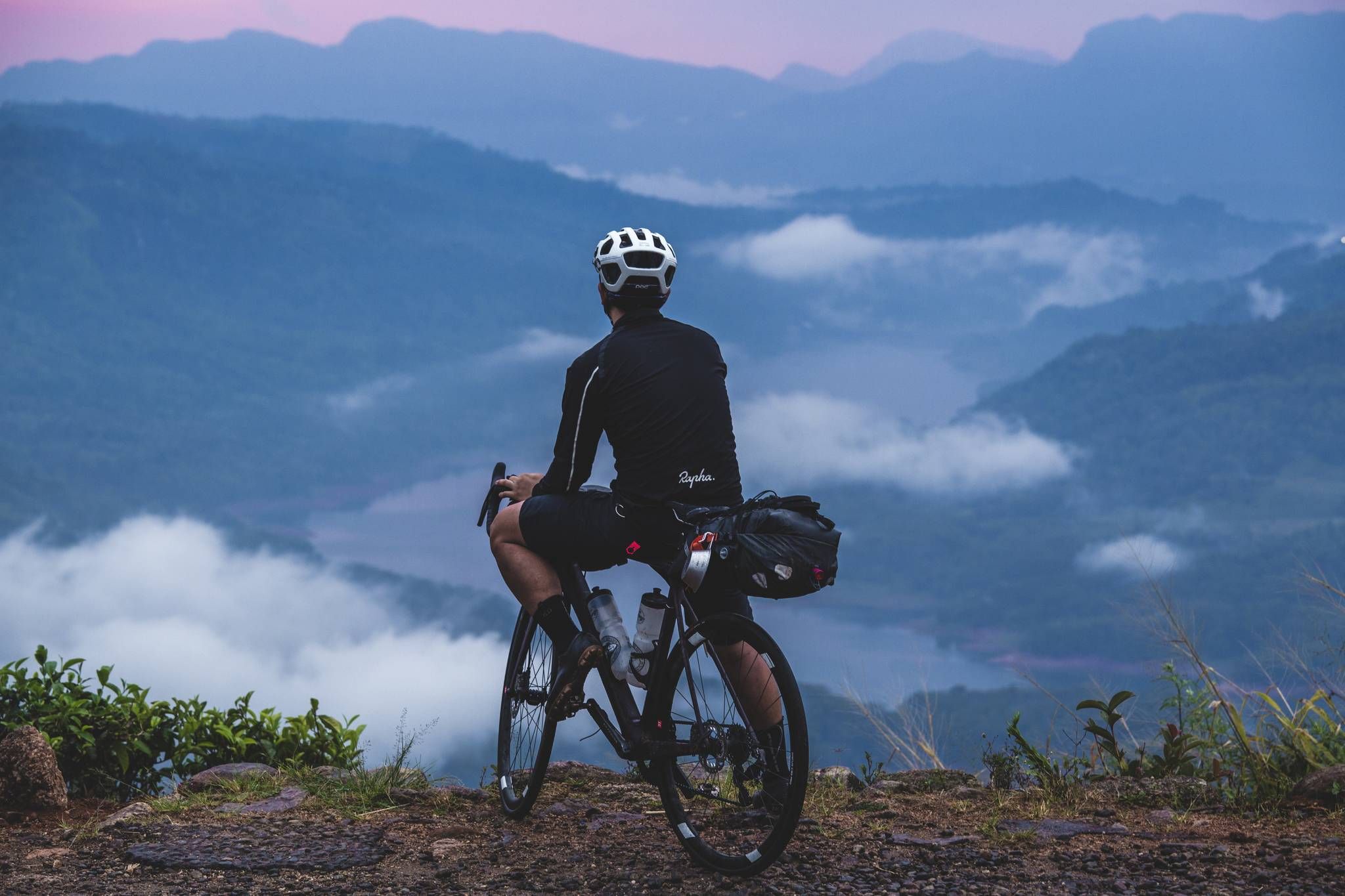
7 days of bikepacking in Sri Lanka
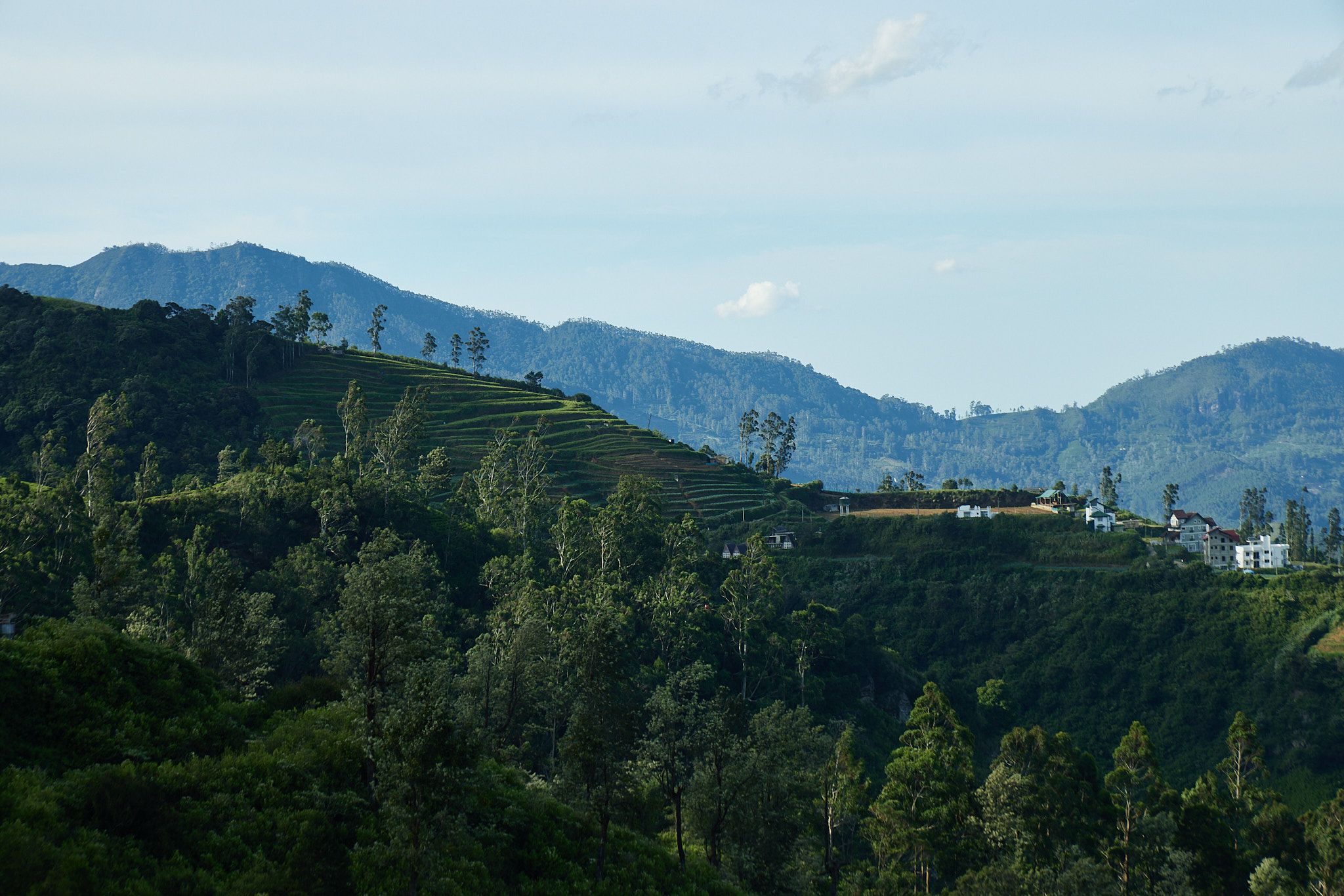
A feast for the senses — gravel riding in Sri Lanka
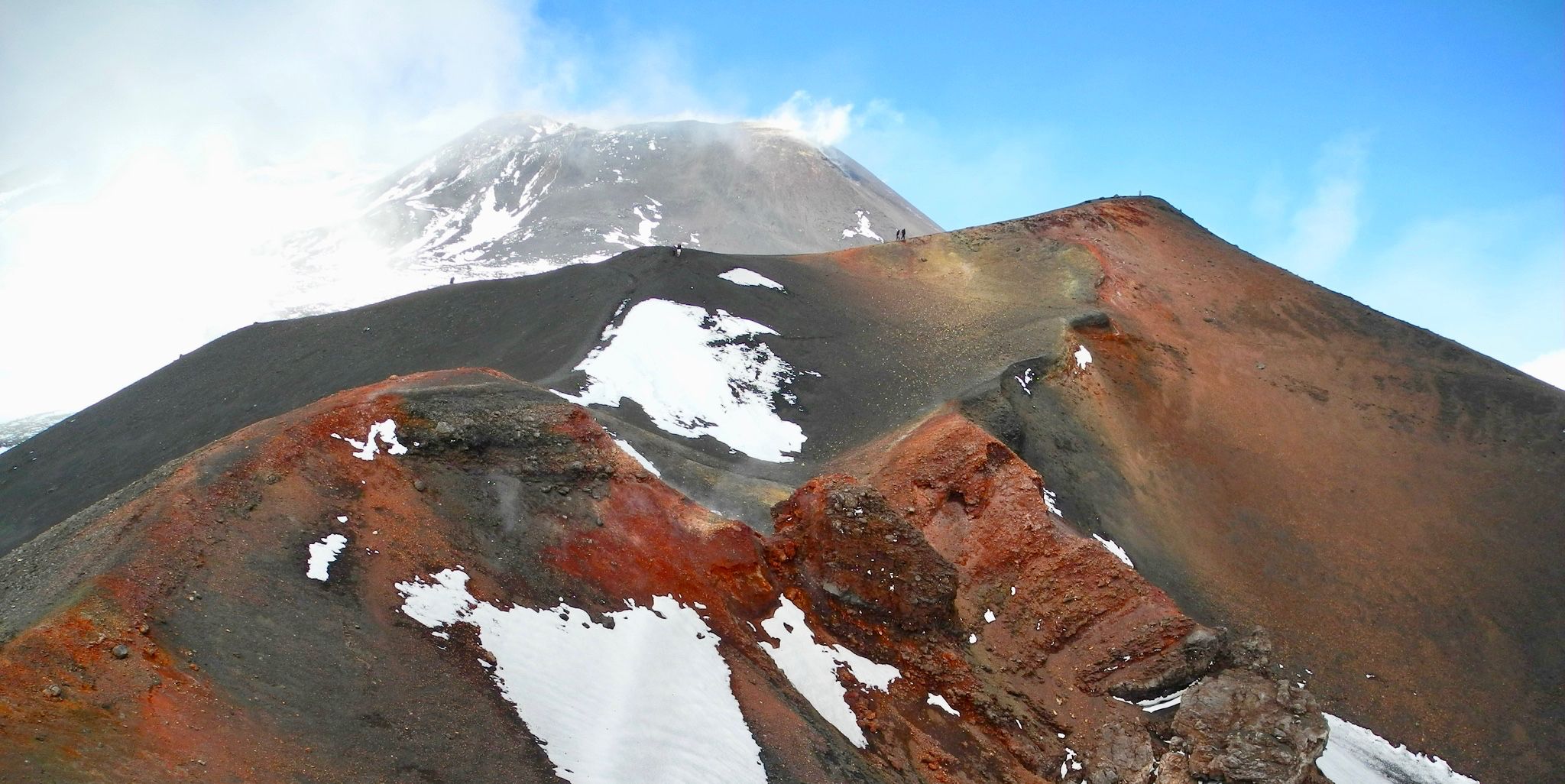
Holy mountains and their stories
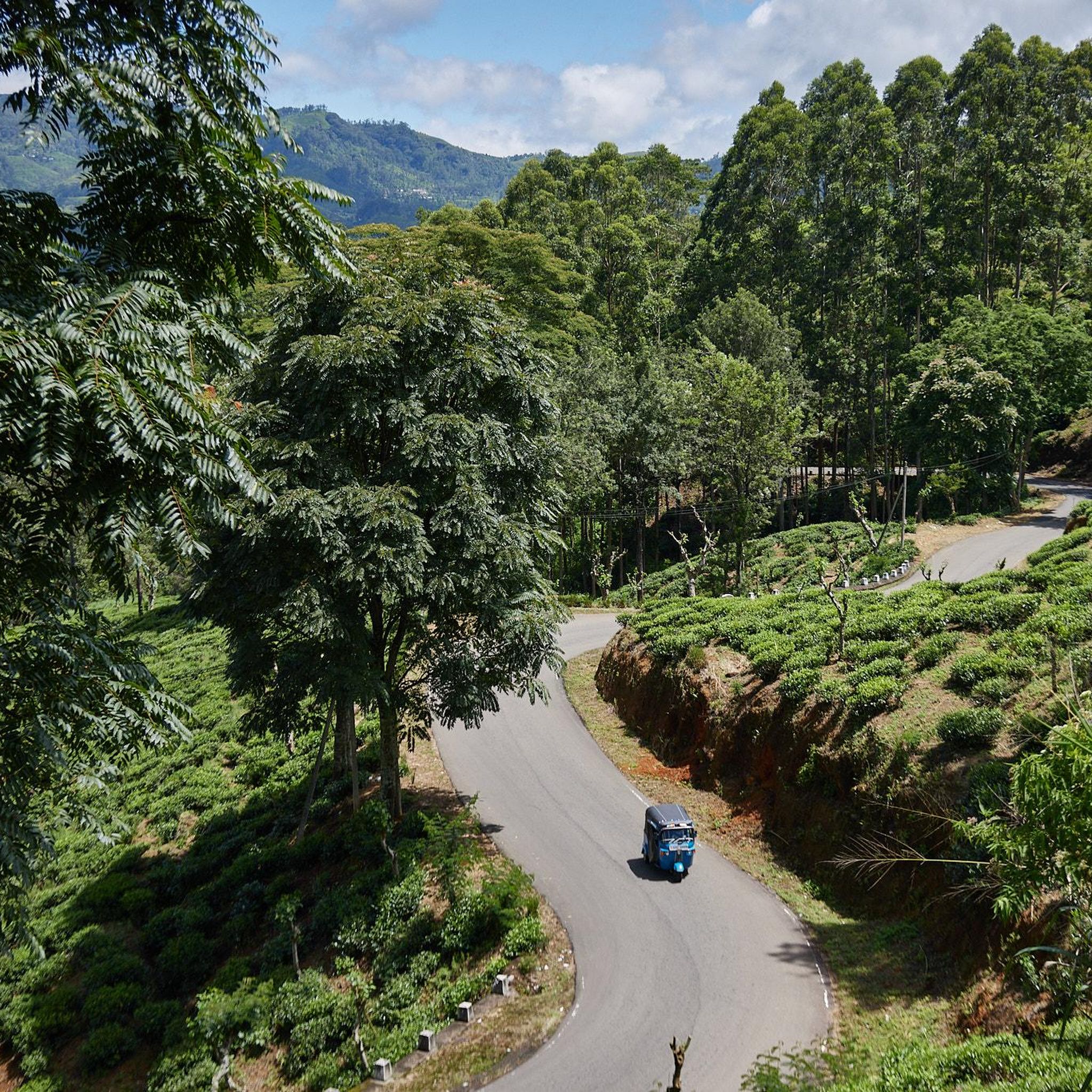
Hiking in the Central Highlands
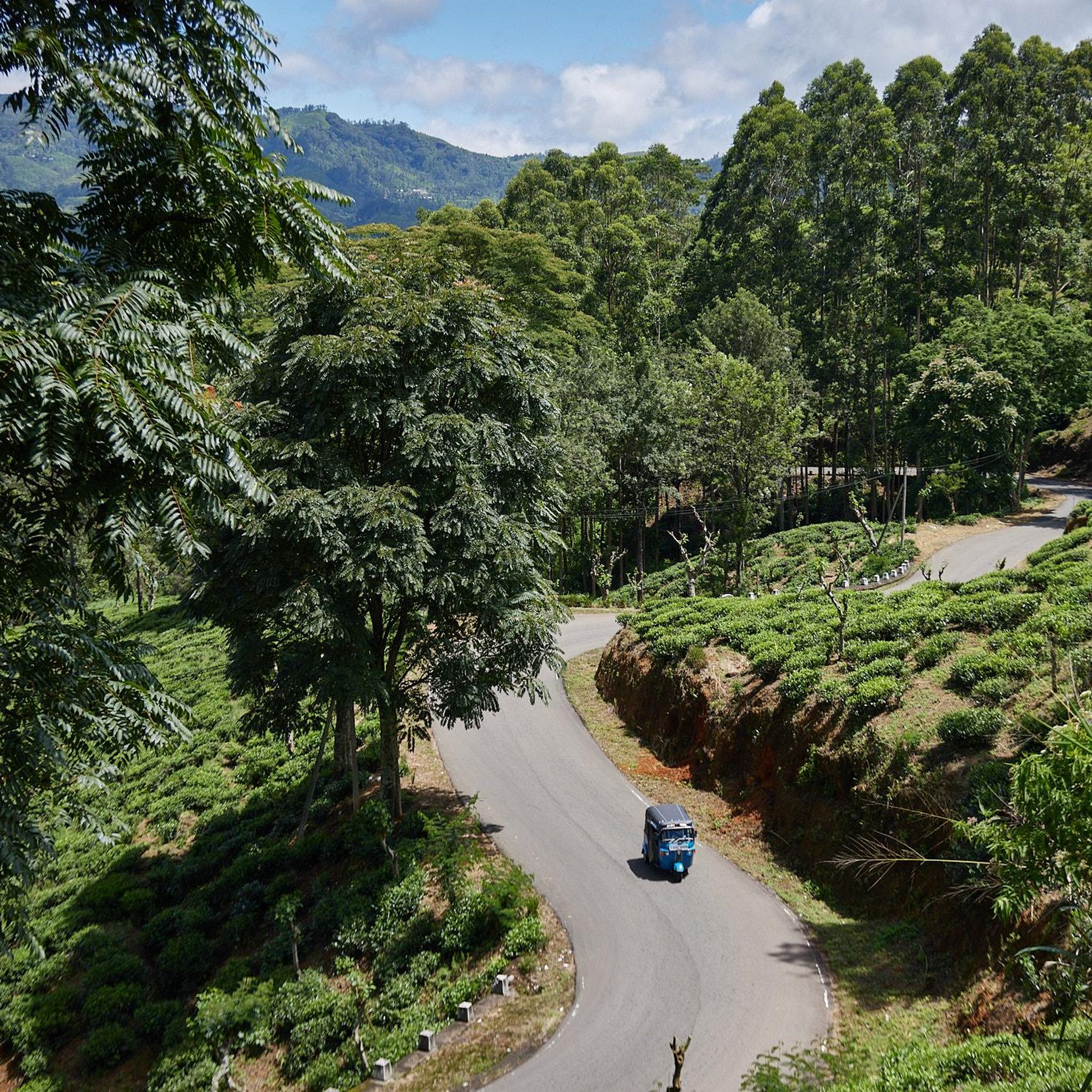
Running Trails in the Central Highlands
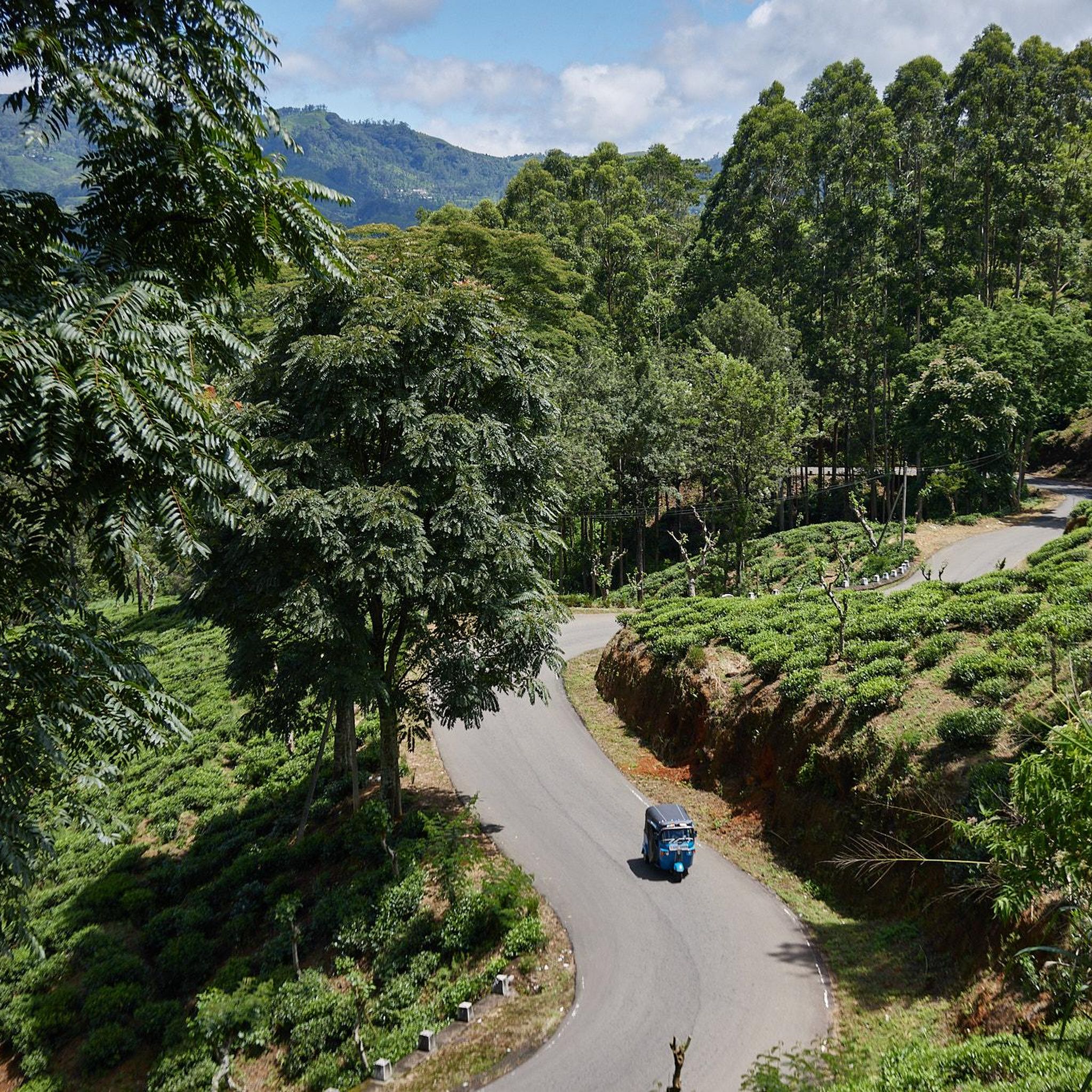
Cycling in the Central Highlands
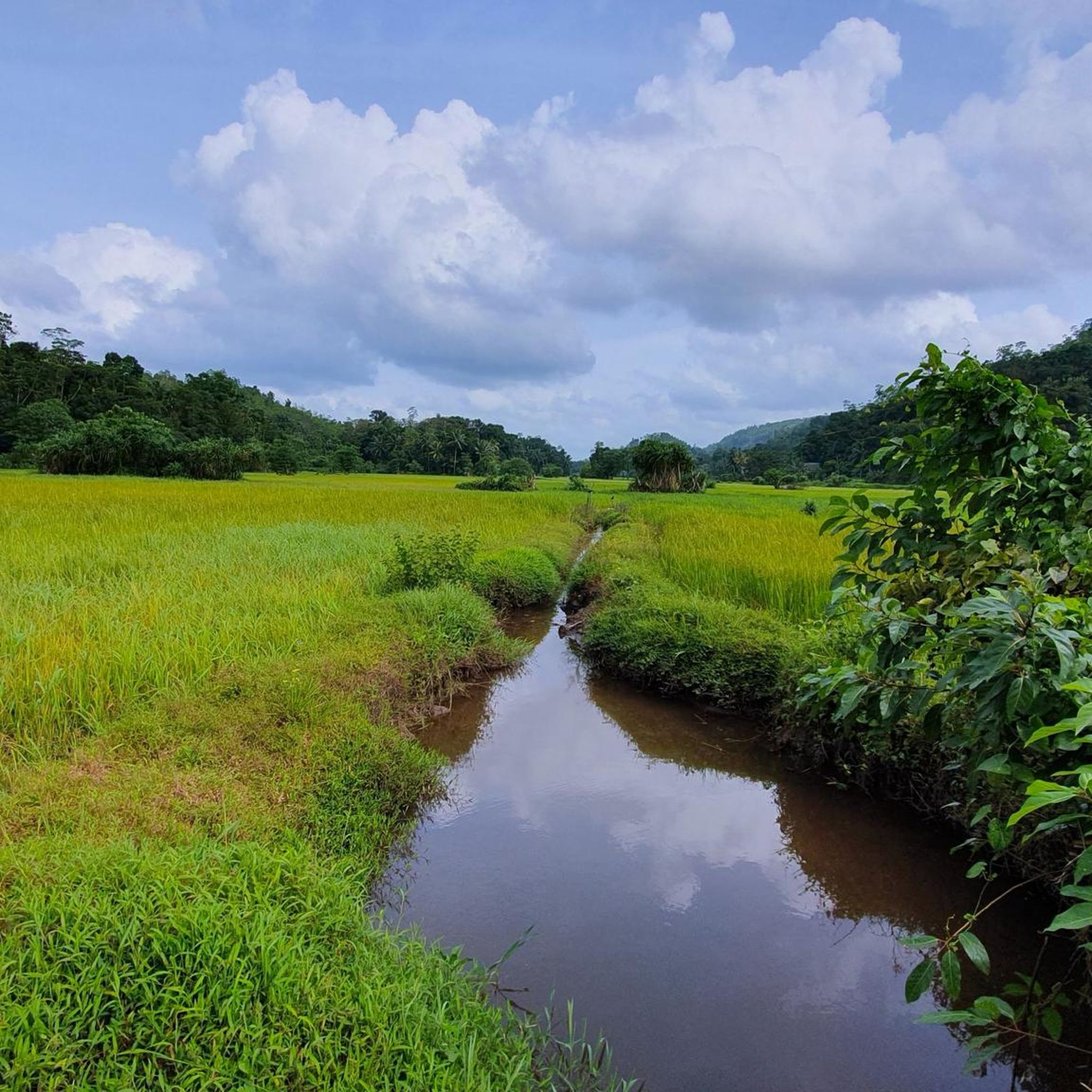
Road Cycling Routes in the Central Highlands
Mountain Hikes in the Central Highlands
MTB Trails in the Central Highlands


Tips from the Community

In this cave monastery, the "shining cave", the Pali Canon was written down for the first time after 300 years of oral tradition. 500 Arahats gathered here for the 4th Council and supposedly spent 7 months writing it down. Therefore, it is definitely a Buddhist must-see.
0
0

This Buddhist Temple is more than 2000 years old and developed over the eight kingdoms of the Sinhalese monarchy. Impressive the way how the main temple is integrated into a cave. Overnight stay is possible.
0
0

There is a beautiful Buddha statue next to a stupa and towards the entrance of the museum. 30 meters high, built from 1998-2001. There is also a monastery and a school for young monks on the site. Here you can also watch monkeys doing gymnastics on the Buddha. This part of the site can be visited without admission. Entrance to the temple is chargeable. The complex is located just 2 kilometers from the center of Dumballa.
0
0

Coming from ticket counter there is a great view point to worlds end.
0
0
The largest and best-preserved cave temple complex in Sri Lanka. The rock towers 160 m over the surrounding plains. The temple is composed of five caves of varying size and magnificence.
1
0

A magnificent view from up here.
0
0
Just great, the cave temples, you can walk around in the caves with lots of statues and more.
2
1
Frequently Asked Questions
What types of caves can I explore in the Central Highlands?
The Central Highlands offers a diverse range of caves. You'll find significant religious cave temples and historical sites, such as the Dambulla Cave Temple Complex, which is a UNESCO World Heritage Site. The region also features unique volcanic cave systems, particularly in Dak Nong Province, known for their distinct geological formations like lava banks and flows.
Are there any historical caves in the Central Highlands?
Yes, several caves in the Central Highlands hold significant historical value. The Dambulla Cave Temple Complex, for instance, dates back to the first centuries BC and served as a hiding place for King Valagambahu. In Dak Lak Province, the Dak Tuar Stone Cave was a crucial headquarters during the resistance against the US, recognized as a historical relic.
Which caves are suitable for families in the Central Highlands?
The Golden Temple of Dambulla is categorized as family-friendly. While exploring the religious cave temples, families can appreciate the cultural and historical aspects. For more adventurous families, some volcanic caves in Dak Nong offer guided tours, though some may require more strenuous activity.
What unique geological features can be found in the Central Highlands caves?
The Central Highlands are home to the longest volcanic cave system in Southeast Asia, located in Dak Nong Province. These tubular caves, formed by ancient lava flows, showcase remarkable features like lava banks, lava flows, and sinkholes. You can observe hardened basalt lava from millions of years ago, offering a rare glimpse into the region's geological past.
Are there any caves with cultural or religious significance in the Central Highlands?
Absolutely. The Dambulla Cave Temple Complex and the Golden Temple of Dambulla are prime examples, being among the largest and best-preserved Buddhist cave temples. The Aluvihara Rock Cave Temple is also historically significant as the place where the Pali Canon was first written down. These sites integrate natural formations with profound cultural and spiritual importance.
What outdoor activities can I do near the caves in the Central Highlands?
The Central Highlands offer various outdoor activities. You can find numerous hiking opportunities, from easy to difficult, near many cave locations. For example, there are easy hikes around Ella, as well as more challenging hiking trails and mountain hikes.
Are there any caves that offer scenic viewpoints?
Yes, the Buddha Statue Cave at Second Viewpoint is specifically noted for its awesome views, including a small waterfall in the distance. The Dambulla Cave Temple Complex also offers scenic perspectives from its elevated position.
What is the longest cave in the Central Highlands?
C7 Cave, located within the Dak Nong UNESCO Global Geopark in Krong No district, is recognized as the longest volcanic lava cave in Southeast Asia, measuring 1,066.5 meters.
Can I learn about local culture near the Central Highlands caves?
Yes, visiting the Dak Nong Geopark, which hosts the volcanic cave systems, also provides opportunities to learn about the diverse cultures of the over 40 ethnic groups residing in the area. The religious cave temples, like those in Dambulla, are active sites of Buddhist practice and offer insight into local spiritual traditions.
Do I need permits for cave exploration in the Central Highlands?
For some of the more adventurous or untouched volcanic caves, particularly those requiring ropes to descend, permits or guided tours might be necessary. For established religious cave complexes like Dambulla, you will typically need to purchase tickets for entry.
What is the 'Golden Temple of Dambulla' and what can I see there?
The Golden Temple of Dambulla is a UNESCO World Heritage Site, known for its well-preserved Buddhist cave temples dating back to the first centuries BC. It features a nearly 30-meter high golden Buddha statue and functions as a monastery, school, and training center for monks, also housing a Buddha museum.
Is there a cave associated with a local legend or story?
Yes, Hang Gio (Wind Cave) near Da Lat in Lam Dong province, often visited alongside Voi Waterfall, is associated with a local tragic love story, adding a cultural dimension to its natural exploration.
Most popular routes in the Central Highlands
Most popular attractions in the Central Highlands

Get inspired with the komoot mobile app


