Top 5 Castles in Lolland
Castles in Lolland offer a glimpse into different eras of Danish history and architecture on this island in southeastern Denmark. The region features a variety of historic castles and manors, many with surrounding parks and estates. These notable landmarks provide insight into local governance and aristocratic life. Exploring the area's castles can be combined with hiking and cycling routes.
Best castles in Lolland
- The most popular castles is Krenkerup Castle, a castle that is a three-wing building standing on a narrow, rectangular hill surrounded by a moat. The original stone house from 1490 was extended with three new wings, forming a closed inner courtyard.
- Another must-see spot is Søholt Castle, Baroque Garden and Orangery, a castle renowned for its baroque garden, which is open to visitors for a fee. The meticulously decorated orangery is also a highlight within the magnificent grounds.
- Visitors also love Lungholm Manor, an old manor first mentioned in 1434. The estate has been owned by the de Bertouch-Lehn family for more than 200 years.
- Lolland is known for royal castles, manors, and baroque buildings. These sites showcase diverse architectural styles and historical periods.
- The castles in Lolland are appreciated by the komoot community, with 74 upvotes and 33 photos shared across the highlights.
Last updated: June 27, 2026
Krenkerup Castle
Highlight • Castle
Translated by Google •
Tip by

Søholt Castle, Baroque Garden and Orangery
Highlight • Castle
Translated by Google •
Tip by

Sign up now to discover places like this
Get recommendations on the best single tracks, peaks, & plenty of other exciting outdoor places.
Sign up for free
Lungholm Manor
Highlight • Castle
The estate is located in Olstrup municipality, Fuglse Herred, Lolland municipality, Zealand region.
The main building was built by LA Winstrup in 1853-1856, remodeled by HC Glahn in 1906, remodeled again in 1953 and most recently in 2007-2010.
Lungholm Gods is situated on 1457 hectares with the farms Højbygård and Lyttesholm. Lungholm has been owned by the de Bertouch-Lehn family for more than 200 years and over 7 generations.
lungholm-dk.translate.goog/om-lungholm/historie.aspx?_x_tr_sl=da&_x_tr_tl=de&_x_tr_hl=de&_x_tr_pto=sc
Translated by Google •
Tip by

View of Smålandsfarvandet from Ravnsby Bakker Castle Mound
Highlight • Viewpoint
Translated by Google •
Tip by

Start today with a free account
Your next adventure awaits.
Login or Signup
Popular around Lolland
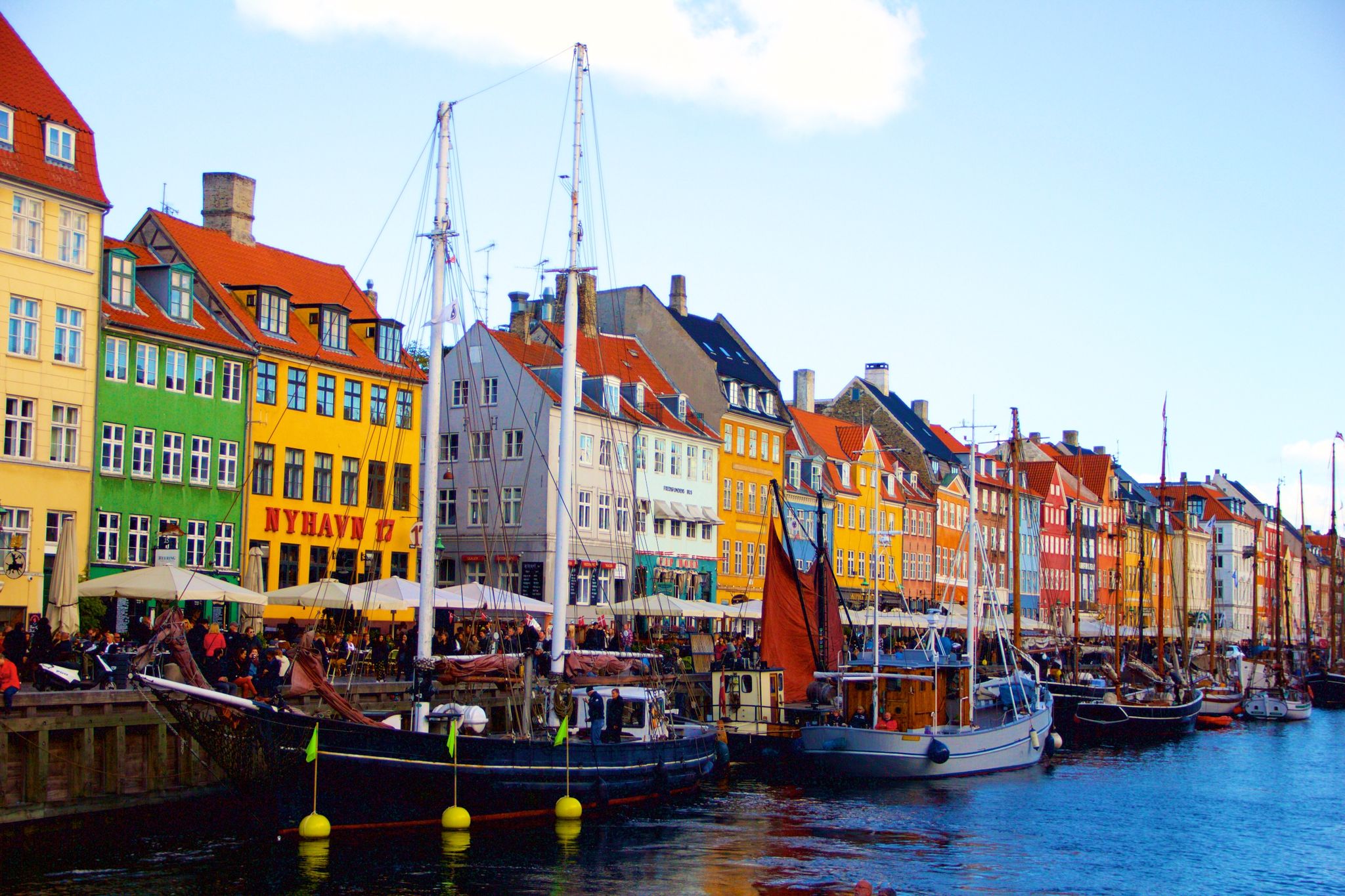
Berlin. Fehmarn. Copenhagen. An adventure on two wheels.
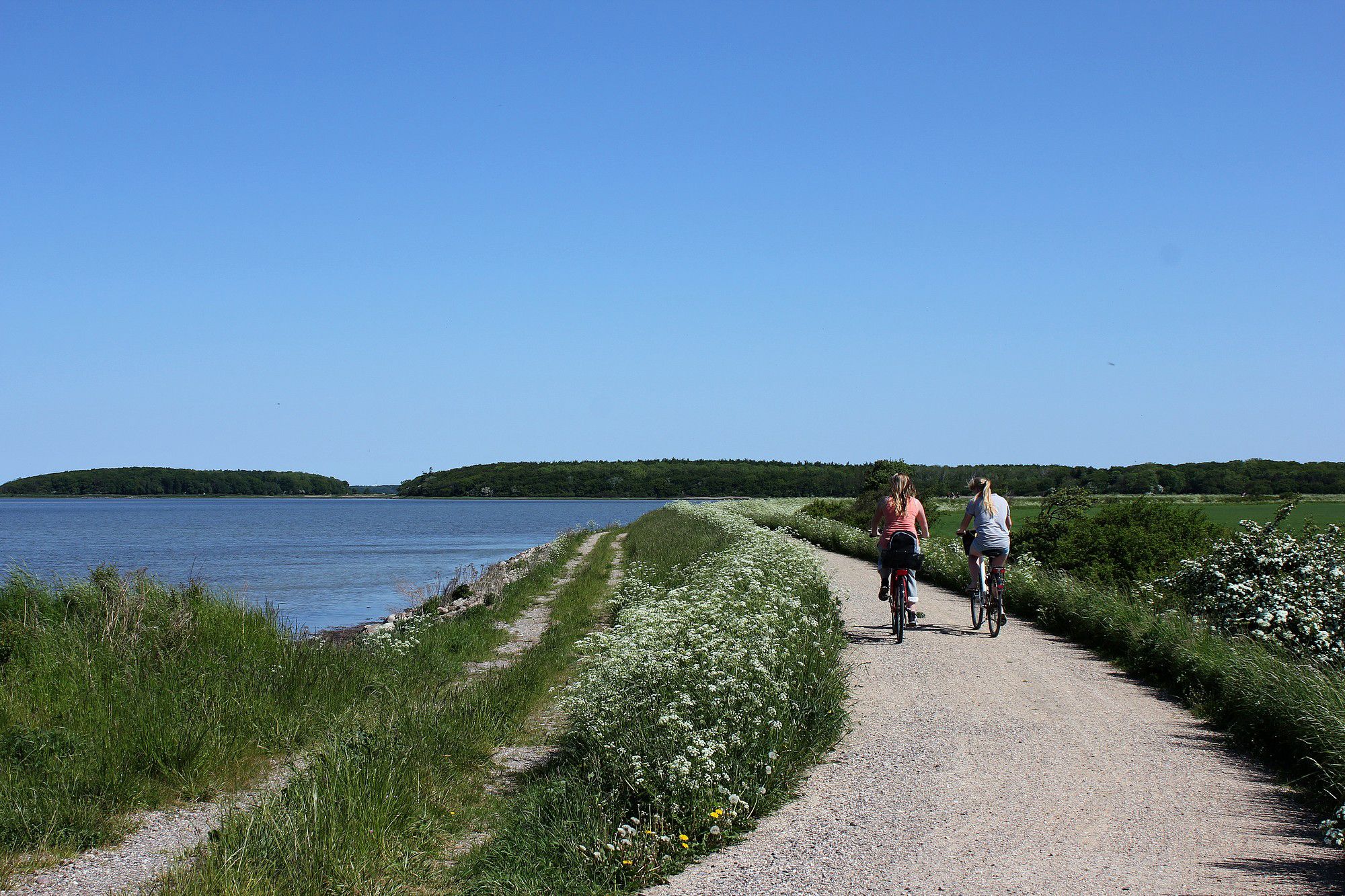
Naturlandet Rundt – cycling around Lolland and Falster
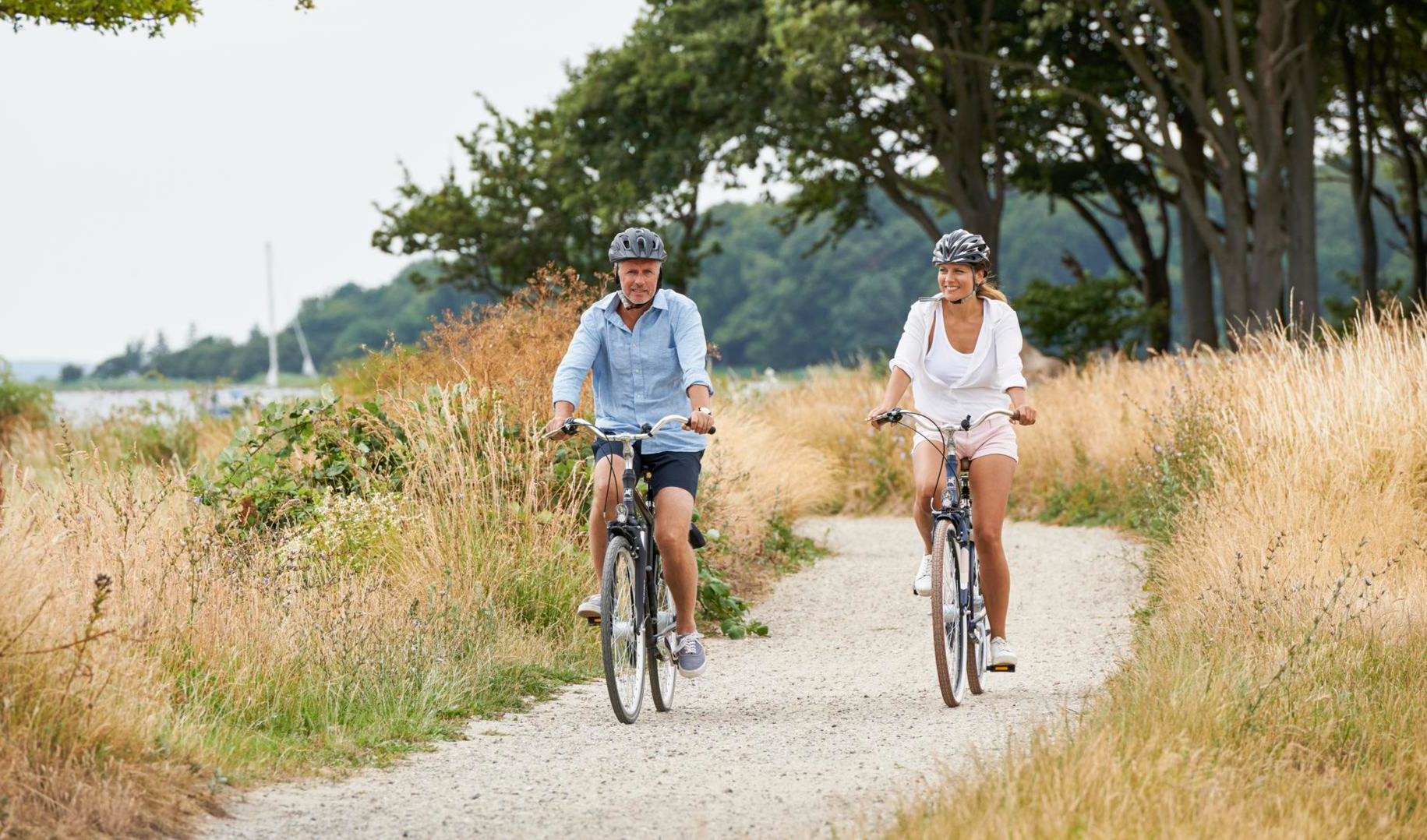
Explore Lolland-Falster by bike – nature, culture and Baltic Sea air
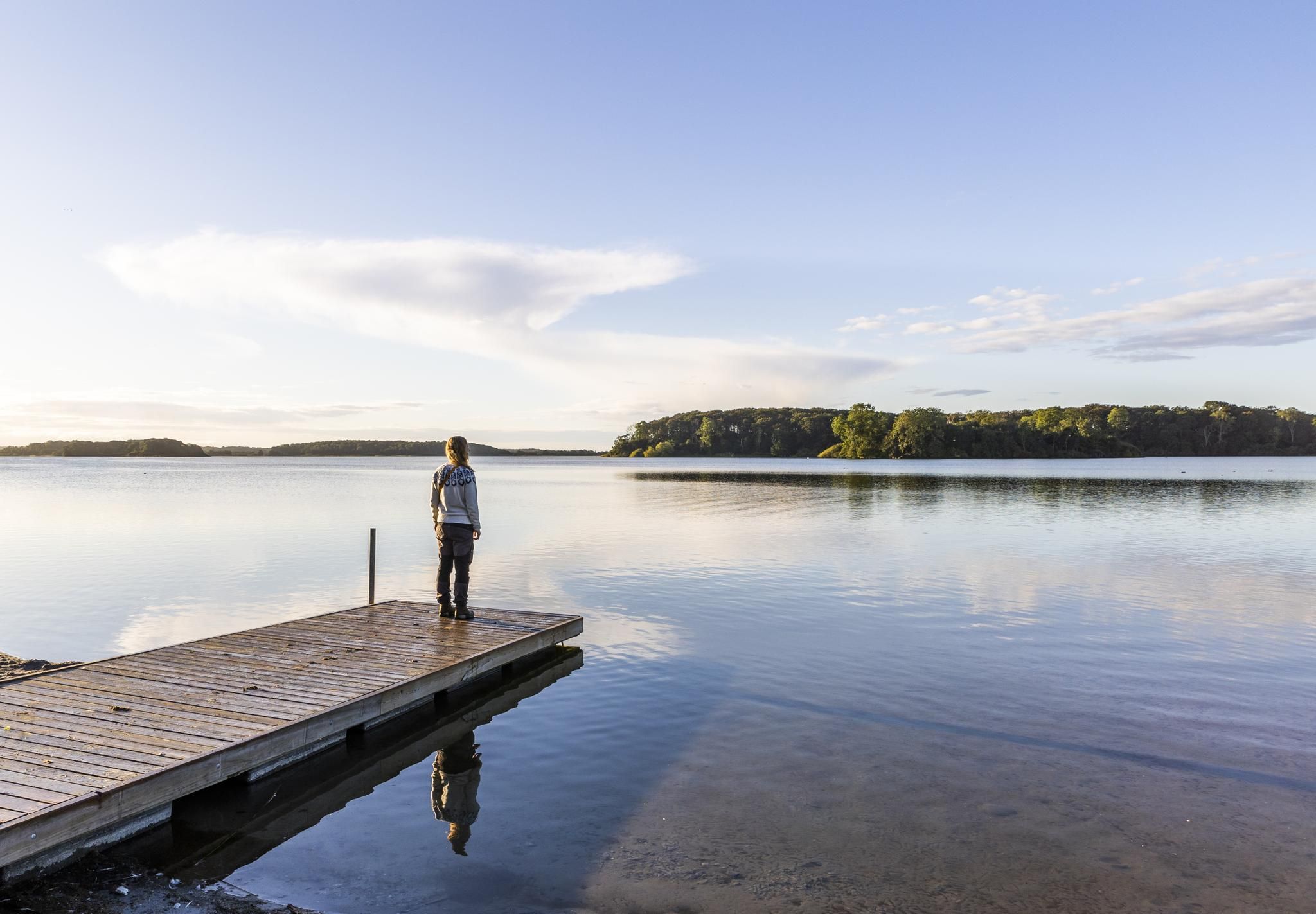
Wonderful day hikes on Denmark's Lolland and Falster
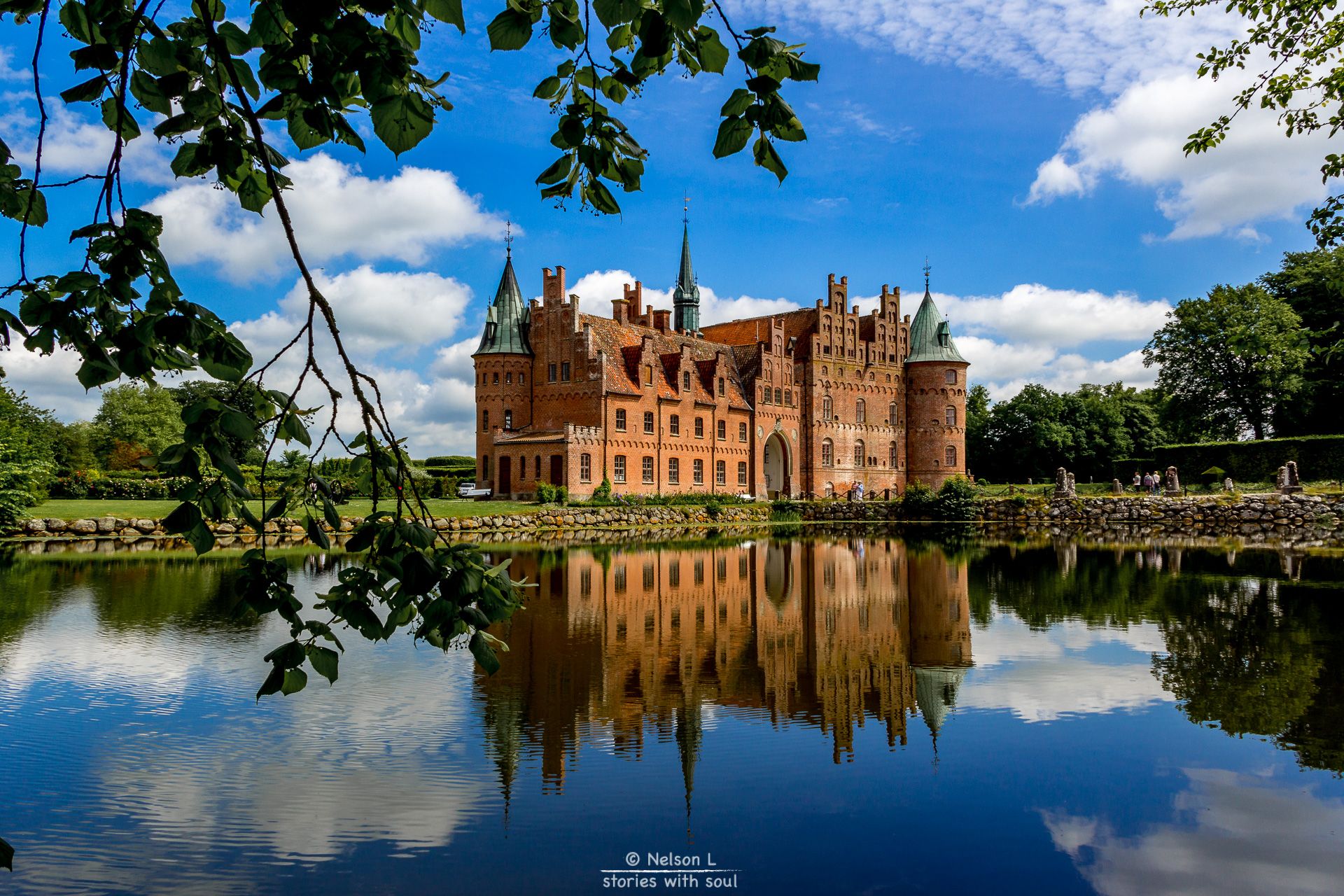
Magic Moments — 6 magical places in Germany and Denmark
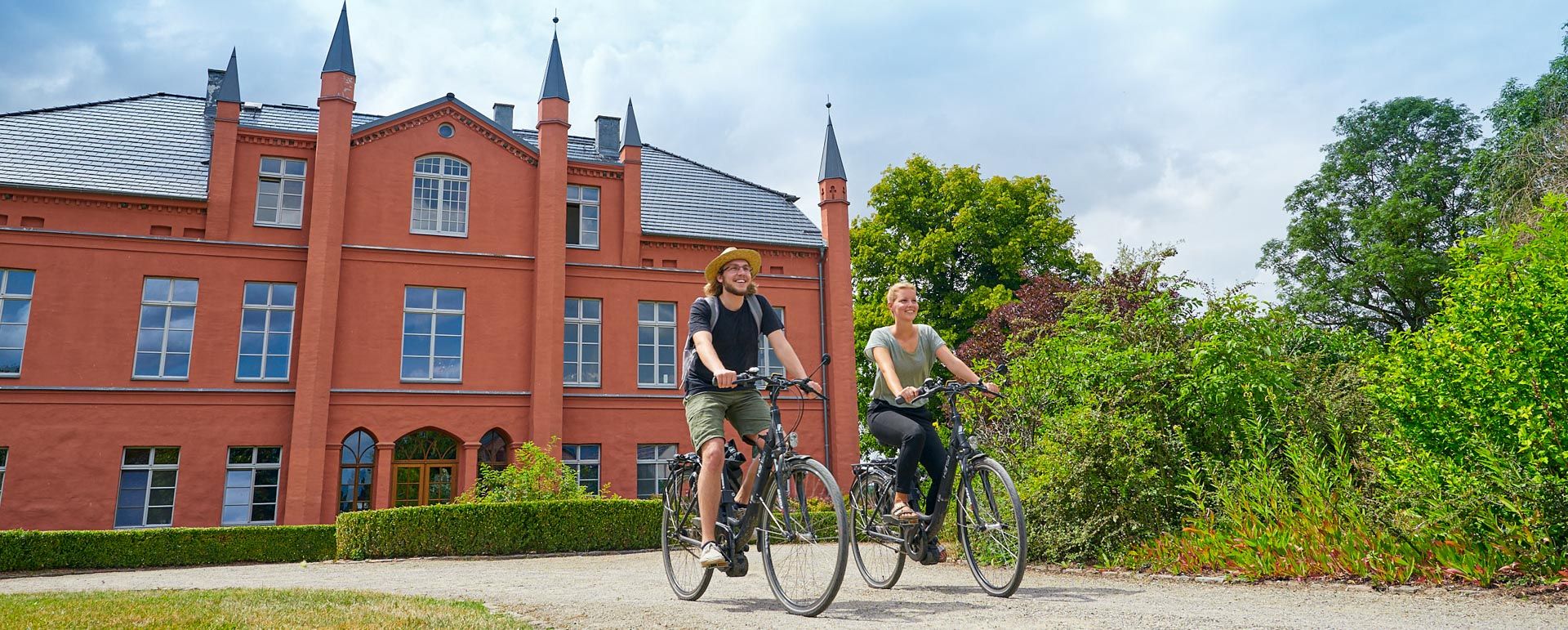
Baltic Manors – Exploring historic manor houses along the South Baltic coast
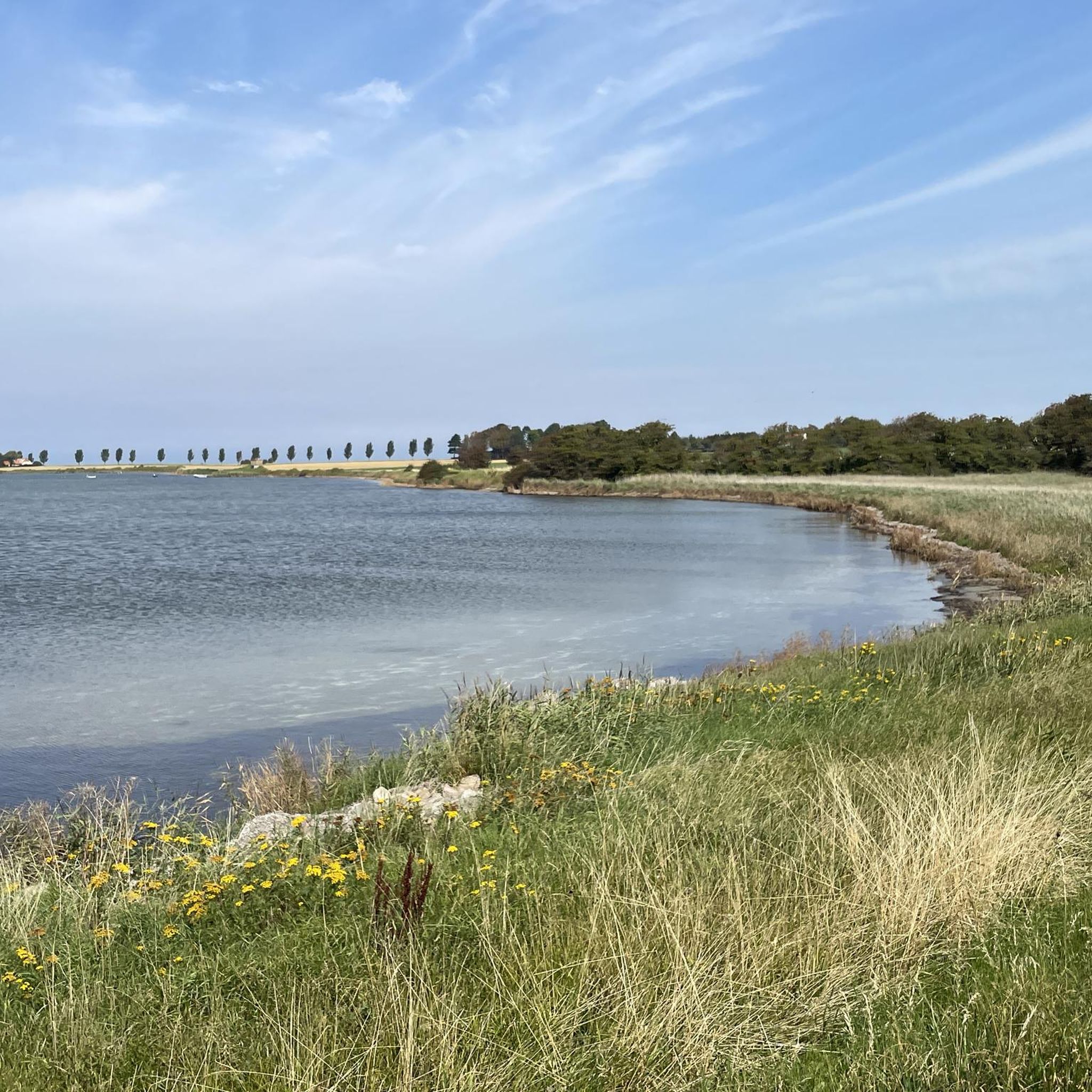
Hiking in Lolland
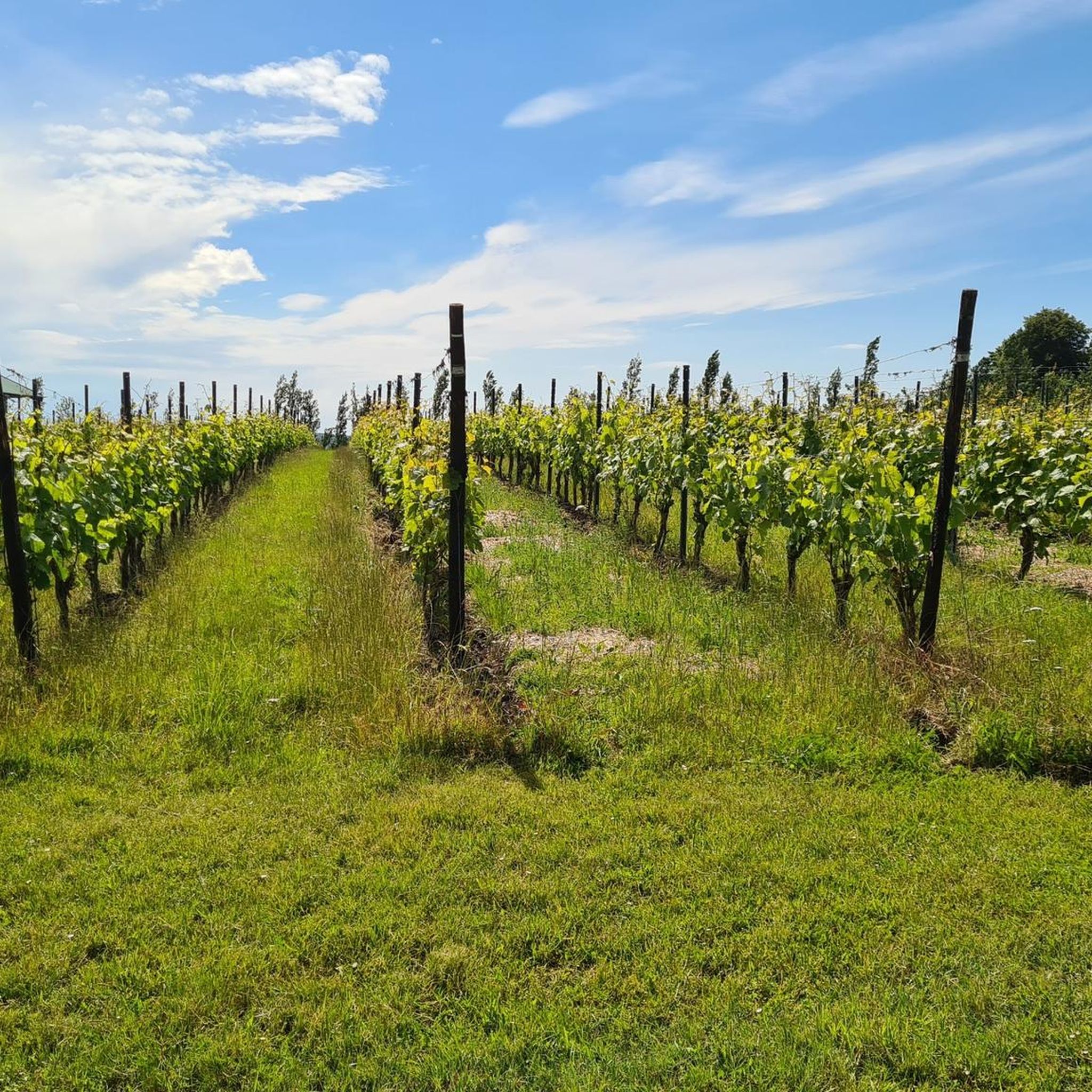
Cycling in Lolland
Running Trails in Lolland
MTB Trails in Lolland
Other adventures in Lolland


Tips from the Community

Beautiful castle and park grounds.
1
0

Bruggeri Krenkerup, worth a visit and tasting...😀
1
0

The estate extends over 3,700 hectares, with a three-winged building on a hill surrounded by a moat. The estate, documented since 1330, changed hands through marriages between important Danish families such as Gøye, Brahe, Rosenkrantz, and Reventlow-Hardenberg. Between 1815 and 1938, the estate was known as Hardenberg, reflecting its connection to the County of Hardenberg-Reventlow.
1
0

A resting place by the sea
0
0

The main building is privately owned and cannot be visited.
2
0

Søholt Castle's first named owner was Morten Venstermand, who expanded his property in the area surrounding the newly founded manor house around 1550. Søholt was badly damaged during the Swedish Wars (1657–1660). The current main building dates from 1804. The castle is famous for its baroque garden, which is open to visitors (entrance fee 20 kroner, money box at the open main gate). The first garden was laid out here in the 1690s. The orangery is also a must-see in the magnificent grounds; the lovingly decorated glasshouse can be booked for special occasions. The baroque garden is open daily from 9 a.m. to 5 p.m., Café Søholt only in the summer months (June–August, Fri–Sun, 12 p.m.–4 p.m.). www.soeholt.nu
0
0

Lungholm is an old manor, formerly called Olstrupgaard and first mentioned in 1434, from 1639 Lungholm. The estate is located in Olstrup municipality, Fuglse Herred, Lolland municipality, Zealand region. The main building was built by LA Winstrup in 1853-1856, remodeled by HC Glahn in 1906, remodeled again in 1953 and most recently in 2007-2010. Lungholm Gods is situated on 1457 hectares with the farms Højbygård and Lyttesholm. Lungholm has been owned by the de Bertouch-Lehn family for more than 200 years and over 7 generations. https://lungholm-dk.translate.goog/om-lungholm/historie.aspx?_x_tr_sl=da&_x_tr_tl=de&_x_tr_hl=de&_x_tr_pto=sc
3
0

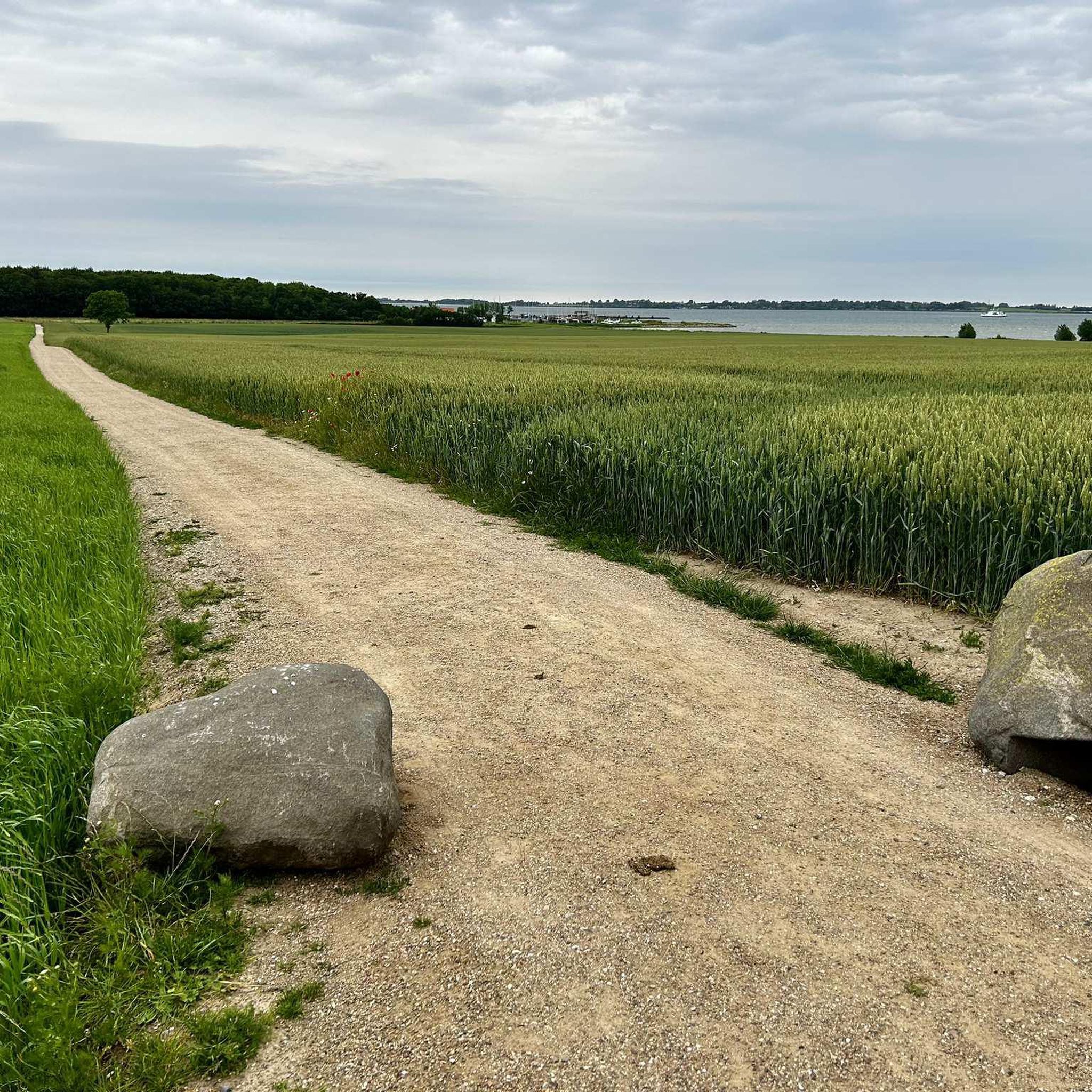
If you ride the cycle route over the Lolland Alps, you should leave your bike in the parking lot for a few minutes and climb this approximately 18 m high hill. Ravnsby Bakker, a unique landscape with deep valleys, idyllic lakes, beautiful hills and that great view over Smålandsfarvandet. On the hill are the remains of a medieval castle.
0
0
Frequently Asked Questions
What historical periods do Lolland's castles represent?
Lolland's castles and manors span several centuries, offering a journey through Danish history. You can find structures like Aalholm Castle, with origins around 1200, showcasing medieval roots, alongside Renaissance-era buildings like Krenkerup Castle (dating to 1490), and baroque architecture such as Christianssæde (1690). Many have undergone transformations, reflecting different architectural styles and historical events over time.
Can I visit the interiors of all castles in Lolland?
Many castles in Lolland are privately owned or serve as private residences, meaning their interiors are not generally open to the public. For example, Krenkerup Castle's main building is privately owned. However, some estates offer access to their grounds, gardens, or associated facilities. Søholt Castle is renowned for its baroque garden, which is open to visitors for a fee, and its orangery.
Are there gardens or parks associated with Lolland's castles?
Yes, several castles in Lolland are known for their beautiful gardens and parks. Søholt Castle features a magnificent baroque garden, dating back to the 1690s, which is open to visitors. The park around Aalholm Castle is also accessible, offering picturesque views. Christianssæde, despite its main building undergoing renovation, has an open park and forest for walks.
What outdoor activities can I do near castles in Lolland?
The areas around Lolland's castles are excellent for outdoor activities. You can find numerous cycling and hiking routes. For instance, you can admire Aalholm Castle from surrounding hiking and cycling paths. For more structured routes, explore the Road Cycling Routes in Lolland or MTB Trails in Lolland, which often pass by or near historical estates.
Are there family-friendly castles to visit in Lolland?
While specific family activities vary, castles with accessible grounds and gardens, like Søholt Castle, Baroque Garden and Orangery, can be enjoyable for families. The open spaces provide room for children to explore, and the historical context can be engaging. Always check individual castle websites for specific family-oriented offerings or events.
What is the best time of year to visit castles in Lolland?
The best time to visit castles in Lolland is generally during the warmer months, from spring to early autumn (May to September). This period offers pleasant weather for exploring outdoor areas like gardens and parks, and associated cafes, such as Café Søholt at Søholt Castle, are typically open. Some parks and forests, like those at Christianssæde, are accessible year-round for walks.
Can I find food and drink options near the castles?
Yes, some castles or their associated estates offer food and drink options. For example, the Krenkerup Castle estate is associated with the Krenkerup Brewery, which offers tastings. At Søholt Castle, Café Søholt is open during the summer months (June–August, Fri–Sun, 12 p.m.–4 p.m.). For other locations, nearby towns and villages will have cafes and restaurants.
Are there any castles in Lolland that offer unique experiences like tastings or events?
Yes, Krenkerup Castle is notable for its associated Krenkerup Brewery, where visitors can enjoy tastings. Lungholm Manor, a thoroughly renovated estate, serves as a venue for weddings, conferences, and other events, offering a unique aristocratic setting. The orangery at Søholt Castle can also be booked for special occasions.
How can I reach the castles in Lolland using public transport?
While some castles are more easily accessible by car, public transport options exist to get you closer to certain areas. For detailed public transport information, it's best to consult local Danish transport websites (e.g., Rejseplanen) or the specific castle's official website for directions and schedules to nearby towns or stops. From there, you might need to walk or take a taxi to the castle grounds.
Are there options for dog owners when visiting castles in Lolland?
Many castle parks and surrounding natural areas in Lolland are dog-friendly, provided dogs are kept on a leash. For instance, the park around Aalholm Castle and the forest at Christianssæde are suitable for walks with dogs. However, access to specific gardens or indoor areas may be restricted. Always check local signage or the castle's website for their specific dog policies.
Which castles offer notable viewpoints or scenic surroundings?
Several castles in Lolland are situated in picturesque locations. Aalholm Castle, located on an islet in Nysted Fjord, offers impressive views from Nysted Harbor and surrounding routes. The View of Smålandsfarvandet from Ravnsby Bakker Castle Mound provides a stunning panorama over Smålandsfarvandet, with remains of a medieval castle on the hill.
What is the history of Aalholm Castle, and can I visit it?
Aalholm Castle is considered the oldest castle on Lolland, dating back to approximately 1200. It served as a royal castle and seat of the king's vassal. While the castle itself is not open to the public, its impressive architecture can be admired from Nysted Harbor and the surrounding hiking and cycling routes. The park around the castle is accessible for visitors.
What is the significance of Lungholm Manor?
Lungholm Manor, originally known as Olstrupgaard, was first mentioned in 1434. It has been owned by the de Bertouch-Lehn family for over 200 years and seven generations. Today, the thoroughly renovated estate serves as a venue for events, offering guests a unique experience in an aristocratic setting. Its long history and continued use make it a significant historical site on Lolland.
Are there any castles undergoing renovation that still offer visitor access?
Yes, Christianssæde, a baroque building from 1690, suffered a devastating fire in 1979 and is currently undergoing extensive renovation. Despite this, its surrounding park and forest are open for walks, and it's possible to stay overnight in newly renovated houses on the estate. This allows visitors to appreciate its historical journey and natural surroundings even during its restoration.
Can I find cycling routes near Lolland's castles?
Absolutely. Lolland is well-suited for cycling, and many routes pass by or near its historic castles and manors. You can explore various Road Cycling Routes in Lolland or Gravel biking in Lolland. For example, you can cycle past Aalholm Castle or incorporate routes that include other estates and scenic viewpoints.
Most popular attractions in Lolland

Get inspired with the komoot mobile app


Explore more
Looking for the best castles somewhere else? Discover other guides in Lolland:
