Top 6 Gorges in Aabenraa
Canyons in Aabenraa are characterized by a moraine landscape shaped by the last ice age, featuring lush hills and deep valleys. The region's natural features include tunnel valleys with steep slopes and meltwater gorges, offering diverse terrain for exploration. These geological formations provide numerous opportunities for outdoor activities like hiking and cycling. The area's forests, covering approximately 1,400 hectares, contribute to the varied landscape and abundant wildlife.
Best canyons in Aabenraa
- The most popular canyons is 30-meter cliffs with spectacular…
Last updated: June 27, 2026
Niehuuser Tunneltal and Krusau Nature Reserve
Highlight • Gorge
It includes a distinctively formed …
Translated by Google •
Tip by

Beautiful little valley
Highlight • Gorge
Tip by

Sign up now to discover places like this
Get recommendations on the best single tracks, peaks, & plenty of other exciting outdoor places.
Sign up for free
30-meter cliffs with spectacular ravines and slope forests
Highlight • Gorge
Translated by Google •
Tip by

Osbek Valley
Highlight • Gorge
Translated by Google •
Tip by

Munkbrarup Autal
Highlight • Gorge
Translated by Google •
Tip by

Sign up for free to discover even more gorges in Aabenraa.
Sign up for free
Already have an account?
Start today with a free account
Your next adventure awaits.
Login or Signup
Popular around Aabenraa
European Divide Trail — 7,600 km across the continent
Erlebniskilometer in Schleswig-Holstein – Natur & Geschichte
A Historic Journey on the Southern Jutland Coastline — The Gendarme Path
National Cycle Route 3: Pilgrims Route
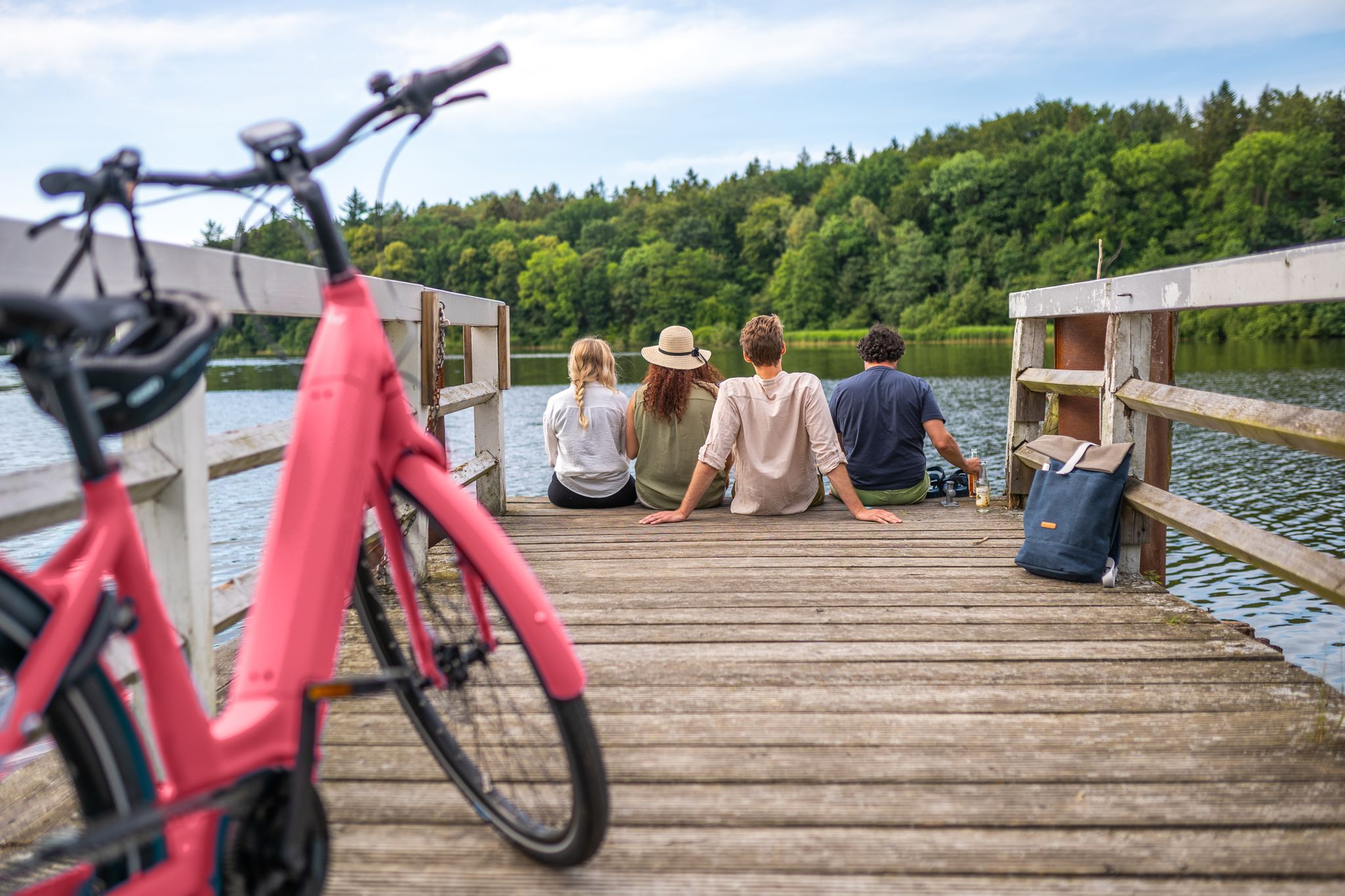
2,919 kilometres of adventure – cycling trails in Schleswig-Holstein
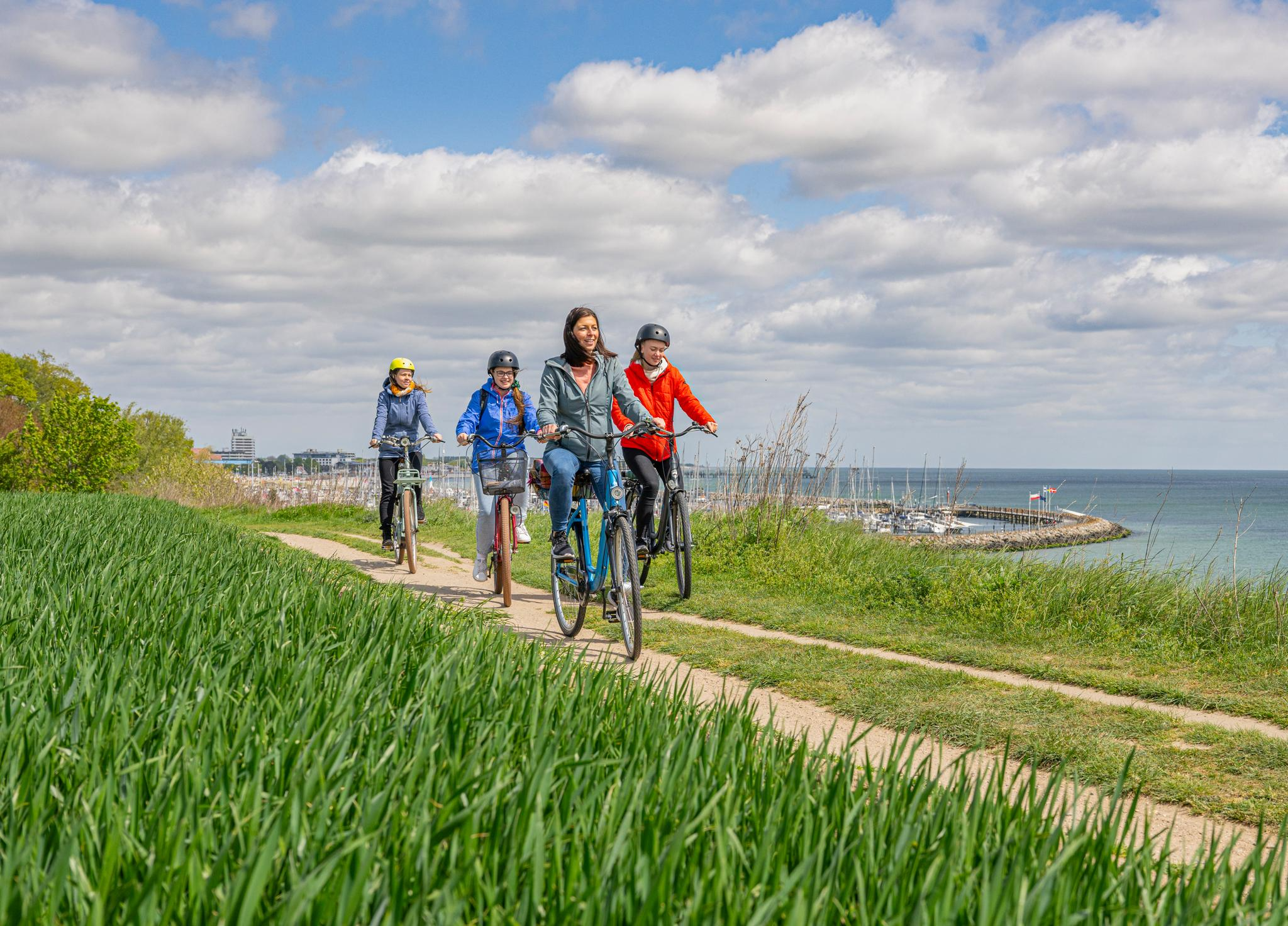
Baltic Sea Coast Cycle Route – Schleswig-Holstein's most popular long-distance cycle route
Hiking in Aabenraa
MTB Trails in Aabenraa
Cycling in Aabenraa
Running Trails in Aabenraa
Other adventures in Aabenraa


Tips from the Community

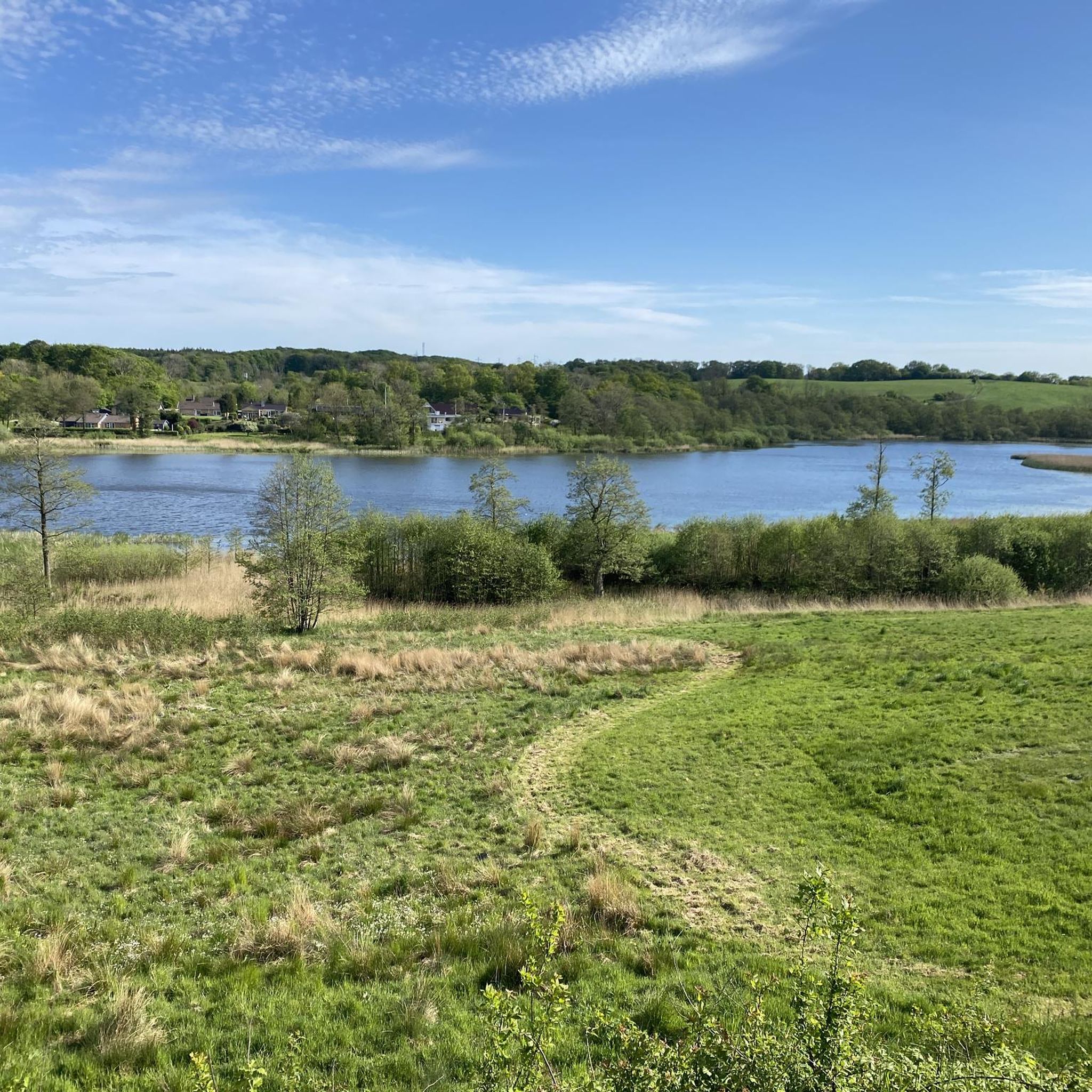
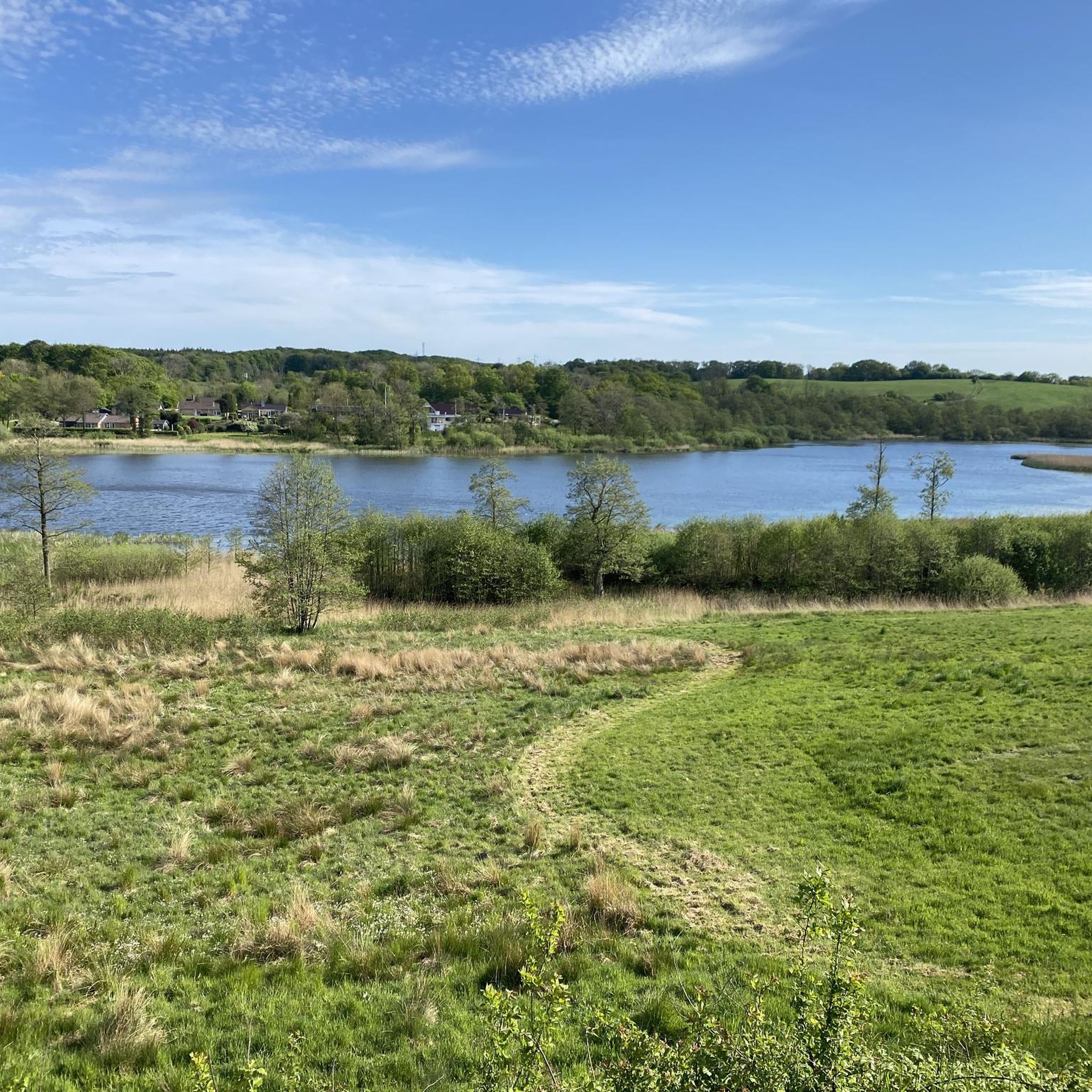
Small view over the Krusautal
0
0

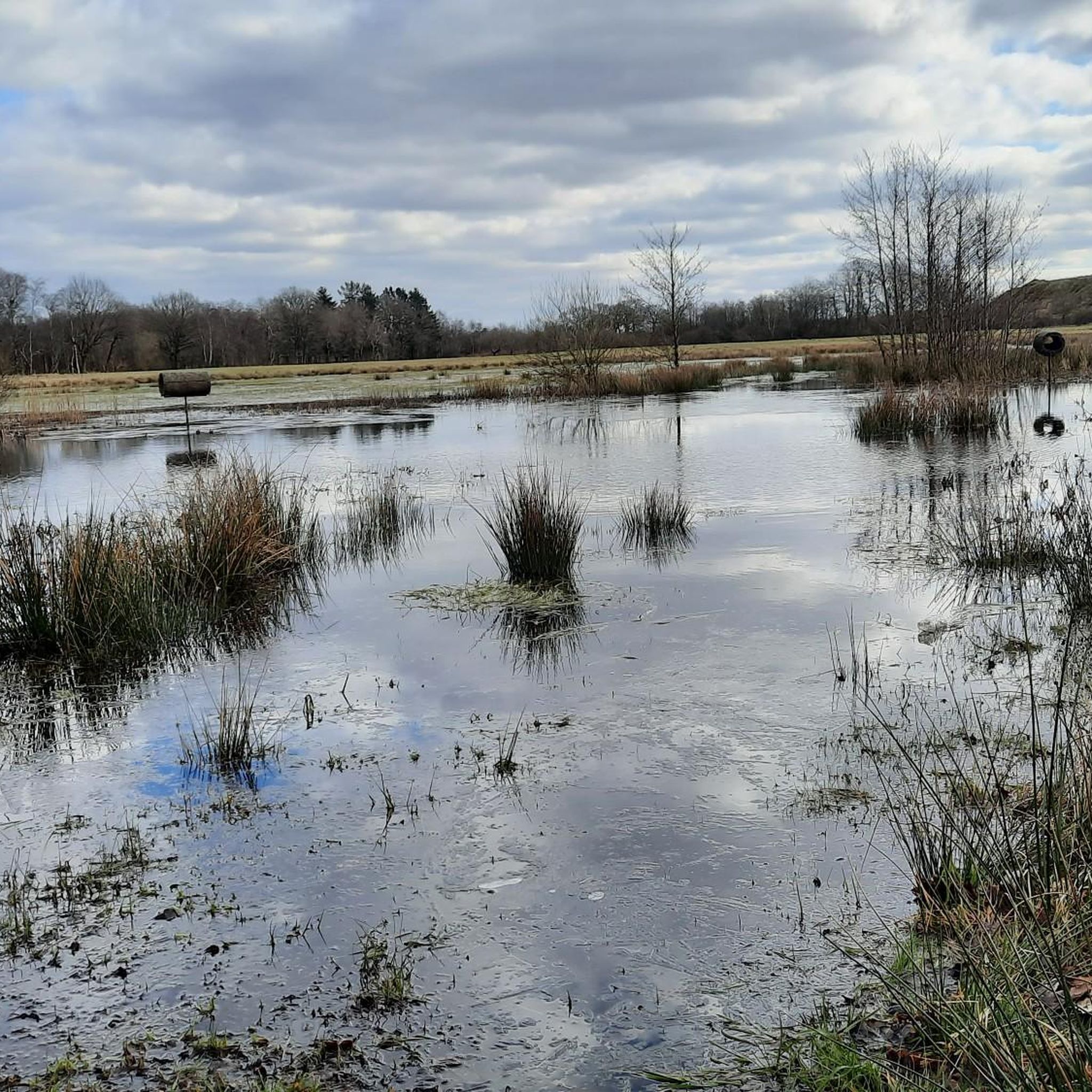
The FFH area, which covers 137 hectares, is located directly north of Flensburg and its western, northern and eastern outer borders border the Danish border. It includes a distinctively formed ice age tunnel valley with the Krusau and Niehuus Lake, which are partly near-natural. It also includes the agricultural land adjacent to Niehuus Lake, the stream gorges and the lowland areas, as well as the lowland area of the Krusau estuary and the mill pond with adjacent areas in the Kupfermühle area. The tunnel valley has a particularly diverse range of different biotopes and habitat types of flowing and still waters, grasslands and forests. The water habitats include the partially near-natural course of the Krusau with flooding vegetation (3260), the springs of the lowland and the naturally nutrient-rich Niehuus Lake (eutrophic lake, 3150). The surrounding grassland areas are characterized by semi-natural and near-natural, wet lowland biotopes and wet meadows. The lowlands north and west of Niehuus are characterized by sedge areas of varying types, but in particular the sedge (Carex acutiformis). The entire lowland area is the habitat of the moor frog. North of Kupfermühle, the former Kupfermühle pond and the lowland area adjacent to the south-west are occupied by extensive large sedge areas, moist tall herbaceous meadows (6430) and, in the slightly rising terrain, by (former) wet meadows. This part is particularly important for one of the main occurrences of the bulbous snail (Vertigo moulinsiana) in the area. Other occurrences are in the above-mentioned sedge areas and in the reed beds interspersed with giant swaths of Glyceria maxima.
1
0

The path is approx. 500 meters long and leads through the Ospektal. Along the route you pass the Mürwik Naval School, you can still see some old bunker remains. You also come along the old Klinik Ost.
0
0

It is worth taking a hike here.
0
0


Always worth a hike
2
1

Enjoy the view ...
2
1
Adventurous...
3
0
Frequently Asked Questions
What kind of natural features define the 'canyons' or gorges in Aabenraa?
Aabenraa's landscape, including its gorges and valleys, was sculpted by the last ice age. You'll find a moraine landscape characterized by lush hills, deep valleys, tunnel valleys with steep slopes, and meltwater gorges. These features offer diverse terrain for exploration, rather than traditional, deep-cut canyons.
What are some notable gorges or valleys to explore in the Aabenraa region?
Beyond the most popular spots, you can explore areas like Beautiful little valley, which offers a nice single trail along the western riverside. Another interesting spot is Osbek Valley, a small path directly between two military areas, where you can also see old bunker remains.
What kind of wildlife can I expect to see in Aabenraa's gorges and forests?
The forests surrounding Aabenraa, which include many of the region's gorges and valleys, are known for their abundant wildlife. About 80 bird species, including the prominent raven, call these forests home. You might also hear a remarkable number of woodpeckers at work, especially in areas like the 30-meter cliffs with spectacular ravines and slope forests.
Are there family-friendly trails or gorges in Aabenraa?
Yes, several areas are suitable for families. Munkbrarup Autal, a gorge formed by glacial water, is considered family-friendly and offers scenic views over the valley. The Osbek Valley also features a small path that is suitable for families.
Are there challenging hiking paths in Aabenraa's gorges?
Absolutely. The 30-meter cliffs with spectacular ravines and slope forests are known for their challenging paths with steep and potentially slippery slopes, sometimes partially blocked by fallen trees, offering an adventurous experience. This area is recommended for those seeking a more demanding hike.
What is the best time to visit Aabenraa's gorges for outdoor activities?
The region's diverse nature, including deciduous trees like beech, oak, and ash, makes it appealing throughout the year. Spring and autumn offer beautiful foliage and comfortable temperatures for hiking and cycling. Winter hiking is also possible, but be aware that paths in challenging areas might be slippery due to steep slopes.
What outdoor activities can I do near Aabenraa's gorges?
The deep valleys and hilly landscapes throughout Aabenraa's forests are crisscrossed with numerous hiking and cycling trails. You can explore various routes, including sections of the Gendarme Path and the Knap Trail. For specific activities, consider exploring MTB Trails in Aabenraa or Running Trails in Aabenraa.
Are there specific hiking trails near these gorges?
Yes, the region offers many hiking opportunities. For example, you can find trails that lead through the Aabenraa forests, which encompass many of the area's valleys and gorges. These trails allow you to experience the varied terrain and natural beauty up close.
What makes the Niehuuser Tunneltal and Krusau Nature Reserve unique?
The Niehuuser Tunneltal and Krusau Nature Reserve is a distinctively formed ice age tunnel valley covering 137 hectares. It includes the Krusau and Niehuus Lake, offering a particularly diverse range of different biotopes and habitat types, from flowing and still waters to grasslands and forests. It's also an important habitat for species like the moor frog and the bulbous snail.
What are the general characteristics of the forests in Aabenraa where these gorges are located?
The forests surrounding Aabenraa, including Jørgensgård Skov, Nørreskov, and Langbjerg Skov, cover approximately 1,400 hectares. They are known for their hilly landscapes, abundant wildlife, and diverse nature, featuring deciduous trees like beech, oak, and ash. These areas were preserved as forests due to their clayey and steep slopes, making them unsuitable for agriculture.
Can I find scenic viewpoints in the Aabenraa gorge areas?
Yes, several locations offer splendid views. Galgebakken, in the southernmost part of Nørreskov forest, provides excellent views of the city, the fjord, and the surrounding wooded hills. Additionally, Munkbrarup Autal offers nice views over its valley, and the 30-meter cliffs are noted for their spectacular ravines and viewpoints.
Are there opportunities for mountain biking near Aabenraa's gorges?
Yes, the hilly landscapes and forests of Aabenraa are well-suited for mountain biking. There's a specific mountain bike trail in the Aabenraa forests described as a medium-heavy route of 8.4 km with a total ascent of 200 meters. You can find more options by exploring MTB Trails in Aabenraa.
Most popular attractions in Aabenraa

Get inspired with the komoot mobile app


Explore more
Already discovered everything in this region? See additional gorges in Aabenraa for your next adventure:
