Top 6 Lakes in Achaea
Best lakes in Achaea are found within this regional unit of the Peloponnese, Greece, offering diverse aquatic experiences. The landscape features a mix of natural lakes, significant wetlands, and unique geological formations. This region is characterized by its coastal areas, dense forests, and mountainous terrain, providing varied natural environments. Visitors can explore ecosystems ranging from coastal lagoons to mountain lakes.
Best lakes in Achaea
- The most popular lakes is Prokopou Lagoon 🏝️ Kotyhi-Strofylia Wetlands National Park, a lake that…
Last updated: June 14, 2026
Strofylia Forest: Pines, Cows, and Lagoons
Highlight (Segment) • Forest
Translated by Google •
Tip by

Strofylia Wetlands
Highlight • Natural
Translated by Google •
Tip by

Sign up now to discover places like this
Get recommendations on the best single tracks, peaks, & plenty of other exciting outdoor places.
Sign up for free
Prokopou Lagoon 🏝️ Kotyhi-Strofylia Wetlands National Park
Highlight • Lake
Translated by Google •
Tip by

Lakeside Picnic Spot with Shade and Shower
Highlight • Beach
Translated by Google •
Tip by
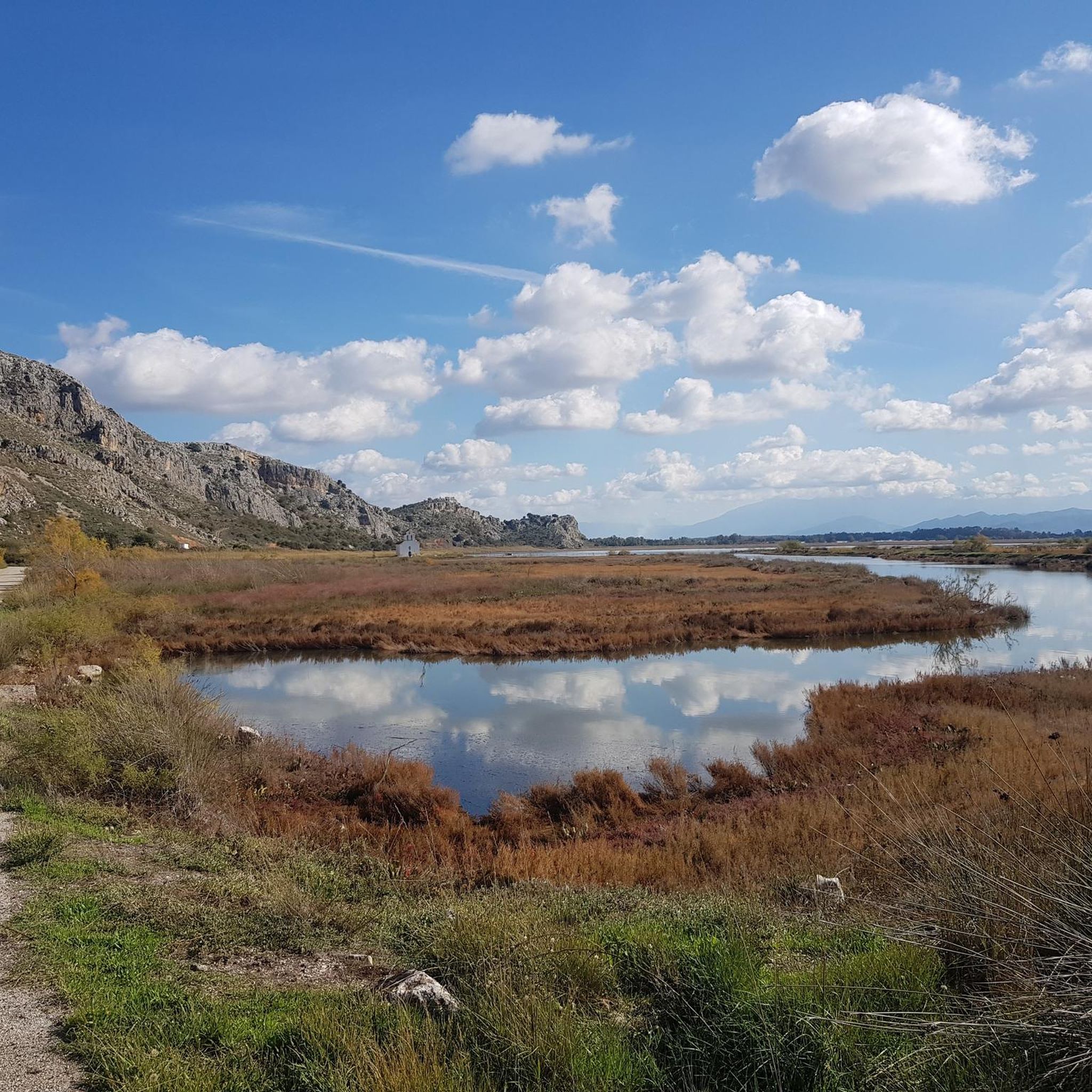
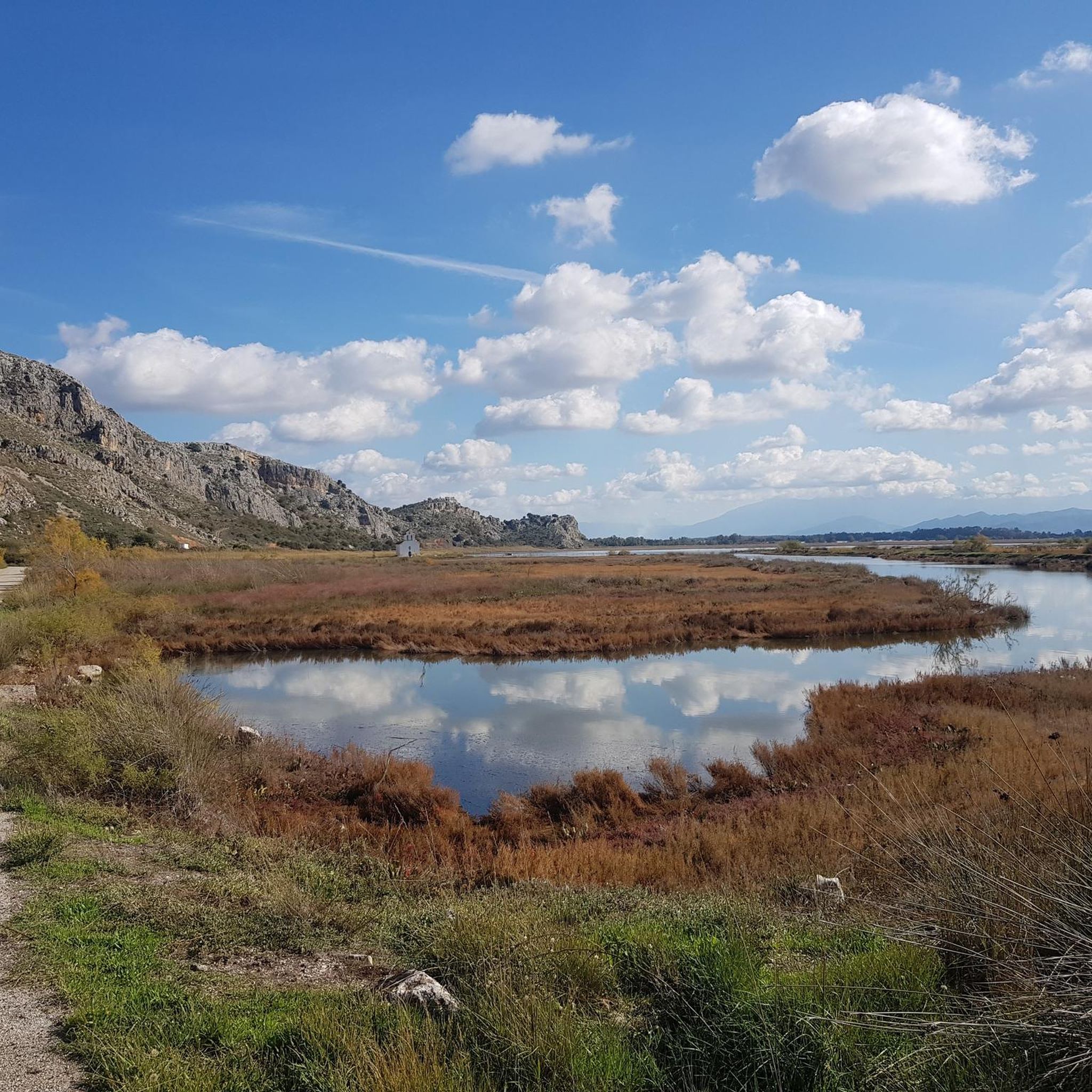
Prokopou Lagoon with St Peter's Chapel
Highlight • Lake
Tip by

Prokopos Lagoon
Highlight • Lake
Tip by
Alyki Wetlands Aigio
Highlight • Lake
Translated by Google •
Tip by

View of the Lagoon
Highlight • Viewpoint
Translated by Google •
Tip by

View of the Gulf of Corinth
Highlight • Viewpoint
Translated by Google •
Tip by
Start today with a free account
Your next adventure awaits.
Login or Signup
Other adventures in Achaea

Tips from the Community

Spotted on these routes: the golden jackal, a colony of purple herons, eleven great white pelicans, great egret.
0
0

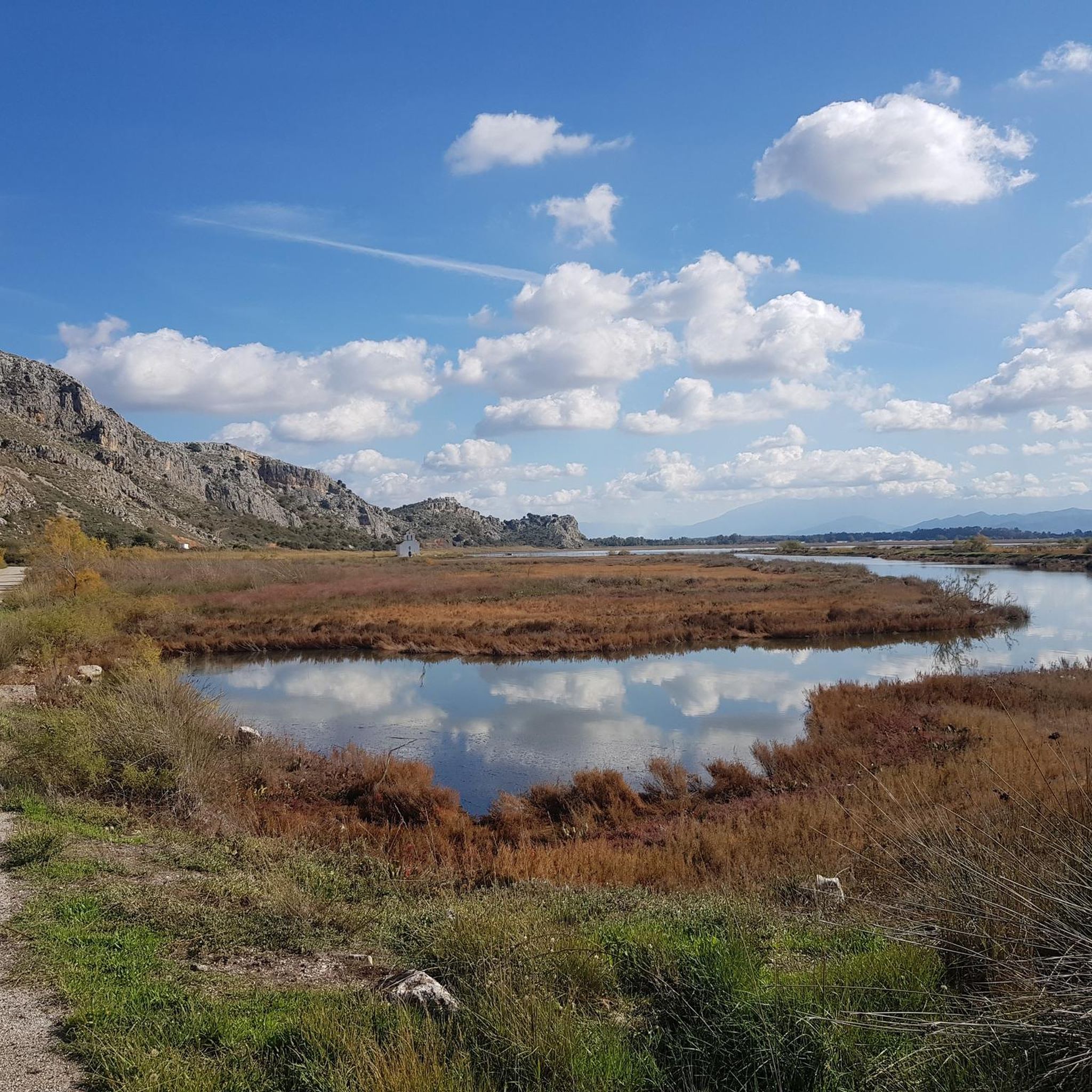
Prokopos Lagoon (Greek: Λιμνοθάλασσα Πρόκοπος) is an important wetland in the Kotychi-Strofylia National Park. The lagoon lies nestled between the Strofylia Forest and the Black Mountains (Mavra Vouna). It is part of the Natura 2000 network and protected as an internationally important wetland under the Ramsar Convention. The lagoon is a vital refuge for numerous bird species, including herons, ducks, and coots. It covers an area of approximately 1,500 hectares and is relatively shallow, with an average depth of 0.5 to 1.5 meters. Traditional fishing is practiced in the area, and there are birdwatching observation posts.
0
0
Landscape: The region is characterized by the contrast between the deep blue sea, shifting sand dunes (up to 10 meters high), and dense forests. There are eight marked hiking trails (H1-H8) and four cycling routes (C1-C4) with varying levels of difficulty. Birdwatching: Special observation towers at the lagoons offer views of the rich birdlife. Beach: Kalogria Beach borders the national park and is known for its fine sand and shallow water.
0
0
The Strofylia Wetlands are part of the Kotychi-Strofylia National Park. The area is protected under the Ramsar Convention and is part of the Natura 2000 network. Strofylia Forest: The largest pine forest in Greece (predominantly Pinus pinea) stretches across 22 km² along the coast. Lagoons and Marshes: The ecosystem includes the Kotychi, Prokopos, and Araxos (also known as Papa) lagoons, as well as the Lamia marsh. Biodiversity: It is an important stopover for migratory birds on the western migration route. Inhabitants include herons, flamingos, sea turtles, and rare duck species.
0
0
Landscape: The region is characterized by the contrast between the deep blue sea, shifting sand dunes (up to 10 meters high), and dense forests. There are eight marked hiking trails (H1-H8) and four cycling routes (C1-C4) with varying levels of difficulty. Birdwatching: Special observation towers at the lagoons offer views of the rich birdlife. Beach: Kalogria Beach borders the national park and is known for its fine sand and shallow water.
0
0
The Strofylia Wetlands are part of the Kotychi-Strofylia National Park. The area is protected under the Ramsar Convention and is part of the Natura 2000 network. Strofylia Forest: The largest pine forest in Greece (predominantly Pinus pinea) stretches across 22 km² along the coast. Lagoons and Marshes: The ecosystem includes the Kotychi, Prokopos, and Araxos (also known as Papa) lagoons, as well as the Lamia marsh. Biodiversity: It is an important stopover for migratory birds on the western migration route. Inhabitants include herons, flamingos, sea turtles, and rare duck species.
0
0
The view extends across an olive grove and the newly built railway line to the Gulf of Corinth. In the background, the Greek mainland can be seen with mountain ranges, on whose crests several wind turbines are visible.
1
0
Due to its location on the edge of the beach, the pebble beach is actually relatively quiet and peaceful even during the season.
1
0
Frequently Asked Questions
What unique natural features can I explore around the lakes in Achaea?
Achaea offers a diverse range of natural features. You can explore the extensive Strofylia Forest, the largest pine forest in Greece, which includes lagoons and marshes. The Strofylia Wetlands are characterized by a striking contrast between the deep blue sea, shifting sand dunes, and dense forests. Further inland, the unique Cave of the Lakes near Kalavryta features 13 subterranean lakes on three levels, with impressive stalactite and stalagmite formations.
Are there family-friendly lakes or areas suitable for children in Achaea?
Yes, several areas are great for families. Prokopou Lagoon is a significant refuge for waterfowl and has a bird observatory, which can be engaging for children. The nearby Prokopou Lagoon with St Peter's Chapel offers a beautiful setting for a relaxed outing. Additionally, the Lakeside Picnic Spot provides facilities like showers and seating, making it convenient for families.
What kind of outdoor activities can I do near the lakes in Achaea?
The region around Achaea's lakes offers various outdoor activities. You can enjoy hiking through diverse landscapes, including easy trails in the Strofylia Wetlands. Cycling is also popular, with marked routes available in areas like the Strofylia Forest. For more challenging adventures, there are moderate to difficult hiking and mountain biking trails in the broader Achaea region. You can find more details on routes in the Hiking in Achaea and MTB Trails in Achaea guides.
Are there easy hiking trails around the lakes in Achaea?
Yes, there are easy hiking options, particularly around the coastal lagoons. For instance, the Strofylia Wetlands loop from Beach Bar (5.3 km) and the Strofylia Wetlands loop from Prokopos Lagoon (5.6 km) are both rated as easy. These trails allow you to experience the unique ecosystem of the wetlands and pine forest.
What is the best time to visit the lakes in Achaea?
The best time to visit depends on your preferred activities. Spring and autumn offer pleasant temperatures for hiking and exploring the natural beauty without the intense summer heat. During winter, the Cave of the Lakes transforms with subterranean rivers and waterfalls from melting snow, offering a unique experience. Summer is ideal for enjoying the coastal areas and activities like canoeing on Lake Tsivlou.
Can I go birdwatching near the lakes in Achaea?
Absolutely. The wetlands and lagoons, such as Prokopou Lagoon and the Strofylia Wetlands, are vital ecosystems and important stopovers for migratory birds. You can spot herons, flamingos, ducks, and stilts. Special observation towers are available at the lagoons to enhance your birdwatching experience.
What is the historical significance of the lakes in Achaea?
While many lakes are primarily natural wonders, the Cave of the Lakes holds significant historical and mythological importance, being mentioned in ancient writings. Fossils, including those of a hippopotamus, have been discovered in its lower levels, offering a glimpse into prehistoric times. Lake Tsivlou, though young, has a dramatic origin story, formed by a landslide in 1913.
Are there any hidden gems or less-known lakes worth visiting in Achaea?
Beyond the well-known sites, Lake Tsivlou, nestled in the Chelmos Mountain range, is considered one of Greece's youngest and most picturesque natural lakes, known for its changing water colors and serene environment. The Alyki Wetlands near Aigio also offer a tranquil natural setting for those seeking a quieter experience.
What kind of wildlife can I expect to see around Achaea's lakes?
The lakes and wetlands of Achaea are rich in biodiversity. You can expect to see various bird species, including herons, flamingos, and rare ducks, especially in the protected areas like the Kotychi-Strofylia National Park. The ecosystems also support diverse flora and fauna, including fish species in the lagoons and potentially sea turtles.
Are there opportunities for wild swimming in the lakes of Achaea?
While specific designated wild swimming spots are not extensively highlighted, the coastal lagoons and the serene Lake Tsivlou offer opportunities for swimming in natural settings. Kalogria Beach, bordering the Strofylia National Park, is known for its fine sand and shallow water, making it suitable for a refreshing dip.
What makes the Strofylia Wetlands unique compared to other areas?
The Strofylia Wetlands are unique due to their designation as a protected area under the Ramsar Convention and part of the Natura 2000 network. They feature Greece's largest pine forest, shifting sand dunes up to 10 meters high, and a complex of lagoons and marshes, creating a distinctive landscape where forest meets sea.
Can I find accommodation or cafes near the lakes in Achaea?
Yes, you can find amenities near some of the lake areas. Villages like Zarouchla, close to Lake Tsivlou, offer accommodation and local cuisine. For the coastal lagoons, areas around Kalogria Beach provide options for cafes and beach bars. The broader Achaea region, especially near larger towns, will have a full range of services.
Most popular attractions in Achaea

Get inspired with the komoot mobile app


Explore more
Still not found your perfect lake in Achaea? Check out the guides of these regions to see even more beautiful places.
