Top 5 Castles in Nógrád
Castles in Nógrád County, located in northern Hungary, offer a glimpse into the region's rich history and diverse landscapes. Many of these historic sites are perched on volcanic hills or within the Cserhát mountains, providing strategic viewpoints. The area is characterized by its unique geological formations, including columnar basalt, and its connection to the Novohrad-Nógrád UNESCO Global Geopark. Visitors can explore medieval ruins and experience the cultural heritage of the Palóc people.
Best castles in Nógrád
- The most popular castles…
Last updated: October 14, 2026
Salgó Castle
Highlight • Castle
Translated by Google •
Tip by

Szandavár
Highlight • Castle
Translated by Google •
Tip by

Sign up now to discover places like this
Get recommendations on the best single tracks, peaks, & plenty of other exciting outdoor places.
Somoskő Castle
Highlight • Castle
Translated by Google •
Tip by
Nógrád Castle
Highlight (Segment) • Castle
Translated by Google •
Tip by

Fejérkő Castle (Sámsonvár)
Highlight (Segment) • Castle
Translated by Google •
Tip by
Start today with a free account
Your next adventure awaits.
Tips from the Community

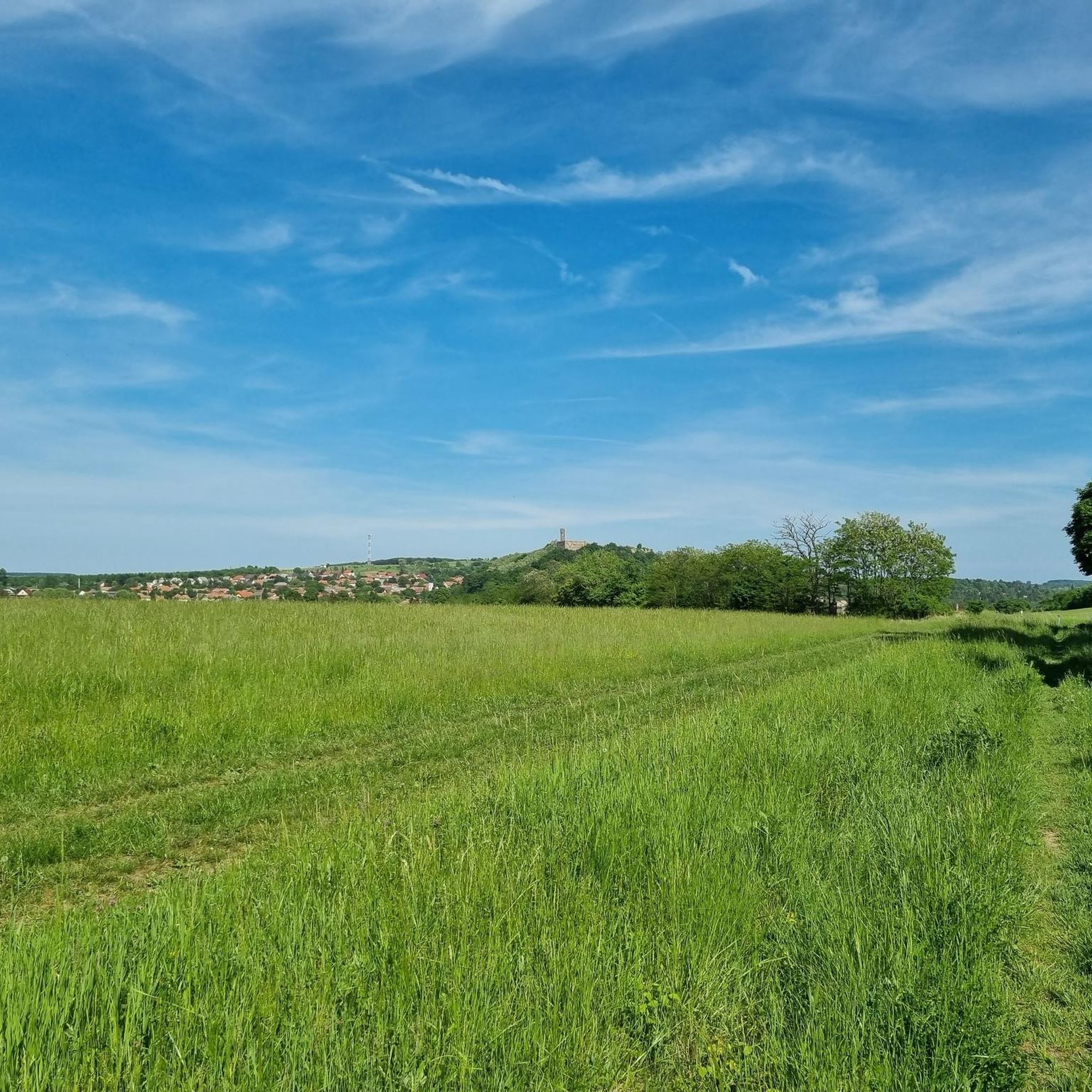
The famous castle, visible from afar, has free entry and unparalleled views!
0
0


There are few contemporary documents on the history of Fejérkő Castle above Sámsonháza. According to the local tradition, the settlement II. Béla takes his name from the party-lording lord, Samson, who was Boris's claimant to the throne in 1132 (Kálmán Borisz was the son of a disturbed wife not recognized by the king. Maybe he built a castle on the outskirts of the village. The medieval name of the castle: Fejérkő is mined locally, in its new age it is very white, it can be traced back to a rare stone material in the surrounding volcanic mountains. The first mention of the castle dates from 1328, but only the name of the castle is mentioned. In 1403, Samson's House was owned by a certain Paul of Kachy. In 1406, King Sigismund annexed all the estates of János, the son of Pál Kókcs Kókai, who had passed away, including Samsonháza, Jobbágy, Szőrös and Kazar to the royal chapel. It was donated by Sigismund in 1409, at which time it was mentioned as a "castle site" belonging to the Samson House, ie as a destroyed castle. Archaeological excavations from 2004-2005 shed light on the history of the castle. The castle was built with a double protection belt, the inner castle wall is 2.5 meters wide and approx. It could have been 10 meters. It was protected from the south and east by a wall gorge, the outer gate opened on the north side, the access road from here bypassing the castle in the gorge led to the inner gate on the southwest side. In the middle of the 19th century, József Könyöki surveyed the ruins. There are many more walls in his drawing.
1
0

The name of the village (castle, county) came from the Bulgarian-Slavic name Novigrad, ie Újvár. Its history can be traced back to the pre-conquest times, and was already a key place in this age. King Stephen I granted him city status and made it the seat of the county. Anonymus dates the castle to the time of Árpád. The 0.91-hectare castle stands on the 286-meter-high, 9-hectare Castle Hill. https://en.wikipedia.org/wiki/N%C3%B3gr%C3%A1d_(telep%C3%BCl%C3%A9s)
0
0
Near the small settlement of Salgóbánya, the 625-meter-high volcanic peak of the Medves Plateau is crowned by the castle of Salgó. The castle was built in the 13th century by members of the Simon Ban branch of the Kacsics clan, who ruled the area, in the period after the Tartar invasion in 1241–1242.
1
0
Spectacular panorama, pleasant little hike.
2
0
Very good little hike with several ascents. In the end it doesn't hurt if the bus comes! ;)
2
0
Frequently Asked Questions
What makes the castles in Nógrád County unique?
The castles in Nógrád County are unique for their blend of rich history and striking natural settings. Many are perched on volcanic hills, showcasing significant geological formations like columnar basalt, and are part of the Novohrad-Nógrád UNESCO Global Geopark. They offer a glimpse into medieval military architecture and the cultural heritage of the Palóc people.
Which castles in Nógrád offer the best panoramic views?
Several castles provide spectacular views. Salgó Castle, atop Salgó Hill, offers amazing views of nearby mountains and even the High-Tatra on clear days. Szandavár is known for its magnificent 360-degree panorama. Somoskő Castle provides stunning panoramic views of the Medves Plateau and Sátoros Mountain. Even the ruined Nógrád Castle, due to its strategic position, offers beautiful views of the countryside.
Are there any castles in Nógrád with unique geological features?
Yes, Salgó Castle is built on a volcanic basalt cone, featuring globally significant columnar basalt formations. Somoskő Castle is also situated on a basalt hill and is famous for its 'stony-waterfall' of crooked, regular six- or five-sided basalt columns, a rare geological formation.
Which castles in Nógrád are known for their historical significance or cultural connections?
Salgó Castle inspired Hungarian poet Sándor Petőfi. Hollókő Castle is closely associated with the UNESCO World Heritage-listed old village of Hollókő, a well-preserved ethnographic village of the Palóc people. Nógrád Castle gave its name to Nógrád County and has a history intertwined with important Hungarian figures. Somoskő Castle was frequented by the poet Bálint Balassi.
Are there family-friendly activities or events at the Nógrád castles?
Hollókő Castle offers interactive historical programs where visitors can try medieval weapons. Nógrád Castle is a favorite destination for families and adventure seekers, hosting regular craft fairs and the Nógrád Castle Games in June, which feature traditional performances and battle scenes.
What kind of outdoor activities can I do near the castles in Nógrád?
The region around Nógrád's castles is excellent for outdoor activities. You can find numerous hiking trails, including difficult routes like the 'Hollókő Castle – God's Palm hand sculpture loop' or moderate ones like the 'Alsópetény Bus Stop Stamp – Prónay Lookout Tower loop'. There are also options for gravel biking and road cycling. For more details, explore the Hiking in Nógrád, Gravel biking in Nógrád, and Road Cycling Routes in Nógrád guides.
Are there hiking trails suitable for different skill levels near Nógrád's castles?
Yes, the area offers a range of hiking trails. For example, near Hollókő, you can find challenging routes like the 'Hollókő Castle – God's Palm hand sculpture loop'. There are also easier options, such as the 'Katalinpuszta Visitor Center – Giants' Rest Area loop' near Szendehely. You can find more information on various routes in the Hiking in Nógrád guide.
What is the best time of year to visit the castles in Nógrád?
The castles in Nógrád can be visited year-round, but spring and autumn offer pleasant weather for exploring the ruins and surrounding nature. Summer is ideal for events like the Nógrád Castle Games, while winter can provide a unique, serene atmosphere, though some trails might be more challenging in snowy or wet conditions.
How accessible are the castles in Nógrád for visitors with mobility concerns?
Many castles in Nógrád are ruins located on hills, which can involve steep paths and uneven terrain. For example, the road to Szandavár is noted as steep. While specific accessibility information for wheelchairs is limited, the natural settings and historical nature of these sites often mean less paved access. It's advisable to check individual castle websites for detailed accessibility information.
Are there dining or accommodation options near the castles in Nógrád?
Yes, you can find dining and accommodation options in the villages and towns near the castles. For instance, the UNESCO World Heritage Palóc village of Hollókő, near Hollókő Castle, offers various services. Similarly, areas around Salgótarján (near Salgó Castle) and Nógrád village (near Nógrád Castle) have facilities for visitors.
What is the history behind Nógrád Castle, and what can I expect to see there?
Nógrád Castle, one of Hungary's oldest stone castles, dates back to the 11th century. It flourished during the Renaissance but was largely destroyed by a lightning strike in 1685. Today, visitors can explore its atmospheric ruins, which stand atop a 286-meter-high hill, offering beautiful views. The castle hosts craft fairs and the Nógrád Castle Games, providing a unique historical experience despite its ruined state.
What makes Salgó Castle a significant historical and natural site?
Salgó Castle is significant because it's a 13th-century fortress built on a 625-meter-high volcanic peak. It's part of the Novohrad-Nógrád UNESCO Global Geopark, featuring globally important columnar basalt formations. The castle's ruins, including a keep and wall remnants, offer a blend of medieval history and deep geological insights, inspiring poetry and providing expansive views.
Most popular routes in Nógrád
Most popular attractions in Nógrád

Get inspired with the komoot mobile app


Explore more
Looking for the best castles somewhere else? Discover other guides in Nógrád:
