Top 20 Lakes in Gorizia
Best lakes in Gorizia are primarily characterized by unique karst formations, such as the Lakes of Doberdò and Pietrarossa, which are part of a regional nature reserve. These lakes exhibit fluctuating water levels influenced by river flows, creating dynamic wetland ecosystems. The region's natural landscape supports diverse biodiversity, including various bird species and mammals, contrasting with the surrounding arid karst. Historically, the Doberdò area held strategic importance during World War I, with remnants of trenches still present.
Best lakes in Gorizia
- The most popular lakes is Lagoon Cycle Path between Aquileia and Grado, a cycle_way that runs through the Grado lagoon, offering sea air and views of over 150 different species of birds. This path is also the final section of the Alpe-Adria cycle path.
- Another must-see spot is Valle Cavanata Nature Reserve, a cycle_way. Visitors can experience animals in nature, such as flamingos, while cycling directly along the dam with a fresh breeze from the sea.
- Visitors also love Valle Cavanata Regional Nature Reserve, a natural_monument. This reserve offers views of water dwellers from a nature observation house and is described as a beautiful lagoon.
- Gorizia is known for cycle paths along lagoons, natural monuments, and unique karst lakes. The region offers a variety of lakes to see and explore, from expansive wetlands to smaller, fluctuating bodies of water.
- The lakes in Gorizia are appreciated by the komoot community, with over 2500 upvotes and more than 1100 photos shared by visitors.
Last updated: August 21, 2026
Lagoon Cycle Path between Aquileia and Grado
Highlight (Segment) • Cycleway
One of the largest of the several hundred islands in the lagoon is called Barbana. On Barbana there is a pilgrimage church with the statue of the Madonna and Child, to which the fishermen of Grado hold a pilgrimage every year on the first Sunday in July, the so-called Perdon de Barbana. There are restaurants on several islands in the lagoon. So if you want to rest in an extraordinary ambience, you have come to the right place.
Translated by Google •
Tip by

Valle Cavanata Regional Nature Reserve
Highlight • Natural Monument
Translated by Google •
Tip by

Sign up now to discover places like this
Get recommendations on the best single tracks, peaks, & plenty of other exciting outdoor places.
Sign up for free
Valle Cavanata Nature Reserve
Highlight (Segment) • Cycleway
Translated by Google •
Tip by

Valle Cavanata Regional Nature Reserve
Highlight • Natural Monument
Translated by Google •
Tip by
Lago di Pietrarossa
Highlight • Lake
Translated by Google •
Tip by

Map of the Foce dell'Isonzo Regional Nature Reserve
Highlight • Rest Area
A "magical" location, which in addition to a view to remember also offers tourist routes for hiking enthusiasts and entertainment for any age group.
Noteworthy is the rent rooms of Riserva Alberoni with Osteria. Friendly staff and beautiful location.
Translated by Google •
Tip by

Adriatic Cycle Route – Grado Lagoon Section
Highlight (Segment) • Cycleway
Many restaurants invite you to linger in the spring at moderate prices
Translated by Google •
Tip by

Adria Panorama Cycle Path Along the Lagoon
Highlight (Segment) • Cycleway
Translated by Google •
Tip by
Laghetti Rossi di Capriva
Highlight • Lake
The descent allows you to reach the red lakes of Capriva.
Translated by Google •
Tip by

Lagoon Cycle Path
Highlight • Cycleway
Translated by Google •
Tip by

Sign up for free to discover even more lakes in Gorizia.
Sign up for free
Already have an account?
Start today with a free account
Your next adventure awaits.
Login or Signup
Popular around Gorizia
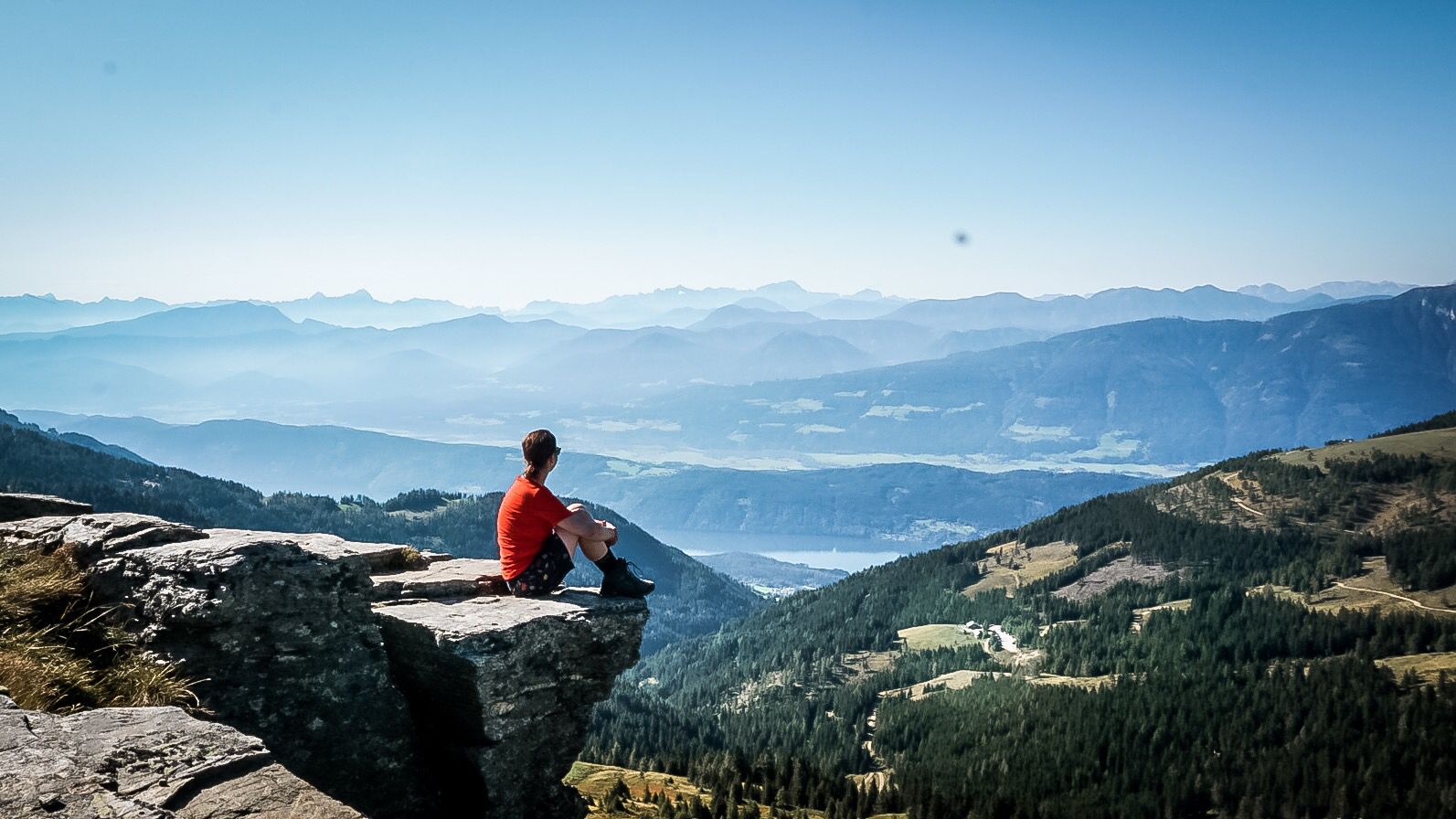
Alpe-Adria-Trail: My long-distance hike from the glacier to the sea
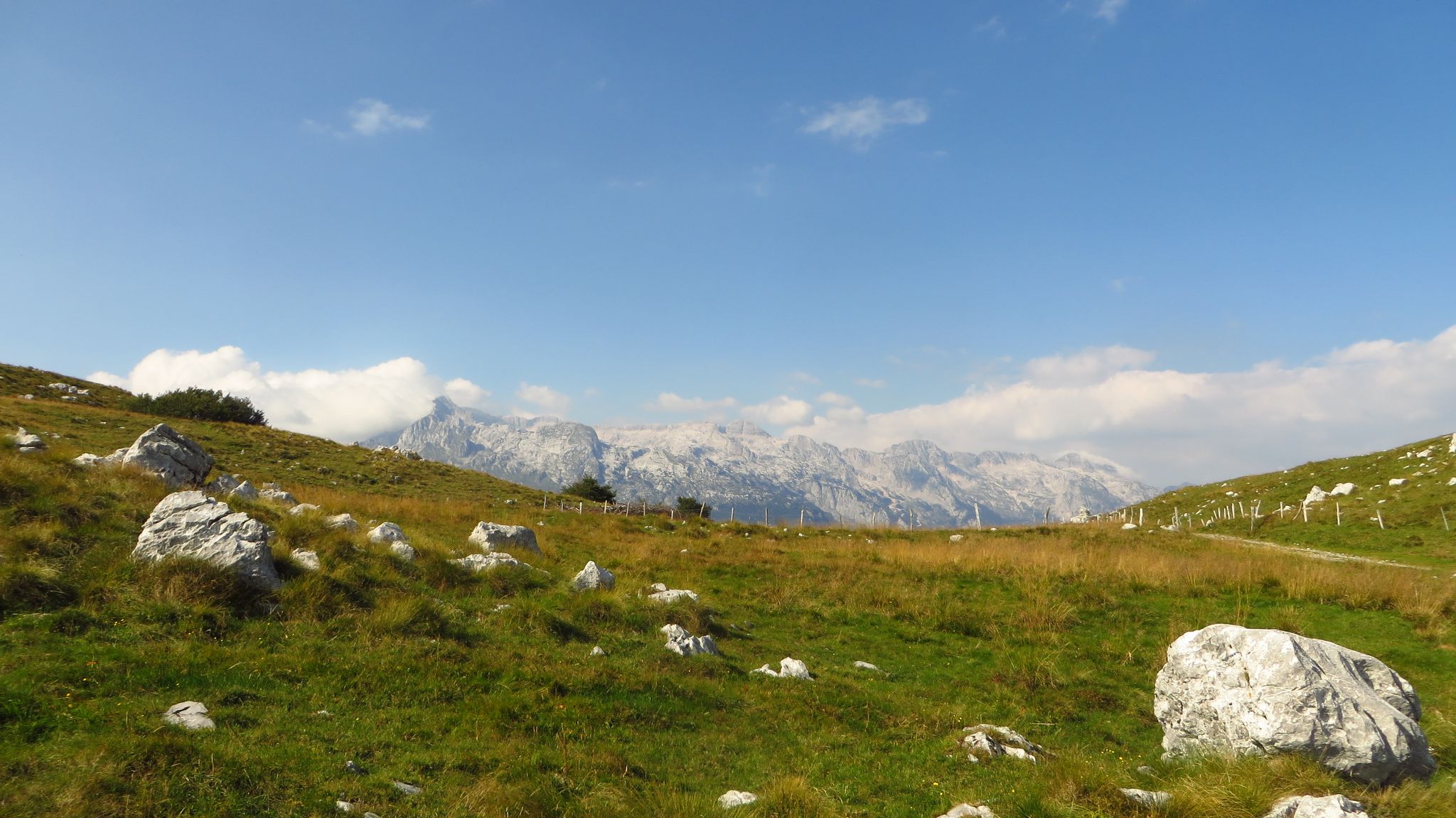
Alpe Adria – MTB Transalp through Slovenia to the Mediterranean Sea
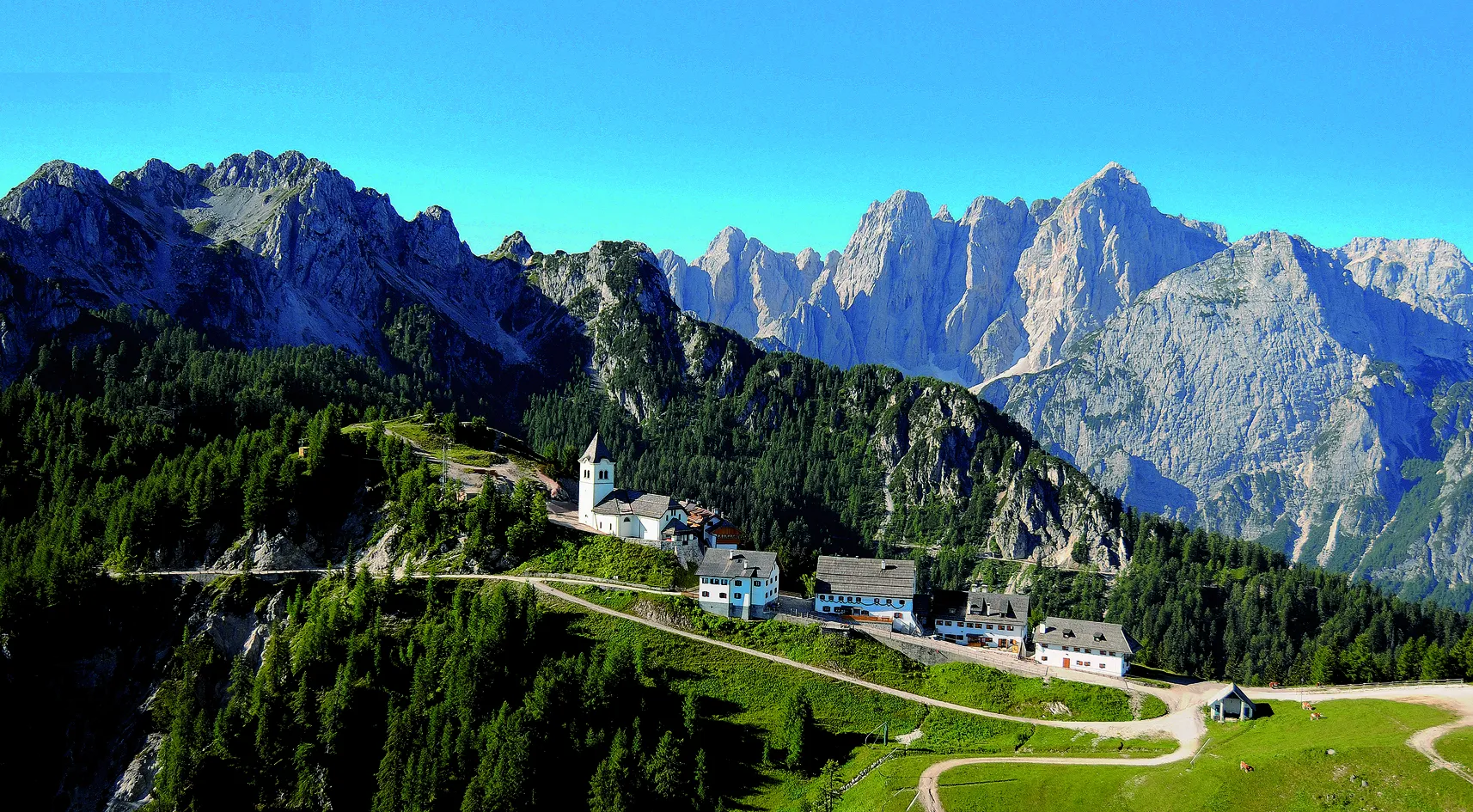
Hike from sea to mountain in northern Italy – Cammino Celeste
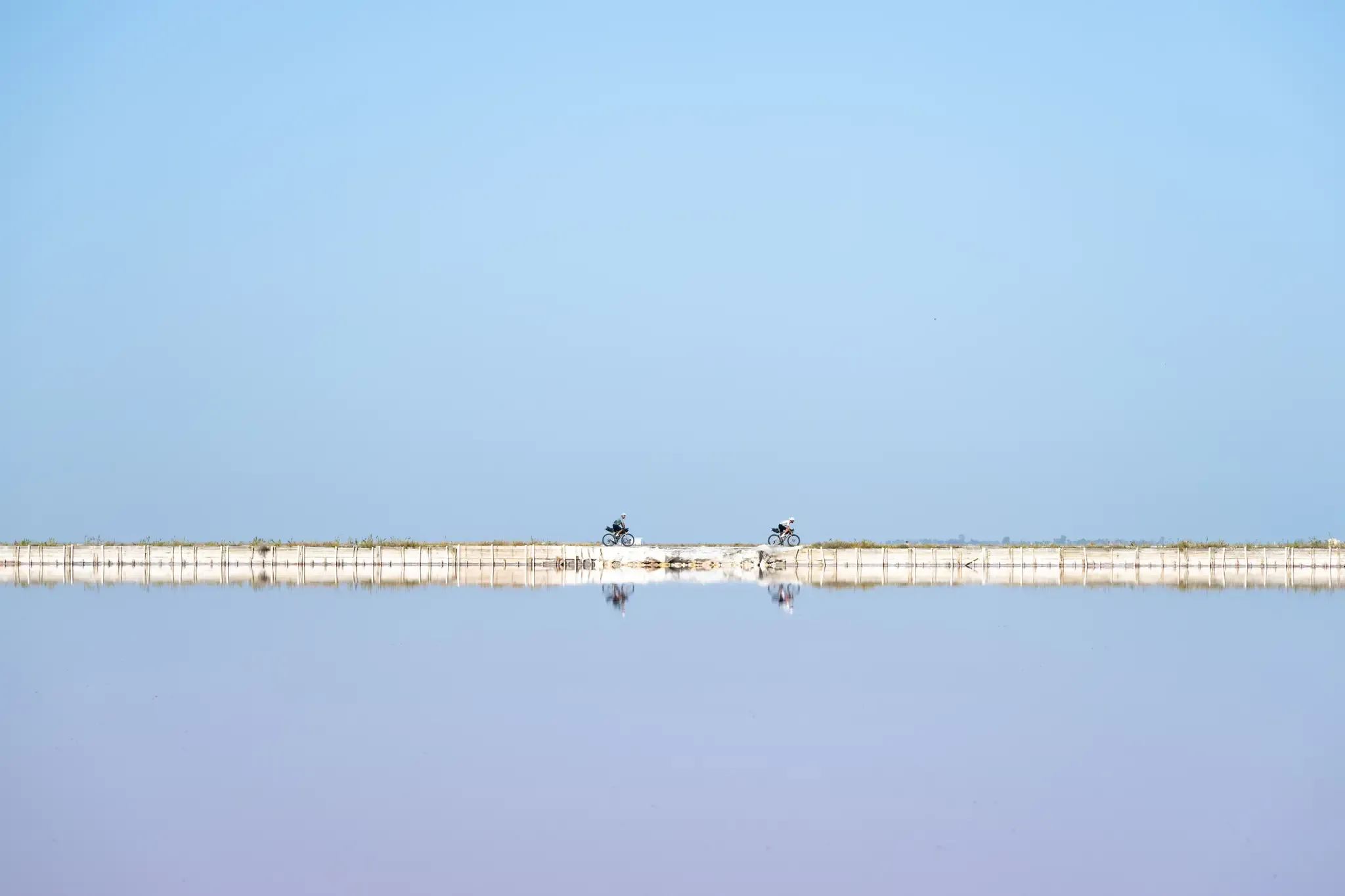
Trieste to Santa Maria di Leuca – the Adriatic Cycle Route
MTB trails in Friuli and the Julian Alps
Dense forests and scenic trails – Carso Trail 2023
From the boot’s toe to the heel – the most beautiful cycling Tours in Italy
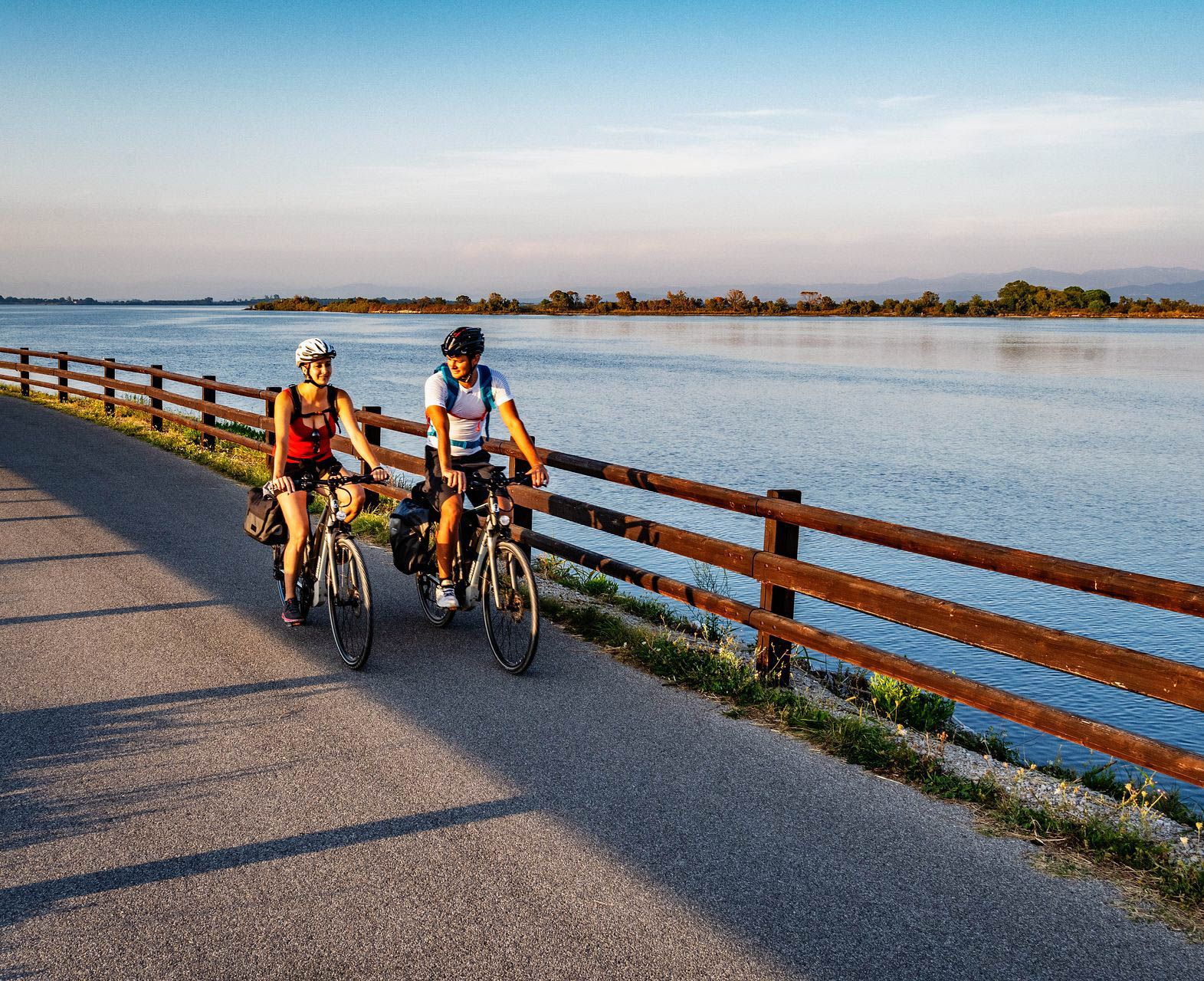
Cycling between sea and mountains in Italy’s Friuli Venezia Giulia
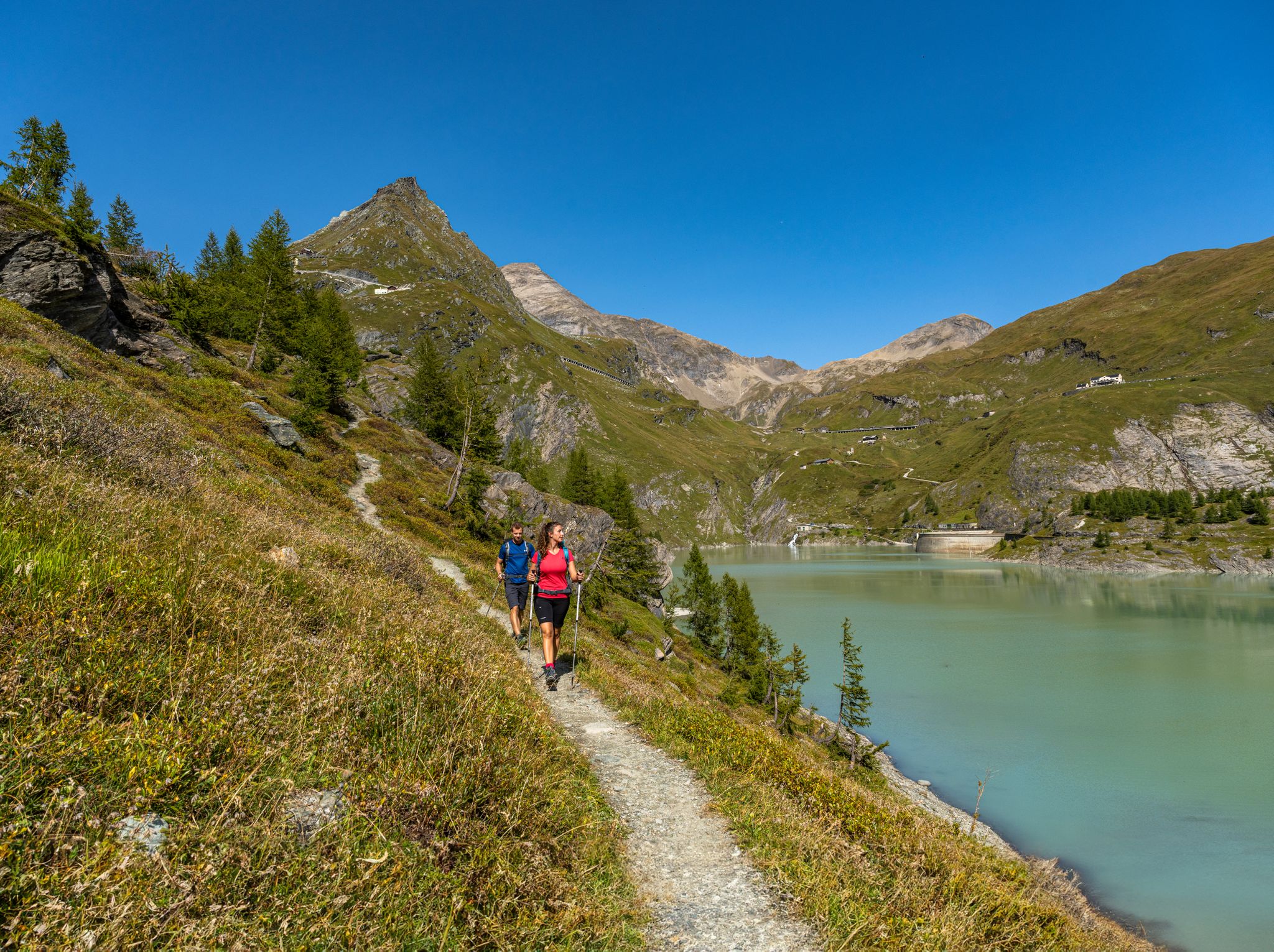
From the Grossglockner to the sea on the Alpe Adria Trail
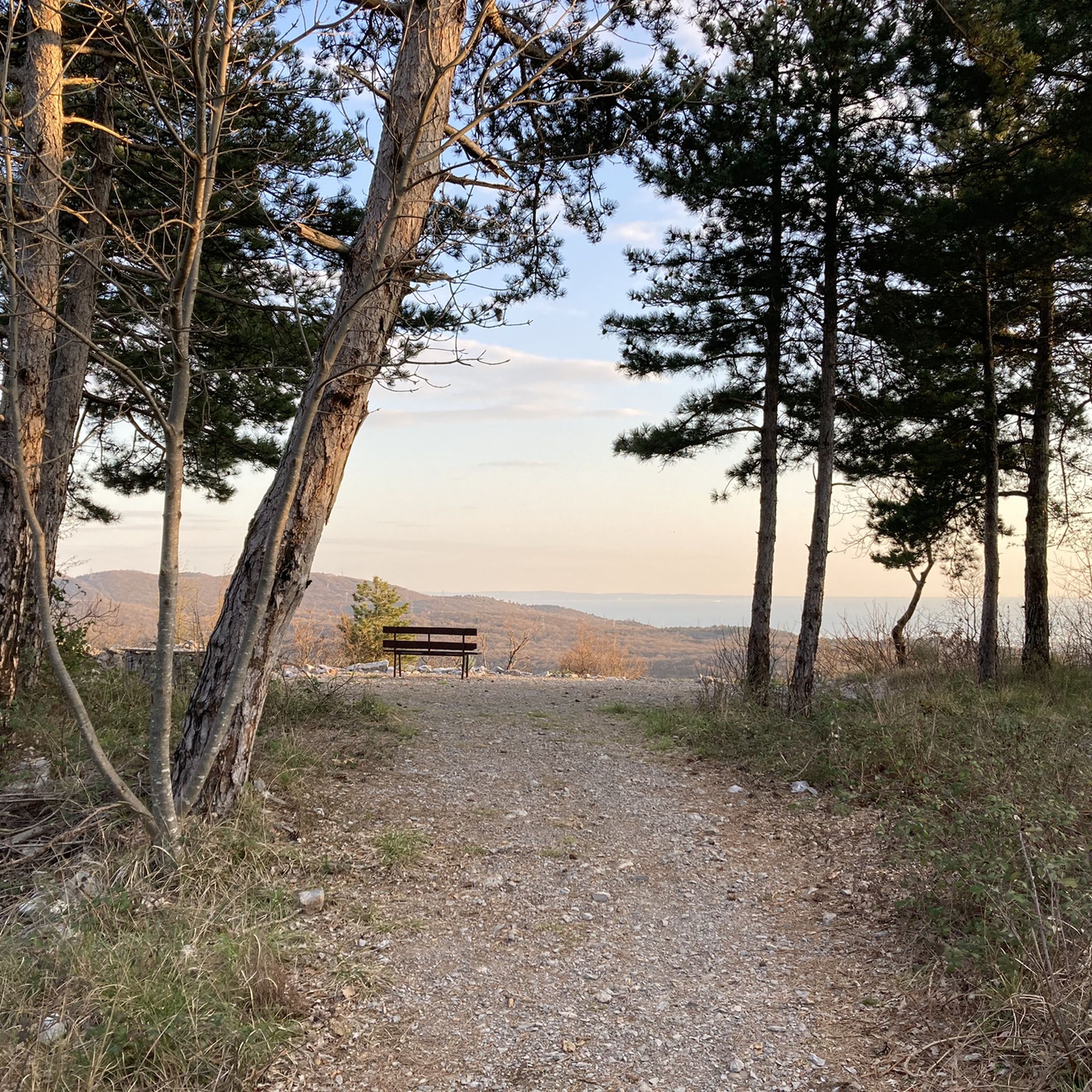
Hiking in Gorizia
Other adventures in Gorizia


Tips from the Community


Great nature reserve with lots of birds
3
0
Super view of the water
2
0
Super cycle path, highly recommended
3
0
Super cycle path, highly recommended
3
0

Located just a few kilometers from Duino Castle, in the western sector of the Gorizia Karst, Lake Pietrarossa is one of the pearls of the Regional Natural Reserve shared with the nearby Lake Doberdò. Together with the latter, it represents one of the very rare examples in Europe of a karst lake: a temporary basin that occupies a natural depression called a polje. The charm of this place lies in its changing nature; it is not fed by surface rivers, but by the oscillations of the underground water table. During rainy periods, water emerges from the depths, flooding the plain, while in dry seasons the lake can almost disappear, leaving space for a verdant carpet of reeds and wet meadows. This alternation creates a unique ecosystem where the arid and rocky karst landscape meets a humid area rich in biodiversity, making it a paradise for birdwatching and silent excursions.
0
0
The Valle Cavanata Nature Reserve is a protected area of exceptional natural value located in the eastern part of the Grado lagoon. Once used as a fishing valley, it is now a wetland of international importance (Ramsar Site) dedicated to biodiversity conservation. The heart of the reserve is a vast brackish lagoon surrounded by reed beds and hygrophilous woods, which serves as a refuge and resting area for thousands of migratory birds, including the famous pink flamingos and numerous species of ducks. Accessible via flat paths and cycle paths, the reserve offers several observation huts for birdwatching, allowing you to immerse yourself in a silence broken only by the calls of the fauna, just a few kilometers from the sea.
0
0

Frequently Asked Questions
What unique natural features characterize the lakes in Gorizia?
The lakes in Gorizia, particularly the Lakes of Doberdò and Pietrarossa, are unique karst lakes. Their water levels fluctuate significantly with the flow of the Vipacco and Isonzo rivers, creating a dynamic landscape that changes throughout the year. This distinct environment supports a high level of biodiversity, contrasting with the surrounding arid karst.
What kind of wildlife can I expect to see around Gorizia's lakes?
The wetland ecosystems around lakes like Doberdò and Pietrarossa are rich in biodiversity. You can observe numerous bird species, including nesting birds like the lesser spotted woodpecker, and various mammals such as roe deer and the rare golden jackal. The area is also home to diverse aquatic vegetation and, in some parts, the olm, an eel-like salamander.
Are there specific nature reserves worth visiting near Gorizia's lakes?
Yes, the Lakes of Doberdò and Pietrarossa are part of a regional nature reserve. Additionally, the Valle Cavanata Regional Nature Reserve is highly recommended, offering opportunities to observe water dwellers from a nature observation house and experience a beautiful lagoon environment.
Can I go cycling around the lakes in Gorizia?
Absolutely. The region is known for its excellent cycle paths. A popular option is the Lagoon Cycle Path between Aquileia and Grado, which offers sea air and views of numerous bird species. You can also cycle directly along the dam at the Valle Cavanata Nature Reserve, where you might spot flamingos.
Are there hiking opportunities near the lakes?
Yes, the regional nature reserves, such as the Doberdò area, offer numerous trekking itineraries and panoramic observation points. For more general hiking options in the region, you can explore the easy hikes in Gorizia guide, which includes routes like the 'Hawthorn Observatory – Marinetta Observatory loop from Isonzo Mouth Regional Natural Reserve'.
Are the lakes in Gorizia suitable for families with children?
Many areas are family-friendly. The Gradina Visitor Centre near Lake Doberdò provides guided tours and an interactive exhibition suitable for both children and adults. The Laghetti Rossi di Capriva is also noted as a family-friendly spot. The cycle paths, like those through Valle Cavanata, offer enjoyable outdoor experiences for all ages.
What is the best time to visit the lakes in Gorizia?
The best time to visit depends on your interests. Spring and autumn are ideal for birdwatching, as many migratory birds rest in the lagoons. These seasons also offer more expansive water levels in the karst lakes. During drier periods, the fluctuating water levels reveal different landscapes, making each visit unique.
Do any of the lakes have historical significance?
Yes, the Doberdò area, particularly around the Lakes of Doberdò and Pietrarossa, was strategically important during World War I. It played a crucial role during the Isonzo Front battles and served as a vital water source. You can still explore remnants of trenches and military tracks, offering insight into local history.
What do visitors enjoy most about the lakes in Gorizia?
Visitors frequently praise the unique natural beauty and tranquility. The komoot community highlights the 'beautiful view' from spots like the Laguna di Grado Cycle Path Viewpoint and the 'pure relaxation' offered by cycling through reserves like Valle Cavanata. The opportunity to breathe sea air and observe diverse wildlife is also highly valued.
Are there visitor centers or educational facilities near the lakes?
Yes, near Lake Doberdò, the Gradina Visitor Centre offers guided tours and an interactive exhibition covering the natural, historical, and cultural aspects of the Karst region. There are also plans for another visitor center, 'Conver,' near Lake Pietrarossa, focused on land restoration and reintroducing local sheep.
Can I find accommodation or amenities near the lakes?
While specific amenities vary by location, the popular lake areas and nature reserves often have facilities or are within a short distance of towns. For example, the Lagoon Cycle Path has restaurants on several islands in the lagoon, offering unique dining experiences. For broader options, consider accommodations in nearby towns or the city center of Gorizia.
Most popular routes in Gorizia
Most popular attractions in Gorizia

Get inspired with the komoot mobile app


Didn’t find what you were looking for?
Find the best lakes in Gorizia per region:
Explore more
Still not found your perfect lake in Gorizia? Check out the guides of these regions to see even more beautiful places.
