Top 6 Caves in Gorizia
Best caves in Gorizia are primarily found within the broader Karst region, offering a unique blend of natural subterranean formations and historical significance. The area is characterized by its distinctive limestone geology, which has led to the formation of numerous caves and underground systems. Many of these sites are integrated with historical landmarks, particularly those from World War I, providing insights into both natural history and human conflict. Visitors can explore a variety of underground environments, from natural grottoes to…
Last updated: August 21, 2026
Brestovec Historical Trench
Highlight • Historical Site
Translated by Google •
Tip by

Grotta Vergine Entrance
Highlight • Cave
The fortuitous …
Translated by Google •
Tip by

Sign up now to discover places like this
Get recommendations on the best single tracks, peaks, & plenty of other exciting outdoor places.
Sign up for free
Austro-Hungarian Infantry Tunnel Entrance
Highlight • Historical Site
Translated by Google •
Tip by

Monte San Michele Museum and Fortified Galleries
Highlight • Historical Site
Translated by Google •
Tip by

Gun gallery of Mount Brestovec
Highlight • Historical Site
Following the fortification of Brestovec during the Great War, it was decided to also dig a gun tunnel.
The excavation work for the gun …
Translated by Google •
Tip by

Entrance to World War I Bunkers
Highlight • Historical Site
Translated by Google •
Tip by

Abisso di Bonetti
Highlight • Cave
Translated by Google •
Tip by
Start today with a free account
Your next adventure awaits.
Login or Signup
Popular around Gorizia
Alpe-Adria-Trail: My long-distance hike from the glacier to the sea
Alpe Adria – MTB Transalp through Slovenia to the Mediterranean Sea
Hike from sea to mountain in northern Italy – Cammino Celeste
Trieste to Santa Maria di Leuca – the Adriatic Cycle Route
MTB trails in Friuli and the Julian Alps
Dense forests and scenic trails – Carso Trail 2023
From the boot’s toe to the heel – the most beautiful cycling Tours in Italy
Cycling between sea and mountains in Italy’s Friuli Venezia Giulia
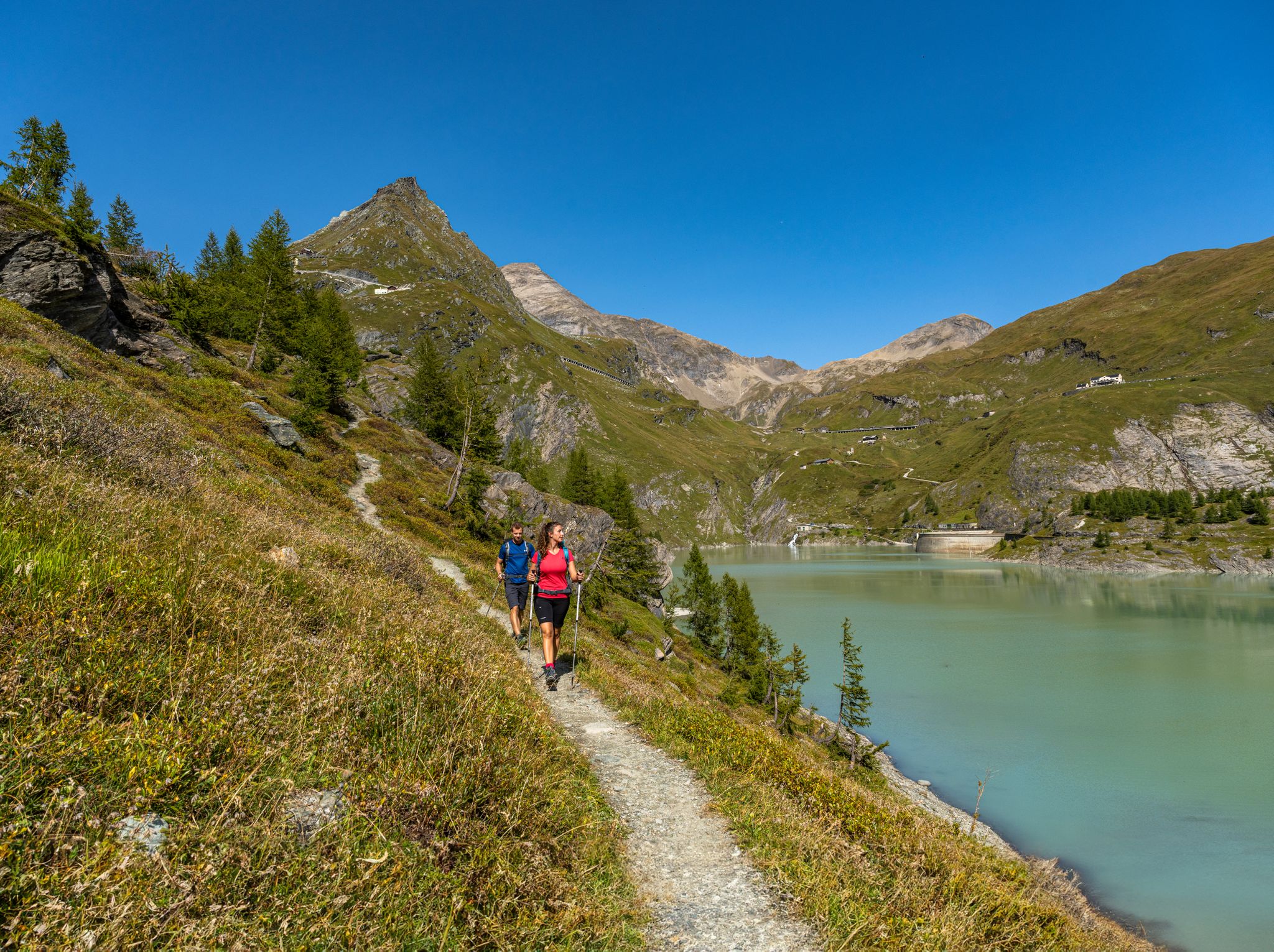
From the Grossglockner to the sea on the Alpe Adria Trail
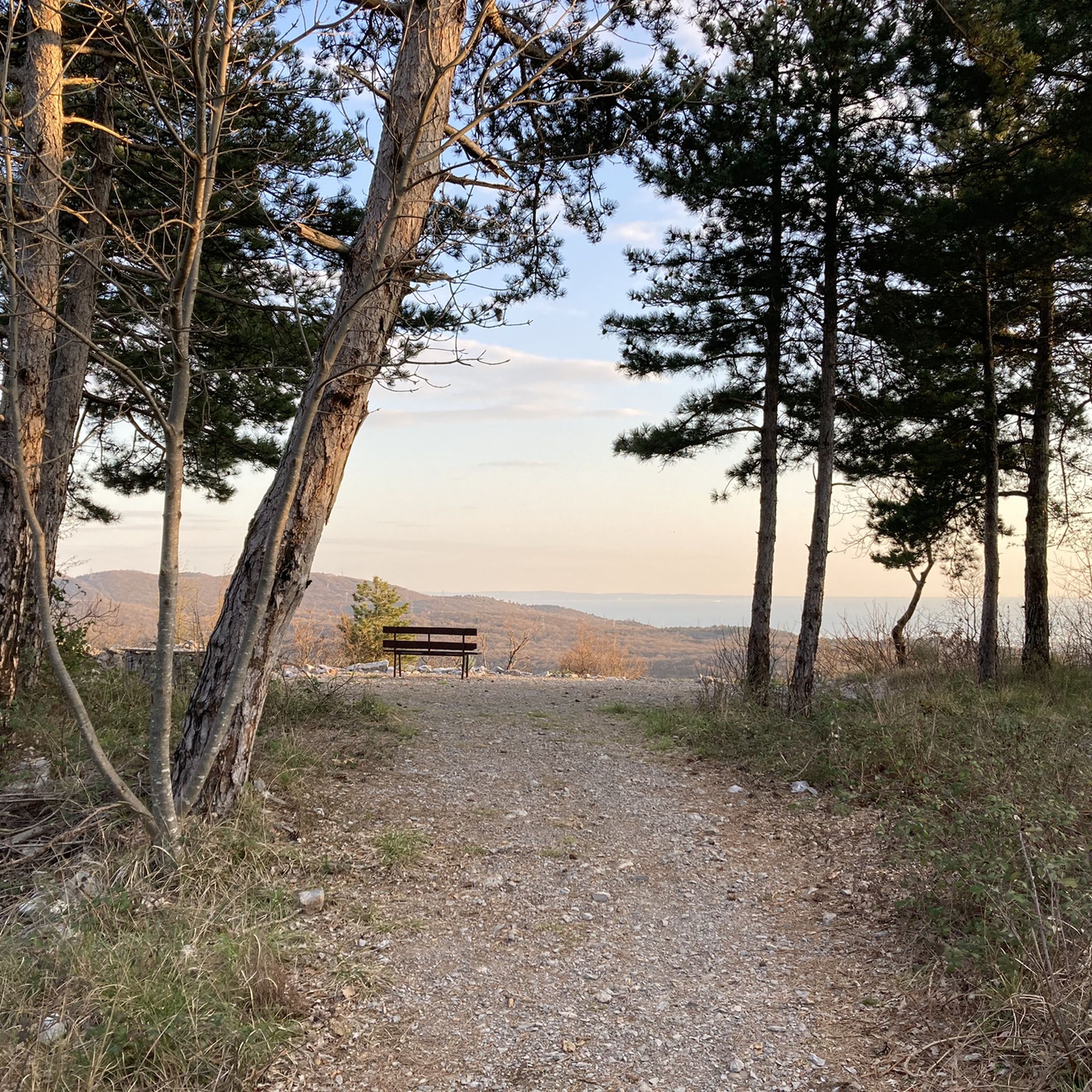
Hiking in Gorizia
Other adventures in Gorizia


Tips from the Community

Recently restored, it allows you to explore a long stretch of trench with a fascinating underground shelter. One of the historic sites of the Karst region worth exploring.
0
0
An unmarked chasm; you have to know it to know its existence. It is said that in ancient times it was the course of a river, perhaps the Vipava.
0
0
Suggestive location, recently renovated: the walkway is lit by floor lamps, from there there are various rooms with exhibitions and historical reconstructions. There is a staircase that leads outside where you can enjoy the view of the Vallone.
0
0

fully illuminated today
0
0

Very well preserved remains of an ancient trench from the Great War.
1
0
Entrance to the newly opened museum under the peak of Mount San Michele.
1
0
Beautiful museum built through a tunnel that crosses the top
1
0

Discover all our routes on www.viaggiatorelento.com Following the fortification of Brestovec during the Great War, it was decided to also dig a gun tunnel. The excavation work for the gun tunnels, carried out by the 3rd Company of the 5th Mining Engineer Regiment, began in January 1917 and was completed the following August. The work was equipped with 8 positions for 149/A pieces, served by a long battery corridor overlooking numerous cavities and secondary tunnels (reserves, shelters for gunners, etc.). There is no news about the actual military use of the work: a couple of months after its completion, in fact, it was abandoned due to the collapse of the Isonzo front following the defeat of Caporetto. It is worth remembering the engraving found in a nearby trench "Let's fly to peace" which has now become the motto of the renovation of the entire tunnel. It should be noted, however, that it was partially reused by the Italian Army during the Cold War, when the entire Brestovec was refortified to control the border of the Iron Curtain which ran a short distance away.
0
0
Frequently Asked Questions
What are the most popular caves to visit in the Gorizia region?
The Gorizia region offers a mix of historical and natural subterranean experiences. For historical sites, visitors often explore the Austro-Hungarian Infantry Tunnel Entrance, the Schönburg Tunnel, and the Brestovec Historical Trench, which are remnants of World War I. For natural wonders, the wider Karst region, easily accessible from Gorizia, features the impressive Grotta Gigante and Grotta delle Torri di Slivia.
Are there family-friendly caves in the Gorizia area?
Yes, the Austro-Hungarian Infantry Tunnel Entrance is noted as family-friendly, offering an accessible historical experience. For natural caves, the Grotta Gigante and Grotta delle Torri di Slivia, while requiring some walking and stairs, are designed for public tours and are generally suitable for families.
What unique natural features can I expect to see in the caves near Gorizia?
In the publicly accessible natural caves of the wider Karst region, you can witness spectacular geological formations. The Grotta Gigante boasts immense stalactites and stalagmites within its record-holding large chamber. The Grotta delle Torri di Slivia is renowned for its rich and diverse concretions, including impressive stalagmite 'towers'. The Grotta Nuova di Villanova features tunnels carved by an underground stream and unique rock formations.
What historical landmarks are associated with the caves in Gorizia?
Many 'caves' in Gorizia are actually historical tunnels and trenches from World War I. Notable sites include the Austro-Hungarian Infantry Tunnel Entrance, the Schönburg Tunnel, and the Brestovec Historical Trench. These locations offer insights into the wartime conditions and defensive structures of the era.
What is the typical temperature inside the caves in the Gorizia region?
The internal temperature of the larger natural caves, such as Grotta Gigante, remains a constant 11°C (52°F) year-round. The Grotta delle Torri di Slivia typically ranges from 6-9°C (43-48°F). It's advisable to bring warm clothing even during summer visits.
What should I wear for cave exploration in the Gorizia area?
Given the constant cool temperatures inside the caves, even in summer, it's recommended to wear warm layers. Comfortable shoes with good grip are essential, especially in natural caves like Grotta delle Torri di Slivia, where surfaces can be slippery.
Are there any caves in Gorizia that are only for experienced cavers?
Yes, some significant caves in the Gorizia Karst are restricted to expert speleologists due to their challenging nature. The Grotta Regina del Carso is managed by a speleological group for research, and the Abisso di Bonetti, with its deep vertical pit, requires specialized equipment and expertise for entry.
What outdoor activities can I do near the caves in Gorizia?
The region around Gorizia offers various outdoor activities. You can find numerous cycling routes, including gravel biking and road cycling, that explore the scenic landscapes. For example, there are routes like the Vipava River Cycle Path or the Lagoon Cycle Path. You can explore more options in the Gravel biking in Gorizia, Road Cycling Routes in Gorizia, and Cycling in Gorizia guides.
Are there guided tours available for the caves in the Gorizia region?
Yes, the major publicly accessible natural caves like Grotta Gigante, Grotta delle Torri di Slivia, and Grotta Nuova di Villanova all offer guided tours. These tours provide expert insights into the geology, history, and unique features of each cave. For historical sites like the Monte San Michele Museum and Fortified Galleries, guided experiences are also available.
What is the best time to visit the caves in the Gorizia region?
Caves maintain a relatively constant temperature year-round, making them a good destination in any season. However, visiting during spring or autumn can be pleasant as the weather outside is mild, and you can combine your cave visit with other outdoor activities in the region. Summer offers a cool escape from the heat.
Can I find any wildlife in the caves around Gorizia?
While not always visible to casual visitors, caves are home to unique ecosystems. The Grotta Nuova di Villanova, for instance, is known to host endemic invertebrate species, adding to its scientific interest. These species are adapted to the dark, constant conditions of the underground environment.
How long does it typically take to explore the publicly accessible caves?
Guided tours for the major publicly accessible caves like Grotta Gigante, Grotta delle Torri di Slivia, and Grotta Nuova di Villanova typically last between 45 minutes to 1.5 hours, depending on the specific tour and cave. This usually includes the descent, exploration of key chambers, and ascent.
Most popular routes in Gorizia
Most popular attractions in Gorizia

Get inspired with the komoot mobile app


Didn’t find what you were looking for?
Discover more caves in Gorizia region by region:
Explore more
Extend your search for the best caves by checking out these guides of the top ones in Gorizia:
