Top 12 Caves in Trieste
Best caves in Trieste are found within the Karst region, an area known for its unique geological formations and extensive underground systems. This landscape provides a diverse range of caving experiences, from vast show caves to smaller, historically significant grottoes. The region's geology has shaped numerous natural cavities, making it a notable destination for exploring subterranean environments.
Best caves in Trieste
- The most popular caves is Rosandra Valley, a gorge that features a large number of caves and a wild landscape with cliffs and waterfalls. It is one of the most popular destinations for hikers in Trieste.
- Another must-see spot is Grotta Nera, a cave that can be visited by booking. Visitors can also explore the surrounding forest botanical garden.
- Visitors also love Grotta Gigante, a cave with the largest room in the world. This cave features a main cavern that is 107 meters high, 65 meters wide, and 130 meters long.
- Trieste is known for natural caves, historical caves, and gorges with cave features. The region offers a variety of underground spaces to explore, from large show caves to smaller, historically adapted cavities.
- The caves in Trieste are appreciated by the komoot community, with more than 90 upvotes and over 20 photos shared by visitors.
Last updated: October 14, 2026
Rosandra Valley
Highlight • Gorge
Translated by Google •
Tip by

Grotta Nera
Highlight • Cave
Translated by Google •
Tip by

Sign up now to discover places like this
Get recommendations on the best single tracks, peaks, & plenty of other exciting outdoor places.
Grotta Priamo
Highlight • Cave
In recent years the cavity, located a few meters from a wide path that was passable by vehicles, was used as a landfill. It was cleaned by the San Giusto Speleological Group of Trieste, which made it possible to visit it. This cavity is the first stop of Park 97, a Great War route inaugurated in the summer of 2017 in the Bosco Fornace di Prosecco.
Translated by Google •
Tip by

Mithraeum Cave
Highlight • Cave
archeocartafvg.it
because the cave is closed and you only get a very small glimpse from the outside, you don't even notice what a great cultural monument is behind it ...
Translated by Google •
Tip by

Water Cave
Highlight • Cave
Translated by Google •
Tip by

Old Bunker Cave
Highlight • Cave
Translated by Google •
Tip by

Grotta della Mandibola
Highlight • Cave
Translated by Google •
Tip by

Underground Bunker Beneath the New Castle
Highlight • Historical Site
Large and spacious facility.
Translated by Google •
Tip by

Crevice and rocky slope in the Val Rosandra Nature Reserve
Highlight (Segment) • Gorge
Translated by Google •
Tip by

Abisso del Diavolo
Highlight • Cave
Element no. 117 of the regional speleological register
Translated by Google •
Tip by

Start today with a free account
Your next adventure awaits.
Popular around Trieste
EuroVelo 9 – The Amber Route from the Baltic to Adriatic Sea
The Dinaric Alps – explore the Adriatic Sea in a different way
Chasing the sun across the Alps — unsupported solo
Alpe-Adria-Trail: My long-distance hike from the glacier to the sea
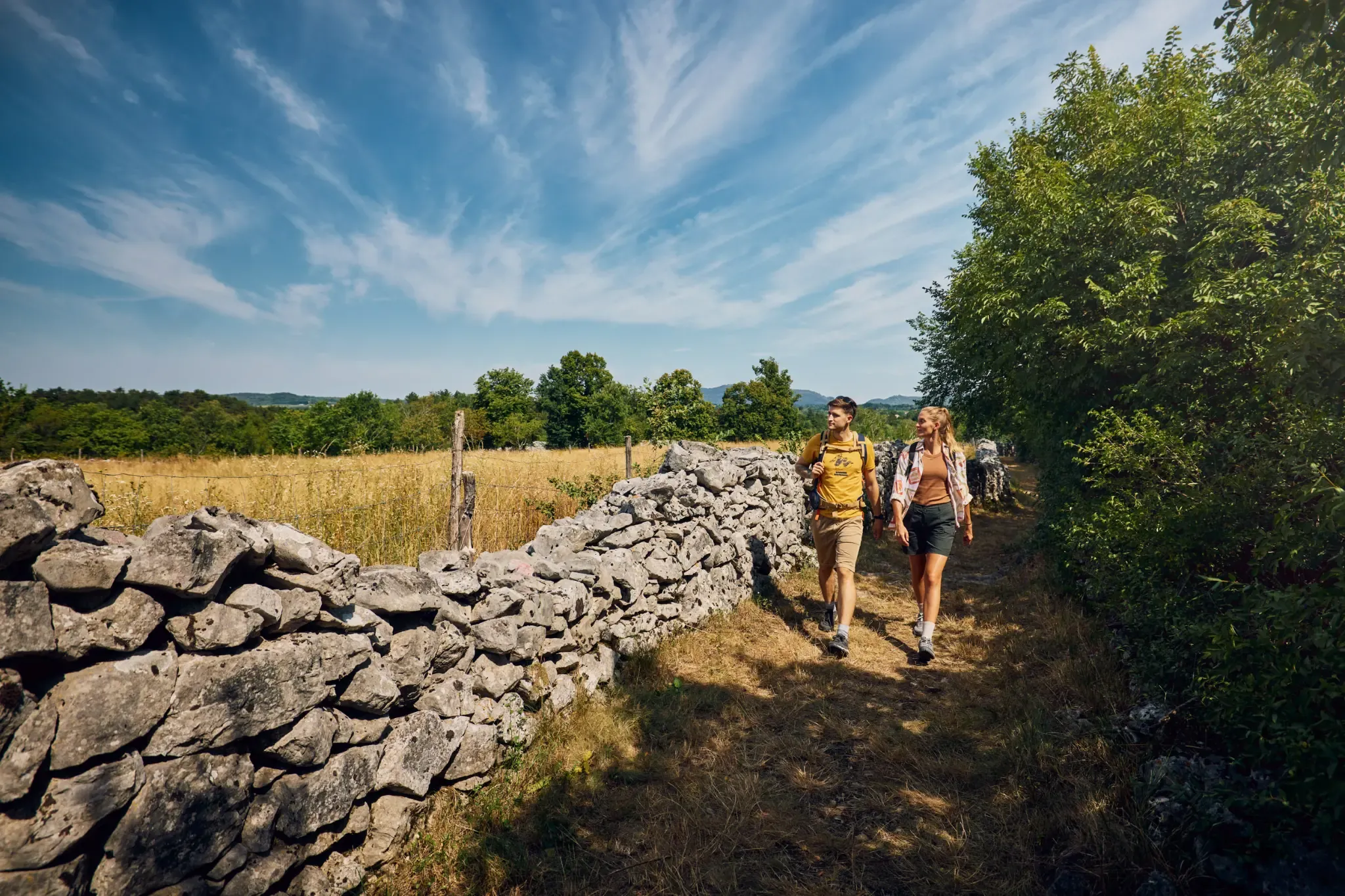
Carsus Trail – long-distance hiking in the green heart of the Karst
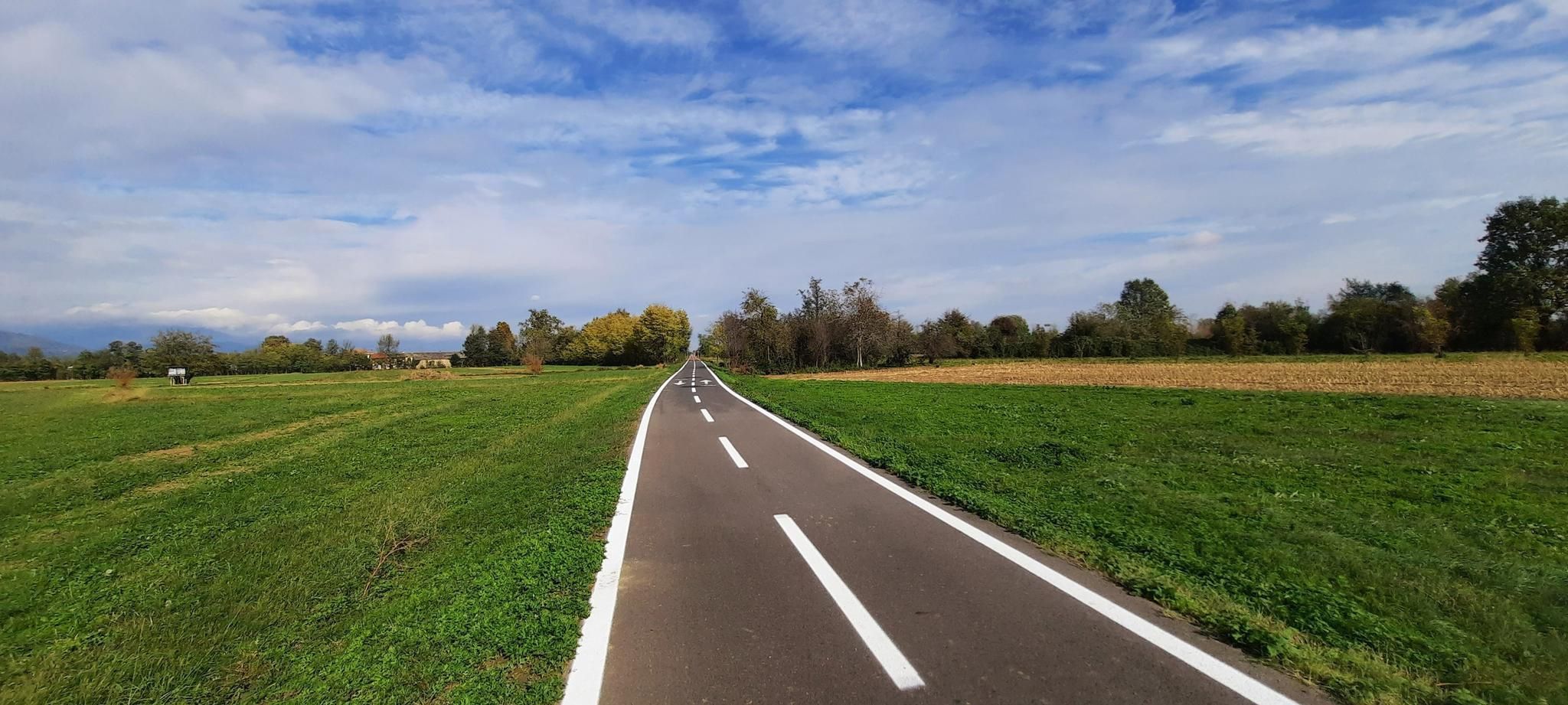
Ride across the Italian Alps – Pedemontana cycle route
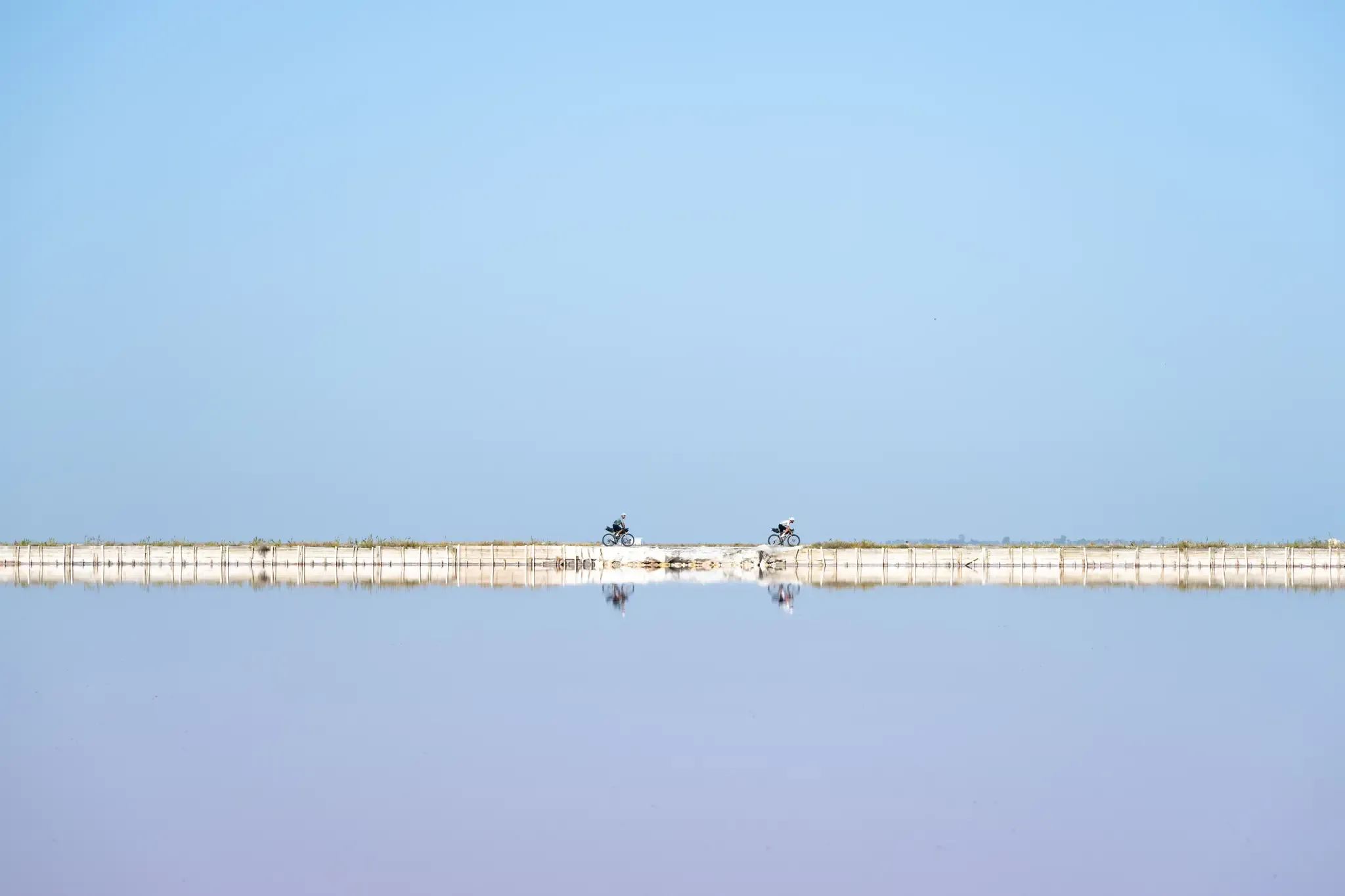
Trieste to Santa Maria di Leuca – the Adriatic Cycle Route
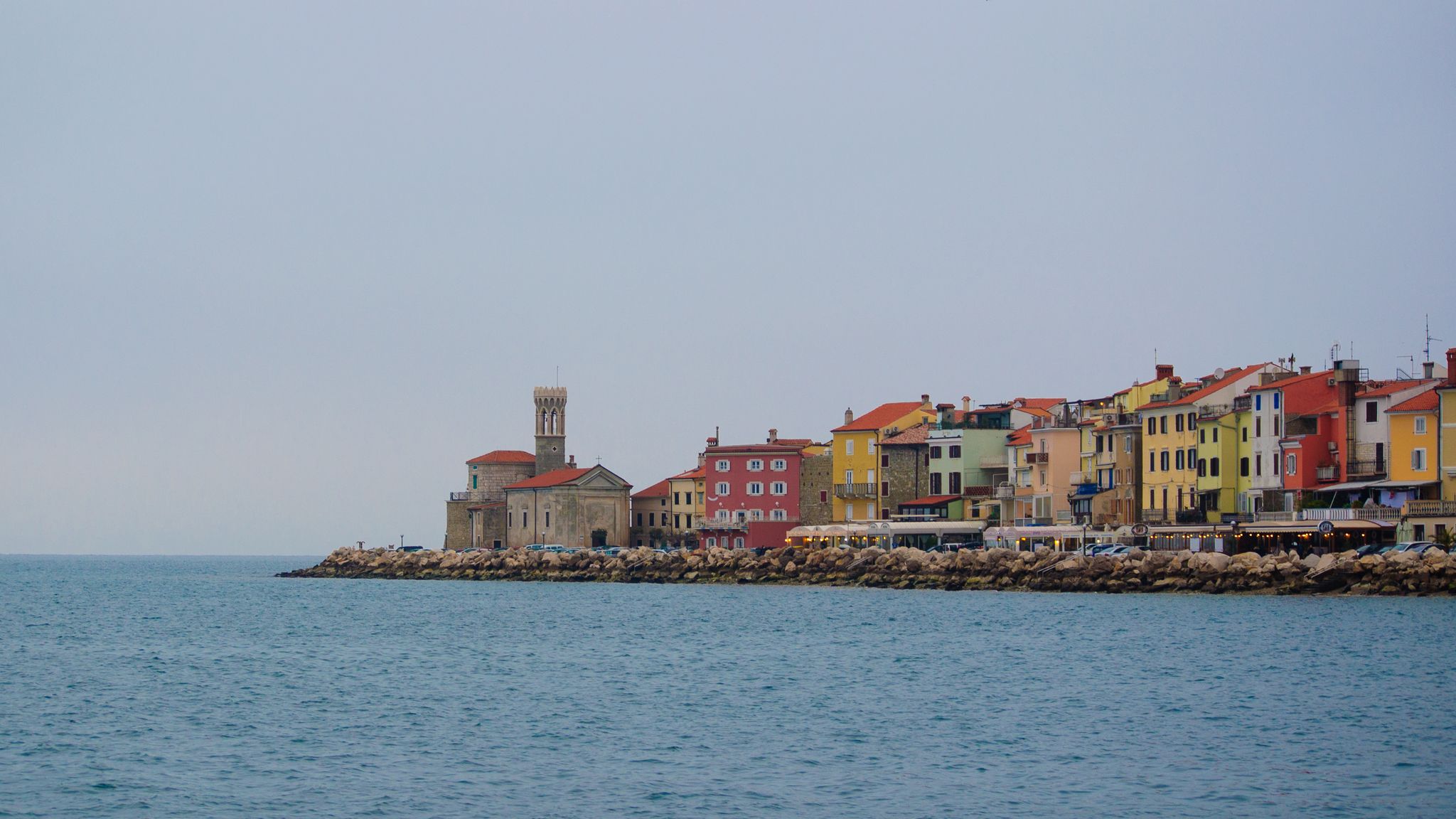
Trieste to Rijeka – along the coast of Istria from Italy to Croatia
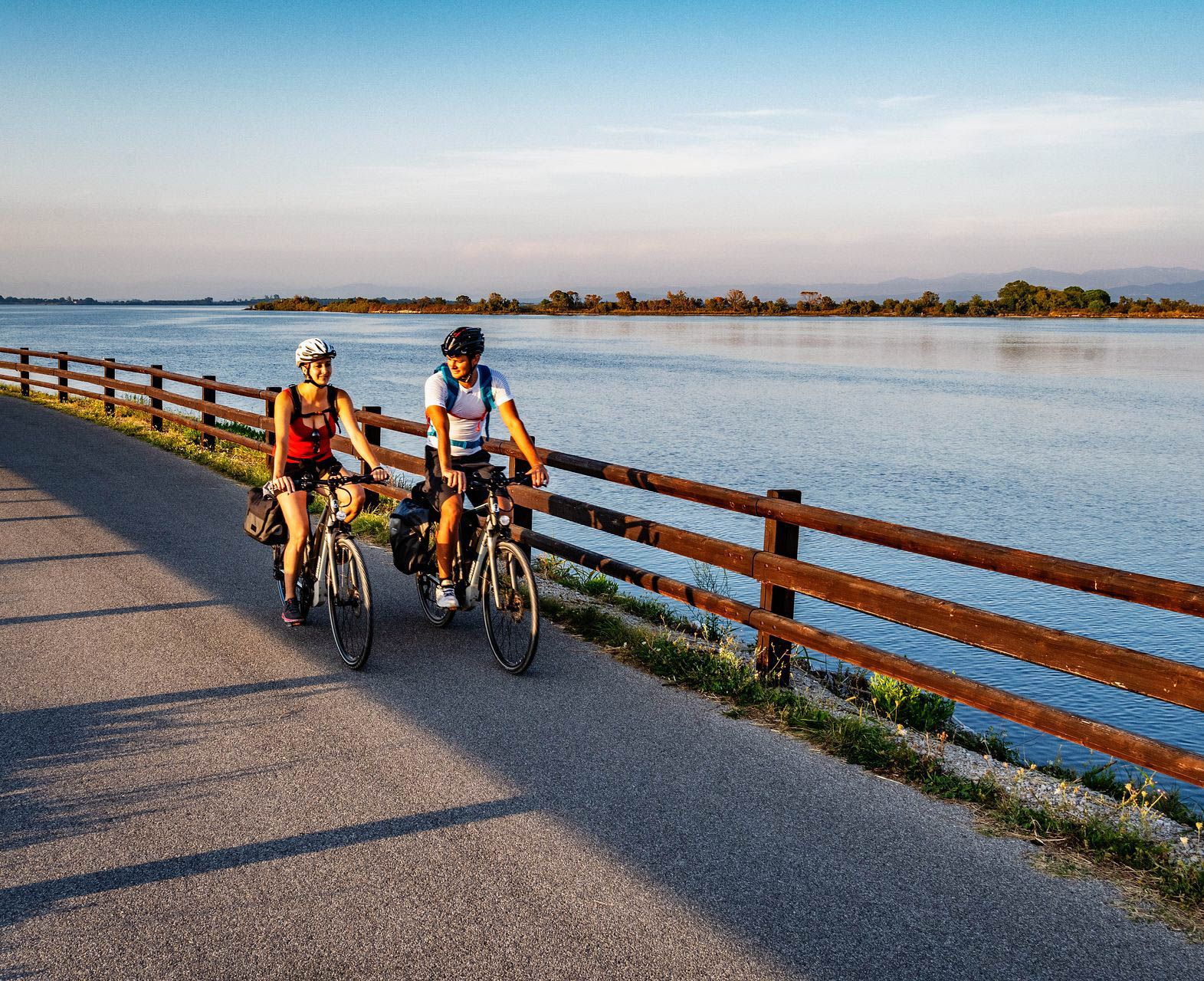
Cycling between sea and mountains in Italy’s Friuli Venezia Giulia
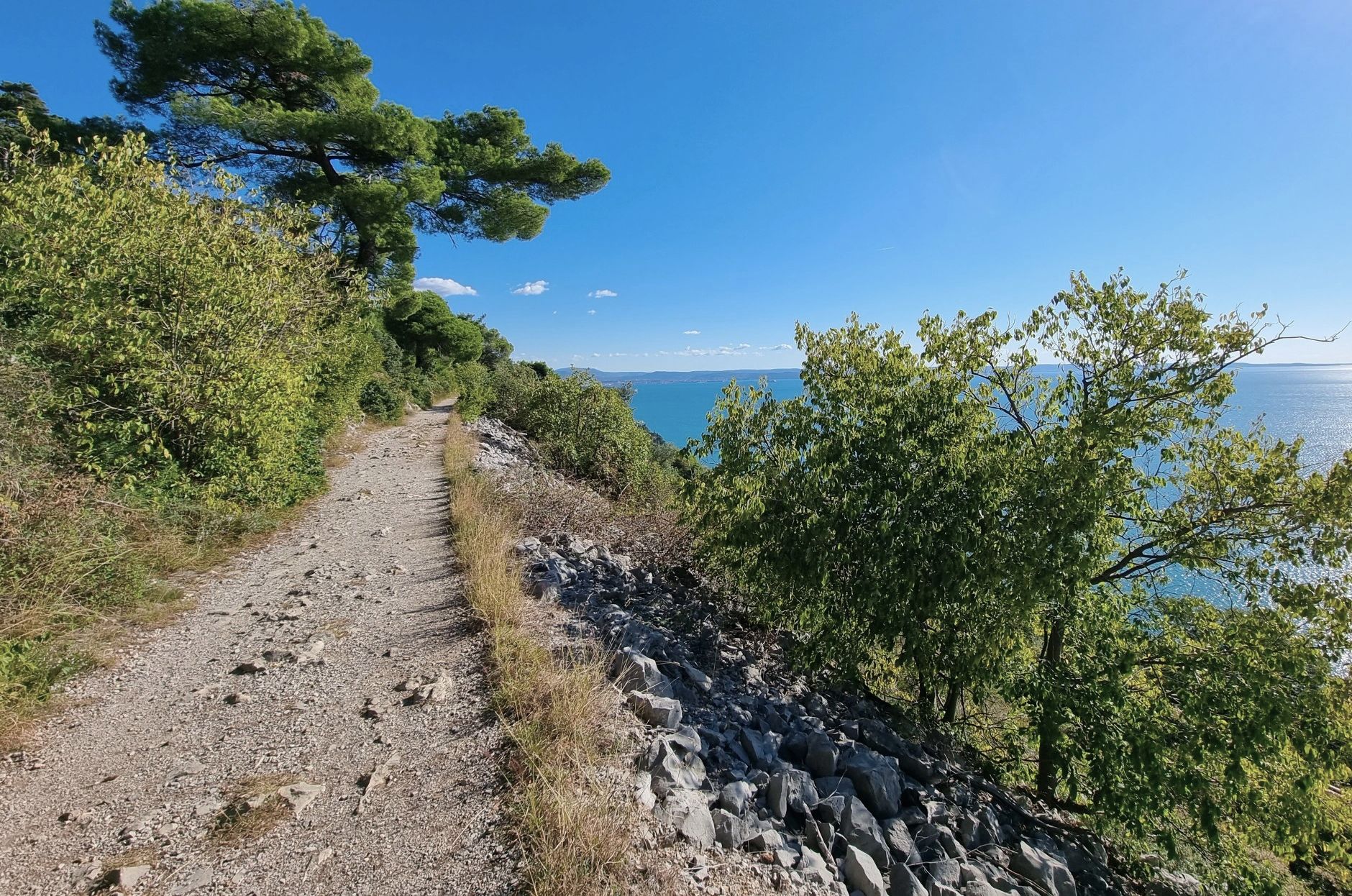
Ride to the sea – gravel bikepacking from Austria’s Vienna to Italy’s Grado
Other adventures in Trieste


Tips from the Community

Located behind Trieste, Val Rosandra is a unique nature reserve where the homonymous stream has carved the only deeply incised valley of the Trieste Karst. The landscape is dominated by rugged limestone cliffs, white scree slopes, and vegetation that blends Mediterranean and continental species. Famous for its 36-meter-high waterfall, the valley is a sanctuary of biodiversity and history: it hosts the remains of a 1st-century AD Roman aqueduct and the ancient church of Santa Maria in Siaris. A prime location for Trieste's mountaineering, its cliffs were the school of Emilio Comici. Between arduous trails and views of the Gulf, Val Rosandra represents a concentration of wild nature and millennia-old testimonies, suspended between the Karst plateau and the Adriatic Sea.
0
0

Unique example of the cult of the god Mithras in a cave, dating back to Roman times, with interesting finds. Open on Saturday mornings from 10 am to 12 pm, it is best to go with guides for explanations that are otherwise not easy to find.
0
0

The cave is closed indefinitely due to major damage. Nevertheless, it's worth a visit because of the surrounding forest botanical garden, which offers a good overview of the tree species planted in the forest and the (natural) vegetation on the ground.
2
0

One of the most popular places for trekking enthusiasts in Trieste. It offers numerous routes to reach the waterfall of over 40 m, the heart of the valley, of different lengths and difficulties, from the "Sentiero dell'Amicizia" to the more complex "Via delle Acque"
0
0
The Devil's Abyss, located on the eastern side of Mount Concusso in the Trieste Karst, is a cavity with a planimetric development of 210 meters and a depth of 125 meters. The entrance opens into a rounded sinkhole with natural steps that facilitate access. Inside, the main shaft extends to over 120 meters, characterized by imposing fractures, natural bridges and a bell-shaped bottom. Exploration requires advanced speleological skills and specific equipment, including a helmet with lighting, harness, static ropes and safety devices. The vertical passages and narrow walls make the cave suitable only for expert speleologists, with adequate technical and physical preparation. Element no. 117 of the regional speleological register
1
0

...a scenic route! The church on Monte Grisa is absolutely extraordinary and worth seeing!
1
0
Frequently Asked Questions
What are some of the most impressive natural features found in Trieste's caves?
The caves in and around Trieste offer a variety of stunning natural features. The Grotta Gigante is famous for its colossal main cavern, which is 107 meters high, 65 meters wide, and 130 meters long, featuring spectacular stalactites and towering stalagmites, including the 12-meter-tall Ruggiero. The Grotta delle Torri di Slivia is celebrated for its incredible richness of formations, including the impressive 'Towers of Slivia' stalagmites, some up to 8 meters tall. Further afield, the Škocjan Caves in Slovenia are renowned for their massive underground canyon carved by the Reka River, complete with natural bridges and waterfalls.
Are there historical caves or sites with archaeological significance in Trieste?
Yes, Trieste's Karst region has several caves with historical and archaeological importance. The Grotta Priamo, also known as Mandible Cave, was adapted as a military shelter during the war and has yielded Mesolithic human remains. Other historical sites include the Mithraeum Cave, the Old Bunker Cave, and the Underground Bunker Beneath the New Castle, which served military purposes. The Grotta delle Torri di Slivia has also been known and explored since ancient times.
What is the best time of year to visit the caves in Trieste?
The caves in Trieste, particularly show caves like Grotta Gigante, maintain a cool and constant temperature of around 11°C (52°F) year-round. This makes them a refreshing escape during the hot summer months and a sheltered activity during cooler seasons. Always check specific cave opening hours, as some may have seasonal closures or reduced schedules, especially in winter.
Are there family-friendly caves to visit in the Trieste area?
Yes, several caves are suitable for families. The Grotta Gigante offers guided tours on well-lit paths, making it accessible for most ages, though it does involve about 500 steps. The Grotta delle Torri di Slivia provides a unique 'agribus' transport to its entrance, adding an element of adventure for children, followed by intimate guided tours. For outdoor exploration, the Rosandra Valley offers trails with cave features and waterfalls that can be enjoyed by families.
How difficult are the caves near Trieste to explore?
The difficulty varies depending on the cave. Show caves like Grotta Gigante are considered intermediate due to the approximately 500 steps involved, but the paths are well-maintained. Other caves, such as the Old Bunker Cave or some sections of the Grotta Nera area, might be more challenging, requiring specific equipment or booking for access. Always check the specific requirements and difficulty ratings for each cave before planning your visit.
What should I wear when visiting the caves in Trieste?
Given the constant cool temperatures inside most caves (around 11°C or 52°F), it's advisable to wear layers, even in summer. Comfortable, sturdy walking shoes with good grip are essential, as paths can be damp or uneven, and many caves involve stairs. A light jacket or sweater is recommended.
Can I reach the main caves using public transport from Trieste?
Public transport options are available for some of the more popular caves. For instance, the Grotta Gigante is accessible via local bus services from Trieste city center. For other caves, especially those in more remote areas, public transport might be limited, and a combination of bus and walking, or private transport, may be necessary. Always check local bus schedules and routes in advance.
Are there any caves near Trieste that are known for unique geological formations?
Absolutely. The Grotta delle Torri di Slivia is particularly renowned for its abundant and varied concretions, including impressive stalagmites, stalactites, gours, cave curtains, and soda straws. Its namesake 'Towers of Slivia' are a group of eight massive stalagmite formations. The Water Cave is also described as a 'jewel hidden in nature' where water sculpts the land in surprising ways.
What outdoor activities can I do near the caves in Trieste?
The Karst region surrounding Trieste offers numerous outdoor activities. Near caves like those in the Rosandra Valley, you can find excellent hiking opportunities. For example, there are routes like the 'View of the Rosandra Waterfall – Supet Waterfall loop' or the 'Val Rosandra Gorge – Val Rosandra Waterfall loop.' You can explore more options for Mountain Hikes in Trieste or Waterfall hikes in Trieste. Cycling is also popular, with routes like the 'Val Rosandra Tunnel – Giordano Cottur Cycle Path loop' available, as detailed in the Cycling in Trieste guide.
Do I need a permit to visit the caves in Trieste?
For most tourist-accessible show caves like Grotta Gigante and Grotta delle Torri di Slivia, you do not need a separate permit, but you will need to purchase an entrance ticket and often join a guided tour. For more adventurous or undeveloped caves, especially those requiring speleological equipment, permits or guided expeditions with local speleological groups may be necessary. Always inquire with local authorities or tour operators for specific requirements.
Is there parking available near the major cave attractions?
Yes, major cave attractions typically offer dedicated parking facilities. For instance, Grotta Gigante has parking directly on site. For other caves, especially those in natural parks or more rural settings, parking might be available at nearby visitor centers or designated trailheads. It's always a good idea to check the specific location's website or visitor information for parking details before your visit.
What is the difference between Grotta Gigante and the Škocjan Caves?
While both are impressive Karst caves, they offer distinct experiences. The Grotta Gigante, located in Italy, is famous for its single, enormous main cavern, once recognized as the world's largest show cave, showcasing immense stalactites and stalagmites. The Škocjan Caves, a UNESCO World Heritage site in Slovenia, are renowned for their massive underground canyon carved by the Reka River, featuring dramatic natural bridges and an awe-inspiring underground river system, offering a more extensive trekking experience.
Most popular routes in Trieste
Most popular attractions in Trieste

Get inspired with the komoot mobile app


Didn’t find what you were looking for?
Discover more caves in Trieste region by region:
Explore more
Extend your search for the best caves by checking out these guides of the top ones in Trieste:
