Top 10 Castles in Ancona
Best castles in Ancona are found throughout the province, a region in Italy's Marche known for its historical fortifications and medieval villages. The area features a diverse landscape, from coastal towns to inland hills, offering a rich collection of historical sites. Many castles served as defensive strongholds for the Maritime Republic of Ancona or local noble families. Visitors can explore these structures to understand the region's past and appreciate its architectural heritage.
Best castles in Ancona
- The most popular castles is Precicchie Castle, a castle that is a small fortified village of early medieval origin. It is accessed through a single entrance door, and its perimeter houses are fortified for defensive purposes with the keep built into high walls.
- Another must-see spot is Rocca Roveresca of Senigallia, a castle. This imposing fortress served as a defense for the Della Rovere family and now functions as a museum, showcasing 15th-century military architecture.
- Visitors also love Rocca di Offagna, a medieval fortress. This stronghold was part of the Maritime Republic of Ancona's defensive system and offers a wonderful panorama of the surrounding hills.
- Ancona is known for medieval fortresses, Renaissance military architecture, and fortified villages. The region offers a variety of castles to see and explore, each providing a unique perspective on the area's history.
- The castles in Ancona are appreciated by the komoot community, with more than 70 upvotes and over 40 photos shared by visitors.
Last updated: October 14, 2026
Senigallia
Highlight • Settlement
Translated by Google •
Tip by

Precicchie Castle
Highlight • Castle
Translated by Google •
Tip by

Sign up now to discover places like this
Get recommendations on the best single tracks, peaks, & plenty of other exciting outdoor places.
15th-Century Roman Bridge (Ponte Romano), Genga
Highlight • Bridge
From here you can leave for the Foro degli Occhialoni.
Follow the signs at the end of the bridge.
Translated by Google •
Tip by

Rocca Roveresca of Senigallia
Highlight • Castle
Translated by Google •
Tip by

Fort Garibaldi and the Monte Pelago Observatory
Highlight • Historical Site
Translated by Google •
Tip by

Rocca di Offagna
Highlight • Castle
Translated by Google •
Tip by

Arcevia Historic Town
Highlight • Historical Site
Translated by Google •
Tip by

View of Pierosara
Highlight • Viewpoint
Translated by Google •
Tip by

Castello Mancini
Highlight • Castle
Although it represents a characteristic element of the territory, Castello Mancini was built from a project by Eng. Ernesto Galeazzi only in the 1920s. Intended for the Mancini family, already owners of the first silk mill in the Fontedamo district and the homonymous paper mill in Jesi, it is a reproduction that followed the medieval taste in vogue in the early 1900s.
Castello Mancini represents the desire to recall an idea of the Middle Ages that was very common at the time, with a fortified medieval construction, equipped with a crenellated crown, turrets, Gothic arch openings with mullioned windows, exposed bricks and a small private chapel annexed to the structure.
The building is in terracotta, with stone decorations, with the façade dominated by a coat of arms created for the Mancini family
Translated by Google •
Tip by

Ramparts Walk
Highlight • Historical Site
Translated by Google •
Tip by

Sign up for free to discover even more castles in Ancona.
Already have an account?
Start today with a free account
Your next adventure awaits.
Popular around Ancona
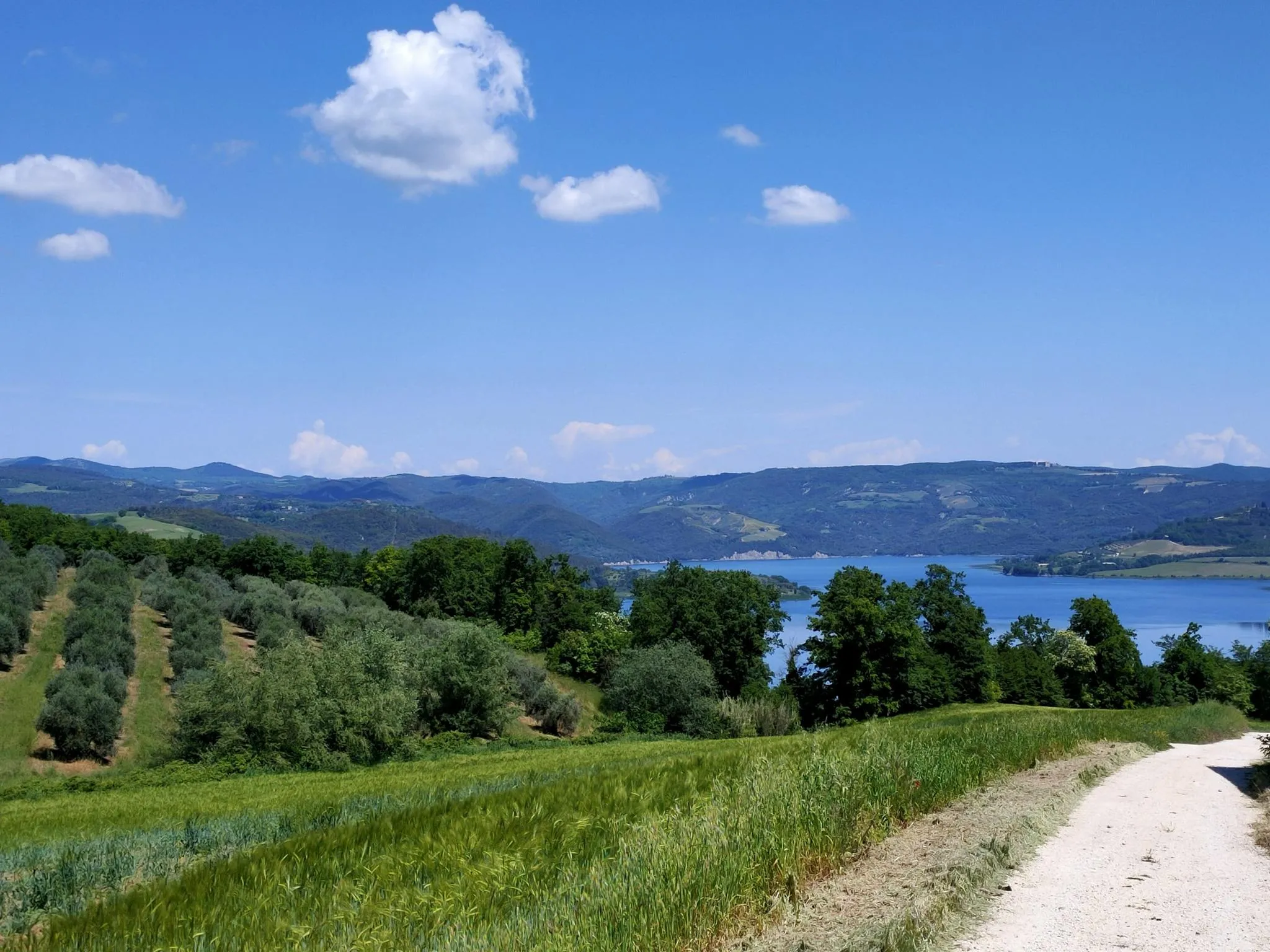
Italian Coast2Coast – From Portonovo to Orbetello
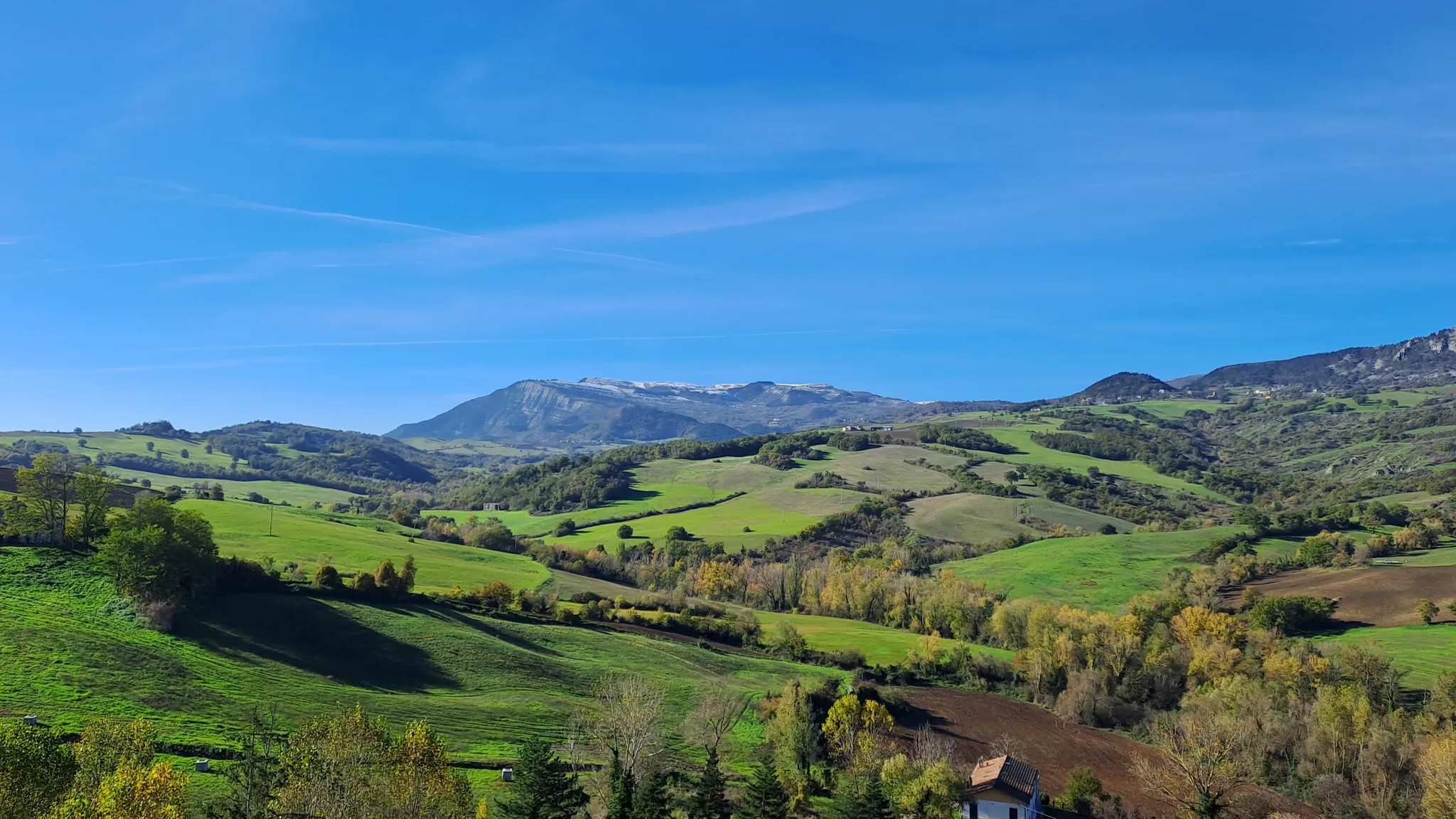
Cycling the Marche – sea to the mountains, among villages and hills
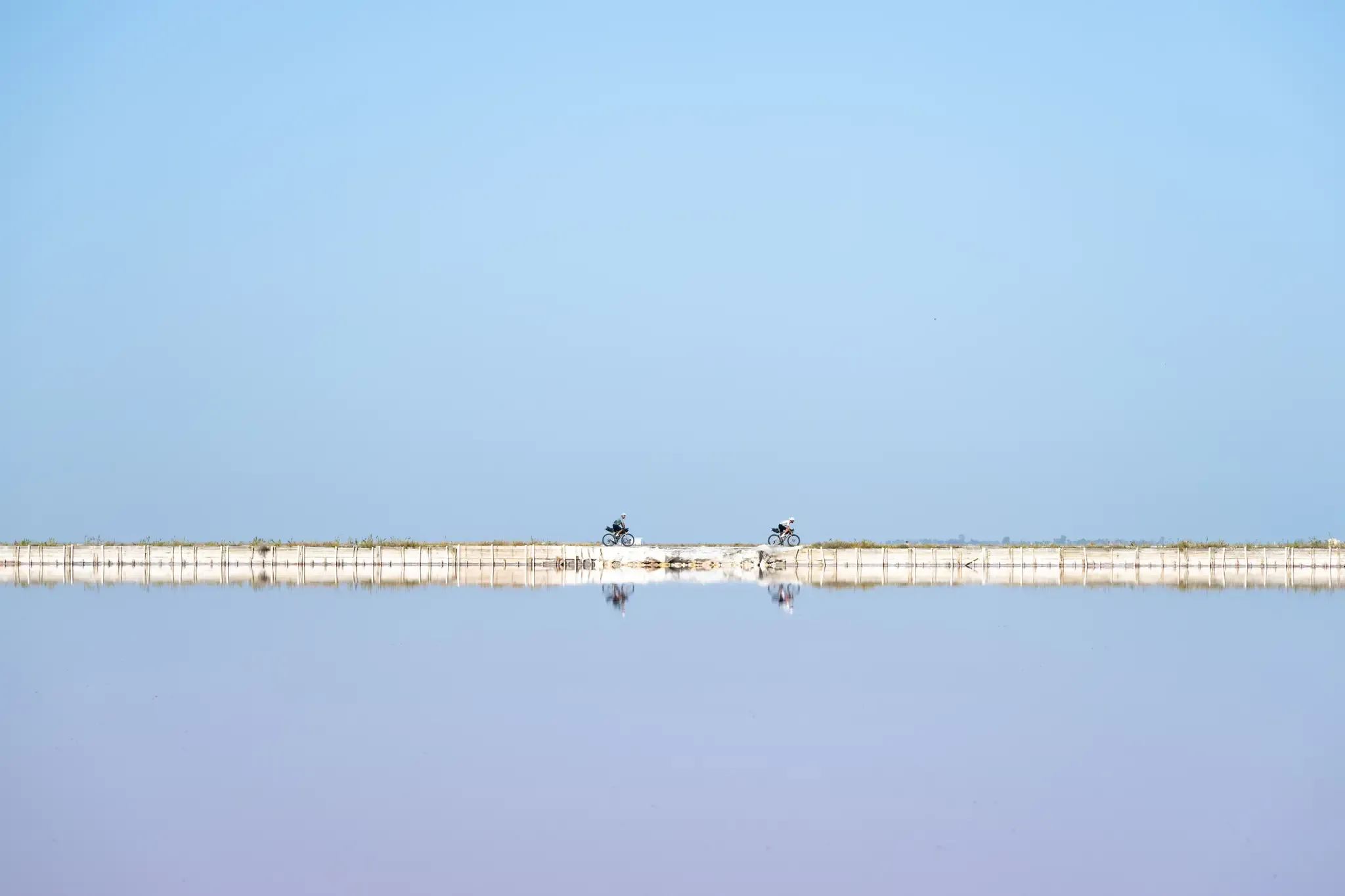
Trieste to Santa Maria di Leuca – the Adriatic Cycle Route
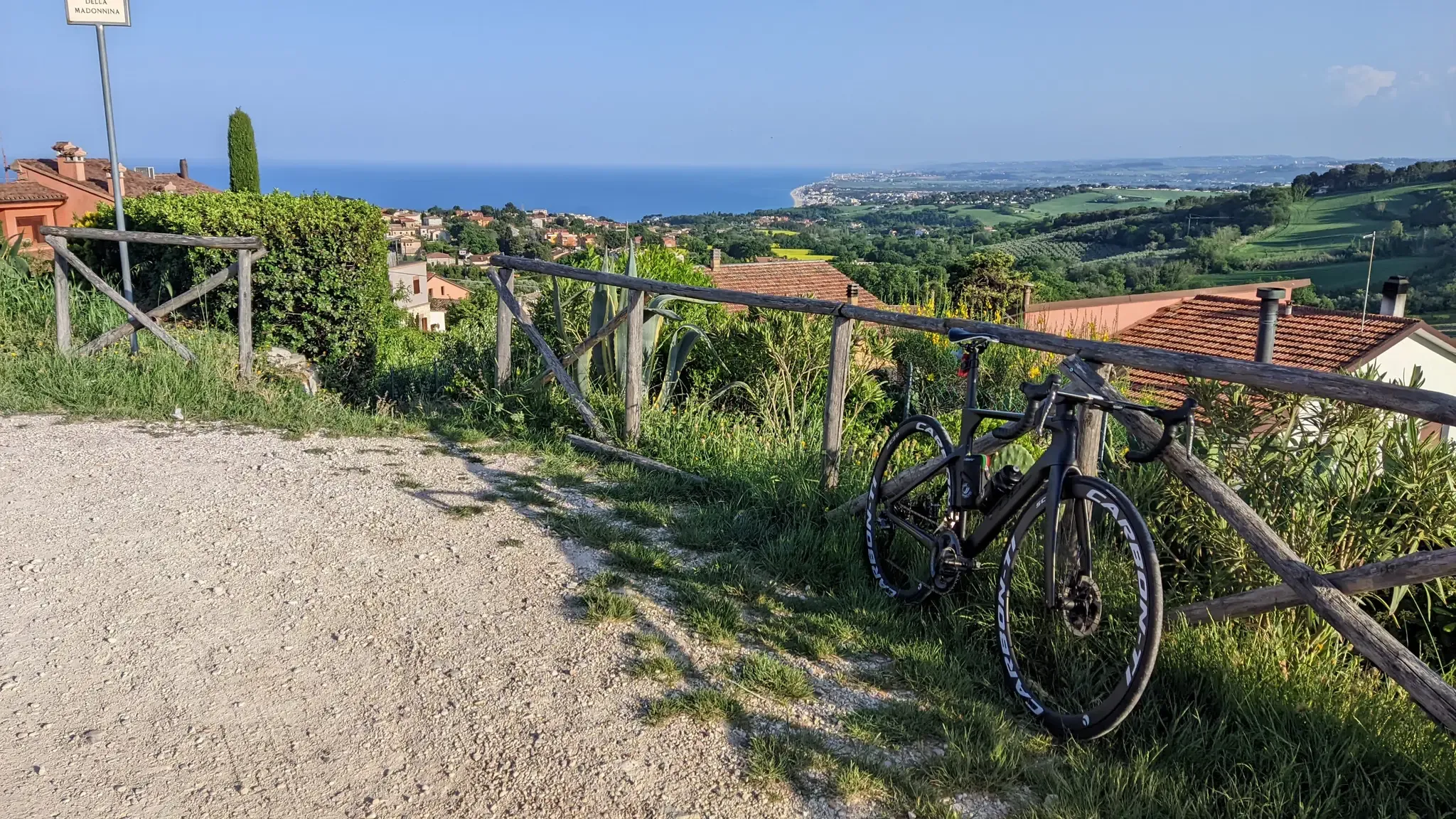
Between mountains and sea — road cycling in Italy’s Marche
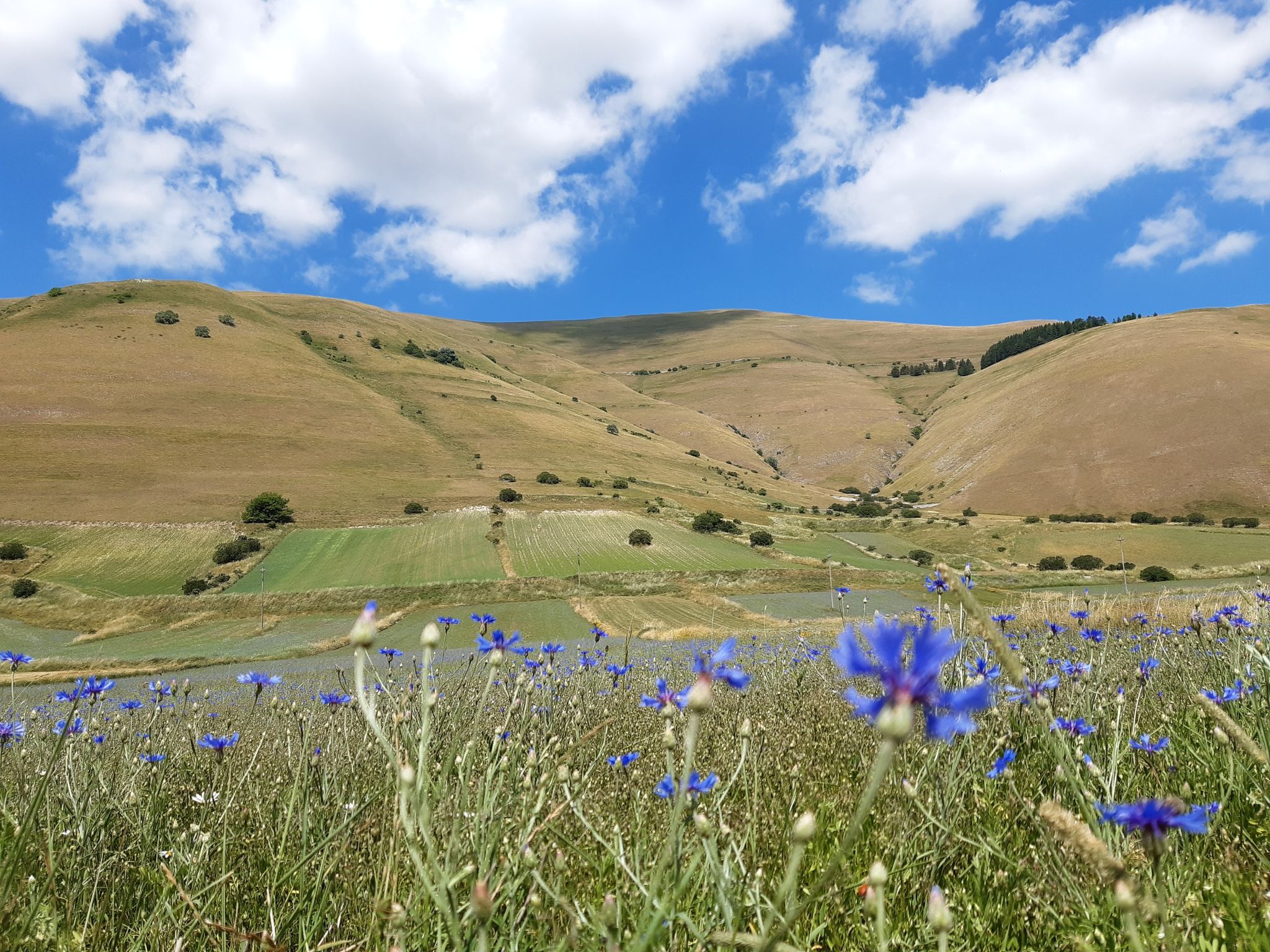
A journey through changed lands – Cammino nelle Terre Mutate
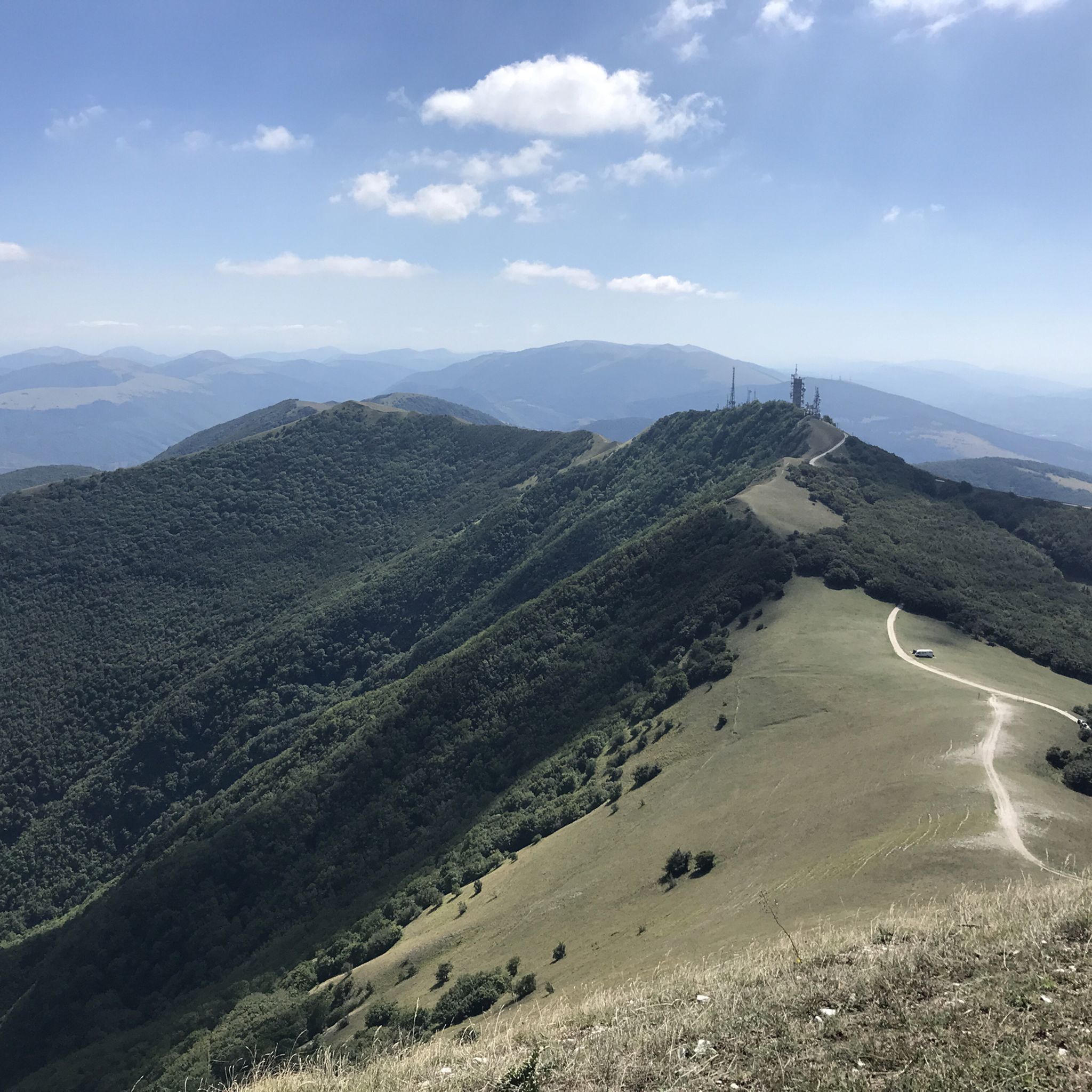
Hiking in Ancona
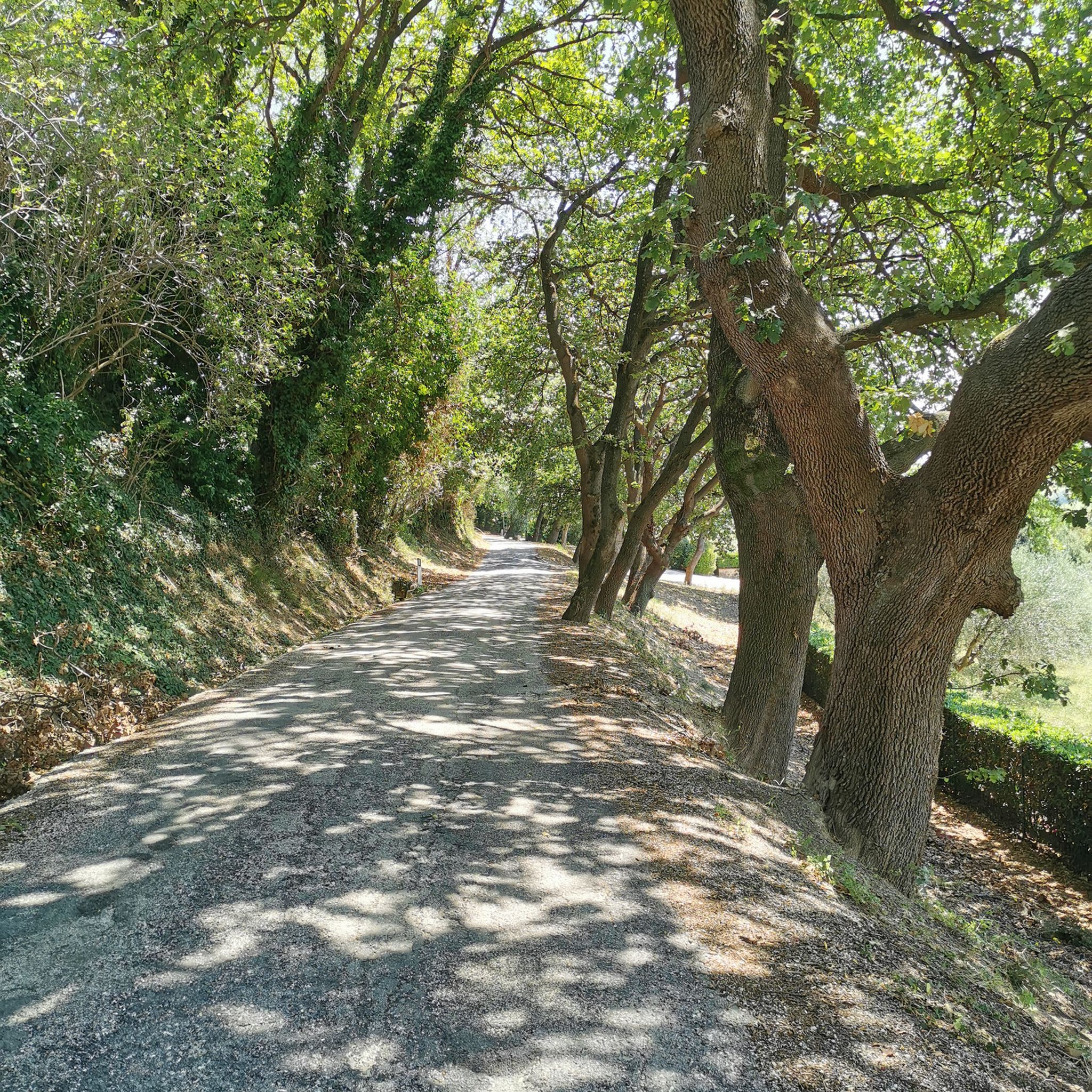
Cycling in Ancona
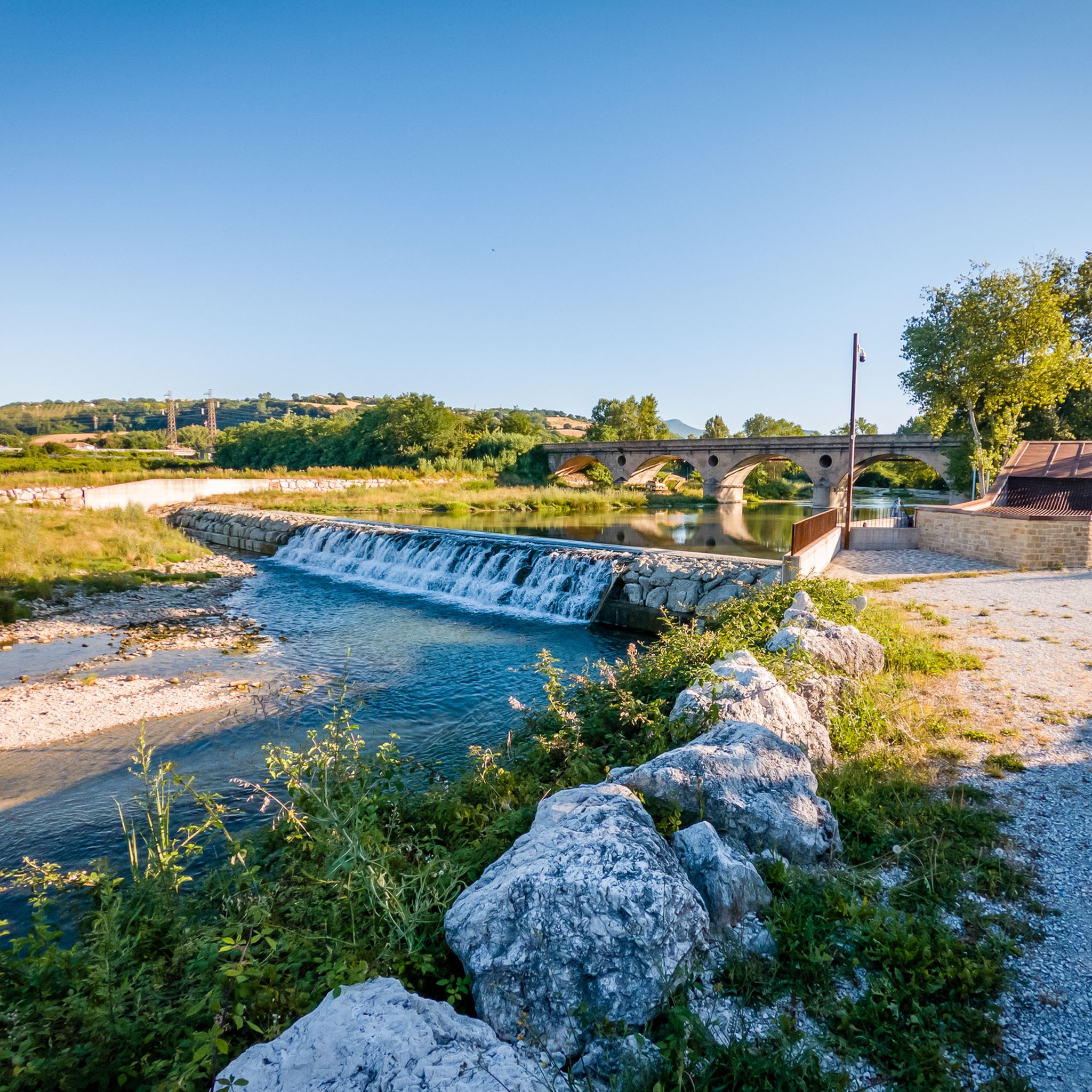
Running Trails in Ancona
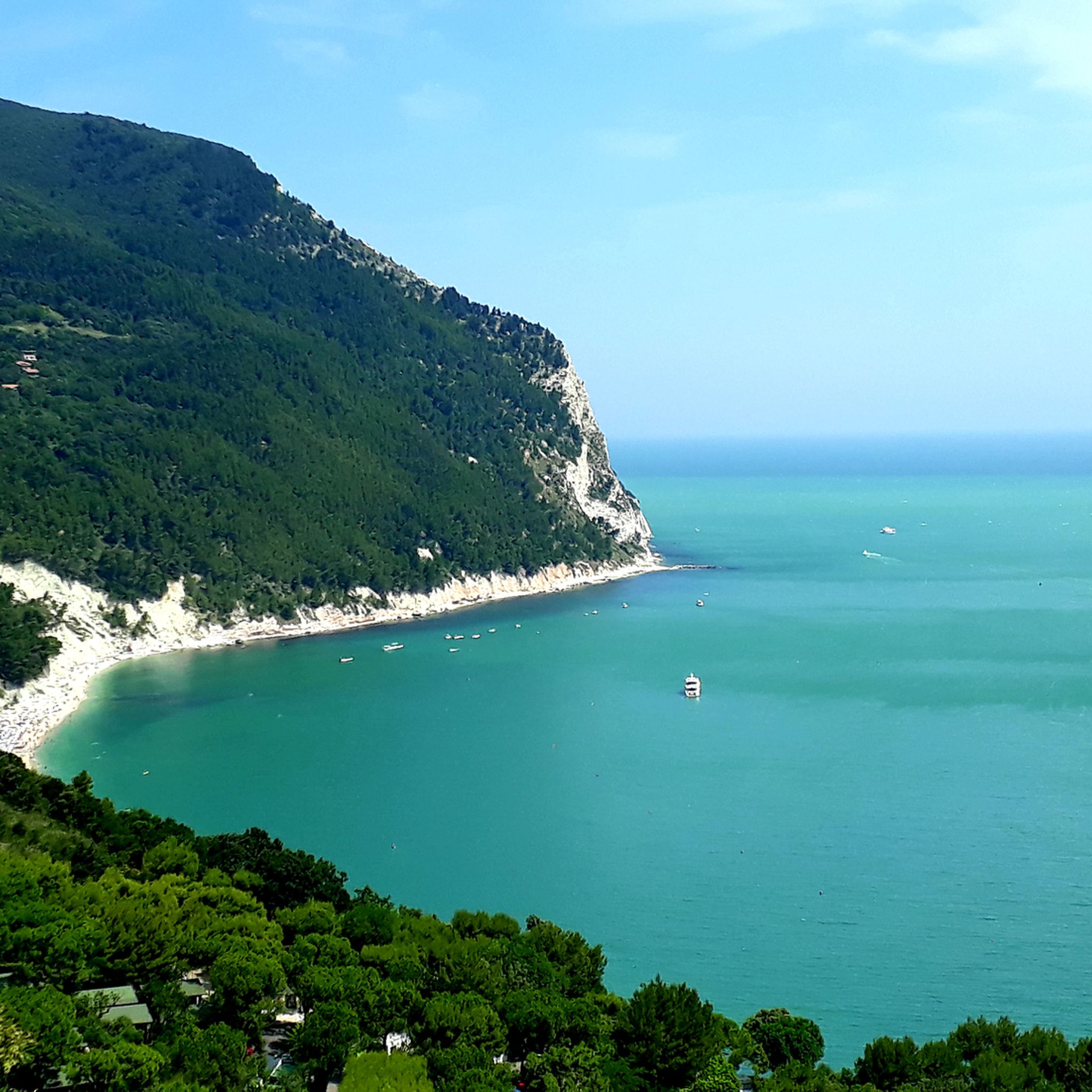
Road Cycling Routes in Ancona
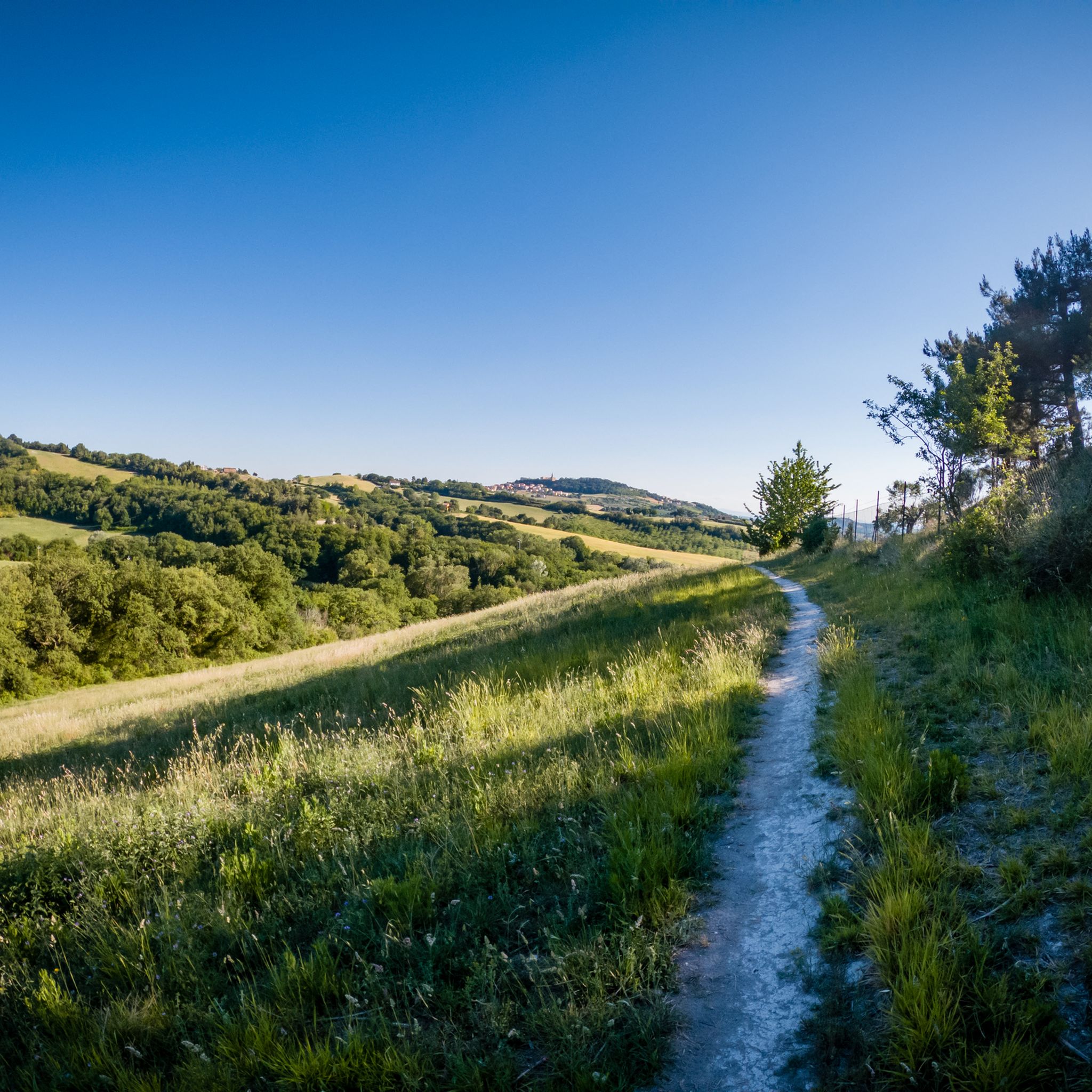
MTB Trails in Ancona
Other adventures in Ancona


Tips from the Community

a small village surrounded by nature, at Christmas a truly evocative living nativity scene is put on
0
0

A very nice place. The trail leading to the observatory is beautiful. I only miss a place where I could stop and look down on the city and the sea. The observatory is fenced. The route is mostly a path through bushes. It's a shame because it's beautiful there. A few spots would be enough to sit and look out at the surroundings, but the bushes hide everything.
0
0

The tour lasts about 45 minutes and also offers a unique view of the entire coast from Monte Conero to Porto Recanati.
2
0

The structure of Castello Mancini stands out on the small eminence that dominates the Montecappone district, recalling an ancient period through a building that is not a true historic villa. Although it represents a characteristic element of the territory, Castello Mancini was built from a project by Eng. Ernesto Galeazzi only in the 1920s. Intended for the Mancini family, already owners of the first silk mill in the Fontedamo district and the homonymous paper mill in Jesi, it is a reproduction that followed the medieval taste in vogue in the early 1900s. Castello Mancini represents the desire to recall an idea of the Middle Ages that was very common at the time, with a fortified medieval construction, equipped with a crenellated crown, turrets, Gothic arch openings with mullioned windows, exposed bricks and a small private chapel annexed to the structure. The building is in terracotta, with stone decorations, with the façade dominated by a coat of arms created for the Mancini family
1
0
The structure of Castello Mancini stands out on the small eminence that dominates the Montecappone district, recalling an ancient period through a building that is not a true historic villa. Although it represents a characteristic element of the territory, Castello Mancini was built from a project by Eng. Ernesto Galeazzi only in the 1920s. Intended for the Mancini family, already owners of the first silk mill in the Fontedamo district and the homonymous paper mill in Jesi, it is a reproduction that followed the medieval taste in vogue in the early 1900s. Castello Mancini represents the desire to recall an idea of the Middle Ages that was very common at the time, with a fortified medieval construction, equipped with crenellated crowning, turrets, Gothic arch openings with mullioned windows, exposed bricks and a small private chapel annexed to the structure. The building is made of terracotta, with stone decorations, with a facade dominated by a coat of arms created for the Mancini family, the first owner of the property. Before reaching it, you are greeted by a 50-meter tree-lined avenue, surrounded by tall, century-old trees that crown the evocative structure of the building.
0
0

Beautiful well-kept fortress now a museum
1
0

Ducal fortress of the 15th century in the historic center of Senigallia
0
0

Its origins date back to 1799 and it was already rebuilt in 1849 by Austrian troops who tried to invade Piazza di Ancona and occupy some forts in the area. Subsequently, the area was fortified by the Papal government by building an earthen lunette, but in 1860 the Italian forces captured the fortress after a fierce battle. The Piedmontese government ordered the fortification in 1861 and by January 1863 the works were already in full swing.
1
0
Frequently Asked Questions
What are some of the most historically significant castles in the Ancona province?
The Ancona province is rich in history. Notable examples include the Rocca Roveresca of Senigallia, a masterpiece of 15th-century military architecture that now functions as a museum. Another significant site is the Rocca di Offagna, a 15th-century stronghold that was part of the Maritime Republic of Ancona's defensive system and houses a Museum of Ancient Weapons. You can learn more about these at Rocca Roveresca of Senigallia and Rocca di Offagna.
Are there any well-preserved medieval fortified villages to visit near Ancona?
Yes, Precicchie Castle near Fabriano is an excellent example. It's a small fortified village of early medieval origin, with its perimeter houses built for defensive purposes and a keep integrated into high walls. The village is well-preserved and often hosts events. You can find more details about it here: Precicchie Castle.
What outdoor activities can I do near the castles in Ancona?
The region offers various outdoor activities. For hiking, you can explore routes like 'From Fonte d'Olio to Monte Conero' or 'The landscapes of Monte Conero'. If you prefer cycling, there are road cycling routes such as 'Parco del Monte Conero — ring tour' and 'Osimo and Offagna Loop', or MTB trails like 'Monte Conero Loop from Marcelli'. You can find more information on these activities in the dedicated guides for Hiking in Ancona, Road Cycling Routes in Ancona, and MTB Trails in Ancona.
Are there any castles or historical sites with scenic viewpoints in the Ancona area?
Absolutely. The Rocca di Offagna offers a wonderful panorama of the surrounding hills. Additionally, Pierosara Castle in Genga provides panoramic views of the upper Esino valley. The Arcevia Historic Town also features viewpoints overlooking the landscape.
Which castles are considered family-friendly in the Ancona region?
The Rocca Roveresca of Senigallia is often highlighted as family-friendly. Its museum offers an engaging way for all ages to learn about 15th-century military architecture and the Della Rovere family. The coastal town of Senigallia itself, with its 'velvet beach,' also provides a pleasant experience for families.
What is the 'Land of Castles' region near Ancona?
The 'Land of Castles' (Terra dei Castelli) is a historical region in the hills surrounding Ancona, encompassing municipalities like Agugliano, Camerata Picena, Offagna, Polverigi, and Santa Maria Nuova. These fortifications were historically crucial for Ancona's defense. While some, like Polverigi, only have remnants like an entrance arch, others like Camerata Picena are notable for their wonderful walls, offering a fascinating tour through medieval villages.
Can I find accommodation in or near historical castles in Ancona?
While many castles are museums or ruins, some historical structures have been converted. For instance, the Fortino Napoleonico in Portonovo, a former military fortress, has been converted into a hotel. For a broader selection of historic hotels and unique stays in the region, you might find options at castlestostay.com.
What is the best season to visit the castles in Ancona?
The best season to visit the castles in Ancona is generally spring (April-June) and early autumn (September-October). During these months, the weather is pleasant for exploring, and the landscapes are beautiful. Summer can be hot, especially inland, but coastal castles like the Rocca Roveresca of Senigallia can be combined with beach visits. Winter offers a quieter experience, though some sites might have reduced hours.
Are there any less crowded castles or hidden gems to explore near Ancona?
For a less crowded experience, consider visiting Castello di Precicchie, a genuine medieval fortified settlement maintained by a local association. Another option is Pierosara Castle in Genga, a small fraction with a defense tower and 15th-century church, offering historical structures and panoramic views away from the main tourist hubs.
What kind of historical artifacts or museums can I find in Ancona's castles?
The Rocca Roveresca of Senigallia houses permanent exhibitions detailing the Della Rovere family and 15th-century military architecture. The Rocca di Offagna features a Museum of Ancient Weapons (Museo delle armi antiche), providing insights into historical conflicts. Additionally, Offagna village offers other museums, such as the Museum of Liberation and the Natural Sciences Museum.
Is public transportation available to reach some of the castles?
While public transportation can get you to larger towns like Senigallia (for Rocca Roveresca) or Offagna (for Rocca di Offagna), reaching smaller, more remote fortified villages like Precicchie Castle or Pierosara Castle often requires a car or local taxi services for convenience and flexibility. It's advisable to check local bus schedules for specific routes.
What is the typical duration for visiting a castle in the Ancona region?
The duration can vary depending on the castle. For a major site like the Rocca Roveresca of Senigallia or the Rocca di Offagna, you might spend 1.5 to 3 hours exploring the fortress and its museum. Smaller fortified villages like Precicchie Castle or Pierosara Castle might take 1 to 2 hours to wander through and enjoy the views, especially if combined with exploring the surrounding village.
Most popular routes in Ancona
Most popular attractions in Ancona

Get inspired with the komoot mobile app


Didn’t find what you were looking for?
Explore Ancona’s best castles region by region:
Explore more
Looking for the best castles somewhere else? Discover other guides in Ancona:
