Top 9 Castles in Belluno
Best castles in Belluno are found within a region nestled in the Dolomites, characterized by its strategic historical importance. This area features a dense network of castles, fortresses, and historic residences. These structures offer insights into centuries of Venetian and northern European influences, showcasing the region's ancient role as a crucial link between Venice and northern lands.
Best castles in Belluno
- The most popular castles is Castello di Andraz, a castle that is built on an inaccessible boulder on…
Last updated: October 14, 2026
Castello di Andraz
Highlight • Castle
Translated by Google •
Tip by

Forte Monte Ricco
Highlight • Cave
Showing Translation
Tip by

Sign up now to discover places like this
Get recommendations on the best single tracks, peaks, & plenty of other exciting outdoor places.
Forte Tre Sassi
Highlight • Historical Site
Translated by Google •
Tip by
Villa Avogadro degli Azzoni
Highlight • Historical Site
Translated by Google •
Tip by

Castello di Belluno Ruins
Highlight • Castle
Translated by Google •
Tip by

Castelnuovo di Quero
Highlight • Castle
Showing Translation
Tip by

Castello di Zumelle
Highlight • Castle
Translated by Google •
Tip by
Quero Castle
Highlight (Segment) • Castle
Translated by Google •
Tip by

Alboin's Castle
Highlight • Castle
Translated by Google •
Tip by

Papal Castle of Lorenzago di Cadore
Highlight • Castle
This is the papal castle where the Pope spent his stay
Translated by Google •
Tip by

Start today with a free account
Your next adventure awaits.
Popular around Belluno
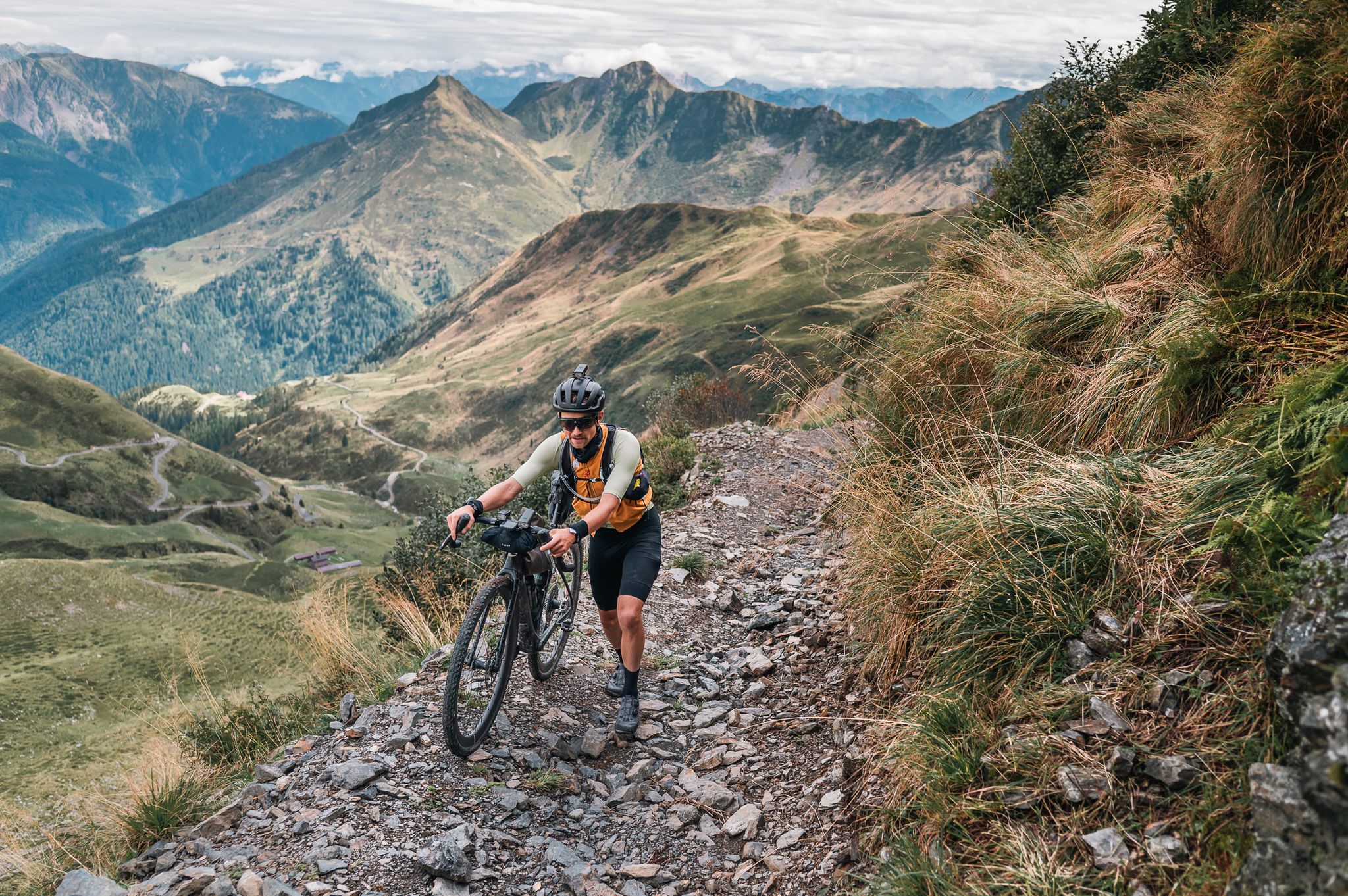
Sneak Peaks ADVENTURE 🥇
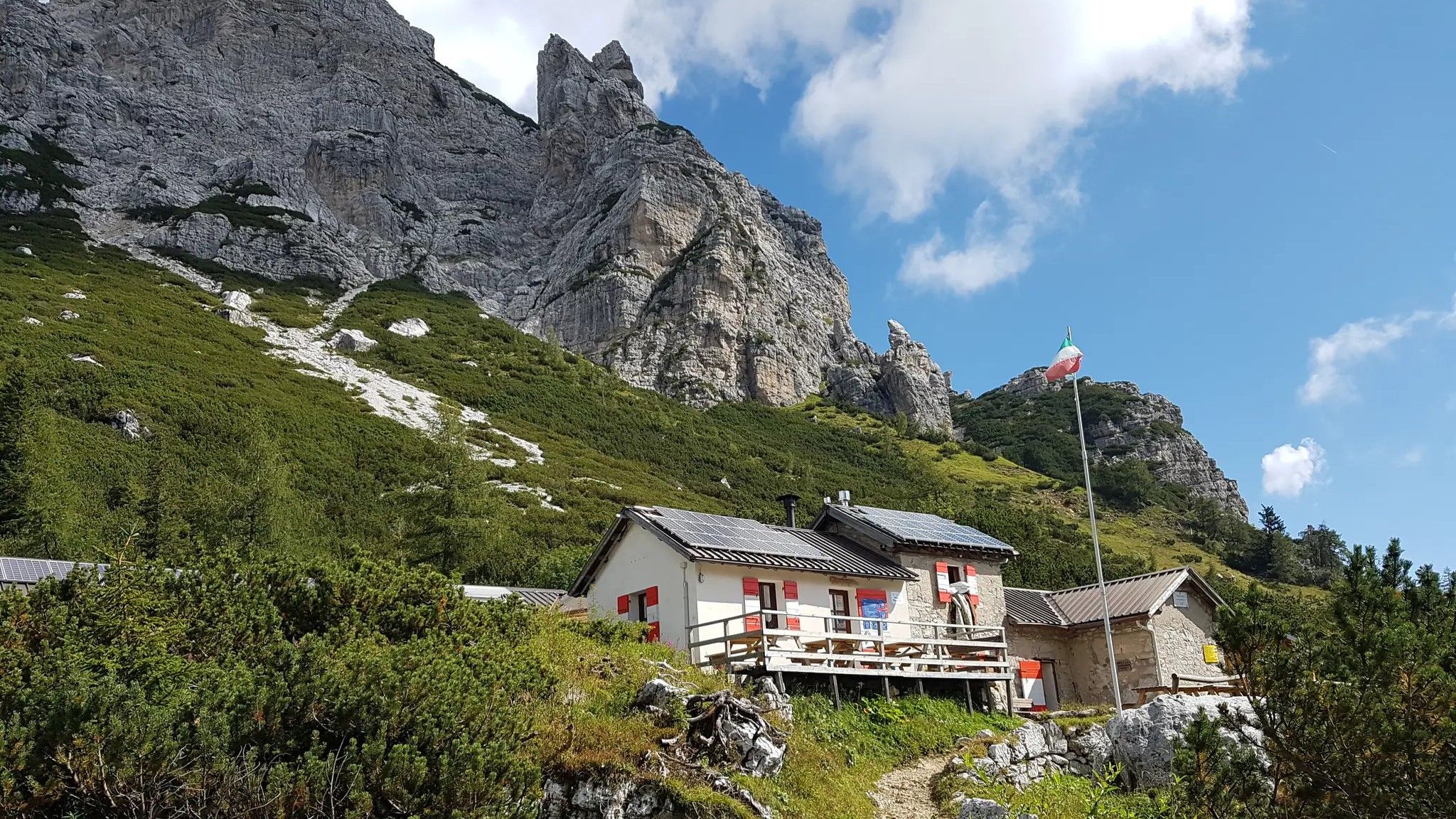
Alta Via Dolomiti Bellunesi – the wild Dolomiti Bellunesi National Park
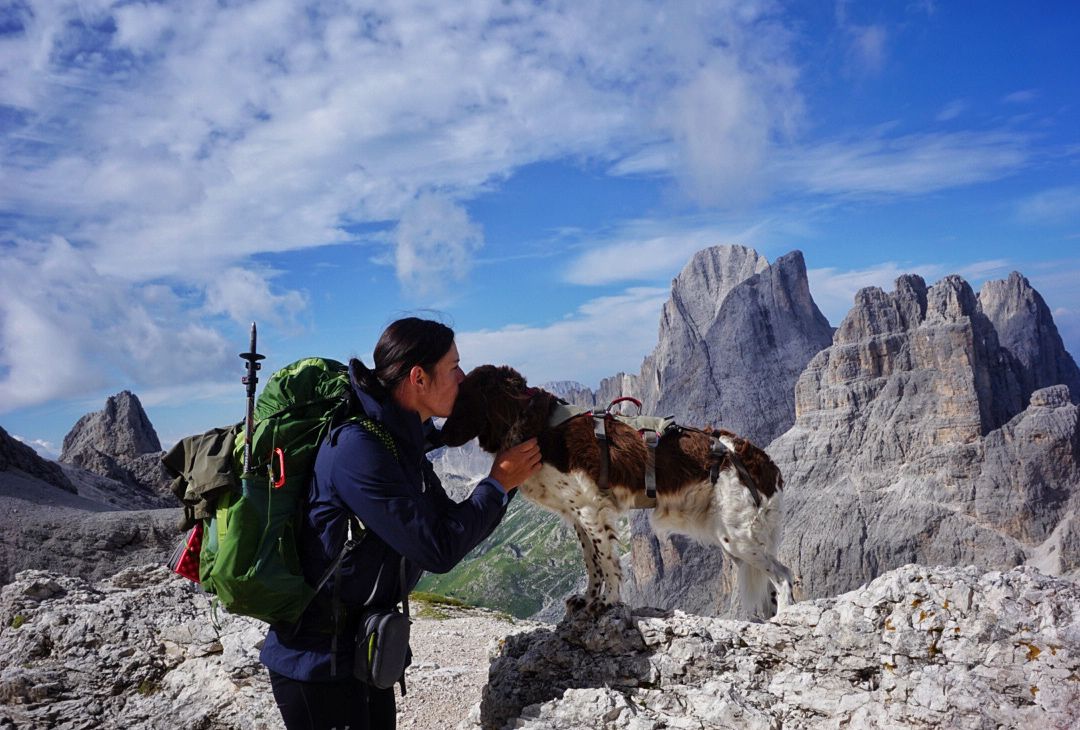
The extra-large Dolomites round – an out-of-this-world hiking adventure
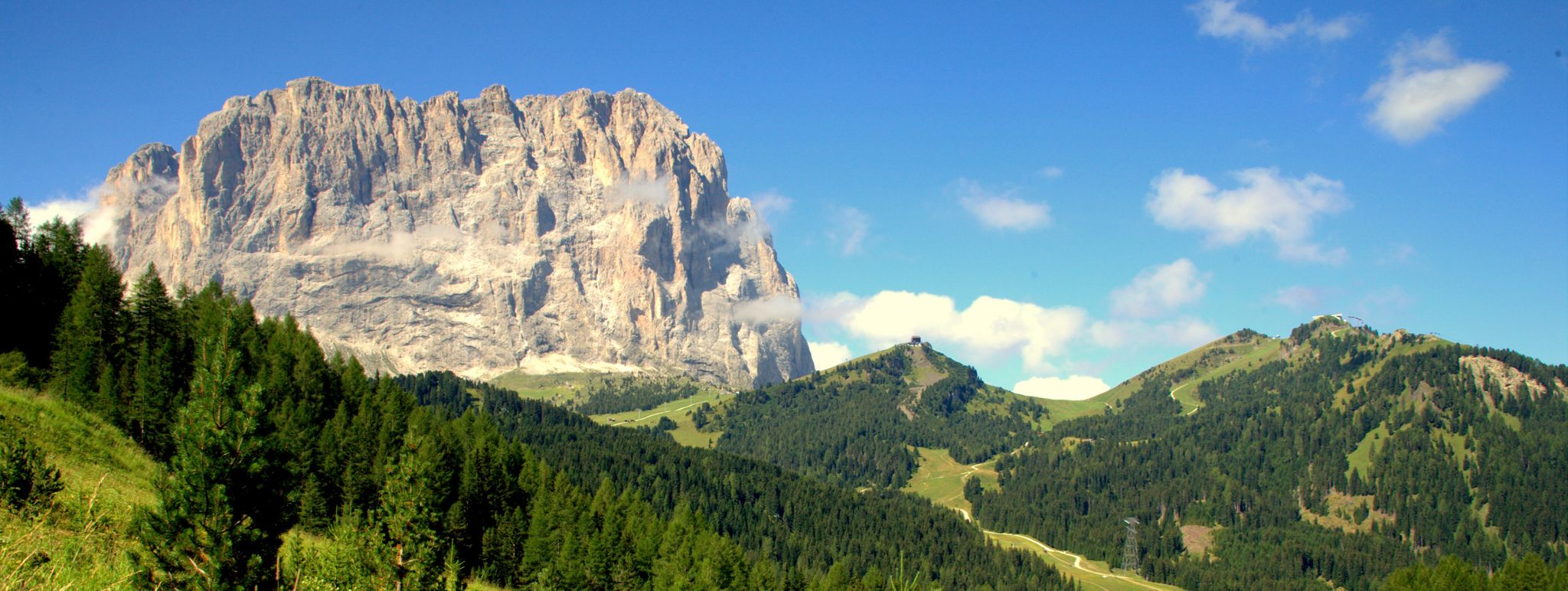
Via Venezia Alpina – hiking across the Alps to the Adriatic Sea
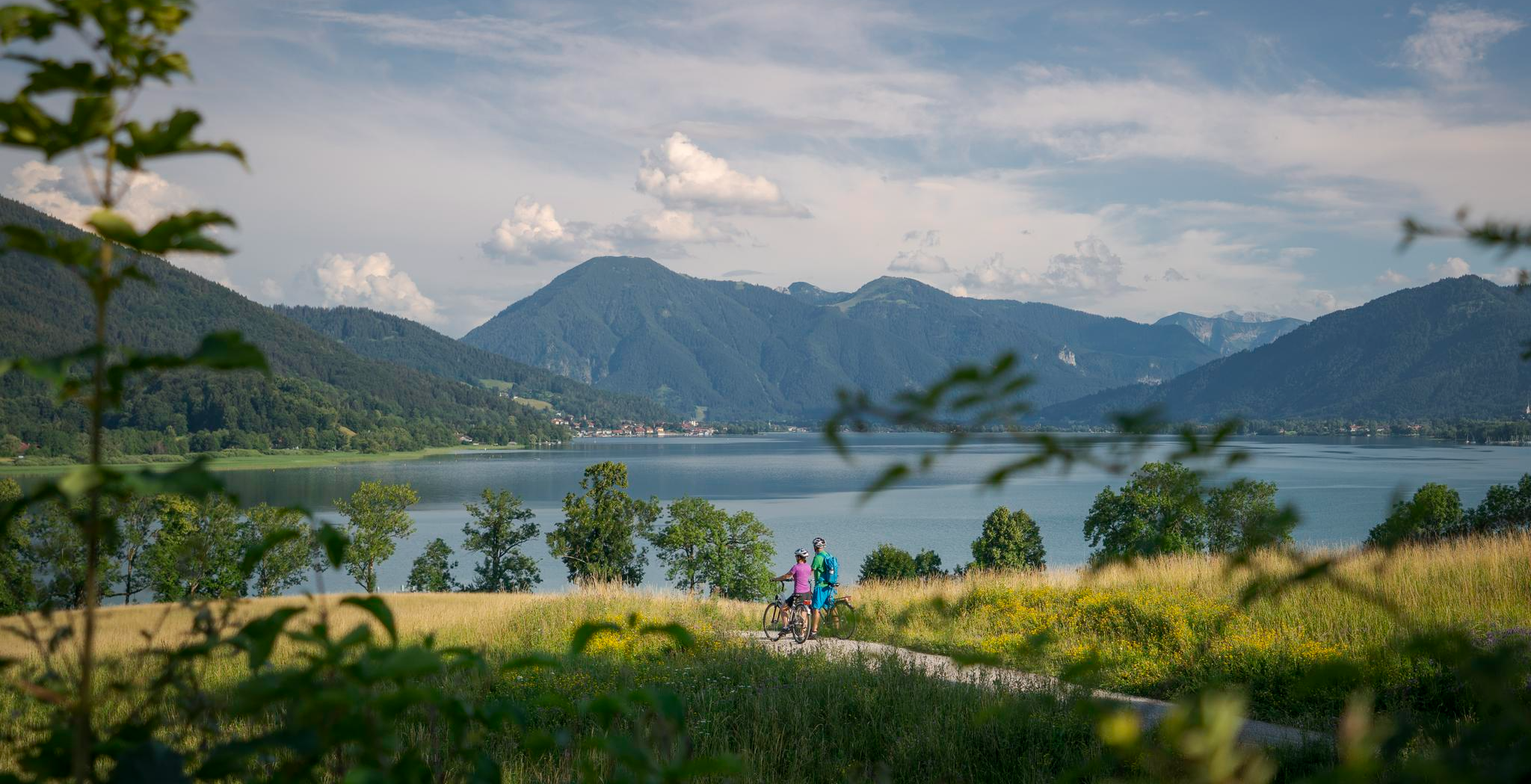
The Munich-Venice Long-Distance Cycle Path – A beautiful Alps crossing
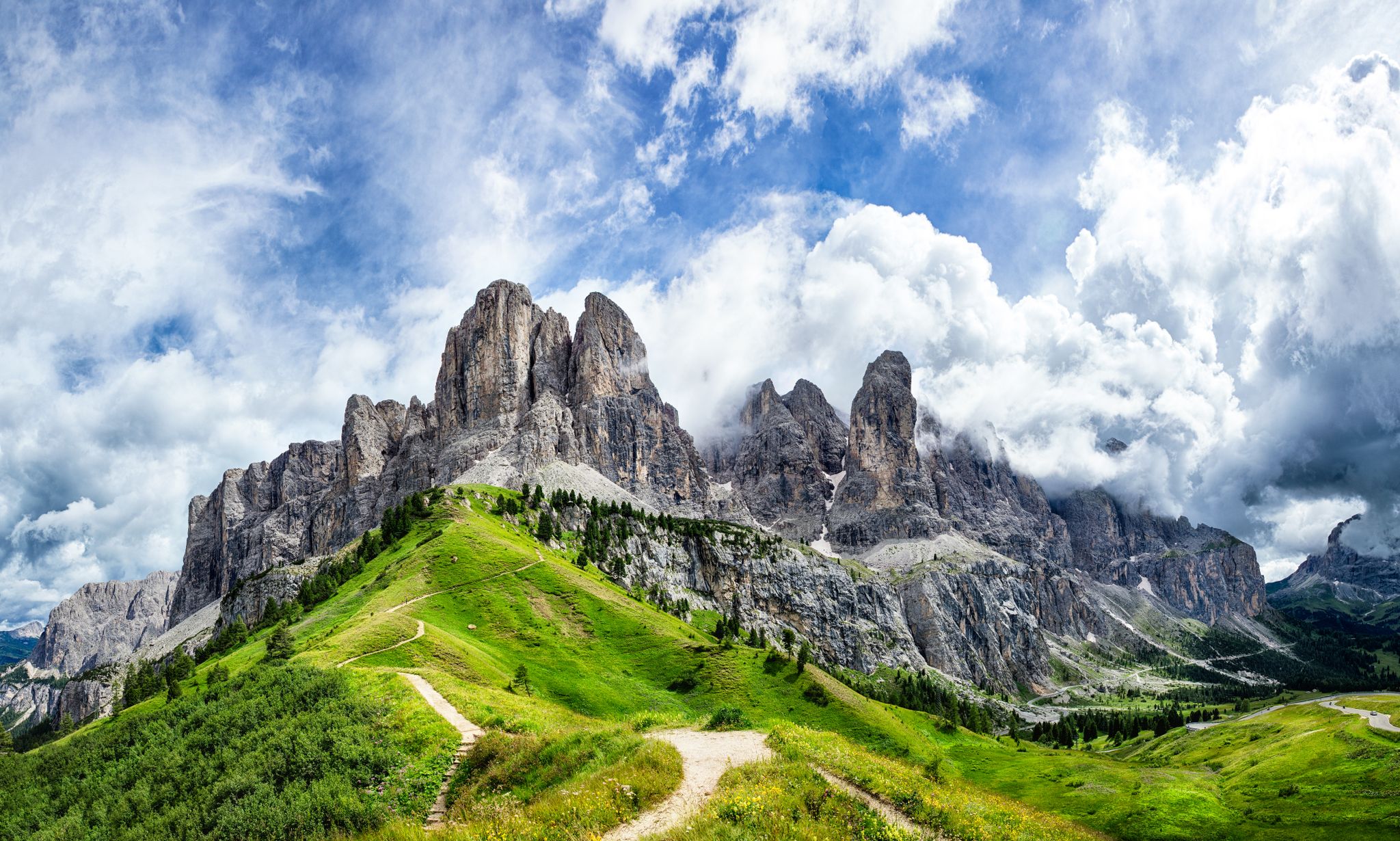
The "Dream Path" hiking trail – From Munich to Venice in 28 stages
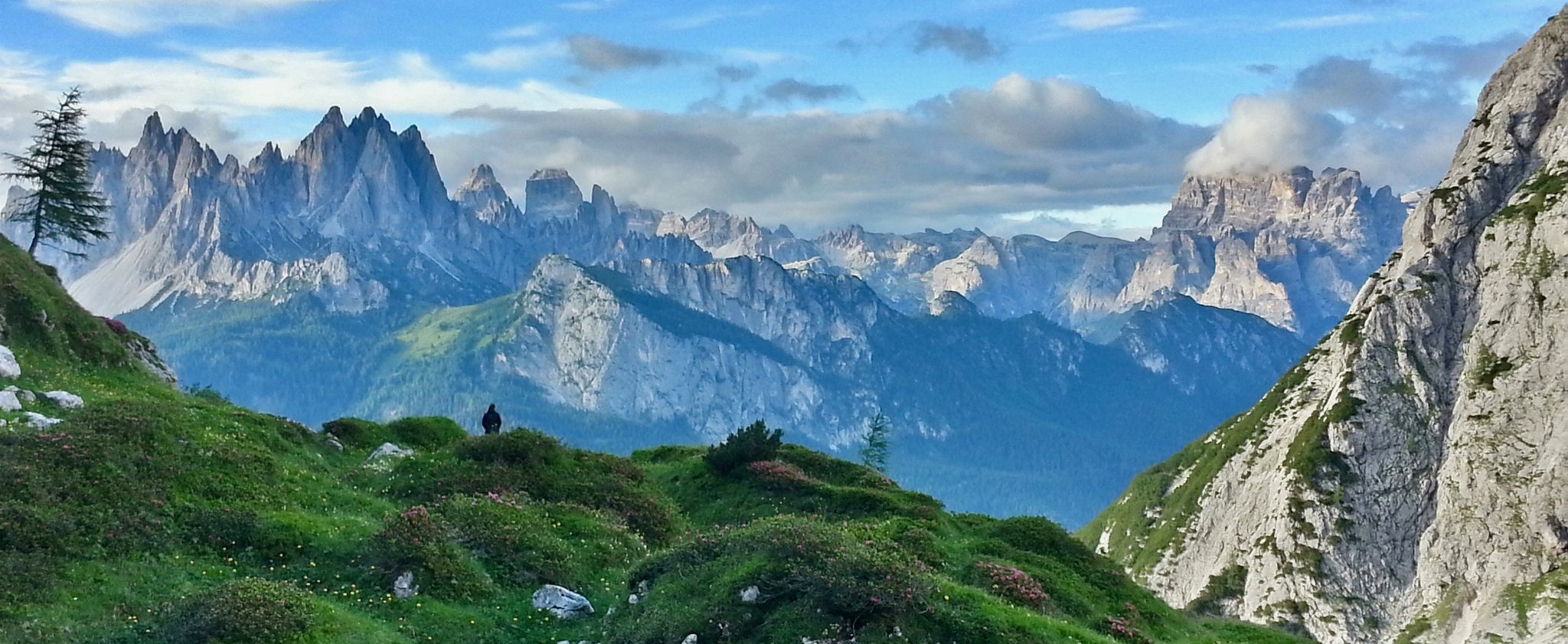
Alta Via No. 5 — Tizians High Route
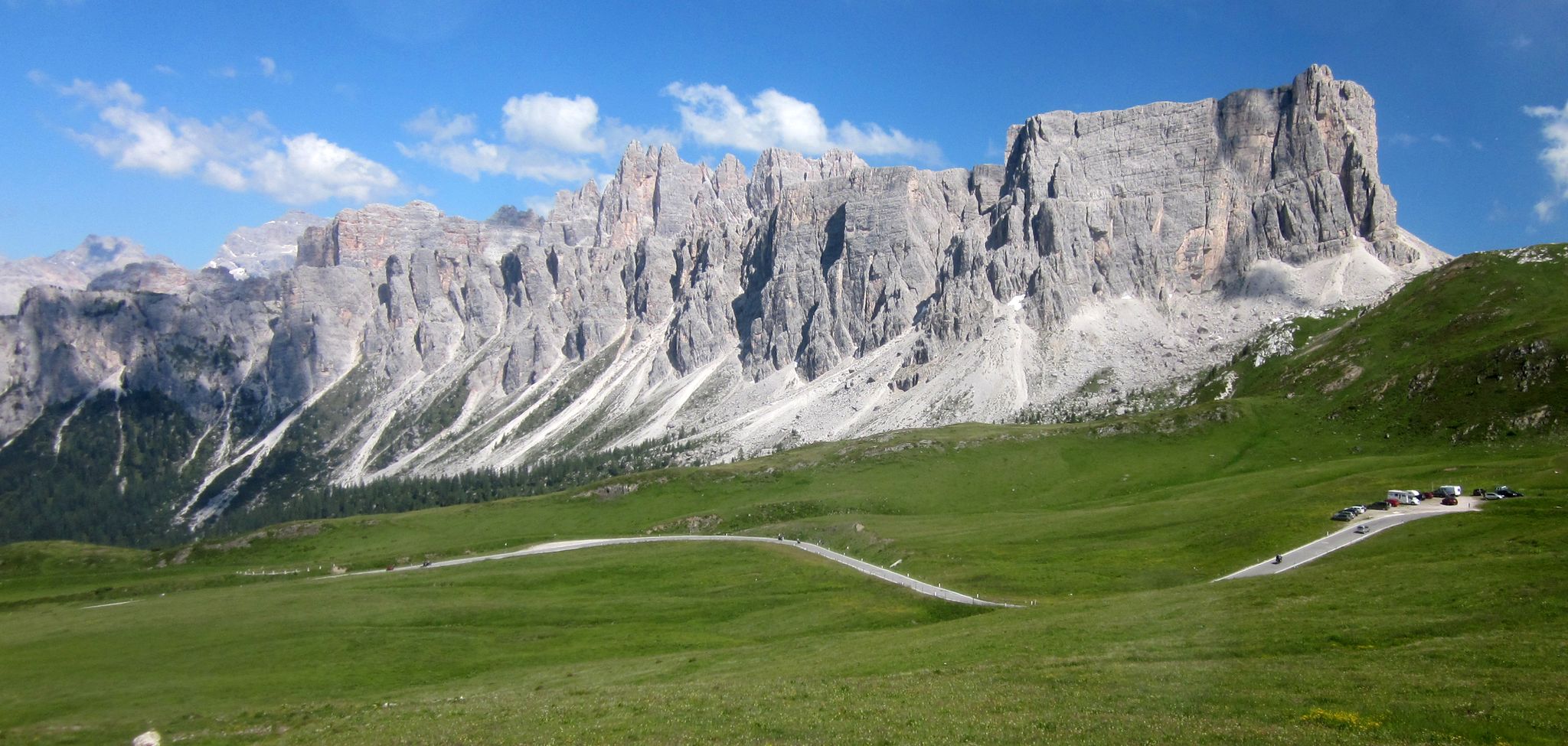
Traversing the Dolomites — the world's most beautiful mountain range

Road to BAM! 2026 – Condividi la strada
Veneto and Trentino by bike – between the Lagoon and the Dolomites
Other adventures in Belluno


Tips from the Community

From the outside, Andraz castle is beautiful, even though it is in ruins. It rises directly from the rock and integrates very well with the surrounding landscape, looking like a small Dolomite mountain itself. The entrance fee is 7 euros to walk on iron beams that make no effort to reconstruct the old atmosphere of the castle. A guide is not included. It is not worth investing time and money to climb steel stairs when you can freely walk on the Sentiero del Respiro and see the castle from above with all the surrounding panorama.
0
0

Built in the last two decades of the 19th century, under the Kingdom of Italy, the Forte di Monte Ricco constituted the heart of the entrenched camp of Pieve di Cadore. It was conceived and built to interdict enemy approaches from the Tre Ponti narrows towards Pieve and Tai along the Piave valley and to act in close synergy with the nearby Batteria Castello, about 200 meters away, as well as with the various artillery positions on the overlying heights, on Monte Tranego, Monte Zucco, Col Vidà. Monte Ricco was probably the site of a prehistoric settlement, then of the castle of Cadore. Abandoned until 2007, it has undergone demanding restoration, consolidation, and enhancement works. Reopened to the public in 2017, it hosts exhibitions or classical music concerts. https://www.tizianovecellio.it/luoghi/il-forte-di-monte-ricco/
1
0

In the Middle Ages, Buchenstein Castle housed an ore smelting furnace behind its walls. It also indirectly protected the nearby Fursil mines near Colle Santa Lucia from Venetian attacks. The profits from Buchenstein were claimed by the Diocese of Brixen—so aggressively, in fact, that the driving bishop, Nicholas of Cusa, had to be removed from office and compensated in Rome. https://t1p.de/hs51z
3
0

Here, someone has spent decades painstakingly collecting artifacts and documenting this man-made madness...and the guys haven't learned anything from it, except how to make a fortune (the Krupp family). $10 admission.
0
0

Andraz Castle, a defensive bastion for controlling the Alpine passes and the populations.
0
0

The Castello di Alboino, also known as Castello di Feltre, dominates the town of Feltre from the Colle delle Capre.
0
0

An ancient manor house perched on a rocky spur. Open in summer for visiting.
0
0

The Forte di Monte Ricco, restored and reopened to the public in 2017, often hosts exhibitions and classical music concerts. However, it is advisable to call before visiting to check the opening of the main part. During a summer visit, in fact, it was found that access was allowed only by reservation. An entrance ticket is required but inexpensive. The Fort offers the possibility to walk around the front and internal perimeter, allowing appreciation of the pre-Roman structure. Protected by a moat and a drawbridge, the site also offers a panoramic view of Monte Cristallo. The Fort was built in the pre-Roman era with a defensive function, maintained also in Roman and medieval times. Before the year 1000, it was the seat of an important castle represented in the coat of arms of Cadore. From 1420 it became the seat of the Captain of Venice, but declined in the 17th century. During the Kingdom of Italy, two fortifications were built as part of the defensive system against Austria-Hungary. During the First World War, the Fort was relegated to a warehouse and logistics. Abandoned after 1918, restoration began in 2007 on the initiative of the Municipality of Pieve di Cadore, concluding in 2017.
1
0
Frequently Asked Questions
What is the historical significance of castles in the Belluno region?
The castles and fortresses in the Belluno region are testaments to its strategic past, serving as crucial links between Venice and northern lands. They showcase centuries of Venetian and northern European influences, with structures ranging from well-preserved medieval fortresses to evocative ruins. These sites offer a deep dive into the region's rich history and military architecture.
Which castles in Belluno offer a well-preserved medieval experience?
The Castello di Zumelle in Borgo Valbelluna is regarded as the best-preserved medieval fortress in the entire Valbelluna. Visitors can explore its impressive walls and learn about its long history. It even offers accommodation for an immersive historical experience.
Are there any castles in Belluno that highlight medieval art and architecture?
Yes, the Castello di Alboino in Feltre, built between the tenth and eleventh centuries, is a prime example. It features a keep, four corner towers, and notable external frescoes attributed to Lorenzo Luzzo and his school, offering insight into medieval architecture and art.
Can I visit the ruins of the original Belluno Castle?
While largely in ruins today, the historical memory of the Castle of Belluno is preserved. You can still see the remains in the gardens of Piazza Castello, near Piazza Duomo. A massive tower, once dominating the slope towards Borgo Prà and the Ardo stream, is also visible, providing a sense of the city's ancient defenses.
What kind of military forts can be found in the Belluno area?
Beyond medieval castles, the Belluno region also features early 20th-century military forts. An example is Forte Leone, built as part of the Brenta Cismon fortress system for World War I. These robust fortifications offer a different perspective on military architecture compared to the older castles.
Are there family-friendly castles to visit in the Belluno region?
Several castles in the Belluno region are suitable for families. Forte Tre Sassi, Castello di Belluno Ruins, and the Papal Castle of Lorenzago di Cadore are all categorized as family-friendly. Castello di Zumelle also offers an engaging experience for all ages with its well-preserved structure.
What outdoor activities are available near the castles in Belluno?
The Belluno region, with its Dolomites setting, offers numerous outdoor activities. You can find various hiking opportunities, including waterfall hikes and easy trails. For example, you can explore routes like the Fanes Waterfalls and Canyons Trail or the Lago di Misurina loop. For more details on hiking routes, visit the Hiking in Belluno guide.
What do visitors particularly enjoy about the castles in Belluno?
Visitors appreciate the historical depth and the stunning natural settings of Belluno's castles. Highlights like Castello di Andraz are noted for their dramatic locations on inaccessible boulders, offering beautiful views even in winter. The well-preserved nature of sites like Castello di Zumelle also receives high praise for its immersive historical experience.
Are there any unique historical residences or villas to explore in the region?
Yes, Villa Avogadro degli Azzoni is a notable historical site. Built around the 17th century on the ruins of an ancient castle, it once housed a rich collection of minerals and plaster models of local mushrooms. The villa's history includes transformations and expansions, offering a glimpse into the region's aristocratic past.
What is the best time of year to visit the castles in Belluno?
The Belluno region is beautiful year-round. While specific opening hours for individual castles may vary by season, visiting during spring or autumn often provides pleasant weather for exploring and fewer crowds. Summer offers warmer temperatures, ideal for combining castle visits with outdoor activities in the Dolomites. Some castles, like Castello di Andraz, are even noted as beautiful to visit when covered in snow.
Where can I find accommodation near the castles in Belluno?
The Belluno region offers various accommodation options. For a unique experience, Castello di Zumelle offers overnight stays within the fortress itself. Additionally, towns like Feltre, near Castello di Alboino, and Borgo Valbelluna, close to Zumelle, provide hotels, guesthouses, and cafes. For more options, you might find castle hotels in the wider Belluno area. You can check resources like castlestostay.com for specific castle accommodation.
Are there any castles that offer panoramic views of the surrounding landscape?
Many castles in Belluno are strategically located to offer stunning views. Castello di Andraz is built on an inaccessible boulder, providing impressive vistas. Castello di Zumelle and Alboin's Castle are also known for their elevated positions, offering panoramic views of the Valbelluna and Feltre areas, respectively.
Most popular routes in Belluno
Most popular attractions in Belluno

Get inspired with the komoot mobile app


Didn’t find what you were looking for?
Explore Belluno’s best castles region by region:
Explore more
Looking for the best castles somewhere else? Discover other guides in Belluno:
