Top 18 Caves in Treviso
Best caves in Treviso are found within a region characterized by its diverse landscape, from the Venetian plain to the foothills of the Dolomites. The province features a mix of natural geological formations and historical sites. Karst features are present, contributing to the formation of various underground cavities. This area offers opportunities for exploring both natural caves and those shaped by human activity.
Best caves in Treviso
- The most popular caves is Caglieron Caves, a cave that is partly…
Last updated: October 1, 2026
Canton Cave
Highlight • Cave
prolocofregona.it/grotte-del-caglieron
Translated by Google •
Tip by

Madonna dell'Agnelezza
Highlight • Cave
Translated by Google •
Tip by

Sign up now to discover places like this
Get recommendations on the best single tracks, peaks, & plenty of other exciting outdoor places.
Tavaran Grando Cave
Highlight • Cave
Translated by Google •
Tip by

San Girolamo Cave
Highlight • Cave
Translated by Google •
Tip by
War Caves
Highlight • Cave
Translated by Google •
Tip by

Grotta dei Pilastrini
Highlight • Cave
Translated by Google •
Tip by
Climb of the Grotte del Calieron
Highlight • Climb
Translated by Google •
Tip by

Warm Air Hole
Highlight • Cave
Translated by Google •
Tip by

Il Buoro di Ciano Cave and Spring
Highlight • Cave
Translated by Google •
Tip by

Bus de Refos Cave
Highlight (Segment) • Cave
Translated by Google •
Tip by

Sign up for free to discover even more caves in Treviso.
Already have an account?
Start today with a free account
Your next adventure awaits.
Popular around Treviso
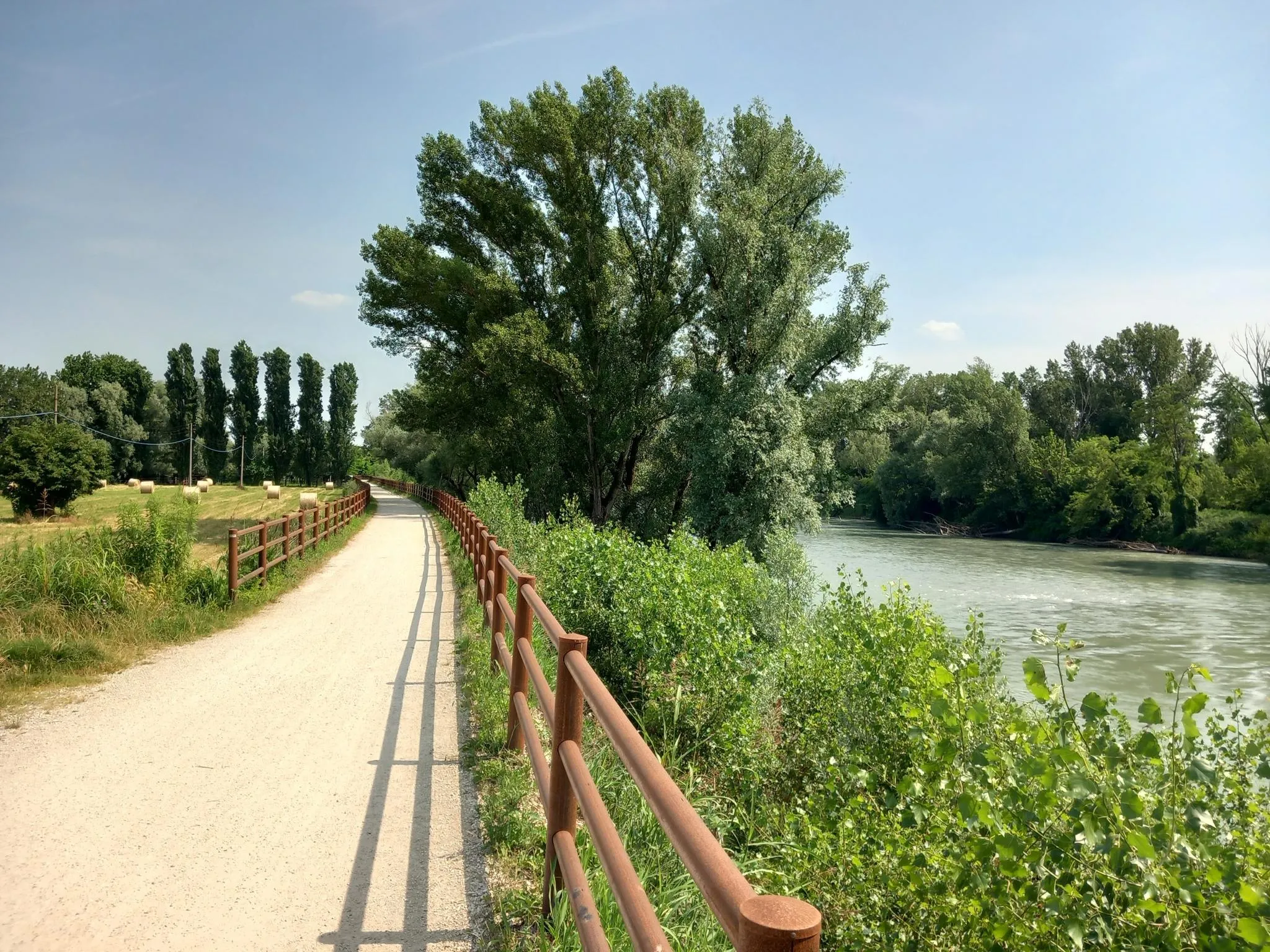
Via Postumia – Hike between the Tyrrhenian and Adriatic seas
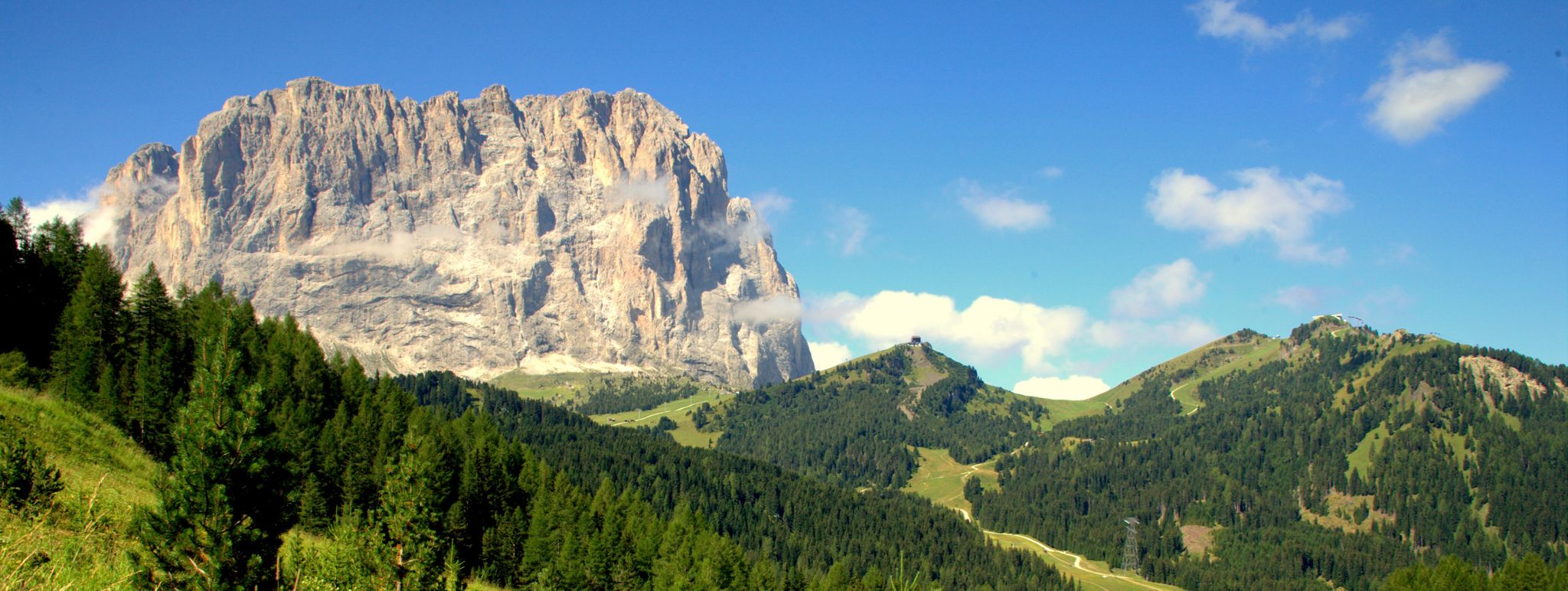
Via Venezia Alpina – hiking across the Alps to the Adriatic Sea
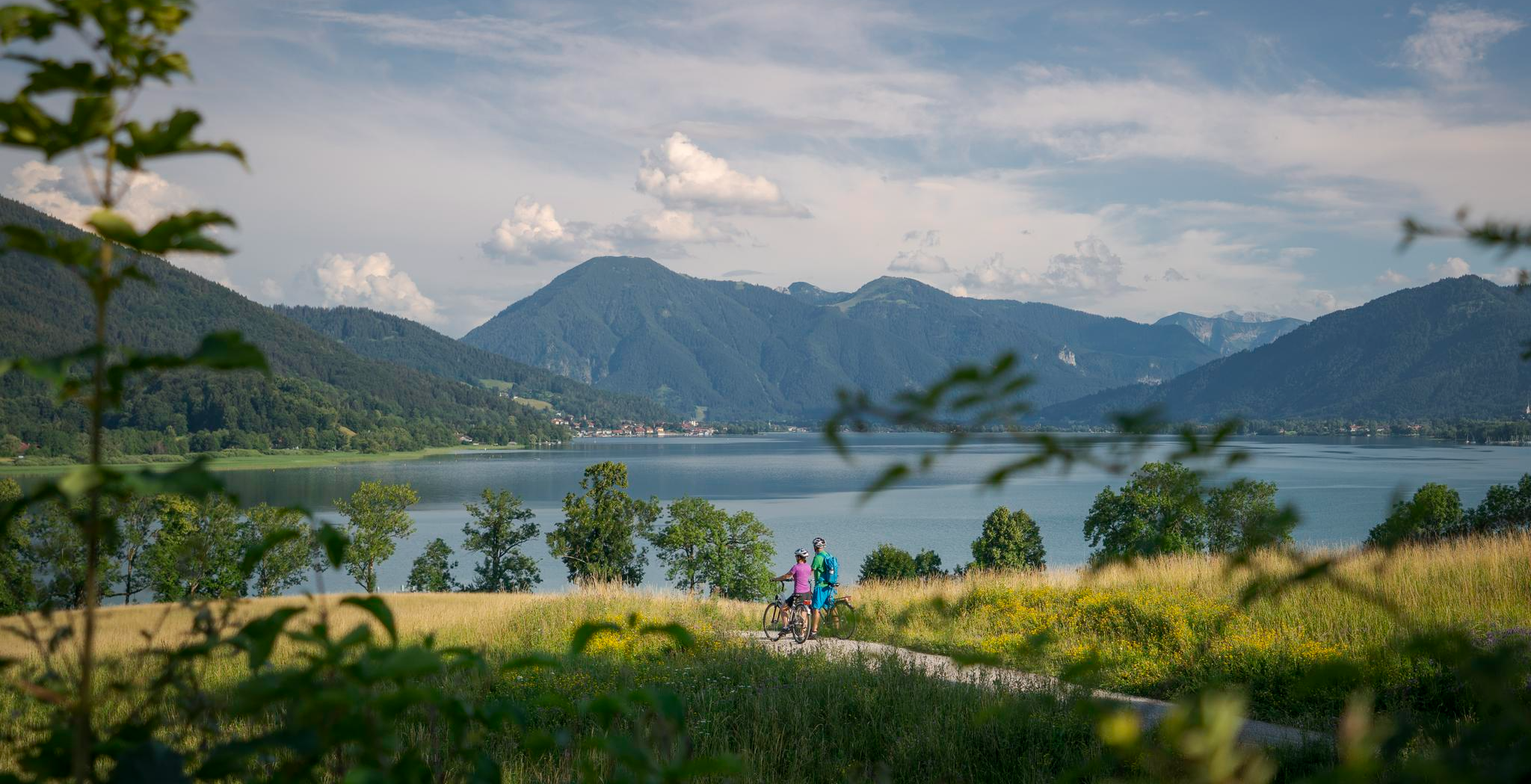
The Munich-Venice Long-Distance Cycle Path – A beautiful Alps crossing
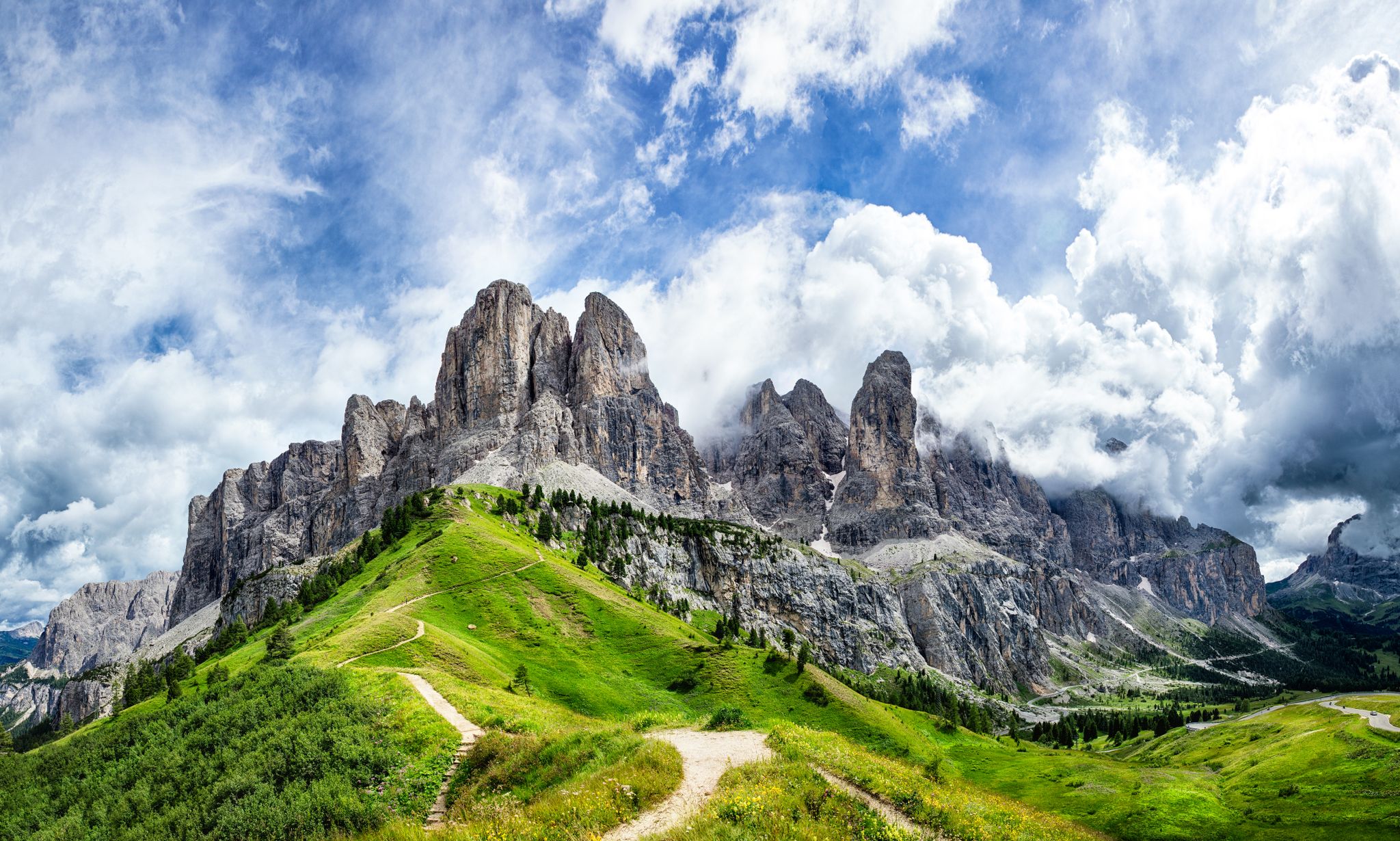
The "Dream Path" hiking trail – From Munich to Venice in 28 stages

Road to BAM! 2026 – Condividi la strada
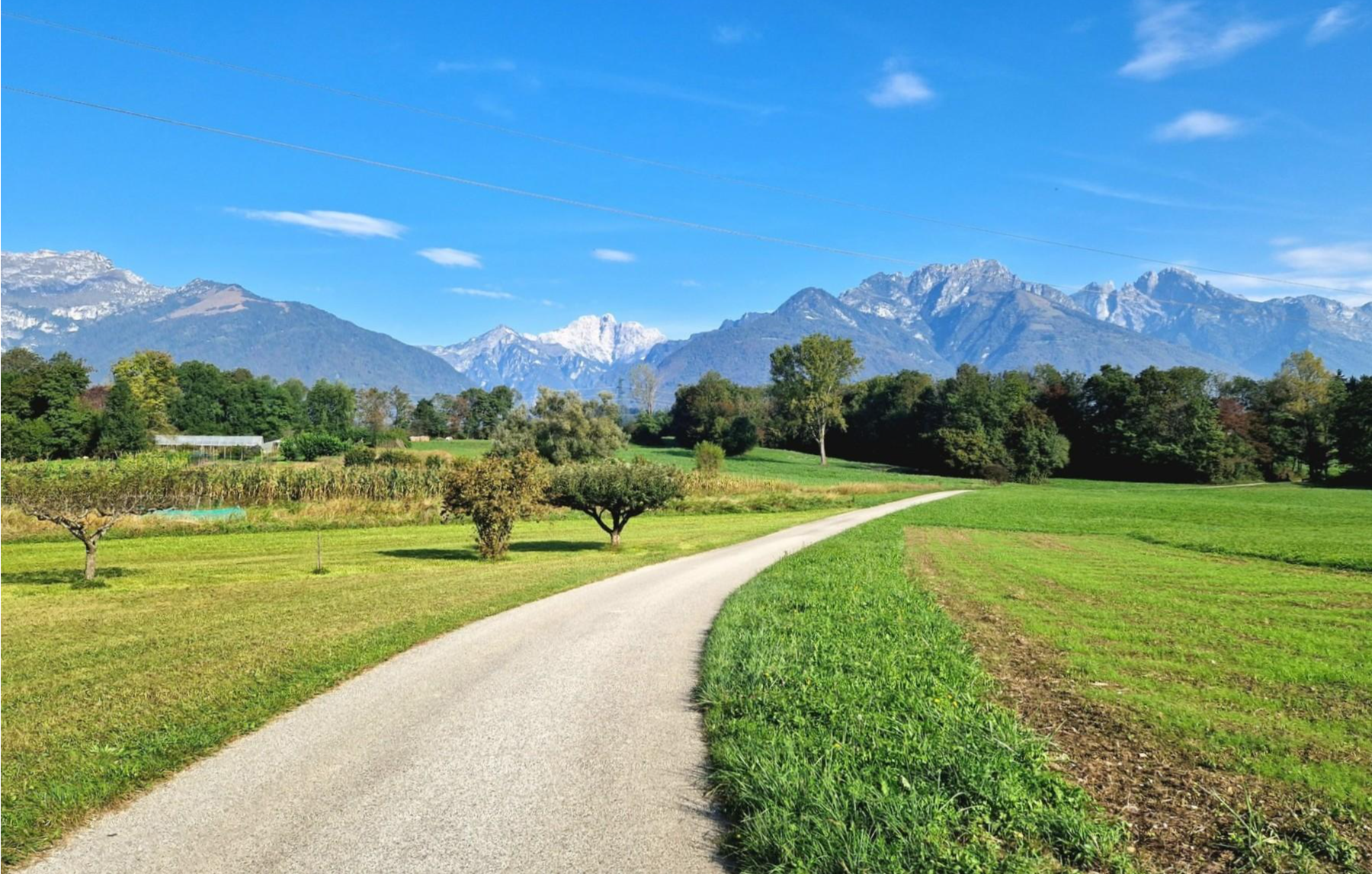
Veneto and Trentino by bike – between the Lagoon and the Dolomites
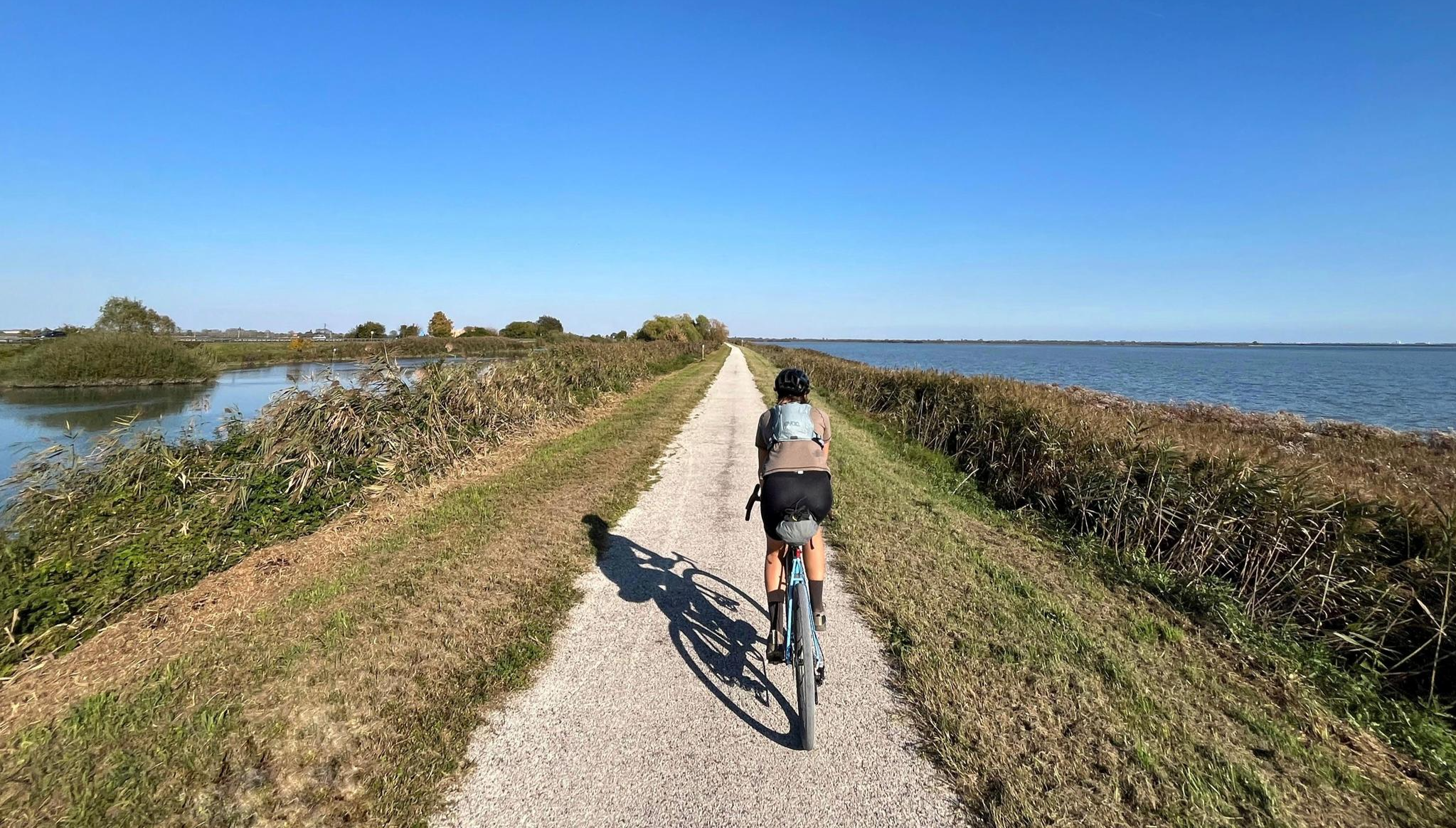
Jesolo Gravel Loop – between sandbanks and archaeology
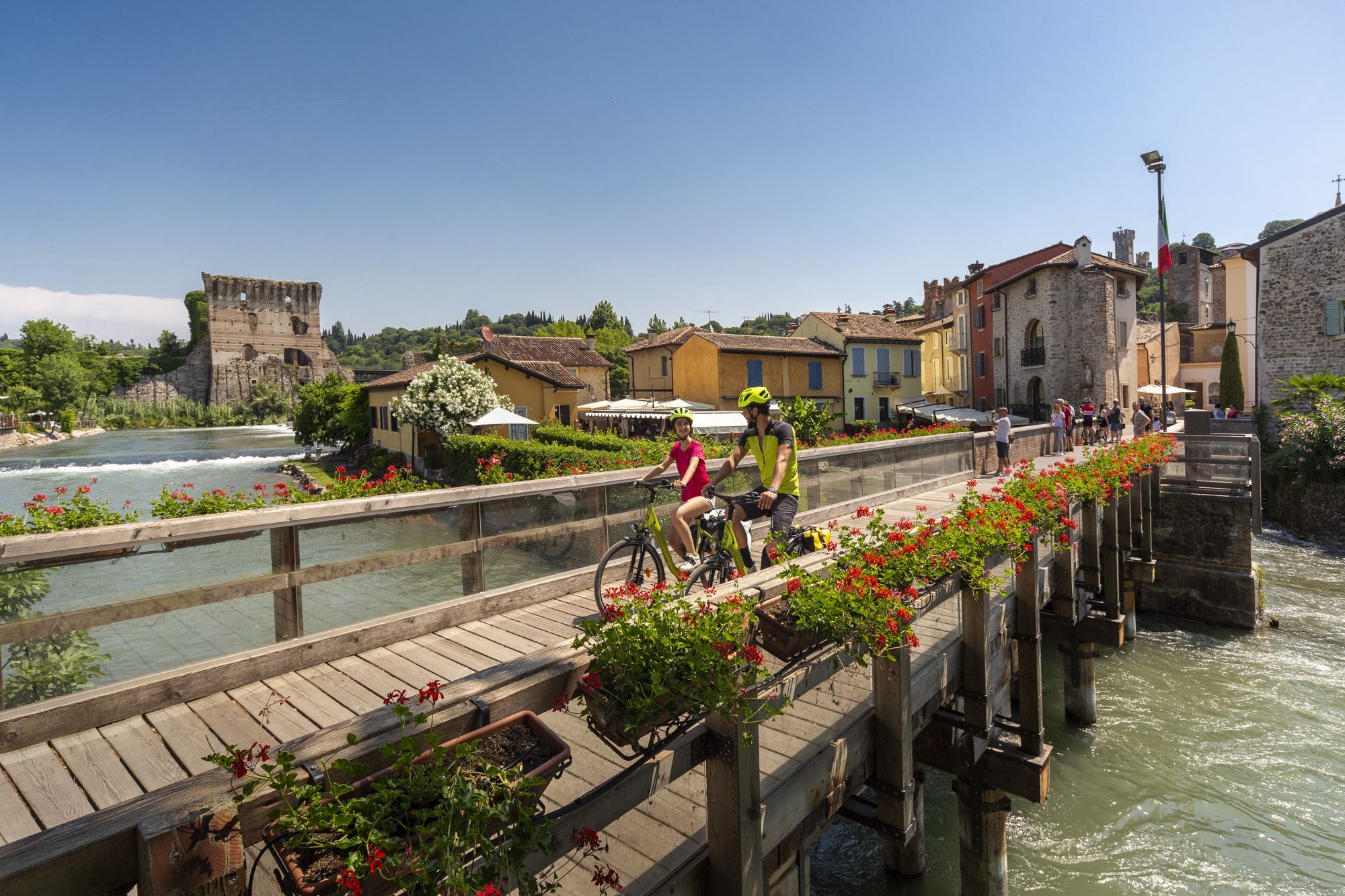
Explore Veneto at a slow pace – day trips by bike
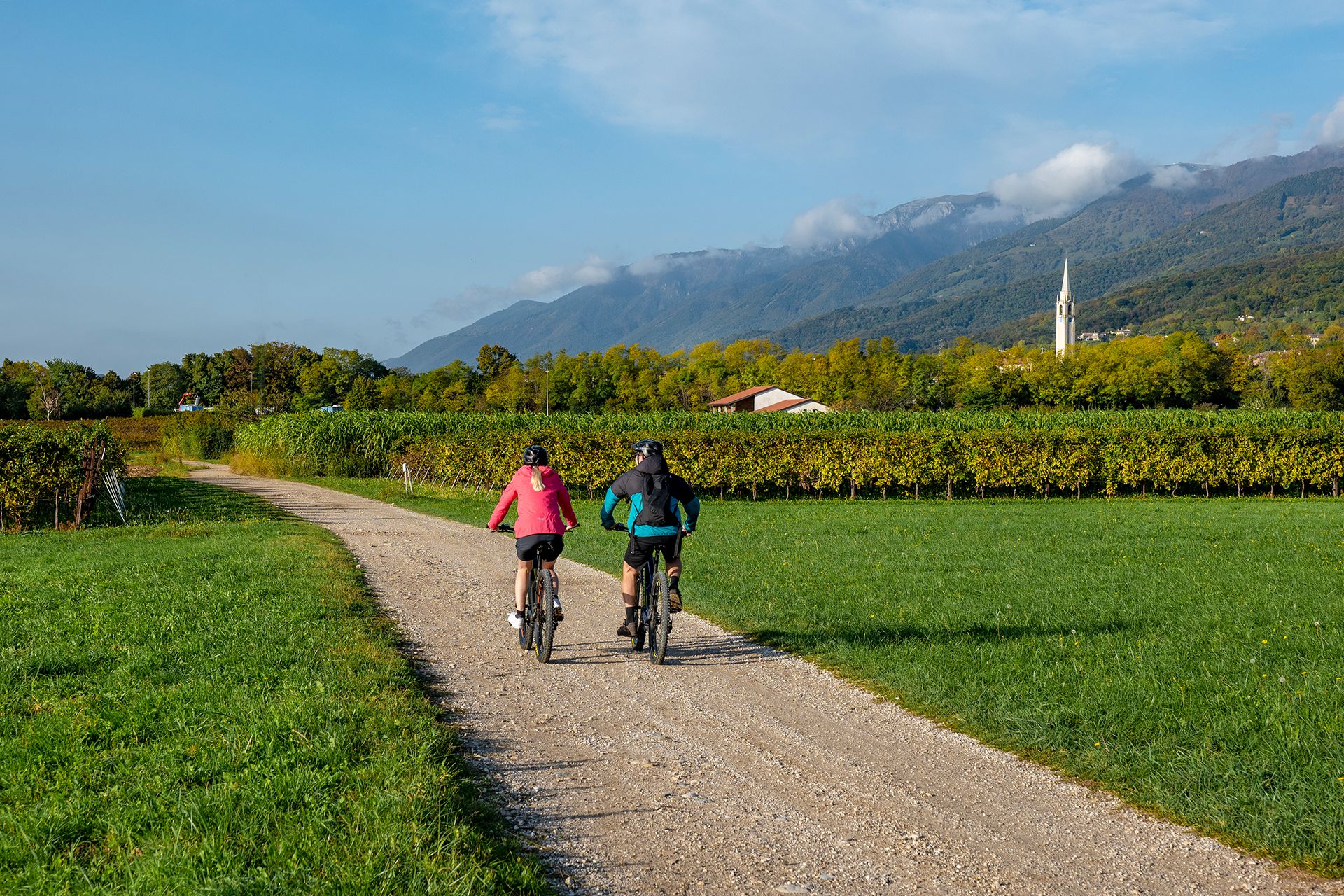
Cycling in the presence of Grappa – where nature and culture meet
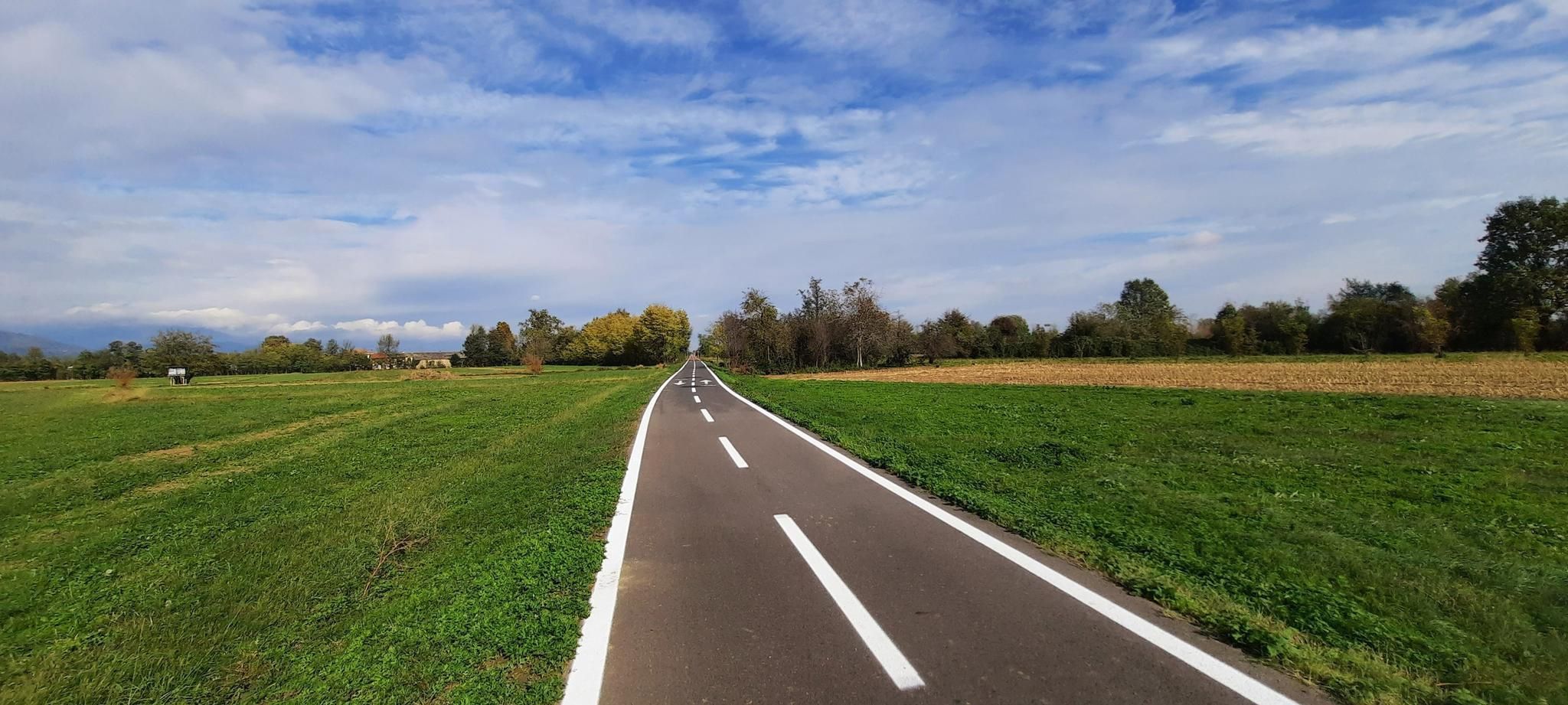
Ride across the Italian Alps – Pedemontana cycle route
Other adventures in Treviso


Tips from the Community

Easy climb that can be done in any season. Just pay attention to the challenging steep section halfway through the route after the village of Breda, which is demanding in both directions.
0
0

The Caglieron caves are located in the municipality of Fregona, province of Treviso, precisely in the locality of Breda. It is a series of cavities created partly by natural erosion and partly by human action.
4
0

Karst gorge from which, in rainy periods, water flows. It can be reached by MTB except for the last 100m.
0
0
Directions for visiting the Caglieron Caves. https://www.prolocofregona.it/grotte-del-caglieron/
13
0

Reachable from the car park of the small church of Santa Mama after about 400 m of easy path.
0
0
The Buoro di Ciano (also: Fontana del Buoro) is a small natural cavity that has been the object of worship since ancient times. It was believed to be frequented by fairies or nymphs. Water and the cave are linked to ancestral cults on the fertility of the Earth. The frequenting of this place by women on maternity leave, with the belief that it increased the quality of the milk, occurred until the middle of the last century.
0
0

Suggestive corner of meditation and prayer, which suddenly appears in the middle of the dense and silent forest, along the steep hiking path that leads to Mount Pizzoc, under the Agnelezza ('of the lambs') meadows: a small natural cave, a figurine of the Madonna and an altar. The first Madonnina was placed in 1963; the current one in 1973. In the early 1990s the site was refurbished and equipped with the small altar: since then two masses have been celebrated a year, always at 10.30am; at the opening of the hiking season (the last Sunday in April) and at its closing (the last Sunday in October). https://www.lazione.it/Vittoriese/FREGONA-messa-all-Agnelezza-per-l-interno-delle-attivita-escursioniche
0
0

on the slopes of the Cansiglio: nice climb, 7% average gradient, well shaded and not very busy. It arrives at the Calieron caves or continues towards Cansiglio
1
0
Frequently Asked Questions
Which caves offer a unique blend of natural beauty and historical significance in Treviso?
The Caglieron Caves are a prime example. They are partly natural, formed by the erosive action of the Caglieron creek, and partly artificial, resulting from sandstone extraction around the 16th century. This blend showcases both geological processes and human ingenuity.
Are there any caves in Treviso with historical significance related to past conflicts?
Yes, the War Caves are a notable historical site. These impressive caves offer a glimpse into the past, with sounds rumbling within, and are located in an area rich with history.
Are the caves in Treviso suitable for families?
Many caves are family-friendly. The Caglieron Caves feature well-maintained wooden walkways and bridges, making them accessible for various visitors. The Tavaran Grando Cave is also noted as family-friendly and easily accessible.
What is the best time of year to visit the caves in Treviso?
The caves offer a unique experience year-round. The cool, humid air within provides a welcome respite during warmer months. In winter, visitors can admire frozen waterfalls, particularly at the Caglieron Caves.
What should I wear when visiting caves in Treviso?
Sturdy, non-slip shoes are highly recommended due to potentially slippery paths and uneven terrain inside the caves and along the walkways. The air inside can also be cool, so a light jacket might be comfortable.
How long does it typically take to visit the Grotte del Caglieron?
A circular route through the Grotte del Caglieron typically takes around 30-40 minutes, covering approximately 1.5 km. This allows ample time to appreciate the waterfalls, gorges, and cave features.
Can I see waterfalls or gorges when visiting caves in Treviso?
Yes, the Caglieron Caves are famous for their impressive waterfalls that cascade down a deep gorge carved by the Caglieron stream. The Tavaran Grando Cave and War Caves are also situated near gorges.
Are there any caves in Treviso used for special purposes, like aging food?
Within the Caglieron Caves system, there is the Grotta di San Lucio, also known as the Cheese Cave. This cave is notably used for aging cheese produced by a local dairy cooperative, utilizing the cave's special microclimate for maturation.
What kind of geological formations can I expect to see in Treviso's caves?
You can expect to see a mix of natural karst formations, such as those found in Tavaran Grando Cave, and formations resulting from ancient quarrying. The Grotta dei Pilastrini and Caglieron Caves showcase artificial sections with inclined columns, a technique used for sandstone extraction.
What outdoor activities can I do near the caves in Treviso?
The Treviso region offers various outdoor activities. You can find numerous cycling routes, including the 'E4 – GiraSile' and 'The Green Waters of the Sile', which you can explore further in the Cycling in Treviso guide. For hikers, trails like 'Sentiero del Monte Meatte' and 'Monte Cesen' are available, detailed in the Hiking in Treviso guide.
Is parking available at the Grotte del Caglieron?
Yes, parking is available near the Grotte del Caglieron. During peak season, there might be a small fee for admission, and tickets are sometimes sold at a bar near the parking lot if there are few visitors.
Are there any lesser-known caves in Treviso that are still worth visiting?
Beyond the more popular sites, you might consider exploring the San Girolamo Cave, the Grotto of Our Lady of Agnelezza, or the Il Buoro di Ciano Cave and Spring. These offer different perspectives on the region's underground landscapes and history.
Most popular routes in Treviso
Most popular attractions in Treviso

Get inspired with the komoot mobile app


Didn’t find what you were looking for?
Discover more caves in Treviso region by region:
Explore more
Extend your search for the best caves by checking out these guides of the top ones in Treviso:
