Top 11 Caves in Perugia
Caves in Perugia offer a diverse range of underground experiences within the Umbria region, known for its natural landscapes and historical significance. The area features significant karst complexes and intriguing historical underground structures. Perugia itself contains remnants of an ancient underground city and Etruscan tombs, providing a unique historical perspective. The surrounding region is home to notable natural cave systems.
Best caves in Perugia
- The most popular caves is Hermitage of the Carceri, a religious building that served as a solitary place for prayer for Saint Francis and his companions. It features the Grotto of Saint Francis, a site of historical and spiritual significance.
- Another must-see spot is Faggeto Tomb, a historical site. This Etruscan tomb, discovered in a beech forest, is excavated in natural sandstone and contains a cinerary urn and grave goods.
- Visitors also love Abbadessa Caves of Pale, a natural cave system. These caves are a karst phenomenon created by the Menotre River, featuring numerous stalactites and stalagmites.
- Perugia is known for natural karst caves, historical underground structures, and religious hermitages. The region offers a variety of caves to see and explore, from extensive natural formations to ancient man-made tunnels and tombs.
- The caves in Perugia are appreciated by the komoot community, with more than 235 upvotes and 260 photos shared.
Last updated: October 14, 2026
Hermitage of the Carceri
Highlight • Religious Site
The Shrine of the Hermitage of the Prisons
An ancient Franciscan shrine on Monte Subasio, 4 km from Assisi and 800 meters above sea level, in the heart of a forest of centuries-old holm oaks, is one of the Franciscan shrines guarded by the Friars Minor of the Seraphic Province of Saint Francis of Assisi. The word "carcere" does not mean "prison": it comes from the Latin "carcer," meaning a remote, solitary place, therefore suitable for the life of prayer. Francis, his companions, and, after them, the friars, came here for some prayers.
Hermitage of the Prisons, Via Eremo delle Carceri, 38, 06081 Assisi PG, Italy
Text/Source: SERAPHIC PROVINCE OF ST. FRANCIS OF ASSISI OF THE UMBRIAN FRIES MINOR
santuarioeremodellecarceri.org
Translated by Google •
Tip by

Statue of Friar Masseo and Chapel, Eremo delle Carceri
Highlight • Religious Site
The Shrine of the Hermitage of the Prisons
An ancient Franciscan shrine on Monte Subasio, 4 km from Assisi and 800 meters above sea level, in the heart of a forest of centuries-old holm oaks, is one of the Franciscan shrines guarded by the Friars Minor of the Seraphic Province of Saint Francis of Assisi. The word "carcere" does not mean "prison": it comes from the Latin "carcer," meaning a remote, solitary place, therefore suitable for the life of prayer. Francis, his companions, and, after them, the friars, came here for some prayers.
Hermitage of the Prisons, Via Eremo delle Carceri, 38, 06081 Assisi PG, Italy
Text/Source: SERAPHIC PROVINCE OF ST. FRANCIS OF ASSISI OF THE UMBRIAN FRIES MINOR
santuarioeremodellecarceri.org
Translated by Google •
Tip by
Sign up now to discover places like this
Get recommendations on the best single tracks, peaks, & plenty of other exciting outdoor places.
Faggeto Tomb
Highlight • Historical Site
Located on a hill near San Giovanni del Pantano (PG), along the eastern side of Cresta della Fornace. It is excavated in the natural sandstone ground, and is preceded by a narrow access corridor (dromos), carved into the slope. The room is small (1.26 x 1.12 m).
Inside, a cinerary urn and some grave goods were found.
The monolith that acts as a door is equipped with two pins which, inserted in the special cavities in the threshold and in the architrave, allow it to rotate. Several consolidation interventions have taken place over time, making significant changes to the original plant. The tomb dates back to the second half of the 2nd century BC.
The found urn bears the first name "arnth" and the noble "cairnina", to which some scholars link the name of the Caina stream, whose sources are not far away.
You can get there on foot or by mountain bike even if in the last stretch of the path the slope will force you to push in some section.
Translated by Google •
Tip by

Abbadessa Caves of Pale
Highlight • Cave
This mineral, depositing over millennia, has given rise to spectacular caves, including the Abbadessa Caves, so called since the 17th century.
There are other caves in the area, many of them partially unexplored; the Sasso di Pale and its underground treasures are a privileged destination for speleology enthusiasts.
Translated by Google •
Tip by

Monte Cucco Parking Area
Highlight • Parking
Translated by Google •
Tip by

Anello di Giano — Eastern Section, Monte Cucco Regional Park
Highlight (Segment) • Trail
This specific section of the route explores the eastern side of Monte Cucco.
Translated by Google •
Tip by

Abandoned Tunnel for Mushroom Cultivation
Highlight • Cave
Translated by Google •
Tip by

Biselli Tunnel
Highlight • Structure
Translated by Google •
Tip by

Monte Cucco Cave
Highlight • Cave
Translated by Google •
Tip by

Monte Subasio Cave Entrance
Highlight • Cave
Translated by Google •
Tip by

Start today with a free account
Your next adventure awaits.
Popular around Perugia
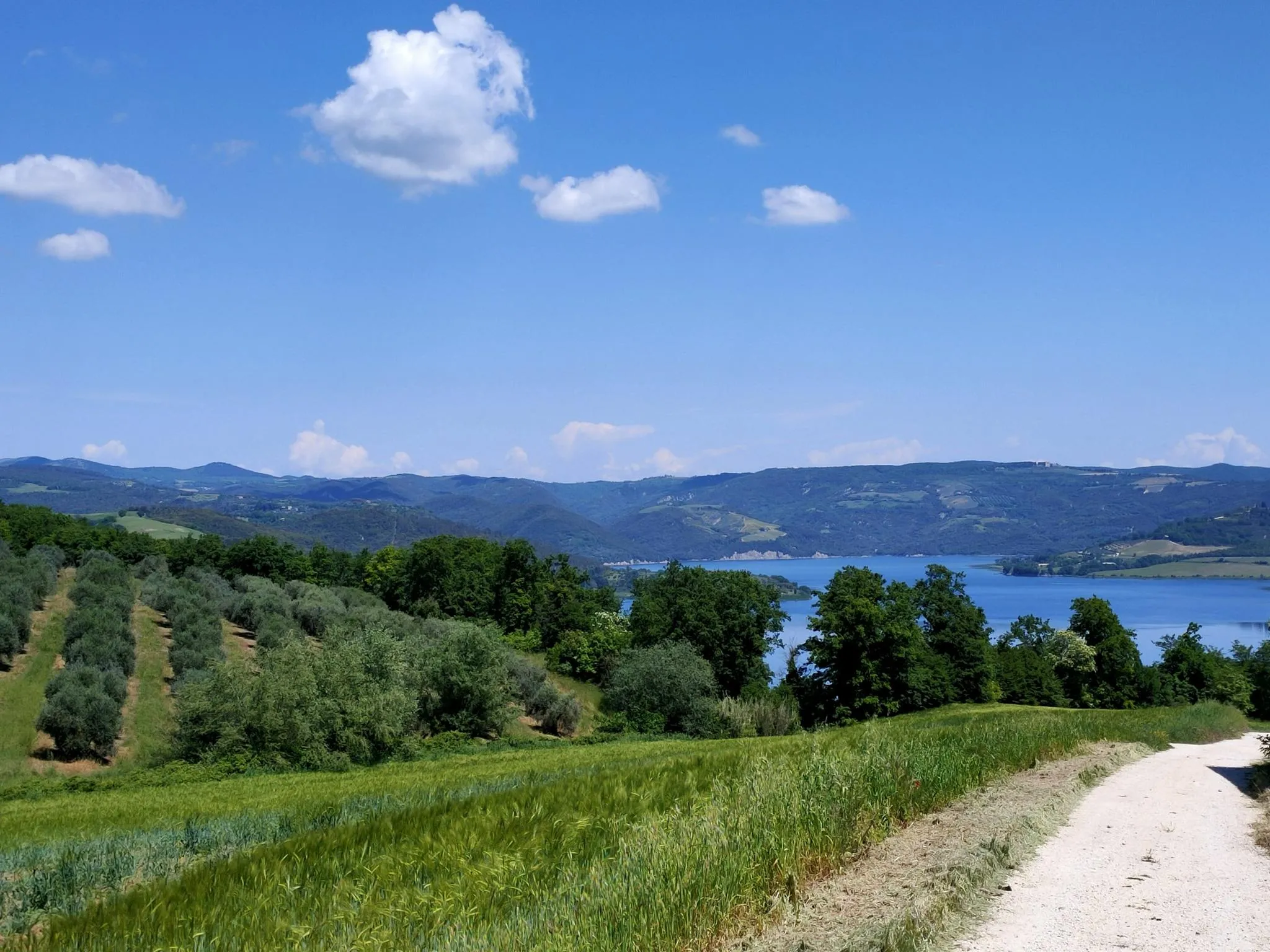
Italian Coast2Coast – From Portonovo to Orbetello
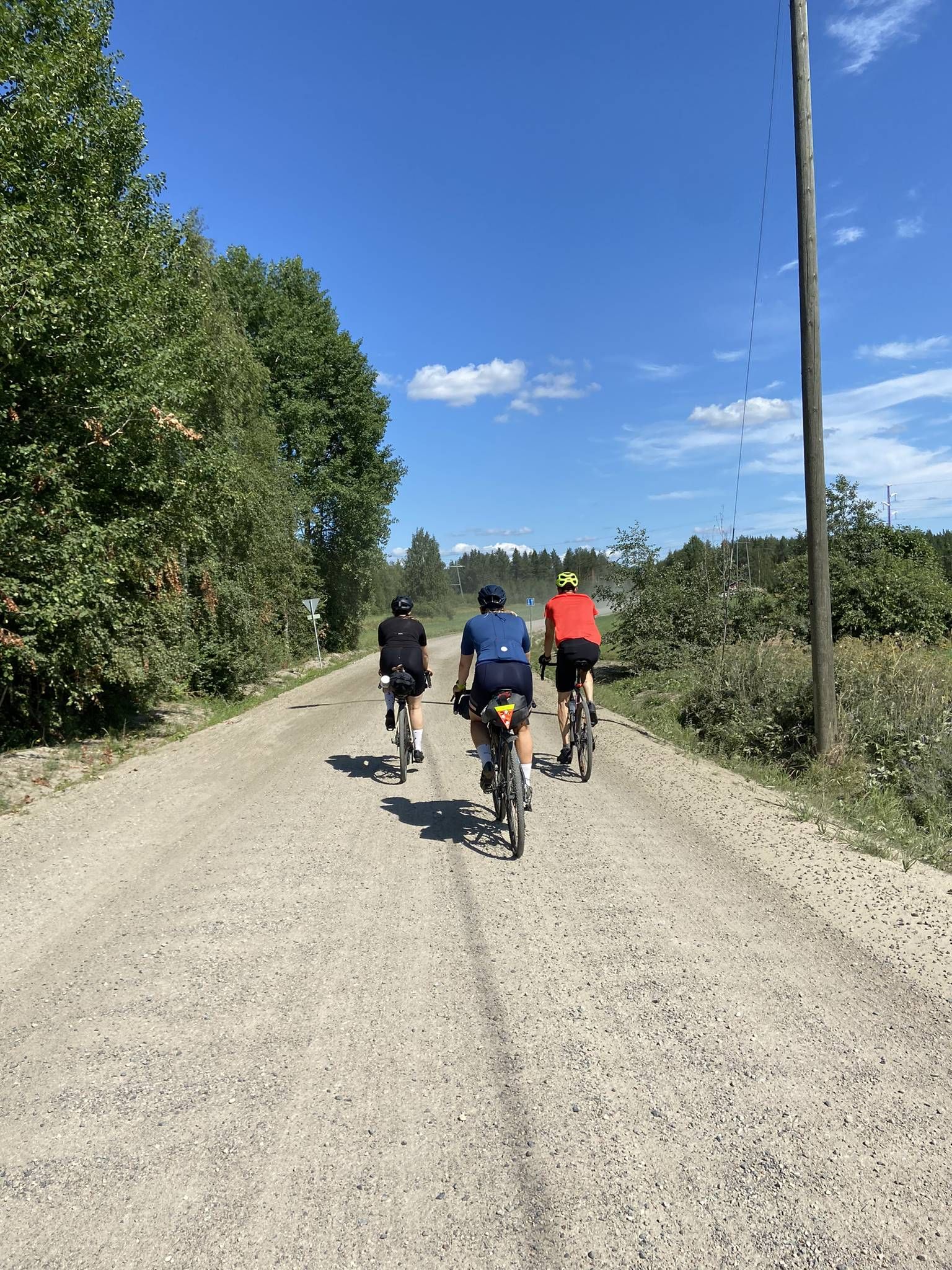
Naples to North Cape — Two friends, one purpose and many scoops of ice-cream
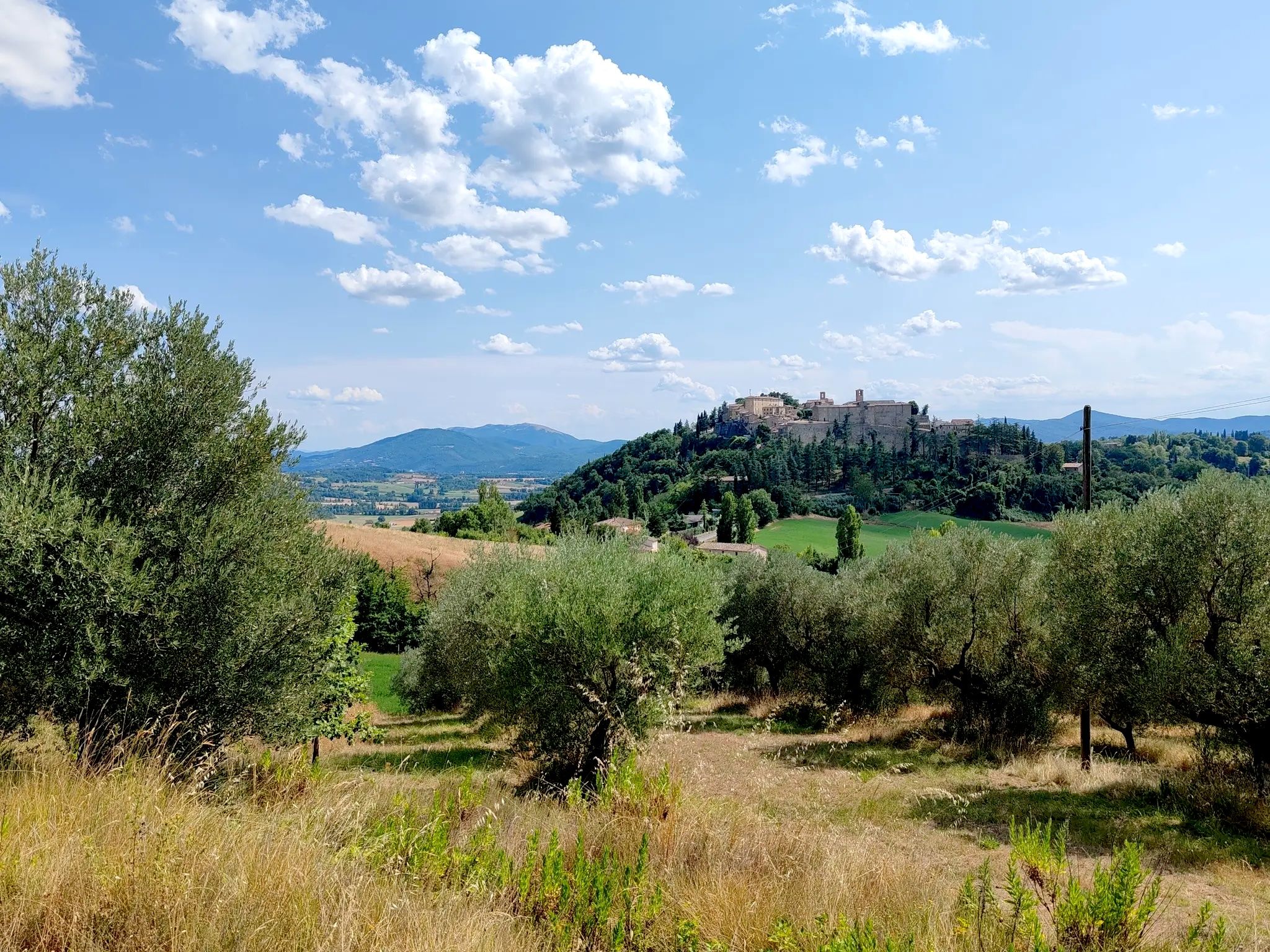
Day rides in the heart of Umbria – a Journey through History
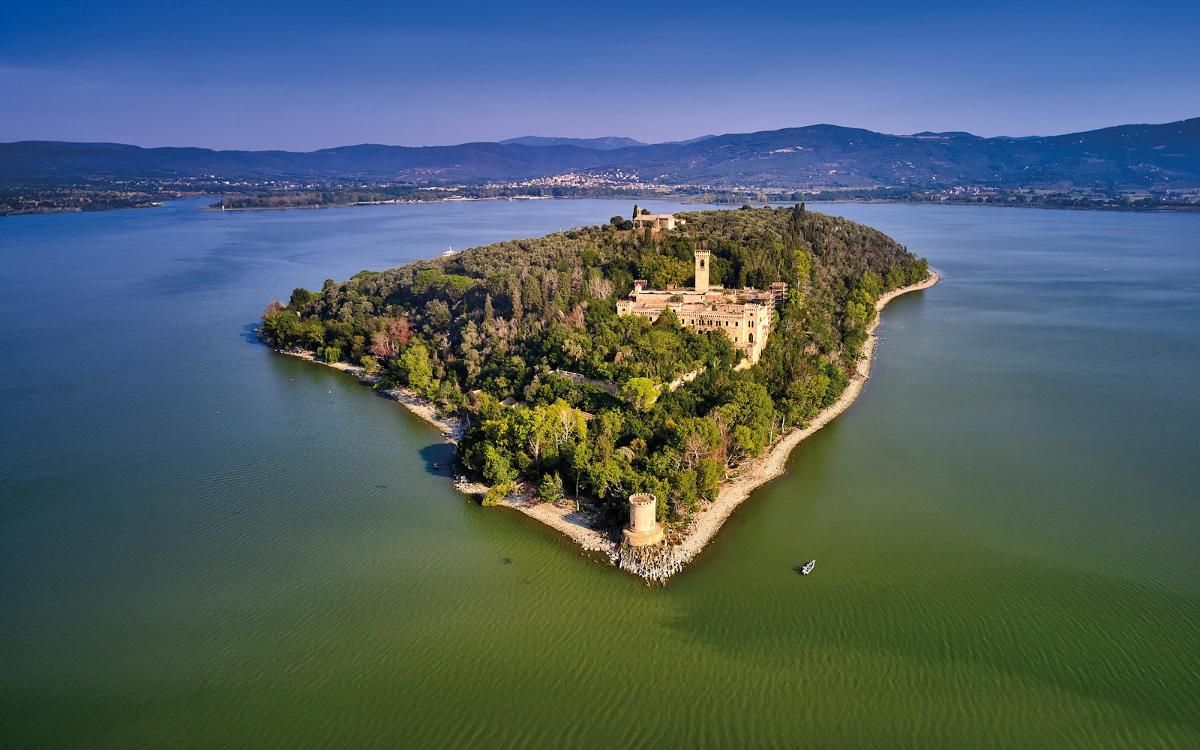
Trasimeno cycle route – Trasimeno for all
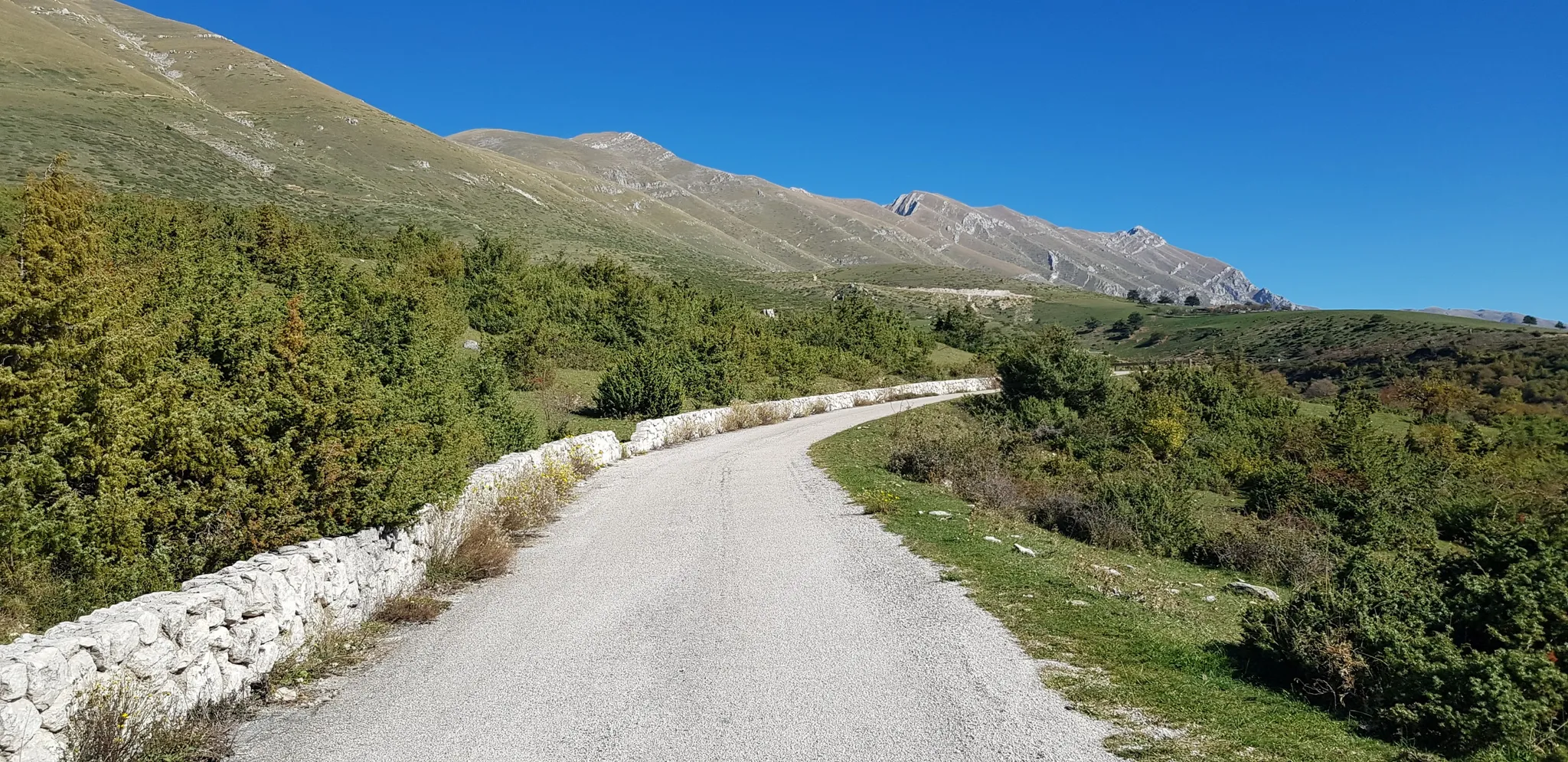
The Apennine Cycleway (Part 2) - From Umbria to Calabria
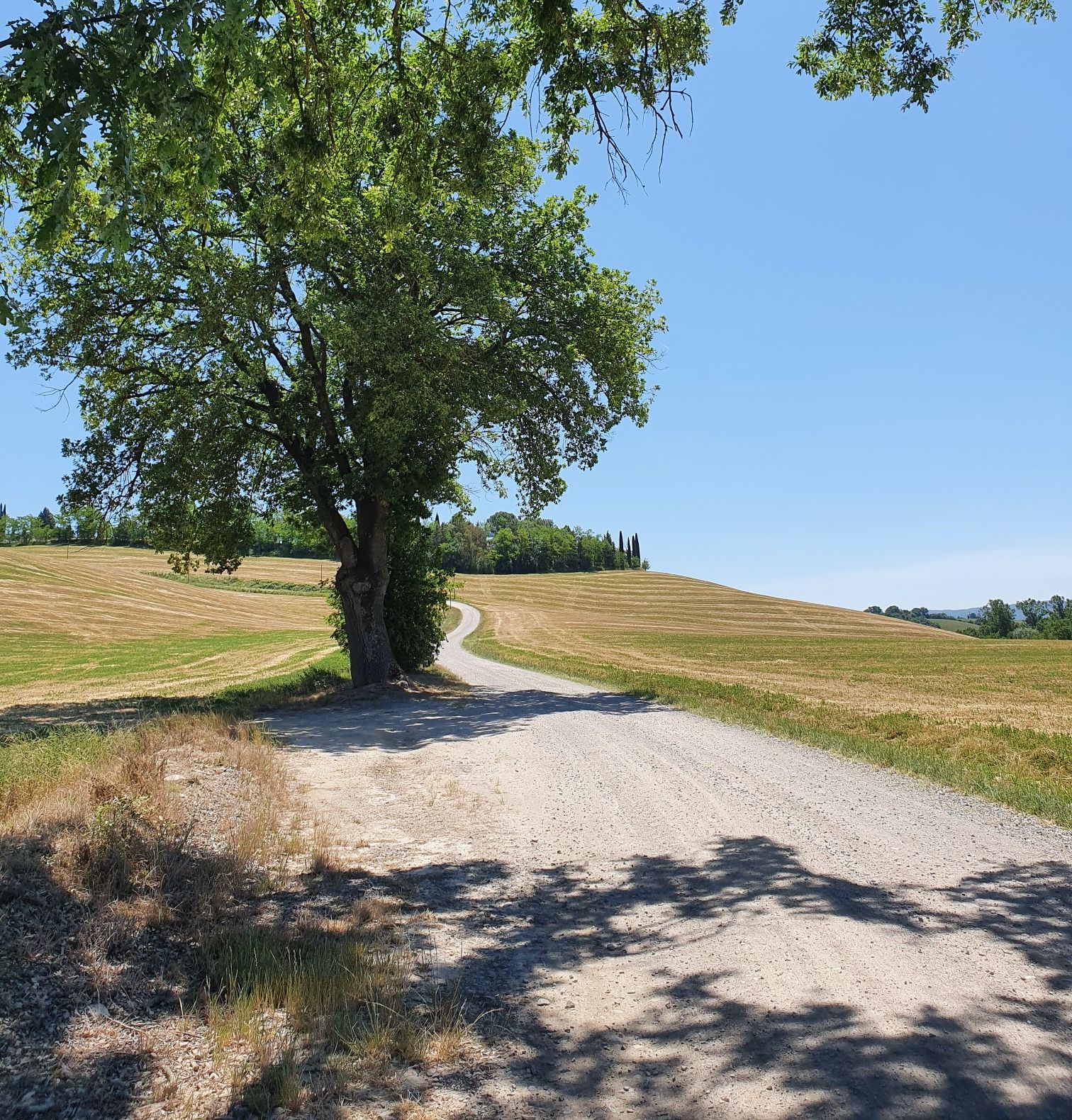
Ciclovia dei due mari - By bike from the Tyrrhenian Sea to the Adria
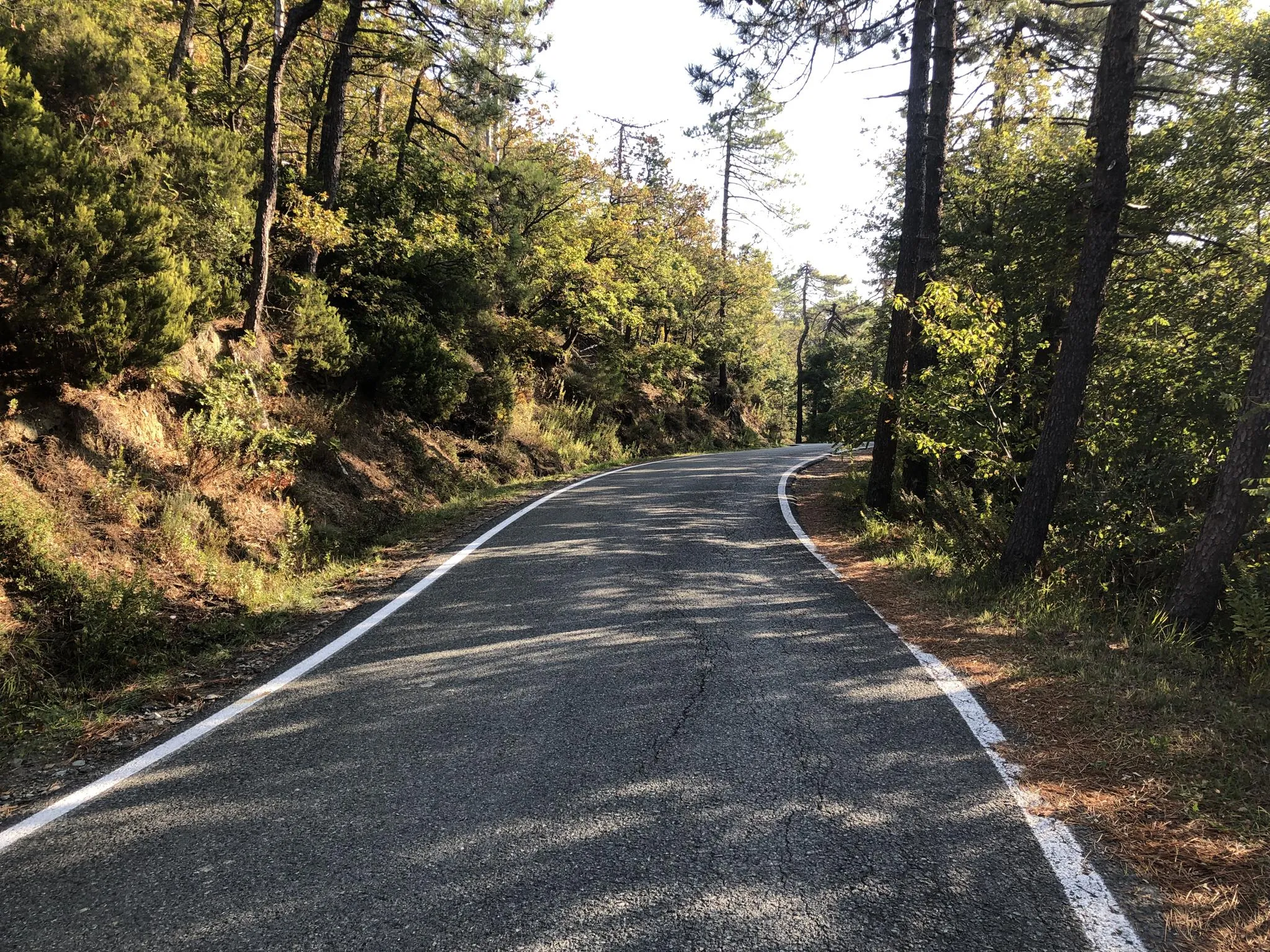
Apennine Cycle Route (Part 1) - From Liguria to Umbria
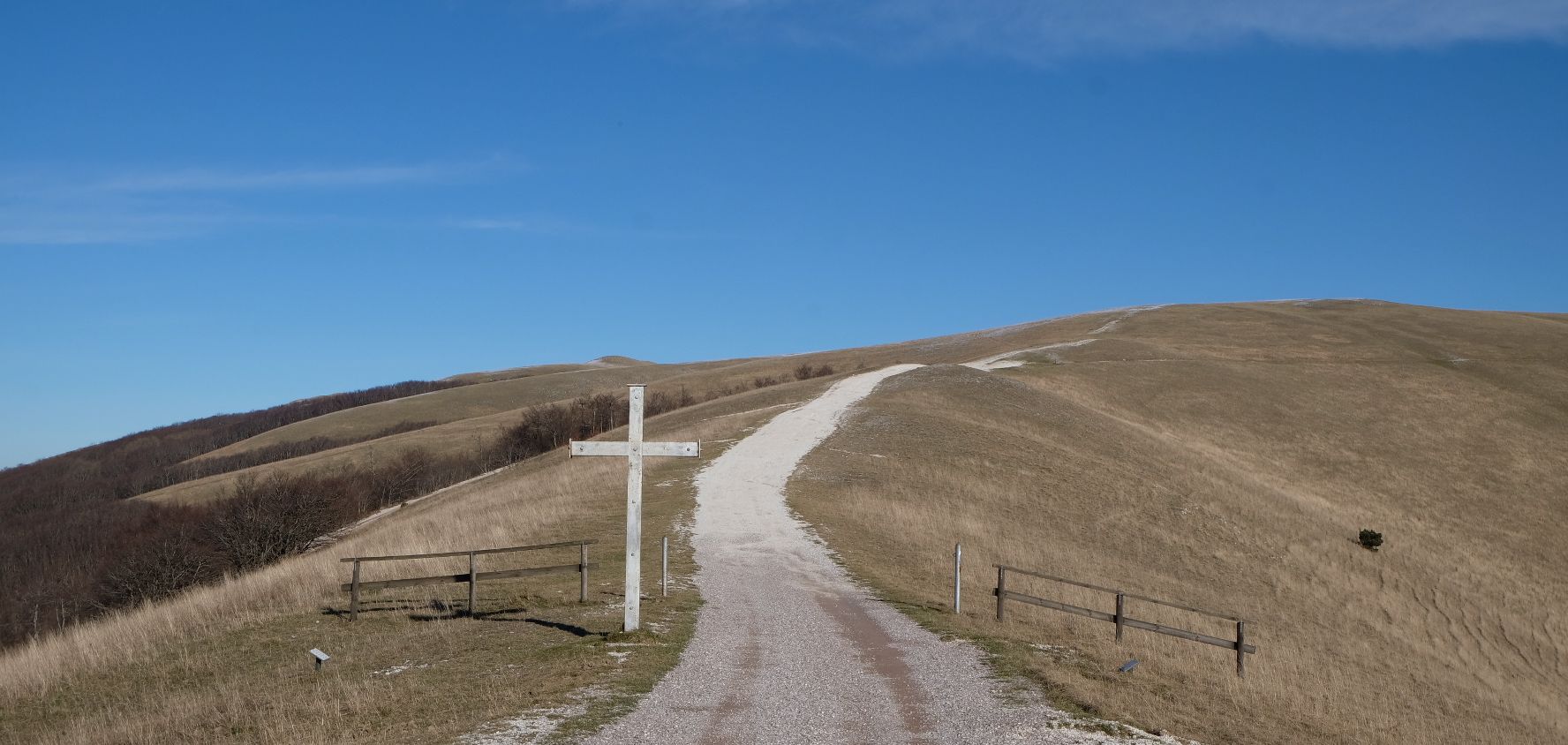
In the footsteps of St. Francis - Cammino di Assisi
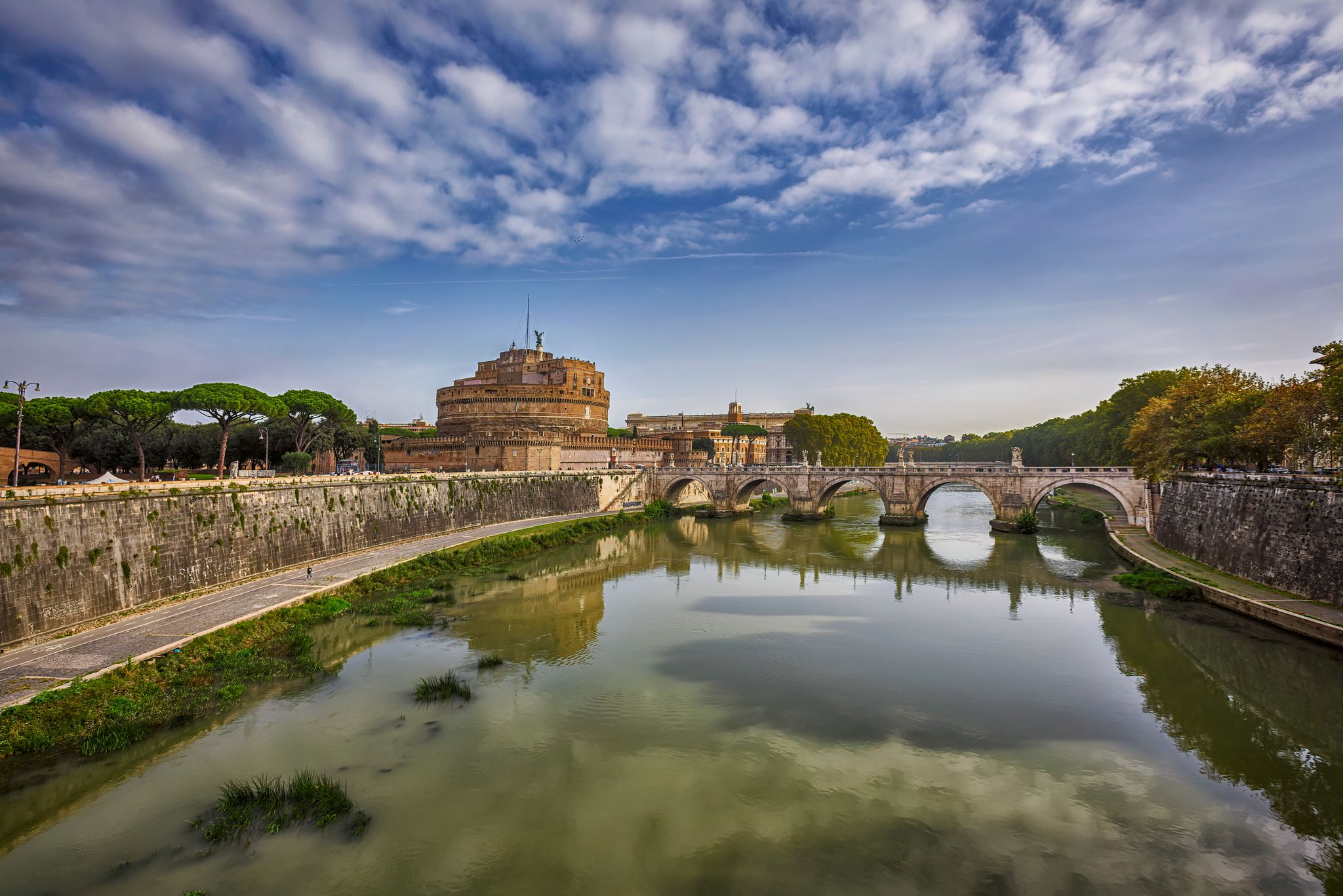
All roads lead to Rome – Romea Tiberina Cycleway
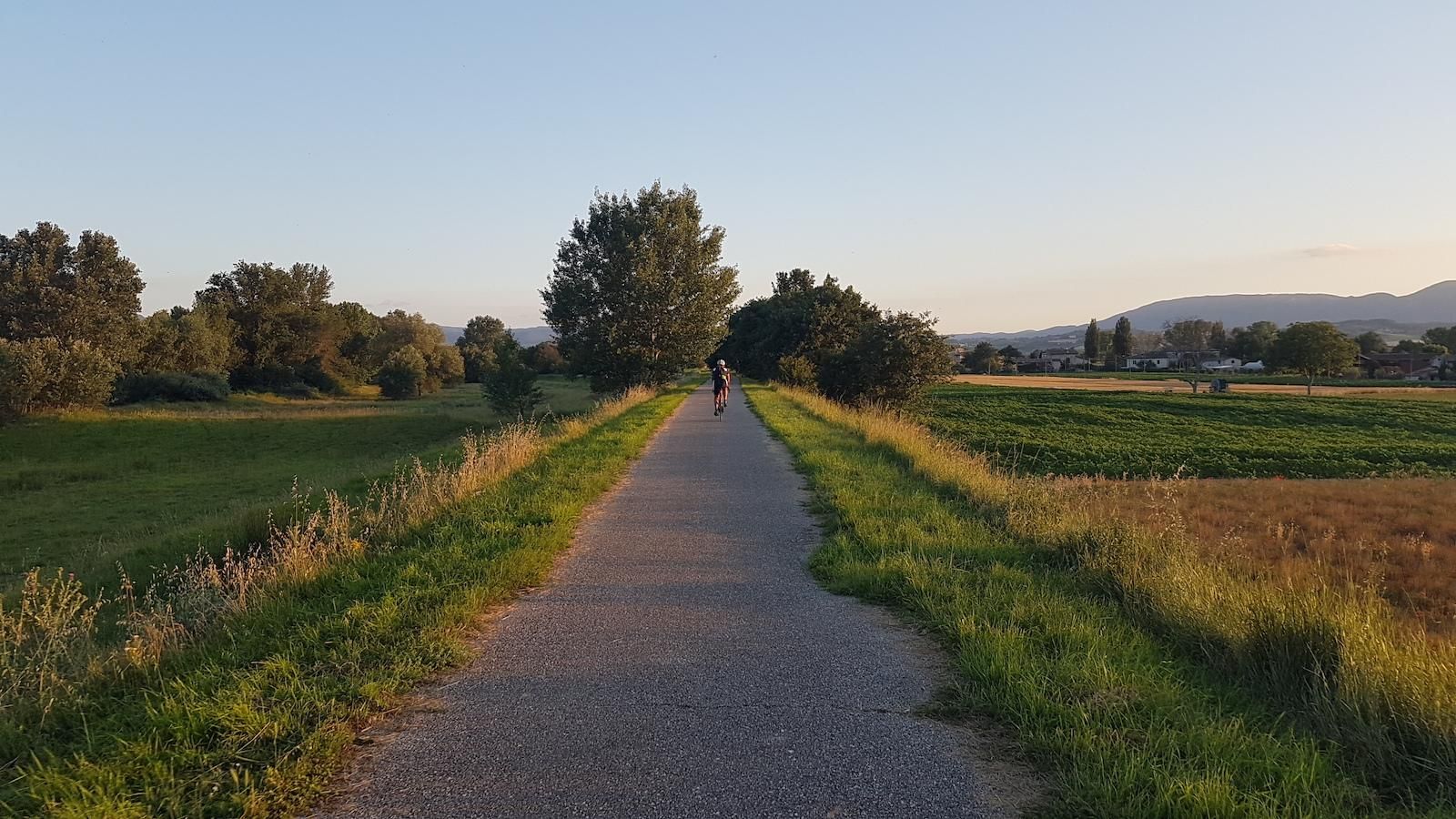
Ride St Francis Way in Italy – Via del Sud pilgrimage
Other adventures in Perugia


Tips from the Community

I remind everyone of the danger in the presence of children (and not only), that the fence has fallen, giving people the ability to lean dangerously, with the possibility of falling several meters.
1
0
SEA VIEW... Wonderful 😍!
0
0

The tunnel is pretty bad. It looks like a set from "The Walking Dead" but it allows you to avoid a road tunnel on the highway. However, the end of the tunnel leads to emerging back on the highway. It depends on whether the spooky environment or the highway is scarier.
0
0

altar of the Tau
1
0

Eremo delle Carceri, the resting place of St. Francis, Assisi The Eremo delle Carceri is a pilgrimage site located in the dense forest of Monte Subasio, about 4 km from Assisi and at an altitude of 800 m. St. Francis and his first brothers imprisoned themselves for devotion, living a simple life, and praying more devoutly. The word "carceri," which may be confusing, does not mean "prison" but comes from the Latin "carcer," meaning a solitary, isolated place. This is where the term "carcerare" comes from, referring to monks and describing their practice of retreating to pray as hermits. In 1215, Benedictine monks donated the Eremo delle Carceri to Saint Francis, which became one of the most important places in his life: Immersed in a quiet, peaceful, centuries-old holm oak forest, Saint Francis followed his calling here and learned to pray devoutly. The Grotto of Saint Francis, among stories and legends Through a narrow passage, one reaches the Grotto of Saint Francis, where, according to the history of Francis of Assisi, the saint experienced his first true meditation and became a different person. Another story is that of Saint Rufinus, a companion of Saint Francis who managed to resist the devil. It is said that the hole in the grotto floor was caused by the devil when he was defeated and sank into the abyss. Many mistakenly believe that St. Francis's famous sermon to the birds took place here, but historical sources definitively link the legend to Piandarca, a town in the municipality of Cannara. Text / Source: Umbria Tourism.it https://www.umbriatourism.it/de/-/eremo-delle-carceri-der-ruheort-des-heiligen-franziskus
14
0
Hermitage of the Prisons, Assisi The Shrine of the Hermitage of the Prisons An ancient Franciscan shrine on Monte Subasio, 4 km from Assisi and 800 meters above sea level, in the heart of a forest of centuries-old holm oaks, is one of the Franciscan shrines guarded by the Friars Minor of the Seraphic Province of Saint Francis of Assisi. The word "carcere" does not mean "prison": it comes from the Latin "carcer," meaning a remote, solitary place, therefore suitable for the life of prayer. Francis, his companions, and, after them, the friars, came here for some prayers. Hermitage of the Prisons, Via Eremo delle Carceri, 38, 06081 Assisi PG, Italy Text/Source: SERAPHIC PROVINCE OF ST. FRANCIS OF ASSISI OF THE UMBRIAN FRIES MINOR https://www.santuarioeremodellecarceri.org/
14
0
Eremo delle Carceri, the resting place of St. Francis, Assisi The Eremo delle Carceri is a pilgrimage site located in the dense forest of Monte Subasio, about 4 km from Assisi and at an altitude of 800 m. St. Francis and his first brothers imprisoned themselves for devotion, living a simple life, and praying more devoutly. The word "carceri," which may be confusing, does not mean "prison" but comes from the Latin "carcer," meaning a solitary, isolated place. This is where the term "carcerare" comes from, referring to monks and describing their practice of retreating to pray as hermits. In 1215, Benedictine monks donated the Eremo delle Carceri to Saint Francis, which became one of the most important places in his life: Immersed in a quiet, peaceful, centuries-old holm oak forest, Saint Francis followed his calling here and learned to pray devoutly. The Grotto of Saint Francis, among stories and legends Through a narrow passage, one reaches the Grotto of Saint Francis, where, according to the history of Francis of Assisi, the saint experienced his first true meditation and became a different person. Another story is that of Saint Rufinus, a companion of Saint Francis who managed to resist the devil. It is said that the hole in the grotto floor was caused by the devil when he was defeated and sank into the abyss. Many mistakenly believe that St. Francis's famous sermon to the birds took place here, but historical sources definitively link the legend to Piandarca, a town in the municipality of Cannara. Text / Source: Umbria Tourism.it https://www.umbriatourism.it/de/-/eremo-delle-carceri-der-ruheort-des-heiligen-franziskus
15
0
Hermitage of the Prisons, Assisi The Shrine of the Hermitage of the Prisons An ancient Franciscan shrine on Monte Subasio, 4 km from Assisi and 800 meters above sea level, in the heart of a forest of centuries-old holm oaks, is one of the Franciscan shrines guarded by the Friars Minor of the Seraphic Province of Saint Francis of Assisi. The word "carcere" does not mean "prison": it comes from the Latin "carcer," meaning a remote, solitary place, therefore suitable for the life of prayer. Francis, his companions, and, after them, the friars, came here for some prayers. Hermitage of the Prisons, Via Eremo delle Carceri, 38, 06081 Assisi PG, Italy Text/Source: SERAPHIC PROVINCE OF ST. FRANCIS OF ASSISI OF THE UMBRIAN FRIES MINOR https://www.santuarioeremodellecarceri.org/
16
0
Frequently Asked Questions
What are some of the most significant natural caves to visit near Perugia?
The most significant natural cave system near Perugia is the Grotta di Monte Cucco, located within the Monte Cucco Park. It's one of Italy's most extensive karst complexes, featuring impressive stalactites, stalagmites, and vast chambers. Additionally, the renowned Frasassi Caves in the neighboring Marche region are frequently visited due to their grandeur and proximity to Umbria.
Are there any historical or religious caves worth exploring in the Perugia area?
Yes, the Hermitage of the Carceri near Assisi is a significant religious site, featuring the Grotto of Saint Francis, a place of prayer and meditation. For historical insights, the Faggeto Tomb is an Etruscan tomb excavated in sandstone. Perugia itself also has intriguing underground historical structures, including remnants of a 16th-century neighborhood beneath the Rocca Paolina fortress.
What unique geological features can I expect to see in the caves near Perugia?
The natural caves in the region, such as the Grotta di Monte Cucco and the Abbadessa Caves of Pale, showcase spectacular karst phenomena. You'll encounter impressive stalactites, stalagmites, columns, and other formations created by water eroding limestone over millennia. The Abbadessa Caves, in particular, are a karst phenomenon created by the Menotre River.
What is the best time of year to visit the caves near Perugia?
Caves generally maintain a constant temperature year-round, typically between 10°C and 15°C (50-59°F), making them a good destination in any season. However, visiting during spring or autumn allows for comfortable exploration of the surrounding natural parks and outdoor activities before or after your cave tour.
Are there guided tours available for the caves in the Perugia region?
Yes, guided tours are available for the major cave systems. The Grotta di Monte Cucco offers various guided tours, including a 'Discovery Route' and a longer 'Traverse Route.' The Frasassi Caves also provide equipped paths with railings and lighting for guided tourist routes. The Abbadessa Caves of Pale can be visited on Saturdays and Sundays with expert guidance.
What is the typical duration for exploring the major caves?
The duration varies by cave and tour type. For the Grotta di Monte Cucco, the 'Discovery Route' is about 3 hours, including an external walk and internal visit. The 'Traverse Route' is longer, around 4-5 hours. A guided visit to the Abbadessa Caves of Pale typically lasts about 30 minutes.
What should I wear when visiting caves in the Perugia area?
Given the constant cool temperatures inside caves (10-15°C), it's advisable to wear layers, including a light jacket or sweater, even in summer. Comfortable, sturdy walking shoes with good grip are essential, as paths can be damp or uneven.
Are the caves near Perugia suitable for families with children?
Many caves offer accessible routes suitable for families. The Grotta di Monte Cucco's 'Discovery Route' is generally family-friendly, and the sheer size of its rooms can help alleviate claustrophobia. The Frasassi Caves also have equipped paths designed for an easy tourist experience, making them suitable for most families.
What are the accessibility levels for different caves, including options for beginners?
The major tourist caves like Grotta di Monte Cucco and Frasassi Caves offer equipped paths and guided tours that are accessible for most visitors, including beginners. More adventurous caving routes are available at Monte Cucco for experienced individuals or beginners accompanied by qualified speleological guides. The Monte Cucco Parking Area is noted as wheelchair accessible, indicating some level of accessibility for the park itself.
What outdoor activities can I do near the caves in the Perugia region?
The areas surrounding the caves offer various outdoor activities. Near the Grotta di Monte Cucco, you can find hiking trails within the Monte Cucco Regional Park, such as the 'Monte Cucco da Val di Ranco' loop hike. For more options, explore the hiking routes in Perugia or consider cycling tours around Lake Trasimeno or in the Tevere Park.
Is parking available at the major cave attractions?
Yes, parking is generally available. For instance, the Monte Cucco Parking Area serves as a starting point for excursions to the Grotta di Monte Cucco. It's always recommended to check the specific cave's official website for detailed parking information and any potential fees.
Do I need a permit or to book in advance to visit the caves?
For popular caves like Grotta di Monte Cucco and Frasassi Caves, it is highly recommended to book guided tours in advance, especially during peak season, as visitor numbers might be limited. The official website for Monte Cucco provides booking information.
Most popular routes in Perugia
Most popular attractions in Perugia

Get inspired with the komoot mobile app


Didn’t find what you were looking for?
Discover more caves in Perugia region by region:
Explore more
Extend your search for the best caves by checking out these guides of the top ones in Perugia:
