Top 8 Castles in Braga
Best castles in Braga are found throughout the district, offering a blend of historical significance, architectural features, and panoramic views. The region is characterized by its rich medieval past, with fortifications that played crucial roles in Portugal's formation. Visitors can explore remnants of ancient defenses and well-preserved fortresses. These sites are often situated in scenic locations, providing insights into the area's cultural heritage.
Best castles in Braga
- The most popular castles is Palace of the Dukes of Braganza, a castle that is an imposing and well-kept medieval estate and former residence of the first Dukes of Braganza. Its construction began in the early 15th century and it is located in the historical center of Guimarães.
- Another must-see spot is Guimarães Castle Park, a mighty castle complex in a very well restored condition, dating back to the 10th century. It is classified as a national monument and a UNESCO World Heritage Site, known for its role in Portugal's early history.
- Visitors also love Castelo da Póvoa de Lanhoso, a visually striking medieval fortress perched atop Monte do Pilar. This castle has over 1000 years of history and offers commanding views of the surrounding landscape.
- Braga is known for its medieval fortresses, historical palaces, and ancient defensive structures. These include well-preserved castles, as well as significant keeps and city walls that tell the story of the region's past.
- The castles in Braga are appreciated by the komoot community, with more than 100 upvotes and over 120 photos shared by visitors.
Last updated: October 14, 2026
Palace of the Dukes of Braganza
Highlight • Castle
Tip by

Guimarães Castle Park
Highlight • Castle
Translated by Google •
Tip by

Sign up now to discover places like this
Get recommendations on the best single tracks, peaks, & plenty of other exciting outdoor places.
Church of São Miguel do Castelo
Highlight • Religious Site
Translated by Google •
Tip by

Esposende Lighthouse 🗽 and Castle 🏰
Highlight • Castle
Translated by Google •
Tip by

Vizela Castle
Highlight • Castle
Tip by

Portugal Was Born Here (Guimarães City Walls)
Highlight • Historical Site
Translated by Google •
Tip by
Médaillon of D. Afonso Henriques at the castle of Guimarães
Highlight • Monument
Translated by Google •
Tip by

Castelo da Póvoa de Lanhoso
Highlight • Castle
Translated by Google •
Tip by

Start today with a free account
Your next adventure awaits.
Popular around Braga
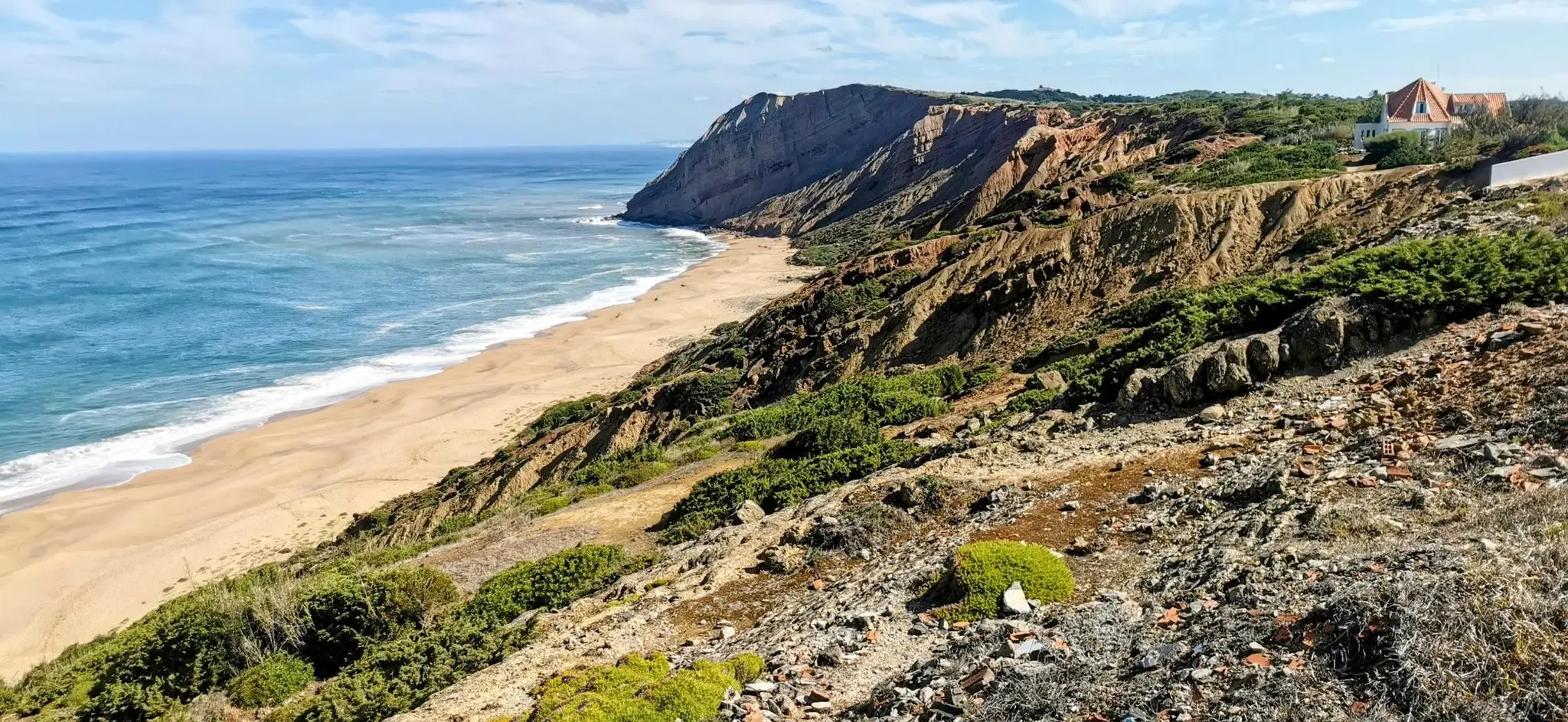
EuroVelo 1 Portugal – Cycle the Atlantic Coast
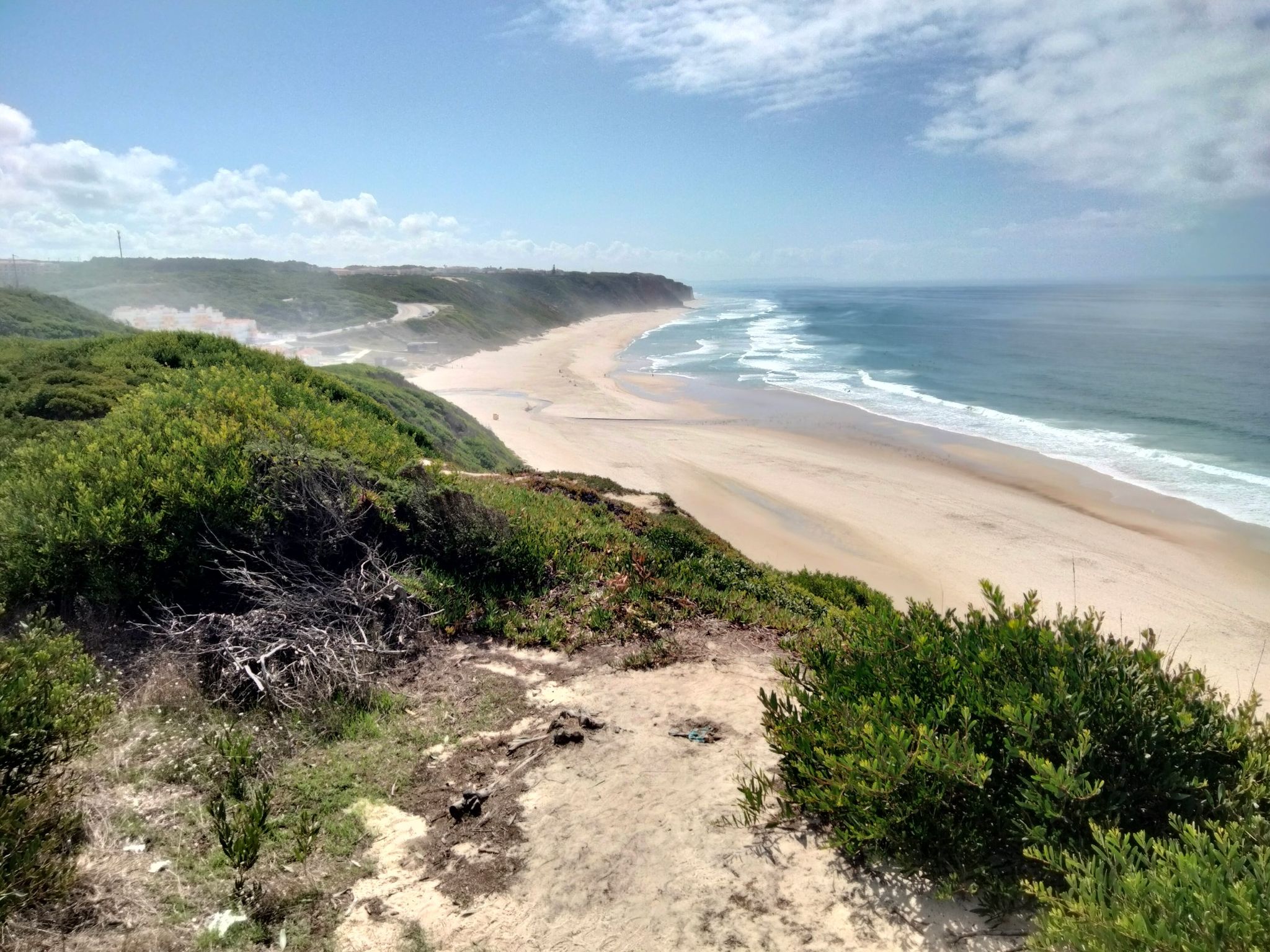
Portugal's Atlantic coast (north) – from Caminha to Lisbon
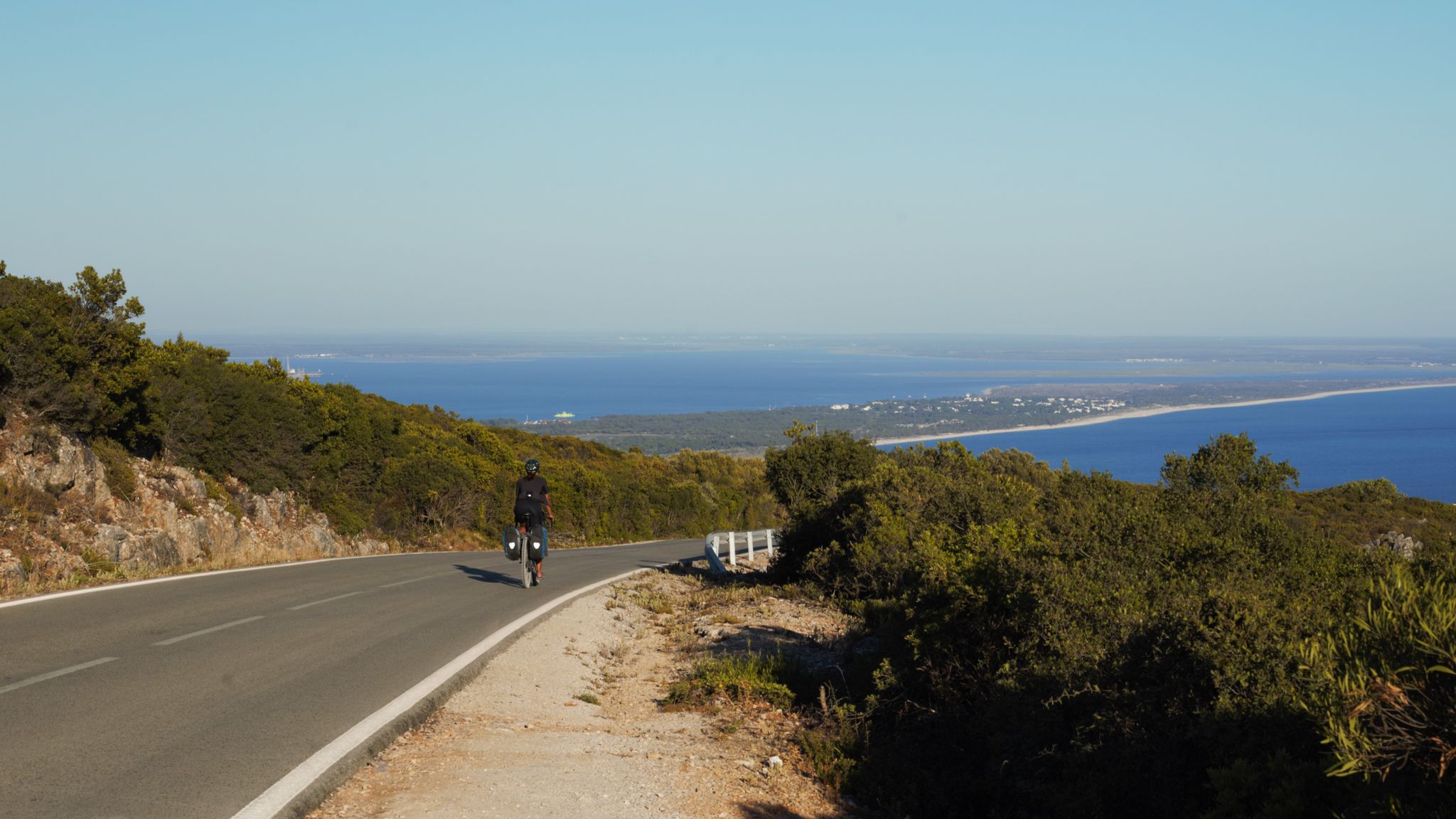
The breaking waves – cycle along the Atlantic coast of Portugal
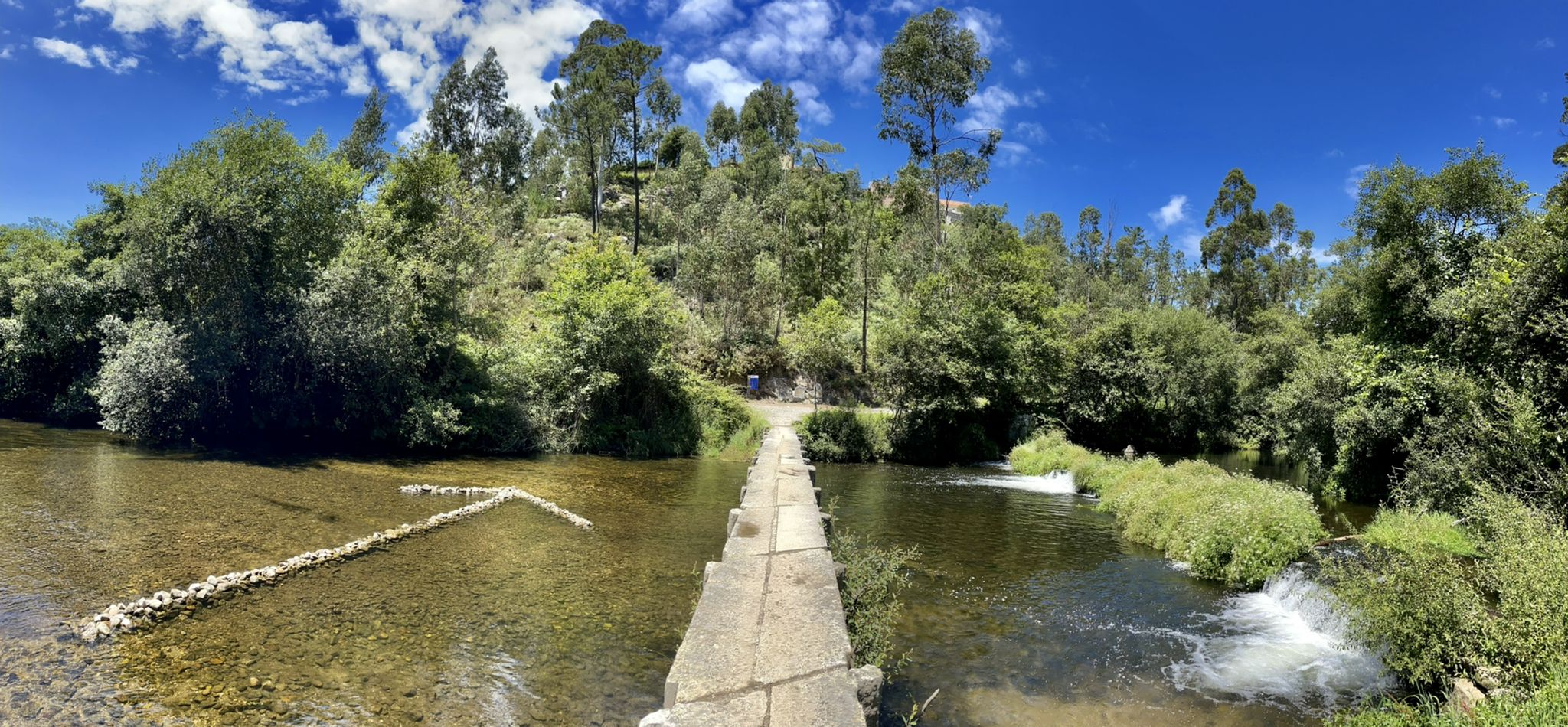
The challenge that knows no frontiers — Portuguese Coast Path
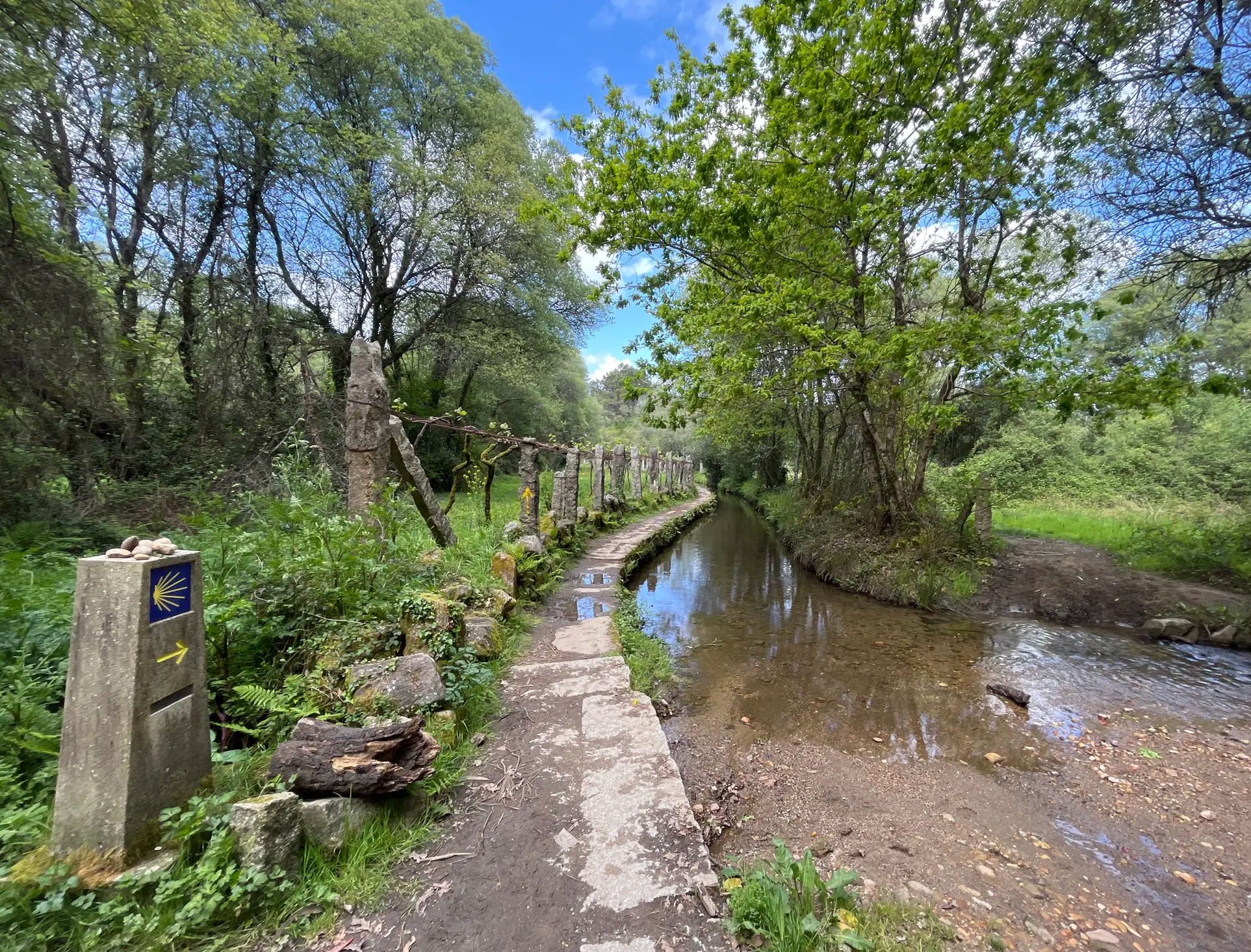
Na Rota dos Peregrinos – o Caminho Central Português
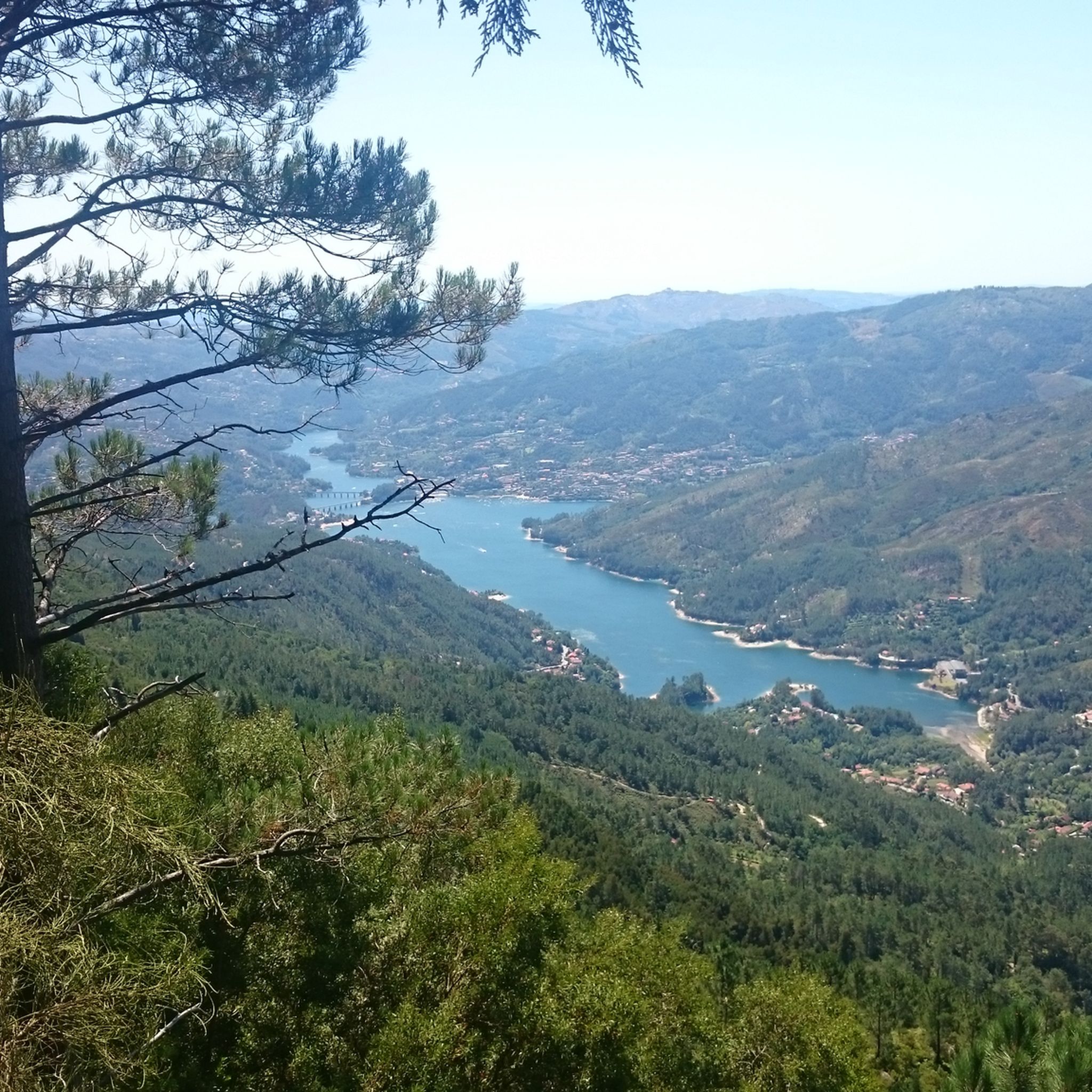
Hiking in Braga
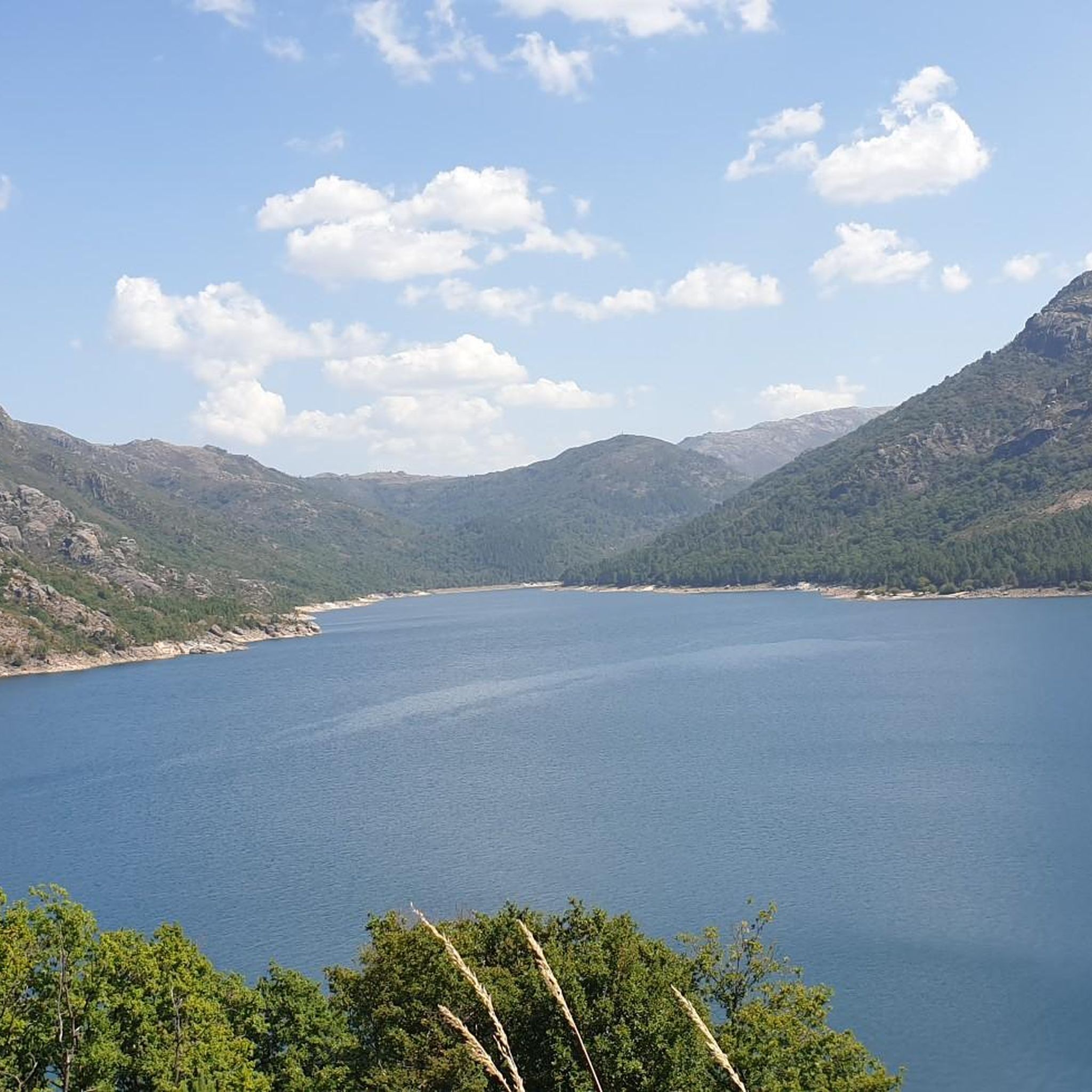
Running Trails in Braga
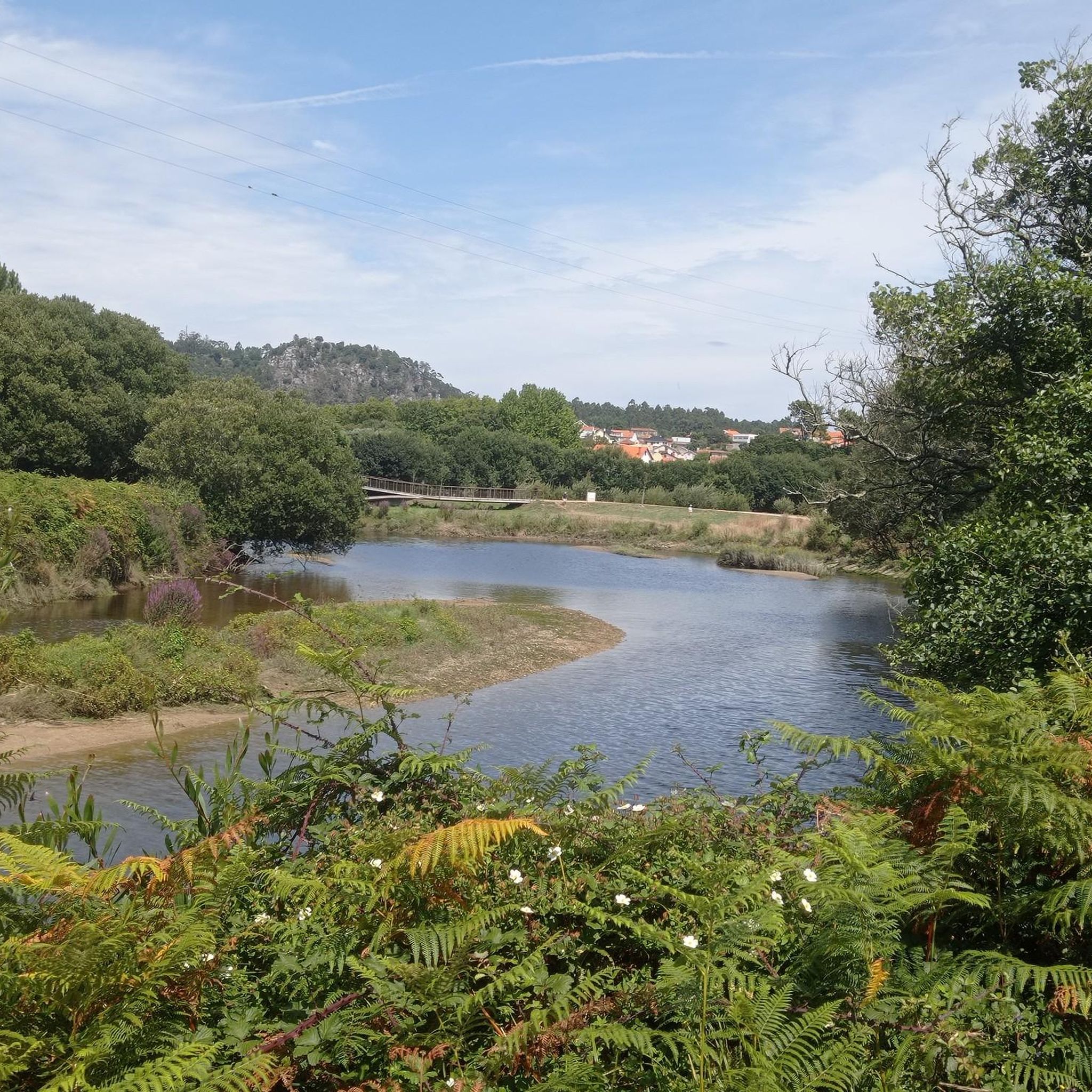
Cycling in Braga
Road Cycling Routes in Braga
MTB Trails in Braga
Other adventures in Braga


Tips from the Community

Both locations are within walking distance of each other and can be visited together, offering beautiful views and contact with local history and nature. The area is accessible and popular for walks along the waterfront and pier.
1
0
Fort of São João Baptista Location: The fort is located in the same area as the lighthouse, at the end of the beach, on the north side of the estuary. History: The fort was built in the 17th century to defend the coast and the mouth of the Cávado River. It lost its military function over the years. Current Use: The fort building currently houses a branch of the Esposende Coastal Interpretation Centre (CILE) and a terrace/bar. It offers a privileged view of the estuary, the ocean and the city.
1
0
Esposende Lighthouse (Our Lady of Agony) Location: Located on Rua Forte de São João Baptista, in Esposende. Characteristics: The tower is approximately 13 meters high and emits a red glow to guide local navigation. Function: It is a small lighthouse that assists navigation at the entrance to the Cávado Estuary, a location of great ecological importance. Visits: The lighthouse is not a tourist site with regular visits, but it can be observed from the outside.
1
0
The Esposende Lighthouse, officially called the Esposende Lighthouse of Our Lady of Agony, is located next to the São João Baptista Fort in the city of Esposende, Portugal. There is no "Esposende Castle" as such, but rather the São João Baptista Fort, which served defensive functions.
1
0

A site well worth seeing. It looks more impressive from a distance than up close.
1
0

A detailed plan of the complex with explanations can be found here: https://campanha.cmjornal.pt/portugal-monumental/
1
0
Bronze sculpture, was placed on this rock on the occasion of the 700th anniversary of his victorious liberation battle of Sao Mamede (1128).
0
0
"Aquí nasceu Portugal" - "Here Portugal was born" - is emblazoned in large letters on the old city wall. Afonso Henriques is said to have come from this small town. He courageously broke away from Spain in 1139, proclaiming himself the first king of Portugal and making Guimarães its first capital.
2
0
Frequently Asked Questions
What is the historical significance of the castles in the Braga region?
The castles in the Braga region are deeply intertwined with the formation of Portugal. For instance, Guimarães Castle Park is famously known as the 'birthplace of Portugal' and is associated with Afonso Henriques, the country's first king. The Castelo da Póvoa de Lanhoso also boasts over 1000 years of history, including its role in the Treaty of Lanhoso.
Are there family-friendly castles to visit near Braga?
Yes, several castles in the Braga region are suitable for families. Palace of the Dukes of Braganza and Guimarães Castle Park are both listed as family-friendly highlights, offering historical exploration that can engage children. While some areas might have steps, many parts are enjoyable for all ages.
What unique natural features can be found at these castles?
The Castelo da Póvoa de Lanhoso stands out for its dramatic location, perched atop Monte do Pilar, which is the largest granite monolith on the Iberian Peninsula. This offers unparalleled views and a sense of monumental scale amidst a beautiful rural landscape.
What outdoor activities can I do near the castles in Braga?
The region around Braga's castles offers various outdoor activities. You can find numerous easy hikes, such as the loop around Guimarães Castle. For more challenging adventures, there are running trails and road cycling routes available throughout the Braga district.
Which castle offers the best panoramic views of the region?
For sweeping panoramic views, the Castelo da Póvoa de Lanhoso is an excellent choice due to its elevated position on Monte do Pilar. Additionally, the Keep of Braga Castle, though largely a remnant, offers views of Braga city, and the Keep of Guimarães Castle provides vistas of the historic center of Guimarães.
What is the best season to visit the castles in the Braga area?
While castles can be visited year-round, spring (April-May) and autumn (September-October) generally offer the most pleasant weather for exploring the outdoor grounds and enjoying the scenic views without the intense heat of summer or the chill of winter. These seasons also tend to have fewer crowds.
How long does it typically take to visit the main castles?
Visiting a major site like Guimarães Castle Park and the nearby Palace of the Dukes of Braganza can easily take half a day or more to fully explore. For the Castelo da Póvoa de Lanhoso, plan for 2-3 hours, including time to enjoy the views. The Keep of Braga Castle can be a quicker visit, often combined with other city attractions.
Are there any lesser-known castles or historical sites worth exploring in the Braga district?
Beyond the prominent castles, the Braga district has other historical remnants. While largely demolished, the Keep of Braga Castle (Torre de Menagem) in the city center offers a glimpse into Braga's medieval past. You might also consider Vizela Castle or the Esposende Lighthouse and Castle for a different coastal perspective, though these are less grand than Guimarães or Lanhoso.
What are the accessibility options for visitors with wheelchairs at Braga castles?
Accessibility for wheelchairs can be limited at many medieval castles due to their historical architecture, which often includes steep paths, uneven terrain, and numerous steps. While some modern visitor centers or ground-level areas might be accessible, exploring the defensive walls or keeps of castles like Guimarães or Lanhoso may pose challenges. It's advisable to check specific site information for detailed accessibility guides.
Can I find cafes or restaurants near the castles?
Yes, you can typically find cafes and restaurants near the more popular castle sites. For example, the Palace of the Dukes of Braganza and Guimarães Castle Park are located in the historic center of Guimarães, which is well-equipped with dining options. The Castelo da Póvoa de Lanhoso also has a restaurant listed as one of its categories, and the Keep of Braga Castle is situated within the city, offering many choices nearby.
What makes Guimarães Castle so important to Portuguese history?
Guimarães Castle Park is considered the 'cradle of the nation' because it is strongly associated with the birthplace and early life of Afonso Henriques, who became Portugal's first king. It played a crucial role in the battles that led to Portugal's independence, making it a paramount historical site and a UNESCO World Heritage Site.
Are there any religious sites integrated within the castle structures?
Yes, the Castelo da Póvoa de Lanhoso notably includes the 16th-century Santuário de Nossa Senhora do Pilar built within its walls, adding a layer of religious and cultural interest to the medieval fortress. Near Guimarães Castle, you can also find the Church of São Miguel do Castelo, where Afonso Henriques is said to have been baptized.
Most popular routes in Braga
Most popular attractions in Braga

Get inspired with the komoot mobile app


Didn’t find what you were looking for?
Explore Braga’s best castles region by region:
Explore more
Looking for the best castles somewhere else? Discover other guides in Braga:
