Top 12 Castles in Santander
Castles in Santander offer a glimpse into the region's rich history and diverse architectural heritage. Located on Spain's northern coast, Santander is known for its blend of urban sophistication and natural beauty, including coastal landscapes and nearby mountains. The area features historical buildings and fortified sites that reflect its past as a strategic port and royal summer retreat. This region provides a unique combination of historical exploration and scenic surroundings.
Best castles in Santander
- The most popular castles is Magdalena…
Last updated: October 14, 2026
San Vicente de la Barquera
Highlight • Settlement
Translated by Google •
Tip by

Magdalena Palace
Highlight • Historical Site
Translated by Google •
Tip by

Sign up now to discover places like this
Get recommendations on the best single tracks, peaks, & plenty of other exciting outdoor places.
San Vicente de la Barquera Old Town and La Maza Bridge
Highlight • Historical Site
Translated by Google •
Tip by

Sobrellano Palace
Highlight • Castle
Showing Translation
Tip by

Venero Tower
Highlight • Castle
Translated by Google •
Tip by

Santa Ana Castle and Lighthouse
Highlight • Castle
Translated by Google •
Tip by

Velarde Palace (Plaza de las Arenas)
Highlight • Historical Site
Translated by Google •
Tip by
Puebla Vieja de Laredo
Highlight • Historical Site
Translated by Google •
Tip by
Corbanera Castle
Highlight • Castle
Translated by Google •
Tip by
Fuerte de San Carlos
Highlight • Historical Site
Translated by Google •
Tip by
Sign up for free to discover even more castles in Santander.
Already have an account?
Start today with a free account
Your next adventure awaits.
Popular around Santander
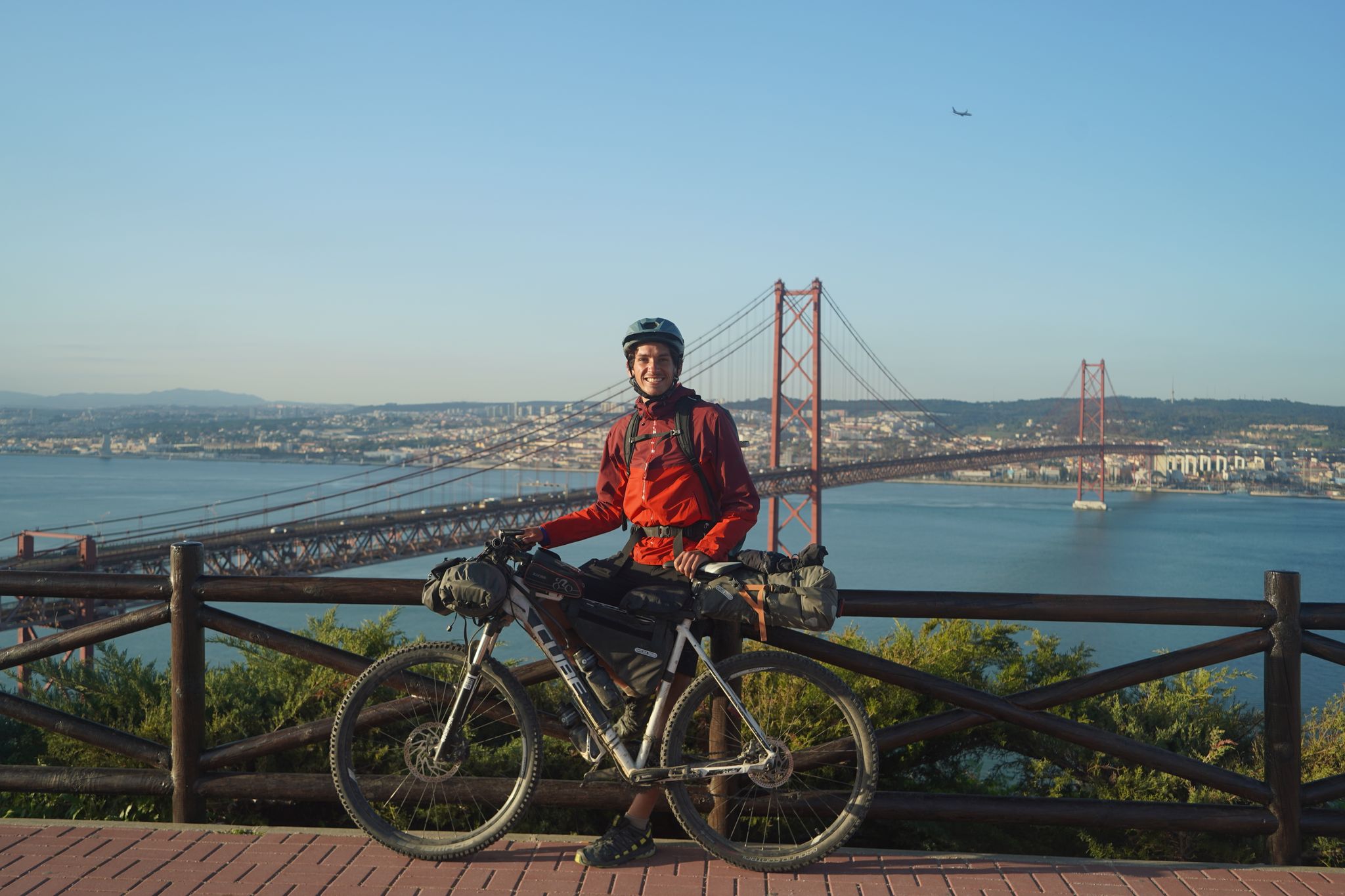
Road to Lisbon – bikepacking the Alps, Pyrenees and Picos de Europa
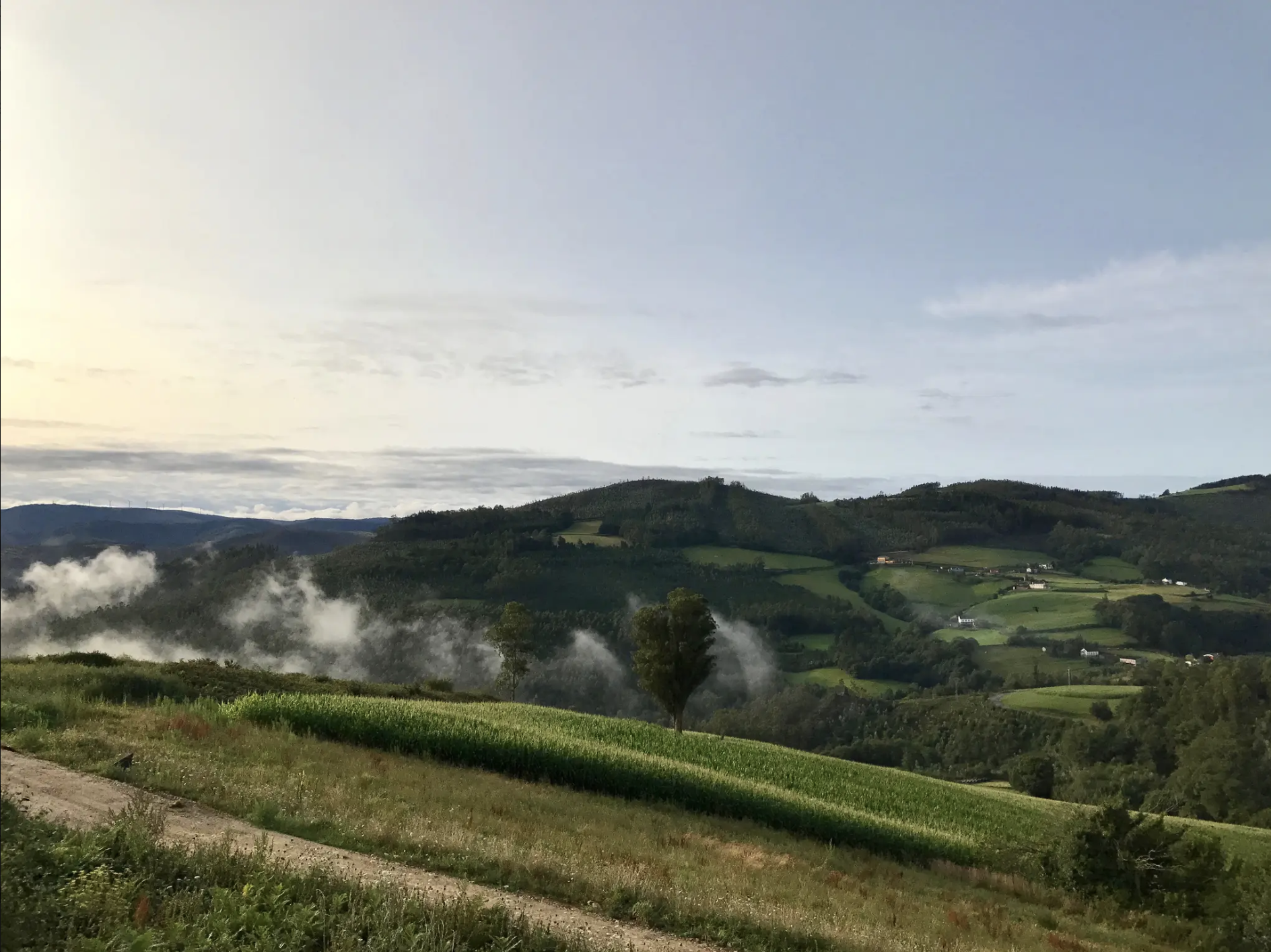
Camino del Norte (in reverse) – Discovering northern Spain's stunning coastline
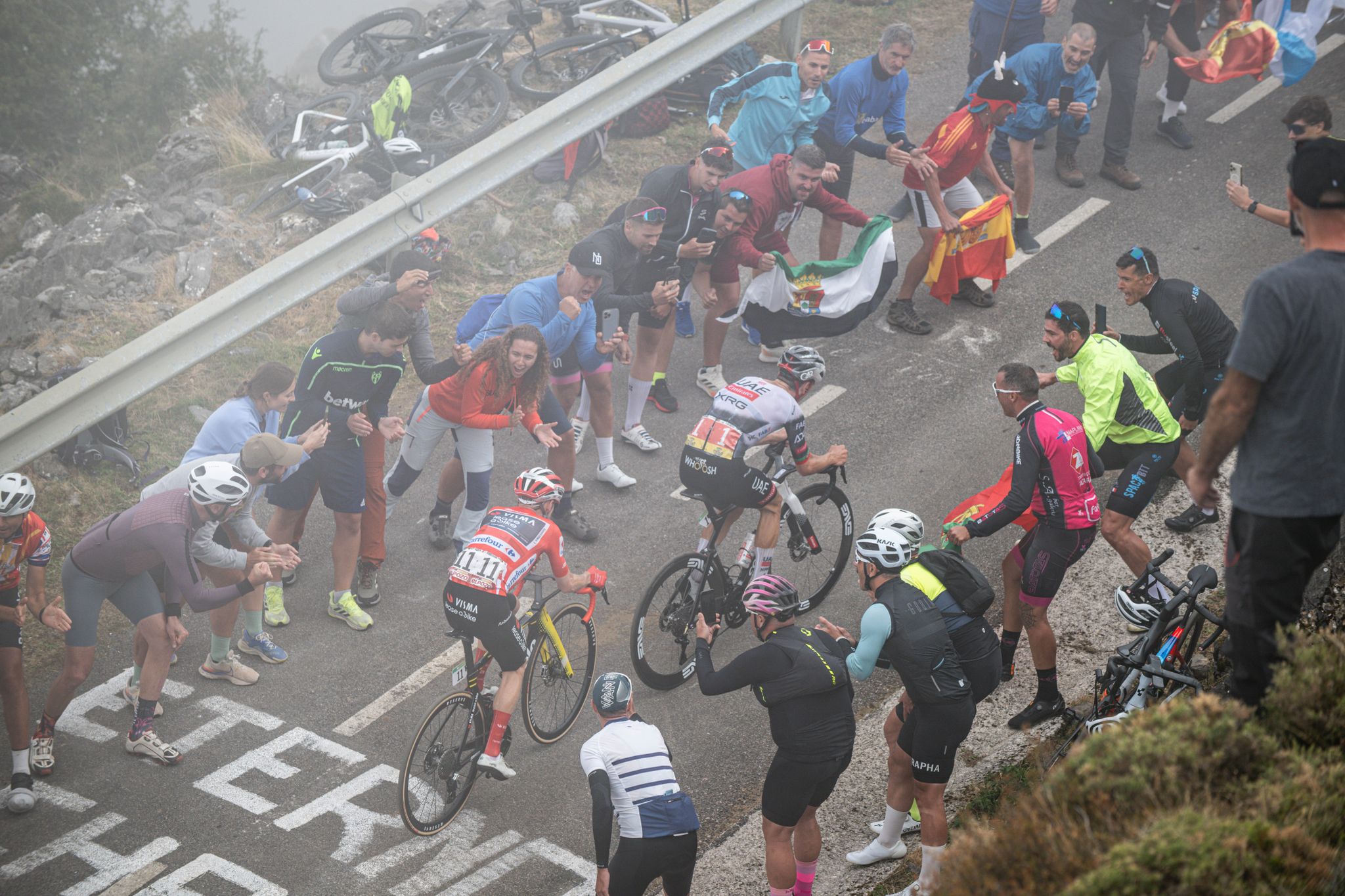
Mythical Passes and Sections of La Vuelta
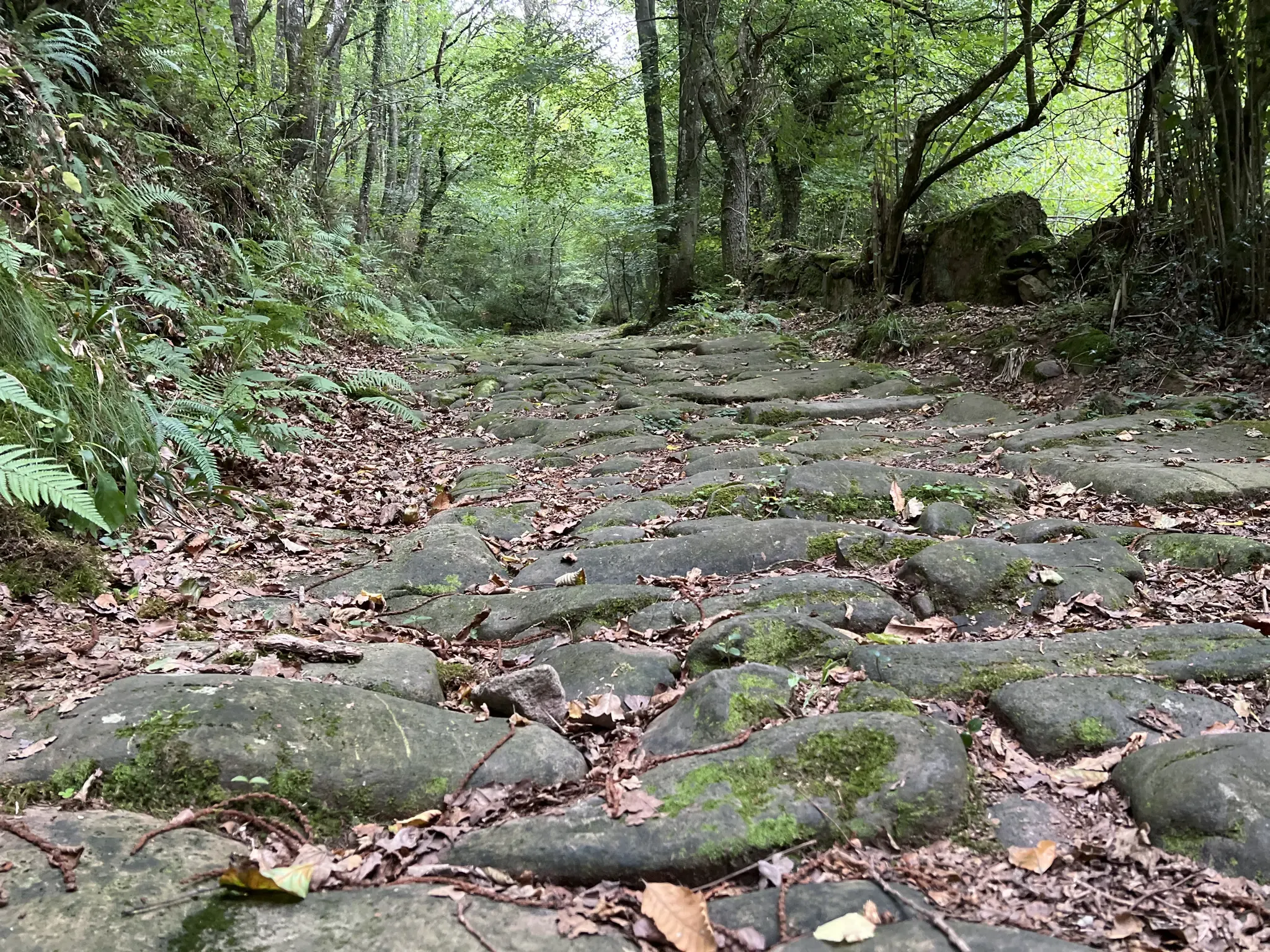
La Calzada de los Blendios (GR 73) — From the plateau to the sea
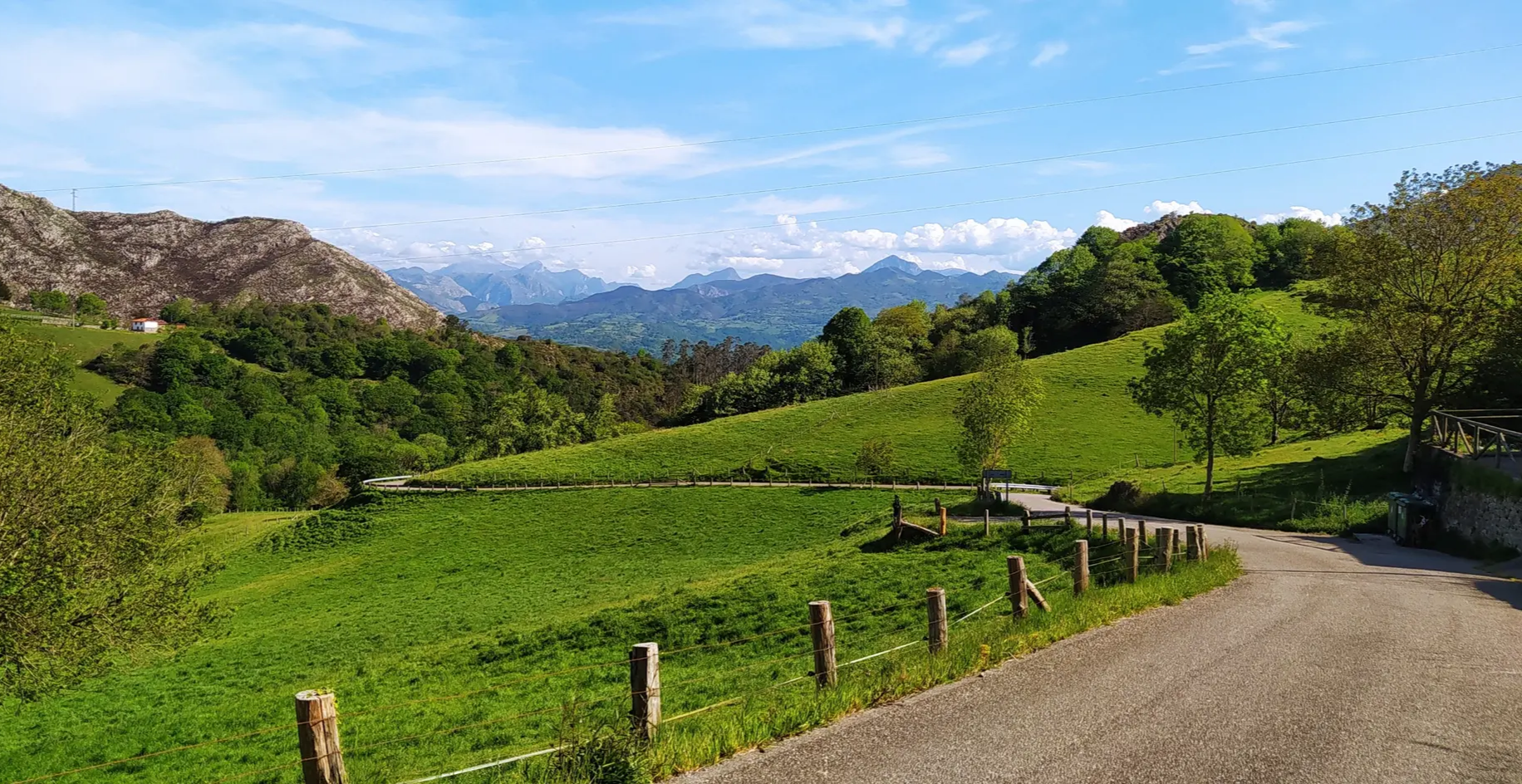
Great mountain passes of Picos de Europa on road bikes
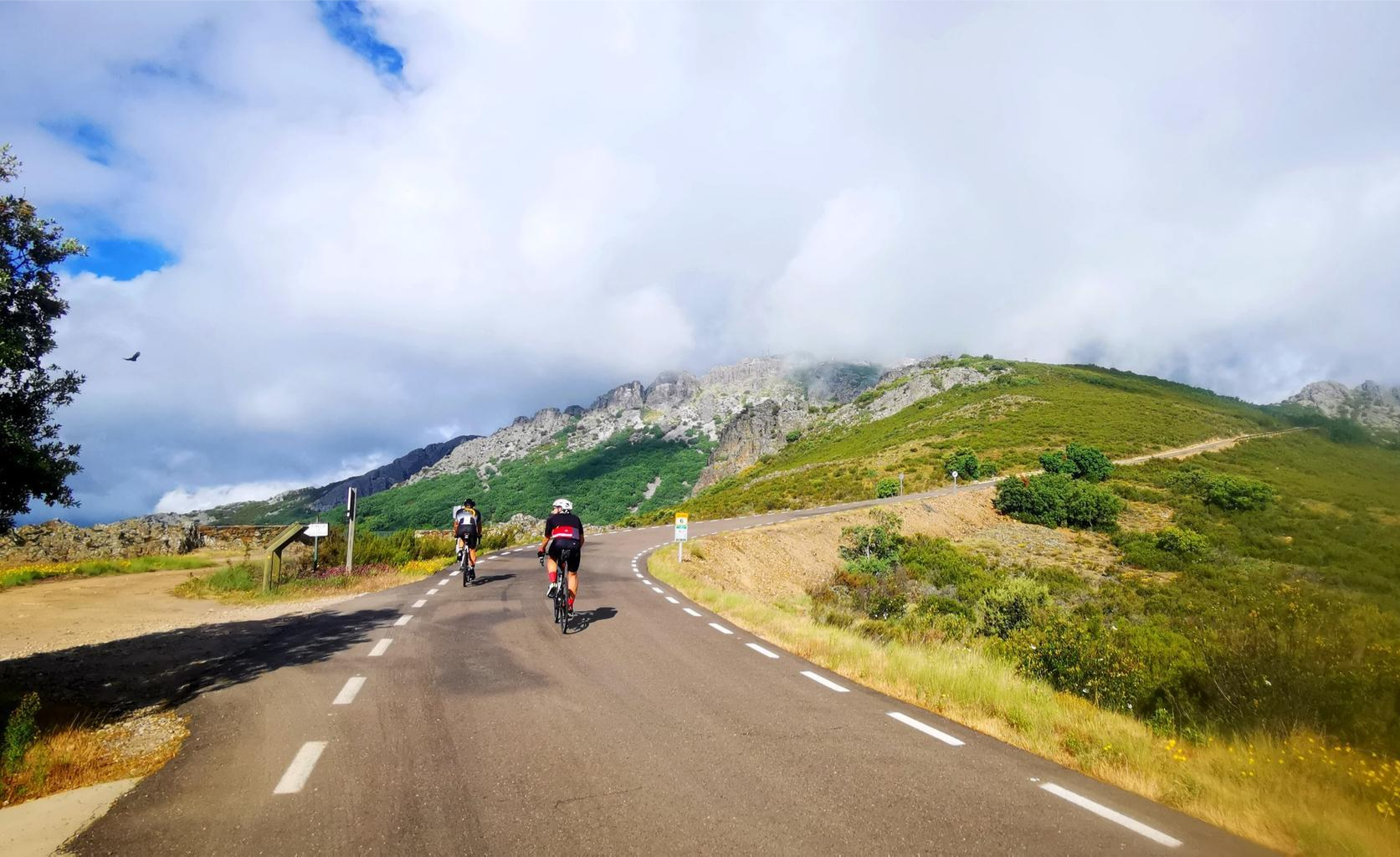
Legendary climbs - Ports of La Vuelta a España
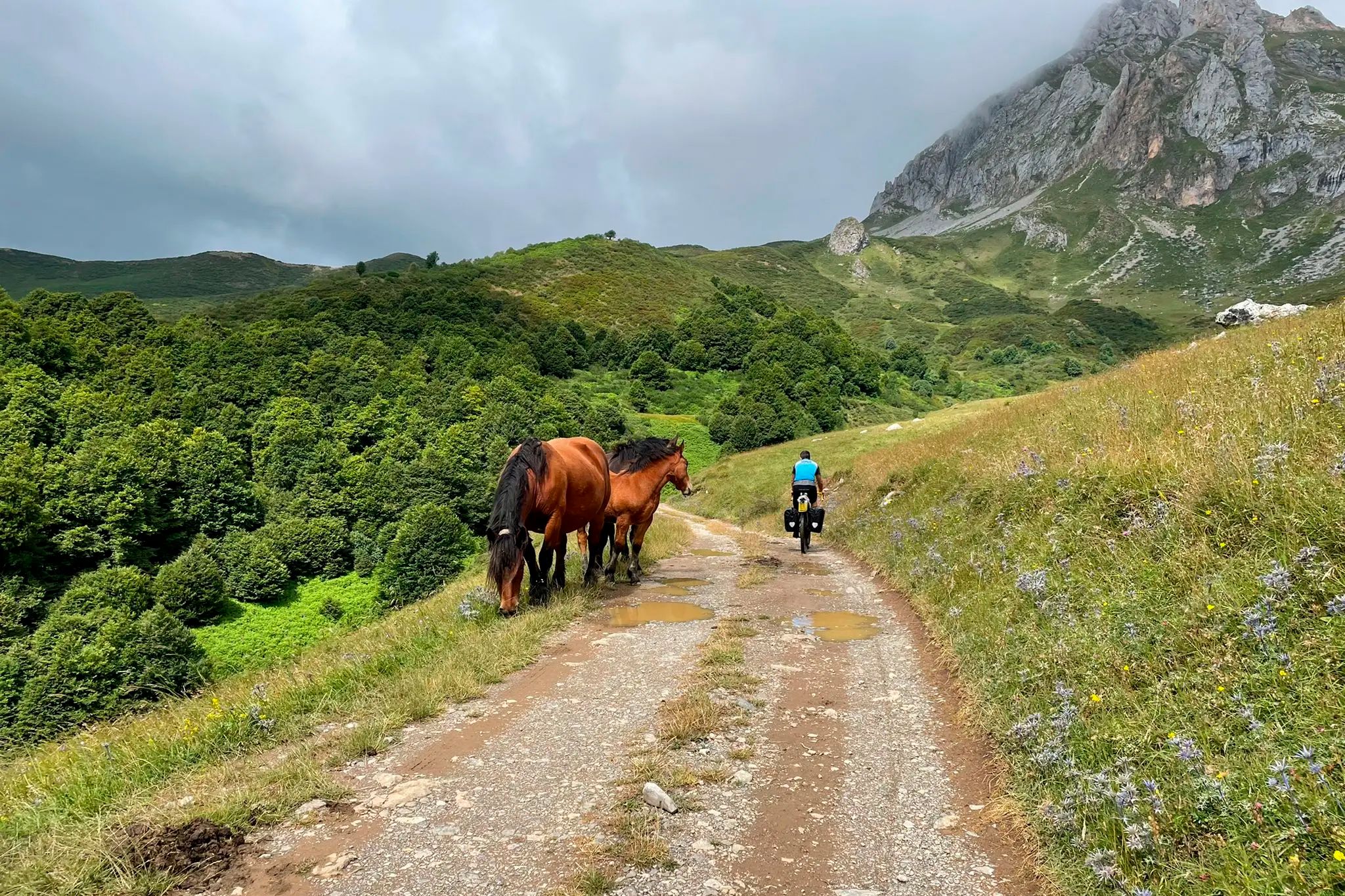
TransCantabrica – Extreme mountain biking in northern Spain
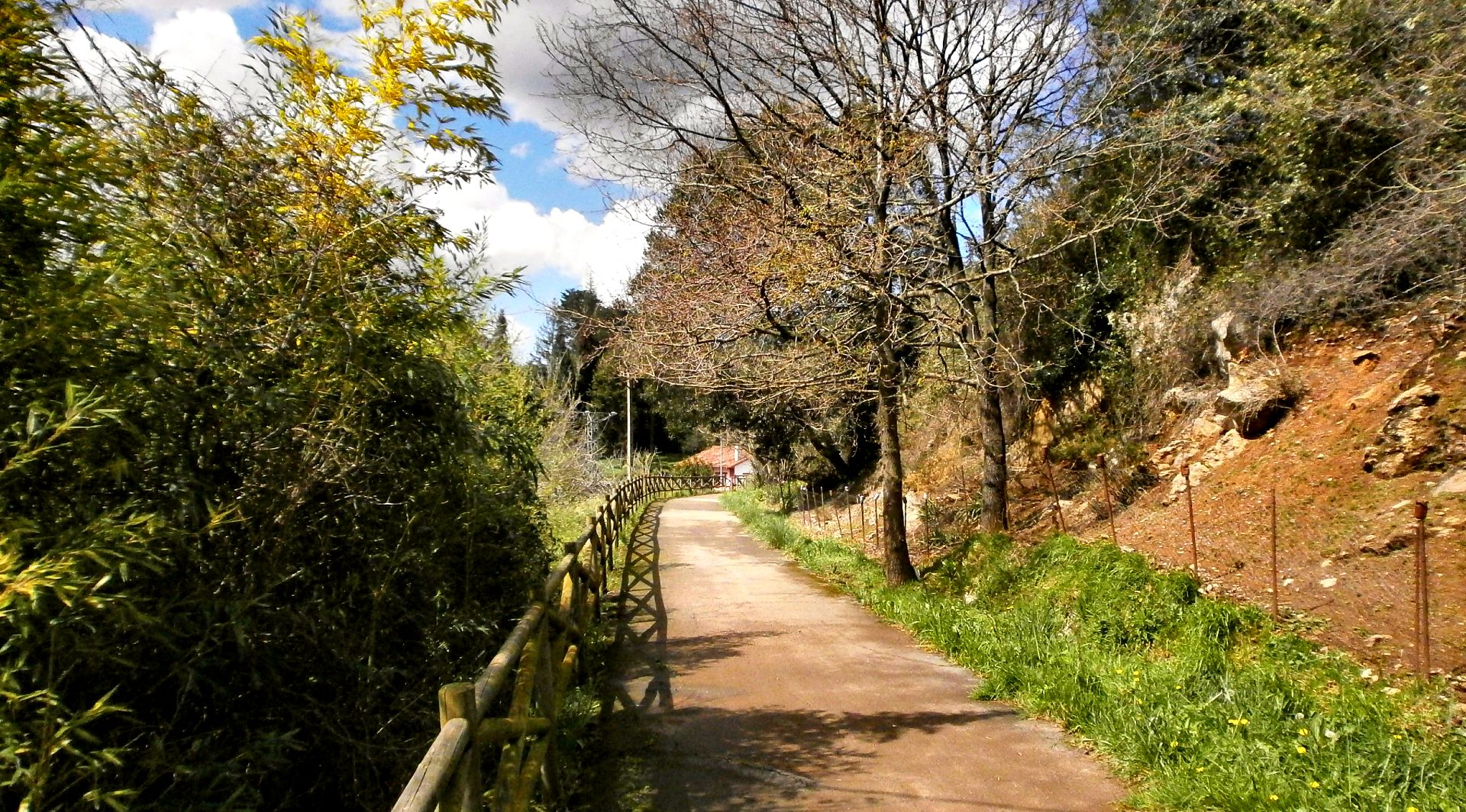
Vía Verde del Pas - Along the Riverbank through Cantabria
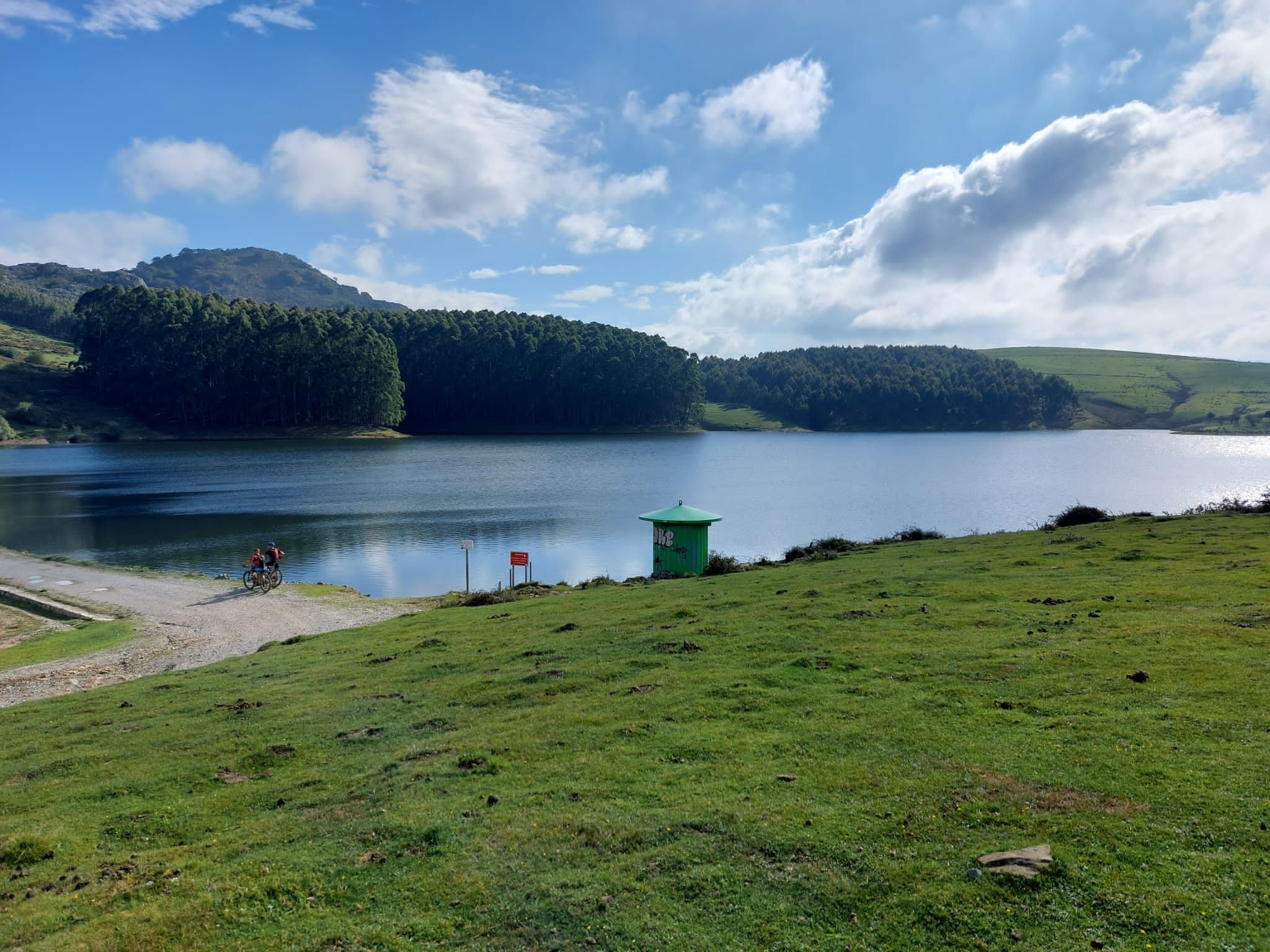
Cycle between land and sea in northern Spain – Pedales de Cantabria
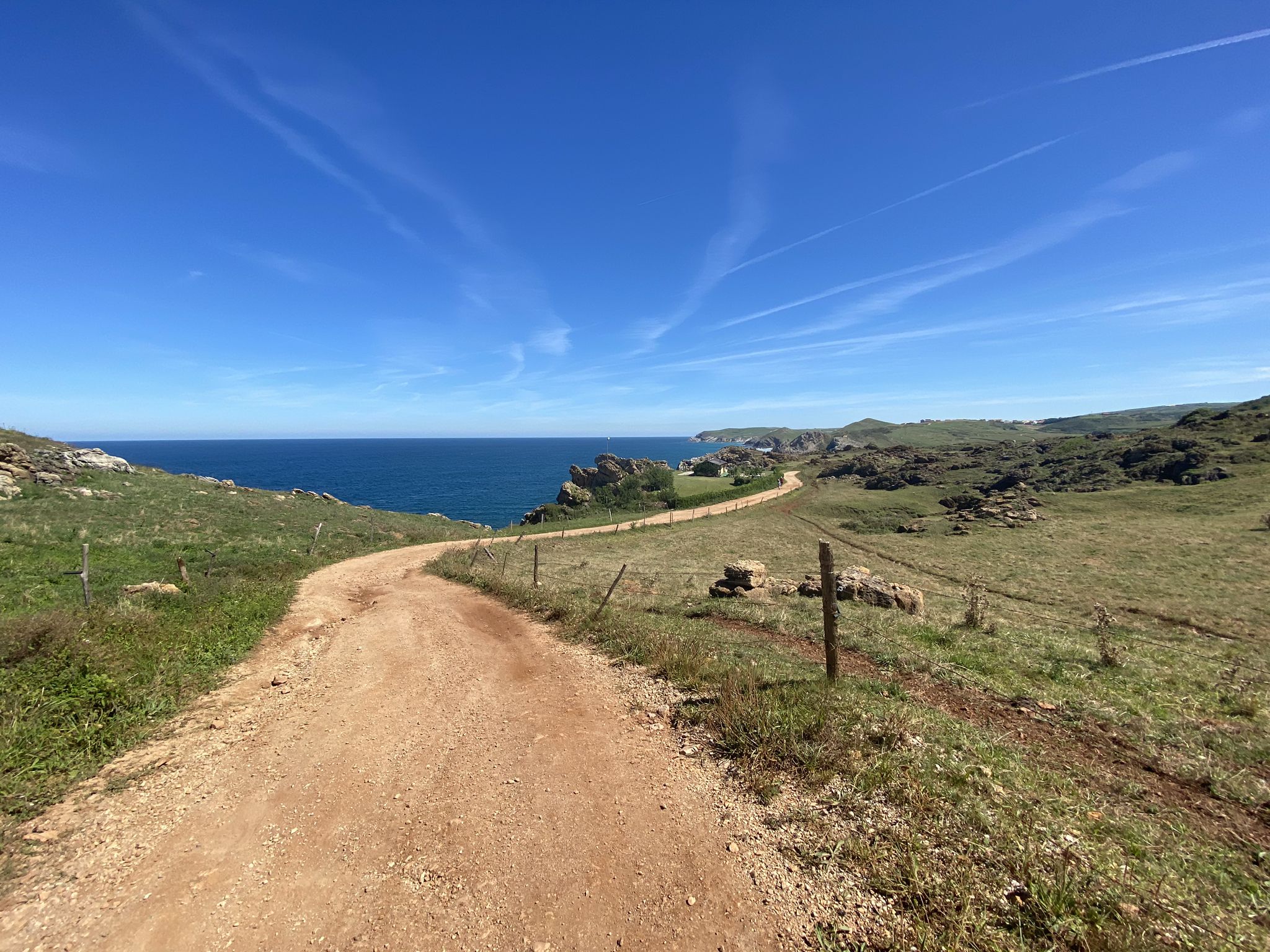
Paths and waves – surf trip by bike in Cantabria
Other adventures in Santander


Tips from the Community

As impressive as, or more so than, the nearby Fuente San Martín. The difference is that this one is not restored.
1
0

The Palacio de Sobrellano, also known as the Palacio del Marqués de Comillas, is one of the most important architectural jewels in Cantabria. It was built in the 19th century and stands out for its neo-Gothic style and its close connection with the Indian legacy and the Spanish aristocracy.
2
0

Be careful with the slope leading to the palace if you go up from Bikini Beach, it is short but very steep.
0
0
The old town of San Vicente de la Barquera and the Maza Bridge are two of the main tourist attractions of this picturesque fishing village in Cantabria. This historic center dates back to medieval times and is located in a privileged natural setting within the Oyambre Natural Park.
1
0

beautiful little old town in Laredo
0
0

Built in the early 20th century as a summer residence for the Spanish royal family, this stately palace is perched on a hill with panoramic views over the Bay of Santander. Surrounded by a beautiful park and the sea on three sides, it is one of the city's most iconic sites.
1
0

Picturesque lighthouse with medieval charm
0
0

Unfortunately only accessible as a group tour
1
0
Frequently Asked Questions
What kind of historical sites can I expect to find in Santander beyond traditional castles?
Beyond traditional castles, the Santander region offers a rich variety of historical buildings and fortified sites. You can explore majestic palaces like the Magdalena Palace, which served as a royal summer residence, or visit medieval complexes such as Puebla Vieja de Laredo with its ancient walls and beautiful houses. There are also historic lighthouses integrated into fortified structures, like the Santa Ana Castle and Lighthouse.
Which castles or historical sites offer the best views in the Santander region?
For impressive panoramic views, the Magdalena Palace, situated on the Magdalena Peninsula, is surrounded by extensive gardens offering beautiful cliff views. The Santa Ana Castle and Lighthouse also provides excellent vantage points, where on clear days, you can even see the Basque Country in the distance.
Are there family-friendly castles or historical sites to visit in Santander?
Yes, several sites are considered family-friendly. The Magdalena Palace is a great option, with its surrounding gardens and the Magdalena Peninsula offering additional attractions like an open-air marine park. The Santa Ana Castle and Lighthouse and the historic village of San Vicente de la Barquera are also suitable for families, offering historical exploration combined with scenic surroundings.
What is the best time to visit the castles and historical sites in Santander?
The best time to visit the castles and historical sites in Santander is generally during the spring (April to June) and early autumn (September to October). During these periods, the weather is pleasant, making it ideal for exploring the outdoor areas and gardens without the peak summer crowds. Summer (July and August) is also popular, especially for coastal sites, but can be busier.
Are there walking or hiking trails near the castles in Santander?
Yes, many historical sites are located in areas with excellent walking opportunities. The Magdalena Palace is on the Magdalena Peninsula, which features extensive gardens and walking paths with beautiful cliff views. For more extensive outdoor activities, you can find various routes nearby, including easy hikes like the Liencres Dunes Coastal Trail or the San Vicente de la Barquera circular route.
Can I find any medieval complexes or fortified villages in the Santander region?
Absolutely. The Puebla Vieja de Laredo is one of the most significant medieval complexes in Cantabria, featuring old doors, remnants of walls, and historic houses. Similarly, San Vicente de la Barquera is an impressive fishing village with remains of a medieval wall and a castle, offering a rich historical experience.
What unique architectural styles can be found among the palaces and castles in the area?
The region showcases diverse architectural styles. The Magdalena Palace is a notable example, blending English, French, Neo-Montañes, and Modernist styles. Further afield, the Sobrellano Palace in Comillas is a grandiose neo-Gothic building, featuring furniture designed by Antoni Gaudí and paintings by Eduardo Llorens.
Are there any castles or palaces that have been converted or are undergoing conversion?
Yes, the Velarde Palace in Santillana del Mar, an early Renaissance architectural gem, is currently slated for conversion into a hotel. While its interior may not be accessible during this process, its historical significance and exterior remain a notable landmark within the well-preserved medieval town.
What outdoor activities, like cycling, are available near these historical sites?
The Santander region offers various outdoor activities. For cycling enthusiasts, there are options like the Santander Coastal Trail or the more challenging Ebro Reservoir Loop. Gravel biking routes, such as the Gravel loop in Saja-Besaya natural park, are also available for those seeking adventure on two wheels.
What is the history behind the <a href="https://en.wikipedia.org/wiki/Palacio_de_la_Magdalena" target="_blank" rel="noopener">Magdalena Palace</a>?
The Magdalena Palace was constructed between 1909 and 1911 as a summer residence for the Spanish Royal Family, King Alfonso XIII and Queen Victoria Eugenia. Since 1932, it has also served as the seat for the Menéndez Pelayo International University's summer courses and hosts various events, making it a significant cultural and historical landmark.
Are there any castles that are also lighthouses?
Yes, the Santa Ana Castle and Lighthouse is a unique example. Dating back to 1163, this historic castle began functioning as a lighthouse in 1853. Visitors can explore its interior during specific hours and enjoy its dual role as a historical fortification and a navigational aid.
What do visitors particularly enjoy about the castles and palaces in Santander?
Visitors frequently praise the stunning views offered by sites like the Magdalena Palace and Santa Ana Castle. The blend of rich history, diverse architecture, and beautiful natural surroundings, especially the coastal landscapes, is highly appreciated. Many also enjoy the opportunity to combine historical exploration with walks in scenic gardens or along the coast.
Most popular routes in Santander
Most popular attractions in Santander

Get inspired with the komoot mobile app


Didn’t find what you were looking for?
Explore Santander’s best castles region by region:
Explore more
Looking for the best castles somewhere else? Discover other guides in Santander:
