Top 13 Castles in Palencia
Castles in Palencia offer a glimpse into the region's rich history, characterized by medieval battles, nobility, and strategic importance. The province, located in the Castilla y León region of Spain, features a diverse landscape of plains and hills. These historical sites are often situated on elevated positions, providing commanding views of the surrounding countryside. Palencia's castles reflect centuries of architectural evolution and historical events.
Best castles in Palencia
- The most popular castles is Castle of La Mota of Astudillo,…
Last updated: August 21, 2026
Castle of La Mota of Astudillo
Highlight • Castle
Translated by Google •
Tip by

Gama Castle
Highlight • Castle
Translated by Google •
Tip by

Sign up now to discover places like this
Get recommendations on the best single tracks, peaks, & plenty of other exciting outdoor places.
Sign up for free
Sarmiento Castle
Highlight • Castle
It is built of stone with large walls 60 meters high with a large keep.
Translated by Google •
Tip by
Astudillo
Highlight • Settlement
Translated by Google •
Tip by
Monzón de Campos Castle
Highlight • Castle
Translated by Google •
Tip by
Castillo de Aguilar de Campoo
Highlight • Castle
Translated by Google •
Tip by

Castillo de Hornillos de Cerrato
Highlight • Castle
Translated by Google •
Tip by

Castillo de Ampudia
Highlight • Castle
Translated by Google •
Tip by
Saldaña Historic Town Center and Castle Ruins
Highlight • Historical Site
Translated by Google •
Tip by
Castle of Belmonte de Campos
Highlight • Castle
Translated by Google •
Tip by
Sign up for free to discover even more castles in Palencia.
Sign up for free
Already have an account?
Start today with a free account
Your next adventure awaits.
Login or Signup
Popular around Palencia
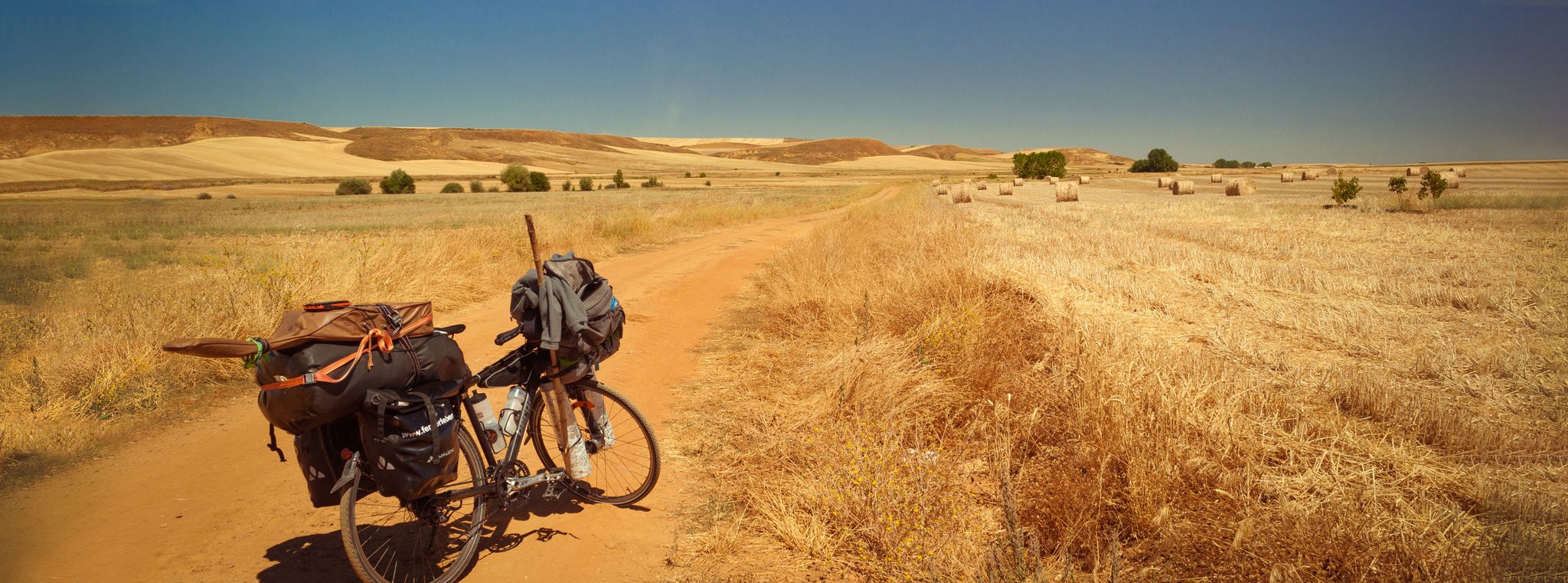
Camino Francés and Camino Finisterre – Cycling pilgrimages in Spain
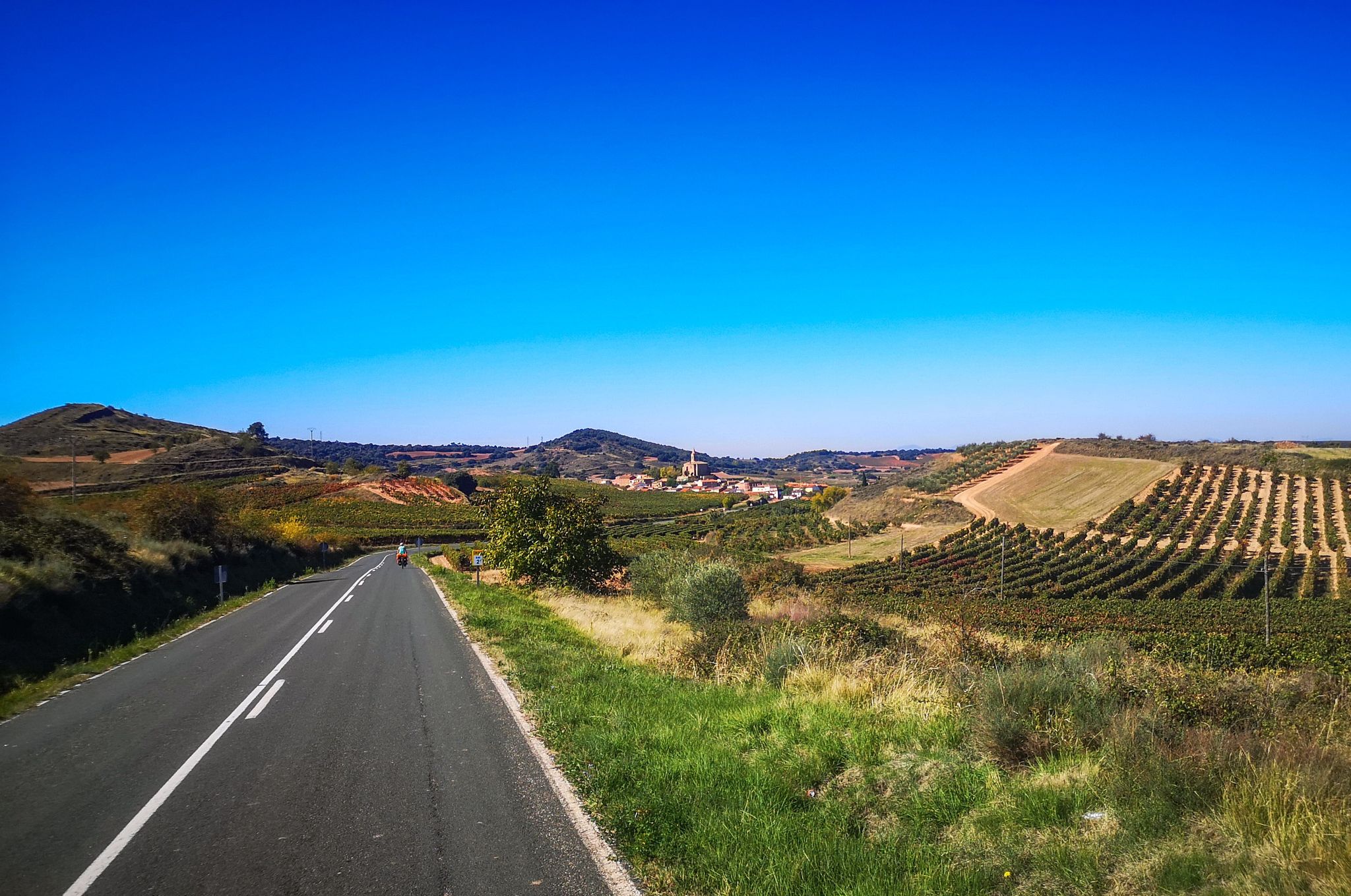
Santiago de Compostela – A journey through northern Spain (10 days)
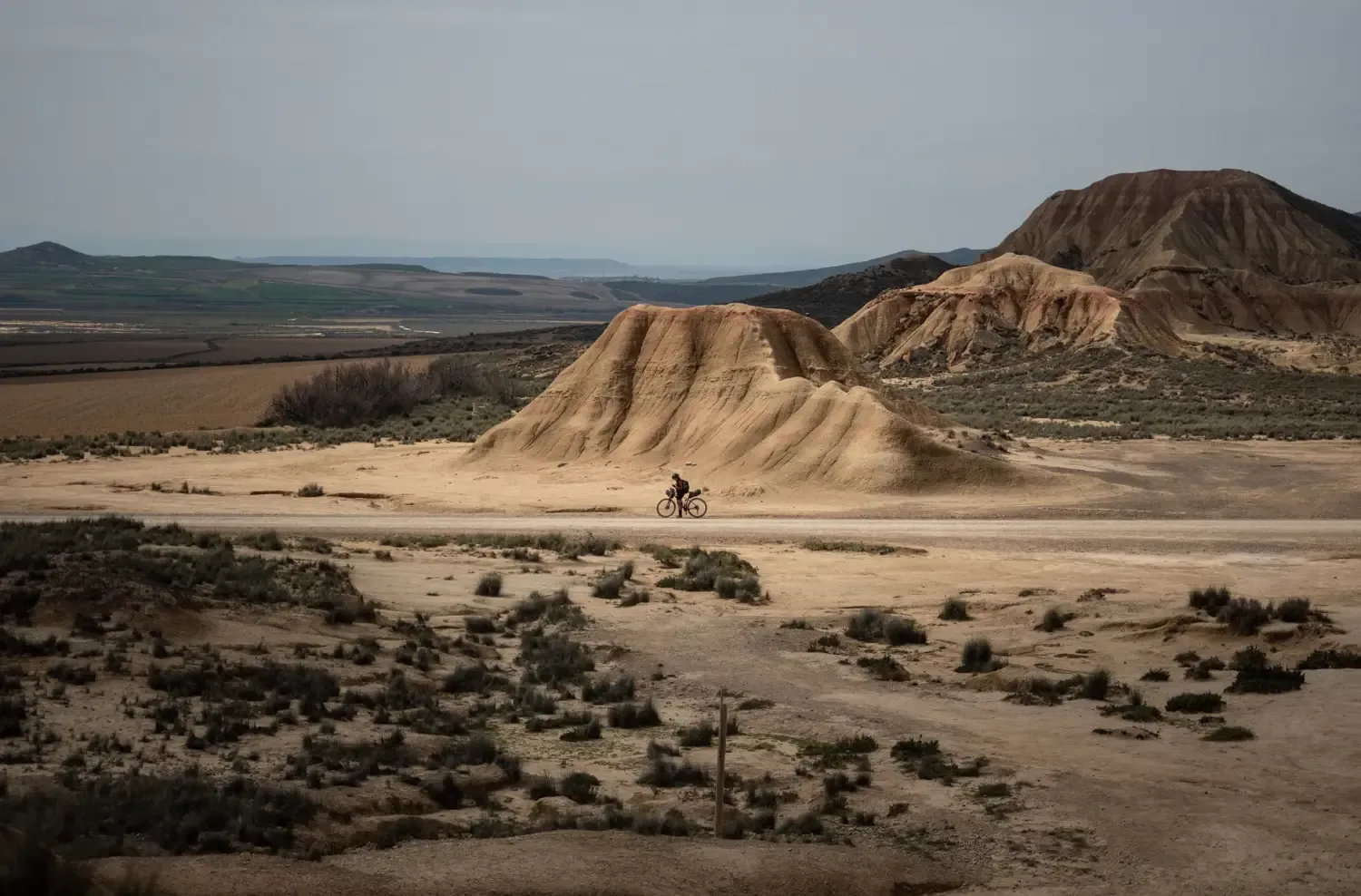
9 mountain biking routes in undiscovered Spain
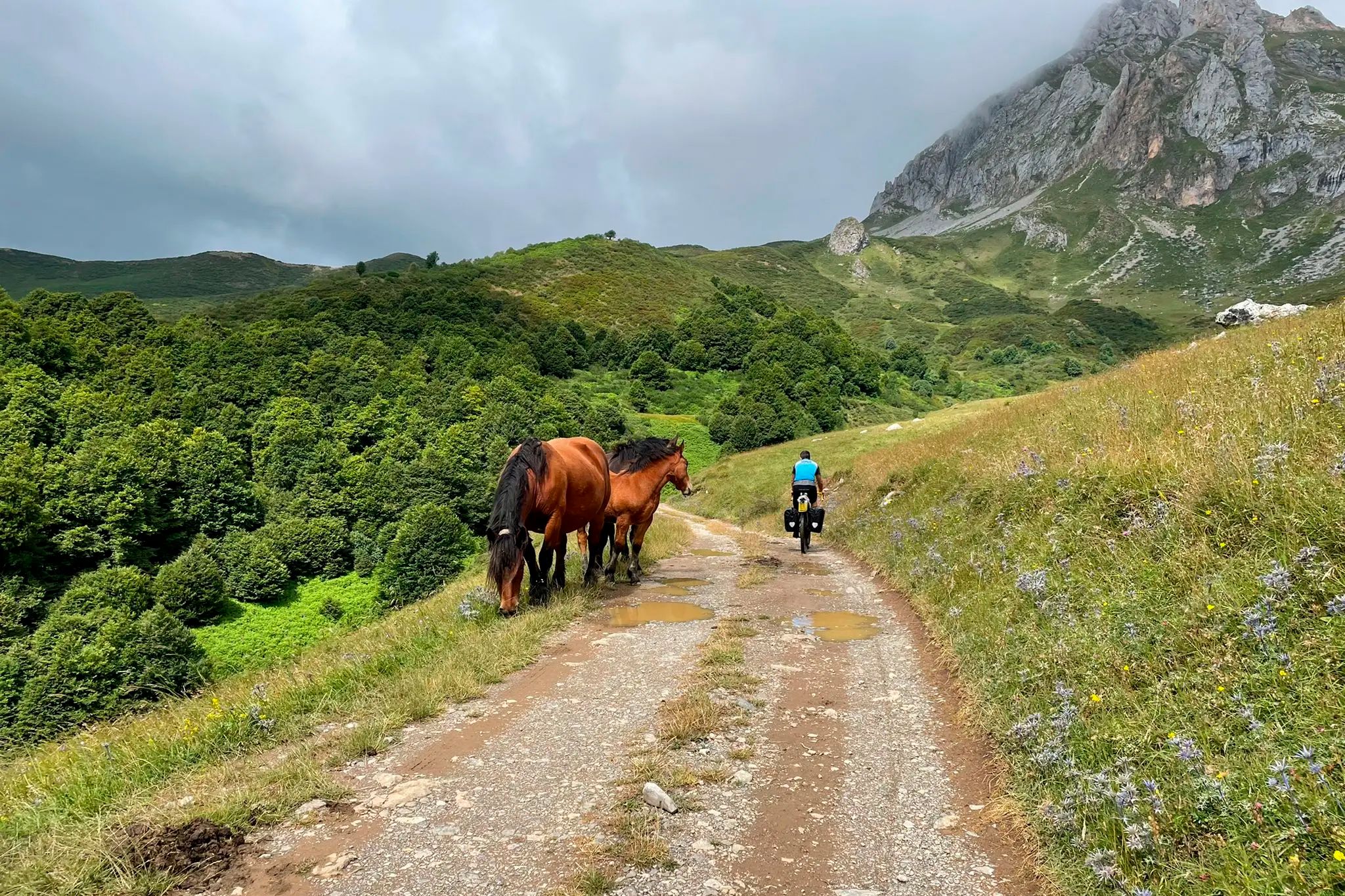
TransCantabrica – Extreme mountain biking in northern Spain
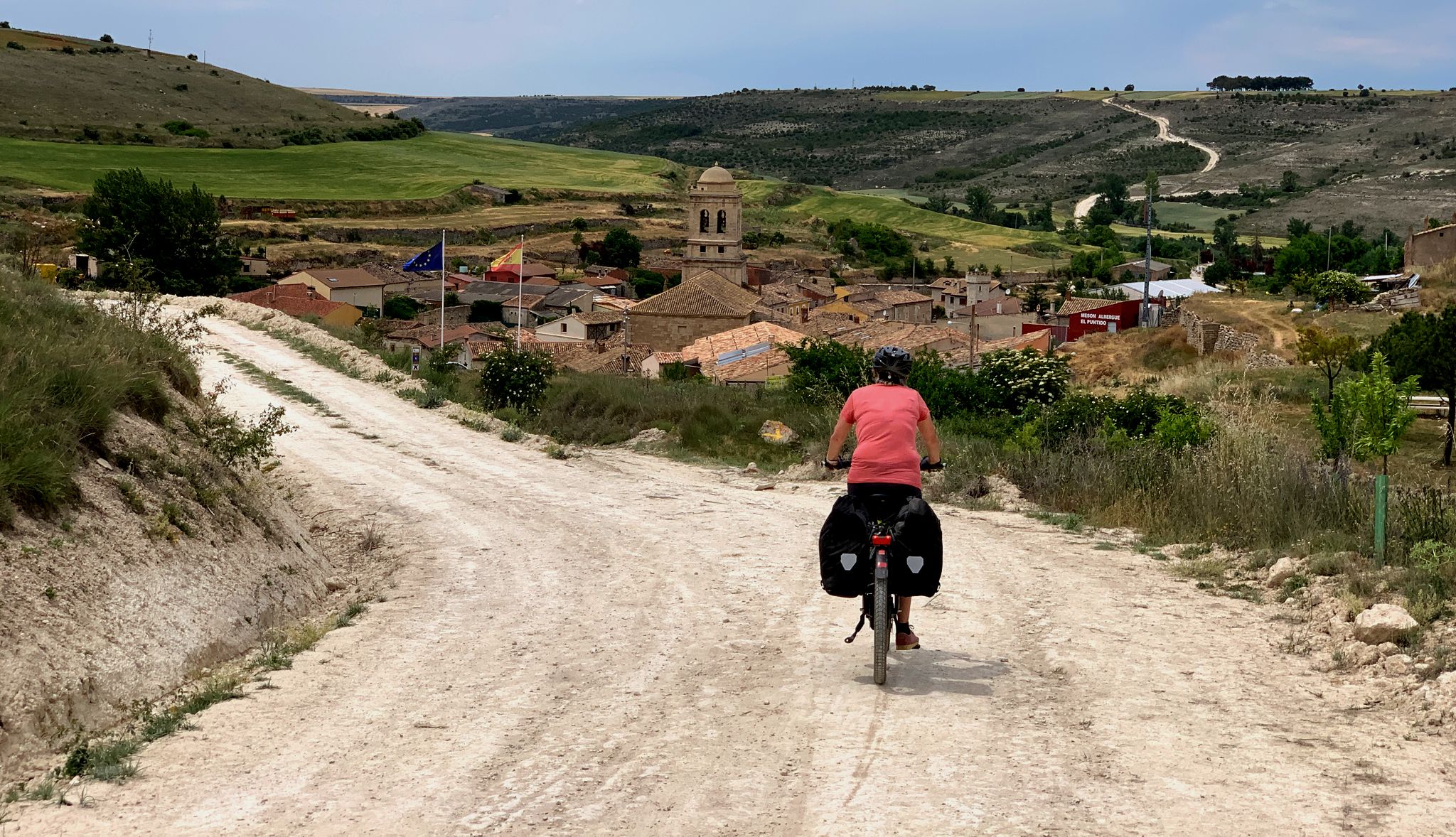
The Pilgrim Route — EuroVelo 3 through Spain
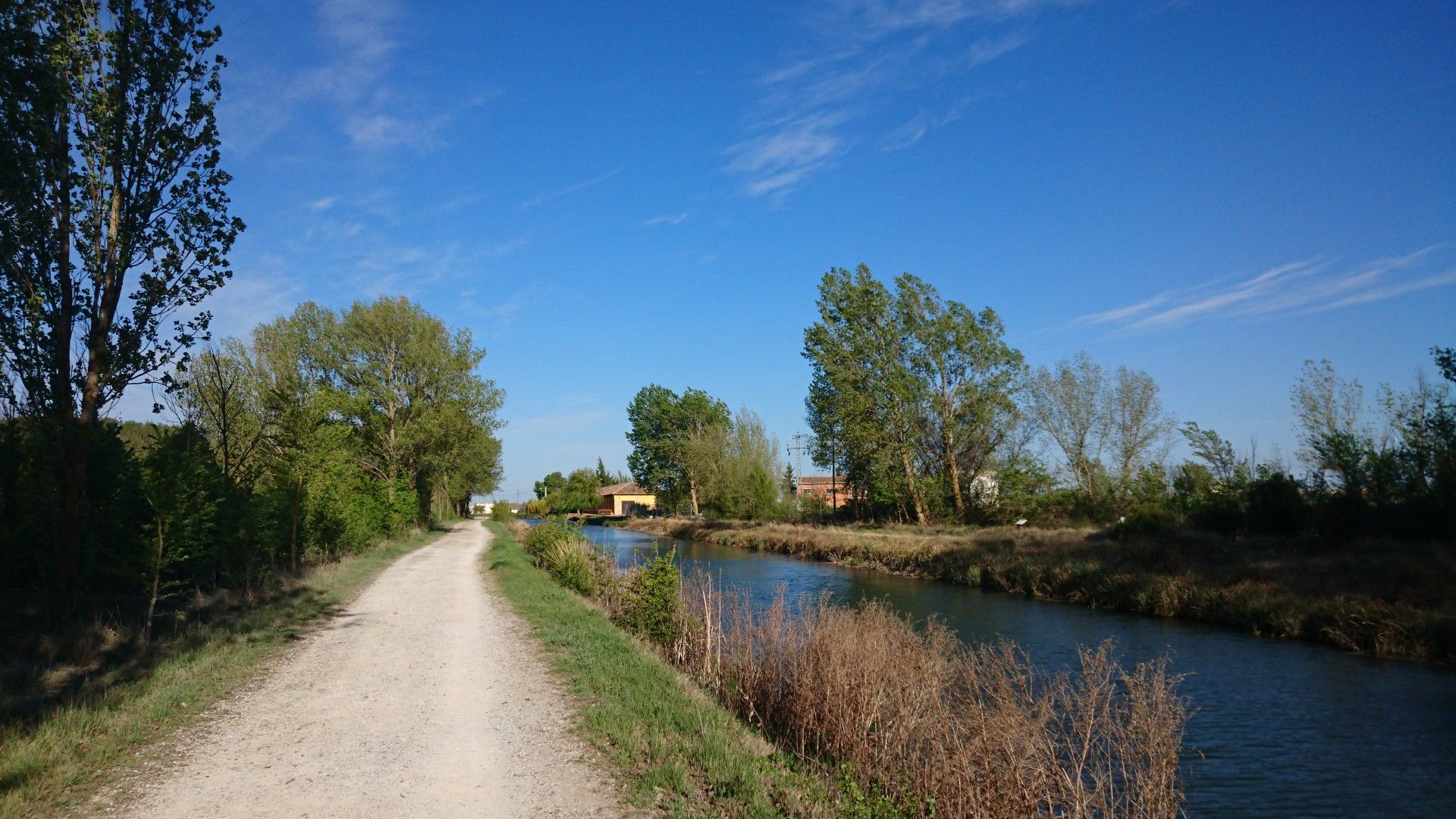
The history of civil engineering — the Castille Canal by bike
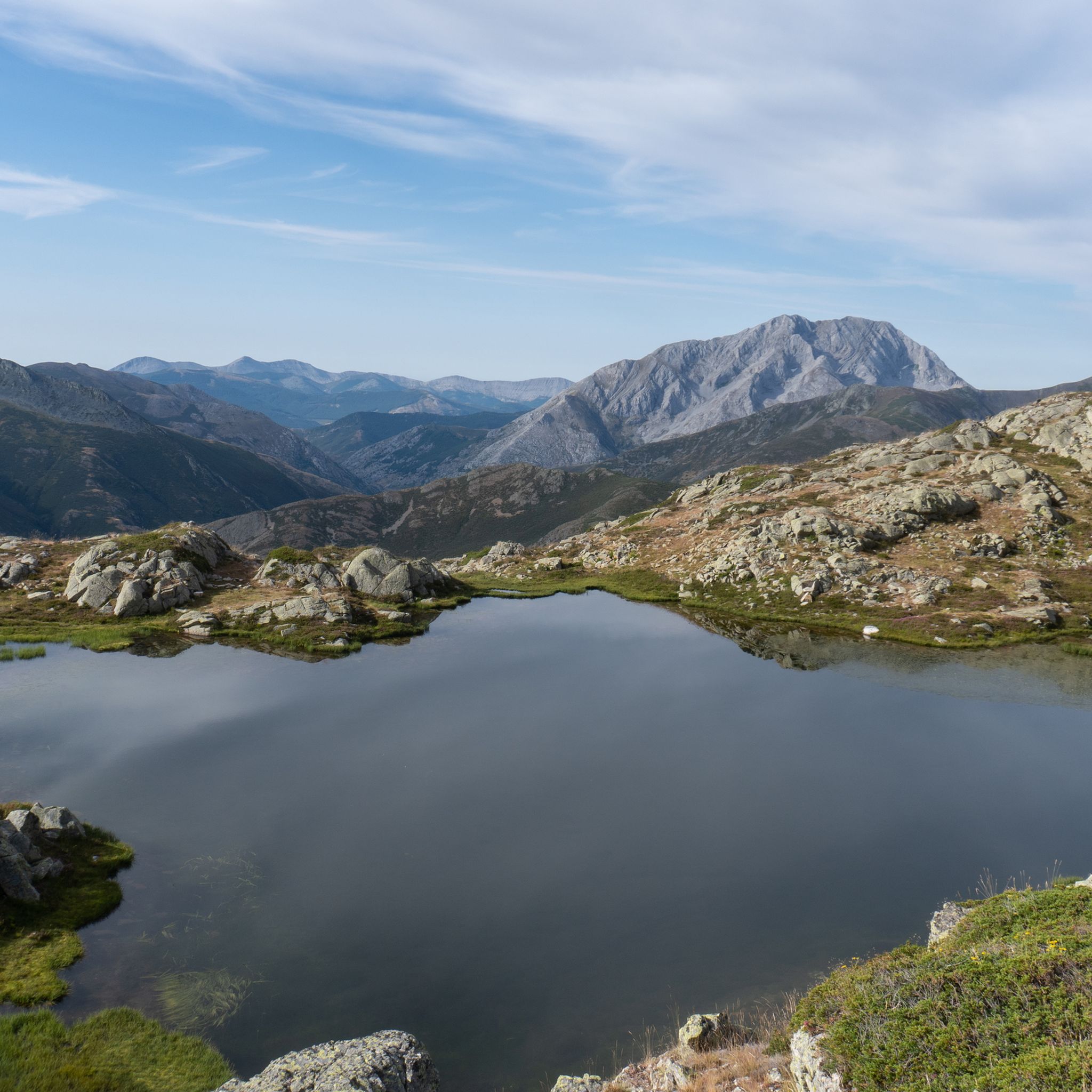
Hiking in Palencia
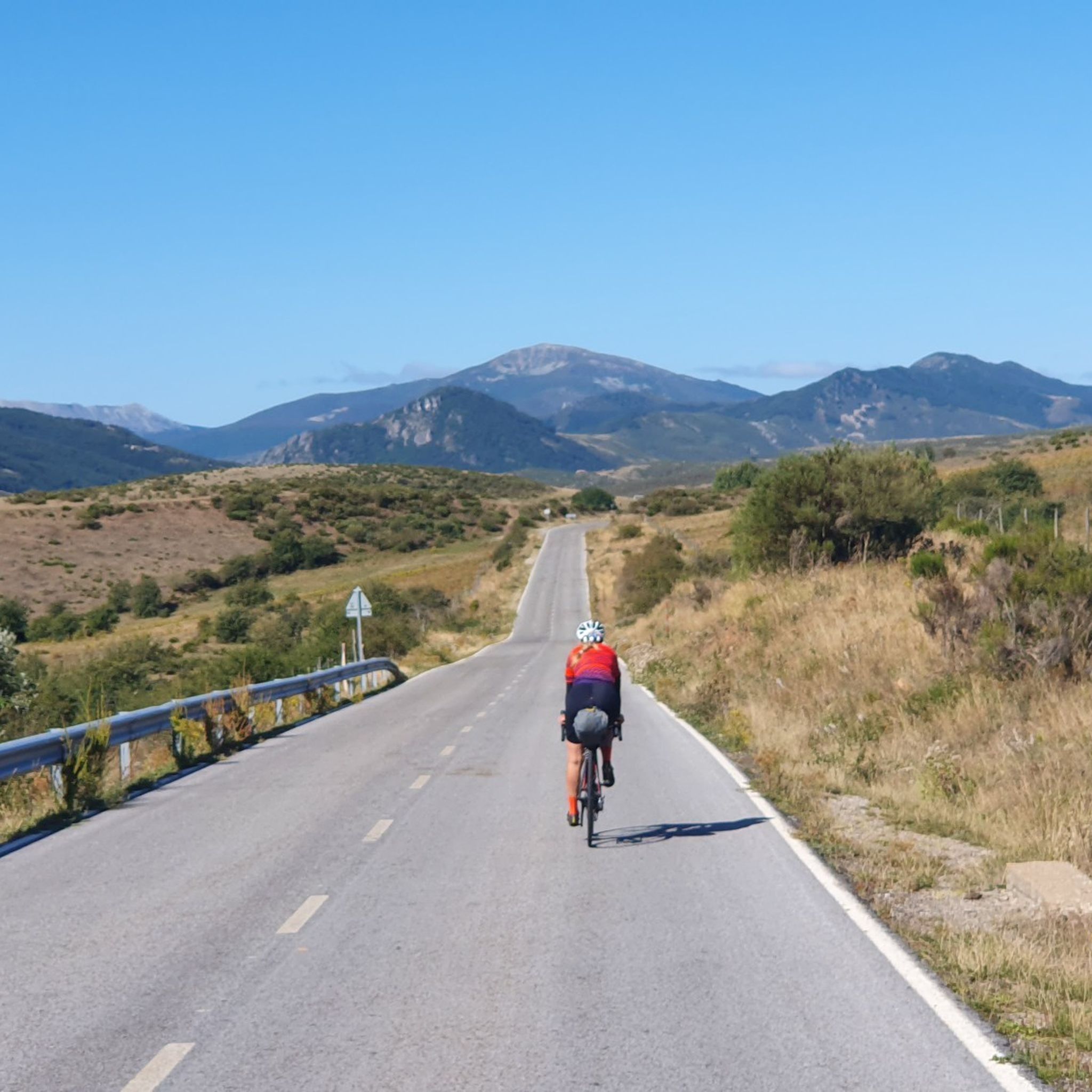
Road Cycling Routes in Palencia
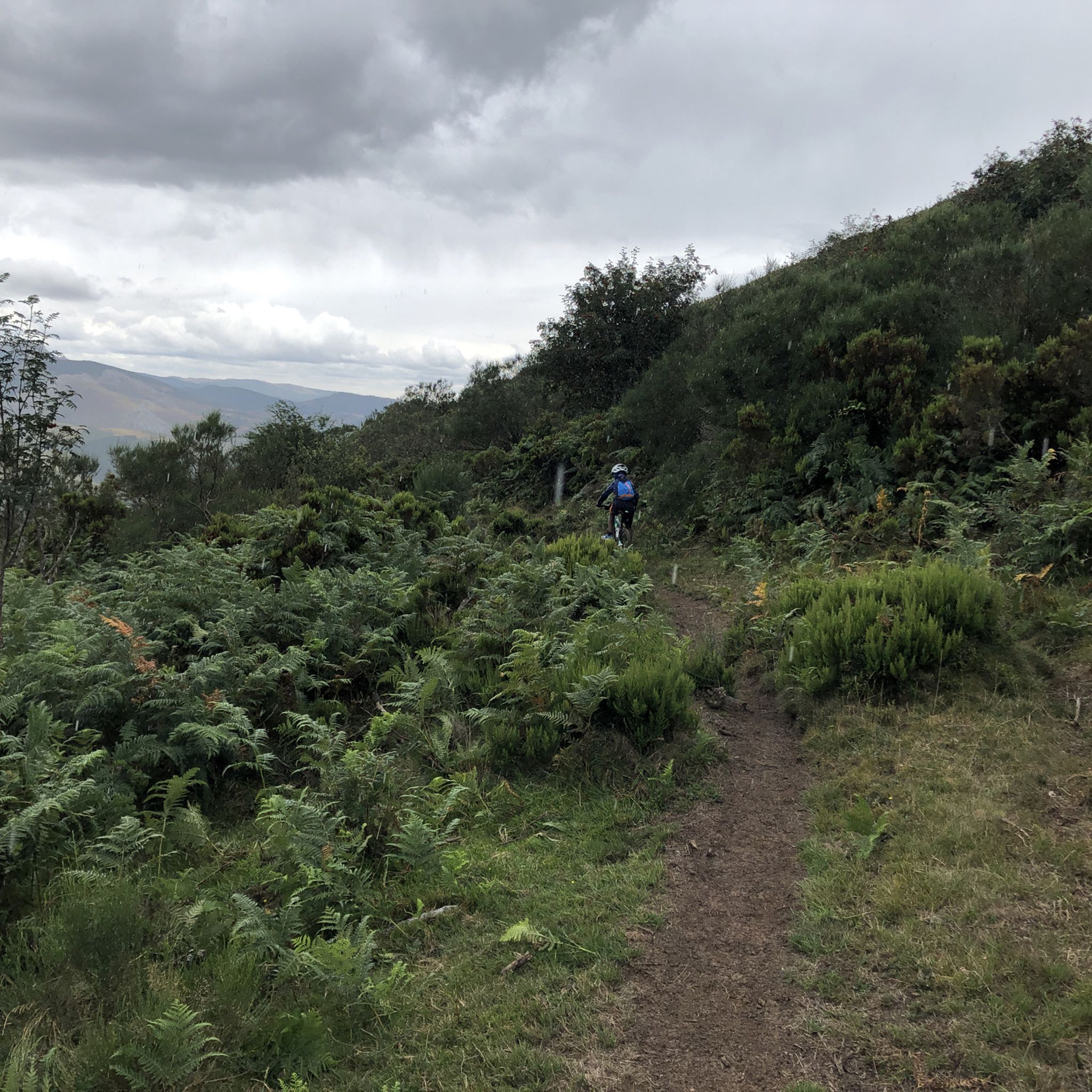
MTB Trails in Palencia
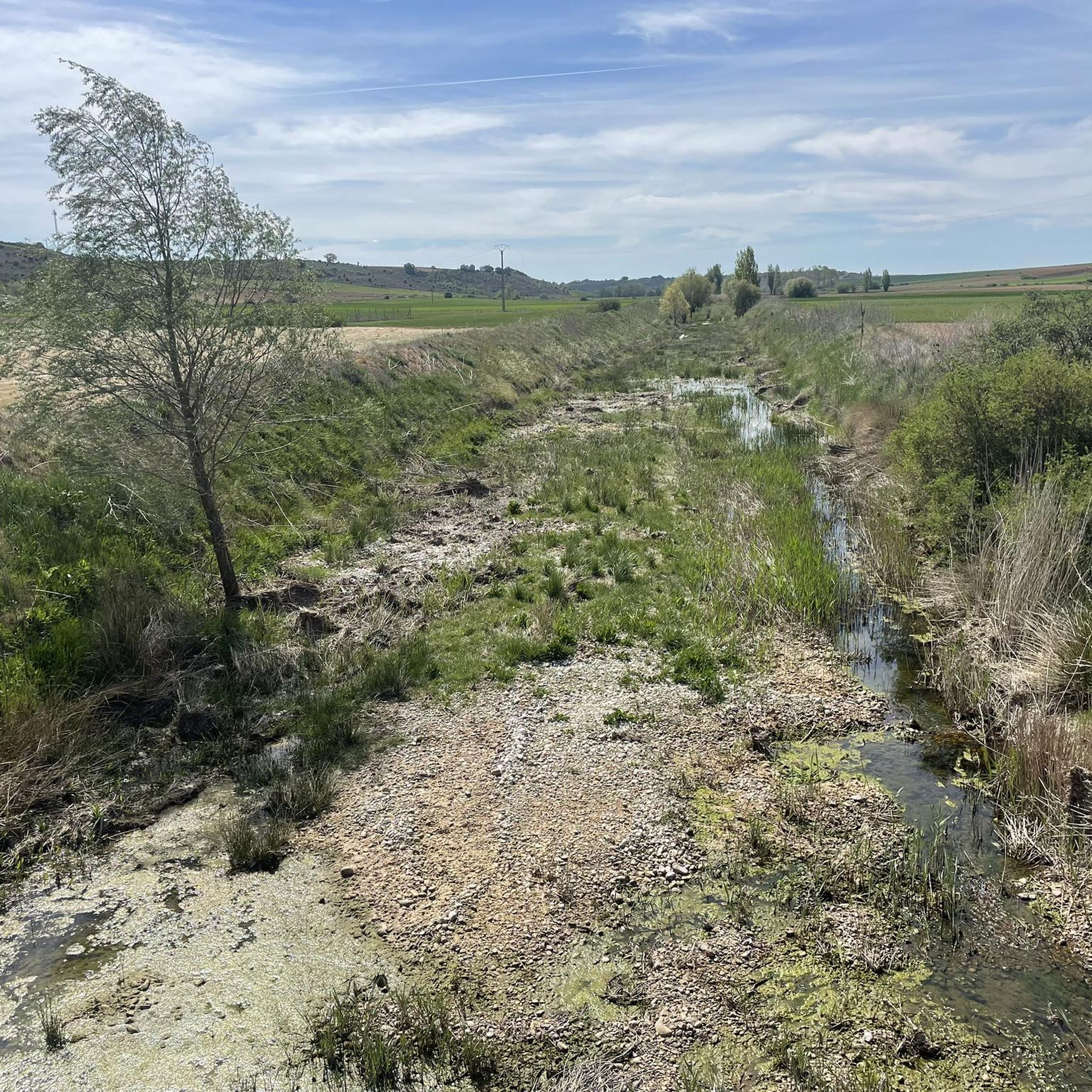
Running Trails in Palencia
Other adventures in Palencia


Tips from the Community

The ruins of Astudillo Castle rise on a prominent mound detached from the San Martín moor. Although its origins may date back to the 10th century, there is no documentary evidence of its existence until the 11th century.
1
0

Astudillo (Palencia) is a hidden gem of great historical and architectural value! Must-see places in Astudillo: Convent of Santa Clara and Palace of Pedro I, La Mota Castle, Plaza Mayor, historic churches, underground passageways, among many other attractions.
4
1
The Castillo de la Mota in Astudillo, also known as the Astudillo Castle, is a late medieval fortification dating from the 12th-13th centuries. It is located on an artificial mound on top of a gentle hill in the province of Palencia, Castile and León. This castle witnessed numerous historical events and served as the residence of illustrious figures such as Pedro I of Castile and María de Molina. Although only an ultra-semicircular cube and some remains of masonry from the walled enclosure remain today, it remains a jewel of local heritage.
7
1
The Castillo de la Mota in Astudillo, also known as the Astudillo Castle, is a late medieval fortification dating from the 12th-13th centuries. It is located on an artificial mound on top of a gentle hill in the province of Palencia, Castile and León. This castle witnessed numerous historical events and served as the residence of illustrious figures such as Pedro I of Castile and María de Molina. Although only an ultra-semicircular cube and some remains of masonry from the walled enclosure remain today, it remains a jewel of local heritage.
4
0
Remains of the castle of La Mota, it is a perfect viewing point of Astudillo and its region. The underground chambers of the castle are wine cellars.
1
0

The Castillo de Monzón de Campos is an impressive historical monument located in Monzón de Campos. The castle stands on a hill and dominates the surrounding landscape. It was originally built in the 14th century and has undergone several restorations and modifications since then.
2
1
The Castillo de Sarmiento, also known as the Castillo de Fuentes de Valdepero, is an impressive 15th-century fortification in Fuentes de Valdepero, Palencia, Spain. It was built by the noble Sarmiento family and is one of the most imposing and well-preserved castles of its time, with thick walls of up to 11 metres (36 ft) and a height that was unparalleled in its time.
2
0

Perched on a cliff but easily accessible, it is super cool to walk among its ruins.
2
0
Frequently Asked Questions
Which castles in Palencia offer the best panoramic views?
For stunning panoramic views, consider visiting the Castillo de Monzón de Campos, which offers commanding views of the Carrión River and the Tierra de Campos. The Castillo de los Sarmiento (Fuentes de Valdepero) also provides excellent views of the Palencia countryside from its elevated position. Additionally, the ruins of Castillo de Aguilar de Campoo are strategically located on a hill, offering extensive vistas.
Are there family-friendly castles to visit in Palencia?
Yes, several castles in Palencia are suitable for families. The Castle of Ampudia, for instance, houses an extensive collection of art and historical artifacts that can be explored through guided tours, offering an engaging experience for all ages. The town of Astudillo, home to the ruins of the Castle of La Mota, is also noted as family-friendly with its historical sites.
What is the best time of year to visit the castles in Palencia?
The best time to visit the castles in Palencia is typically during spring (April to June) and early autumn (September to October). During these months, the weather is generally mild and pleasant, making it ideal for exploring the outdoor grounds and enjoying the views without the intense heat of summer or the colder temperatures of winter. Spring also brings lush landscapes, while autumn offers beautiful colors.
Can I take a guided tour of any castles in Palencia?
Yes, the Castillo de Ampudia offers guided tours of its ground floor departments, where you can explore its extensive collection of art, antiques, and historical artifacts. The Castillo de los Sarmiento (Fuentes de Valdepero) also hosts exhibitions and guided tours that delve into its medieval past.
What unique architectural features can I find among Palencia's castles?
Palencia's castles showcase diverse architectural styles. The Castillo de Ampudia is a prime example of Gothic-Renaissance style with its grand stone structure and distinctive trapezoidal shape. The Castillo de los Sarmiento (Fuentes de Valdepero) is notable for its impressive stone structure, square enclosure with corner towers, and remarkably thick walls, reaching up to eleven meters in some places. The Castillo de Monzón de Campos preserves its medieval character with an imposing keep made of high-quality ashlar masonry and solid stone walls.
Are there hiking trails near the castles in Palencia?
Yes, Palencia offers various hiking opportunities. While not directly adjacent to every castle, you can find numerous trails in the wider region. For example, you can explore easy hikes like the "El Roblón de Estalaya" Path or the Las Tuerces Labyrinth Trail. For more options, check out the easy hikes in Palencia guide or the waterfall hikes in Palencia guide.
What is the historical significance of the Castillo de Ampudia?
The Castillo de Ampudia is a 15th-century Gothic noble fortress with significant historical importance. It played a role in the Comunera uprising in 1521 and served as an occasional seat for the court of King Philip III in the early 17th century. Today, it is renowned for housing an extensive collection of art, antiques, and historical artifacts, reflecting centuries of history.
Are there any castles in Palencia that are wheelchair accessible?
While many medieval castles present accessibility challenges due to their historical construction, the Castillo de Ampudia offers accessibility to its ground floor departments via guided tours. It is advisable to contact specific castles directly for the most up-to-date information on accessibility features before your visit.
What other outdoor activities can I do near Palencia's castles?
Beyond hiking, the Palencia region offers opportunities for gravel biking. You can find various routes, such as the Puente Mayor de Palencia loop or the Salinas de Pisuerga Bridge loop. For detailed routes and guides, explore the gravel biking in Palencia guide.
What makes Monzón de Campos Castle historically important?
The Castillo de Monzón de Campos is an emblematic fortress with deep historical roots, built on the remains of an earlier 11th-century castle. It served as a strategic stronghold during the Reconquista, offering commanding views of the surrounding Tierra de Campos. The village of Monzón, with its castle, was a significant county center during the 10th and 11th centuries, highlighting its long-standing importance in the region's history.
Is parking available at Palencia's castles?
Parking availability varies by castle. Many castles, especially those in rural settings or on hills, may have designated parking areas nearby or in the closest village. For castles located within towns, street parking or public car parks might be available. It's recommended to check specific location details for each castle you plan to visit.
Are there cafes or restaurants near the castles in Palencia?
Most castles in Palencia are located near or within towns and villages that offer local amenities, including cafes and restaurants. Larger towns like Ampudia or Fuentes de Valdepero will have more options for dining and refreshments. For castles in more remote areas, it's advisable to plan your meals in advance or bring your own provisions.
Most popular routes in Palencia
Most popular attractions in Palencia

Get inspired with the komoot mobile app


Didn’t find what you were looking for?
Explore Palencia’s best castles region by region:
Explore more
Looking for the best castles somewhere else? Discover other guides in Palencia:
